
![ADHD TikTok Compilation [Part 2] | Star TikToks](https://i.ytimg.com/vi/ZxWk49Gym5Q/maxresdefault.jpg)



















ADHD is associated with emotional dysregulation due to delayed prefrontal cortex development (2-3 years behind neurotypical peers), creating a mismatch where the amygdala's emotional responses arrive before the prefrontal cortex can regulate them; this is compounded by neurotransmitter imbalances (low dopamine, fluctuating norepinephrine), executive dysfunction affecting impulse control, frustration tolerance, and working memory, and biological triggers like circadian rhythm delays and sensory sensitivities; however, these challenges can be managed through practical skills including pausing before reacting, labeling emotions, supporting working memory externally, physical movement to shift focus, preparing ahead for emotional triggers, breaking down tasks, scheduling emotional check-ins, and reflecting on emotional experiences to build new neural pathways.
ADHD Emotional Dysregulation: Neuroscience & 9 Coping Skills
Added:Hi, I'm Emma. I'm a therapist. I also meet the criteria for ADHD. And I've had to manually learn to regulate my emotions for the last 35 years because it feels like the dial on my emotions is turned way, way up. And it turns out that up to 70% of people with ADHD struggle with emotional dysregulation. So today, we're going to dive into the brain science behind why ADHD and emotional dysregulation are so closely linked. I'm going to break it down into three main chunks and I have some practical strategies for you to manage those emotions. Now guys, this is Therapy in a Nutshell, but I have been working on this video for like 8 months, and it's been hard for me to boil all this information down into a short video. So today's video is going to be the biggest nutshell in the world, which happens to look like a butt. And that has nothing to do with ADHD and emotional regulation, but maybe everything to do with it. So, let's go.
Okay. So, what actually happens in the brain that makes emotions feel so hard with ADHD?
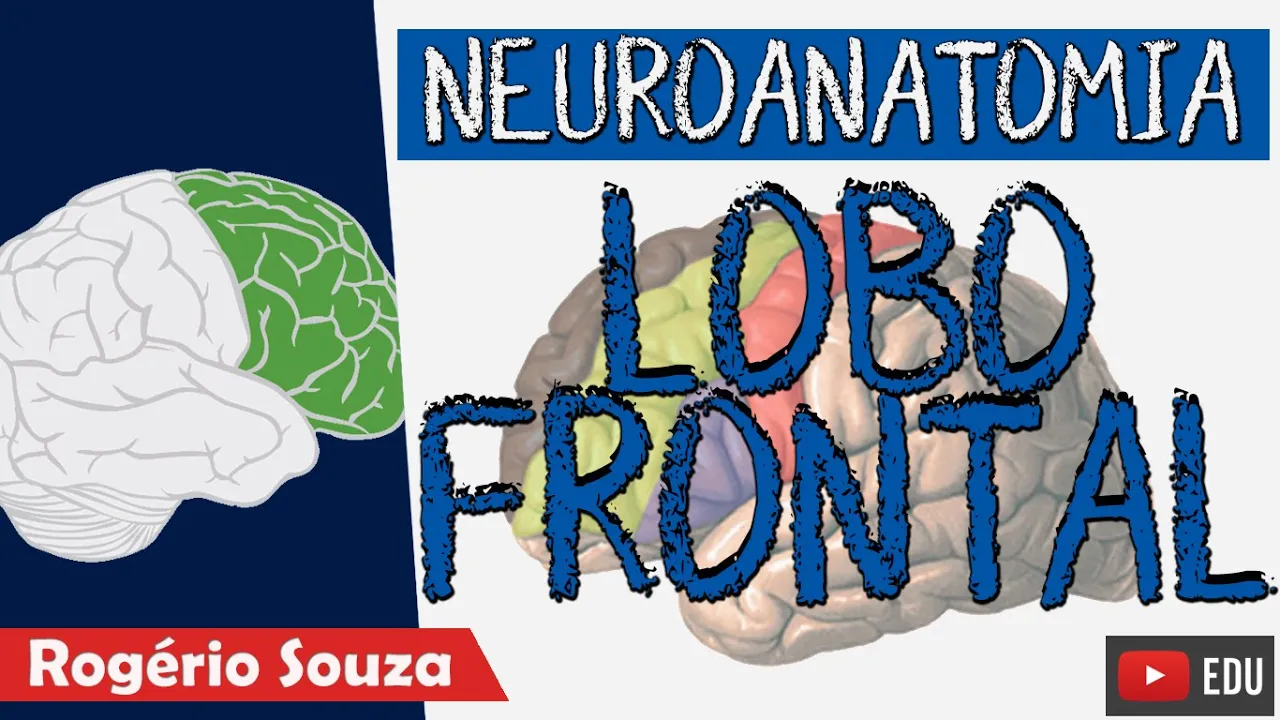
On average, kids with ADHD have a 2- to three-year delay in brain maturation. MRI scans of hundreds of kids found that cortical thickness typically peaks for a normal kid around the age of 10 and a half. But for kids with ADHD, it's closer to 13. And this delay was most pronounced in the areas responsible for executive function, attention, and working memory. So, this means that kids with ADHD often catch up neurologically in the mid to late 20s, but the timing lag can cause significant struggles with emotional and behavioral regulation during childhood. So, by that point, you've already gotten in trouble a bunch of times. Maybe you've already labeled yourself as the bad kid, the dumb kid, the sensitive kid, the reject, or maybe you've built up a bunch of maladaptive coping strategies. So this prefrontal cortex is the part of your brain, right behind your forehead. It's your braking system. It helps you pause and think and choose your response.
And in ADHD, that part of the brain tends to be a little underactive, especially during stressful or emotional systems. Whereas the alarm system in the brain, the amygdala, is overactive. It tends to go off more easily and stay on longer, especially when something feels unfair or frustrating or rejecting. So instead of calmly deciding what to do, the emotional part of the brain gets there first. It's like the feelings hit the gas pedal before the brakes even know there's a problem.
And that leads to what researchers call short emotional latency. You feel something and react very fast, often before you even had time to think about it. Because of this, the brain is less likely to be aware of its overreactions or thinking errors, and it's a lot harder to calm down after an emotional event. So, when you've had an emotional reaction, it can really quickly spiral. Another interesting thing about the ADHD brain is low dopamine can make it hard to be patient. And the norepinephrine tends to swing between too much and too little, which contributes to that feeling of tired and wired that emotional volatility that comes with ADHD. So in a nutshell, with ADHD, the manager brain develops much more slowly and connects much less efficiently to the feeling brain. And that's why emotions can flood the system so quickly. And here's a side note.
Whatever you do find interesting or stimulating, whether that's jumping your bike or art or music, or for me it was actually school, like yay female ADHD, that area that you're interested in is going to seem disproportionately advanced. You might seem really skilled at basketball or piano, but emotionally underdeveloped in other areas. So, people might think, "Oh, she's so smart or gifted. Why isn't she trying? She has so much potential." And then all of this can fuel that cycle of shame or withdrawal. But the good news is with the right support, with therapy and skills and medication and lifestyle tools, these connections can strengthen and emotional regulation can absolutely improve. Okay. So I mentioned the prefrontal cortex. This is where executive function happens. It's the brain's ability to manage thoughts, emotions, and actions to reach a goal. It includes skills like impulse control, prioritization, planning, shifting attention, holding ideas in your mind, and time management. Long story short, it is really important. And so, let's just take a look at five areas where this poor executive function shows up. ADHDers have lower impulse control. They may react to emotions quickly and intensely before they have time to process them. Let me tell you about Alex. Alex is a 22-year-old college student who's working on a group project. Yay. A teammate Sam, suggests a different approach than the one that Alex was thinking about. Without thinking, Alex immediately snaps. That's a terrible idea. We don't have time to start over. Sam looks offended. The rest of the group goes quiet. And then later, Alex feels really guilty for overreacting. But he consistently struggles to control these emotional outbursts in the moment. So poor impulse control can look like outbursts of anger or tears or raised voices or storming off. But it can also show up as being like overly exuberant, overly happy, laughing really hard and being unable to kind of stop and slow yourself down.
These executive function deficits can also show up as difficulty shifting emotional states. So once an emotion takes hold, whether that's anger or sadness or excitement, people with ADHD often struggle to shift states. They might experience what's called emotional stickiness, where these emotions linger longer than they do for neurotypical individuals. So Jordan's a 35-year-old with ADHD and depression. She made a small mistake in a work email. Her boss pointed it out casually, but now Jordan feels embarrassed and ashamed. And instead of moving on, she ruminates on the mistake for hours and hours, replaying it in her mind and just feeling like a failure. Even after work, she struggles to shake that feeling. She ends up canceling dinner plans because she feels too down. So this emotional stickiness as part of ADHD, there's two processes that can fuel this. The first one is hyperfocus. This is an ADHD superpower, where when something is intense or stimulating or interesting, you can get completely absorbed. And this can happen with a new crush or with the worry about what you said in that email. Hyperfocus can make it difficult to step back, shift attention, or gain perspective. Positive or negative emotions can be really stimulating. So, it's almost like a fidget toy to just dwell on them. The second difference is the default mode network. So, this is basically what's going on in your head when you have nothing to think about.
People with ADHD are more likely to have their brain wander and it might constantly wander into worries or ruminations and this can fuel negative moods like anxiety or depression. Okay, the next one is low frustration tolerance. So due to dopamine differences, ADHD brains crave instant rewards and stimulation. This makes waiting or dealing with setbacks or handling boredom really difficult. Small inconveniences can feel really overwhelming and that can lead to irritability or outbursts. Okay, next one's time blindness. ADHD brains struggle with tracking time. So, when something feels bad, it feels like it has always felt bad and it will always feel bad.
Dr. Ned Hallowell said that for people with ADHD, there are only two times, now and not now. And you couple that with a low frustration tolerance and it's a pretty potent way for any emotion to feel like it's going to last forever and then you start to spiral. Number five is poor working memory. Working through emotions is a multi-step process. It requires you to hold multiple pieces of information while moving through the steps. But people with ADHD often have poor working memory.
That means they have a hard time holding multiple ideas at the same time or like remembering that it's all going to be okay. So, let's take a look at Fred. Fred says, "I hate my job. My boss is a complete jerk. When I requested to take a day off so I could attend a wedding, he denied the request." His impulse is to quit right now. And before you know it, Sam is still mad at his boss, but now he's panicking because he doesn't have a job and he's super mad at himself.
And if you really look at it, he also had a hard time remembering to tell his boss he wanted the time off and the wedding's tomorrow. It's easy to see how poor working memory and poor executive function start to pile up. These deficits make it really hard to process emotions and carefully plan how to act. And I don't want to spend too much time on this, but speaking of emotion processing, emotion processing is how you work through and resolve emotions. I've done a bunch of videos on this and a whole course on emotion processing. So, for this video, I'm just going to briefly walk through what I would tell Fred to do when his impulse is to quit that job. So, he needs to name his emotions, which requires him to like, use the thinking part of his brain. So, he would need to name his emotions, pause, notice his thoughts. He needs to explore and clarify, like question your thoughts. Huh? Maybe the reason my boss isn't giving me time off is because I gave him no warning. And then to choose, you know, like what do I really want to do? Do I really want to quit my job? And to think through this and then eventually to take action that lines up with your values, you know, like, oh, I need to keep my job. Next time I need to do this differently, right? And just notice how each of these steps in emotion processing requires you to hold multiple ideas in your head while trying to remember what to do next while you're feeling intensely angry.
Right? So, not only is it hard to work through those feelings, but poor executive function makes it harder to solve the actual problem that the emotion is about. The actual problem is you need to plan ahead better to request time off. Long story short, every single step of emotion processing requires executive function and that requires multiple steps. And as Kjrstin Walters, my favorite ADHD expert, says, "For people with ADHD, two steps is one step too many." Okay, so it's easy to see why people with ADHD struggle with emotion regulation. But these are skills that can be learned and supported. And I pretty much had to learn how to do this manually.
But with time, I did learn how to work through my feelings in a healthy way. Okay, so those are five ways that executive dysfunction really impairs regulation and ADHD. Okay, now we're going to talk about RSD and biological triggers and then we'll talk about some helpful strategies. Okay, many people with ADHD have rejection sensitive dysphoria. This is intense emotional pain in response to perceived criticism or failure or rejection. When you get criticized or rejected, it can feel like you're being stabbed. And I can remember when I had a friend breakup and it destroyed me for like years. I felt like there was something wrong with me. I was so hurt and confused that I literally withdrew from having any friends for like 2 years now. I know this doesn't make sense, and that's what dysphoria means. It's a much bigger than expected emotional response and it can happen even when it's just a small piece of feedback or a tiny mistake. Now, because rejection feels so painful, it often leads to defensiveness, social anxiety, social withdrawal, or people pleasing. The fear of saying the wrong thing or making someone mad can be paralyzing. Now, I'm going to make a whole video on this. So, if you'd like to see that, you can subscribe or click the bell. All right, there's my annoying call to action. But I am making a bunch of videos on this, so stay tuned. Okay, the last main category of how ADHD is linked to emotional dysregulation is biological triggers. Up to 70% of ADHDers have a natural delay in their internal clock.
This means that their brains don't start releasing melatonin until much later at night. This is like 2 hours later. So even if they go to bed early, they just lie there awake. Then you add in the racing background noise of the brain, that loud default mode network, and difficulty calming down.
And what you end up with is a lot of ADHDers end up chronically sleep-deprived and that makes it much harder to regulate emotions. Now again, this topic deserves a whole video, so stay tuned. But let's talk about hanger. People with ADHD often struggle to eat on a regular schedule because the same brain networks that manage attention and time awareness and self-regulation, those same networks also control hunger cues and routines. So, when you're hyperfocused, you might not notice that you're hungry until you're shaky and irritable. Or when you're distracted or overwhelmed, preparing food can feel like an impossible task. So this irregular eating pattern causes these blood sugar spikes and crashes, which intensifies emotional dysregulation and that can lead to irritability, anxiety and impulsivity. Okay, last is sensory overload. People with ADHD have brains that are extra sensitive to incoming information, sounds, lights, textures, and movement.
They all compete for attention at once. And when too much sensory input hits the system, the brain's filtering mechanism gets overwhelmed and that overload can quickly trigger the nervous system's fight or flight response. So to manage your sensory load, it might be really important to decrease multitasking and to change your environment to be more ADHD friendly. Okay, before you get all down in the dumps about all the ways that ADHD makes it hard to regulate emotions, I have to tell you about some ADHD superpowers. And I'm just going to list a few. Strong emotional intuition. This is one of my gifts that helps me be a good therapist. Quick emotional recovery from setbacks. Some emotions are intense but fleeting. Now, this can feel really confusing because some emotions are intense and stick around for a long time, but sometimes you just bounce back. High emotional resilience in stressful situations. There's some fascinating studies showing that many people with ADHD perform really well under pressure and they regulate emotions much better in fast-paced, high-intensity situations. So, you might make a great first responder. Passion-driven emotional regulation. When we care about a goal, we can channel frustration into action.
And creativity. People with ADHD often find unique and adaptive ways to regulate emotions. We might use humor, storytelling, music, art, or movement to shift our emotional state. You aren't broken.
You aren't bad. Your brain is just different from typical brains. You might just thrive in a different environment. Okay. So, finally, we're at the part of this video where we are going to talk about the practical strategies that help ADHDers regulate their emotions. Okay, so first let's talk about biological triggers. Again, with ADHD and these changes, it almost never works to just try harder. That's like telling someone who needs glasses that they just need to try harder to see. That just won't get them very far. They need glasses. And if you've got ADHD, you need systems that change the environment around you to work for you. So, make it easier to get sleep and hydrated by keeping granola bars and water bottles nearby. I don't have time to address like all of these topics. So, we are going to touch on them briefly and you and your brilliant ADHD brain can watch the videos and do the research. When you choose one of these areas to work on, watch the videos, do the research, and figure out how to implement one of these changes into your life. Okay, second one is sleep. Get better sleep. This is easier said than done, but do your best. Again, video incoming. Exercise and nature time have both been shown to improve mood and focus. Manage your environment to deal with sensory overload. Now, again, guys, I know I'm just listing these ideas, but out of everything I say in this segment, choose one. Go do your ADHD fueled research on the topic. Pick one action item. There's plenty of good videos on how to do this with ADHD. And then of course, medication. ADHD meds can help strengthen the brain's ability to pause before reacting. And stimulants can often reduce emotional impulsivity and mood swings by enhancing the thinking part of your brain. Non-stimulants can also help level out your emotional reactivity.
And of course, talk with your doctor. Okay, so minimizing biological triggers and using medication will help prevent some of the overwhelming levels of emotion, but stuff is still going to come up. So, let's talk about nine skills you can do to help regulate your emotions even when ADHD is doing its thing. Learn to pause when you feel a strong emotion. The number one most important skill is to buy your brain some time for your executive function to turn on. You've got to train yourself to pause before reacting. So, let's go back to Alex. He was the college student who made it awkward during the group project. What I would say is Alex could use a script, a neutral phrase to buy himself some time. It might be something like, "Hm, let me think about that." Or you just repeat back to them what they said. Something like, "Oh, you're saying we should take a different approach." Or take a break when you're feeling overwhelmed and go for a walk or go to the bathroom. Okay. Now, here's the thing with ADHD, right? When you're trying to make changes, when you have ADHD, you have probably tried over and over and struggle to be consistent to actually maintain those changes. So, you might feel like giving up or like, "Oh, yeah. I've tried that, but it just hasn't worked." I would just say, "Don't give up. Don't just try harder. Try differently."
With ADHD, you've got to outsource your executive function and treat each attempt as a tiny experiment. And you're probably not going to succeed the first time you try to learn to pause.
So you've got to build better systems. So let me give you an example. When it comes to outsourcing that executive function, let's say like your impulse is that you spend money impulsively. You can't just try harder to not spend money. You've got to build in things that are going to slow you down. So some examples of this are like taping a reminder on your credit card that you have to call your partner before spending over $100 and you have to sleep on it before spending over $500. You gotta outsource your executive function so you don't have to remember to slow down. It's like printed right there. You could delete the autopay options, like saved credit cards on online shopping and that forces you to stand up and get your credit card and manually add it to the purchase. Or you can add an app to your phone that forces you to wait before making online purchases.
Long story short, these are all examples of how to build an environment that supports your executive function to help you be less impulsive. Now again, this topic deserves a whole video. I'm actually writing it right now. It'll be out in a couple months. As we talk about the next couple of ideas, pick just one area to work on. Watch three to four videos on that specific area. And then you could work with an executive function coach or a therapist to come up with some creative strategies of how to implement that change in an ADHD friendly way. And I would just say don't try to change everything at once. Just pick one area at a time to work on for a month until you find a routine that works for you and becomes a new habit. So, going back to this learning to pause thing, I know we're spending a lot of time on this one, but I'm trying to teach you the system for creating change instead of just like trying to white-knuckle these changes. So, if you're trying to train yourself to pause before speaking impulsively, you might decide that you're going to use a script. And your script is, "Hmm, let me think about that." And you are going to need to practice that at home like 20 times before you start to remember to use it at work. Maybe you're going to make yourself a bracelet that says, "Hmm, let me think about that." And you're going to add a reminder to your phone that says, "Hmm, let me think about that." And then you make a physical calendar where you do a tally mark for each day where you use that skill at least once. You have to make this physical, tangible, not too big. The last thing to remember is this is all a huge experiment and you're probably going to find a lot of things that don't work for you, but keep trying and just keep experimenting with new things until you do find something that works for you. Okay, so that's the process, right? Like we have all these psychological strategies. Just pick one.
Experiment with a system that's going to help you support your working memory and executive function so you can make the changes you want to make. Okay, now we're going to move through these other ones a little bit more quickly. The second one is labeling or naming the emotion. Alex could think, I feel frustrated because my idea wasn't accepted. It's important to say this out loud and be sure to use an emotion word. And what this is doing is it helps sync the amydala and the prefrontal cortex.
It helps your brain slow down. The third one is calm your body. Learn some skills to ground your nervous system when you're feeling overwhelmed. You can learn a bunch in my free course, Grounding Skills for Stress, Anxiety, and PTSD. The easiest one though, is to take a slow exhale.
Okay. Number four, support your working memory. Make it concrete. Because your working memory can't hold so many ideas at once, you've got to find a system to process your feelings in an external way. This can include writing, whether in a journal or even just talking into a voice note on your phone or talking it out with a friend or a therapist or diagramming it. When you want to actually make a change, when you've chosen one thing you want to change and you've built a new routine, you're going to make copies of this. You're going to write this down and put copies of it all over your house so that you can remember it. And what we're doing is we're taking all these ideas out of your head with the gazillion flighty thoughts that you have and we're making it concrete. Now you can look at it and you can see the various parts. Number five is learn to shift focus. Remember Jordan, who messed up the email at work? ADHD brains often have a hard time thinking their way out of hyperfocus. You can't think your way out of hyperfocus. We often need a physical or body sensory activity to help shift emotions. And one of my followers told me that his mantra is move a muscle, move a thought. Now, in the past, you may have tried to do this in harmful ways like eating something, breaking things, or dangerous stimulating activities. Instead, let's explore some like healthy ways to do this. This might be a quick walk, even just walking around the room or doing some jumping jacks or stretching. Movement helps the various parts of the brain connect and talk to each other better. So you could talk through emotions while folding laundry or you could process anger or sadness while exercising. Long story short is if you have ADHD, move a muscle, move a thought. It's much harder to just sit there and think your way out of a problem. On to number six. You've got to prepare ahead of time to counteract negative thoughts because you're going to have a hard time slowing yourself down. Now, this is probably best done by working with a therapist, but you can practice on your own as well. So, let's use the example of Maya. She's a teenager with ADHD, and she has a tendency toward rejection sensitivity. Now, her friends aren't texting her back. Are they mad at her? Are they doing something fun without her? Do they hate her? My therapist taught her to write down the negative thought, like, "They don't like me." And then list at least two to three alternative explanations. So you remind yourself, "Oh, this feeling is intense, but it will pass." Or, "My brain is jumping to conclusions because of ADHD, not because it's true." Now, if you have ADHD and you also frequently go down the rabbit hole of catastrophizing, you'll probably need a visual reminder to not believe everything you think, that you are safe and you are loved and everything is figureoutable. Okay. Number seven, break down big tasks or problems. So instead of being paralyzed by big problems, one of the essential skills with ADHD is to break down tasks into actionable chunks. There's like two ways you could do this. You could write it out on paper. And again, this is supporting a working memory by writing it down. Write out a now versus later list to separate what's urgent from what can wait.
Or find one to two tiny goals per day. So for example, find one document instead of getting all the paperwork done. And again, with all of these ideas, there's like 20 plus ways to do this, and a great therapist or executive function coach can help you come up with some good ways to implement these strategies. You don't have to do this on your own. Okay, we are almost done. Number eight, schedule emotional check-ins. Because emotions can feel really overwhelming, it's easy to want to avoid them. And plus, when there's no crisis, it's boring. It's not urgent. So, schedule a regular time to check in with your feelings instead of ignoring them.
until there's a crisis. And this could look like a weekly therapy session or a set time to talk with a friend or a 5-minute check-in every evening and just ask yourself like, "How did I feel today?"
This can help you manage your emotions before they become overwhelming. Okay. Number nine, reflect. You don't have to be perfect. It's okay. Learning to regulate emotions is a process. It's not a destination. One of the best things you can do is a careful reflection after a big emotion.
like you could write about what happened, what triggered my reaction, how could I have responded differently, and write out exactly what you would say or do next time. This lays neural pathways to act differently in the future. And I would say just get good at apologizing. This is a skill that can be learned, so work on that. Okay, was that all super overwhelming? Just as a reminder, just pick one area to work on. Write it down. Add a daily reminder to your phone, outsource the executive function, and work on it for a few weeks. While regulating emotions is harder for many people with ADHD, I know that you can learn the skills to get better and better at feeling.
For me, big emotions used to feel like the end of the world. Like literally the end of the world. Everything is awful and it will never get better. Now, I only feel like that sometimes. Just kidding. Um, big emotions do take over sometimes. But what's different now is that I feel super confident that I can figure them out, that they won't last forever, and that I have the supports in place to work through them. So, what this means is they don't usually stick around nearly as long, and overall, I handle situations a lot better. So, by practicing these strategies, you can learn to interrupt impulsive emotional reactions and build better emotional regulation over time. Okay, I hope this was helpful. I've mentioned several resources in this video, including videos I'm working on about ADHD, and I'll put those links in the description. So, if you'd like to learn more, you can check those out. Thank you again for being here, and please take care.
Up Next
Neuroeconomics: How Your Brain Decides | Penn Neuroscience
@pennngg7505
1.5K views•2018-04-06

Peptide Neurotoxin Probes of Ion Channel Function
@ciartech
324 views•2010-09-12
Polyvagal Theory: 3 Nervous System States for Anxiety
@TherapyinaNutshell
1.4M views•2022-11-10
How Exercise Benefits Your Brain: Science Explained
@TED
11.4M views•2018-03-21
Related Study Plans & Knowledge Roadmaps
Structured learning paths in Neuroscience