




![ADHD TikTok Compilation [Part 2] | Star TikToks](https://i.ytimg.com/vi/ZxWk49Gym5Q/maxresdefault.jpg)














ADHD is characterized by dysregulation of dopamine and norepinephrine neurotransmitter systems, where these monoamines originate from deep brain structures (ventral tegmental area for dopamine, locus coeruleus for norepinephrine) and project to key brain regions including the prefrontal cortex, anterior cingulate cortex, and posterior parietal cortex, which are essential for executive function, attention, and impulse control; this dysregulation affects signal conduction, attention maintenance, and task persistence, explaining why stimulant medications that enhance dopamine availability and atomoxetine that targets norepinephrine can effectively treat ADHD symptoms.
Neurobiology of ADHD: Key Neurotransmitter Pathways
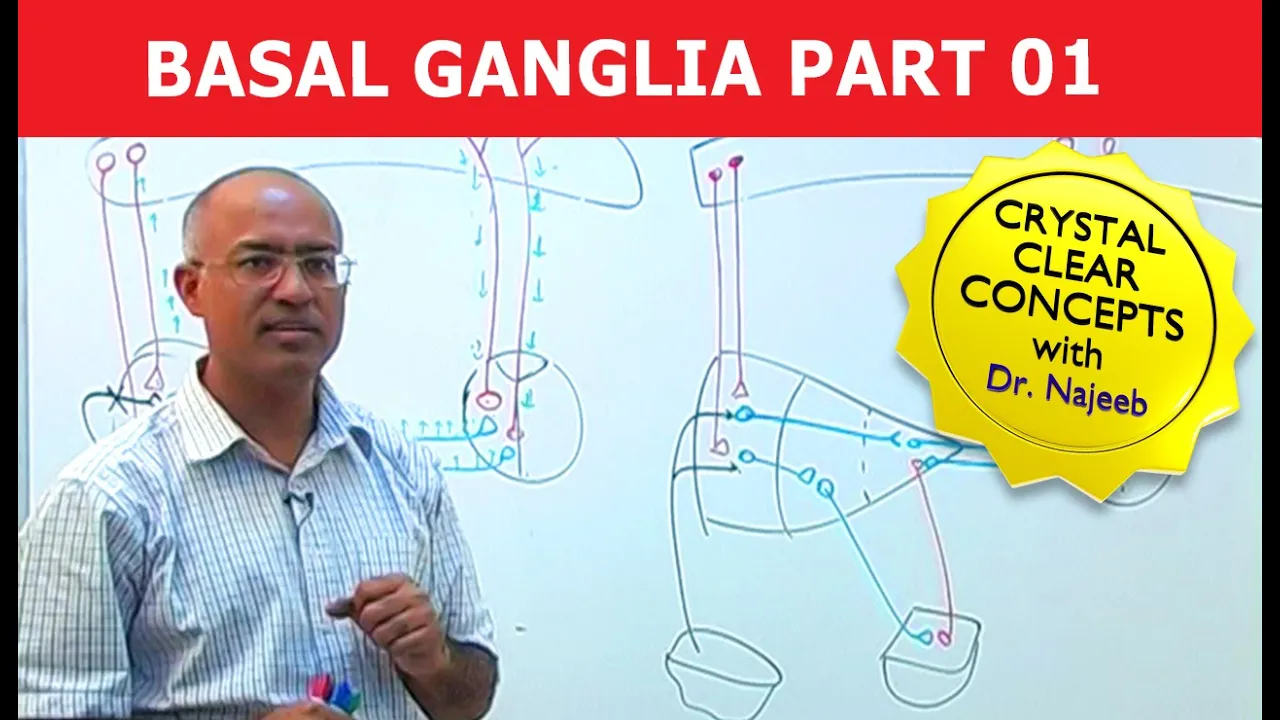
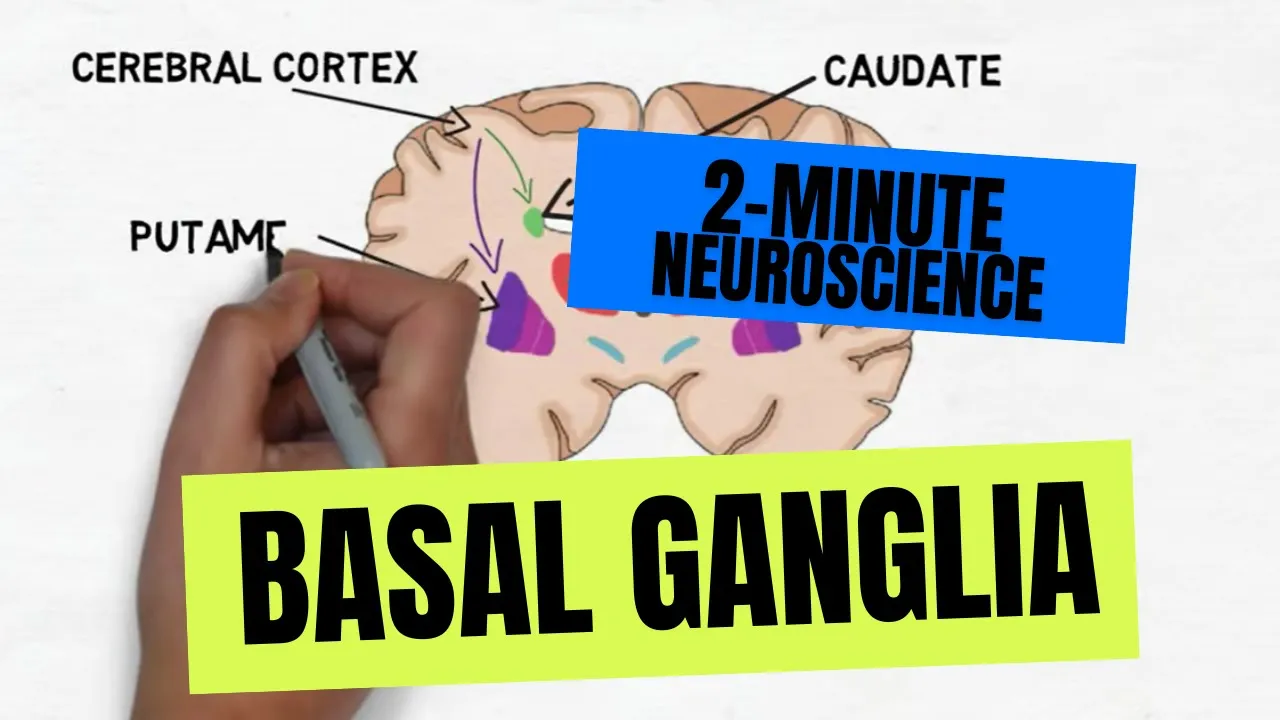
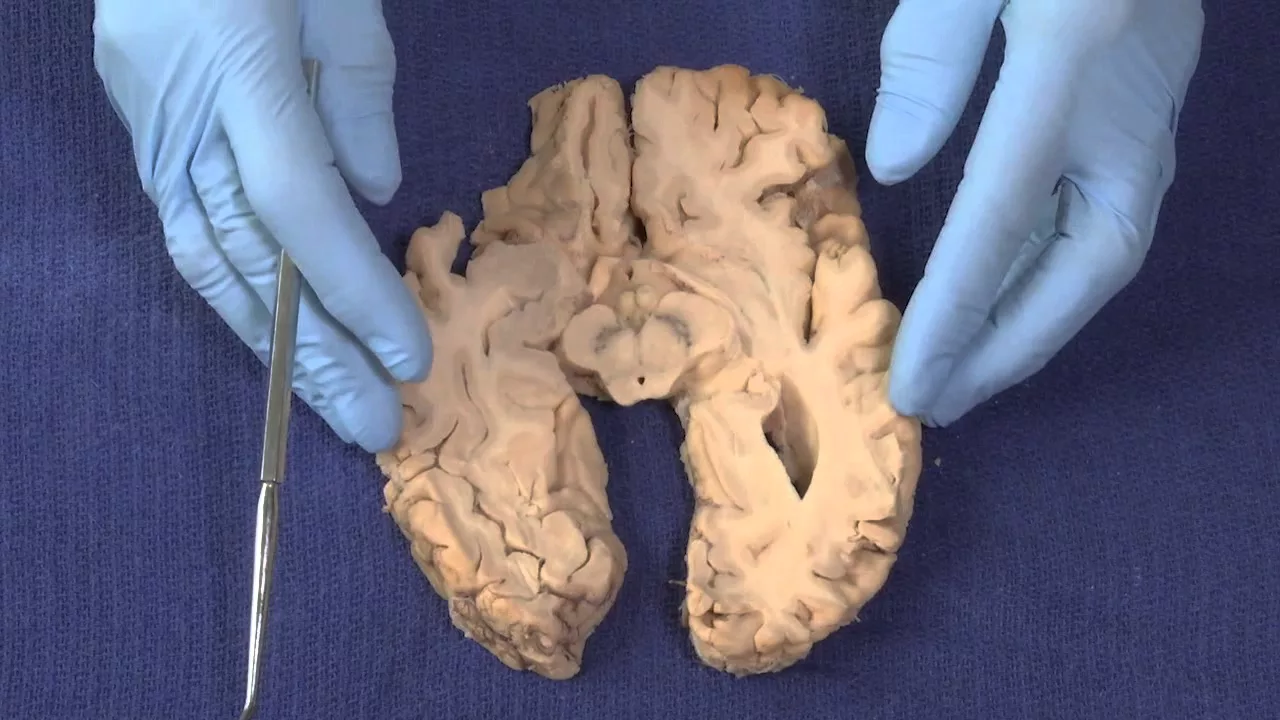
Added:Basic anatomy of the brain, specifically the structure and function of the prefrontal cortex and basal ganglia.
The fundamentals of synaptic transmission, including how neurotransmitters are synthesized, released, and cleared from the synaptic cleft.
An understanding of basic neurochemicals, particularly the distinct physiological roles of dopamine and norepinephrine in the central nervous system.
The core clinical symptoms and diagnostic criteria of Attention-Deficit/Hyperactivity Disorder (ADHD) as outlined in the DSM-5.
The detailed mechanism of action of psychostimulants (e.g., methylphenidate, amphetamines) versus non-stimulants (e.g., atomoxetine, guanfacine) in modulating dopamine and norepinephrine.
Advanced neuroimaging findings (fMRI, PET) detailing structural and functional connectivity differences in the default mode network and frontoparietal network of individuals with ADHD.
The genetic and environmental etiology of ADHD, exploring gene-environment interactions and heritability rates of catecholamine-related genes.
Translating neurobiology into clinical practice, including how neurochemical insights inform personalized medicine and non-pharmacological interventions like Cognitive Behavioral Therapy (CBT).
87.6K views2.3Klikes27:03Original Release: 2014-11-22
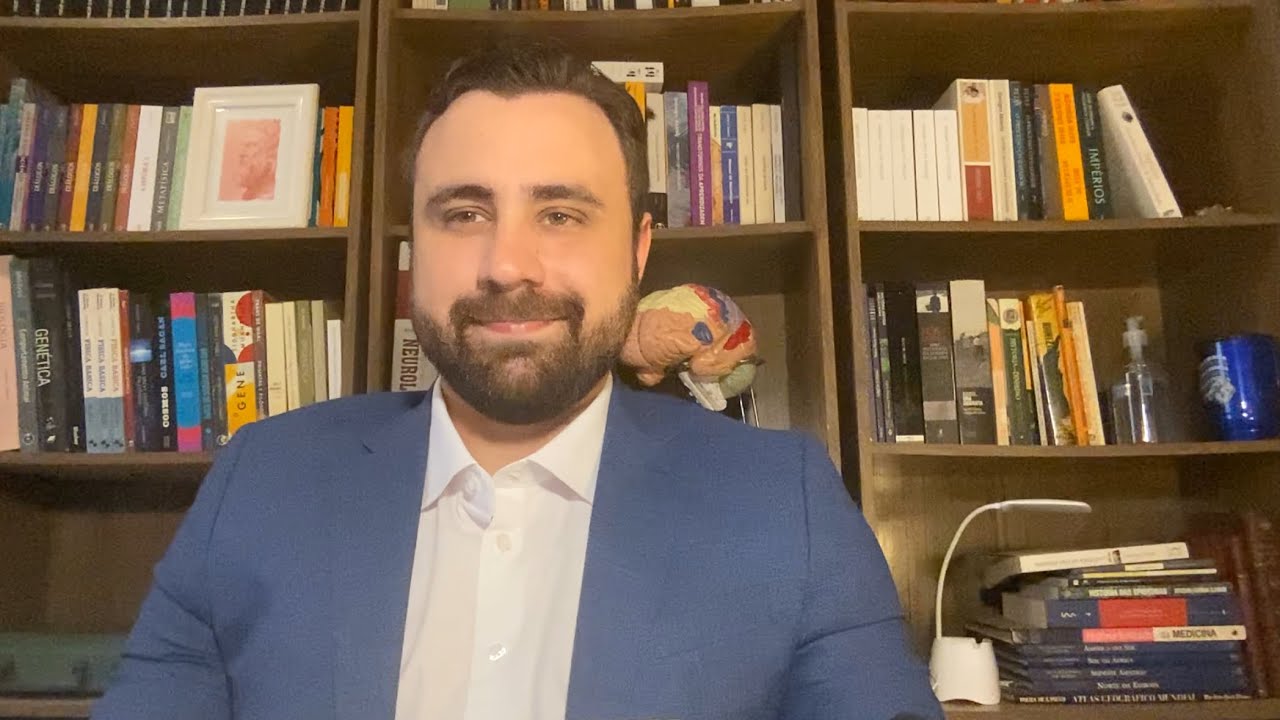
hi and welcome back to pay attention ADHD through the lifespan I'm Dr rostain professor of Psychiatry and pediatrics at the Perman school of medicine at the University of Pennsylvania and this is week five where we'll be talking about the neurochemistry of ADHD so let's begin by looking at the neurotransmitter systems of the brain in general there are two categories of neurotransmitters those that are derived from monoamines and that includes serotonin norepinephrine dopamine acetal Coline and histamine and then there are those neurotransmitters that come from amino acids glutamate Gaba or Gaba aminic acid aspartate and glycine now how do these different neur NE transmitters work in the brain what are their roles well first of all the brain has over 100 billion neurons and many transmitter systems and subsystems the glutamate system has over 20 billion neurons and the gabis system has over 8 billion neurons the norepinephrine and serotonin and dopamine neurons are actually much they many fewer of those there are only about 30 to 50,000 norepinephrine neurons and about a quar of a million ser tonin and dopamine neurons so it turns out that the billion cell systems the glutamate and Gaba cells they're the ones doing the work of the brain and the Thousand cell systems are really fine-tuning these billion cell systems so when we think about serotonin when we think about the catamin norepinephrine and dopamine and when we think about histamine we have to remember that these systems are actually working on the glutamate and gabis cells they're the fine-tuning if you will of the entire system now looking at the chemical structure of the monoamines that we'll be talking about especially norepinephrine and dopamine you'll notice that these two structures in particular look a lot alike and there's a reason for that it's because they are in actually very closely related in the uh chemical Pathways so looking at the catac colomine synthesis uh process let's begin by turning to tyrosine which is probably the most common source of neurotransmitters in the body if tyrosine is not available the body will make these neurotransmitters from f pheny alanine as well but tyrosine is the most common precursor to our neurotransmitters that we're discussing through a process of oxidation and decarbox you end up with dopamine if you notice there's been uh a few a few changes in the in these in the uh in the chemical Moes and when from dopamine when you remove uh hydroxylase you turn that molecule into norepinephrine so these are the ways in which our dopamine and norepinephrine transmitters are made what do these transmitters really do in the brain well there's an overlap of these functions okay so there's really it's hard to separate them out but in general norepinephrine is involved with alertness uh dopamine is involved with attention and pleasure and reward and motivation and serotonin May modulate uh anxiety and mood and obsessions and a lot of our appetites notice that all of them are involved in mood regulation as well when we look at catac colomines and brain activity it's important to keep in mind that these different Pathways originate deep in the brain and these transmitters are neural neural tracts that go from deep in the brain to all of the different parts of the brain that we've been talking about that are important in ADHD for example the dorsal lateral prefrontal cortex the visual cortex these are inated by neurons that originate that tracks that originate deep deeper in the brain from the vental tegmental area and the substantia N come dopamine Pathways which I will be describing a little bit later from the locus cerius come Pathways that are rich in norepinephrine and from the nucleus balis come acetylcholine fibers again distributed widely across the brain now what are the neurochemical deficits we see in ADHD well for one thing we see dopamine disregulation for another we see norepinephrine disregulation the evidence for this comes from drug studies for example we know that stimulants increase dopamine and methylphenidate and amphetamines change the rate at which neurotransmitters are either released or taken up another medication atomoxetine works on the norepinephrine system so from drug studies we know that dopamine and norepinephrine regulation can be affected in ADHD and can be helped by medications that address that disregulation as we talked about earlier molecular genetics is also important in getting us to think about dopamine and neuro epinephrine Regulators because the genes that have been most likely linked to ADHD are involved in these two transmitters and finally when we look at neurotransmitters in the brain regions associated with ad HD these are brain regions very rich in dopamine and very rich in norepinephrine you may recognize this slide from a few weeks back and I'm returning to it only to point out once again that the dopamine system and the norepinephrine cells that originate deep in the brain have important functional linkages to the areas of the brain that we've been talking about the anterior singulate and the prefrontal cortex as well as the posterior parietal cortex and that these transmitters then regulate the activity of all of the other cells in the brain so dopamine is a key transmitter we've already said what are some of its functions well dopamine helps control movement it modulates reward systems it keeps us motivated it allows us to pay attention it's involved in the experience of pain or pleasure and dopamine is also involved in emotions and as I said before dopamine modulates neural circuits in the cortex and the basil ganglia and these circuits that are listed here have been introduced earlier in our neuroanatomy lectures but these are dopamine Rich circuits the dorsal lateral prefrontal cortex the orbital frontal cortex the anterior singular cortex the insular cortex the lyic system and the nucleus accumbent all of these are very much affected by dopamine activity when we look at what dopamine does in general to these key Pathways in ADHD we see that dopamine enhances signal conduction and improves attention it allows us to focus it allows us to maintain on task behavior and it allows us to think and stay thinking about a particular task that we are interested in solving so once again the dopaminergic system is involved in attention let's turn now to the actual way in which dopamine is functioning at the level of the synapse this is a diagram of a neuronal synapse that there's the Press synaptic terminal and the post synaptic terminal um and what you can see in the pre synaptic terminal is that tyrosine is converted to lopa and then from lopa dopamine is created what happens to the dopamine the dopamine is stored in a vesicle it stays there until a signal comes along when a signal comes along and there's a need for the transmitter to be released the vess moves to the to the end of the to the membrane and releases the dopamine into the synaptic space where it is trans crosses the space and it sends the signal across through the receptor to the next neuron this is the basic principle of neurotransmission dopamine is synthesized dopamine is stored dopamine is released and then once it's released it activates the um post synaptic receptor so that the signal can be sent down further down the next neuron now you will notice that there are MAO inhibitors located in the pr synaptic terminal these break down the dopamine when it needs to be uh broken down and made again okay there are also other um other enzymes called CT inhib and the CT uh also is involved CT which stands for catacol mean catacol o methyl transfering let me start again can I start this whole segment of Transporter one more time all right I'm going to start this slide over again you tell me when so let's review briefly dopamine neurotransmission this is a diagram illustrating a dopamine neuron and it's looking at a pre synaptic terminal and a another neuron where the receptor is is visualized in this diagram a signal coming down this neuron triggers the release of dopamine into the synaptic pathway and wait a minute I skipped the whole I don't even know what I'm doing today hold on one more time apologize I skipped the whole how it's made right okay oh and one two 3 so let's look briefly at how dopamine neurotransmission works as I outlined before tyrosine gets converted to lopa and then also then gets transformed into dopamine which is stored in PR synaptic vesicles this is the presynaptic terminal of a neuron now that dopamine sometimes gets broken down by MAO inhibitors and then it gets recycled and more dopamine is made so there's a continuous recycling of the dopamine Supply itself when a signal comes down the neuron dopamine is released into the synapse crosses the synapse and begins to send the signal across the receptor so the receptor is there to receive the dopamine once the dopamine interacts with the receptor the signal is sent down the the the nerve path the other neuron at the receptor side we have enzymes called camine Oyl transferase catacol Oyl transferase uh enzymes that break down the dopamine in the receptor side once dopamine is released it is taken back up into the neuron and repackaged so there is a recycling going on in the neuron that allows dopamine that's made to be released and taken back up and it is at this dopamine transporter site that many of our medications work so so there's dopamine clearance is regulated by these three major systems first there's the dopamine transporter protein which is responsible for the re-uptake of dopamine from the synapse there's the monoamine oxidase uh system which breaks down the dopamine and there's the catacol O methyl transferase or comt uh system that breaks down dopamine as well turns out of course as I mentioned before the uh genetic studies of ADHD have looked at genes that code for these different systems for the Transporters for the monine oxidase and for the comt uh transferase now looking at how medications work it turns out that PET Imaging Studies have identified that methylphenidate changes the amount of dopamine in certain extracellular spaces in particular in the basil ganglia and what it looks like happens with stimulants like methylphenidate is that there's an amplification of the dopamine signal um now it turns out though that the effects of these medications are context dependent so what really is happening is that dopamine enhances task specific neuronal signaling and decreases the noise so what happens is that methylen may work by improving attention through decreasing distractability or maybe making tasks that are otherwise boring more interesting we'll talk a lot more about how medications work later on in the course but I think it's important to to discuss this now to point out that it's precisely the dopamine system that is modulated by most of the medications that we use to treat ADHD so let's turn to the other major neurotransmitter norepinephrine norepinephrine acts on post synaptic Alpha 2 receptors of which there are three subtypes a b and c most of the Alpha 2 receptors are post synaptic to norepinephrine cells so for example the dendritic spines of the prefrontal cortex paramal cells have many of these receptors the most important subtype is the a subtype we think that this is responsible for the way the prefrontal cortex can be modulated by norepinephrine so norepinephrine signals are important in enhancing the network connections of the prefrontal cortex largely through Alpha 2A receptor stimulation so norepinephrine which originates in the locus cerus and has connections all throughout the brain in particular in the frontal cortex helps to dampen the noise enhance the executive operations and increase the inhibitory functions of the frontal lobe it allows us to look before we leap to think before we act so this is where we think norepinephrine plays a role in ADHD looking again at norepinephrine neurot transmission which resembles that of dopamine transmission you can see that in the pre synaptic terminal thyrosine is changed into dopa and then into dopamine and finally into norepinephrine which is stored in the vesicle the norepinephrine when the signal comes along is released into the synapse and from there travels across the synapse to The receptors at the post synaptic terminal now after the signals are completed there is a reuptake process that's mediated by the norepinephrine transporter once the norepinephrine is taken back into the cell it might be broken down by Mao or it might just be repackaged into the vesicle to be released again with the next signal note also that in the post synaptic terminal there are catacol methyl transferase enzymes that can also break down the norepinephrine so this is an elegant system for maintaining a balanced amount of norepinephrine and we believe that in individuals with ADHD both the norepinephrine system and the dopamine system are not regulated properly it's not that these these transmitters are absent it's just that they're not being regulated properly let's try to put all this together and I'm going to summarize what you've heard so far first of all there is the synthesis and the metabolism of all of the neurotransmitters that I've described and there are many modulators by the way in how these function but as we mentioned before dopamine betah hydroxylase and catacol ome methyl transferase and monoamine oxidase they're all involved in the synthesis and the metabolism of these two major transporter system neurotransmitter systems norepinephrine and dopamine they all interface with the workhorses glutamate Gaba and nmda and ampa which we haven't discussed but which are also uh amino acid der derived neurotransmitters so what happens then let's begin with the brain getting sensory input from the outside world where does that sensory input go it goes to the posterior parietal cortex eventually which is is where we assemble all of the different signals from sights and sounds and other sensory modalities into a picture of what's going on that's largely the posterior parietal cortex is heavily enriched with norpine uh trans uh Transporters and the alpha 2A type as we discussed before there's a very rich connection between this part of the brain and the prefrontal cortex which is rich in different dopamine and norepinephrine Transporters and dopamine receptors this connects back to the striatum or the movement areas of the brain the basil ganglia again dopamine Transporters and D2 receptors which again then are linked also between the cerebellum and the prefrontal cortex where D3 and D4 receptors in the cerebellum are at activated through these Pathways so you can see how this begins to get into a complex circuitry which then all of which depend on the proper functioning of both the dopamine in blue and the locus cerus in red centers deeper in the brain these centers then enhance the signal in the case of norepinephrine enhances the relevant signals of the parietal cortex in other words it allows the parietal cortex to do its job better and also norepinephrine allows the prefrontal cortex to work better it not only by enhancing relevant signal but by also modulating and regulating dopamine and finally dopamine suppresses the irrelevant signals and allows us to focus on what's important so this is a a way of diagramming all of the complicated interactions between these different brain centers and the neurochemical pathways that are involved in signaling and transmitting information between all of them let me turn now to a summary of the neurobiology of ADHD that we've been discussing for the first several weeks of this course we can start by looking at ADHD symptoms as we discussed in week one there are combined ADHD individuals or those that are predominantly inattentive or those that are predominantly hyperactive and impulsive these are the symptoms where do the symptoms arise from well the symptoms arise from differences in basic processes of the brain and we've talked about executive function and motivation under executive function we can talk about working memory or behavioral inhibition and these are topics that I will be discussing next week we also can talk about motivation and the the difficulty with either postponing reward which is called delay aversion or by being reinforced by whatever is going on and that we're engaged in so these basic processes themselves may explain the symptoms of ADHD but what gives rise to these changes in these processes well these are the neural mechanisms below hand which we've been talking about the prefrontal cortex which is involved in both executive function and motivation the B ganglia and the cerebellum these are the key brain structures and what allows those brain structures to work properly are the neurotransmitters we've been discussing in this diagram it says nor adrenaline that's the same as norepinephrine dopamine also serotonin we have not discussed but this is also perhaps a modulator of brain of the brain functioning we're discussing we've been focusing mostly on norepinephrine and dopamine and certainly last but not least at the most basic level we can talk about the genes that may be altered in individuals with ADHD all of these are the gene variations that I discussed when we talked about the genetics of ADHD and it's changes in these genes structures that lead to changes in the way in which the neur epinephrine or dopamine system is working so we've got now multiple levels to understand from genes to neural mechanism isms to basic processes to the symptoms themselves one day we'll know a lot more about how all of this works but for now this is a summary of what we've learned so far so let's turn now to a summary of the developmental pathophysiology of ADHD that's been suggested by Dr Steve Fone and colleagues from Harvard in this model we want to understand how is it that people with ADHD go through life and what leads to either Better or Worse outcomes starting with the genetic predisposition we saw that early environmental insults like maternal smoking and obstetric complications can make it more likely that the individual becomes an ADHD child and ADHD is a frontal subcortical catac colomine dysfunction disorder I know that sounds like a mouthful but that's really what we're talking about we're talking about brain circuits that are not working properly in part because the neurotransmitters themselves are not being regulated properly so we can see ADHD in children but some of them remit some of them get better for them after a period of time they seem to be indistinguishable from children without ADHD so this would be the group that we'd say remits but there are others for whom ADHD does not go away and in fact may get worse okay and in these individuals we could talk about late environmental insults such as substance abuse or social adversity um trouble in school that leads to further brain dysfunction and comorbidities and chronic chronic dysfunction so these individuals are at much higher risk than for needing intervention finally if the ADHD remains untreated or unres responsive to efforts and we see then secondary effects like low self-esteem and school failure and social disability we then see the disorder in adults what Dr Fon is suggesting is that from a genetic predisposition and both early and later environmental insults individuals can be left with residual effects that will affect their entire life beyond and so adult ADHD then becomes the final outcome of childhood ADHD and we will be talking more in detail next time about the psychology of ADHD how it affects thinking and how it affects performance in a variety of important tasks look forward to seeing you next week and take care
Up Next

61:33
Executive Function Basics: Skills for Everyday Success
@landmarkschoolMA
405 views•2025-01-09

33:24
Peptide Neurotoxin Probes of Ion Channel Function
@ciartech
324 views•2010-09-12

4:10
Vagus Nerve (CN X): Anatomy, Nuclei & Functions Explained
@Alilamedicalmedia
305.2K views•2022-10-31
13:03
How Exercise Benefits Your Brain: Science Explained
@TED
11.4M views•2018-03-21
Related Study Plans & Knowledge Roadmaps
Structured learning paths in Neuroscience
neuroscience
Appetite Regulation: Brain Circuits & Hormones
01Foundations of Endocrinology and Brain Anatomy
02Introduction to Energy Homeostasis
03Peripheral Signals: Leptin, Ghrelin, and Insulin
+ 2 more learning modules
14h5 modules
Explore Roadmap
neuroscience
Neuroeconomics: Value, Risk & Brain Mechanisms
01Foundations of Neuroscience and Brain Anatomy
02Introduction to Neuroeconomics and Subjective Value
03Dopaminergic Prediction Errors & Reinforcement Learning
+ 3 more learning modules
18h6 modules
Explore Roadmap
neuroscience
Spatial Navigation: Cells, Grids & Brain Maps
01Foundations of Brain Anatomy and Memory
02Place Cells and Head-Direction Cells
03Grid Cells: The Brain's Coordinate System
+ 2 more learning modules
12h5 modules
Explore Roadmap
neuroscience
BCIs: Neural Decoding & Prosthetic Control
01Neuroscience Foundations: How the Brain Signals Intent
02Signal Acquisition: Recording the Brain's Activity
03Neural Decoding: Translating Brain Waves into Data
+ 2 more learning modules
25h5 modules
Explore Roadmap