


























Neuroeconomics is an interdisciplinary field that combines neuroscience, economics, and psychology to study how the brain makes decisions; it employs three main neuroscience techniques—neural recordings (highly precise but invasive), electroencephalography (EEG, non-invasive with good temporal resolution), and functional magnetic resonance imaging (fMRI, non-invasive with good spatial resolution)—to investigate individual decision-making processes including reward processing (involving the prefrontal cortex, basal ganglia, and limbic system) and perceptual decision-making (involving visual cortex and parietal regions), as well as group-level decision-making through principles of game theory and classical economics.
Neuroeconomics: How Your Brain Decides | Penn Neuroscience
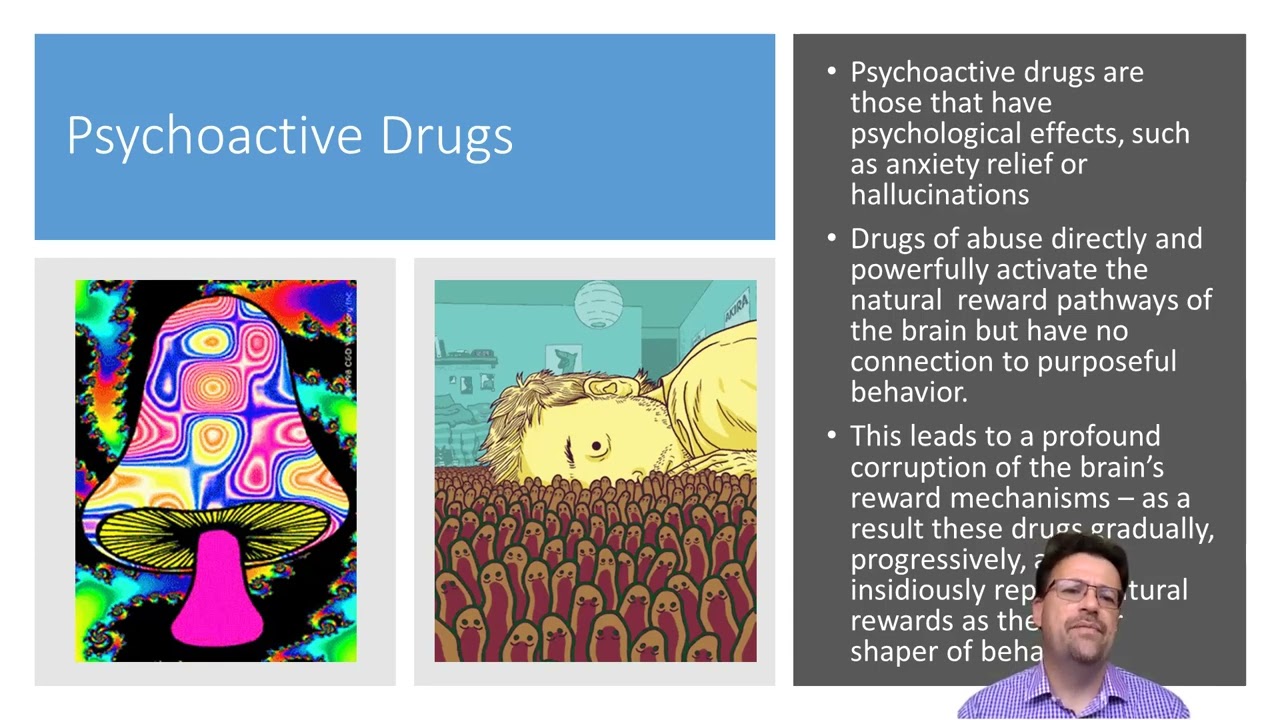
Added:Basic neuroanatomy, specifically the roles of the prefrontal cortex, amygdala, and striatum in human behavior.
Fundamental economic principles of decision-making, including utility theory, cost-benefit analysis, and rational choice.
The role of key neurotransmitters, particularly dopamine, in reward processing and reinforcement learning.
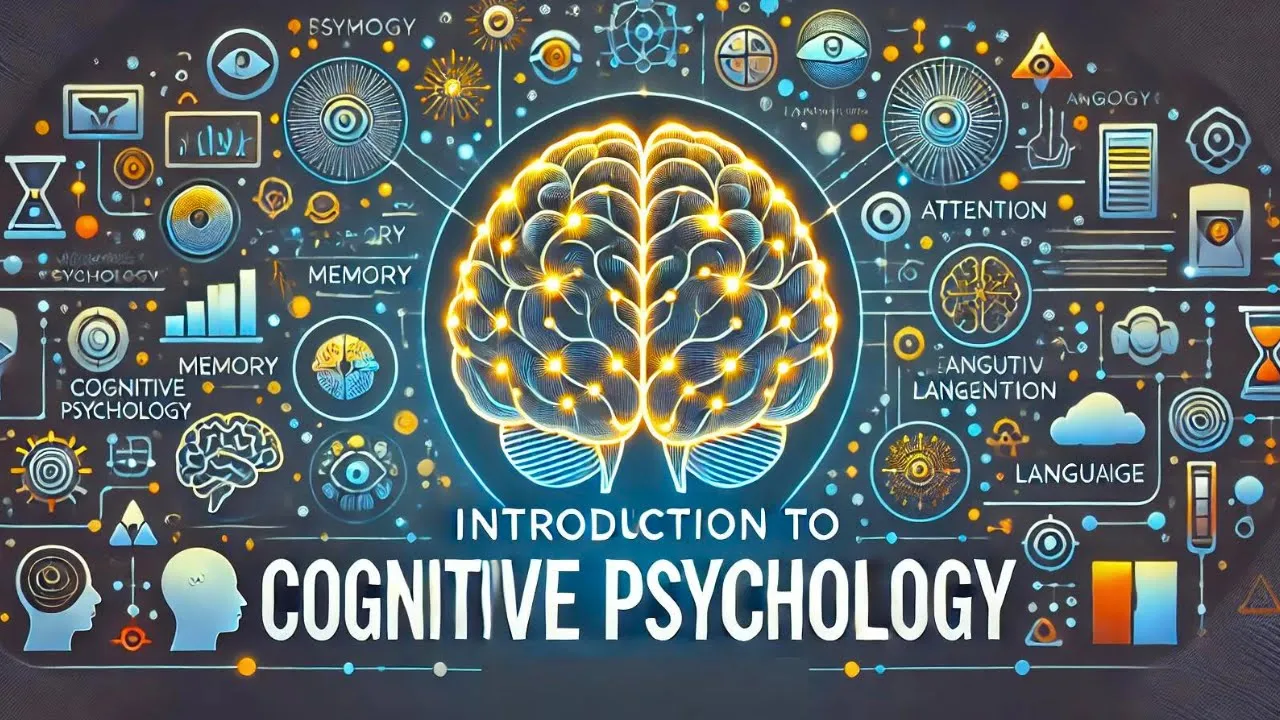
An introduction to cognitive psychology, including dual-process theory (intuitive vs. deliberative thinking) and common heuristics.
Neuromarketing and its ethical applications in analyzing consumer behavior and designing advertising strategies.
Computational neuroeconomics models, such as reinforcement learning algorithms and the drift-diffusion model of decision-making.
Clinical neuroeconomics, exploring decision-making deficits in psychiatric conditions like addiction, ADHD, and gambling disorders.
The policy implications of behavioral economics, such as using 'nudge theory' to influence public health and financial decisions.
1.5K views34likes11:08Original Release: 2018-04-06
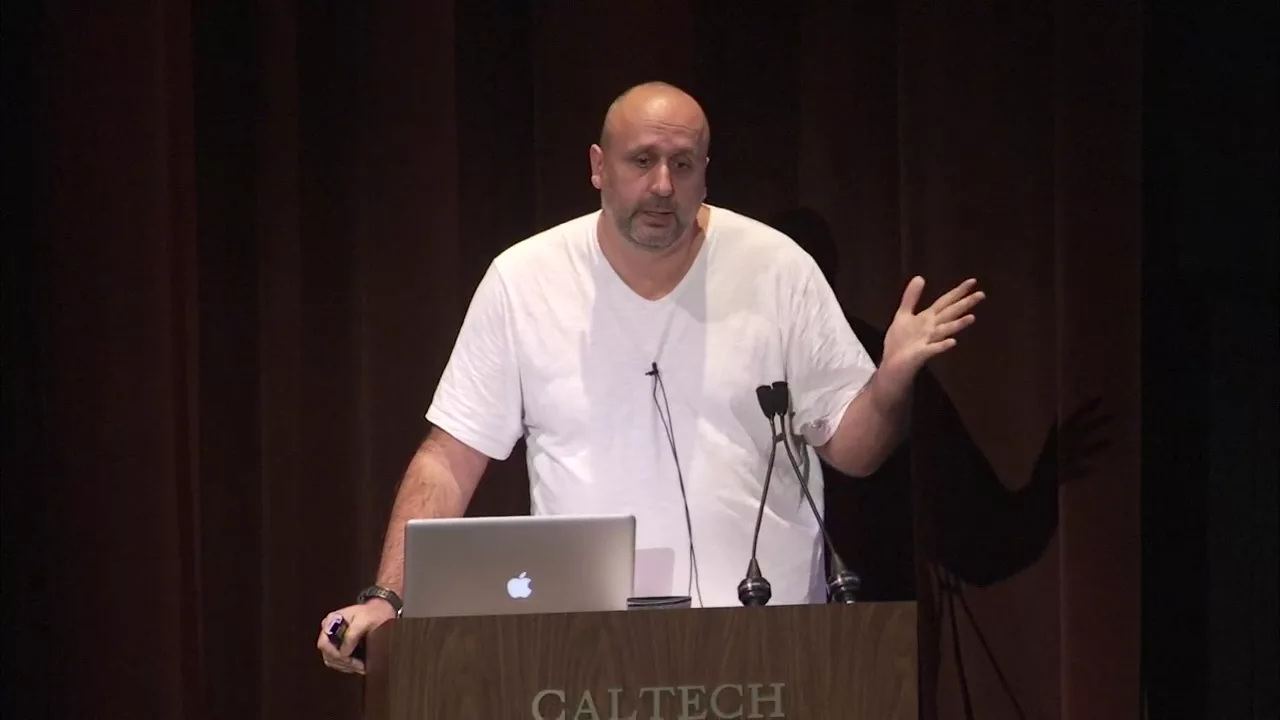
awesome hello and welcome to the 9th neuroscience public lecture series this event is held twice a year both in the fall in the spring so we hope we have so few returning people as well as if you're new we hope that you come in the future this is then is unique in that it's entirely organized by neuroscience graduate students and it's funded by the Mahoney Institute of neuroscience tonight we feature three speakers will be giving 15 to 20-minute talks from our own distinguished Penn faculty those speakers are Josh Gould Michael Platt in a ton green so that's a quick question for all you out there how many of you are scientists all right very cool and how many of you are non neuroscientists Oh awesome thanks for so much for coming so this event is really meant to foster communication between the researchers at Penn and the Greater Philadelphia community and as well as anyone watching on YouTube and really let you know what we're doing here at Penn and what kind of research are doing and how it works so if you have any questions we would love to hear them after each speaker it gives their talk you'll be able to ask a question so just look to the aisle and look for someone that's carrying a microphone or if you wait till afterwards the speakers will be around you can talk to them then them then and if you looked around earlier you saw you're surrounded by some scientists near you you can go mingle with some of them as well so one more question has anyone here ever made a decision before okay a few in the back okay well I'm sure when you were making the decision to come to this event you were sort of wondering what is neural economics exactly so no economics is basically what it sounds like it combines principles from neuroscience with economics but also psychology so in other words you uses the mechanisms and understanding that we have from neuroscience to ask questions and answer questions from psychology and economics specifically individual and group level decision-making and right now I'm gonna do what I'm gonna do is take you through each of those fields and tell you a little bit about it since we are at a neuroscience public lecture I'll start with the neurosciences favorite subject which is the brain so the brain is a complex organ composed of billions of little cells called neurons and these neurons all communicate with each other and build up into what ultimately becomes your experience of the world different parts of the brain do different functions and what neuroscientists do is they study these regions of the brain to figure out what exactly it is that they do now there are many methods in neuroscience but the three main methods that you'll see in decision-making studies I'll go through right now on the smallest scale we can do neural recordings and this involves inserting a metal electrode into the brain and actually recording the electrical activity from one or a small group of neurons this method is extremely precise to the location it's also very precise in its timing to the order of milliseconds with this that means you can tell exactly what a neurons doing in response to any sort of event or stimulus in the outside world so it's a very powerful tool but it's invasive making it limited mostly to animal models and only special cases of human studies another method is eg which is electroencephalography this method is able to record the electrical activity of a lot of neurons like a huge number of neurons over a large space such as the whole brain or a large portion of it this method can be invasive but is usually used non invasively for human studies and decision making and it's also very precise in its timing to the order of milliseconds but again it's not very precise in its location of where the activity is happening a third very common technique in decision-making studies this frm I or funks magnetic resonance imaging this is a non-invasive technique that is used to measure neural activity by the proxy of blood acts oxygenation level so basically the idea behind this is that as a lot of neurons become very active that use up a lot of energy and to compensate for this your body sends oxygen and nutrient rich blood to that area and this allows researchers to measure that change in specific locations across the brain in an MRI scanner and so what they'll do is put someone in scanner ask them to do some type of tasks and see which area of the brain is changing such as this one where they've asked people to contemplate winning or losing in a gambling task so now that I've told you about the sort of techniques and findings that are used in decision-making from neuroscience let's talk about how this can apply to studying individual and group level decision-making such as in psychology economics and I'll begin with individual level decision-making as it pertains from the field of psychology so the two main schools of thought that nerve economics draws upon from psychology or behaviorism and reward processing and receptive listener making and so behaviorism is really the foundation of reward processing studies it was founded by BF Skinner in the early 20th century and has really served as a foundation of how we study reward decision-making the behavior has really penalized by this picture of a pigeon in a box so this is not just any box this is a skinner box and in this box the pigeon can learn to poke to the holes on the right and receive a food pellet so the receiving this food pellet is a positive reinforcer he gets a reward but if he pokes the wrong hole he might receive a small shock from the floor and that would be a negative reinforcer or a punishment and so this idea of shaping an animal's behavior from a positive or negatively reinforcing event is the whole essence of behaviorism so a sort of like human example this might be a vending machine where you've learned to complete this action to get a food reward however as you can kind of guess from the vending machine we were processing it's more complicated than just what is part of behavin patrons just shaping behavior but also you're taking into account the different options you have and looking at a vending machine with your previous experiences with all these different foods or drinks and your state of being hungry or thirsty so you take all these into account when you're actually making a reward related decision the areas of the brain that are usually implicated in reward decision making or the prefrontal cortex the basal ganglia and the limbic system the prefrontal cortex is the site of executive and rational decision-making the basal ganglia is involved in reward evaluation association with actions and outcomes in the limbic system is involved with again a reward evaluation as well as the emotional aspect of reward processing so that wraps up her reward processing there's also perceptual decision-making this is a little bit different that it entails studying how we look at something around our environment a certain stimulus and perceive it and how we make a judgment about that stimulus so that this field was sort of born out of visual studies and so it uses how and what we see as its main stimulus set and we'll adjust a certain object to make it more or less clear and asking for judgment about it intuitively you can kind of think of this as what you do when you're gardening so you're looking at tomato and you see the shape and the color of the tomato so you perceive those aspects of it but you're also taking to account your previous experience with eating tomatoes and you know which color tomato is good which shape of a tomato is good to pick and so from that you can decide what tomatoes a pick another example is deciding how fast moving water is this pitcher is really just a bunch of lines and colors and shapes but you are able to take all that evidence evidence and judge how fast the water is moving and to make a decision if the water is safe to cross so if any of you have ever played Oregon Trail you might know that's pretty crucial because it makes the difference between you safely crossing the river or sadly rolling over and losing all your items and possibly your party so the brain agents that are involved with this kind of decision-making are typically the visual cortex associated parietal regions with visual processing and the frontal cortex which as I said before is executive decision making all right so I've told you now about how we can study individual decision-making how does that relate to more of group level setting between individuals or in a big population and so that brings in the principles we know from economics so when you're thinking about individuals interacting with each other you can use a lot of the principles from game theory so the basic idea of this is how do people come up with strategies to either cooperate or compete some of each a certain objective another set of principles from economics is just classical economics and this is taught us a lot about how people value and make decisions about objects by using data from a lot of people and we can use that to inform how an individual makes a decision what narrow economic economists try to do is take the process that one individual makes and as well and study what the underlying brain activity is and use that to make a prediction of how they would value and what kind of costs it would kind of give up to then participate like a product and see how that would play in the market so for example if you study the brain activity of someone listening to a song how well will that song then do in the broader scale market just based off of their brain activity all right so with this I hope you've with this introduction I hope you've reached an understanding that neuro economics is a special hybrid of a lot of different questions and principles and findings from different fields and so our three speakers tonight will be talking about their different roles and decision-making and the research they've done to study the underlying this behind it okay
Up Next
13:49
Neuroanatomy Brain Dissections: Lobes, Gyri & Localization
@Moran-CORE
28.1K views•2018-02-08
21:55
Deciphering Neural Circuits Controlling Anorexia in Mice | Richard Palmiter
@AllenInstitute
2.3K views•2011-10-10
19:57
Network Neuroscience: How Brain Structure Mirrors Social Networks
@pennngg7505
1.5K views•2015-12-05
13:03
How Exercise Benefits Your Brain: Science Explained
@TED
11.4M views•2018-03-21
Related Study Plans & Knowledge Roadmaps
Structured learning paths in Neuroscience
neuroscience
Appetite Regulation: Brain Circuits & Hormones
01Foundations of Endocrinology and Brain Anatomy
02Introduction to Energy Homeostasis
03Peripheral Signals: Leptin, Ghrelin, and Insulin
+ 2 more learning modules
14h5 modules
Explore Roadmap
neuroscience
Neuroeconomics: Value, Risk & Brain Mechanisms
01Foundations of Neuroscience and Brain Anatomy
02Introduction to Neuroeconomics and Subjective Value
03Dopaminergic Prediction Errors & Reinforcement Learning
+ 3 more learning modules
18h6 modules
Explore Roadmap
neuroscience
Spatial Navigation: Cells, Grids & Brain Maps
01Foundations of Brain Anatomy and Memory
02Place Cells and Head-Direction Cells
03Grid Cells: The Brain's Coordinate System
+ 2 more learning modules
12h5 modules
Explore Roadmap
neuroscience
BCIs: Neural Decoding & Prosthetic Control
01Neuroscience Foundations: How the Brain Signals Intent
02Signal Acquisition: Recording the Brain's Activity
03Neural Decoding: Translating Brain Waves into Data
+ 2 more learning modules
25h5 modules
Explore Roadmap