Fair use is a case-by-case legal doctrine in copyright law that permits the use of copyrighted material without permission under specific circumstances; it is evaluated through four factors: (1) the purpose and character of the use, favoring educational, noncommercial, or transformative applications; (2) the nature of the copyrighted work, with factual works receiving more favorable consideration; (3) the amount and substantiality of the portion used, where taking excessive or central portions reduces likelihood of fair use; and (4) the effect on the market value of the original work. Since fair use requires individualized analysis and only judges can make official determinations, creators should carefully evaluate their intended use against these factors before proceeding without permission.
Understanding Fair Use: The Four Factors in Copyright Law
Added:Basic concepts of Intellectual Property (IP) and the definition of what copyright protects.
Intellectual refers to a person's ability to think, understand, and create new ideas. Intellectual Property encompasses the products of the human mind - inventions, innovations, and creative works that originate from an individual's mental efforts. Like physical property, intellectual property owners have the right to rent, sell, or transfer their creations. Copyright protects original works from unauthorized use, and plagiarism occurs when someone uses another's work without permission or credit. Logos and brand names are protected as intellectual property belonging to their creators.

Intellectual property refers to creations of the mind, including inventions, literary and artistic works, designs, symbols, names, and images. When someone creates something using their brain or intelligence, they automatically have legal rights over that creation. Copyright is the legal right that creators have over their intellectual property, protecting songs, paintings, books, and software. The Intellectual Property Act provides legal protection for creators and allows them to take action against those who misuse their intellectual property.

Intellectual property is property created by the application of human mind, non-physical and incorporeal, deriving value from ideas. Ideas must be expressed in some form (novel, invention) to become intellectual property. The two main branches are industrial property (patents, GIs, trademarks) and copyright. Copyright protects authors, composers, artists, and designers for original works requiring skill. It provides exclusive rights to use or authorize others, covering literary, dramatic, musical, artistic works, films, and sound recordings. Copyright is a negative right preventing others from copying, and serves as a significant economic catalyst through transferability via license, lease, or sale.
Intellectual Property (IP) refers to intangible assets created through intellectual effort, including literary works, musical works, dramatic works, artistic works, cinematographic films, and sound recordings. IP is categorized into two main types: Literary Property (such as copyright and neighboring rights) and Industrial Property (such as trademarks, patents, geographical indications, industrial designs, and trade secrets). Copyright grants creators exclusive rights to reproduce, communicate to the public, distribute, modify, and translate their work, with protection lasting for the creator's lifetime plus 60 years after death. Unlike ideas, copyright protects only the expression of ideas, and registration serves as prima facie evidence of ownership.

Intellectual property is the legal protection of intangible products resulting from creative human activity. It allows owners to protect against unauthorized appropriation and profit from their work. The main categories include copyright (protects expression of ideas), patents (protect useful inventions), trademarks (protect brand identity), and trade secrets (protect confidential information). IP is territorial - no global rights exist. Hard IP requires registration; soft IP (like trade secrets) relies on internal protections. Copyright protects the physical fixation of ideas, not the ideas themselves.
The fundamental purpose of copyright law, which balances the incentive for creators with the public's interest in accessing work.
Copyright law's fundamental purpose is to promote the progress of science and useful arts by creating economic incentives for creators to invest in new works. The system grants exclusive rights to prevent competitors from copying successful works, but ultimately serves the general public interest. Copyright provides balance by granting exclusive rights while recognizing that many uses don't need permission. Fair use is a core provision allowing uses that don't interfere with copyright owners' economic rights. Modern copyright policy increasingly incorporates accessibility principles, shaped by international agreements like the Marrakesh Treaty, ensuring copyright supports equitable access to knowledge for all members of society.

The primary objective of copyright law is to motivate authors, composers, and artists to create original works. By providing exclusive rights for a specific period of time, copyright law creates an incentive for creators to produce original content without fear of unauthorized copying. This system balances the interests of creators (who receive protection and potential economic benefits) with the public interest (who eventually gain access to the work after the protection period expires).

Copyright law balances public access to creations of art and intellect with fair compensation for creators. Unlike trademarks, copyright is entirely the creation of statute law, with no common law action for infringement. Copyright law originally developed to protect written words, such as books, and has since expanded to cover drawings, paintings, movies, musical scores, radio and television broadcasting, computer software, and digital copying on the internet. This balance ensures that creators receive fair compensation while allowing the public to access and benefit from creative works.
The primary purpose of copyright is to protect the rights of creators and ensure they receive recognition and compensation for their intellectual contributions. Copyright serves to balance the interests of creators (who need protection for their works) with the public interest (which requires access to cultural and intellectual works). This balance is achieved through the limited duration of protection and the eventual entry of works into the public domain.

Copyright law is designed to maximize the production of creative works in the public interest by balancing economic incentives for creators with public rights to access and use content; the internet has increased access to creative works without causing a supply problem, as evidenced by rising numbers of new film and album releases, so there is no justification for toughening copyright enforcement without demonstrating a genuine supply issue.
What constitutes copyright infringement and the exclusive rights granted to copyright holders.

Infringement of copyright occurs when someone exercises the exclusive rights of the copyright owner without authorization. The unauthorized use of any exclusive right constitutes infringement. Direct infringement occurs when someone directly exercises exclusive rights without permission. Indirect infringement (added in 1997) occurs when someone knowingly or should have known that a product is infringing copyright and then engages in activities such as selling, offering for sale, or distributing the product for profit.
Copyright infringement occurs when someone performs activities without the copyright owner's permission, violating their exclusive rights. Copyright owners have exclusive rights for their lifetime plus 60 years after death, including the ability to sell, use, adapt, publish, and broadcast their work. Infringement requires unauthorized use that attempts to gain commercial benefit from the creator's intellectual effort. The Indian Copyright Act 1957 automatically grants copyright upon creation without mandatory registration, though registration provides prima facie evidence of ownership.

Copyright infringement involves unauthorized exercise of exclusive rights held by copyright owners. These exclusive rights include reproduction, distribution, public communication, and importation of copyrighted works. Infringement occurs when someone performs these acts without proper authorization or license from the copyright owner. The legal framework requires that infringing acts must affect the owner's exclusive rights and cause harm to their economic interests. Understanding these foundational principles is essential for recognizing and preventing copyright violations in academic and professional contexts.
Copyright infringement occurs when a person without a license from the copyright owner or the Registrar of Copyrights, or in contravention of the conditions of a license granted, does anything that the exclusive right of the owner confers on them. This includes unauthorized reproduction, distribution, public performance, or communication of the work. Copyright infringement is a serious offense that can result in civil and criminal penalties.

Copyright owners hold five exclusive rights: reproduction, derivative works, distribution, public performance, and public display. Infringement occurs through direct copying or substantially similar elements. Transfers require written agreements—oral agreements don't convey exclusive rights. Creative Commons licenses allow sharing but require careful review; they don't guarantee the uploader created the work or provide indemnification. Fair use permits non-infringing use through four factors: purpose/character (transformative nature), nature of work, amount used, and market effect. Transformative use—adding new expression, meaning, or message—is central to fair use analysis. Parody qualifies as fair use even commercially, as established in Campbell v. Acuff-Rose. Courts reject percentage formulas for determining fair use, requiring individual case-by-case evaluation.
The distinction between copyrighted materials, public domain resources, and open-license works like Creative Commons.

Public domain materials are free for reuse due to expired copyright (death +70 years), lack of originality, or deliberate dedication. Publicly accessible materials are not necessarily public domain. Creative Commons licenses (Attribution, Non-commercial, Share-alike) specify reuse conditions upfront on platforms like Wikimedia and Flickr. Open licenses like GPL and MIT grant specific permissions. Always read license terms carefully before reuse.
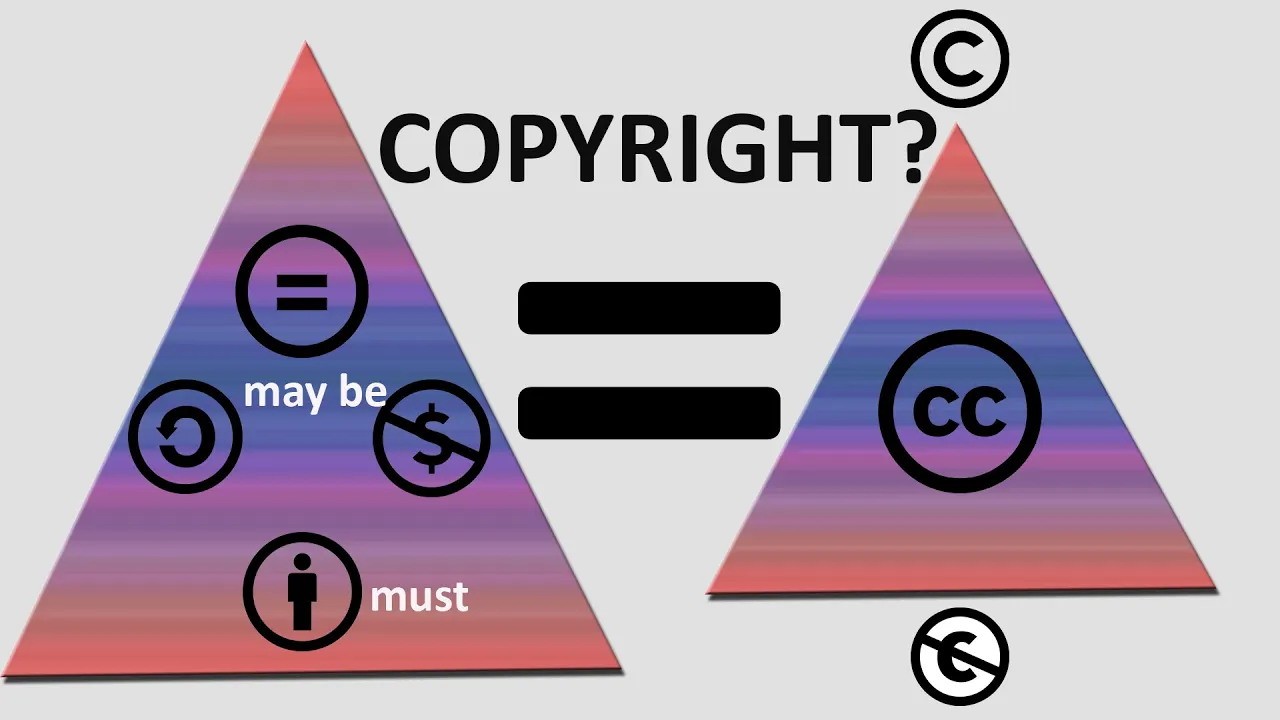
Copyright, Creative Commons (CC), and Public Domain represent a spectrum of content licensing restrictions, with copyright being the most restrictive (all rights reserved, automatically applied to original works), Creative Commons serving as a middle ground that allows sharing with specific conditions like attribution and non-commercial use, and Public Domain offering the least restrictions (free for any use, including commercial and modification). Creative Commons licenses, developed in 2002 by a US non-profit, provide various combinations of restrictions such as Share-Alike (requiring derivatives to maintain same license), Non-Commercial (prohibiting profit), and No Derivatives (preventing alterations). When using CC-licensed content, attribution to the original author is always required. Resources for finding free content include Creative Commons (creativecommons.org), Wikimedia Commons, Library of Congress, and Archive.org, though users must carefully review each material's specific license terms before use.

Public domain and Creative Commons are different concepts. Public domain works never had copyright protection, so no one owns them. Creative Commons works had copyright, but the creator voluntarily gave permission for others to use them. The key distinction is that public domain works are free for everyone, while Creative Commons works are free because the creator chose to share them.

Public Domain and Creative Commons differ fundamentally. Public Domain content has no rights (either never existed or have expired). Creative Commons content has rights but those rights are largely waived. In the European legal space, complete waiver of copyright is not possible due to personality rights that cannot be fully waived. Creative Commons is therefore a license with conditions rather than a true public domain designation.

Public domain materials differ from Creative Commons licenses in several ways: (1) Public domain materials can be freely edited, distributed, and used commercially without any attribution requirements; (2) Creative Commons BY licenses require attribution to the source; (3) Public domain materials allow modification of the license itself, while Creative Commons licenses maintain their terms; (4) Public domain materials have no restrictions on how they can be shared or used. The key difference is that public domain materials have no legal restrictions, while Creative Commons licenses maintain certain requirements even when freely available.
Prerequisite Knowledge
- Concept 01Basic concepts of Intellectual Property (IP) and the definition of what copyright protects.
- Concept 02The fundamental purpose of copyright law, which balances the incentive for creators with the public's interest in accessing work.
- Concept 03What constitutes copyright infringement and the exclusive rights granted to copyright holders.
- Concept 04The distinction between copyrighted materials, public domain resources, and open-license works like Creative Commons.
Subsequent Learning
- Step 01Analysis of landmark legal cases that shaped modern interpretations of fair use, such as Campbell v. Acuff-Rose Music, Inc.
- Step 02The distinction between the United States' 'Fair Use' doctrine and the international concept of 'Fair Dealing' used in countries like the UK and Canada.
- Step 03Practical application of the 'Fair Use Checklist' to conduct risk assessments for educational, journalistic, or creative media projects.
- Step 04Emerging legal challenges regarding fair use in artificial intelligence, specifically the training of generative AI models on copyrighted datasets.
- Step 05How fair use applies to modern digital media formats, including video essays, remix culture, memes, and reaction videos.
Fair Use Basics
0:10- 1
Fair use is a case-by-case legal test, not a fixed formula.
- 2
Four statutory factors guide analysis of each use's purpose.
- 3
Transformative, educational, or noncommercial uses favor fair use.
The Critique of Fair Use Vagueness and the Chilling Effect
While the four-factor test is designed to balance copyright protection with public interest, legal scholars and creators criticize it for being highly unpredictable and subjective. Because the factors are applied on a case-by-case basis with no bright-line rules, it is difficult to predict how a court will rule in any given scenario. Critics argue this inherent vagueness creates a 'chilling effect' on educators, artists, and researchers, who may self-censor or refrain from using copyrighted material out of fear of expensive litigation. Consequently, some argue that the four-factor test favors wealthy corporations with the resources to litigate over individual creators, and they advocate for clearer statutory exemptions or a shift toward more defined, category-specific 'fair dealing' frameworks used in other countries.
Analysis of landmark legal cases that shaped modern interpretations of fair use, such as Campbell v. Acuff-Rose Music, Inc.

The fair use doctrine originated in English law in the mid-18th century and was introduced to US law through Folsom v. Marsh, which established a three-part test for fair use. By the mid-20th century, courts began treating fair use as a distinct affirmative defense. In 1976, Congress codified fair use in Section 107, expecting it to evolve with technological change. The Supreme Court has interpreted fair use in three major cases: Sony v. Universal City Studios (1984) established that timeshifting is fair use and that noncommercial use is presumptively fair; Harper and Row v. Nation (1985) ruled that commercial use of unpublished works is presumptively unfair and that taking the 'heart' of a work weighs against fair use; Campbell v. Acuff-Rose Music (1994) articulated that transformative works lie at the heart of fair use and that parody is an obvious claim to transformative value. The court repudiated the presumption that commercial uses of copyrighted materials give rise to injuries to the market, limiting this presumption to verbatim copying of the original in its entirety for commercial purposes.

Campbell v. Acuff-Rose Music, Inc. (1994) is a landmark Supreme Court case involving 2 Live Crew's parody of Roy Orbison's 'Pretty Woman.' This case established transformative use as the most important factor in fair use analysis. The court determined that creating something new from copyrighted material does not require permission from the copyright holder. Parody exists on a spectrum from straight covers to highly transformative works, requiring enough of the original to identify it as a parody but not so much that it becomes a cover. Common misconceptions include believing free internet content is free to use or that non-profit educational use automatically qualifies as fair use. Fair use is the area of media law with the least predictability, requiring court determination rather than clear rules.

In Campbell v. Acuff-Rose Music, Inc. (1994), the Supreme Court held that a commercial parody can constitute fair use under copyright law, rejecting the Court of Appeals' presumption that commercial use is presumptively unfair. The Court emphasized that parody has transformative value by commenting on and criticizing the original work, and that the commercial nature of a use is only one factor to be weighed in the fair use analysis, not a dispositive rule. The Court found that Two Live Crew's 'Pretty Woman' reasonably could be perceived as commenting on and criticizing Roy Orbison's original song, and that the parody's transformative character outweighed concerns about market harm.

The Fair Use doctrine under Section 107 of the US Copyright Act provides a case-by-case defense against infringement claims through four factors: (1) the purpose and character of the use, including whether it is transformative or commercial; (2) the nature of the copyrighted work; (3) the amount and substantiality of the portion used; and (4) the effect of the use upon the potential market for the copyrighted work. The Supreme Court in Campbell v. Acuff-Rose (1994) established that parody, as a transformative work that creates new meaning by ridiculing the original, can qualify as fair use even when it is commercially successful, as the purpose of parody differs fundamentally from the original work and does not typically serve as a market substitute.

This segment provides an in-depth analysis of Campbell v. Acuff-Rose Music, Inc., the landmark Supreme Court case establishing transformative use principles. The host explains that the Court held parody is a form of fair use and that fair use is flexible, with application varying by context. The segment covers how the four fair use factors should be considered as interrelated issues contributing to a holistic inquiry. The host emphasizes that the purpose and character of the use is the most important factor, and that transformative works are more likely to be found fair use even with commercial elements. The segment also examines market harm analysis, distinguishing between biting criticism that suppresses demand (not infringement) and copyright infringement that usurps the market.
The distinction between the United States' 'Fair Use' doctrine and the international concept of 'Fair Dealing' used in countries like the UK and Canada.

Canadian copyright law employs a closed list of enumerated acceptable purposes for fair dealing, while US copyright law uses an open, non-exhaustive approach; additionally, Canadian law does not recognize the concept of transformativeness, which is central to US fair use doctrine.

Fair dealing is an exception to copyright infringement incorporated in the copyright statutes of common law jurisdictions such as the UK, India, and Canada. Fair use, in contrast, is a limitation to exclusive rights granted to authors under the US Copyright Act. The key difference is that fair dealing is a statutory exception while fair use is a judicial doctrine developed through case law. Both concepts serve similar purposes of balancing copyright protection with public interest in accessing and using creative works.

Most Commonwealth countries don't have fair use but have 'fair dealing' (UK, Canada). Canadian fair dealing law approximates or converges with US fair use law partly because the Supreme Court of Canada has taken a progressive view emphasizing public interest and freedom of speech. UK courts have not taken a similar line, so filmmakers can do much more under Canadian fair dealing than UK fair dealing.

Fair use is an American concept; other countries use equivalent doctrines like Canada's 'fair dealing.' Canadian fair dealing places greater emphasis on transformative nature for criticism and review. Creators using content from UK or other jurisdictions must research local laws, as they tend to be less permissive than American fair use standards.
Despite different legal frameworks, U.S. fair use and Canadian fair dealing permit similar educational uses for open educational resources, as both systems balance copyright holders' economic interests against users' rights; the key difference is that Canadian fair dealing requires uses to first fall within enumerated purposes (now including education) before applying a fairness analysis, whereas U.S. fair use immediately applies a four-factor balancing test, though both ultimately favor transformative educational uses that add new meaning or value to the original work.
Practical application of the 'Fair Use Checklist' to conduct risk assessments for educational, journalistic, or creative media projects.
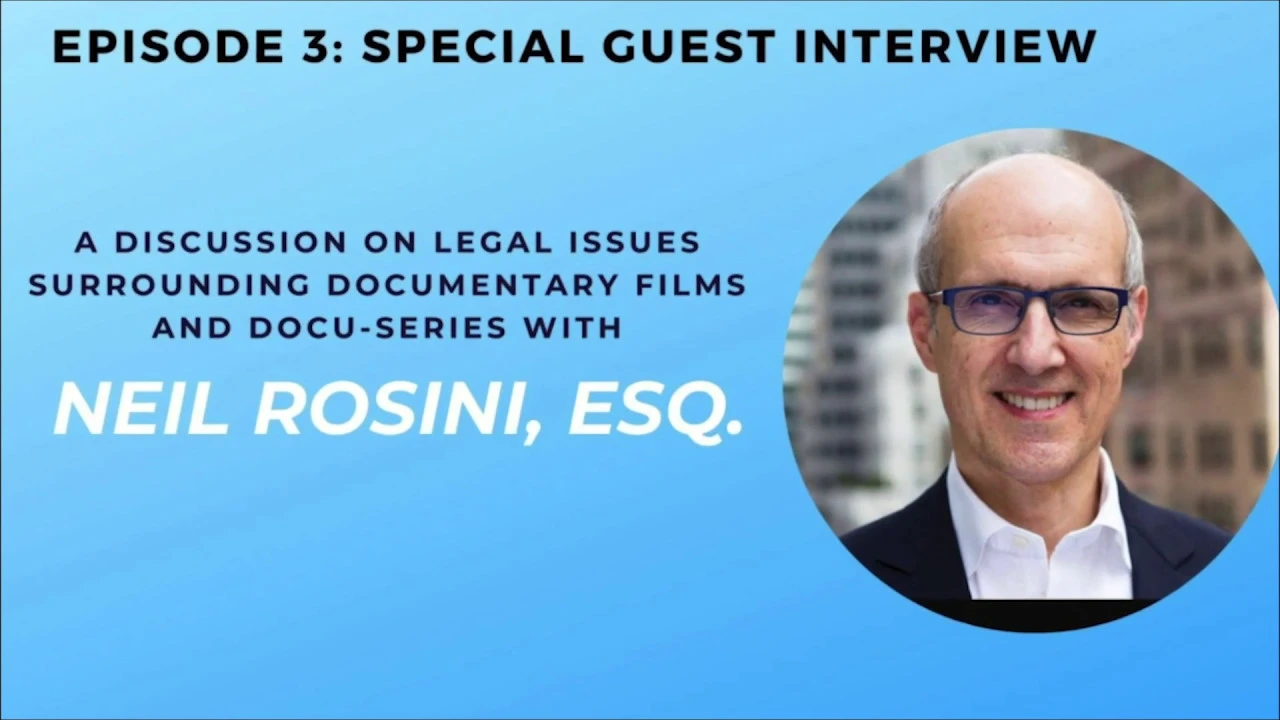
Fair use should be understood as an assessment of risk rather than a binary yes/no determination. At one end of the spectrum, certain uses are clearly fair use with no doubt. At the other end, some uses are clearly infringement. Most documentary producers operate somewhere in between, and lawyers help push uses toward the safer end of this risk spectrum by applying principles that increase the likelihood of fair use protection.
A practical checklist to help determine if your use of copyrighted material is likely to be considered fair use includes: (1) Did you change the original material to make something new and different? (2) Are you using the material for non-commercial or educational purposes? (3) Did you use only a small amount of the original material? (4) Did you use the material in a way that doesn't take away from the original work's value? (5) Did you give credit to the original creator? (6) Was the original material based on facts or was it made up? (7) Was the original material already published or never released before? (8) Are you using the material in a way that doesn't hurt the market for the original work? (9) Are you using the material in a way that doesn't hurt the creator's reputation? (10) Did you ask for permission from the owner if possible? (11) Does your use benefit the public? (12) Are you using the material in a way that could be considered fair? (13) Are you using the material in a way that adds something new and useful to society? (14) Did you make sure not to use the most important or significant parts of the material? (15) Did you make sure not to use the material for something illegal?

Fair use decisions require comprehensive risk assessment rather than simple yes/no determinations. Key factors include: (1) contract limitations that may restrict fair use rights; (2) likelihood of copyright owner awareness and potential lawsuit; (3) litigation costs versus licensing expenses; (4) alternative solutions like DMCA protections or public performance exemptions; and (5) balancing institutional benefits against risks. Public benefit extends beyond transformative use to include preservation and accessibility. The optics and appearance matter significantly in court decisions. This framework recognizes fair use as part of broader risk management rather than the sole determinant.

A practical checklist for ensuring fair use compliance includes: 1) Always include an original voiceover or script providing educational or entertainment value, 2) Keep individual copyrighted clips under 10 seconds, 3) Interleave stock footage between copyrighted clips, 4) Give credit to original sources in video descriptions when appropriate. Following these guidelines helps protect against copyright claims.

Fair use analysis involves two key components: (1) evaluating the four-factor test (purpose and character of use, nature of the copyrighted work, amount and substantiality of the portion used, and effect on the market), and (2) conducting risk assessment to help filmmakers make informed decisions about what to license versus what to use under fair use. Most documentary filmmakers follow best practices guidelines and rarely face actual lawsuits, with most disputes being resolved through informal conversations and reasonable settlements.
Emerging legal challenges regarding fair use in artificial intelligence, specifically the training of generative AI models on copyrighted datasets.
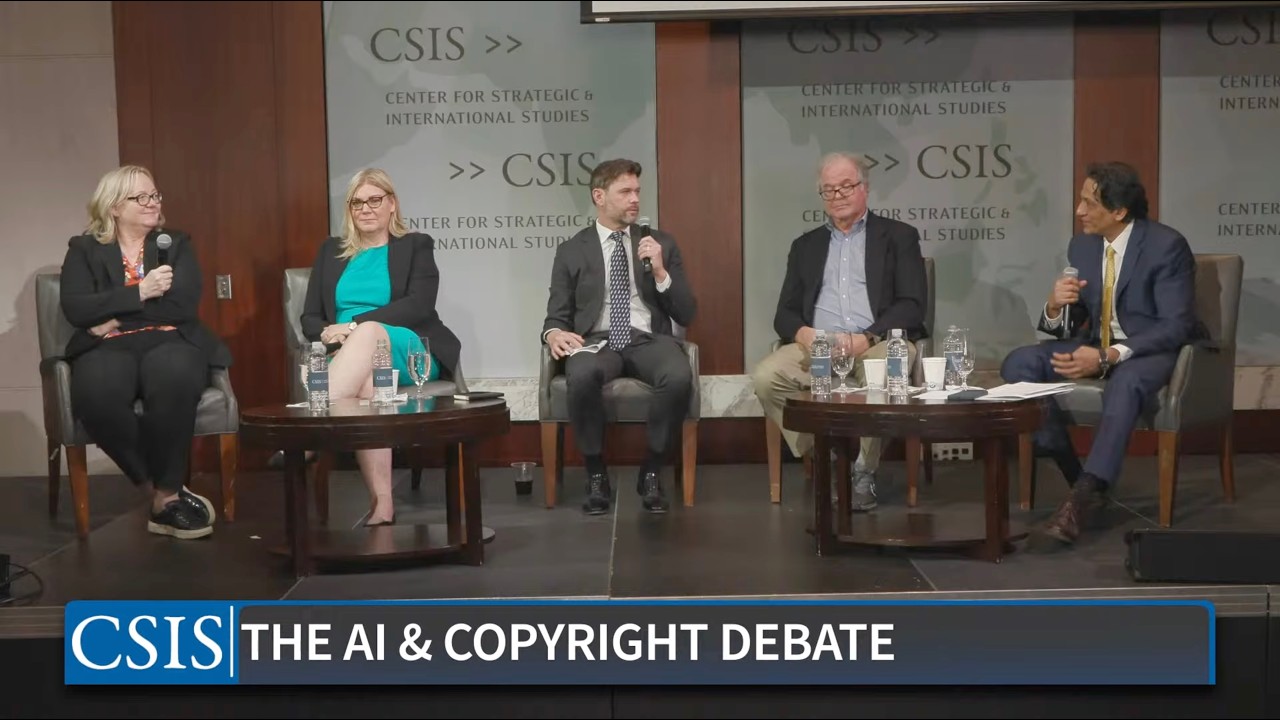
The US has witnessed approximately 100 active copyright infringement cases against AI developers since generative AI models launched, with filings increasing dramatically from 8 in 2023 to 13 in 2024, then more than doubling to 27 in 2025. About half are class actions by groups of authors against large language model developers, though visual artists, musicians, publishers, and programmers have also sued. Two landmark summary judgments in Bard v. Anthropic and Cadri v. Meta established that training AI models on copyrighted books without permission constitutes fair use when the output isn't infringing, because this use is spectacularly transformative under fair use factor one and plaintiffs failed to demonstrate cognizable market harm. Training requires over 10 trillion tokens—data volume equivalent to the entire internet many times over—creating a market failure where no single entity could provide sufficient data. US copyright law requires human authorship for copyrightability; the monkey selfie case confirmed non-human entities cannot hold copyright. The Copyright Office has registered works using AI when there's meaningful human contribution, distinguishing between autonomous AI outputs and human-directed AI-assisted creation.

The legal framework for generative AI training on copyrighted material remains uncertain. OpenAI whistleblower Suchir Balaji argued that fair use is an implausible defense for generative AI products because they can create substitutes that compete with the data they're trained on. This raises significant legal and ethical questions about the boundaries of AI training data and the rights of content creators. The intersection of copyright law and machine learning represents a complex legal frontier that will likely require new frameworks and precedents to address.

Training AI on copyrighted material raises complex copyright questions where infringement versus fair use depends on specific facts including the purpose of use, amount of material used, and market impact; courts have ruled differently in similar cases (e.g., Google Books found fair use while Internet Archive's controlled lending was not), and fair use is not automatically available for AI training but remains a viable defense depending on the circumstances.

The US fair use doctrine considers four factors: (1) the purpose and character of the use (including whether it is transformative), (2) the nature of the copyrighted work, (3) the amount and substantiality of the portion used, and (4) the effect of the use on the potential market for the copyrighted work. Courts analyze whether AI training is transformative and whether it affects the market for original works. The Anthropic v. Authors case found that training on pirated content did not constitute fair use, while training on legitimately purchased content did. The Meta v. Authors case found that training on copyrighted works for the purpose of creating a chatbot that could compete with human authors weighed against fair use. The Perplexity v. Authors case involves allegations that Perplexity's AI system copied and reproduced news articles, presenting significant analytical challenges because it involves comparing large numbers of articles to AI-generated outputs. Copyright law is territorial, meaning it applies based on where the infringing act occurs, not where the copyright holder is located. If the infringing act occurs in Japan, Japanese copyright law applies regardless of where the copyright holder is located. Patent law and copyright law apply differently to AI training. Patent infringement requires actual implementation of the patented invention, while copyright infringement requires reproduction of protected expression. AI training typically does not constitute patent infringement because it does not implement the patented invention. However, if AI outputs implement patented inventions, patent infringement may occur.

The use of copyrighted materials to train generative AI models raises fundamental questions about fair use. Proponents argue training constitutes transformative use because AI learns patterns to create entirely new works, similar to how search engines and Google Books transformed copyrighted materials for information retrieval. Historical precedents show courts have permitted transformative functional uses even when substantial portions are used. The key question is whether training AI to generate novel creative outputs represents sufficiently transformative purpose to qualify as fair use. Courts are currently weighing this in over 30 cases nationwide, with transformative use and market effect being the most determinative factors.
How fair use applies to modern digital media formats, including video essays, remix culture, memes, and reaction videos.

This segment explains the fair use doctrine as an equitable rule that prevents rigid copyright application from stifling creativity. The court determined that reaction videos are protected under fair use only when they add additional material, commentary, and value beyond merely watching content. A reaction video that simply sits and watches content without adding substantive commentary remains vulnerable to copyright claims. The court emphasized that the fair use inquiry does not ask whether criticism is accurate or mean-spirited, but whether the use is of the kind copyright is designed to protect. Even wrong or offensive criticism can be protected by fair use.
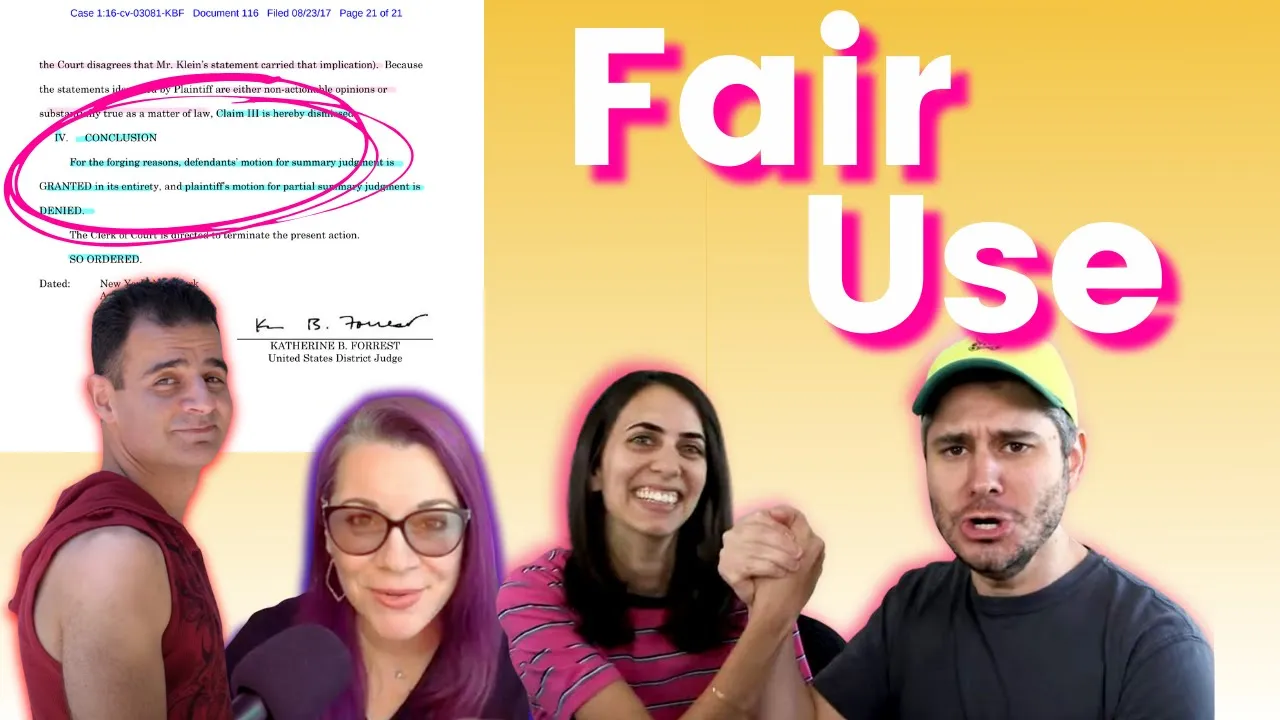
Reaction videos often involve interspersing short segments of another's work with criticism and commentary. Courts distinguish between reaction videos with substantial commentary (more likely fair use) and group viewing sessions without critique (less likely fair use). The amount used matters less than the necessity for commentary—substantial copying is acceptable if necessary for the transformative purpose. Courts examine whether copied portions are essential to conveying the critique. The key distinction is whether the use transforms the original work or merely displays it as a prop. Critical commentary doesn't usurp market demand—it provides a fundamentally different experience than the original work.
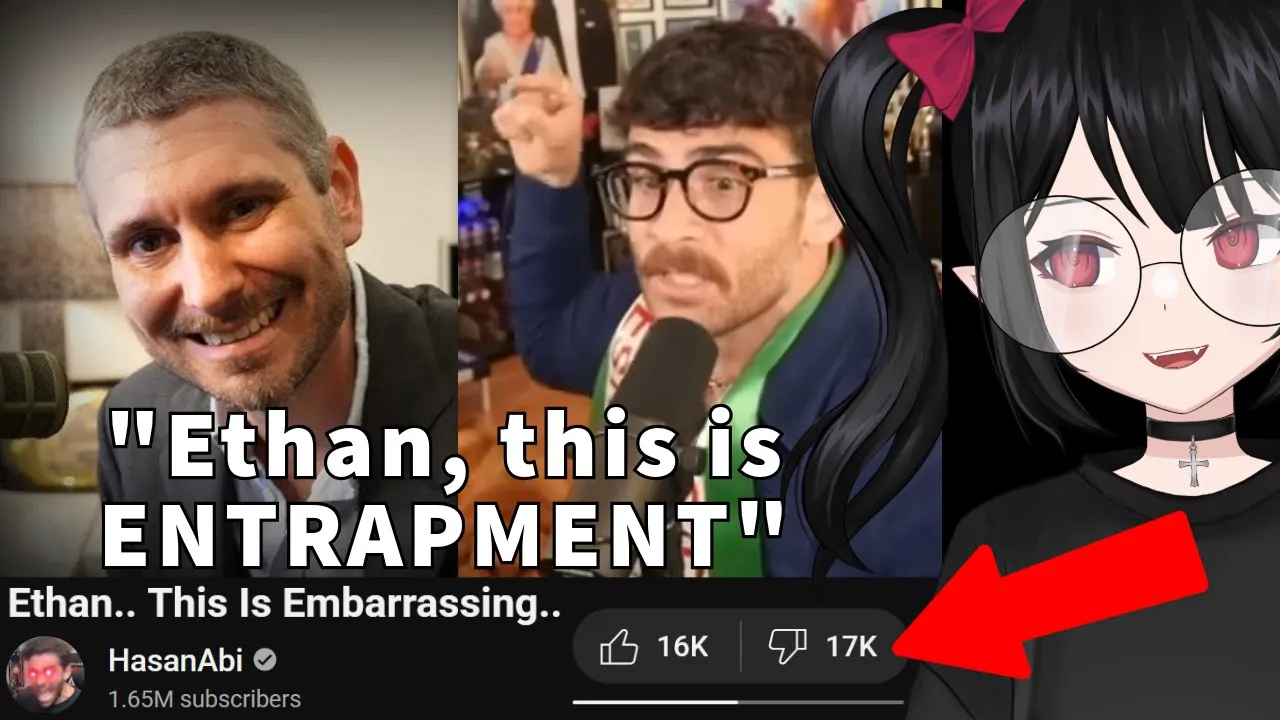
Fair use is a legal doctrine that allows limited use of copyrighted material without permission for purposes such as criticism, commentary, or parody. The court distinguished between 'old school dumb reaction videos' where people just sit and watch without commentary, and videos with genuine commentary, editing, and transformation. The court ruled that reaction videos with substantial commentary and transformation constitute fair use, while passive viewing without meaningful engagement does not. This distinction is crucial for content creators to understand when creating reaction content.

Fair Use applies to various creative formats including: (1) Remix artists like Girl Talk and Kutiman who create new music by mashing up existing artists; (2) Gaming streams from inside copyrighted game worlds; (3) YouTube Poop - humorous video mashups created by editing pre-existing media sources; (4) Honest Trailers and Bad Lip Reading channels; (5) Supercuts and Vidding (video editing of existing footage).
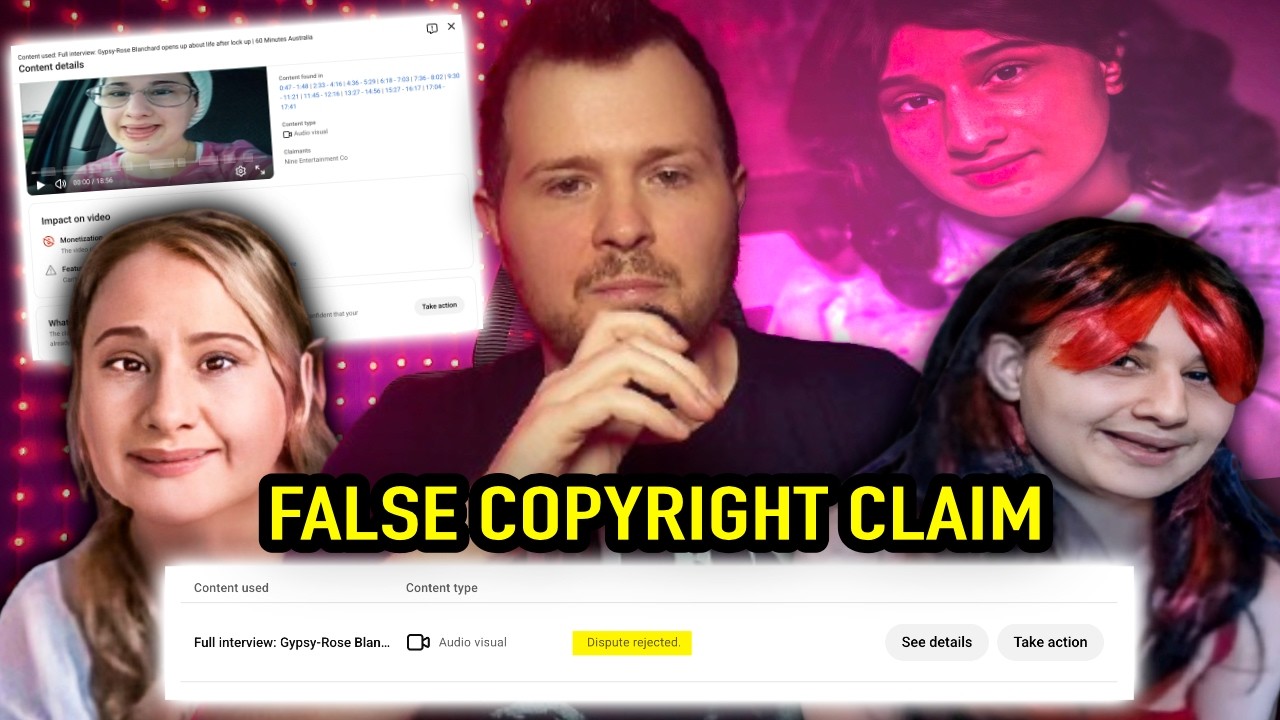
Fair use is a legal doctrine that allows limited use of copyrighted material without permission from the copyright holder. The doctrine covers four main factors: (1) the purpose and character of the use (such as commentary, criticism, or reaction videos), (2) the nature of the copyrighted work, (3) the amount and substantiality of the portion used, and (4) the effect of the use on the potential market for the original work. Reaction videos that include commentary and criticism of the original content are typically considered fair use, as they transform the original work and add new meaning or message.
Fair Use Basics
0:10- 1
Fair use is a case-by-case legal test, not a fixed formula.
- 2
Four statutory factors guide analysis of each use's purpose.
- 3
Transformative, educational, or noncommercial uses favor fair use.
The Critique of Fair Use Vagueness and the Chilling Effect
While the four-factor test is designed to balance copyright protection with public interest, legal scholars and creators criticize it for being highly unpredictable and subjective. Because the factors are applied on a case-by-case basis with no bright-line rules, it is difficult to predict how a court will rule in any given scenario. Critics argue this inherent vagueness creates a 'chilling effect' on educators, artists, and researchers, who may self-censor or refrain from using copyrighted material out of fear of expensive litigation. Consequently, some argue that the four-factor test favors wealthy corporations with the resources to litigate over individual creators, and they advocate for clearer statutory exemptions or a shift toward more defined, category-specific 'fair dealing' frameworks used in other countries.
So, what is “fair use”?
Fair use is a case-by-case test found in copyright law.
When met, it allows a use of a copyright protected work without permission.
For example, using a quote from a book in an article may be a fair use.
The fair use concept is central to copyright law and helps promote freedom of expression and innovation.
Let’s look at some basic concepts.
There is no formula to ensure that using a particular amount of a work will qualify as fair use.
Also, it’s not as simple as declaring, “I think my use is fair!” While the law gives some examples of things that are traditionally fair use – not all uses that fall under these categories are actually fair uses.
And some specific uses that do not fall under these categories have been found to be fair uses.
Fair use is a case-by-case inquiry.
We have to analyze each use of a work.
Essentially, fair use asks us to think through our actions.
Federal law sets out four fair use factors.
The first evaluates the purpose and character of the use.
An educational, noncommercial, or transformative use is more likely to be considered fair.
A “transformative” use adds new purpose, meaning, or message not present in the original, as opposed to merely replacing the original work.
A use that merely replaces the original use or purpose of the work is less likely to be considered fair.
The second factor considers the nature of the copyrighted work, and will favor fair use if the work is factual or previously published.
Here, consider copyright’s purpose to encourage creative expression by providing exclusive rights to authors.
The third factor evaluates how much of the original work is used.
In addition, pay attention to the importance of what was taken from the work.
Are you using a lot of the original work, or the “heart of the work”?
Taking too much when not necessary is less likely to be fair use.
The fourth factor analyzes whether the new use harms the existing or potential market for the original work.
Fair use requires an analysis of all the facts and factors.
The factors may point in different directions and may not lead to a clear result.
It is important when thinking about fair use not to jump to conclusions.
Only a judge can make an official determination of fair use.
This usually happens during an infringement case.
Sometimes it can be hard to rely on fair use, especially if there isn’t a lot of case law available.
Finally, if you don’t know if a use is a “fair use,” you can always ask for permission from the copyright owner.
If you decide to rely on fair use, be thoughtful and deliberate, and keep these core points in mind.
To learn more about how fair use is applied in different situations, visit the Copyright Office’s Fair Use Index.
Up Next
Intellectual Property Law Explained: Copyright, Patents & Trademarks
@crashcourse
1.1M views•2015-04-23
US Secondary Sanctions Impact on EU Businesses and Blocking Legislation
@Bureauvandijk
1.6K views•2019-03-20
Forensic Phonetics: Speaker Identification in Legal Cases
@nptel-nociitm9240
539 views•2025-03-19

Police Interrogation Tactics: False Confessions & Legal Reform
@LastWeekTonight
7M views•2022-04-18
Related Study Plans & Knowledge Roadmaps
Structured learning paths in Law