
















The Fourth Industrial Revolution, driven by automation and artificial intelligence, is displacing millions of American workers from traditional jobs in manufacturing, retail, and transportation, creating a need for universal basic income policies that redistribute technology-generated wealth to ensure economic security for all citizens.
Andrew Yang Town Hall Fairfield Iowa Campaign Speech 2020
Added:The concept of Universal Basic Income (UBI), including its historical definitions and theoretical economic rationale.
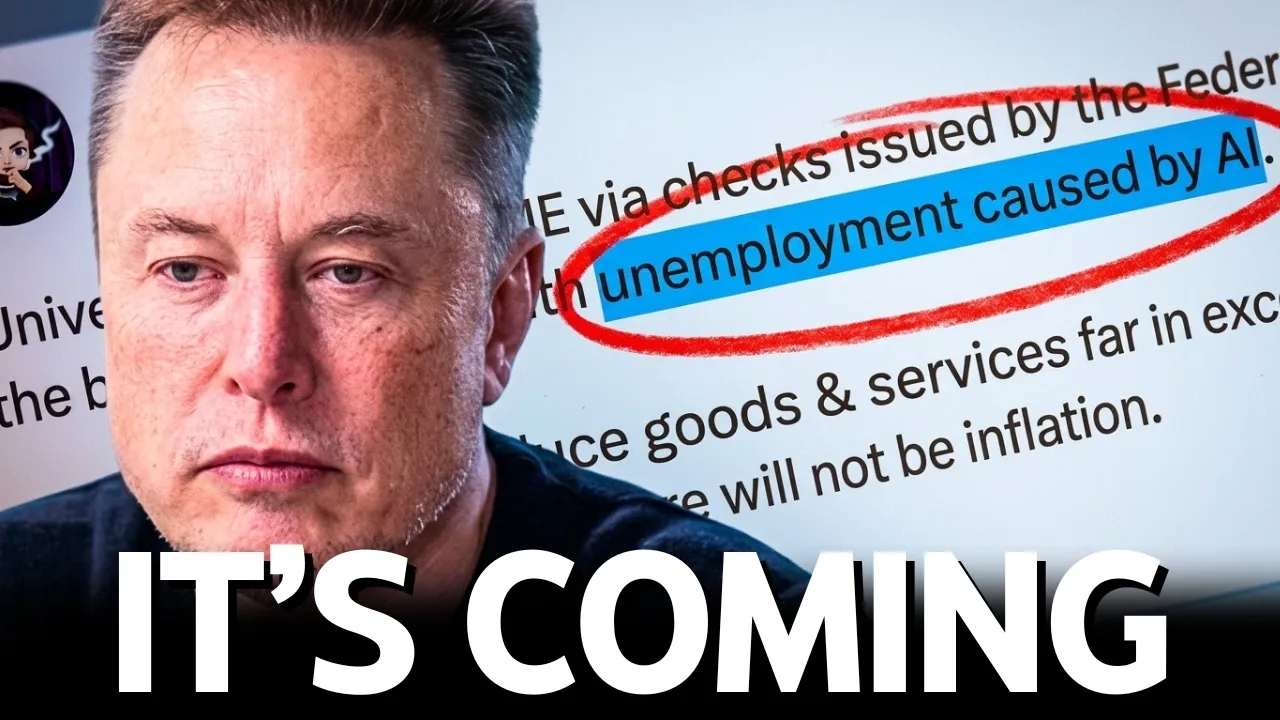
The basics of automation, artificial intelligence, and their projected impact on the modern labor market and job displacement.
An overview of the United States healthcare system, including private insurance, Medicare, and the core debates surrounding healthcare reform.
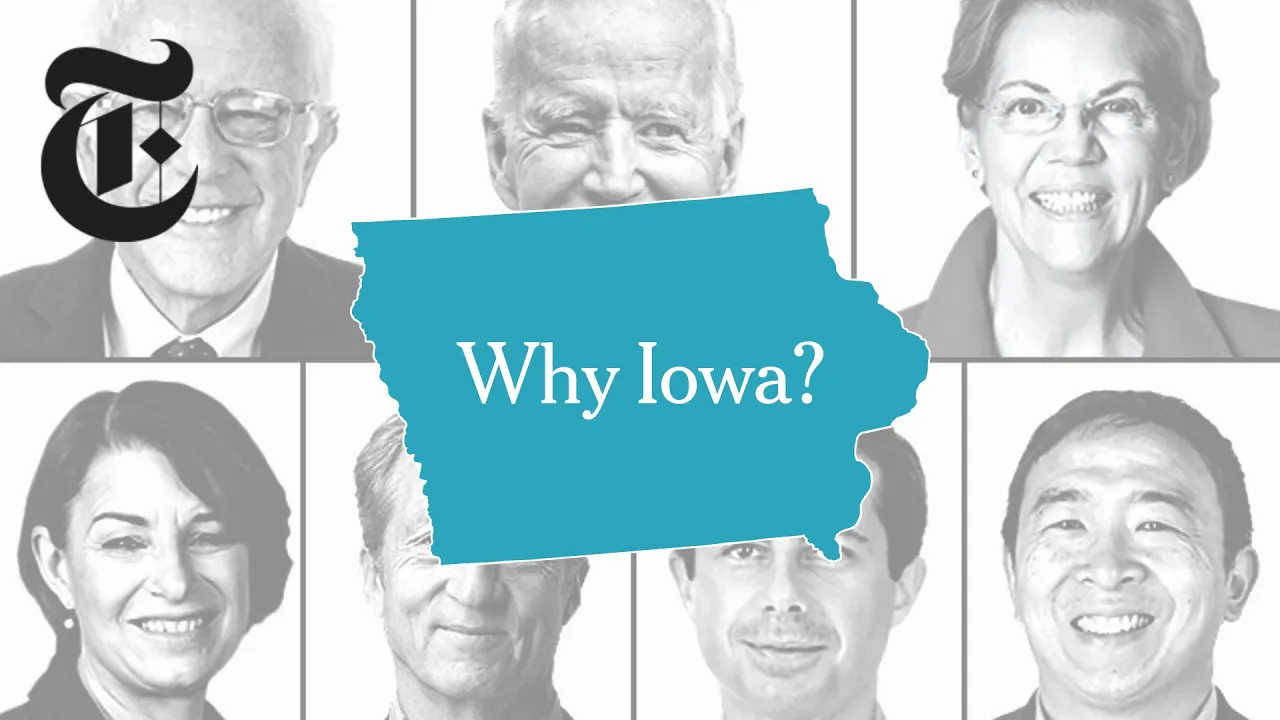
The structure of U.S. presidential primary campaigns, specifically the significance of early caucus states like Iowa and the purpose of town hall events.
Economic feasibility studies of UBI, including specific funding mechanisms such as a Value-Added Tax (VAT) and carbon taxes.
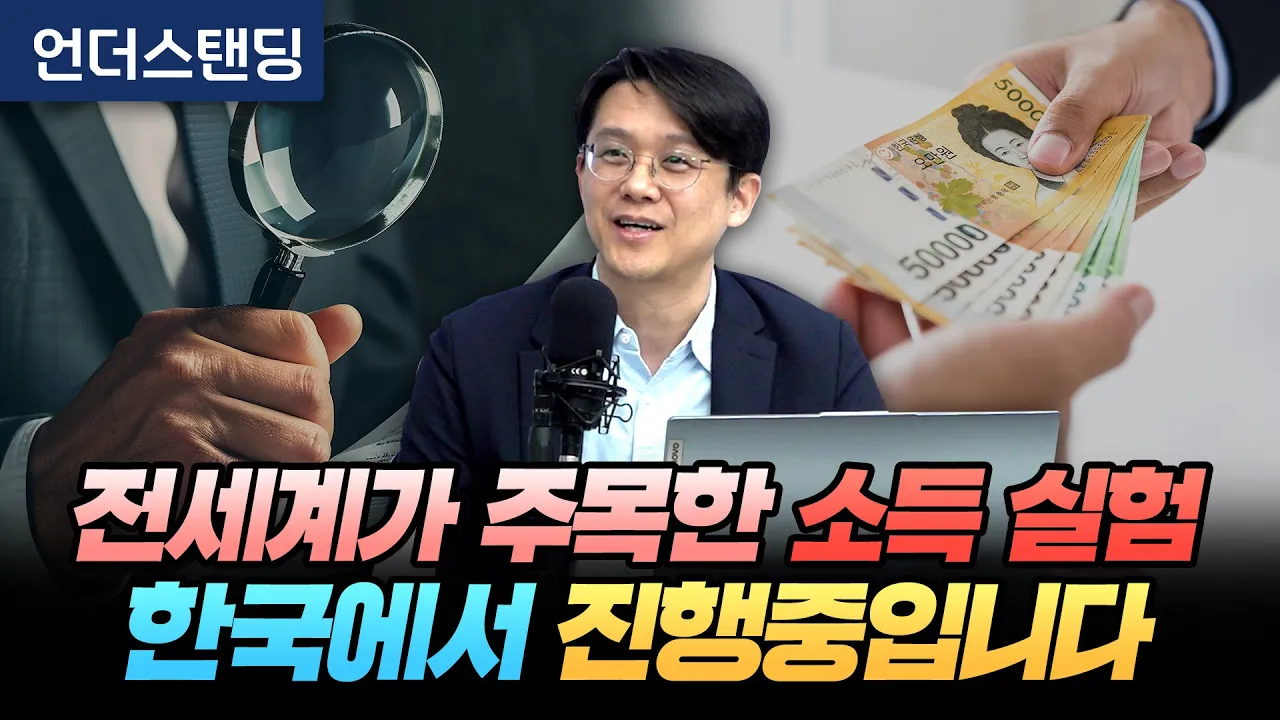
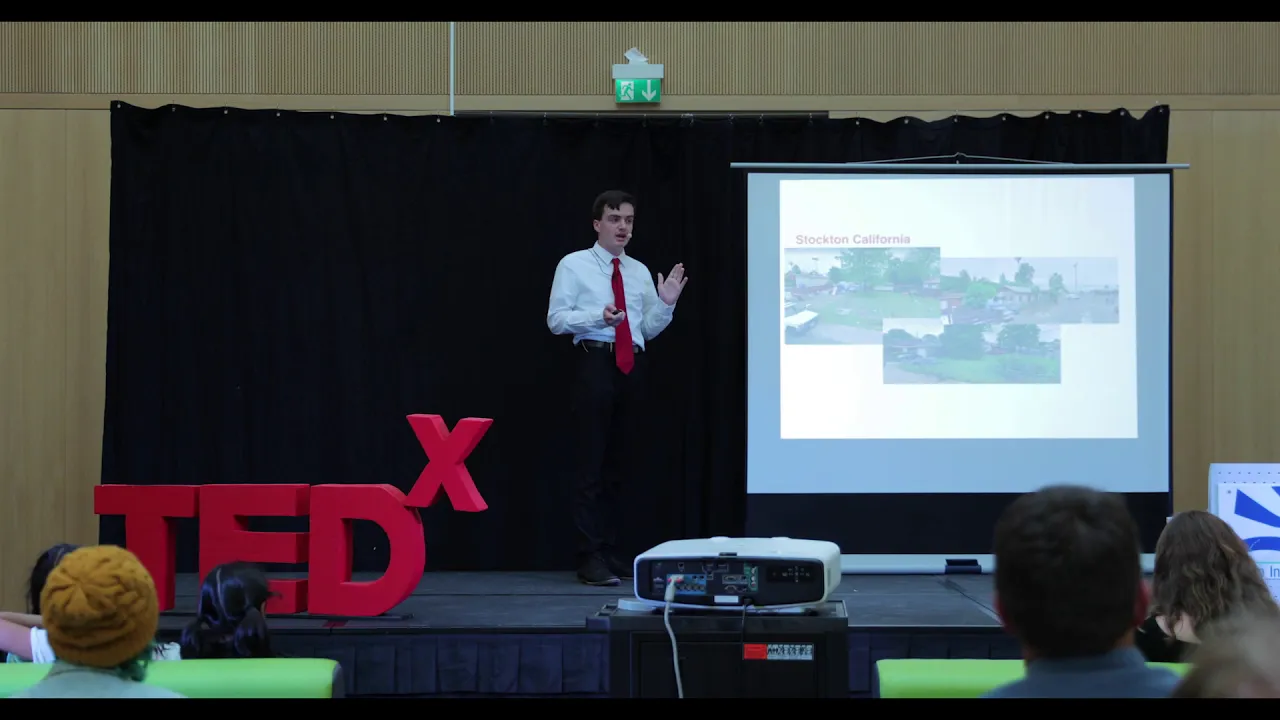
Analysis of empirical data from real-world UBI and guaranteed income pilots, such as those conducted in Alaska, Stockton, or international trials.
Comparative policy analysis of different national healthcare systems (e.g., single-payer, multi-payer, and public option models) and their economic trade-offs.
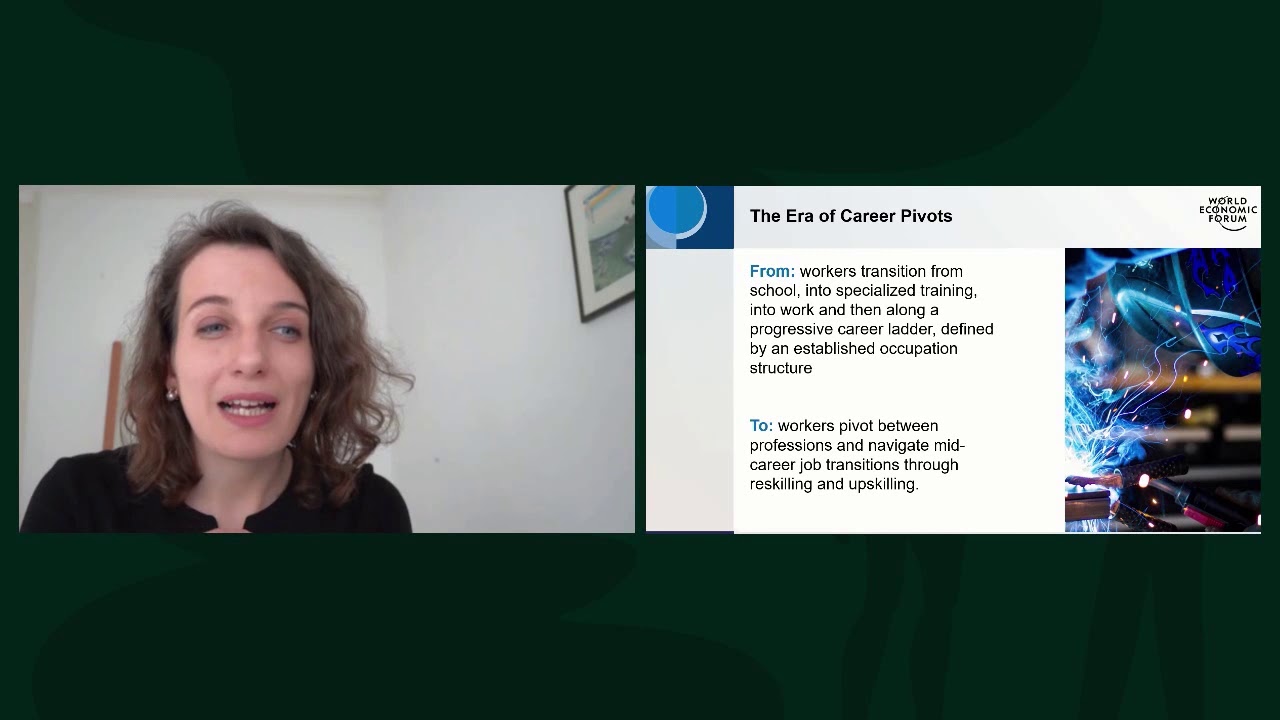
Advanced topics in labor economics concerning 'future of work' policies, including federal job guarantees, wage insurance, and technological transition support.
62.4K views3.4Klikes1:26:29Original Release: 2020-01-25
[Music] you want to make it feel [Music] [Applause] [Music] besides life [Music] it's nice [Music] great somebody's gonna job [Music] Oh cherry she's gonna check on the fights you try one more time [Music] I love [Music] No [Music] [Applause] [Music] testing one two three testing one two three [Music] he didn't leave a tripod or anything at last however Lena's here hello [Music] my name is Carolyn McCarthy and I am a surrogate for the yang campaign specifically focused on reaching out to the tech community which I know has quite a presence in Fairfield anyone else your work in tech couple of yeah we don't tend to like to yell to kinda keep to ourselves anyway I got interested in Internet campaign because I have recently started to become an activist in getting more American voters as well as their elected officials literate and interested in tech policy so things like data privacy [Applause] tips like take the privacy and artificial intelligence automation which I know certain campaign likes to talk about a lot um but the problem is that we don't really tend to get informed on it and I think that most is because our politicians try to avoid they maybe don't know very much themselves they don't prioritize or they just don't know how to address it and I got interested in an through yang because he is different he put out a massive tech policy platform you can see if you go to yang 2020 calm and the happily got me hooked but he's about a lot more than that we're gonna definitely gonna hear about the freedom dividend which would put $1,000 a month into the heads of every American adult and you can use it on whatever the heck you want [Applause] for a town like Fairfield where there is a bird to be attacked upon me I can see that being really powerful because those of you who worked at startups know that you often have to take the lower salary you often have to deal with the fact that maybe your job situation is a little bit more volatile as you as you look for new clients or you funding and with the freedom dividend doesn't have to be that risky Andrew Hank has a vision and I share that vision of seeing the innovation economy distributed across the country so that it's not just New York and San Francisco and Silicon Valley and to see more than in places like Fairfield too much so you can probably tell anything Henry is pretty awesome and awesome people tend to attract other awesome people to their lives so let me tell you about Andrews wife Evelyn she had a career in marketing and then after she had their two kids one of whom you may have met when he was on stage governments ago she actually decided to be a full-time parent and that is something that you'll probably hear an to talk about as well about how see how hard Evelyn worked and how hard that job is and our economy values that at zero but Evelyn has tips also become very visible on the campaign trail she is really powerful advocate for the families of children with special needs and she has recently spoken up who's spoken up about some issues that are really powerful to women around the country so i'ma get off the stage and I would I'm very very thrilled to introduce you all to Yang [Applause] [Music] hey I only recently started to join Andrew on the trail because we have two little boys at home who keep me pretty busy you didn't be one of them and they are both of them are here with us today so it's been such a treat and such a treat for Andrew I love being here whenever I can Andrews message of humanity first interest message of humanity first is such an important message and it's one that I'm so happy to see growing throughout the country thanks to the yang and and thanks to our wonderful surrogates who speak on our behalf Andrew and I are so thrilled to be here today with author activist spiritual leader and former presidential candidate Marianne Williamson hard boys to our mission we have been just so appreciative of her message of love and so just grateful for her work trying to move our country in the right direction and yes we are thrilled to have her here with us today and I love to well you know I should also mention that I met her for the first time in person in New Hampshire and I'm so lucky to have my book side and I'm so happy to be introducing her this evening please join me in welcoming Marion Williams gang it is lovely to be here with you I have been in this room moderate spoken here I think two or three times it's great to be back in Fairfield always I it was a very meaningful experience for me the time that I spent here and something that I recognize that's very profound you feel it here in Iowa you feel it in New Hampshire as well I must say and that is that the people particularly in these two states and all the early primary States but but I wonder Hampshire unlike any other for obvious reasons you recognize the very very serious decision that lies in their hands and it was a privilege to be part of this you recognize how consequential it is possibly for the entire world and I am grateful for the opportunity to express to you why I feel and whose voice deserve serious consideration I think that if every American the older I get and the more involved I have been with this situation the more I recognized the profundity of the Jeffersonian concept that the only safe place the only safe repository for power in the United States of America is in the hands of its people [Applause] [Music] which is so radical and so for friend is that if you have all the information and you have honed critical thought processes given by brief pre-press really flow of information free speech and free public education that you and you alone according to the dictates of your own conscience to the dictates of your own heart no matter where where you come from or who you are that your decision-making and your decision-making alone can be trusted as the governing power of a great country great respect for the fact that you will know on February third who took office for I have great respect about it one of the reasons I don't do this whole endorsement thing because on a personal note I don't think you need other people to tell you but I feel that a campaign is where candidates get an opportunity to tell you what they believe what they would do in one of these matters in your own not in question but you know what a lot of Democrats are thinking should we go left or should we go Center I believe that we have another decision to make not only left versus center and that's a fresh versus stale psychological and emotional issues that all of us have to think about very deeply in addition to the issues themselves the issues aren't always the only issue there are deeper psychological and emotional issues obviously the Democrats missed out on that last time which is why Trump is president today and that has to do with the fact that you're not only choosing a nominee based on the issues but you're choosing a nominee based on how that nominee will be perceived by the people we need to vote for us in 2020 the way I see R there are people who love Trump and they're going to pop the trunk no matter what and there are people who cannot stand the agenda of Trump and they're going to vote for the Democrat no matter what those two groups we don't even have to think about the problem is those two groups are too close in number for comfort we have to think for all them about all the millions of people who did not vote last time and all the millions of people oddly who voted for Trump but are at least uncomfortable now this is what I believe with my heart you'll have to see what is true in your heart I do not believe that those millions of people are looking this year it's a different time than last time last time moral outrage made sense because outrage moral outrage is not born of anger moral outrage is born of love I don't believe this time even though that the emotional tenor last time was rage and it was legitimate rage it was rage based on the fact that millions of people knew that the system was rigged against them I however do not believe that the emotional tenor this time this is rage and anger people are afraid at this point of rage and anger I don't believe people are angry so much as people are exhausted I don't believe that people really want so much someone to go to Washington and fight for them as they want to someone to go to Washington we are already in a cold war in this country it is a cold Civil War and we have to think about this very very seriously because we have to think about the fact that it's not only who will get elected it's also we have to think about the person who the day after the inauguration how they will be treated by the rest of the country I went through my years as an angry left-winger and I realized that I had to evolve I didn't have to evolve beyond my left wing politics I didn't have to moderate my politics my personality I had to ask myself even impossible to be a happy warrior isn't it possible to be a happy Mufti I think what was happening to my personality it wasn't that I needed to modify my politics but I believe that if the Democrats and this is why I believe that Andrews voice is important in this race you in Iowa are not necessarily that those who caucus in Iowa you're not necessarily determine who's determining who's going to be President but you are determining who's going to be an important voice in this race to me reason and the yang matters so much he has three particular three particular personality characteristics that I believe are important his self-confidence his positivity and his levity why this to me they're like a tuning fork and they take us back to an America that we all missed I remember what America was confident in itself I remember with in America an America that was positive and I remember an America that really was sometimes more fun than it is now everyone else I love burning and I love in this and I love a lot of those people because I thought what am i I got to know some of these people on the campaign trail some of them are very very lovely people but there are two other major progressives they're going to exit Iowa they're going to place in Iowa it is there they're going to place another but we need Andrew to if you believe if you believe that what you'll hear tonight and I believe that you will that will be up to you but if you believe that Andrews voice is an important part in this conversation then you have a very important part to play because there's something here about presenting to the American people not just our anger presenting to the American vision the people a vision that I think is extremely important and that is that not every rich person is a greedy bastard and not every poor person is it isn't is a victim that is a continue of a warlike mentality godly was outraged about the ending the British being in India but he refused to demonize the the British and Martin Luther King was outraged about segregation but he refused to personally demonize the segregationist I think that Andrews is an important voice of the happy warrior he's an important voice of progressivism that lays it down but lays it down mature and I can tell you personally from my personal experience of Andrew if he begins it any way to to veer away from the kind of progressive vision that so many of us feel is important I promise you if it thinks about it I'll call him myself [Applause] [Music] [Applause] ah much better voice amplification all right time's a charm this one's alright alright he knows what he's doing hello we're running for president and I say thank my wife Evelyn because once she let me run and - she's been sacrificing much more than anyone else in our family so thank you I love campaigning here in Iowa because you all are some of the most powerful influential people in our country today I know it doesn't feel like it most of you're just living your life and decided to come out to a Friday night event with not one but two presidential candidates but I did the math to not only Californians each of you is worth about 1000 Cal accordions each so look around this theater tonight how many of us are here tonight together I'm going to give a trumpian estimate the best estimates like they're about 250 feet but 250 Iowans is more than six football stadiums Willa Californians that's the parent you all know to shape the future of this country and I appreciate Mary and remarks so much because I feel like this country has been struggling for the last several years with a fundamental question that's confused many of us and the question is this why is Donald Trump our president today or more direct you all how to Donald Trump in Iowa a purpose swing state by almost 10 points 2016 now if you turned out cable news at any point in the last number of years what answers have we been given by the media companies as to why Trump sent president Russia's interference Facebook electro college emails Hillary Clinton James Comey FBI the media again the DNC all sort of mixed together into some kind of potpourri of explanations but very element numbers guy and when I went through the numbers there's a very clear and direct explanation as to why Donald Trump is our president today we blasted away four million manufacturing jobs over the last number of years and where were those jobs primarily located Ohio Michigan Pennsylvania Wisconsin Missouri and 40,000 right here in Iowa now in Oh Fairfield is something of an oasis of growth in the state but I have been to the communities that lost in manufacturing jobs in Iowa and after the plant closed the shopping district closed people left the school strange and that community has never recovered I saw the same pattern play out in Missouri Michigan Ohio Pennsylvania says but the last seven years running a non-profit that helped create thousands of jobs in those communities and unfortunately what we did to those manufacturing jobs now shifting to other parts of the economy now you all live again in a very prosperous part of the state but how many of you have noticed stores closing here and why are those stores closing you know it's funny is like when I talk to people in the state they know it's Amazon but they say at first it was Walmart so we're joking that Walmart was like a tank that came to town and then hope pop retellings and then now there's Amazon which is like a spaceship the entire thing Amazon sucking up 20 billion dollars in business every year closing 30% of our stores and falls in our economy the most common job is retail clerk the average retail clerk is a 39 year old woman making between $12 an hour when her store closes what is her next opportunity how much today Amazon paying taxes last year zeros that is the bath airfield 20 billion out zero back 30% of Iowa stores closed most public jobs just to disappear now you see these changes everyone sees these changes and our retail districts but the changes are more widespread and pervasive that most people think about when you want to call the customer service line of a big company if you get the body to the software I'm sure you do the same thing I did which is you found zero zero zeros in human human I'm sitting from seven Cuban women and so you get someone on the line that's what you do I know we all do that we're like this nasty person working at something I'm gonna find that person but in two or three short years the software is gonna sound like this hello Andrew how are you I'm fine help me what is that going to mean for the two and a half million Americans the work that call centers right now making ten to fourteen dollars now when the songs my friends in California are working out robot drunks that can drive themselves they tell me they're 98% of the way there a robot truck just transported 20 tons of butter for California to Pennsylvania three weeks ago with no human intervention why did they choose butter for this maiden voyage I have no idea but if your Google robot butter truck is the story and then at the end of the route was a giant stack of pancakes everything I just said strict suppli thinking so what will the self driving trucks mean for the three and a half billion truckers 94% been average age 49 or the 7 million plus Americans work at truck stops hotels and diamonds across the country how many have been to Iowa 80 in Deadwood me too they say that 5,000 people stop there every day how many people will stop at Iowa 80 but the trucks don't have drivers any more than that now the way Barry talks about what's happened in our country and I agree with her and I actually learned from her she's more light than I am in many many ways these talks about this this psychological and spiritual flash and frankly struggle in the sense that we're dealing with I typed us naked numbers and economics and so you have the most common jobs in our country that are getting reduced in number very sharply and this fourth Industrial Revolution is now accelerating it's taking up I have not a career politician well good with a lot of money on those ads very sad so I've been out twittering problem solver who spent years trying to create jobs at Midwest new South I've heard several times by the Obama administration so I got to introduce that bullet to the president my in-laws were going excited about me that meet unfortunately over those years I had the sinking feeling that my work was like pouring water into a bathtub that had a giant hole into the bottom things were getting worse not betting a lot of places and then Trump wins and I realized that things are even worse than I'd imagined this fourth Industrial Revolution is now speeding up so I went to world leaders of DC in 2017 and I said to them hey we're scapegoating immigrants or problems immigrants have nothing to do with it we're going through this economic transformation that is pushing more Americans to the sidelines what are we going to do to help our people and what do you think the folks that DC said to me when I said what are we going to do go away who are you the three response I got were these number one we cannot talk about this number two we should study this further and number three the most popular we must educate and retrain all Americans for the jobs of the future how many of you heard something like that unpolished that's very popular it's pretty responsible Center but on the numbers guys that hey I looked at the studies you all want to guess how effective the government-funded retraining programs were for the manufacturing workers who lost their jobs the Midwest you know it slow because I'm anchoring you blow but you also know what slow because you know people you know human beings do you know 500 manufacturing workers don't walk out of the factory get laid off and it's a good it's time for my coding boot camp that's not the way to talk the success rates on those job retraining for zero to 15% there were more or less a total failure almost half of the manufacturing workers in these states left the workforce and did not work again of that group almost half filed for disability you then saw surges and suicides and drug overdoses to the point where America's life expectancy is now a decline for the last three years in a row you know the last time that happened in this country the Great Depression is a great guess it's a little bit earlier it's the Spanish flu of 1918 a global pandemic that killed millions you have to go back a century because it's highly unusual in a developed country if your life expectancy to ever go down or nearly goes up and up because you're getting richer stronger and healthier when out in the US has gone down and down in the Delta now people can describe different causes for the deaths of despair reaching unprecedented levels but to me a big part of it is that many communities feel like they don't have a path forward so when I said this to the folks in DC one of them said Andrew I'll level with you you're in the wrong town no one here will do anything about this because fundamentally Washington DC is a town of followers not leaders and the only way we will do something about it is if you were to create a wave in other parts of the country and bring that one crashing down on our heads and I said challenge accepted I will be back in two years [Music] [Applause] [Music] [Applause] so my fans are almost as cheap as Bernie's but there was not a dime of corporate PAC money in that 16 and a half million dollars at this point is not working for us what's it working for the almighty dollar you have record high corporate profits in this country you're also recognized the United States of America stress depression substance abuse overdoses student loan indebtedness financial insecurity suicides if your corporate profits are going up and your life expectancy is going down which do you listen to that I think about that we know which one these things listening to you see can't even see people with health anymore Washington DC today is the richest city in our country think about that for a second what do they produce it's somewhat unclear but whatever their business is business is awfully good we have to get our own government under control we have to restore the feedback mechanism between the people and the government unfortunates of 12 years forever president a year from now Iowa I will get term limits pass it here's how we'll get it done I will walk into Congress and I'll say hey we need to make this place more responsive and dynamic so we're going to have 12 year term limits but current lawmakers are exempt do you think they'll pass that oh they'll pass that the next day they'll be like we do this for the American people because as long as they're exempted they'll be like I get to walk around like this some kind of like super legislature but then eventually they'll get phased out too and they won't have a legislature that actually worked across as your president I will pledge not to take any paid speeches for personal gain for the rest of my life doubtless at the top if everyone looks around and says well I guess that's what we're doing I guess giving the quarter-million speech for an hour's worth of work to the corporate client I guess that's our way then it's very hard to get the revolving door on our control it has to start at the top and as president I will say look like I'm not going to do it anything for industry we have to do the same thing for regulators at the highest levels as soon as you start working for government in DC right now there's like a time limit it's a time right never looks like when you're gonna leave when you're gonna leave and then they have bags of money waiting for you when you eat there's a woman named Sheila Bair who used to run the FDIC I don't know if you heard of Sheila but she got there and she said this is not working we have to make this a one-way trip we have to say that if you work as a top regulator you're not allowed to go work back in industry for at least a decade and in return we should compensate those people I think that's a very fair trade for a government that we can actually trust you heard Caroline mentioned and I believe I think maybe even Marianne my flagship proposal is that we should be giving every American a thousand dollars a month starting at age 18 to you and even though you're very very enlightened and optimistic and it still might seem like a gimmick too good to be true but might not be feasible raise your hand if you have ever been actually no one here's a look at how local people it's good again I know it's a very very optimistic group but even in a bastion of optimism like this town you might think rather than cents off the dramatic this is not my idea and it's not a new idea Thomas Paine was for this as a founding of our country called it the citizens dividend for all Americans Martin Luther King whose birthday we celebrated this week was fighting for this in the 1960s the guaranteed minimum income and it is what he was fighting for when he was killed in 1968 I know this in part because I met with martin luther king's son in atlanta and he said this is what his father was fighting for a thousand economists endorsed it in the sixties it came this close to being law throughout the entire country in 1971 and then eleven years later one state passed a dividend where now everyone in that state gets between one and two thousand dollars a year no questions asked and what state is that how does laws can pay for it what is the oil of the 21st century technology data AI south driving cars and trucks a study just came out that said that our data your data is now worth more than oil how many of you saw that study how many of you got your a to check in the mail last month if your data is now worth billions of dollars a year and you are not seeing any of it where is that money going Amazon Facebook Google Apple the mega tech companies that are paying zero near zero in taxes what we have to do what you have to do on February 3rd is say that all this value that's leaving your communities needs to come back and we need to put it in your hands in the form of this dividend build a trickle up economy from our people our families and our communities up your hands where will it go how would you spend it how much of it would stay right here in Iowa most of it not all of it you might get your own Netflix password but most of it would go to car repairs you've been putting off day care expenses and Little League sign ups and local nonprofits and arts and culture and religious organizations this is an economy that will work for our people and this is why it all in part because it has been trending the other direction for dead two days how many of you all our parents like me and Mary dad and everyone if you're a parent you probably have had the sinking feeling that the future we're leaving our kids is less stable less secure and less prosperous the life that we have live as their parents and you tend to think of that as a climate change which is a very very real retrain bearing down on us but it's also true in terms of their way of life if you're born in the 1940s the United States of America there was a 93 percent chance you're going to - better than their parents that's the American dream that's what brought my family here Evelyn's family here that's what we aspire to leave to our kids but if you were born in the 1990s in this country you're down to a 50/50 shot and it's declining fast that is why the parents feel the way we do that is why Trump want this place by almost 10 points because when people look up and they do not actually feel optimistic about their future their kids future there were them to go to very very great lengths to try and make changes to the system what we have to do is solve the problems that got Donald Trump elected in the first place we shouldn't act like is the cause is a symptom and we need to cure the underlying disease [Music] so we have record high corporate profits but also record high level those social problems and substance abuse record lows in this country right now starting a business for a young person getting married having children the economic indicators are not time is how we are doing and I know how long they are in part because of my family and Evelyn's work at home Evelyn's most days at home with our two boys one of whom is autistic how much is her work valued out in our economic measurements today Evelyn and every stay-at-home parent gets a zero how about caregivers taking care of ailing loved ones zero how about volunteers and activists coaches and mentors trying to help the next generation most artists I didn't say one thing that you don't think about how about local journalists almost 2,000 local newspapers have gone out of business in the last number of months because all their revenue went up to the cloud you know what doesn't function well if you don't have local news democracy it's very hard to vote on what's going on in your town and no one's actually covering what's going on in your town and we're up to 200 counties that don't have a single local paper these are the things that we claim to value most in our country our families our communities our democracy and they're getting zeroed out one by one I want and they're getting zeroed out because we have been confused that economic value and human value are somehow the same thing and what you have to say aloud in there on February 3rd is that they are not the same things that we all have intrinsic value as Americans and as human beings ourselves [Applause] [Music] ahem economy now will actually take our country forward imagine a country where parents to look their kids in the eyes and say our country loves you your country values you and your country will invest in you people know what they're investing in you and when they're not people can tell what you're paying lip-service or when you need it and right now our kids sense that we do not believe because nothing is an actual investment more than actual resources that they could use to make their own choices and I love Mary Ann's message about you have the government and then the people you need to have power the people and quit people to make their own decisions I could not agree more we have to have the government put us in position to have our people our families and our communities Drive but where are the midst of the most historic winner-take-all the economy in the history of our country and the dynamics are accelerating in unprecedented ways I have seen it I have been friendly with some of the most powerful technologists in our country they tell me I've been to the lab with the artificial intelligence when it comes out it's going to be more disruptive than anyone believes they'd never say to me I've been with the artificial intelligence guys in the labs and everything is going to be exactly the same yes at the end of that thought we all know our government is decades behind the curve in many respects but it's particularly behind the curve on technology I can say this with precision because we got rid of the office of Technology Assessment in 1995 25 years ago so Congress has literally been getting zero independent advice on technology for 25 years isn't that great timing nothing's really happened in 25 years and one of the things that on a personal level as a parent I think is trumping about technology is its effect on the mental health of our kids in our [Applause] [Music] introverted kid but when I went home and I shut the door I felt like I could be alone but today that kid when they shut the door they feel like their classmates are all in the room with them because they can just take their phone out and see exactly what everyone's thinking it sank the cup the problems of anxiety and depression we've seen in young people have been very very much in lockstep with the adoption of smartphones and social media apps and you know who do not let their kids use these devices the people at Silicon Valley you ever want to go someplace where it's like a screen free environment just go to Silicon Valley and that you'll see that they don't let their kids touch these things and one of my friends in Silicon Valley Tristan Harris put it like this he said we have the smartest engineers in our country turning supercomputers into dopamine delivery devices routining hands and it make millions of dollars do as for a president I will appoint Trista time to get into the guts of these companies and start recalibrating the design choices they're making to prioritize the mental health of our kids right now the technique tech companies like are they I can't wait well what's happened in that space is emblematic of what's gone on throughout our country writ large if you have people on one side and money on the other who wins the money you can see it very very very easily it's like the part of a companies they win the banks they win the tech companies they win military industrial complex they win this is what we have to change we have to reverse the tide and it's going to happen here in Iowa on February 3rd [Applause] [Music] the epicenter of this this is why this is such a crucial battleground Trump winning by almost 10 points is because this transformation is already been sweeping your state it's started on your farms with the consolidation of many of the farms the mechanization of a lot of those agricultural jobs then it shifted to your factories wiping out 40,000 manufacturing jobs and Counting devastating those towns now it's on your main streets closing 30% of the stores and malls we have to stop it before it hits your highways type is not our friend on this if we wait another four years what happens over those four years lights go out the alley gets harder the robot trucks get closer to the highways this is it this is where humanity actually turns the time this is where we start winning against [Applause] [Music] Donald Trump's our president today because he had a very clear message that many under neighbors understood he said he was gonna make America great again what did Hillary Clinton say in response America is already gonna remember that it's been a long three years but it's now coming to an end well with many people because the problems are real we have to acknowledge their reality and depth and severity but then we need real solutions that will actually move our country forward what we're Donald Trump solutions build a wall turn the clock back bring the old jobs back fairfield you know more than anyone we have to do the opposite of these things we have to turn the clock forward we have to accelerate our economy and society to rise to the real challenges of this era like climate change we have to evolve the way we see ourselves and our work and our value I am the ideal candidate for this job because the opposite of Donald Trump is an ancient man who likes math if you plan to ask a question there is a mic right over there we're only at time for a few but if you'd like to ask a question you can head right over to stage right good evening good evening welcome to Fairfield both of you my name is under Sharia baka the much university part and community that you my question imagine there was real fan she's like you and friends of quality both of you i displace a lot of world peace and you mentioned in passing industry complex what would you work on towards ending the wars or the kind of message that about endings regime changing wars which take a lot of the money that would come back of communities and education well thank you for the question i have signed a pledge to end up forever waters so why are we at the brink a war with iran it's because Congress has seen in its constitutional authority to declare war the executive branch for 19 years accounting and so a minute a constant state of conflict ever since I would tear up the AUMF say the Congress the Constitution says it's up to you to declare war so you should exercise of that power should not be able the executive branch I would then invest in diplomacy and our partnerships let Iran and the rest of the world know that we do not want to have anything to do with provoking or initiating conflict let our allies know we're open for business and then take some of the six trillion dollars and Counting we spent in the Middle East and the one trillion dollars plus in Iraq alone and spending on making ourselves stronger and more secure against the real threats of this era like climate change [Music] also this is one that was talked to a guy named dr. Perry today about the fact that there's a much higher risk of us initiating an accidental nuclear war than there should be and so I would have not did no first use policy and then I would change the process so it's not one human being who's turning the key and then everyone else has to say let's do this as fast as possible there should be many more fail saves into place to make sure that no one sets off Armageddon unwittingly you so know first use policy genuine fail saves all the way up to including some sort of approval process so I can't do or as your president even if I wanted to which I never would that like I would need to get buy-in from all sorts of people to do something that might change the fate of the world hi my name is Nathaniel first of all I just want to thank you for giving all of us Asian Americans a voice [Music] you mentioned climate change as very very but I feel like I'm speaking for a lot of us younger voters here that your record on climate change has not necessarily been the greatest in fact as you're a numbers guy the Center for Biological Diversity action gave you a rating of two out of ten now I'm sure you know as well as me if I came home with it but the two things that you the two things that you scored well were to end new federal fossil fuel leasing as well as require zero emission cars by 2030 but you didn't say that you would declare national climate emergency you not things I've always just in fossil fuel production you were not anything fossil fuel exports and fracking nationwide prosecute big polluters in court etc what can you do right now on the campaign trail and even an office as president to make sure that the climate is becomes better and make sure that we as the younger generation have a place to live in the world I believe climate change that is the existential threat to our way of life and our plan as this going to zero emissions over the next twenty nine years which is to be a very very aggressive timeline we don't have 29 years well I don't want to hear it out heard out the fact is you know is 50% of global emissions the other 85% is in the rest of the world now what's happening in the rest of the world is that China is going to African governments and say hey coal burning coal burning cleaner do you like them and what does the African government say yeah thank you so what do we need to do to try and get that to change we need to go to that African government and say don't take the coal burning power plant take these solar panels instead and we will subsidize them to a very high level we should be taking out all the subsidies we possibly but the the reality is that in fact politician says we need to prevent climate change what's wrong with that see we're already out of the curve like whether the last four years have been the four warmest years of recorded history the floods are here we all saw the photos that made the Australian photos of this fire and that like science fiction nightmare movies come to life so at this point we need to invest hundreds of billions of dollars in making our economy not a fraud our economy our towns and communities and Families safer stronger more resilient more adaptive because it's here we can't leave people on their own we should be investing right now in the disaster that we know are on the way so I agree we need to transition but the reality is that we are not in a position now where even if we were to zero out our emissions over the coming years like the climate is going to warm the sea levels are going to rise it's already happening and we need to start actually investing in yourselves safer and not prevent dr. 10 we could prevent something that is unfortunately been decades in the making but as president there is a very simple thing you could do even in office on the first day you don't need Congress's of permission to declare a national international climate emergency are you because the Center for Biological Diversity actioned you aren't I am 100% willing to declare a national international climate emergency if I believe it's helpful in speeding us towards the goals hi my name's Shia holiday and I own a vegan community event center and right center restaurant our gallery and theater right across the street do you want to give a point for what's the name of it we actually shut down to come to this immediately afterwards so that everyone's gonna go there and marry me actually already spoke there about a month ago we're really honored to host her but I understand that the final Siena and Town Hall was canceled so candidates are about to have an opportunity to finally speak and have a final forum before the caucus conveniently the first and second we are hosting the first SME quad annual assessment and action conference which is a two-day conference to raise the collective consciousness and the collective understanding about the candidates and about ourselves while we're going into the caucus so that way words go into it with the highest possible mindset now I'd like to invite both of you to this conference to speak on the first day where we'd like to host a presidential open forum so that you're able to get in your final words and directly speak to people right before the caucus oh I love the deep silence the first and second of February the first is when we want to have the forum well I've got to talk to my team because I might already have some stuff scheduled for fall free I'm there trying to access higher levels of consciousness and sensitivity so thank you and Marianne beautiful okay well I'll talk to your team and I hope to see you there and I will see everyone at play after this hi my name is stage about Steven Tolbert thank you for showing up here tonight really appreciate what you folks have done especially for the national discourse on some really important issues I have a well it's really gonna climate change question I think I was rude I was actually reading an article this morning by the UN rapid towards the right to food and was referencing a statistic that roughly 32 percent of all global emissions are produced because of agricultural practices and that just encompasses just like the production and transportation and allocation of food that doesn't include deforestation and so I'm just curious given that agriculture plays such a large role and I'm just curious if you have any policy positions that you put into place we need became president I love this question so much and as a parent to of when I talk about it and where food production has become something that's central to work more of our lives because there's this sense that this industrial food production is changing the composition of our foods in ways that Babur about the environment but also are affecting our health in some ways I'm not even sure we're ever fully cognizant of so I would love as president to get into [Applause] [Music] [Applause] [Music] [Applause] [Music] [Applause] everybody here is aware how much you know is that whether you're talking about rainy on Northrop Grumman Boeing and the military-industrial complex nomination so that we have hundreds of billions of dollars more sweets in our military budget than the military of an asked story in order to keep us safe that it is a corporate matrix whether you're talking about the military-industrial complex are the agricultural industrial complex or a big pharmaceutical complex or or health insurance companies it's all part of the same matrix I couldn't agree more this campaigns about humans versus the machine and the machine can be the agricultural conglomerate could be the military-industrial complex could be the big pharma we have to have humans waiting am i right [Music] Marianna has helped me be more humans one most human people I know so thank you I'd like to say something by Denver right now about that you know Amy talks about humanity first and I think that in the 21st century we are living at a time where we are moving from a transactional to a relational way of being and we need to move from a transaction to a relational way of leadership and this is one of the reasons why I think Andrew is the person for the job because there is a transactional politics that is that is part of the Democratic and Republican establishment and even the best people are stuck within that box and I have witnessed and I've experienced and I've been the the beneficiary of the fact that Andrew does not think about political issues just in terms of you know he talks about you talk about math and you talk about intellectually figuring these things out which no one does better than you but I've known you to be someone who will stand at the moment and really listen to the person in front of you and allow the what in Fairfield we can understand is so profound the organic flow wisdom that is emerging from that moment and I believe with the chaos that is coming in the 21st century with the chaos that is already here nothing is more important than that we have a leader who can stand within the space of what is happening and respond not only from your head but from your heart I said I should never do an event without you again and you're stuck with me and last question I hope that part of your policy will be the labeling and testing of these horrible genetically modified organisms a lot of the problems with our kids but my question my question is that you have nailed the reason Trump got elected and this huge problems facing us and I think that the thousand dollars a month is a great step in the right direction but obviously a thousand dollars a month isn't enough so what's the rest of the answer for you know for the future for this new industrial revolution that you've talked about that's coming that's gonna unemploy so many people well thank you so first I'm a hundred percent for labeling what's in our food now you're right about the economic issues and a thousand bucks a month is not a cure-all doesn't solve everything but a lot of this is the fact that our economy right now is not even designed to make us healthier more prosperous is designed to do what maximize the bottom line of these companies and so if we look at GDP there's a hundred-year-old measurement that even the inventors that a hundred years ago there's a terrible measurement of national well-being we should never used is that and say okay this is one interesting data point but you know it's more interesting our health and life expectancy our mental health and freedom from substance abuse clean air clean water childhood success rates proportion of Americans who can retire in quality circumstances I would actually make these the measurements of the economy that we report every single quarter to us every year at the State of the Union I'd be the first president to use a PowerPoint there and have these data points but every organization makes what it measures and so right now one of the reasons we're losing is because we've collectively brainwashed our Americans to think we all work for the economy works for us the machines the machines work groans so if it's all working for us that we have to figure out whether we are actually reaping the benefits of being the wealthiest country in the history of the world and as soon as you had these measurements you would see we're in a mental health crisis we're in a wellness depression we're in a civic engagement depression like all of the the measurements that you care about as a normal social human being or a parent are going their opposite direction so as soon as you see that these are the problems then you can start putting energies towards solving them and so if you're a local entrepreneur or a non-profit order or the organization that can actually improve our kids educational outcomes or health outcomes or mental health then you actually get economically rewarded for that because that those are the new measurements the economy one of the first things you do is you pay school teachers more because so this is the framing that we have to change and I said before that women are gonna have to lead the way in this new economy [Music] if you actually have the purpose of the economy to be our well being then you know that it's women that are the most naturally leading in that work and many of our communities already and so we need to actually make that the pillar instead of what it is right now which is sort of an add-on and I have to say that the women who are in these corporate environments what's the argument that company is made for treating women well we'll make more money if you are at senior leadership and then the argument has to be like that's not the reason you treat women well like like you have to have women leaders because you have to have women leaders because that's just the right thing to do it's not being it like if in another world you didn't beat more money if you had women thinkers we do not want them so this is like the it's like the inversion of our current economics essentially where instead of having our humanity be subservient to the capital efficiency we have to make the capital efficiency subservient to our home [Music] [Applause] [Music] this might change the measurements and I don't need Congress to do that it's the Bureau of Economic Analysis I will just go down the street where as the president thought make them come to me and then you change the measurements and then all of a sudden we'll see how people are doing and can you imagine a society where you actually are told Iowa's life expectancy mental health like all these things not better and that's the focus that's the way it will be after [Applause] please line up on the right side of the auditorium where Justina is waiting and then we'll loop the line around to the back thank you everyone if you would like a picture with Android please line up on the right side of the auditorium where just Eman is waving and then the line will extend to the back oh hey guys this is Matt from the Zack and Matt show thank you for tuning in to this live town hall here in Fairfield Iowa with Andrew yang and marianne williamson marianne williamson supports andrew's message and that is why she is here in iowa leading up to the caucus to help bring a new way forward to Andrew Haynes campaign if you would like to help support Andrew Yang's campaign you can go to yang 2020 comm slash live and donate right now to andrew Yang's presidential campaign this money will help fund the cost of travel fund the costs of ads fund the cost of paperwork in flyers and mailers and everything that this campaign needs to shock the world on February 3rd thank you so much again for tuning in again the link is Jiang 2020 dot-com / live [Music] [Applause] [Music] [Applause] [Music] [Applause] [Music] [Applause] [Music] [Applause] [Music] [Applause] [Music] [Applause] [Music] [Applause] [Music]
Up Next

5:56
How to Recognize a Dystopia | Dystopian Fiction Explained
@TEDEd
6M views•2016-11-15
88:38
Patronage and Political Machines in Southeast Asian Elections
@NewYorkSoutheastAsiaNetwork
511 views•2023-04-05
81:30
Democracy Reform Town Hall with Andrew Yang & Lawrence Lessig
@andrewyang
352.2K views•2019-04-09
10:19
Explaining the Saudi-Iranian Proxy Conflict in the Middle East
@Vox
18.2M views•2017-07-17
Related Study Plans & Knowledge Roadmaps
Structured learning paths in Political Science
political-science
Analyzing Clientelism: Patronage & Vote-Buying
01Foundational Concepts of Clientelism
02Mechanics of Patronage and Resource Allocation
03Vote-Buying, Turnout Buying, and Ballot Secrecy
+ 2 more learning modules
12h5 modules
Explore Roadmap
political-science
Economic Statecraft: Sanctions & Chokepoints
01Foundations of Geoeconomics and Economic Statecraft
02The Mechanics of Weaponized Interdependence
03International Sanctions: Types, Implementation, and Efficacy
+ 2 more learning modules
12h5 modules
Explore Roadmap
political-science
Central Bank Independence: Politics & Policy
01Foundations of Central Banking and Monetary Policy
02The Time Inconsistency Problem & Inflation Bias
03The Delegation Model and Designing Independence
+ 2 more learning modules
12h5 modules
Explore Roadmap
political-science
Consociationalism: Power-Sharing & Stability
01Democratic Dilemmas in Divided Societies
02Introduction to Consociational Democracy
03The Four Pillars of Consociational Design
+ 2 more learning modules
12h5 modules
Explore Roadmap