






![Citizens United v. FEC, EXPLAINED [AP Gov Required Supreme Court Cases]](https://i.ytimg.com/vi_webp/PJNnskQ1Oho/maxresdefault.webp)

![What's My Line? - Robert Young & Jane Wyatt; David Niven [panel] (Sep 21, 1958)](https://i.ytimg.com/vi/o91Yxd0XN4Q/hqdefault.jpg)


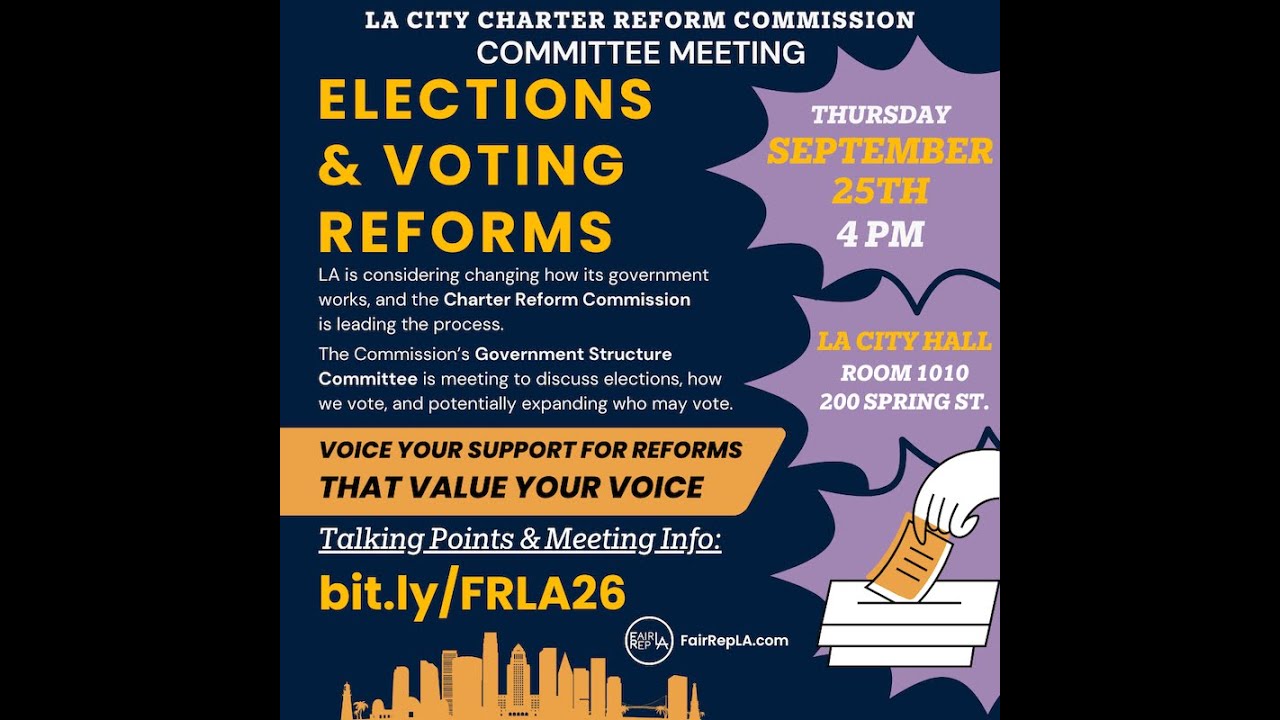



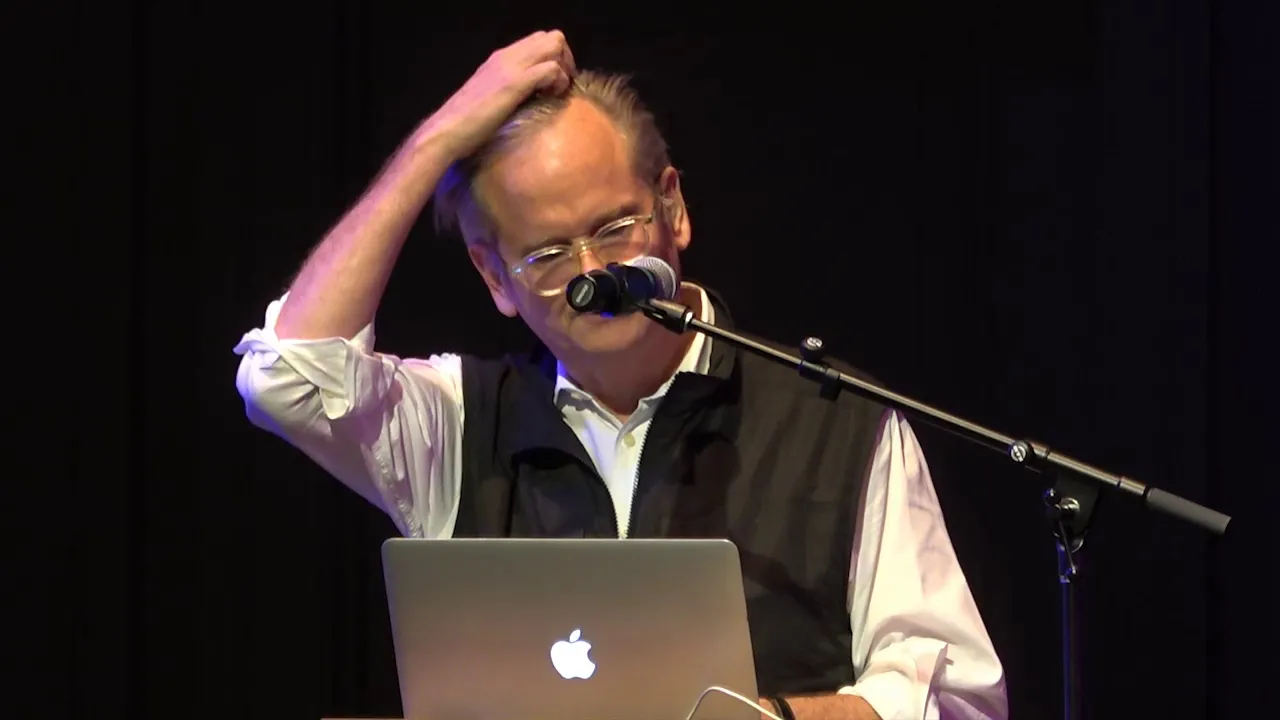







Democracy reform requires systemic changes to restore citizen power and reduce corporate influence, including public funding of campaigns (giving every American $100 annually for political contributions), ranked-choice voting to ensure true representation, ending gerrymandering through federal legislation, automatic voter registration, and proportional electoral vote allocation instead of winner-take-all systems; these reforms collectively address how corporate money distorts democratic representation and empower everyday citizens to shape political outcomes.
Democracy Reform Town Hall with Andrew Yang & Lawrence Lessig
Added:Understanding the basic structure of the U.S. electoral system, including congressional districts, the Electoral College, and representative democracy.
The core concepts of gerrymandering and how the drawing of legislative district boundaries can manipulate political representation.
Familiarity with the Citizens United v. FEC Supreme Court decision and its legal implications for campaign finance and corporate political spending.
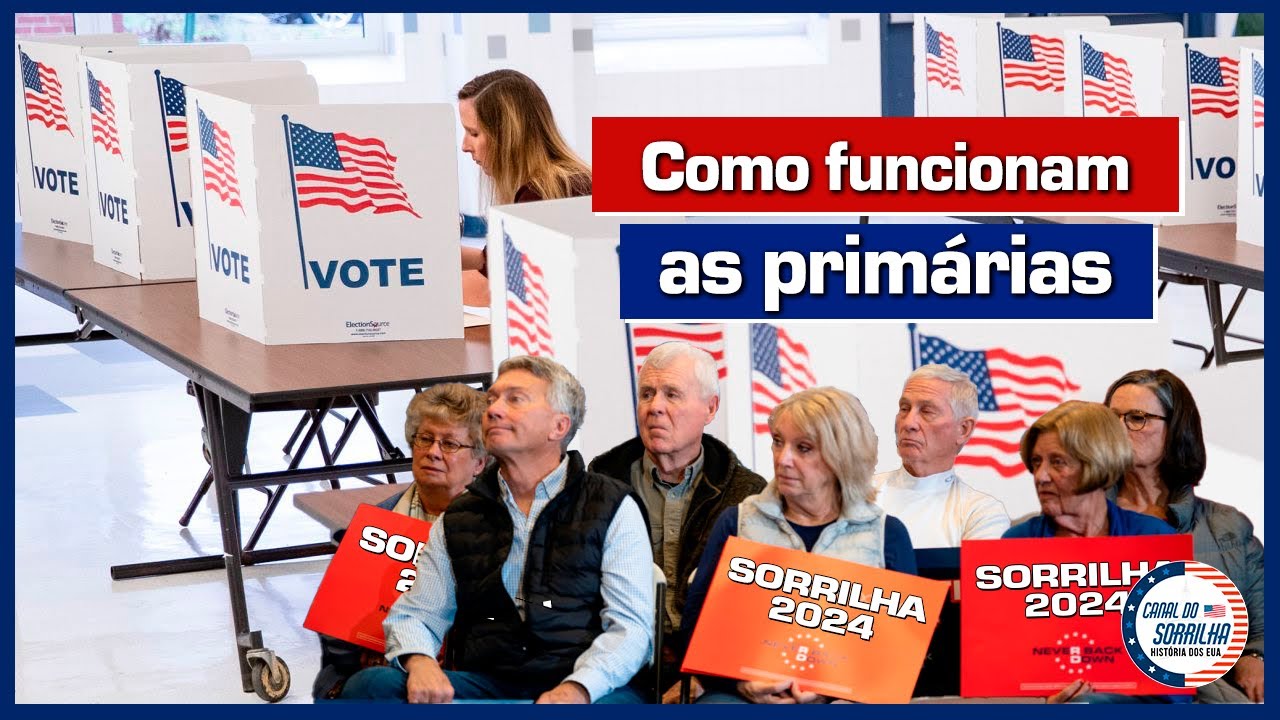
Basic knowledge of how political parties, primaries, and fundraising operate in contemporary American politics.
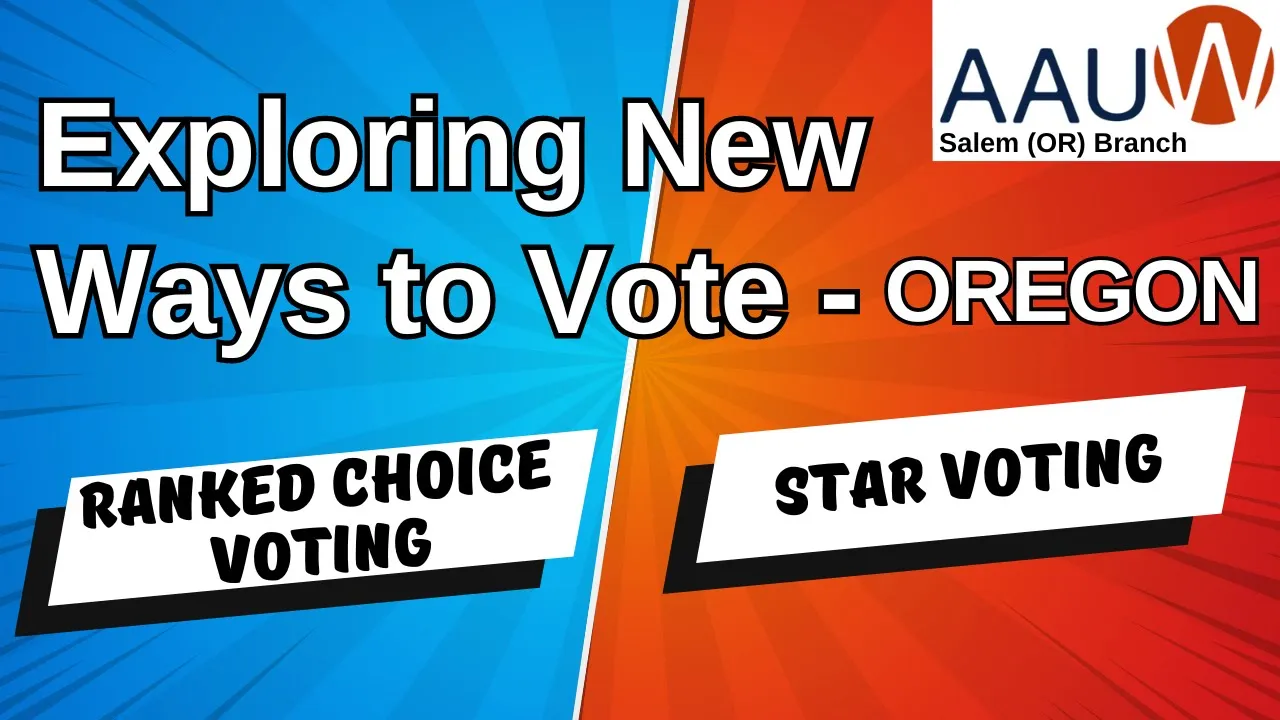
In-depth analysis of alternative voting systems, such as Ranked-Choice Voting (RCV), Star Voting, and Proportional Representation.
Evaluating the implementation and outcomes of public financing systems, such as Seattle's 'Democracy Vouchers' program.
Studying the constitutional mechanisms for reform, including the legislative process of passing voting rights bills and the feasibility of an Article V convention.
Comparing the democratic institutions and campaign finance regulations of the United States with other global democracies to evaluate reform effectiveness.
352.2K views6.9Klikes1:21:30Original Release: 2019-04-09
we wanted to organize all of us these conversations in New Hampshire around the question of reform because reform has been a central passion of New Hampshire politics for more than 20 years indeed it was exactly 20 years ago this year that a great New Hampshire woman Doris haddock aka granny D began her walk in California at the age of 88 she walked all the way across the country arriving in February 15 months later at the age of 90 because her birthday is in January she had walked all across this country literally risking her life many times to make it having a sign on her chest that said campaign finance reform and it was in this state that John McCain in 2000 made corruption a central part of his campaign in the state rallied to John McCain in 2000 because people here get it and they have gotten it for 20 years and they understand that if we don't find a way to fix this democracy all of the issues people are talking about all the dreams these ideals these hopes are just hopes we have to find a way to get a democracy that's responsive to us so when we had this idea to have these democracy forum we wanted to talk to candidates and I reached out to a bunch of candidates every one of the campaign said oh yeah we're really interested this is a really great idea let's talk to the schedulers and of course the schedulers never seem to have time to schedule an event but I reached out to Andrew who happened to be we were Twitter followers mutual twitter followers and i DM danny the twitter bromance going yeah and I said Andrew you got to come to these and just like that he's like I'm there and I talked to his scheduling people and just like that they picked the dates and so we are here with Andrew to launch this because he is as you will hear committed as all candidates ought to be to the talking about this issue and finding a way to get our government to the place so the way here's how we're gonna play this right now andrew is going to have a chance to lay out why he's a candidate for president and then we have a series of questions we're gonna walk through I've got some there's going to become and then there's gonna have a bunch coming from the audience and I hope by the end we have a clear sense of where everybody is on this question of reform we don't have to stand for 90 minutes we have these really fancy chairs right here the stool sit but let me let me start by welcoming Andrew yang and express our gratitude that you're here we go thank you thank you so much I'll say it for this at least you can take a seat I thank you so much it's great to be back in here in New Hampshire and first let's give Larry an enormous round of applause for leading on this issues I've been a huge admirer of his so I gave to the Mayday PAC when it first came out I was like ooh like a pact to end packs like I'll definitely send money to that and I was a huge admirer of his run for the presidency in 2016 around this issue around campaign finance reform you know I loved it because it was smart it was laser focused it was clear and ice and then the fact that the DNC didn't include him in the primary debates we were just joking in the front row here and he said I really loved the fact that the DNC actually has objective criteria at this time and then I was like do you regret not running again cuz you totally would have made the debates this time and he did not answer so I guess he does not regret it which I understand I understand so hugely passionate about the issues that Larry has identified and you'll see I believe today that I am with you all on the need to recapture our democracy for the people and that the state of New Hampshire is the greatest hope for our country in terms of making that happen if it does not happen here it's not going to happen anywhere else because New Hampshire understands the set of issues much more much more directly and personally and you all have a much more sophisticated political culture where you actually feel like the future of the countries in your hands in a way that other states do not feel so it's a pleasure to be here you know when he reached out to me on Twitter I was like heck yes and then you know I tell my team and I actually have a team where if I say to do something it generally happens reasonable time frame and so I've been looking forward to this date for a long time those of you who don't know who I am I said raise your hand if you know a whole lot about Andrew yang and do nothing if you know nothing all right it's a real mixed bag so I went to high school here in New Hampshire I graduated from Phillips Exeter Academy they just invited me back to speak you know about a month and a half ago which was really interesting because I had not been back since I've graduated so I I graduated from Exeter I became an entrepreneur I sold an education company to a public company in 2009 and then I had this really this deep sense of foreboding because we just gone through this financial crisis and I was like oh my gosh like our economy is evolving in ways that it's really marginalizing more and more Americans so I quit my job and I started a nonprofit organization called venture for America that helped train hundreds of young entrepreneurs to create thousands of jobs around the country in cities like Detroit Cleveland Birmingham st. Louis New Orleans and during those seven years I realized that our economy is evolving in even more fundamental ways than I had realized from 2009 where the reason why Donald Trump won in 2016 is that we automated away four million manufacturing jobs in Michigan Ohio Pennsylvania Wisconsin Missouri Iowa all the states he needed to win and did win and then my friends in Silicon Valley know that what we did to the manufacturing jobs we will now do to the retail jobs the call center jobs the fast-food jobs the truck driving jobs and on and on through the economy we're in the third inning of the greatest economic and technological transformation in the history of the country it's called the fourth Industrial Revolution and we're reacting to it and one of the worst ways possible we're reacting to it by pretending it's not happening and so this is linked to the campaign finance issues because our democracy in theory would provide a feedback mechanism way if let's say we had in an economy that was becoming increasingly inhuman and punitive and 78% of Americans were living paycheck to paycheck and 57% can't afford an unexpected $500 bill and your life expectancy were to decline for three years because of a surge and drug overdoses opiates in particular and suicides then in theory your democracy would actually advance figures that might do something about the increasing inhumanity of the economy and if your feedback mechanism is broken which it is now because now we've been overrun by corporate interests and the voice the people has gotten muffled and silenced then you wind up with something like a Donald Trump in 2016 and to me the most disgraceful part is that as a country we are still not even trying to figure out solutions to the problems that got him elected instead we're blaming various symptoms and not trying to cure the disease and unfortunately the disease is getting worse it is metastasizing so these are the things that have come together to lead me to run for president and as you've probably noticed I'm not a politician I'm a serial entrepreneur I'm a problem solver but this set of problems is among the most serious we've faced in decades and we need to wake up to the fact that it is not immigrants that are causing economic problems around the country is the fact that technology is pushing our economy to a point where more and more Americans you know have trouble getting by so that is why I'm running for president that is why I'm here with you today and I am so pumped to answer the questions about campaign finance reform because it is vital that we take it back for the people of this great country thank you okay but I wanted a little bit more of yang minutes I didn't just want to speechify the whole time because I've got this brilliant moderator and co-conspirator like I was going to talk that one's heads off but he's so here's the question I want you to give us two minutes on really an incredible idea that you've been pushing which I think more people need to think about which is this question of universal basic income yes all right all right ask and you shall receive so my my flagship policy is the freedom dividend which is almost named after New Hampshire but it's a policy where every adult gets $1,000 a month free and clear to do whatever you want sorry at age 18 and here in New Hampshire that would mean about eight billion dollars a year in additional monies coming through your hands and if you were to get a thousand dollars a month just imagine I'm president in 2021 thanks to you all Thank You New Hampshire and then the thousand dollars a month comes back into your hands where would that money go how would you all spend it student loans buy a house what was the other one coffee so how many of you have noticed stores closing around where you live here in New Hampshire now why are those stores closing Amazon that's right Amazon is like a giant black hole sucking up 20 billion dollars in commerce a year and is now pushing 30% of Main Street stores and malls to close so that's what you're on the receiving end of how much did Amazon pay in federal taxes last year zero that's right less than each of us and I would guess that you know that probably seems messed up to you all that a trillion dollar tech company should not be paying zero in taxes even as they're soaking the vitality up out of your communities and neighborhoods so my plan is to go to Jeff Bezos on the gang and say hey all this money you're sucking up we're gonna return some of it to the people of New Hampshire in the form of this freedom dividend now after you get this thousand dollars a month a little bit of it would float back up to Jeff in the gang like you'd buy an extra toaster or something but most of the money would stay right here in New Hampshire right it would go to car repairs you've been putting off and tutoring for your kids and food and healthcare bills it would grow your economy here in New Hampshire by about 15,000 jobs and then this virtuous cycle that of an economy that works for you all would become real and one of the reasons why the freedom dividend is so important is I talked about my family my wife is at home with our two boys right now one of whom is autistic what does her work what does her work valued at by our market economy what is her work valued at by GDP and we all know that's perverse we know that what she's doing is among the most important and challenging work for our society so the freedom dividend would not just put economic resources into your hands and this time of historic change but it would also begin to recognize the uncompensated and unrecognized work that gets done in our homes and communities every day so that is the flagship policy the shorthand to everything I just said is that there's an Asian man running for president who wants to give everyone $1,000 a month [Applause] okay so we have a democracy quote-unquote where members of Congress spend anywhere between 30 and 70% of their time raising money to get back to Congress or to get their party back into power and that process of sucking up to the tiny fraction of the 1% who are writing them checks maybe a hundred thousand Americans changes them and changes yeah it's terrible and changes the ability of our democracy to function so the first core question to think about when we think about how we're going to reform this democracy is what do we do to change the way we fund campaigns yeah so I know he's gonna like this because I checked it with him so my plan to help restore our democracy is to give every American adult a hundred democracy dollars every year that you can only give to candidates and campaigns and you lose usually lose it so it disappears if you don't spend it but what you just said about calling people and sucking up for money is exactly right it is soul-crushing I have had the unfortunate experience of calling a rich person and asking them for money and I hated it and I was like I really would not like to do that again and so if we can make it so that if I get how many people are in this auditorium let's all it's several hundred so I've already get several hundred people behind me let's call it I'll make it a bigger number let's call it ten thousand people here in New Hampshire behind me and you all had $100 you could give to a campaign then that would be a million dollars and then I could spend all of my time trying to figure out how to represent you and serve your interests as opposed to calling some one percenter and asking them for $20,000 so if you align the money and the people then that changes the responsiveness of your representatives but right now the brutal truth is that I have to do something to appeal to the people and then I have to go to my car and then call people for money and that is going to destroy us now I'm actually giving you a hypothetical because I actually don't call anyone for money when I go back to the car I have my campaigns now raising hundreds of thousand dollars in increments of only $18 so my fans are even cheaper than Bernie's thank you for all the yang yang errs here and thank you for being cheap it's beautiful but be because of my cloud of supporters I do not have to have that soul-crushing experience of calling some rich person and sucking up to them for money and as a result my motivations are very pure and that's what we have to do for every Congress person and for the life of me I do not understand because if you get them alone and you say hey do you like calling people and sucking up for money they're like oh no I hate it where as part of the job then it's like then why don't we just get rid of it and then there's I go it's just the way the system is or something like that it's so dumb I'll tell you if I to spend 30 to 70 percent of my time doing something I thought was brutalizing and not in the public interest I'd be trying to get rid of it immediately yeah so so the biggest reason they don't get rid of it is uttering the words you just uttered takes real courage because the reality is we know how politics works people who start talking about solving this problem the way you're talking about solving this problem are attacked immediately as people trying to give out welfare to politicians so when you get hit with the welfare to politicians argument what are you gonna say in response how you gonna defend that argument I'll say look this helps align incentives for for elected leaders to represent the people that put them into office as opposed to having to curry favor with rich corporate interests or individuals that can then buy their by access to them on the side okay so the consultants say Americans aren't smart enough to understand what you just said they're gonna hear welfare and they're gonna stop thinking they're not going to be able to recognize this insuline Monteux incentives are the consultants right or are you right we're gonna find out am i right people in New Hampshire but I think that people are smart enough to know that we put money into your hands it's good for democracy and that the American people are smart and wise and judicious enough to put that money to use okay so the other striking feature is you know I'm happy you're here first because I did know that this is a position you took it's striking how few are willing to actually utter these words you know I think Bernie was a big reformer in 2016 but whenever he would talk about public funding it was something for the long-term something in the future so I mean do you think that the other candidates are actually not convinced of it or what do you think the reason is we don't see this as the thing they talk about first so what would be easy for a Democrat to say would be something like we need to repeal citizens united or Constitution overturn it that would be very high legal standard it'd be quite difficult it's much easier to argue I'm like anti corporate money than it is to say I just want to put more resource in the hands of everyday citizens there's still like this very very deep mistrust of people that's baked into a lot of our political discussion and so I think that's one of the points of resistance for other politicians to say that the best solution is just to put more economic resources into the hands of voters yeah so um this repeal of Citizens United you're right this is the central response that both Democrats and Republicans remember even the president talked about super PACs as being an abomination for democracy but the standard response is let's find a way to overturn citizens united so we can suppress the speech of all those but that's a very different response to the kind of response you're talking about here which is not about necessarily silencing but it's about empowering other people to be relevant in the speech market yeah and the truth is even if we were to somehow successfully overturn citizens united you know that the economic resources would still be in the same hands it'd still be the same individuals the same companies and they'd find a way it's like that there's never been a time when they didn't at least find a way to somehow get access and influence so if we were to put a hundred dollars into the hands of Americans I did the math I like math and so it turns out that even if a minority of citizens were to use the hundred dollars let's call it 30% of Americans were actually used $100 part their favorite candidate it would still be a much larger sum than all of the corporate lobbying budgets combined yeah so that would change things dramatically okay that's number issue number one and absolutely agreed this is fundamental let's talk about issue two that's really important right now in New Hampshire you heard in the list of sponsors a lot of people whose name included rank choice voting and we have an active movement going on right now in New Hampshire to establish rank choice voting for the presidential campaigns and so just make sure everybody understands what this would mean would mean you go into the ballot box at the primary and you would say I'm for so-and-so first maybe people here might say yang first and I'm for so-and-so second and I'm for so-and-so third and then if your first choice doesn't happen to get more than 15 percent of the vote which is the cutoff to get delegates in New Hampshire then your second choice would be counted and if your second choice doesn't get that vote then your third choice would be counted and the process of course would therefore give us candidates that most Democrats actually are behind as opposed to giving us a list of candidates each against ten twenty thirty forty percent of the vote so you've announced your support for this idea all right and and I wonder if you could explain to us why you think that helps our democracy to have something like rank choice in the system yeah I'm a huge fan of ranked choice voting and if you good I'm for other things you like to so right now our process is it's like this first-past-the-post system it ends up squelching diversity of perspectives and what happens and you'll hear this every cycle where it's like don't waste your vote don't waste your vote and so maybe you like this person but that person might not have like a you know 51% chance of winning and so people are like oh like you know don't do it don't do it and so you end up not expressing your true preference and then you say okay I'm gonna end up voting for this person and instead so what that what that means in practice is it ends up rewarding and protecting incumbents it makes it harder for third parties to arise and in the extremes it can even completely change the result from something that the majority of voters intended let's say for example Donald Trump in the last cycle where there was a whole slew of Republicans and he might have been the last choice of a lot of people who went other candidates and in a ranked choice system he might not have performed as well because a lot of people wouldn't have had necessarily had them as their second choice so it's it's huge it would be a huge increase in the efficacy of our democracy in terms of its actual representing the will of the people if we were to have rank choice voting that you could express your true preferences yeah and so yes thank you and you can feel the dynamic in this race in particular so take the issue that you champion ubi which again is an issue that you know America has got to think about I think it's a really important idea that we need more people to talk about and if you're in a race where rank-choice voting was going to determine who the winner of the candidate of the election was other candidates would be eager to engage on the question of ubi because they would know even if they're not going to get first choice vote from Andrew yang supporters maybe they'll get the second choice or the third choice so this issue which is not right now at the center of American debate be all of a sudden relevant because they're eager to wow people who would support you as opposed to a system where it's first-past-the-post they're like okay you know this issue is just a fringe issue there's no reason I need to talk about this issue so it's it's oddly a way to bring outside views into the debate whether or not they ultimately win yeah so I would be for rank-choice voting even if I were not in this race but it would help side help someone like me it's true it would also help to mainstream this consideration of universal basic income and one thing I was I was very heartened by is that there was a recent poll that showed a majority of Democrats are for universal basic income so if a majority of Democrats are for this policy I should not be the only person championing it there should be other Democrats getting on board and rank-choice voting would make that more likely yeah so when I how many people here are actually in favor of rank-choice voting can you raise your hand okay that's a lot of people how many people here's your second choice how many people here have reached out to the incredible New Hampshire legislature to tell them you're in favor of rank-choice voting please at least five people's hands like okay great so this is the this is the reality the Democrats in the legislature are taking the lead right now in the Senate in particular to try to make sure this happens it's not going to be easy to make sure it happens in the next by the next election so this is a real opportunity for you to do something that could have a significant effect not just for Andrews campaign but I think more importantly for the capacity for this democracy to actually reflect the views in the majority so this is your homework assignment I'm a professor I'd give homework assignments this is yours please whatever you do after this tell your representatives here what you think about this idea that andrew has been talking about okay so we're we don't have any disagreements so far we're gonna find some disagreements Andrew this is simple no no we agree on most important things I think let's talk about an issue that's you know in a small state not as significant but across the country becomes really significant gerrymandering so right now Congress is filled with representatives who come from districts that have been gerrymandered they've been gerrymandered to be safe seat districts which means if you're a Republican in a Republican safe seat there's no chance the Democrats gonna beat you if you're a Democrat and a Democrat safe seat there's no chance the Republicans gonna beat you and what that tends to do is make it so those incumbents are focused almost exclusively on the even more extreme version not getting primary there yeah I'm not getting primary so if you're a Republican you're afraid of being primary by an even more conservative Republican if you're a Democrat you're being afraid you're afraid of being primary by an even more liberal Democrat and so that dynamic takes an already polarized America American Congress and makes it look even more polarized so it's a really critical problem to figure out what do we do to reform the system to make it so that kind of gerrymandering doesn't happen a lot of ideas out there about this but I wonder if you've thought about this in the list of 400 issues you've actually given us a Polly policy position about well I couldn't agree more that gerrymandering ends up it ends up favoring incumbents in a particular way and then they're also unfortunately leads to more polarized policies because then you're just afraid of the most extreme element of your party trying to challenge you instead of trying to appeal to the middle in that district and I know the happily that there are some some groups working on this problem I don't have anything innovative dad except to say that it did it to the extent that we can try and pull back some of the redrawn lines to something that was is more along with historical norms that would lead to a more demographically or ideologically diverse place like we should go in that direction as fast as possible and so there have been two kinds of solutions that have been pushed the most common has been at the state level so for example Michigan recently passed a ballot initiative because a millennial put a Facebook post up immediately after the last election Katie Fahey but this Facebook post up and said anybody want to work on gerrymandering in Michigan and within six months she had five thousand volunteers in Michigan who collected more than 400,000 signatures to get a ballot initiative on that ballot and then Michigan overwhelmingly voted to end partisan gerrymandering in Michigan then seeing what I think is a really important fact that the people desperately support this kind of reform and the most interesting principle that Katie Fahey brought to that fight was non-partisanship nobody was allowed to utter anything about their partisan affiliation in that fight it was a pure citizen's first fight so that's the grassroots but the interesting alternative which Congress has recently considered in the HR 1 proposal is for Congress itself to say you can't draw congressional lines using partisan gerrymandering as your principle and so I wonder whether between these two you have any clear sense of which you would push for or which do you think makes sense well certainly if congressman and I you know HR 1 I support just about every single aspect of that bill and I like I'm furious the fact that the republican-led Senate is squashing its consideration and so if we can make that happen legislatively then that could have because you can't expect there to be a Katie fakie in every state or every district you know it's like and that's actually something I find maddening when someone's like oh like let some activists somehow like what can the highs thousands of people it's like when that happens it's fantastic but we need to build a better functioning government than that that doesn't require there to be an army of activists in every district or every state so as you can tell I'm for the legislative solution so you want to get to this solution as quickly as we can yeah I mean where as you all can sense we're like decades behind or years behind in many of these areas so it's one of those things where you know like the best time to have done it would have been 20 years ago but failing that it we should do it as soon as possible okay and so one really exciting thing about these democracy forums is that our next round of them in the beginning of May and Katie Fahey is going to be a co-host with these because she is deeply committed to this reform movement as well and so I think she also would love to see it as quickly as possible from the federal level but when the federal government's not doing it you got to do it yourself and I will suggest that this is because there you know I think New Hampshire is you know happy to say like more drawn to this but you can kind of tell I like I'm a non-politician and a systems thinker and I see the systems like hey we should really do something about that I don't have any vested interests and I'm going to suggest that it might take someone who has no investment in a given system to help fix it and then so that other people like who might have frankly a ton of debts or obligations like in the existing system that they might not like it but they might not be able to do something about it whereas someone like me can do something about it as fast as possible yeah and that was certainly one of the most effective things the president did in the 2016 election was to be able to stand up there and say look I'm not like any of you and in fact I've bought most of you because fewer politicians and I've given you all of you money and and and whether or not one believed what he was saying or believed that his commitment to reform was genuine what was important is it demonstrated how significant it is to the voters that they see somebody who's interested in fixing the system who's not themselves a part of the system and I take it this is going to be the biggest push for your kind of candidacy yeah yeah that's why I love it I can't believe it takes courage to point out what everyone already knows what you said that I was like really seem so odd ok so um here's another problem that's not as dramatic in in New Hampshire but it is a terrible problem around the country the suppression of the vote so you know America is unique among mature democracies in handing over the process of registering and enabling people to vote to essentially partisan machines now that doesn't mean everywhere they behave in a partisan manner indeed I think many places Iowa New Hampshire in particular the operations are very respectful of the principles of neutrality but in some places they don't tend to function like that and so you see the votes suppressed in in really outrageous ways so in Georgia which was the most extreme example I think in 2018 you saw the Secretary of State who oh by the way was running for governor himself who changed the system for voting booths all across the state to make it harder for Democrats who also happen to be black to vote then for Republicans and I just wonder what you think we can do as a nation to deliver on what should be an obvious first principle of a democracy that we all have an equal freedom to vote and that ought to be guaranteed regardless of your party or regardless of the color of your skin yeah so so one thing I'm for is making Election Day a national holiday I mean that would free up people's ability to vote at least on the day of and make it so that people don't have to choose between a shift of work or their paycheck or a day's wages necessarily and showing up at the ballot box now you're right that a lot of this does rest in the hands of individual states and secretaries of states so I would love to try and do things that you can do on a national level so some of the things I'm for this actually gets mixed reviews I love to hear what you think but I'm for lowering the voting age to 16 because if you can get someone to vote younger than it actually ends up establishing a lifelong pattern of voting very very quickly and early and to the Pope and he would also transform our high schools and the hot beds of actual democracy instead of having a hypothetical votes you could be like look if you're a student or senior in high school you're actually gonna be able to vote get them in the habit early and it would also help represent the interests of young people in our democracy because they're gonna be on this planet longer so and it's like it makes sense to me that they'd have a say in what we do so there are things that we can do in a federal level that help just enhance the accessibility of voting if there's a way we can help undo some of these voter suppression efforts that are going on in Georgia then I'd be thrilled to do so but I get the sense that at least in some cases there they are in the hands of the individual state parties and automatic vote registration yes automatic voting registration I'd be all for that we should it is easy to vote as possible our turnout rates are quite low in the scheme of things internationally and you're right that part of that is deliberate part of that is that people just want to make it a little bit harder for certain types of people to vote and which means in my opinion then that they must know that something is going on like if you're practicing democracy effectively you should not fear the voters yeah so then I'm what about it an incentive solution here so imagine that government the federal government said you know we send money to every state but we'll discount it by the proportion of people who don't vote so or who aren't registered to vote so if only 80 percent of the eligible voters were registered to vote in your state we'll cut the amount we're gonna give your state by 20% or take 20 percent off yeah I I loved incentives it's like a race to the top for registering voters and you know I love putting resources to work in that way okay all right so here's an issue that we might find a little bit of disagreement about or - first of all if you I'm sure many of you have because many of you are supporters of Andrew yang but if you have not you should go to his webpage because he is the candidate who has articulated more policy positions and his position on more policies than any other candidate I tried to do comparison but I mean I can't even remember at 8686 okay so among those policies many of which you know are really powerful and interesting there's one that took out for those who think about reform you said that what you're interested in doing is returning us to a system of earmarks in Congress now you know earmarks are these the ability of members of Congress to basically say this money should be spent this way in my district and this money should be spent that way in our district and what's striking about that is that you know ten years ago there was a big fight to get rid of earmarks this is one of broccoli signature reforms and even the Tea Party joined with Obama to say yeah we should get rid of earmarks but you want to bring earmarks back so explain to us exactly how this is not enhancing corruption or what exactly you think earmarks would give us that bra a Barack Obama didn't think they would so if you're in Congress right now III think Congress is national approval rating is approximately twelve percent or something along those lines like that like no one likes the job that they're doing and if you're an individual Congress person back in the day when the majority leader came in and was like hey we're gonna try and pass this bill they'd look at it be like you know I'd be more receptive to this bill if this museum in my district got you know money for renovation and so then they had this like horse trading that went on and then it made it more possible to do good things you know or just get work done in Congress but now because of the incentives that are set up if I go in and I'm just gonna if I just go and I essentially just kneecap every legislation and say I'm gonna stand on principle when I can do this we're not going to do that then there's no there's no room for negotiation your incentives aren't there to actually be a team player with your party whereas in the day the incentive to be a team player was frankly your district would get some goodies now you can look at those goodies and say those goodies are a waste of taxpayer money or you can look at the goodies and say apparently the goodies were necessary to have a higher functioning legislature and every once in a while the goodies that people brought back their district might actually have been a good thing and so I've taken the latter stance where if you look at our seized up democracy or our legislature you have to look at it and say why can you not get anything done why don't eat well percent of Americans approve of you and part of that is that they can't negotiate with each other anymore because if the the person who's sponsoring the legislation wants to get you on board they can't offer you any goodies anymore so it turns out I'm a fan of goodies and you know and it's one of those things where it's like a most of this bit this much to enable like this much of potential benefit okay so the standard skepticism about that among reformers goes something like this yeah that's a happy story about goodies because it's about leadership handing out goodies in order to get laws passed in Congress but there's another way goodies might be handed out for example you might say jeez you know if we could get a bunch of money from the boards board of directors of this university we might find a earmark could go to support research in that university so the charge about earmarks was that they were a kind of corruption there are a kind of way in which let members of Congress could shake down private people or interests or businesses that wanted these goodies so that they would channel money into the campaign so is that not a problem or is that a problem you're gonna solve in other ways too yeah so certainly you don't want to open the door to blatant corruption or influence peddling along those lines but I think that there's a way to bring back earmarks while also putting guardrails up to say look you can't be trading campaign contributions for access to goodies or you can't be personally enriching yourself or people that you know but to me those are two separate issues and that you can hopefully have intelligent guidelines to keep it from getting out of control the way it has at least some proportion the time been in the past okay let's try that again let's say there are two related issues because let's take the first issue we're talking about if you had a non corrupt way of raising money okay you can finish this then right yeah so if you have a non corrupt way of raising money then I don't need to bring you the goodies in order to get money back because as long as they represent my constituents I believe and they'll give me the money and then whether the university is trying to do some kind of back scratching and it doesn't actually affect me yeah so this is I think a really important insight I don't think any other politician is defending earmarks but I think they're defensible as long as you also make at the very top of your list of what you're talking about doing fixing the corrupt way that we fund campaigns then then I think they could be defensible okay so that's one where we don't have to have a disagreement here's that here's a one where there's a lot of contestation out there right now about this how many people love the electoral college okay I see one great okay and we have one person who loves the electoral college so let's be clear about what the what we could talk about with the electoral college there's a bunch of your colleagues who were talking about abolishing the electoral college that's cheap talk because to abolish the Electoral College requires an amendment to the Constitution that requires at least two-thirds of Congress or a convention and both of those seem like not real paths so it's easy to talk about but not really easy to think about actually doing something about it um but if you think about what the real problem with the electoral college is the real problem it seems to me is not the problem that people sometimes obsess about which is that every couple elections it seems now to not select the winner of the popular vote and in fact we can show that's going to increase over time we're gonna have more and more cases where the loser of the popular vote would be selected by the electoral college but that's not the real problem the real problem is a problem that happens in every single election and that is that because all but two states Maine and Nebraska allocate their electors in a winner-take-all way so if you win the state you get all the electors of that state that means the presidential campaigns know the only States they need to care about are the so-called battleground states the purple states because there's no reason if you're a Republican to go to Texas you're gonna win Texas and there's no reason if you're a Democrat to go to Texas you're gonna lose Texas so Texas is just not a place you're gonna campaign neither in New York neither South Carolina and none of these states the only states you're gonna spend any money on or any time in are the battleground states so in 2016 and unless you're sucking up to reach people from on state okay you stole my punch line but that's okay I'm in 2016 99% of campaign spending was in 14 states and 95% of campaign time was in 14 states the other 5% was in the was in Los Angeles New York exactly right to raise money okay so you stole it again that's not fair twice you've stolen my paper I'm running for president I actually like live this stuff okay so so this dynamic of winner-take-all produces a president who represents the battleground states but here's the thing about the battleground states they don't represent America they're older they're whiter their industry is kind of you know middle 20th century industry there are seven and a half times the number of people in America working in solar energy as mine coal but you never hear about solar energy in a presidential campaign because they happen to live in Texas and California you hear about coal miners because they live in the battleground states so this problem of winner-take-all is the thing that makes the president not focused on all of America and so when you think about how to solve that problem if we don't think we can just click and have a new constitution what do you think we ought to be doing well I think you and I are an agreement with this we're on this where the ideal would be to have electoral votes allocated proportionally so that if even though I don't think Democrats are going to win Texas it still might make sense for me to campaign in Texas if I can get some proportion of Texan voters to come my way and then end up getting electoral votes because I couldn't agree more the problem right now is that your incentives are just a campaign in the 14 battleground states so if you make it so that every state is a battleground then your incentives change where you have to campaign everywhere okay and then what about this alternative which many states have now passed 12 states have now passed the national popular vote and the national popular vote compact says that when the equivalent of 270 electoral votes have been committed to the compact then the states who have agreed to the compact will pledge their electors to the winner of the National popular vote regardless of who wins in their own States so California if a and winds would send all of their electors to the Republican regardless of the fact that the Republican lost in California do you have a view on national popular vote so I know that there's something really beautiful and elegant sounding about everyone's vote just counts for one vote and then the national popular vote wins and as far as I can tell the compact in some ways tries to achieve the same result but but the issue is that then your incentives are to campaign in really big media markets and really big population centers and your incentives to campaign in rural areas or less less densely populated areas are very very low because you just trying to get as many people per time unit as possible and so that's true if you get rid of the electoral college that's true with a compact and you know the electoral vote the electoral college has been in place for decades you know you can take issue with it but we kind of know what it is you know and that is the way it was set up constitutionally so I'm much more in favor of the proportional electoral vote by state as the fix that I am in either getting rid of the electoral college or even the winner-take-all compact and and that means you would even not favor the amendment or would you favor the amendment you just don't think it's likely you mean if if I had a magic wand and say hey I could get really like I am NOT for just abolishing the electoral college right now and one of the reasons why I'm not for it right now is that there's like this sinking feeling I have that Democrats have lost a couple of elections based on the electoral college and now are calling that system into question even though those are the clear rules and that's what it's been and so to me it's very unprincipled if your side loses to say I need to change the rules because the rules are bogus like it would be different if the winning side were to say hey these rules are bogus but it's hard for the losing side that then change those rules without coming across as very very unprincipled [Applause] yeah we lost a great opportunity you know after 2000 we're obviously George Bush lost the popular vote but won the electoral college in 2004 if 50,000 votes had shifted in Ohio to John Kerry John Kerry would have won the electoral college but lost the national popular vote and if you'd have a Democrat when after a Republican had won I think then people would see this as a nonpartisan issue that we ought to address but I do agree with you it has this partisan valence and maybe the last thing in the world we need right now is people to think that we're screwing around with the rules for partisan purposes um okay so here's my last question my last push the one I care the most about so think of is my punch line I don't steal it I and then we're gonna have questions and to have questions I have one that's written already by a really well prepared young lady um so I'm gonna ask that question first she's 9 I think but then we're gonna have other questions and oh we have more written here so are we handing out these cards okay so the cards of the internet so I have all the questions here so we don't have to lights have the lights up that's all we're gonna need but here's my punch line question so I was so happy to hear you say you're a supporter of HR 1 and just so everybody knows HR 1 was a package that John Sarbanes in the house succeeded in convincing Nancy Pelosi to make as the first issue that Congress would take up and that is that package of reform was the most ambitious democracy reform America has seen since the Voting Rights Act of 1965 it addressed the funding of congressional campaigns not as ambitiously or aggressively as andrew has described but it was still an incredibly important system of public funding for those elections it addressed gerrymandering it addressed voting suppression by having automatic vote vote registration and a commitment to dealing with the Voting Rights Act to get back to protections to the Voting Rights Act that the Supreme Court has taken away and it had a very strong package of ethics reform and many people said it's a bad thing for Nancy Pelosi to do this because people will see it it's just partisan which of course is what happened when Mitch McConnell declared it to be just a democratic power grab which is a little puzzling when you say how is it a paragraph if you're just enabling people to be able to vote but okay but the point is it became partisan but what is inspirational about it is that all of a sudden it became conceivable that you could pass a law that would solve 85% of the problems we face as democracy so my question is that's HR 1 would you commit to POTUS 1 would you commit to making a fundamental package of reform the first thing you're going to push as a president to make sure that we have that as the first frame that enables us to have a democracy to think about everything else yes I would and we get to clap for that right now really last I'm going to carry the torch that you lit Larry across the finish line because these process things that the struggles that they seem sort of arcane and technical but they're actually fundamental and then if you don't get them right then you are sunk over time so I love HR 1 the fact that I was really impressed with the drafters I was like wow they really actually like nailed a lot of stuff in this and it and it infuriates me the Republicans are not bringing to a vote in the Senate but as president I would if HR 1 has not been made law at that time I would do everything in my power to make it law and calling a POTUS 1 I'd feel a little bad because it really like that you know the the drafters deserve credit for the solutions so they I'd like you to make it HR 1 a and then sign that into law a little bit too humble to become president Andrew you know you gotta grab those ok so it turns out Olivia's Inc has an extraordinary daughter Ellie who has been fighting for reform next to Olivia who's the leader of the open democracy movement here in New Hampshire I I didn't realize this Ellie but that was your question so here was Sally's question if you became president what would be the first thing you would do in office will you fix democracy yes yeah yeah so you know I've been saying around the country the first thing I'm gonna do is get people a thousand bucks a month because I'm gonna work on that but I will actually amend it all to say the first thing I'm gonna do is put democracy back in the hands of the American people then the second thing I'm gonna do is get you that money Wow I think we can just go home now that's we're finished okay so so we have a couple people are who are keen on the rank-choice voting question I have at least three questions here so just to be clear you support the rank-choice voting in the presidential primary in New Hampshire okay so um here's a question I that I think is related to what we've just seen we all know how difficult it can be to get Congress to act on anything even remotely controversial how do you plan to get your policies through especially I've just have you spend you have to spend much of your political capital on getting the freedom dividend passed well the great thing about this vision for my presidency so thanks to you all I become president in 2021 and then everyone's like wow the asian guy wants to go everyone money is now president so i guess we know how that happened so he's gonna come back and be like hey it's dividend time and then the democrats that progressives will be very excited about it but then the independence and conservatives and libertarians will also be excited about it because many of them will see this as a path to economic progress and autonomy for their constituents and one of the really wild learnings of this campaign is that I assumed that liberals and progressives would embrace me immediately in their I have a harder time with libertarians independents and progressives or in conservatives but it's actually gone in Reverse like I've gotten a ton of support from Trump voters and libertarians and people who said like yes like this actually makes a lot of sense and then it's been liberals and progressives that for some reason have had a harder time accepting frankly like a non-politician entrepreneur B's I think Democrats and progressives have like a much higher estimation of certain sorts of experience than perhaps other other types of voters have so it's been wild but the way I can get this done is that it's not left or right its forward and that as president I'm going to be completely non-ideological and solutions-oriented and after I win people will be very very drawn to that approach I can get a lot of good things done for the American people so here's something that we haven't moved forward on at all how will you stop mass shootings in high schools and yoga studios and anywhere else people get congregate how do you counteract the political power of the NRA yes so this is a very very difficult issue it's going to be with us almost no matter what we do for a long time because there are over 300 million firearms in this country almost one for every man woman and child we're the most heavily armed society in the history of the world and there is no like mass disarmament happening so I am for what I would see as common-sense gun regulation federal background checks the the way I I think about them is that look we we have very serious licensing processes for automobiles because they can kill people and so we should treat gun ownership in a similar light but the things we can get done around trying to make mass shootings less less less commonplace my brother's a psychology professor and we need to have a massive mental health initiative in this country we need to distinguish mental health issues we need to invest in in a in a society-wide way and one thing I'll do that's a small thing but it may be important I'll have a psychologist in the White House because then we'll we'll just openly now it's like look everyone has struggles like there's no stigma attached to it you know powerful people to see the government like we need help sometimes everyone needs help sometimes and this is one of the great projects of this age because we're undergoing a mental health crisis in this country we're seeing record levels of anxiety depression problems and even suicides and as a country like what good is record high GDP if your people are unwell and even dying and so we need to go very very big in that direction I think that can help say so on the on the ubi we have a question is it likely that established interests would resist attacks on data and tech to fund the ubi and how would you overcome that resistance you know so I have some friends in Silicon Valley and when I go to them and I say hey guys are you automating away the jobs they're like yeah yeah I am where we are they don't say that in public let's say if you're like talking to them and then you say how do you feel about that and almost all of them will say not good like I don't like the fact that my work is making other people's work less relevant and then you ask them the big question is like are you willing to take a haircut and make a sacrifice in order to keep your country strong and whole and then about half of them say yes and then half of them say no so so it is not like a clean issue where this is not somehow us against them that my friends in Silicon Valley are generally just people doing their own jobs but they are Americans their parents their Patriots and some of them are on board with a plan that helps keep their greater country strong and whole as opposed to try to maximize every last dollar and one of the things I say is look this is a better environment for progress and innovation if other people are excited about it that it's not like Donald Trump is like a good sign for progress and innovation that we need to get Americans excited about some sort of shared and collective progress again so what will the resistance be what will the arguments be against the ubi is it anti-america the ubi oh well again a majority of Democrats now support it and nearly a majority of independents and conservatives cite something like 40 something percent and so people are waking up to the fact that we need to think bigger about how to build a trickle up economy that works for people again I think the biggest barrier is really the the sense of possibility because most Americans cannot think big enough to think like that I as a citizen I'm entitled to $1,000 Givaudan or that as a society we are easily wealthy enough to afford a thousand dollar dividend for every adult most every American most every human has a built-in mindset of scarcity because that's the way we're programmed and so if you go around saying something like hey that was not a dividend like for a lot of people it's just you know it literally just seems impossible so one of the neuroscientists said to me the enemy of universal basic income is the human mind and and so that in many ways is what we have to overcome but what I'm happy to say is that people are waking up to the possibility of relative abundance everyday so it's usually said as Maine goes so goes the nation but I take it that the best example of ubi in America right now is Alaska Alaska in 1982 they implemented this petroleum dividend where now everyone in Alaska gets between one and two thousand dollars a year no questions asked and it's wildly popular has created thousands of jobs as improved children's health has decreased income inequality and it's been with them for almost 40 years so what I've been going around saying is look if they did that with oil money we can do what they did in Alaska for the rest of the country with technology money and Alaska is a deep red conservative state so again it shows that this is not some sort of some kind of province of the left this is actually something that's been in effect in American state for almost 40 years now it's a really important point okay this is a problem I really struggle with I'd love to hear one of your 88 proposals for this how does your presidency address the growing hatred towards government how do you help people trust our government yeah so one of the things I've been saying is that look if our government had been functioning at the highest levels for the last number of years Donald Trump 1 out of 1 in 2016 that there's been this growing lack of confidence we have in our government to be able to solve the big problems of this age and so not to oversimplify this but just having the dividend pass is going to open so many people up to the fact that government can solve problems where it can you imagine a world where again I'm president 2021 the checks start going out and let's call it 2022 then first time you get that check you'd be like it really happened that really we really did it I really have this this money in my hands and I can go spend it like that at the local store or business and then people look up and say wow our government can actually do really good things like what else can we do that's good so the government to me in a way the burden of proof is on the government to demonstrate that it can actually solve meaningful problems and in an impactful way because unfortunately many Americans have completely lost faith that that's possible so here's a question from a local hero Diane Russell who comes from Maine and was I think your waitress before you became a representative and you can become a representative because Maine is one of the leaders for public funding of political campaigns so she became a leader in the new hat in the Maine Legislature I mean his big a big push or push been pushing ranked and not a pusher she's a push a ranked choice voting but this is about none of those issues they here's her question the Federalist Society and the judicial crisis Network have effectively brought our soup bought our Supreme Court will you support expanding seats on SCOTUS in federal courts to address addressing conflicts of interest and for and/or term limits how far will you go to ensure the Supreme Court is fair to everyday Americans yes so the first thing I would push for is 18 year term limits for Supreme Court justices in particular in federal judges in general because to me it is irrational that we're freaking out about the health of an eighty eighty five-year-old justice you know it's like oh no does she get a cold like she got a cold and we're all sunk you know and then you reflect on that from when you're like wait a minute like why why am I freaking out about the fact that Ruth Bader Ginsburg might have a cold and and the reason is that we have these lifetime appointments and that has been one of the contributing factors in making each appointment like this this firestorm because you feel like if they appoint this man or woman to the court you're also looking at their age being like how long they gonna be alive for you know it's like oh this is gonna be with us for 25-30 years and so if you had 18 year appointments which is what I'm pushing for then it becomes more rational more predictable you have like a new appointment every couple of years and then if you lose an election you're like okay they get two appointments instead of it being arbitrary based upon the health of the justices or the federal judges now in addition to that change I would be willing to at least consider expanding the number of justices which as Larry knows is not set in the Constitution and I thought that it was deeply unprincipled what the Republicans did Merrick garland where there's nothing that says in the last year president can't appoint someone and the fact that they were rewarded for what I saw as deeply unprincipled behavior is very very problematic and I would be open to any means under the Sun to try and balance that the court yes so I mean so let's talk about specific so Germany has a great Constitutional Court it actually has about um remember it's like seventeen justices but they sit in two separate panels and and so you can imagine increasing in a substantial way obviously you wouldn't say one party gets to appoint all the new justices you'd have to make it fair so Americans thought it was fair but you could get a much more regular turnover which is I think the objective you have because in Germany it's never an issue when a justice steps down because they know it's not going to matter that much there's enough built into the system enough of a buffer that the political system can handle it so would you think of something that big yeah I would you know I think expanding the number up from nine would contribute in that direction plus you don't be super happy about this every law school student because they'd be like wow the number of Supreme Court clerkships just went up yeah but we who have to write the recommendation letters we would not be happy about that yeah okay so here's one of your supporters who writes I've been following you on social media and I'm a big fan however I've also seen some tweets about issues that seem to be less popular with your fan base such as lowering the voting age to 16 for issues like the when you see the responses do you ever reconsider yeah I mean I I see responses and I weigh them and I think huh like was there something I had not considered like you know when I was arriving at that policy so and there been things that I've been moved on though that is not one of them because you know I've looked at the data and it strongly suggested me that the benefits far outweigh the cons by a hundred percent take any sort of feedback particularly that feedback has rationale that I had not considered so you know I'm very very open tonight certainly when I consider myself to like you know I'll give one example of something I was in Iowa it's not so politician II we're here in New Hampshire I was just in Iowa but so but I was with this high school senior who said that he's what you walked around his high school and he has classmates with fentanyl patches on who are addicted to opiates and he's like what are we gonna do and I heard that heard this and I talked more about his experience and he said that none of them are gonna get help because like they're afraid to go to jail you know if they had found out to be using these illegal opiates and my conversation with him made me think it's like wow we probably should look at decriminalizing opiate use at least so that more people could could seek effective treatment which is not something I had previously considered so I feel like I'm learning and relearning all the time I just want to share that and that's something I would obviously I'm now 100% for that like there are many people in New Hampshire that are struggling with opiates and we need to get people treatment and not have anyone thinking that they're gonna wind up in a prison cell even like you know like as a first resort so here's an issue we don't talk enough about what is your stance on military spending how do campaign contributions by defense industries affect the amount of tax that taxpayers must spend on the military yes I'm for trying to reach annal so we spend about 750 billion we know of on military each year and a lot of that money is not necessarily going to things that are going to make us safer and you know and so we need to try and reach handle at least some of those resources to things that would produce higher levels of value for our society so my plan is to try and channel it towards infrastructure which then helps enhance economic growth and create jobs in a way that many of the people that defend military spending like you know are chiefly concerned about but we need to start trying to work on the problems of today and a significant proportion of our military budget is being spent on things that you know we're guarding against threats from decades ago yeah and I mean I mean one of the dynamics here that I think plugs directly into the campaign funding is the military or the government will say it'll be better if we privatize this part of the military because the private sector can do it more efficiently than the government can of course that plays into a prejudice people think that's true and then it turns out you privatize it and it's more expensive than when the government did it yet there are companies who benefit extraordinary get an extraordinary benefit from that privatization and they're the ones who are driving these policies towards private so the Halliburton's of america who make extraordinary amounts of money on the basis of these killing me I mean you can sense that when you go to the DC area a holy cow is like there's like an army of contractors and firms just there it's sort of like you know just drawing resources out it's like oh we can do it more efficiently and you just make a lot more money and so that there's been this crony capitalism that has developed in this country and then they extend this like myth of the market and free competition even when they're just shutting it down and consolidating in every way possible and that certainly includes government contractors yeah and you and you think about soldiers who are in the field you know real soldiers like people who work you know in the army or Navy or Air Force and then they're working with these private contractors who are being paid more than the soldiers and live by a different sets of rules than the soldiers it really undermines the integrity of the whole process of the American defence industry yeah it's not just soldiers it's like there are other like I work for this agency and then I like leave the agency and then I come back as a contractor the next week and all of a sudden my salaries double don't mean that that happens all the time and it's it's deeply messed up like that there's this thing where we've essentially martyred many of our public servants and then they look at their counterparts who are working for industry getting paid two to three or four hundred times more and then they start feeling like they're idiots you know and then and in the private sectors they're like that that's we have to stop we have to try and reverse that dynamic as as much as possible so one of the things I've suggested is that we need to shut the revolving door between government regulators and industry because right now when they come in there they already have their job their eyes unlike the lobbyist job and if that's the case then they'll never make any fundamental changes so Jim Cooper is a Democrat from Tennessee he's been in Congress he was elected in 1982 he says Capitol Hill has become a farm League for K Street and what he means by that is everybody members of Congress staffers bureaucrats have this common business model there's kind of fantasy that they're gonna go from Capitol Hill and multiply their salaries sometimes by a factor of 10 when they step down and become lobbyists and of course if that's the way you're thinking then you're not gonna be eager to make the lobbyists upset Jack Abramoff of course infamous lobbyist who's now become something of a reformer and I consider him a friend as odd as that might seem but Jack Abramoff and his really fantastic book capital punishment said the most effective technique I had as a lobbyist was going into a congressman's office and saying to the chief of staff so John what are you gonna do when you're done here and the chief of staff says Jack I don't know and he said well I just want you to look me up when you're in this job and Abramoff said from that moment on I owned that staffer and not a single dollar had traded hands and this is exactly because we have a system that allows this kind of revolving door I'm gonna tell us I went to a Phillips Exeter and I had a friend at Exeter who went and worked on Capitol Hill a good person wanted to do right and he told me point-blank he was like I would never be a lobbyist those people you know just here like you know to try and pad their own wallets and then he worked on Capitol Hill and then he worked on Capitol Hill and then twelve years later he's a lobbyist and so like I remember that conversation very well he remembers it too and when he told me what he was doing that he was going to be a lobbyist like he was sheepish about it he was sort of apologetic but I understood it like just because he'd been part of that system and then when he came out of that system they were just there waiting for him with the money and you know at that point like you know like he took the money so we need to really get into the guts of this system because there's all of this soft corruption that then enables the hard corruption and this is someone I'm still friends with to this day and he's not a bad person but the system around him is corruptive this is a really important point we don't have Washington filled with a bunch of criminals members of Congress are not bad people all of them go to Congress I think whether you agree with their policies or not for the right reasons they're all trying to do good but then they find themselves in the middle of the system that forces them if they're gonna survive to behave like this and so I think one really important thing is to stop vilifying people as if they're evil people and just take on the system which i think is the interesting perspective somebody like an entrepreneur entrepreneur brings to this type of question because you look at problems and you think what's the twist that might make this problem go away yes and I will say that I think you all if you're here you were thinking in these same terms you're looking up and you're seeing that there's something twisted and messed up and imperfect about various processes certainly campaign finance and it's very tempting then demonize people on the other end of it and sometimes you know they're they're doing really unsavory things but what we have to do is we have to focus on fixing the system that is distorting and dehumanizing various people turning them into economic actors very very often that is the mission that we all must be on and I'm going to say right now that mission will succeed or fail based upon the people here in New Hampshire that you all have this almost sacred trust to try and safeguard the rest of the country from this broken down system that is on the verge of pushing us off this precipice but after which there will be no coming back and you can all feel it like we're all heading in that direction that's why I'm running for president I'm not running for president because I fantasized about ever being president I'm running for president because I'm an American and I'm a parent and I can see the country we will leave to our children and it is not something that I'm willing to accept [Applause] thank you so now I see why they put the tissues up here for this because I was sort of nasal article okay we have time for just a couple more of these really great questions here's a great one do you think that nuclear energy especially nuclear fusion or I'll say thorium could be a solution to our reliance on fossil fuels and as if everybody is queued to the right way to ask a question this is tacked on how do campaign contributions by energy companies shape or these energy policies yes I think that nuclear power particularly thorium reactors need to be a big part of the energy puzzle moving forward and that if you do want to get off of fossil fuels that nuclear it needs to be a part of it in my opinion and that's what the studies and research I've seen like nuclear gets a very very bad rap because we have many associations with it but a lot of those associations are with an earlier generation of reactor and so I know some might disagree with this but I believe that the Orion reactors in particular are a big piece of a renewable energy future um okay we have a bunch of questions from people from the ACLU who must be here and I'm a card-carrying member or I think it's in my wallet but you know in principle and they're asking about the Voting Rights Act and I think you've addressed it but let's just make sure do you support the effort to restore the Voting Rights Act and to deal with the problems that the Supreme Court has caused with the Voting Rights Act yes I'm a hundred percent aligned with the goals of the ACLU and preserving the rights of the Voting Rights Act and rolling back some of the erosion that has occurred over the last number of years okay um in New Hampshire the legislature has enacted restrictions on voting including requirements of driver's license and limits on early voting would you support efforts in New Hampshire to liberalize the actual the the opportunity of people to participate in the voting process oh yeah very much so as you can tell like I you know I love efforts in that direction New Hampshire's have been a leader in many respects all right here's one more hard question I know it's a controversial but it's really important that people understand it better can you describe the value-added tax that you support in more detail it seems like the objections to it are that it has passed that the tax is passed to the consumer which makes it regressive so why would you support it yeah so a value-added tax is an effect in every other industrialized economy in the world except for ours and the reason for that is that it's much much harder for big companies to game like if you're Amazon really have to reflect on saying how the heck did Amazon pay zero in federal taxes that's not their fault it's our fault we just designed the system that is enabled them to and it's not an anomaly either their lifetime tax rate over all the years and business has been 3% so zero percent is like their norm and their accountants are getting bonuses the rest of it so every other advanced economy has already figured this out except for us now the great thing about a value-added tax is that it gets the money from where the money is it's almost impossible to game the beat the knock on it which is accurate is that people with lower levels of income spend a higher proportion of their money on various consumer goods and so value either tax proportionately hits them harder now happily you can do what many other countries have done which is you scale the value-added tax based upon the nature of the goods you're looking at so you could exempt various consumer staples or have a lower rate on various consumer staples and you could really stick it to people who buy yachts or really expensive things and so the only drawback to exempting or scaling back the VAT on certain categories of goods is just you make less money which is fine so they're they're certainly going to be some some scale involved in terms of the value-added tax would not be a blanket on everything it is also the case that companies will try and pass that some of that along to consumers but you have to bear in mind too that the vast majority of Americans in a world with the freedom dividend would be would be seeing an increase in their buying power and this eight billion dollars I was describing for the state of New Hampshire would would far far out balance I get you retain something like like 80 to 85 percent of that in purchasing power and it would be a net win for about 95% of Americans now our income inequality is so grossly out of whack that the top 5% are a staggering amount of wealth and so the question is how do you get some of that 5% out and the other measures that people are discussing frankly will not be as effective as a value-added tax because when Jeff Bezos gets his money we'll get it from Amazon but then you know what Jeff does with his money he spends a billion dollars a year on rocket ships to go to Mars for a company called Blue Origin that he has in his backyard so then when he buys his rocket ships we get some of that money too you see there's like no way out so here's a question about open primaries so in New Hampshire as you know you can register as undeclared and then on the day of the primary you can pick which party you want to vote in in the last election maybe 25 million people were shut out of primaries because there wasn't something similar to that or at least an open primary process do you think it's a good idea for parties to open their primaries or do you think it makes sense for parties to figure out what their party cares about probably not surprising you all but I vastly prefer open primaries you know I think having a diversity of perspectives is important and also if you're trying to win a general election you have to appeal to people that might not already be registered members of your party I think it was a huge mistake that the DNC is not having a debate on Fox that made no sense to me it's like you do expect us to eventually try and win an election right and like you know that a lot of people get their news from Fox and that if they could see your amazing candidates a little bit earlier maybe that would help us win a general election so so consistent with that I am for open primaries and thank you New Hampshire for having an open primary would you encourage your supporters to engage with pressing their senators to get Mitch McConnell to bring HR 1 to the committee or to the Senate for a vote before you are elected yes I'm very happy to try and elevate the pressure on Mitch McConnell the Senate to bring HR 1 to a vote any meet and hopefully even being here with you all this sort of event helps raise the visibility on this and keeps them from being able to bury it for the next number of days and weeks so so many people in this room and so many people in New Hampshire have been fighting to try to get us a democracy back I've been so grateful to be able to work with many of the people here and I can't tell you sir how grateful I am that you would be the first person to join these fora to talk about what I think all of us recognize is the fundamental issue that we need to finally get us a democracy so I want you to join me in thanking Andrew yang for leading this fight thank you thank you let's get malaria round of applause to thank you Larry Lessig [Applause] oh yeah I can see that well thank you New Hampshire I love you thank you [Applause]
Up Next
7:31
Separation of Powers Explained: AP Government Review
@AdamNorrisAPUSH
39K views•2015-09-06

24:30
BRICS Pay and de-dollarization: A New Financial Order Emerges? | 55 chars
@DannyHaiphongYT
164.6K views•2024-10-22
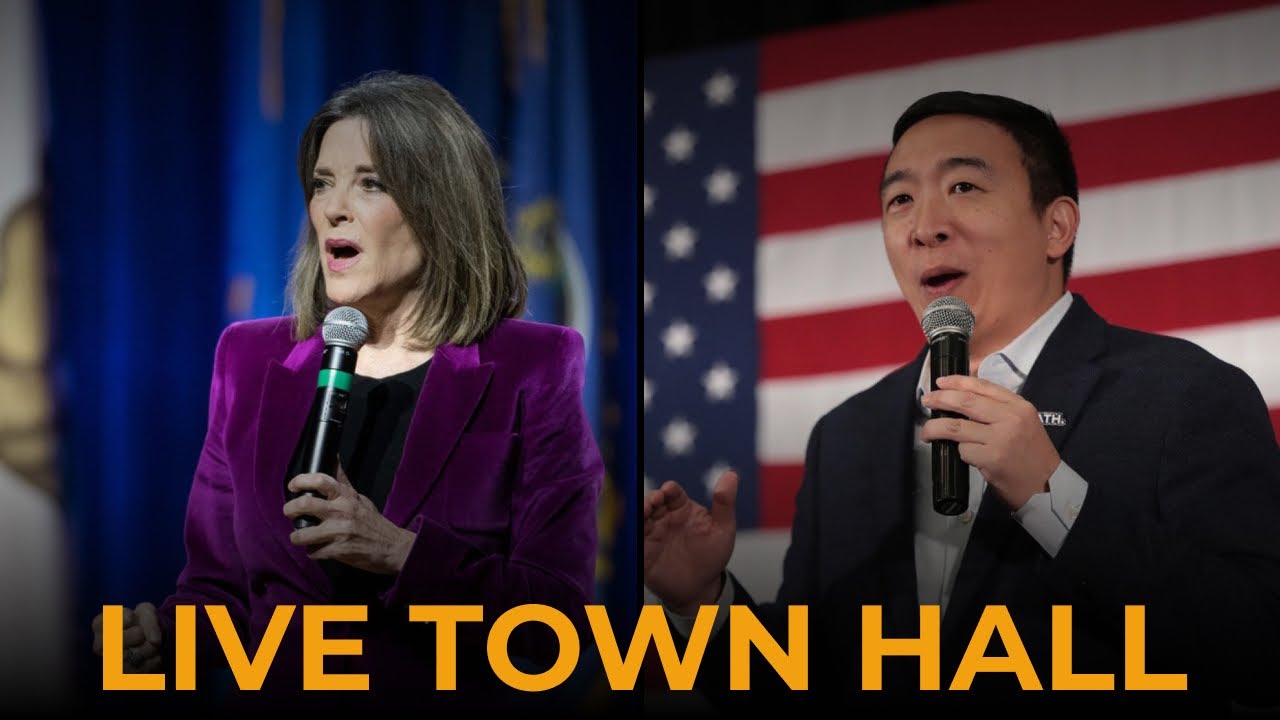
86:29
Andrew Yang Town Hall Fairfield Iowa Campaign Speech 2020
@andrewyang
62.4K views•2020-01-25

10:19
Explaining the Saudi-Iranian Proxy Conflict in the Middle East
@Vox
18.2M views•2017-07-17
Related Study Plans & Knowledge Roadmaps
Structured learning paths in Political Science
political-science
Economic Statecraft: Sanctions & Chokepoints
01Foundations of Geoeconomics and Economic Statecraft
02The Mechanics of Weaponized Interdependence
03International Sanctions: Types, Implementation, and Efficacy
+ 2 more learning modules
12h5 modules
Explore Roadmap
political-science
Central Bank Independence: Politics & Policy
01Foundations of Central Banking and Monetary Policy
02The Time Inconsistency Problem & Inflation Bias
03The Delegation Model and Designing Independence
+ 2 more learning modules
12h5 modules
Explore Roadmap
political-science
Consociationalism: Power-Sharing & Stability
01Democratic Dilemmas in Divided Societies
02Introduction to Consociational Democracy
03The Four Pillars of Consociational Design
+ 2 more learning modules
12h5 modules
Explore Roadmap
political-science
Rebel Governance: Legitimacy, Economy & State
01Foundations of Rebel Governance and Statehood
02Establishing Political Legitimacy and the Rebel Social Contract
03Wartime Economies and Rebel Resource Management
+ 2 more learning modules
14h5 modules
Explore Roadmap