
![AP Government UNIT 1 REVIEW [Everything You NEED to Know!]](https://i.ytimg.com/vi_webp/lxotd_zV1hc/maxresdefault.webp)
![Why the ARTICLES OF CONFEDERATION Failed [APUSH Review]](https://i.ytimg.com/vi_webp/Ri18Igyqa5I/maxresdefault.webp)






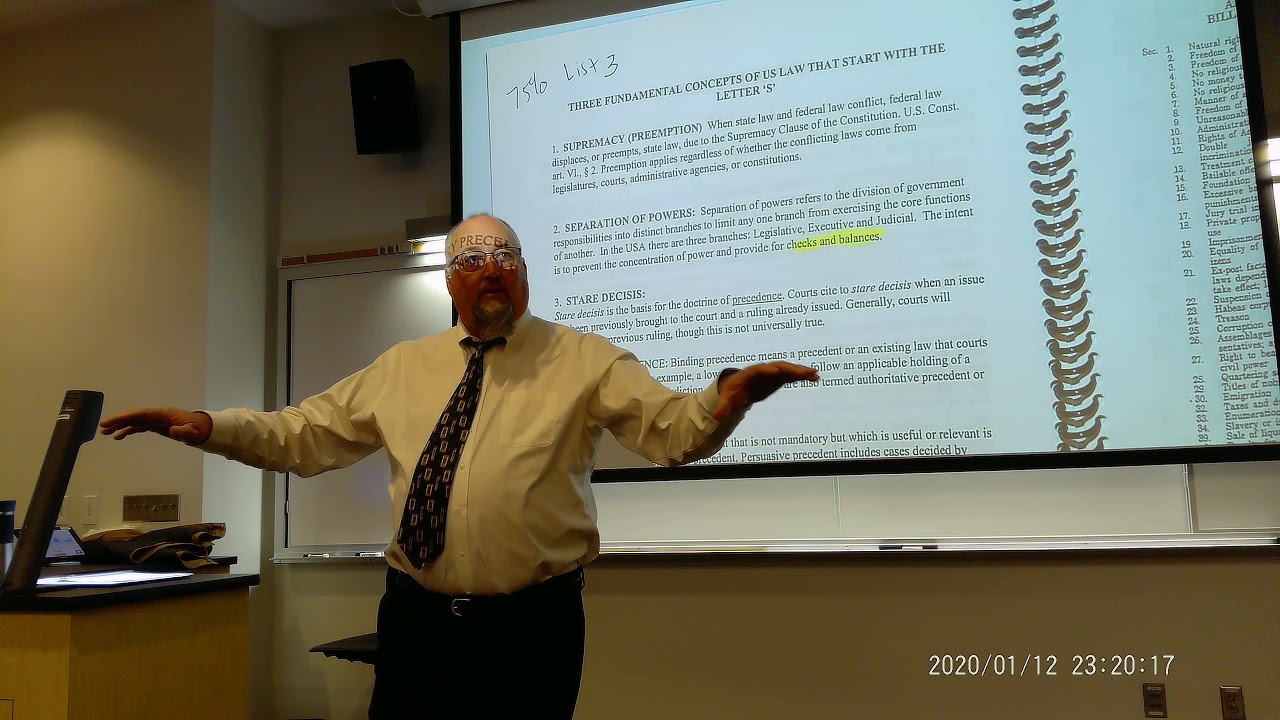


![Federalist 51, EXPLAINED [AP Government Foundational Documents]](https://i.ytimg.com/vi/f6J-mKOGaVQ/maxresdefault.jpg)
![AP U.S. Gov: Federalist No. 51 [Required Document] -- EVERYTHING YOU NEED TO KNOW](https://i.ytimg.com/vi_webp/m8b7paAnpAM/maxresdefault.webp)






![[BREAKING NEWS] Kongres AS Setujui Resolusi Penghentian Perang Melawan Iran | tvOne](https://i.ytimg.com/vi/35fapiQalsE/maxresdefault.jpg)
Separation of powers is a constitutional principle that divides government authority among three distinct branches—the legislative (Congress), executive (President), and judicial (Supreme Court)—to prevent any single branch from accumulating excessive power and becoming a 'usurper.' This system, championed by Enlightenment thinker Baron de Montesquieu in his 1748 work 'The Spirit of Laws,' ensures checks and balances where each branch has specific powers and limitations: Congress declares war, collects taxes, and regulates trade; the President enforces laws and serves as commander-in-chief; and the judiciary interprets laws and exercises judicial review to declare unconstitutional acts.
Separation of Powers Explained: AP Government Review
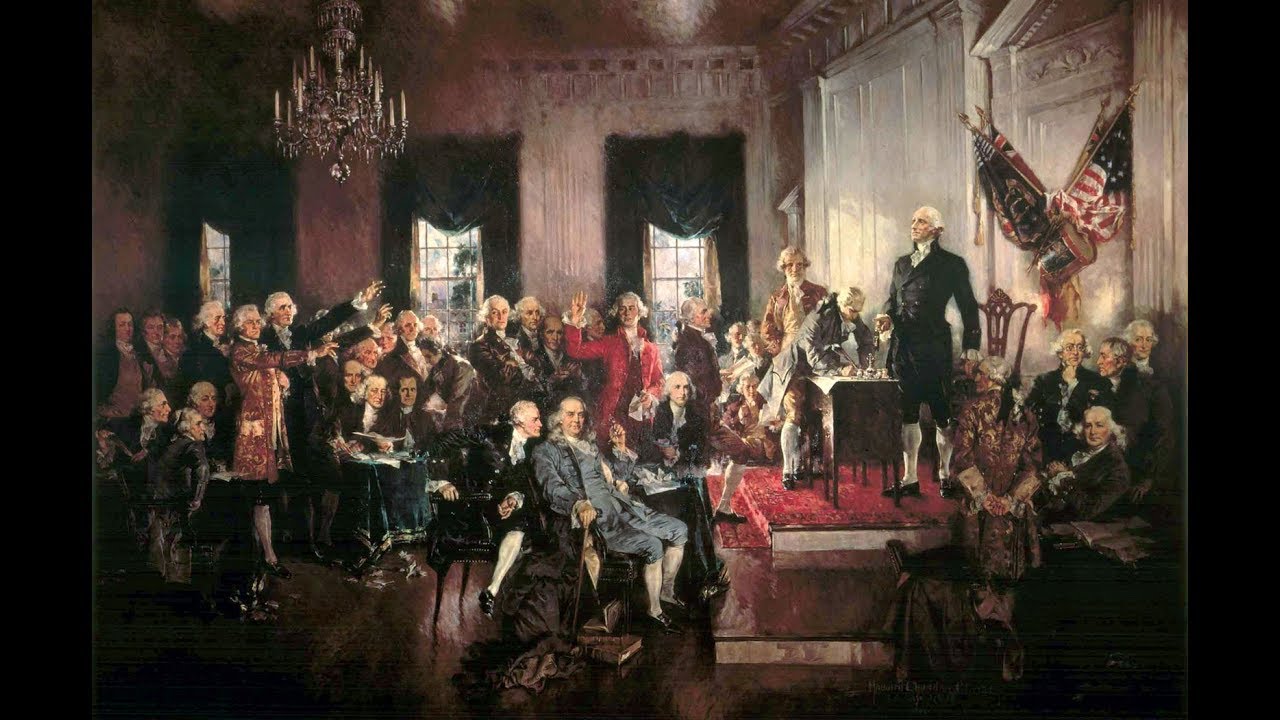
Added:Understanding the historical context of the Constitutional Convention of 1787 and the weaknesses of the Articles of Confederation.
Familiarity with Enlightenment philosophy, specifically Montesquieu's theories on political liberty and the division of political power.
A basic overview of the structure of the U.S. Constitution, particularly the primary purposes of Articles I, II, and III.
The fundamental concept of limited government and the Framers' inherent fear of tyranny and centralized authority.
An in-depth study of the system of Checks and Balances, exploring the specific constitutional mechanisms each branch uses to limit the others.
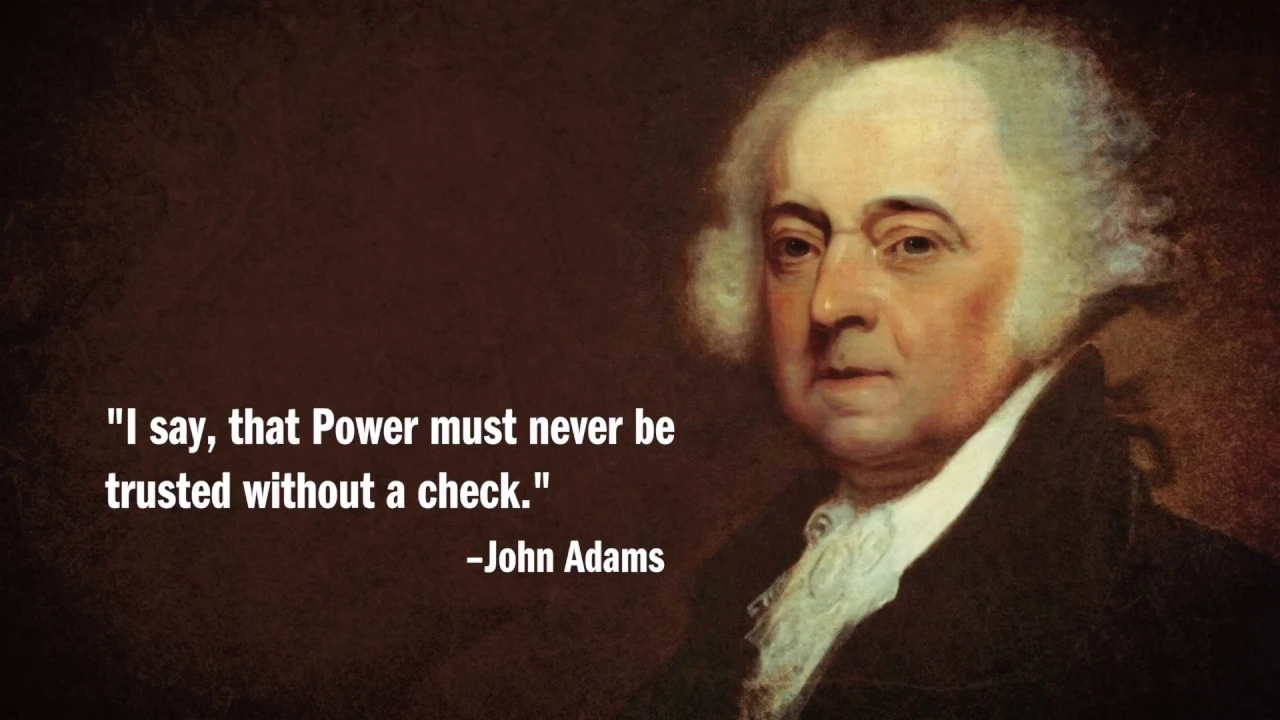
Close analysis of foundational documents, specifically Federalist No. 51 and James Madison's arguments on keeping the branches distinct.
The concept of Federalism, analyzing how power is divided and shared vertically between the national and state governments.
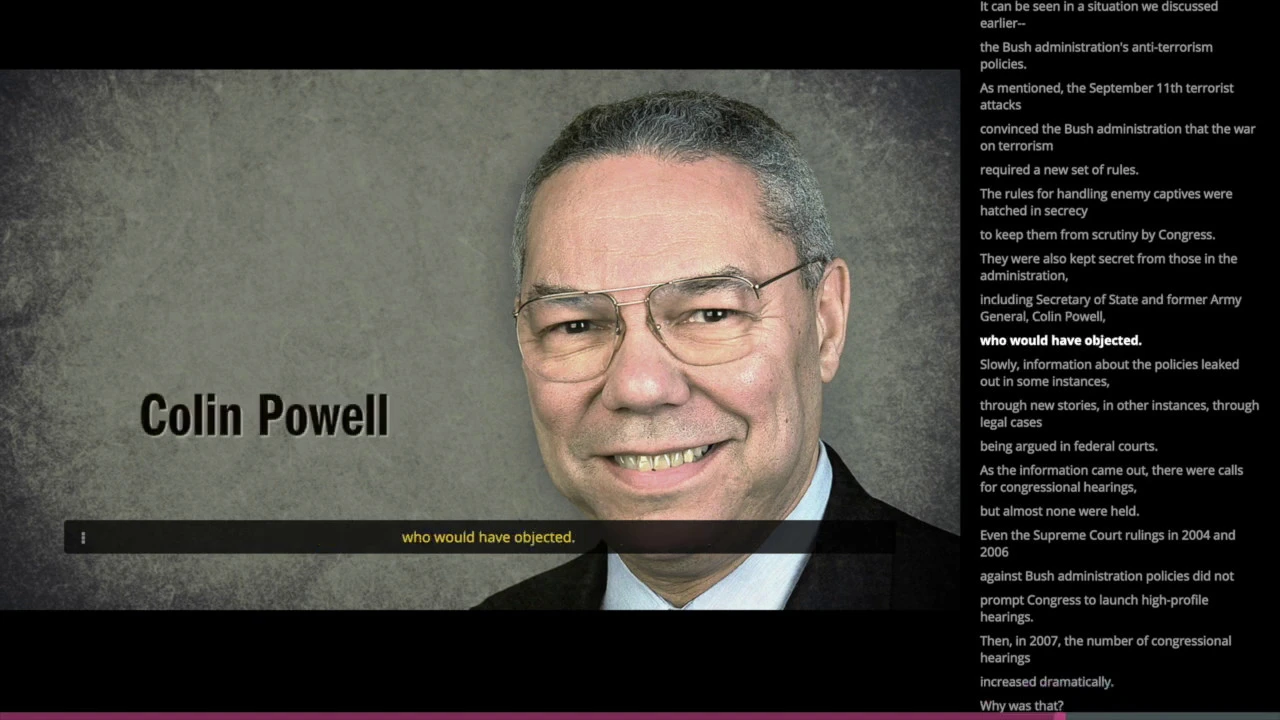
Analysis of modern constitutional tensions, such as executive orders, war powers resolution disputes, and judicial review.
39K views237likes7:31Original Release: 2015-09-06
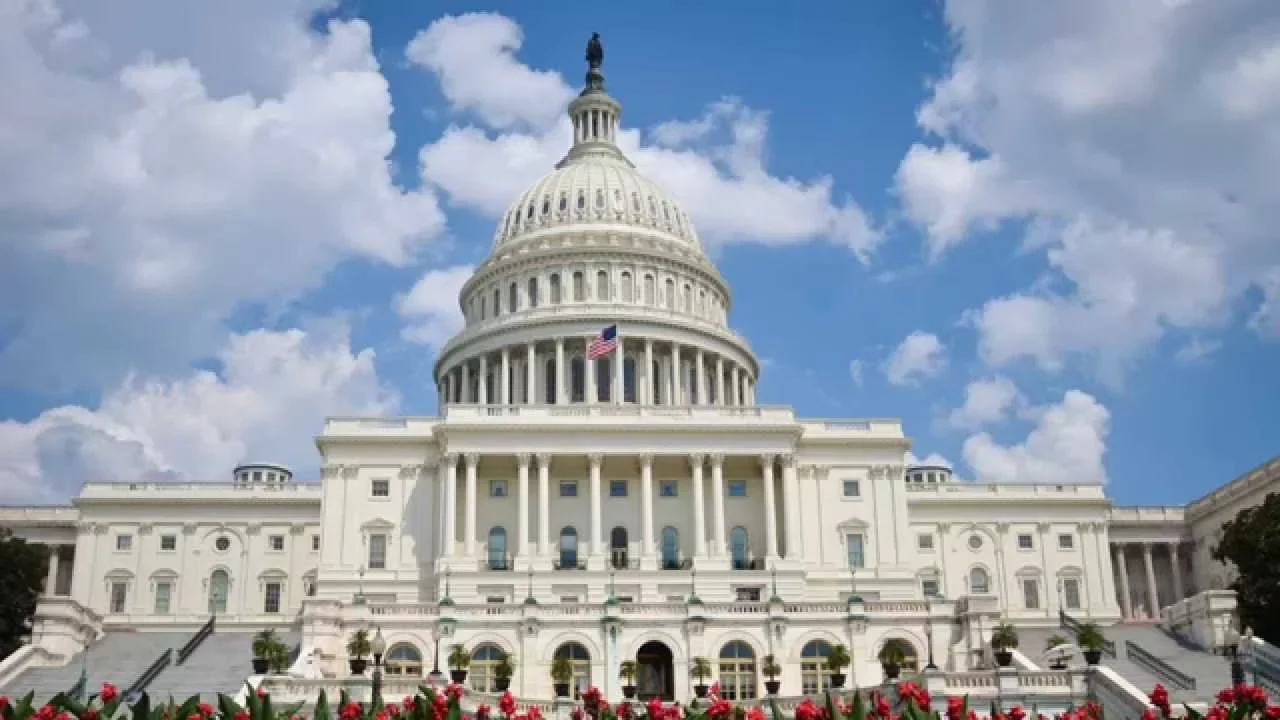
hey what's going on AP Government fans we have video number two for you in our continuing Series this one is on separation of powers a very important topic so let's get going all right so a brief intro what the heck is separation of powers well it is simply dividing or separating Government powers among different branches of government we typically associate three different branches of government so what's the purpose of this well it's to prevent one person or a branch from Gaining too much power you want to know a fancy word for like taking over or or gaining power it's called usurping you Game of Thrones fans know this word Robert Baratheon was called the Great usurper because he became king after defeating the vicious Targaryen so anyway usurping is to kind of gain control or take power away from somebody else or something else or a group of people so the purpose of this is to avoid that so Baron deusu this French Enlightenment thinker here is Good Old Baron um he really is credited with this idea although it had been around for a very long time his writing the spirit of laws in 1748 really kind of reintroduced world society to separation of powers and he advocated for three branches of government so how is this scen in the United States government well today under the Constitution we have three branches we have the legislative branch which is Congress and we have the executive branch which is really seen through the president and the vice president we also have the judicial branch which establishes court systems most notably the Supreme Court all right so let's take a look at article one of the Constitution this is what establishes the legislative branch through Congress so if you're like me and you have on your iPhone an a constitution app you go to article one and the legislative branches listed first this is very important because the framers of the Constitution s really viewed the legislative branch the most important branch of government and here's my favorite legislator legislator ever my boy Henry Clay speaker of the house and longtime Senator as well so definitely need to know this what are some powers specifically given to Congress well they can declare war they can also collect taxes and tariffs they can regulate trade both inter and foreign and US history people will remember interstate trade means trade between two or more States intra in is trade within a state so that's controlled by a state itself whereas inter is controlled by the federal government Congress can also coin money establish post offices create courts and establish the numbers of justices on the Supreme Court which has changed over time and here's an example of regulating trade the very famous failed and Embargo Act of 1807 and for those of you wondering embargo spelled backwards is oh grab me all right so the house now let's break it down within Congress the house which is one part of it they can vote to impeach officials it does not mean you're removing them from office that can be a a result but impeachment simply means to bring charges against and they members of the house also start all revenue bills we'll talk about that more in a future video now the Senate they are the jurors in an impeachment Tri and they're the ones that are responsible for ratifying treaties and Presidential appointments very special important powers given to the senate members of Congress according to the Constitution cannot serve in Congress and simultaneously hold a position in the executive branch so if you're a senator and you're appointed to the president's cabinet for example you have to resign as Senator jumping over to article two this establishes the executive branch through the president vice president and others there's no mention of the cabinet in the Constitution although that has been around since George Washington's presidency so some specific powers given to the executive branch he or she is the commanderin-chief they cannot declare war the executive branch that is an example of something that Congress can do and that's checks and balances we'll talk about checks and balances a lot more in the next video but we see here Washington this is when he led the military to crush the Whiskey Rebellion in the 1790s so the president is commanderin-chief but cannot declare war they also the main responsibility of the executive branch is to enforce laws the president can also make treaties and appoint officials whether it's to the cabinet or Supreme Court for example but those are subject to the Senate approval and we see here wood Wilson who played an instrumental role in the Treaty of Versa which ended World War I and really hoped that the United States would join the League of Nations but as we know the Senate rejected it so that's another example checks and balances which we'll talk about in the next video and the president can also call special sessions for congress if he or she feels it's necessary and and what most people associate the executive branch with is enforcing laws so definitely know those as well let's jump over to article three this establishes the judicial branch through the Supreme Court and lower courts so some power specifically given to the judicial branch well number one they hear cases they are ones that will hear cases and decide outcomes um judicial review is something that we associate with the Supreme Court and that's the ability to declare a law unconstitutional but it is not mentioned in the Constitution that comes about as a result of the 1803 Supreme Court case Marbury versus Madison in which this dude John Marshall ruled an act unconstitutional I have a video in the description that explains that very well and judges hold their positions for life this is very important think about this for a second why do you think Supreme Court Justices are essentially appointed for life it's either till they die they resign or they're um removed from impeachment which like never happened so why is this important well they want to avoid the judges being influenced by politics they can make unpopular decisions that they feel follow the Constitution without fear of reprising so it's they really want to the framers really wanted the judges to not be associated with politics all right let's do a quick recap one monus Spirit of Laws definitely know what it's about two how separation of powers is seen in the US government specific powers given to the legislative executive and judicial branches that's what we covered in this video test tips for this video for multiple choice definitely no moscu influence reasons for and the purpose of separation of powers and if you could throw the word usurper in like a in a in a free response essay that'd be fantastic and be able to identify specific powers of each branch for free response definitely you could see this tied in separation of powers tied in as an example of limited government all right guys look forward to seeing you right back here for video number three an extension of this video basically it is all about checks and balances and we'll take a look at this dude James Madison the shortest president ever in US history I thank you guys very much for watching and have a have a good day
Up Next
8:00
Judicial Review: Marbury vs. Madison Explained | Supreme Court Powers
@crashcourse
1.6M views•2015-06-27

24:30
BRICS Pay and de-dollarization: A New Financial Order Emerges? | 55 chars
@DannyHaiphongYT
164.6K views•2024-10-22
20:29
AP Gov Chapter 3: Federalism Key Concepts Explained
@AdamNorrisAPUSH
86.7K views•2014-08-13
10:19
Explaining the Saudi-Iranian Proxy Conflict in the Middle East
@Vox
18.2M views•2017-07-17
Related Study Plans & Knowledge Roadmaps
Structured learning paths in Political Science
political-science
Economic Statecraft: Sanctions & Chokepoints
01Foundations of Geoeconomics and Economic Statecraft
02The Mechanics of Weaponized Interdependence
03International Sanctions: Types, Implementation, and Efficacy
+ 2 more learning modules
12h5 modules
Explore Roadmap
political-science
Central Bank Independence: Politics & Policy
01Foundations of Central Banking and Monetary Policy
02The Time Inconsistency Problem & Inflation Bias
03The Delegation Model and Designing Independence
+ 2 more learning modules
12h5 modules
Explore Roadmap
political-science
Consociationalism: Power-Sharing & Stability
01Democratic Dilemmas in Divided Societies
02Introduction to Consociational Democracy
03The Four Pillars of Consociational Design
+ 2 more learning modules
12h5 modules
Explore Roadmap
political-science
Rebel Governance: Legitimacy, Economy & State
01Foundations of Rebel Governance and Statehood
02Establishing Political Legitimacy and the Rebel Social Contract
03Wartime Economies and Rebel Resource Management
+ 2 more learning modules
14h5 modules
Explore Roadmap