











![John Harvey reading Contending Perspectives: Chapter 7: Institutionalism [EDITED]](https://i.ytimg.com/vi/vzDnOwH_9TY/maxresdefault.jpg)

![🟢 TERÇA PROFÉTICA [AO VIVO] | APÓSTOLO EDILSON POMINI 03/02/2026](https://i.ytimg.com/vi/oxSbyUMqY3s/maxresdefault.jpg)










Countries become wealthy or poor based on whether they develop inclusive political and economic institutions that create incentives for innovation and investment, or extractive institutions that concentrate power and suppress economic growth; institutional change occurs through gradual drift combined with critical junctures that resolve conflicts in favor of either maintaining or transforming institutional arrangements.
Why Nations Fail: Economics of Poverty & Prosperity
Added:Basic economic systems: Understanding the core differences between market-driven, command, and mixed economies.
The concept of 'institutions' in economics: Knowing how formal rules (laws, property rights) and informal norms shape human interaction and economic incentives.
Fundamental theories of economic growth: Familiarity with traditional growth models that emphasize capital accumulation, labor, and technology (e.g., the Solow-Swan model).
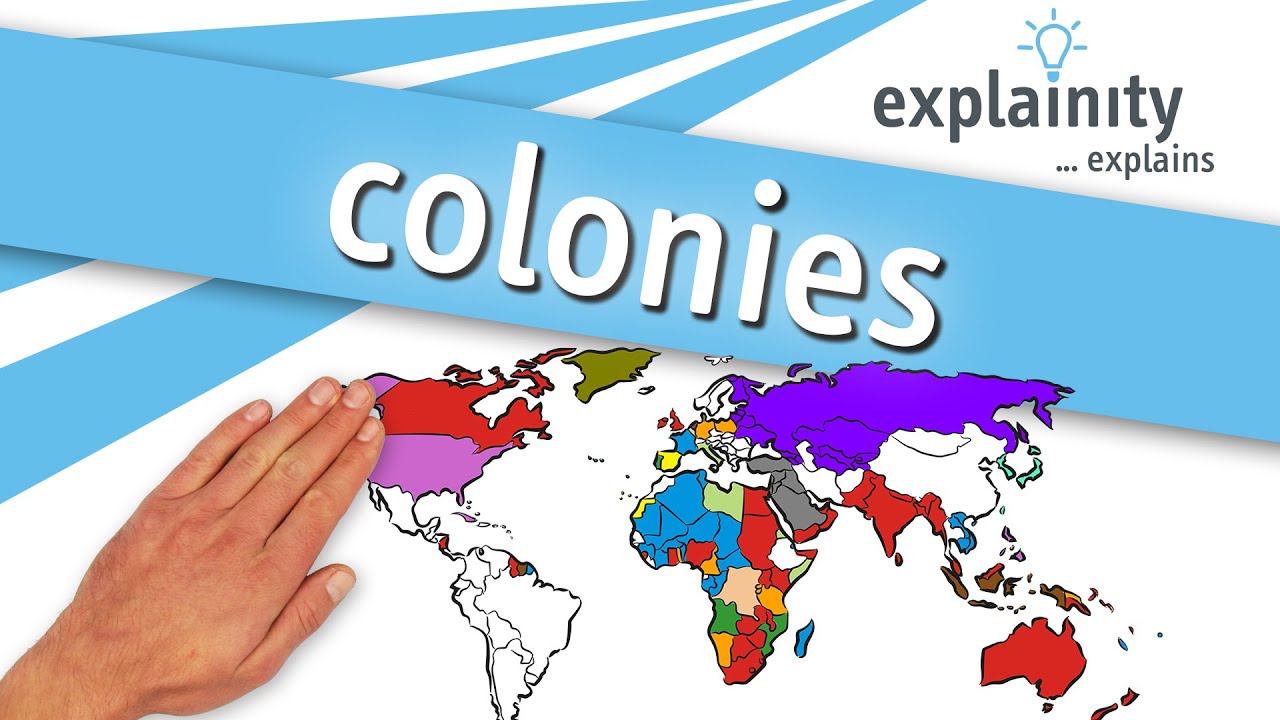
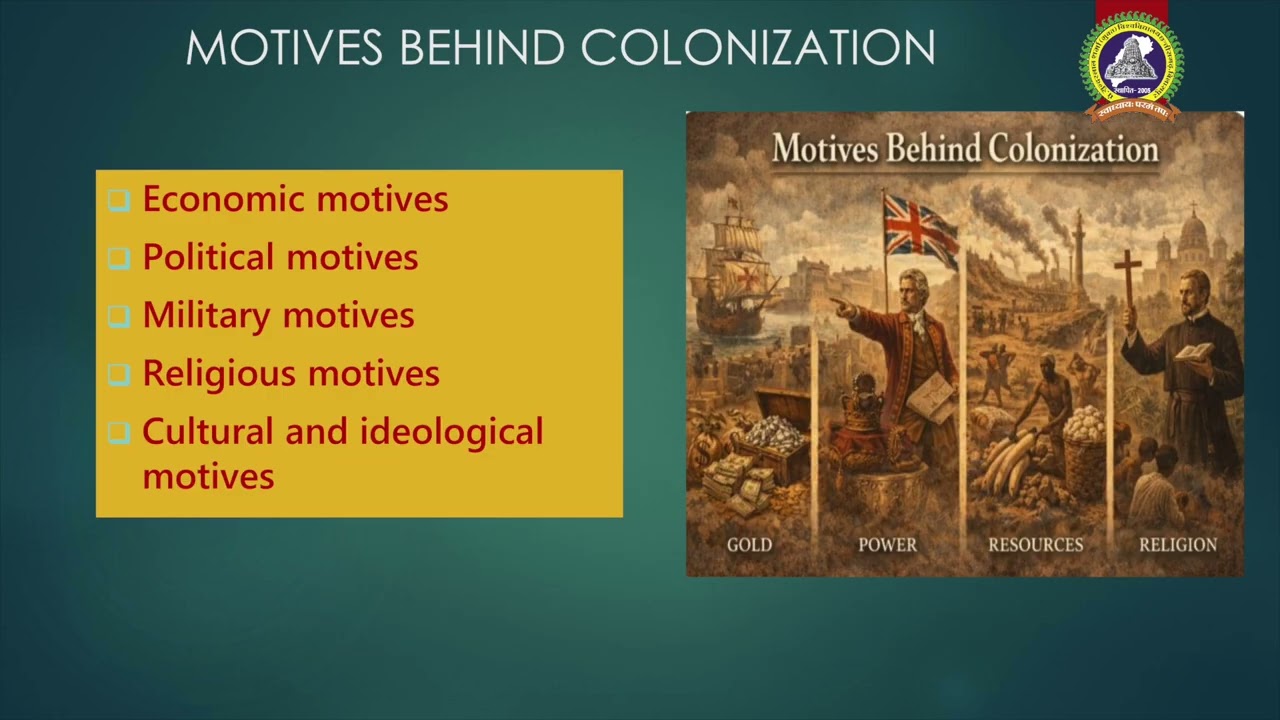
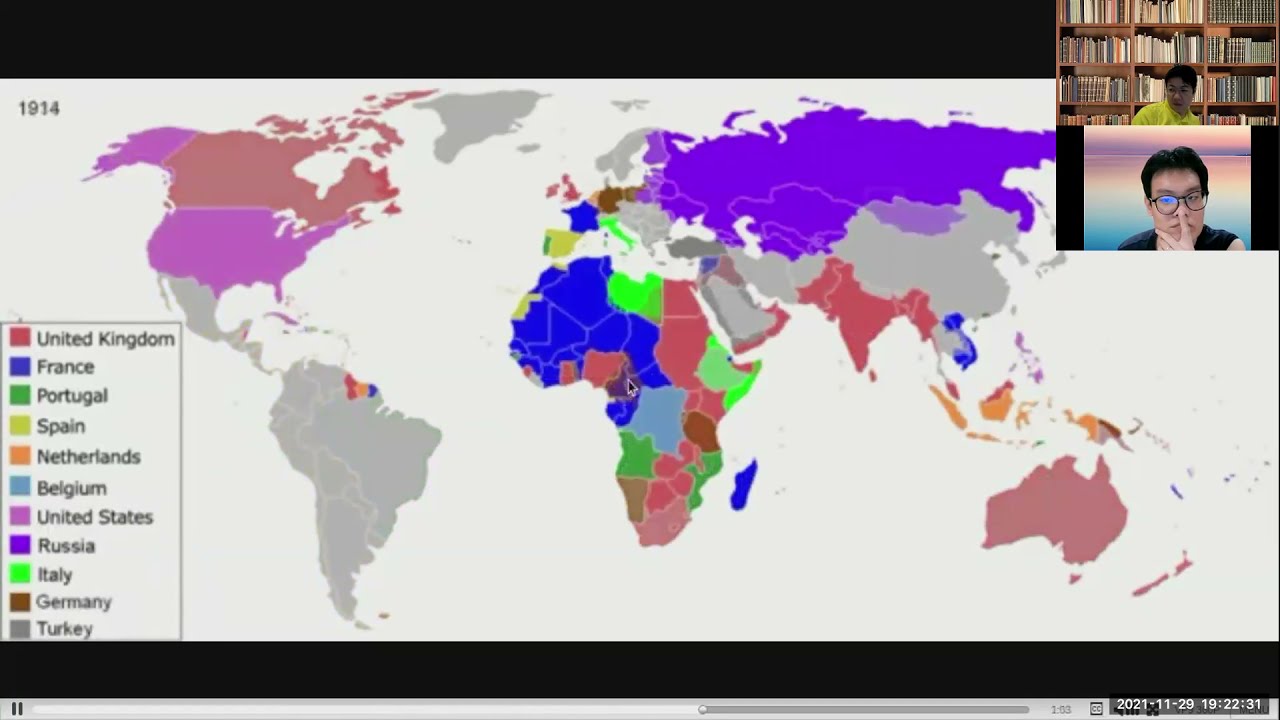
A general historical overview of colonialism: Understanding how global empires structured trade, governance, and resource extraction from the 16th to 20th centuries.
Critiques of Institutionalism: Exploring alternative theories of development, such as geography-based development (Jeffrey Sachs) or cultural determinism.
The Narrow Corridor framework: Studying Acemoglu and Robinson's follow-up theory on the delicate balance between state power and society's liberty.
Creative Destruction in modern markets: Analyzing how inclusive institutions handle technological disruption and vested interests, drawing from Joseph Schumpeter's theories.
Empirical application to foreign aid and policy: Evaluating how international organizations (like the IMF or World Bank) use institutional reforms to condition development loans.
177.6K views1.9Klikes1:36:20Original Release: 2011-11-11
I'm Jordan petas chair of the Department of economics and finance and it's a great pleasure and privilege for the University of Scranton to be able to welcome Dr asoglu the Elizabeth and James kilan professor of Economics from MIT before we introduce our speaker tonight I would like to acknowledge the Robert pabak foundation for their continuous financial support without uh this support would not be able to have this event also I'd like to recognize the dedicated team of faculty and staff in my department as well as our o OD officers uh and the moderator whose commitment continues to ensure a successful hny George event thank you all for your hard work and commitment our Henny George lecture series uh continues the tradition of attracting excellent speakers several of our past speakers have received the Nobel prize in economics shortly after the deliver an annual H lecture here at the University of Scranton this year's Nobel prize in economics was awarded to Thomas sergeant and Christopher Sims Thomas Sergeant was our H speaker back in 2006 actually every MIT Professor uh who was invited and deliver a hen George lecture here at the University Robert solo Paul Krugman and Peter Diamond had to also make a trip to Sweden afterwards for receiving the Nobel prize in economics this is impressive 100% successful we are successful in predicting Nobel Prize winners for for MIT professors Professor seogu thank you for joining us this evening and uh we hope you continue our tradition um or you help us continue this tradition I would like now to invite my colleague Dr Chris panat to formally introduce our speaker tonight uh thanks Christ thank you Dr Jordan petas Professor darimu is the Elizabeth and James Ian professor of Economics at MIT he received his PhD and master's degree at uh from the London School of economics and his bachelor's degree from the University of York he was lecturer in the London School of economics in 1992 and since 1993 he has held faculty position and MIT Professor Asim mogu is the co-editor of econometrica the review of economics and statistics and the National Bureau of economic research macroeconomic annual he is also member of the editorial board of several prestigious economic journals he has received numerous Awards and prizes among them the John bades Clark medal awarded by the American economic Association to that American Economist under the age of 40 who have made a significant contribution to economic thought and knowledge Professor Asim mogu is interested in political economy economic development economic growth economic theory labor economics technology income and wage inequality human capital and training and network economics he has published many papers in leading economic journals like econometrica the American Economic Review the quarterly Journal of Economics H and others he has written the book introduction of modern economic growth and he is the co-author of the forthcoming book why Nations fail origins of power prosperity and poverty his research is of great significance because it attempts to answer one of the most important qu questions in economics why some countries are rich While others are poor the answer that most conventional economic growth theories provide to this question is that rich countries are the countries that adopt growth enhancing econom policies but this answer in fact does not explain why some countries adopt growth enhancing economic uh policies While others do not political economy of growth is a relatively new area in economics that combines political economy Theory and economic growth theory in order to explain among others why countries with good political institutions adopt good economic policies and therefore are rich while countries with poor political institutions do not adopt good for economic growth policies and therefore are poor Professor asoglu is the most influential researcher in this area of economics and has benefited many economists including myself it's a great pleasure to have him with us tonight we will have the opportunity at the end of this lecture for a Q&A session please help me welcome Professor Daron asoglu [Applause] thank you very much uh Christos and thank you very much Jordan for the nice introduction and it's a great honor to be here to deliver the uh Henry George lecture actually what I'm going to talk about is uh as Christos mentioned is based on my forthcoming book on with jointly written with uh Jim Robinson my longtime collaborator who is at the uh government dep department at Harvard uh it's actually quite intimately related to Henry George's contributions uh at some level it's almost georgist uh you know what we're going to be talking about is what are the constraints in particular particular political constraints that prevent the forces of markets from being used for economic growth and at some level George was one of the early economists and social scientists to start thinking deeply about these sets of issues so it's uh particularly telling in particular you know at some level uh you know if two names need to be mentioned in this context they would be Adam Smith and uh and Henry George so I'm mentioning Henry George now and I'll mention Adam Smith uh in a few seconds but but both uh the uh the shadow of both will be cast all over what I'm going to talk about so as I mentioned uh this is going to be based on uh my work with Jim Robinson which will be uh which is the topic of of our forthcoming book the book will come out in uh in in in March uh and and I just got the cover the PDF of the cover from my publisher so I can't resist showing it so I'm pretty excited uh but but it's it's not out yet but we have the cover at least so that's how it will look like uh so why Nations fail so why did we write this book and why am I here to talk about it I'm going to try try to argue that the sets of issues that surround the question of why Nations fail and why or why some Nations fail and some Nations succeed are among the most challenging but also most Central ones for social science and despite a long tradition of great social scientists historians and philosophers having worked on this topic we're still far from a consensus and Our intention is to bring a somewhat New Perspective to these issues and try to push the debate in the in a direction that we think is fruitful so just to get us started here is the picture of how the world looks like the dark areas here are relatively poor countries they are the ones with income per capita in purchasing power parity adjusted dollars in uh 2008 that are have less than $2,000 colors and those that are with lighter colors get gradually richer and richer so a couple of patterns are visible in this graph the first is that if you look at the numbers in the legend there are huge differences in income per capita across countries large swats of the world are in white they have incomes over 20,000 in many cases close to 40,000 and large parts of the uh of the globe is covered in dark color less than 2,000 so those sorts of income differences across countries are quite striking for 304 40 fold differences in in come per capita across countries in a globalized connected world the second Point that's quite wor no worthy here is that there is actually a distinct geographic pattern to this it's not like a checker box with the black next to White while there are areas where light and dark colors are next to each other there is quite a concentration of dark colors in certain parts subsaharan Africa parts of Asia darker colors in South America than North America much lighter colors in Western Europe and uh much lighter colors in Australia and New Zealand so whatever Theory we have to offer to understand these patterns has to explain both these wide differences and also why they have they are distributed in this particular pattern that we see on this map there is a third important feature and that's about the timing of these differences as I said the second person I would like to emphasize here is Adam Smith and Adam Smith of course was not only a brilliant philosopher but also the founder of our discipline of economics and Adam Smith's most important work The Wealth of Nations sounds very similar to why Nations fail was actually motivated by the same question what makes some way Nations wealthy what is the origin of their wealth and he did actually talk about several of the same issues that I'm going to be discussing here so there were some parallels between him and Henry George too but the notable thing is that when Adam Smith was writing at the end of the 18th century the Gap that appeared quite large to him between rich and poor countries was actually much smaller than what we see today we don't have national income accounts but our best guess estimates would suggest that the richest country was about four or perhaps at most five times as rich as the poorest part in the world while as I mentioned the the differences today are over 40 fold so since Adam Smith started theorizing about the origins of wealth of some Nations and the poverty of others the problem the disparity has become much wider so here is a picture summarizing this not showing every country but subcontinent based on historical reseearch by Angus Madison sort of projecting back and making estimates because as I said there are no national income accounts but still fairly accurate picture in terms of what's been going on and the remarkable thing is that this this graph is on is on exponential scale so what that means is that if countries were growing at the same rate or if the ratios in their incomes were remaining constant these lines would be parallel what you see is not only a Fanning out so big inequality opening up but it's happening at a much much much faster rate starting around 1800 so it's really around 1800 after Adam Smith's uh important book that this big inequality that we're seeing actually have opened up so again a successful Theory should not only account for the two other patterns that I've suggested but also for why the timing of this great Divergence across countries started in 1800 and took the form of some countries in Western Europe and then the Western offshoots becoming much richer while many others not growing as much as you can see from Africa Latin America and Asia and it's this differences in the growth potential growth trajectory of these different nations or different continents as you can see in this picture is the one that accounts for the other patterns that we've seen on the world map so to develop our Theory I'm going to go back to an historical episode the quote unquote beginning in Latin America not that there wasn't anything before in Latin America as I will explain there was but this is the beginning of of the societies that we see in today in Latin America the beginning of the colonization process so as everybody is aware Spaniards sailed to the Americas and quickly started conquering and colonizing many parts of the Americas in particular in the South the history of pizaro and Cortez are well known but perhaps equally telling is that of juandas De soles and his man who colonized Rio Rio de La Plata in 1516 River of silver because they had encountered silver in this area in fact it turns out that the silver wasn't indigenous to that part but was coming from the Inca Empire so be it but they ferociously went went about their colonization and one of the solis's men Pedro de Mendoza founded buenos Ires now you would think buenosaires would be the sort of place that Europeans should like the climate is exactly like what the Spaniard were used to in in Spain it's today it's known for its great climate very fertile land and all the good things that we sort of associate with that sort of climate but actually the their colonization of Buenos Iris and that entire uh uh Rio de La Plata region was an entire failure what they tried to do was exactly what Cortez and pizaro and all the other European colonialists tried to do they tried to enslave the locals put them to work make them produce food for themselves and hopefully find the gold and the silver and so that they could extract it but no luck the people they encountered there the cheras and the querandi were very mobile very sparsely settled essentially Hunter gaer level civilizations they try to enslave them no luck they run away when they capture them they fought back and in one of these they they killed the soless being clubbed to death by one of the cheras and Spaniard soon soon decided this is not going to work we're not going to be able to enslave these people but in the meantime one of other uh the solis's men the ayolas had moved up the river the Parana River and discovered what is today Paraguay there they encountered another band of Indians but a little different not so much it's not you know they didn't discover the Empire or the or the Aztec empire or the old Maya civilizations just slightly different uh set of Indians but the big difference was that these Indians were a little more densely settled and they had already developed a hierarchy so the guani were thus easier Target for the Spaniards they quickly conquered the lands of the guani they deposed their rulers they replaced the rulers they put the guani to work and they they started one of the long lasting colonies of the southern part Southern cone of Latin America and in fact the entire colonization process of the guani has so many similars to the colonization of the Aztecs of the Incas it's very hard not to conclude that this was a sort of a well rehearsed sort of strategy but it didn't work when they tried to do the Buenos Iris because the conditions on the ground didn't work for them what about the nor North America well North America wasn't colonized by the Spaniards but by the British a little later at the early the very beginning of the 17th century the British sent their colonization Force Under the j under the Virginia Company the jamest toown was where they were going to do the colonization and this is the story of John Smith and and the Paka so it's sort of wellknown but what I would like to remind you is what a colossal failure this was leave aside all of these nice stories Europeans essentially died almost to the last men because the the Indians that they encountered there were just like the the cheras and the quendi they were very mobile not cooperative and very sparsely settled so the first strategy that the Europeans used in the north was exactly the same as the one that they tried to use use in the south of the continent no matter that one was British the other one was Spaniard it was the same strategy captured the Indians get gold from them put them to work enslave them and take over the hierarchy but in the same way it didn't work in Buenos ciris it didn't work in Jamestown the conditions weren't right for it but in Jamestown there was no Parana river that they could sail up to and find another more densely settled population so the Virginia Company started looking for another solution what else can they do the first strategy didn't work their second strategy was only slightly different they said okay we can't enslave the Indians let's bring our slaves back ourselves they brought in indentured servants who were supposed to work under very harsh condition for very low pay and produce money uh produce uh produce food and uh agricultural output for the elite of the Virginia Company but that didn't work either that didn't work fer despite the Draconian measures that the Virginia Company was willing to go to so here I just quoted from the laws that were passed by the two leading uh directors or the uh uh governors of the Virginia Company in Jamestown Sir Thomas Gates and Sir Thomas Dale if you look at quickly at the text of this law couple of things will strike you first of all pretty much anything you could do was punishable by death so this was not not a lovely cuddly Colony you know everybody going there for happiness and and S of religious freedom or anything like that this was a pretty harsh place but the second thing that should strike you is that these weren't just harshness there was a logic to this and the logic was that they were trying to stop these people from going and trading or living with the Indians because the same conditions that made the colonization of Jamestown just not very profitable when they Tred to capture the Indians also made it very difficult to exploit the intentioned servants and the other low class people that they brought in because this was an open Frontier Country and anybody could run away and start their own settlements far from the uh from the authority of the Virginia Company so their solution to that was well we'll punish you by death if you ever attempt well whatever the threats that didn't work either so finally Virginia Company converged on a third strategy not willingly but Kicking and Screaming it was something entirely different said we can't force gang labor there are no Indians to exploit well why don't we give incentives to people so a revolutionary idea so they they came up with the head right system they gave land to the settlers and they said if you produce you can keep it we'll just take some tax but that wasn't enough the settlers said no the headright system is great but how do we know we can actually trust you you were just trying to kill us and force us and whip us and put us in gang labor just a couple of years ago so if we're going to trust you we need not only economic incentives but we need political right so soon the head right system was followed by a general assembly so an entirely different Society started developing in Jamestown and later in other parts of North America where people were given economic incentives they could invest and produce and keep what they were producing and this was supported by the political power that they themselves had the political power no longer rested with Sir Thomas gate and Sir Thomas Dale it rested with the people now if we want to make sure sense of the Divergence that I showed you I think it's essential that we understand why the colonies in the North and the colonies in the South ended up on very different trajectories and the story that I told you albeit it's just a story it's just one episode but it's actually has a lot of generality to it the patterns that H occurred in other colonies had a lot of similarity to it and in all of these cases the differences that were already apparent in the 17th century as the headright system and the general assemblies developed in the north and a harsh colonization uh harsh Colonial Empire based on forced labor a very hierarchical form of repression and few making a lot of money at the expense of the rest developed in the South we could see that this had nothing to do with the identity of who the colonizers were yes sure in the north we had the Protestant British in the South the Catholic Spaniards but this wasn't about being Catholic or contestant they had exactly the same int incentives their model was exactly the same the only difference was that in the South they had the guani and the astec and the Incas to colonize in the north they couldn't find them so they had to come up with something else it had nothing to do with climate topography disease environment and so on of course there were differences in this in different parts of the continent Africa is of course very different than Asia Asia is very different than the Americas but what made when as IR not attractive and Paraguay attractive for the Spaniards wasn't that bu airis was less healthy in fact bu airis good air was all in all likelihood much much better for the Europeans there were no mosquitoes there the climate was exactly that they were used to but they were after climate they weren't there for holidays they were there to actually find people and put to work and they couldn't do that in B airis so some of the theories that have received most attention throughout social science and philosophy emphasizing n National cultural attitudes emphasizing religious attitudes emphasizing who was the colonizer don't get us very far another very popular set of theories emphasizing Geographic differences productivity differences in agriculture differences in disease environments they don't get us very far another set of theories which are the ones that are perhaps the most popular among econom which is about whether the leaders are adopting the right policies because they can work out exactly what problems to solve so the perspective that you know it's the good leaders who find the right policies that make their countries Rich that's not going to get us very far either the difference between the Virginia Company and the colonization the colonizers uh of Latin America wasn't that some of them had the right model of which policies were going to enrich a place and which policies were and the other ones didn't understand which policies were going to enrich the country they weren't interested in enriching the areas they were colonizing they were interested in extracting as much resources as they could and in one place that was feasible in the other place it wasn't and because it wasn't feasible that led to a very different path of institutional development so really if we want to understand this particular source of Divergence and I will argue if we want to understand all of that Divergence that I showed you in that figure we really have to understand these Divergent Paths of Institutions so we have to think about why institutions differ why they have taken Divergent path and what these institutional differences do to incentives and economic outcomes so to do that let me introduce a few Concepts these are essentially putting labels to the same Concepts that I have already described in my discussion of what happened in the North and the South of the Americas so what the Spaniard were trying to do was to set up extractive Economic Institutions these were institutions like the enoma repo ma that forced people to work on behalf of the elite at low wages and enable the elite to capture all of The Spoils of economic activity those I'm going to call extractive institutions because they were designed to extract from the many for the benefit of the few but those extractive institutions didn't exist in a vacuum they were supported by extractive political institutions the first thing that the Spaniard did was to actually replace the hierarchy of the guani and they the first thing they did in the Incas and the ASCS is they replace the hierarchies of the ASCS and the Incas so that they could control political power what use are Economic Institutions that tell you to work for low wages if I can't force you to work for low wages so those political institutions that concentrate power in the hands of a few without any sort of checks and enable them to use repression to get their way I'm going to call extractive political institutions at The Other Extreme are the sorts of Institutions that we saw in the context of Jamestown Colony I'm going to call those inclusive institutions rather than extract they trying to include more people under their umbrella in particular how did they work in Jamestown well first they provided secure property rights the head right system they gave land and they said you can use the land and if you produce you can keep it so secure property rights they allowed people to trade not trade slaves not trade uh you know uh in a way that created kind of a totally non-play Level Playing Field but the people who who who who had their own land and produced on the on that land could actually go to the market so there was a market economy but it was a market economy in which a broad cross-section of society could participate on fairly Level Playing Field they introduce courts a justice system people could write contracts so those are the Hallmarks of inclusive Economic Institutions but we also saw in the context of the jamest toown that these inclusive Economic Institutions didn't exist in a vac they had to be supported right away or they were supported right away and that I argued was for them to be credible by the general assemblies and those I'm going to refer to as inclusive political institutions sort of polar opposite of the extractive political institutions they create a more equal distribution of power sometimes referred to as pluralism and they Pro they don't let anybody have complete control absolute control uh of the political power that rests with the state so at some level the pluralism that inclusive political institutions embed is sort of the opposite of the idea of absolutism that had also developed around the same time strongly in many parts of Europe and the absolutism no control on the exercise of the power of kings and monarchs in pluralism that political power being widely distributed and of course the name the reason why I'm giving these sort of of similar names extractive Economic Institutions extractive political institutions and inclusive Economic Institutions and inclusive political institutions is that there are natural synergies between them so what I try to do here is I try to capture that in a very simple 2x two matric and those arrows are telling you that there is sort of a virtuous circle if you have inclusive institutions and inclusive political institutions it tends to keep you there there's no necessity history is not destiny but inclusive Economic Institutions support inclusive political institutions inclusive political institutions support inclusive Economic Institutions likewise for extractive Economic Institutions and extractive political institutions why well let's think about it let's take a country with extractive Economic Institutions uh 17th or 18th century Barbados it's a society in which a very few wealthy planter families owned everything and had the right to hire 90% of employ 90% of the population as slaves the slaves did the production the Planters got very rich very extractive Economic Institutions because they were designed to extract from the many for the benefit of the few they didn't give any rights even the right to go to get education or not even the right to go and sell your labor to whoever you wanted for the vast majority of the population and ask yourself whether those extractive Economic Institutions would have been feasible together with inclusive political institutions that actually gave power to that 90% of the population that distributed power equally in the society and I think the answer is obviously no if that 90% had political power I doubt that they would have used their political power to support A system that was essentially designed to exploit them viciously so the only way that an extractive economic institution such as slavery can survive is by also allocating political power to the people who are the beneficiaries of that slavery system so therefore the off diagonals of that Matrix are generally unstable if you have extractive Economic Institutions and inclusive political institutions there will be either some forces for those institutions to be reformed for those Economic Institutions to be reformed in a more inclusive direction or the inclusive political institutions will be under mind and turn into something much more hierarchical at the benefit of the few who were benefited from benefiting from The Economic Institutions and the same thing if you are at the other of diagonal so what's distinctive about inclusive institutions the most important thing is that inclusive institutions just like the headright system create incentives for people to invest increase their productivity innovate trade and generate economic growth in particular inclusive institutions are pretty much the only way you can generate sustained economic growth and by sustained economic growth I don't mean mean just a surge of economic growth for a decade or two but sustained economic growth that goes on for decades or Century or more and such economic growth here economics comes to our rescue has to rely on technological change it can't just happen by building more and more factories of the same sort you have to build better and better factories and technological change another major figure whose name I'll take I'll mention Joseph Schumer argued more than 70 years ago that kind of technological change cannot happen but with creative destruction it's not that it's the same people who were doing the agricultural production and then the textile and then the uh and then the chemicals and then they're going to do the software but it's going to be different people who do the agricultural production different people who do the textile different people who do the uh who do the uh chemicals and different ones doing the software and even in within a narrow sector it's going to be the new firms that come with a better technology and replace the old it's going to be some sectors drawing factors of production from another sector if you were a landowner and this is where we again connect with Henry George and you were making uh large rents from employing workers the last thing you want is that creative distraction because that creative distraction is going to attract the workers away from you to the city or to the industry so the creative destruction is essential for sustained growth but already as this description suggests it is not a very natural phenomenon that will be welcomed by those who are the current Elites because it will often come at the expense of the elite but in fact there is more to it that argument that I've just made says that when creative destruction takes place and when there is economic growth based on technological change and Innovation that will create economic losers meaning there will be those who were previously economically benefiting from existing Technologies from the existing system from the existing uh system of property rights and they will lose their rents because they will be driven out of business or their workers will go to other sectors and so on that is a threat it's an important threat but I will maintain that it's a trivial threat relative to the political one creative destruction not only reallocates economic rents but it also reallocates political power so it's not just that if you allowed free entry for industry into the Caribbean islands that would have made the slave plantations less profitable it would have entirely undermined the system that gave political power to those plantation owners and the the fear of creative destruction mostly emanates from the fear of those who are currently holding political power and are afraid of losing that political power because of the Winds of Change that that creative destruction and that technological change brings so that gives us a picture in which we have some Concepts that help us understand when sustained economic growth is possible and more likely and when it is not it also already gives us very important clues about why is it that extractive economic and political institutions are not a mistake of History they're not an operation they have their own logic they are stable and that was the point I was trying to make with the Vicious Circle because they enrich some people they Empower some people it just happens to be the few who benefit from it but those few because they have the political power are not going to be willing to give it up and they're not going to be very welcoming to economic growth and technological change because of the fear of creative destruction so therefore we have a situation in which these extractive economic and political institutions will naturally emerge and once they emerge they will tend to persist again history is not Destiny but it does create certain strong forces towards persistence but that by itself is not sufficient because what we see is not just persistence but also change and more importantly no Society was born with inclusive institutions inclusive institutions developed over time so we also have to explain why is it that some societies remained with in extractive institutions in fact deepened their extractive institutions at times While others broke away from extractive institutions to Ward inclusive institutions so therefore we need to augment the sort of beginning of the theory that I have already provided with a theory of institutional change so let me try to do that so at the root of the concepts I have already introduced you will recognize the role of conflict extractive economic and political institutions have their own logic they tend to persist but but not everybody's happy about them the 90% who are exploited in the slave societies are not the beneficiaries of the extractive institutions the few percent who own everything are so that 90% is not always going to take these things lying down they will sometimes from time to time try to improve their position that may take the form of negotiations that may take the form of slave revolts which were very common in the Caribbean it may take the form of protests uprising things as we've seen during the Arab Spring it may take some sort of ability it some sort of attempts to improve their economic conditions through other means but there will be conflict that conflict will get resolved differently in different societies when it gets resolved in favor of those who already have power the extractive economic and political institutions will get strengthened but when it does get resolved in favor of the those revolting or protesting against those extractive institutions there will be some movements away from these institutions as this conflict occurs and is resolved in different ways societies will embark on a path of change but this path of change will often be small and slow think of this as a slow drifting process and in particular I will refer to it as institutional drift the term is very clearly inspired by genetic or evolutionary drift the idea of genetic or evolutionary drift is take two otherwise identical populations and put them in isolated places over time because of random mutations they will start drifting apart they're not communicating with each other they have their own trajectories so to the extent that societies have their own political economy trajectories the way that in the same way that the random mutations push them slightly in different directions the how that conflict is resolved will push these Societies in slightly different directions so England and France and Spain might start all similar more or less in the 13th century but over time some small differences will open up now if we had to just rely on these small differences to cumulate over time for institutional change that would be a very very slow process indeed and in fact some sometime one thing will happen and then it will get reversed and so on and so forth but really the more meaningful change happens not just because of this institutional drift but because institutional drift interplays with what we're going to call critical junctures so by critical junctures we refer to major events that disrupt the balance in society that create a shock either because of a political occurrence demographic occurrence a war or the opening up of New Economic political or social opportunities so what we have then is that we have societies drifting apart and opening up small differences among them but then when these small differences are hit by critical junctures that leads to Divergence so critical junctures are the time when the small differences created by institutional drift translate into more major institutional Divergence before I illustrate what I mean by this in the context of a specific example let me EMP ize that a lot of this is of course contingent or stochastic in the same way that it is very difficult near impossible to predict the outcome of evolutionary drift or genetic drift across different populations it's difficult to say which factors are going to lead one Society to move a little bit this way versus a little bit that way and it's also difficult to say in in advance although again we can say a little bit when a critical juncture happens which of these small differences that have emerged are going to be more meaningfully important for the subsequent Divergence nevertheless there is quite a bit that we can say and to do that let's look at a key turning point towards the emergence of inclusive institutions and that took place in England in the 17th century During the period That's referred to as the Glorious Revolution when the English deposed their Monarch James II and replaced him by a constitutional monarchy led by William of orang uh and together with greater checks on what the uh uh what the Monarch could do and transfer of power away from the Monarch towards the parliament Glorious Revolution was a political event but it opened the way for a radical set of economic changes changes in Economic Institutions which ultimately culminated in the sorts of incentives that underpin the Industrial Revolution though it was no accident that the Industrial Revolution to started in in England when in textiles and then in other areas new Innovations were made and were quickly applied to production and led to Major increases in output it was no accident that this took place at the end of the 18th century essentially about 100 years later than uh 100 70 to between 50 and 100 years after the major changes in economic and political institutions Unleashed by the Glorious Revolution but the question is why did the Glorious Revolution happen in England why not in Russia why not in Austria why not in Spain why not in France well again you know we're asking questions that are somewhat difficult to answer but the theory sort of helps us at least get some perspective the notable thing is that actually even though England looks quite different to us today than Spain and France there were many similarities in all of these places feudalism was was already in Decline so the system where people were tied to land and were working for as surfs as form of semi servile semi coercive labor was already in decline in all three places in Spain England and uh France there were parliaments in England for example starting with the Magna Carta but in uh in in in France with the with the estat general and uh and in Spain with the uh with the Cortez also having their Roots going back to the Medieval ages in all three places the state had already achieved some degree of centralization so all in all these places had a lot of parallels they shared a lot of commonalities but when a critical juncture arrived which was the opening of the sea routes to the new world and also through the Atlantic to the old world and there was a major surge in international trade and big profit opportunities not only from gold and silver not only from slavery but all from all of the trade England Spain and France reacted to this very differently why did they react differently well let me focus on Spain which was one of the early beneficiaries of of the Atlantic trade and all of the changes that came with it Spain benefited from all of its colonies in Latin America from all of the gold and silver that came from it but the major beneficiary in the case of Spain was the crown and the parties associated with the crown and the reason was that all of the colonization uh Expeditions that went were sanctioned by the crown and essentially were officers of the crown they were the kings and queens men who went there and they brought money back for the for the uh uh for for the monarchy so if anything as a result all of these all of these things in Spain the monarchy got very much strengthened much richer and in fact the Cortez is nowhere around to be seen it doesn't get called for 100 years and the hold of the monarchy increases if you look at how the British col English colonist ation when it looks very different it's actually done by privateers and Merchants not by the crown and as a result of this the people who actually make money are not the people aligned with the crown but these new Merchants who are actually fighting against the crown and asking for greater privileges more security for their property rights and more political voice so the same critical juncture enriched the people fighting against the crown in one country and the crown in the other country so why the difference well that's where the initial drift institutional drift comes in while there were all these similarities between England and Spain there were also some small differences one that turned out to be quite consequential was that in England the Crown's Monopoly did not get established over overseas trade so Elizabeth and then Charles I first and James the couldn't James I 1 and Charles I first couldn't monopolize what was going on in the Atlantic and then after English Civil War the same thing was true for Charles II and James II whereas monopoly's Crown the Crown's Monopoly was quite absolute in Spain and as a result the crown could monopolize the entire uh international trade that was brought in by the Atlantic trade and the entire colonization so while we have these many many many similarities one small difference at the end turned out to be much bigger than all of those similarities it determined who was the who who who which were the groups that benefited most from the riches that were being brought by these economic opportunities and how that critical junal prayed out in one place the crown got stronger extractive institutions got stronger in the other place the part parties fighting against extractive institutions got stronger and that ultimately led to the Glorious Revolution the same sort of ideas can also help us explain how feudalism started declining and why that happened in different parts of Europe differently so when I was talking about how the critical juncture of the Atlantic trade played out I didn't mention Russia Austria Russia Hungary or uh all of the areas in Central Europe they were already behind by 15th century they didn't access they didn't have access to the Atlantic but even if they had access to the Atlantic a trajectory like the one in uh uh the one in England uh the one in England during the 17th century would not have been thinkable because these places still had surval labor forced labor doing agricultural production and very small uh cities uh and and and much less developed merchants and Industry so how did that particular difference occur well again I think the right perspective is one of thinking of the institutional drift interplaying with critical juncture this time the critical juncture was the Black Death with the plague that killed perhaps half of the population in many parts of Europe and in killing that population created not only a demographic disaster but a very unbalanced economic situation when Black Death hit feudalism and serfdom were the norm throughout Europe and when feudalism when the Black Death hit and people started dying the first reaction of the Lords was to actually try to get the remaining workers to work harder I had two workers to produce food for me now one of them is dead I want the other one to work harder but counteracting this the opportunities for the remaining workers were also much better because the ls were now trying to compete for workers because they were they had a labor shortage the cities were trying to compete for labor because they had a labor shortage so the outside options of Labor also improved so we had these two forces going against each other extractive institutions wanted to extract more and workers want see an opportunity perhaps for improving their lot again initial conditions were somewhat different in Europe so in Western Europe you already had the cities and somewhat more uh somewhat better conditions for workers to start with so on top of this the forces that improve the outside option of the workers turned out to be stronger and led to a rapid decline of feudalism in Eastern Europe the cities were not there or were much smaller and the conditions of surom were perhaps slightly more honorous and what happened was actually the intensification of surom this is very important at some level not only for understanding decline of feudalism but for emphasizing another Point that's a constant throughout this discussion what I'm talking about here is about economics what happens to labor scarcity and how this affects wages and production and how production is organized it's all about economics but as we can see we cannot abstract from the politics of it because the same labor scarcity leads to very different outcomes depending on the politics of it what was different between Eastern Europe and Western Europe was the politics and when the politics was in favor of the landlords and this again would uh chime well with Henry George's emphasis the outcome was actually very different now we don't quite have data for Eastern Europe during the black Deb but we have something else we have a similar demographic disaster in Latin America when Europeans came they not only colonized the span the the the astec and the Inca Empires but they also brought their diseases the demographic disaster that this created was arguably even larger than the Black Death perhaps killing up to 80 perhaps 90% of the population of many parts of the Spanish of the thing that had already become the Spanish Empire so again a sort of an economic theory pure economic theory would suggest that just exactly like it happened in Western Europe in England and France during Black Death the decline in population should create labor scarcity and upward pressure on wages so here are what the data that we have from the Spanish records we see the population Decline and we look at the wages no increase in wages if anything the wages are actually declining what's going on why are the laws of Economics being violated well because the politics is very different the laws of Economics labor scarcities for competitive markets these workers are not competitive they're draft workers they're forced workers so what happens actually is that you know if you look at the record what the Spanish colonialists start to do is that they start being much more coercive because now there's more greater pressure on wages but they can keep that pressure down by using coercion so we don't know that this is exactly what happened in Eastern Europe but they sort of suggest that that's probably a good model for what went on Eastern Europe during the black death and in the subsequent two centuries when the surom got intensified so now let's revisit the early Latin American Experience why is it that when we look at that chart and we see Western Europe take off in the 20 19th and 20th Century and we see the Western European offshoots like the United States Canada New Zealand Australia take off during the uh 1800s and 1900s we don't see Latin America take off why is it that what is it that's making Europe uh these other places take off and not Latin America and I think again that goes to the heart of the question I've already mentioned the Industrial Revolution and the Industrial Revolution is of course key the 19th and the 20th centuries were the time of industrialization they were the age of Industry the countries that were growing rapidly were the ones that were industrializing and the industrial technology was spreading like wildfire in North America which uh with with the with the with the United States playing a major role in pushing the techn the technological Frontier and being at first as Innovative and later more Innovative than where the Industrial Revolution started in the first place the United Kingdom but Industrial Revolution which was embraced in the north was not welcome in Latin America Latin America by this time had already cemented its extractive economic and political institutions the elites that were controlling things at first didn't want industrialization so the first 80 years or so of the industrial of the of the of the 19th century there was no industrial activity in much of Latin America later on there was some attempt to industrialization but it happened very differently than in the united states in the United States industrialization was truly a democratic process if you look at the people who got the patents who started the factories they weren't the elite they weren't even the Sons and Daughters of the rich people they were just regular folks like people like Thomas Edison who didn't come from any particularly advantageous background but when Mexico and later places like Guatemala Argentina and so on finally jumped on the bandwagon of being integrated with the world economy and trying to invest in the industry it was a very different sort of Affair it was highly monopolized it was the uh happening under a dict under dictatorial regimes and it was the friends of the dictator who were who got the licenses to produce industrial goods and they so that they could actually make a lot of money out of that and the sort of processes that led to the creative destruction were certainly kept under check what about in Europe we see Europe fairly light color in that first figure but that light color masks fairly large differences in Europe while Western Europe Not only was the first one to throw away feudalism and survi labor it was also the one to industrialize what happened in the East was very different industrialization happened first in England which had already thrown away uh the extractive institutions with the Glorious Revolution and then quickly or not quickly but gradually democratized in the 19th 19th century and in France with the French Revolution and its subsequent changes the absolutist regimes survived and in fact became very strong in much of Central and Eastern Europe for example Austria Hungarian Empire which was one of the strong uh dominant Powers had a very very different attitude towards industrialization than England or France so Francis the first and his uh right-and men materic for example steadfastly refused all sorts of Industry they steadfastly refused Railways because they thought these things would actually destabilize their power so this was really fear of creative destruction in action so for instance matnik said we don't desire any at all that great masses shall become well off and independent how can we otherwise rule over them so that was the attitude because the main thing they were afraid of wasn't becoming poor or becoming backward but the main thing they were afraid of was losing their control over the country and they saw industrialization and all of the things associated with industrializations like Railways as harbringer of these instability so Nicholas the first in Russia had the same attitudes Railways were viewed as potential Bringers of Revolution and unrest and there was no natural reason for them the same sort of thing happened in in other Empires that kept their absolutist bent the Ottoman Empire also went uh it uh witnessed its absolutism surviv and became stronger and there not only industrialization but all sorts of change was very strongly resisted so for example when the printing press was discovered uh or was invented in the 15th century it quickly spread in Europe because in most parts of Europe there weren't strong enough authorities that could stop the spread of the printing press at least to the cities in Europe the printing press and any sort of human capital that would be uh for for the masses was viewed with great suspicion and The Sultans and and and and their and the elites uh passed legislation after legislation banning all sorts of use of the printing press well into the 19th century the only uh experience with the first printing press in 1727 was only allowed to uh print a handful of religious texts and then was shut down so this all may appear like IR from a forgotten age except that it's not if we want to understand extract if want to understand poverty today we really have to again think about extractive institutions and of course we live in a civilized world today you would say you know we have the internet we have all these Wireless Technologies we are uh we have kind of lived and went through all of these different phases of history but extractive institutions are still present and in fact in many parts of the world when you look at it they're they have a very similar logic and when they can be they are as vicious as before so today in usbekistan the most important produce cotton still relies on forced labor but perhaps more ironically it's not the forced labor of PE of men and women is forced labor of children the the the dictatorship of of karimov has create has destroyed all sorts of incentives in agriculture so people let their agricultural Capital depreciate and atrophy so at the end they they faced a crisis that the cotton Harvest fell so they came up with a great solution increase the labor Supply and incre and do that by using school children so now at the cotton picking season old school children are shipped to Cotton Fields to work for for free as cotton Pickers so you know that doesn't look so different from the forced labor systems that we saw in the 16th century and the 17th century if we want to understand why Africa is poor we again have to think about extractive institutions of course these extractive institutions have historical Origins we have to think about European colonization of Africa we have to think about the slave trade and so on but all of these are relevant today because they have been a mechanism to cement extract institutions today there are few places in subsaharan Africa today where property rights are secure the elites uh create a allow a Level Playing Field the courts work in an unbiased fashion and it's no surprise that productivity is low and people are discouraged from investing and since I want to leave time for uh uh for for questions let me disc let me skip the uh discussion of the of the slave trade but but let me sort of uh mention two other examples because they sort of show how extractive institutions with a very similar logic still continue today and one of them you know is not with us right now but it was with us until 1994 is the apartheid regime in South Africa so if you think about the logic of the apartheid regime it was no different than the uh the the plantation economies in Barbados or Jamaica or or Cuba and Haiti it was a society where a small fraction owned the property and the remainder had to do the production the remainder didn't have any political power the African majority did not have the rights to participate in politics and they were heavily repressed but if you actually think of the structure of the apartheid economy and Society it really makes it clear that the whole design of it was to cement these extractive institutions so for example wward who was the architect of the apartheid sort of summarized the logic of it the Bantu must be guided to serve his own community in all respects there is no place for him in the European community above the level of a certain forms of Labor which actually in practice meant that they were barred from almost all skilled occupation so they could just work as unskilled labor in agriculture or in mining for that reason it is no avail to him to receive a training they didn't receive any education uh which has its aim absorption into the European community so the whole design of this was that they were actually kept away from the European community so that was the uh uh the Dual society in which uh the location of people was also regulated and what that actually meant is that not only they were coerced but they also had so little Economic Opportunity outside the mining and the agricultural labor that they were forced to supply their labor for very cheap so a sort of logic that's very similar to what applied during slavery in the South in Us South or in Jamaica and Barbados and in all of this actually the fact that these extractive institutions are building on the origins of other extractive institutions through a sort of a process like The Vicious Circle that I described earlier on is worth noting these extractive institutions often times are not created out of th a they are a continuation of processes that have started much earlier and when I talk of persistence here it's actually important to emphasize that I don't mean an unchanging form in which the same institution is visible day in and day out actually the form of the institutions the way that they do the extraction changes we've already seen that for example in the context of Mexico first we had coerced labor and then we had industrialization but the industrialization was very unequal during industrialization it was the elite that was making the money and that was the same thing in Guatemala that was the same thing in El Salvador you see the same sort of persistence in in other places so for instance in Sierra Leon you see an independence government that throws out a uh the colonial power but then it recreates more or less the same tools that the colonial power was using in order to extract from its own people so the uh government by the uh uh of of Shea Stevens for example in uh uh uh in Sierra Leon used exactly the same sort of marketing board that the British had used for extracting resources from agriculture they used the same sort of monopolization of the diamond mines in order to extract resources they even did the same thing in the in the in the way of trying to politically isolate certain parts of the population by getting rid of certain Railway Rines and and and and and and so that uh so that the parts of the country country that were opposed to S Stevens's rule could not actually uh develop and uh uh economically and become a real threat so I can add to these examples because I think in many cases where you see these most extreme forms of economic failure you do also see the sorts of extractive Institutions that I've been talking about but I want to end in the last few minutes by arguing a point that I have already mentioned a few times that when I talk of vicious circle and when my when the theory that Jim and I have been trying to develop emphasizes vicious circles this not this is not a form of persistence in which history is Destiny or there is some sort of predetermination in the same way that a theory based on Geographic characteristics or cultural characteristics would emphasize and to do that let me mentioned two examples and where a pattern of extractive Institutions was broken and was replaced by more inclusive Economic Institutions the first is how the southern equilibrium in the United States came to an end where by the southern equilibrium what I mean is the low wage structure based on agriculture and low education black labor force that survived even after the Civil War through the Redemption uh uh and uh period well into the 20th century and the way that that came to an end actually has a lot in common with the way in which the Glorious Revolution took place in in uh in the united in in England in the way that General assemblies were fought for and uh won in the United States in the way that in which the French Revolution took place is that there was actually pressure from the people who were the majority and did not have any rights so when you think of many of these cases of breaking the mold the commonality is that the conflict that exists as as an integral part of these extractive institutions finally gets resolve in favor of the people who are the majority and that happens often times because they are a able to solve their Collective action problem and pose a more concerted resistance to the forces of the extractive institutions so for example in the US South that happened through the civil rights movement that mounted a major challenge to the equilibrium that existed in the US South in the Arab Spring today it's happening exactly through the same sort of protests and uprising risings that we have seen in Tahir square or in in in in in Tunisia I also want to emphasize but without going into the detail that there is also no historical determinism that says that subsaharan Africa because it had a colonial history was somehow is somehow totally unable to escape from extractive institutions and the and the best example for that is Botswana so Botswana that started Independence as one of the poorest countries in the world with literally no educated people and almost no roads developed the democratic system and became one of the fastest growing countries probably the fastest growing country of the last 50 years and again that sort of took place because there was a major political change and that political change brought a m a significant move away from distractive towards inclusive institutions so let me then try to wrap up and take some questions but what I want to sort of emphasize in wrapping up is that the set of issues that we've been trying to Grapple with I think are Central ones for social science and they're Central ones for us as Humanity to understand the conditions in which we live in and why the conditions in which we live in are so unequal around the globe these are weighty questions but I think social science holds the promise of making progress and improving our understanding and perhaps ultimately our policy and choices on these topics and what I've been trying to emphasize is that there is a coherent theory that has a lot of explanatory power that emphasizes in institions the development of Institutions and the incentives that they create and I think that's a very promising alternative relative to the somewhat more common theories that emphasize culture geography or the mistakes or the smartness or the brains or the ideology of leaders and I think of course time will show how effective these different theories will be in helping us develop a deeper understanding so I'll take some questions thank you thank you very much Professor aimu so we have time for questions so don't hesitate to ask I don't necessarily want to take you someplace you're not comfortable going marks that it says on does seem to me having heard your remarks that it's equally possible for an inclusive institution to drift by way of public policy choices through a critical juncture that been Enders it that renders it an exclusive or an extractive institution what are your thoughts on that phenomen absolutely and uh uh you're 100% right and that's something we do address quite a bit at length in the book and uh and I just didn't have the time to talk about it and it's exactly sort of the mirror image in some sense that the same sort of conflict that exists that sometimes chips at extractive institutions also exist when you have inclusive institutions so one of the examples we give in the book for example is the Venetian Republic so the Venetian Republic became very prosperous on a fairly Democratic and inclusive set of political institutions and very developed Economic Institutions but because these Economic Institutions were very much based on trade and monopolizing trade was much more profitable than competing in trade after a while some groups were able to increase their political power they started using their political power to block out others from trade and that increased their economic profits increased conflict in society they started being more dominant led to some instability in which they sort of almost like a Civil War and ultimately leading to the sort of unraveling of these venician institutions and Venice stopped growing in fact probably regressed after these periods some people argue Rome went through a similar process although I think there is uh one should not OV exaggerate uh overemphasize the extent to which Rome had inclusive institutions because at every stage it was based on slavery and quite a lot of coercion although there was a lot of trade and some parts of it had uh fairly welld developed laws so of course one question that that uh people then ask is what about the United States are we at the cusp of having our inclusive institutions ero being eroded and I think the answer is I don't know but one thing is that you know I think United States does face some unique set of challenges today but it did face some unique set of challenges in the past too and it was able to uh pull through one episode that I have in mind here is that the end of the 19th century and the beginning of the 20th century where the concentration of wealth and political power in the hands of a few had reached pretty high proportions with the Robert Barons and their political dominance but again sort of a political revolution of source people becoming mobilized through media the populist movement and the progressive movements and so on they were able to U push back and actually start a process of fjor major forms that are still the basis of our Anti-Trust laws and limits on Monopoly and so on and so forth so I'm not willing to give up hope but we do live in pretty interesting times let's put it that way um I was wondering your views on like globalization and if it's undermining Democratic processes and able to regulate us or we're like populis to World Trade Organization things like that and increasing um um inequality and not caring the wealth between the top 1% the bottom 99% in the increasing influence of the top 1% of our politics politics in cases like the Citizens United versus the FDC said corporations are people they can spend unlimited amounts in our politics okay well excellent question but you really are asking in my opinion two different questions uh the second question you're asking is about you know I think has a lot of parallels with the first question which is about the sort of inclusive or comparatively inclusive institutions political institutions that we have in the United States being eroded by a very unequal distribution of wealth much more unequal distribution of wealth in the United States today than any time in the last 70 years probably as unequal as uh during at the beginning of the 20th century and also an Associated increase in the lobbying activity that is made possible and I think my answer to that is is exactly the same that I think those are alarming Trends but uh I think there are also uh I do also have some hope in some Trust in the flexibility and resilience of the US institutions and and I think the fact that a lot of people a lot more people are talking about these issues and about this 99% versus 1% is the same sort of issues that mobilize people uh during the era of the robber barons I have no ability to say how it will resolve but I think there are lots of reasons for to be alarmed but there are also some uh some some source for being at least cautiously optimistic that this is not the end the the first part of your story is about globalization which does perhaps intersect with it that uh you know globalization may have had some role to do some uh uh something to do with the increase in inequality between the top and the bottom of the uh US income distribution but I think globalization is is much more uh much more uh much more of a complex phenomenon and I think my take on it would be the following that I don't think that it's possible to make a blanket statement that globalization is good or bad once you take the politics into account it really depends on how globalization is happening and within what context and let me try to illustrate that let me first try to give an example of globalization that really was extremely transformative in the positive direction that's the Atlantic trade that actually led to the changes in the balance of power in Europe and as I argued was the central F Factor leading to the Glorious Revolution I think in the same way there are several other examples in which globalization by creating economic opportunities and creating more dynamic ISM for certain parts of the uh uh of the society does act like a force towards change on the other hand there are also several examples in which globalization has been a force towards cementing or strengthening the extractive institutions I've also given some examples of that uh one of them is again the Atlantic trade with Spain in Spain because globalization happened in the context of a in the context of a political situation in which the crown controlled everything it actually made the crown richer and politically more powerful other examples of globalization uh again fit that pattern so when finally Guatemala and Argentina became part of the world economy that was a huge globalization move but it at the end what it did is that it enriched a very few people who were the land owners and the uh exporters of natural resources and didn't do anything else for the rest of the economy and another example of globalization that probably was quite distractive for the political equilibrium is again one of from one of the examples I used are the plantation colonies what made the plantation colonies possible it was the export of sugar if they weren't exporting sugar in an open fairly open economy they wouldn't have been able to have a plantation system because what would you do with all of that Sugar produced uh through through slavery and so on if you weren't able to trade them so in other words I think globalization I think that this debate about globalization is good globalization is bad I don't find that particularly instructive because I think it needs to be in the context of what in what institutional setting that globalization is happening and which sorts of economic gains is producing and what sorts of pressures is putting on the political system and I think when we look at it that way there are also more constructive steps that we can take for example I think it is uh generally good for the United States to be part of a global economy but when that happens in the context of uh the labor market institutions that protected the low paying people being dismantled and a very kind of a distorted system that does create a lot of hardship at the bottom and lots of people losing their jobs so I think that's the sort of uh discussion that be I find more relevant in this context so whether WTO is giving the right advice no I don't think it is because the wto's advice is very much devoid of the institutional setting it is exactly this sort of thing globalization is good globalization is bad and and I don't think that's very useful Greece Greece how many hours do we have I guess uh my question is is uh you know what what are type of changes uh you know institutional changes you know Greece can follow in order not to uh not to fail um I'm not saying you know they're failing I the economic system is failing political system is not functioning um so uh any institutional changes may take place they happen at the EU level imposed in Greece so what should we expect well tough question I really don't know the answer answer thank you know let me just say two sentences just to under underly that I don't know the answer you know I've been I've been working on this topic for almost 12 years so this is uh this is so 13 years 13 years this is uh uh uh and and I've been giving talks like this of this form more academic less academic uh broad audience and so on and so forth and until about two years ago when people asked me examples of successful institutional changes one of them that I would mention is the European Union how the being part of the European Union and the prospect of being part of the European Union led to fairly important improvements in the institutions in many countries now I know that's not true for Greece at least so I think the problem is it's a very difficult problem because you know I think the way that Greece got integrated into the European Union just strengthen the more dysfunctional part of the Greek political system and now the question is how can that be fixed without Greece going out of the European Union which is a tough problem and probably Greece does not want to go out of the European Union and it's not you know likely or feasible so so we have a tough economic problem and tough political problem I don't have the solution okay I'm visiting scholar from yeah I just want to ask question my question is that uh for China for more than 30 years China has enjoyed constant and steady economic goals I just want to want to could you give the explanation uh institutional like the reason why that can happen okay yeah so I think that's another uh major question it's a major question on which we spend uh a chapter and a half in the book I didn't have time to talk about it in the talk so thank you for raising it and and I will give uh a two- layered answer the first layer is that uh there's one part of the Chinese experience that's very much consistent with what I've talked about which is that China languished under uh Ma's communist economic policies uh and then the major changes came when Danang shaing started liberalizing the economic system so it's one level how you have a very very radical change in Economic Institutions going from essentially no property rights no incentives to First incentives in agriculture and then industry and then that leading to economic growth is very much consistent with the emphasis here on the other hand there's a second part which is very much at odds with or at least appears with very much at odds with what I have emphasized here which is that China has made major has taken major steps towards inclusive Economic Institutions but it is under a very extractive political institutions in which political power is concentrated in the hands of a narrow Elite uh in the form of the Communist party so how is it that China is having 30 years of very very rapid economic growth uh for so long and I think the answer there is related to what I talked about at the beginning in some sort of a uh implicit way that I emphasize extractive institutions are not inconsistent with growth surges but they're inconsistent with sustained growth so I would claim that China is still in the midst of a catchup growth which doesn't really come with major creative destruction and in fact China is not the only example of this there was another country that went through 30 years of very very rapid economic growth the the most rapid at the time and and many people on the basis of this became totally enamored with the system of that country and started writing uh books in fact most of our principles economics textbook have sections on that about how uh there was an alternative that was perhaps Superior and that was Soviet Russia so Soviet Russia started a very rapid process of uh industrialization reached bre neck economic speed uh bre neck rates of economic growth throughout the 30s 40s 50s 60s and then totally petered out and that happened in Soviet Russia for almost 40 years under no Market incentives whatsoever so in some sense China is clearly doing things much better than the Soviet Union because it has fairly good Market incentives in the economic sphere even if the party still interferes a lot with the allocation of resources both in finance and industry but I think the the Russian experience is a warning warning sign and I think uh you know China is still in the midst of catchup growth you know after 30 years of very very rapid economic growth is still around 15% of the GDP per capita of the United States so there's still some more room for catchup economic growth but after a while this catch-up economic growth is going to get uh get run out of steam and then the question is is is China going to follow the Soviet Russia trajectory or the South Korea trajectory South Korea started with extractive political institutions liberalized its markets gave incentives and after a while there was a strong democracy movement that they tried to put down for a while but then uh the Democracy movement uh uh uh was strong enough and the extractive political institutions collapsed or the Soviet path where the extractive institutions are going the political institutions are going to be slow enough strong enough and essentially Su all of the economic uh energy out of it before they collapse so I think that's another question mark okay very suggestive why are you focusing simply on the income person in nation as me for the of nation obvious sure uh because we have to start somewhere and if you look at it income per capita is fairly highly correlated with lots of other things that I personally think it's good and economists in general think it's good it's correlated with low poverty it's correlated with high life expectancy it's correlated with better uh living conditions uh it's correlated with uh access to lots of basic necessities so to a first approximation I think if we can lift the uh income per capita of uh the poorest billion people in the world today that would be the most uh positive thing that can be done in the world this is not to deny all of these philosophical issues but I think poverty Trump's philosophy one more question please okay yep as a non Economist I found your um very useful in explaining a lot of phenomena and looking forward to thinking about other historical examples as I tried to apply it to the recent economic crisis it occurred to me that trust perhaps is a critical Factor within the distinction between extractive and inclusive uh institutions and perhaps transparency as a related uh example to that uh could you comment on that in relation to the economic yeah I think trust is important I think more generally social norms are important but I would like to think about these social norms and again we try to do this a little bit in the book but not sufficient you know at the end we had to draw the line at 500 and some pages and not become 2,000 pages so trust and uh uh trust and social norms are important without the social norms maintaining these institutions they can't function it's very Central that people believe that the courts are going to be unbiased in the United States otherwise they wouldn't be meaningful if people stopped trusting the media then the media couldn't inform the people although in the United States we have some risk of that happening and trust is very Central but all of these things I don't I don't think they are religious or national characteristics they are also shaped by the same historical institutional processes so for example when you look at the world value survey and look at uh subsaharan Africa you see much lower levels of trust in subsaharan Africa than in any other part of the world and when you actually look at the origins of it it seems that it's very strongly related to the slavery experience so subsaharan Africa went through a slavery period where for about 300 years people were raised their own families and uh and and and and and their neighbors children uh into selling them into slavery so I think it's likely that a process like that erodes the trust relationships in society so at some level trust is important but trust itself has sort of the same sort of political and social roots that we've been trying to sort of develop and emphasize okay I would like to thank thank everyone for attending this leure thank you thank very thank you very okay this concludes the 26th annual Henry George SPS good night
Up Next
57:26
Production and Economic Growth Explained: Key Determinants and Policies (Part 1)
@DrAzevedoEcon
48.7K views•2022-10-13

5:07
Impact of Yuan in Indo-Russian Trade Amid Sanctions
@WION
261.9K views•2022-07-01
10:33
Behavioral Economics Explained: Rationality, Nudges, and Risk
@crashcourse
1.1M views•2016-03-12

113:18
The Age of Easy Money: Fed & Inflation | Full Documentary
@frontline
21.2M views•2023-03-15
Related Study Plans & Knowledge Roadmaps
Structured learning paths in Economics
economics
Sovereign Debt: Defaults, IMF & Restructuring
01Introduction to Sovereign Debt & Government Bonds
02Debt Sustainability & Credit Ratings
03Anatomy and History of Debt Crises
+ 2 more learning modules
12h5 modules
Explore Roadmap
economics
Market Design: Matching Theory & Gale-Shapley
01Introduction to Market Design and Price-Free Markets
02Two-Sided Matching & The Gale-Shapley Algorithm
03School Choice Systems and Mechanism Design
+ 2 more learning modules
10h5 modules
Explore Roadmap
economics
Impossible Trinity: Forex, Capital & Policy
01Introduction to Monetary Policy and Central Banking
02Exchange Rates and International Capital Flows
03The Mundell-Fleming Model
+ 2 more learning modules
8h5 modules
Explore Roadmap
economics
Healthcare Economics: Market Failures & Systems
01Introduction to Healthcare Markets and Market Failure
02Asymmetric Information and Adverse Selection
03Moral Hazard and Insurance Design
+ 2 more learning modules
12h5 modules
Explore Roadmap