

























![КАК ПОСАДИТЬ СПЕЙС ШАТТЛ: Лекция [How to land Space Shuttle.. from Space?]](https://i.ytimg.com/vi_webp/N8qqfj9k5ck/maxresdefault.webp)


The Earth's atmosphere is divided into four layers based on temperature changes: the troposphere (where weather occurs, temperature drops 3°F per 1,000 feet, extends to ~10 km), stratosphere (contains the ozone layer that absorbs UV radiation and warms with elevation, extends to ~50 km), mesosphere (the coldest layer at -90°C, burns up space debris, extends to ~80 km), and thermosphere (the hottest layer at 500-1,500°C, extends to ~600 km). Atmospheric pressure decreases as elevation increases, which explains why Felix Baumgartner could reach supersonic speeds during his 2012 stratospheric jump with minimal air resistance.
Layers of the Atmosphere: Temperature and Pressure Explained
Added:Understanding the basic composition of Earth's atmosphere, including the primary gases (nitrogen and oxygen) and their distribution.
The fundamental concept of air pressure, including how gravity pulls gas molecules toward the Earth's surface.
Basic thermodynamics, specifically the concepts of temperature, heat transfer (convection, conduction, radiation), and density.
The concept of altitude and how physical properties of fluids and gases change with height above sea level.
How temperature and pressure gradients drive global wind patterns, atmospheric circulation (Hadley cells), and weather systems.
The role of the ozone layer in the stratosphere and how it protects Earth from harmful ultraviolet radiation.
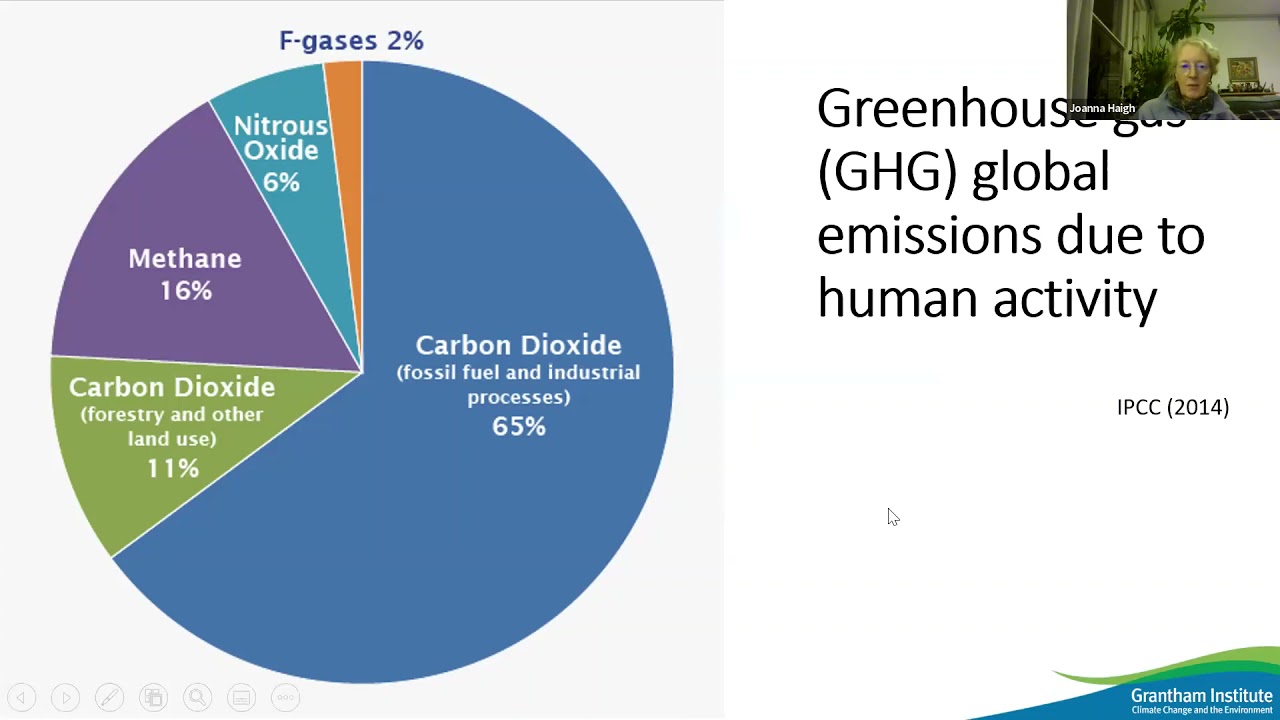
The greenhouse effect and how human-induced emissions alter the thermal balance within the troposphere.
Advanced atmospheric and space science topics, such as ionospheric radio propagation, auroras in the thermosphere, and the definition of the Karman line.
Aerodynamics and aviation science, exploring how changes in atmospheric density affect aircraft performance and space shuttle re-entry.
165.9K views668likes4:46Original Release: 2019-11-19
the earth is surrounded by a protective atmosphere it keeps our earth warm and protects us from comets and meteors this atmosphere can be divided into four individuals layers separated by changes in air temperatures these layers are the troposphere the stratosphere the mesosphere and the thermosphere welcome to moomoomath and science and the layers of the atmosphere along with the temperature and atmospheric pressure the troposphere is composed of 78% nitrogen 21% oxygen and 1% other gases including argon it is a layer where we live and it's a layer in which weather occurs the atmosphere in the troposphere presses down with a great deal of pressure each day but many times we don't even notice this in fact this coat can is crushed by our atmosphere as you go upward in the troposphere the temperature drops this is called the lapse rate and the temperature drops three degrees Fahrenheit for every 1,000 feet in elevation for example in my state Augusta with an elevation of 136 feet has an average high temperature of 77 degrees and Blairsville is over 3,000 feet in elevation and has an average high temperature of 68 degrees the troposphere extends from the ground about 10 kilometers this is equal to 25 laps around a track at the very top of the troposphere temperatures drop to around negative 50 degrees Celsius this begins our next layer called the stratosphere the ozone layer is found in the stratosphere the ozone layer protects us from ultraviolet light rays given off from the Sun and as you get higher in the stratosphere the temperature actually gets warmer this is because of the ozone layer absorbs ultraviolet rays and warms up the stratosphere at 50 kilometres above the earth we move to the next layer called the mesosphere the mesosphere gets colder as you go up in fact it is the coldest layer you can have temperatures as low as negative 90 degrees Celsius this mesosphere protects the earth from space junk because of the ice crystals burn up the Spade space jump as it moves and extends to about 80 kilometers high and finally you have the thermosphere this is very hot in fact it's the hottest layer and you can have temperatures between 500 and 1500 degrees Celsius at the very top two additional layers our atmosphere our the ionosphere which is full of electronically electrically charged atoms and is the home of the northern and southern lights and it also reflects back radio waves the exosphere is the outermost layer of our atmosphere and stretches almost 10,000 kilometers into space it is composed of helium and several heavier molecules including nitrogen oxygen and carbon dioxide but they're spread very far apart it is also home to the satellite each layer is classified according to temperature as you gain elevation in the troposphere the temperature actually drops the temperatures range is from around 15 degrees Celsius to negative 45 to 50 degrees Celsius at the top the temperature of the stratosphere actually gets warmer with elevation and ranges from minus 45 to 50 degrees Celsius at the bottom to zero degrees Celsius at the top the mesosphere is similar to the troposphere and the temperature decreases with elevation the temperature ranges from zero degrees Celsius to negative ninety degrees Celsius at the top and finally the thermosphere actually gets warmed with elevation the temperature ranges from negative ninety degrees at the bottom to over fifteen hundred degrees at the very very top also as you move from the troposphere to thermosphere in other words to get higher in elevation the atmospheric pressure decreases so as you go up in elevation the atmospheric pressure decreases and as you go down in elevation the atmospheric pressure increases in fact in 2002 Felix Baumgartner completed a freefall parachute jump from the stratosphere and during this jump he reached speeds of over 8,800 miles an hour and even broke the sound barrier he was able to reach these speeds because atmosphere was so thin that there was very little friction to slow them down if you'd like to know more about the atmospheric layers this playlist will help hennas always thanks for watching and moomoomath uploads a new math and science video every day please subscribe and share you
Up Next

9:29
Chapman Cycle: Stratospheric Ozone Formation & UV Protection
@everydaychemistrySMC
10.3K views•2020-09-23

12:54
Triumph of Orthodoxy Icon: Byzantine Art & History Explained
@BenCallan
2.1K views•2024-08-06

9:49
FastAPI vs Flask vs Django: Choosing the Right Python Web Framework
@TechWithTim
302.5K views•2024-05-26

1:42
Game of Thrones Opening Credits: A Cinematic Analysis
@gameofthrones
46.3M views•2011-04-18
Related Study Plans & Knowledge Roadmaps
Structured learning paths in General & Interdisciplinary Studies
general-studies
Elevator Engineering: History, Physics & Cities
01From Hoists to Safety Brakes: The Dawn of Vertical Lift
02Hydraulic vs. Traction: The Engineering Physics of Elevators
03Modern Speed, Safety, and Algorithms
+ 2 more learning modules
12h5 modules
Explore Roadmap
general-studies
Rubber: Material Science, History & Geopolitics
01Origins of Natural Rubber & Mesoamerican History
02The Chemistry of Natural Rubber & Vulcanization
03The Geopolitics of the Rubber Boom & Colonization
+ 2 more learning modules
12h5 modules
Explore Roadmap
general-studies
Containerization: Evolution, Logistics & Trade
01Ancient Trade & Bulk Cargo: Amphorae to Barrels
02The Industrial Revolution & Cardboard Packaging
03The Containerization Revolution: Malcom McLean
+ 2 more learning modules
12h5 modules
Explore Roadmap
general-studies
Textile Tech: Evolution, Labor & Global Impact
01Pre-Industrial Textiles: Handloom & Cottage Industry
02Mechanization: The Spinning Jenny to the Power Loom
03The Factory System & Global Labor Transformation
+ 2 more learning modules
10h5 modules
Explore Roadmap