







![ବାୟୁମଣ୍ଡଳ ର ବିଭିନ୍ନ ସ୍ଥର। Layers od atmosphere [in ODIA] | troposphere, stratosphere | Bayumandala](https://i.ytimg.com/vi_webp/2khT5ilNg9Q/maxresdefault.webp)



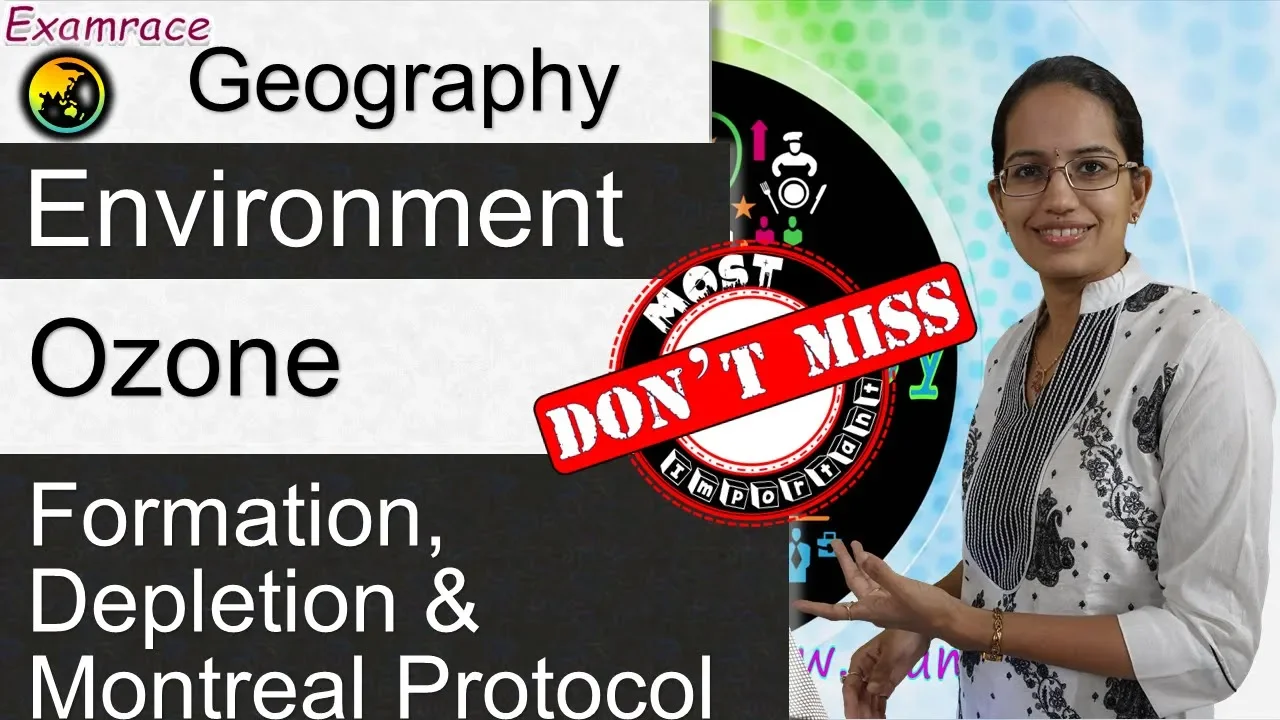








The Chapman Cycle describes the natural daily cycle of ozone formation and destruction in Earth's stratosphere, where oxygen molecules (O₂) absorb ultraviolet radiation and split into oxygen atoms, which then combine with other O₂ molecules to form ozone (O₃); this ozone subsequently absorbs UV radiation and breaks down back into oxygen, creating a steady-state system where approximately 3×10⁸ tons of ozone are continuously created and destroyed each day, protecting Earth from harmful UV radiation by absorbing UVC completely and UVB primarily in the stratosphere above 30,000 feet.
Chapman Cycle: Stratospheric Ozone Formation & UV Protection
Added:Understanding the electromagnetic spectrum, specifically the differing wavelengths and energy levels of UV-A, UV-B, and UV-C radiation.
Basic photochemistry principles, particularly how molecules absorb light energy (photons) to undergo photodissociation.
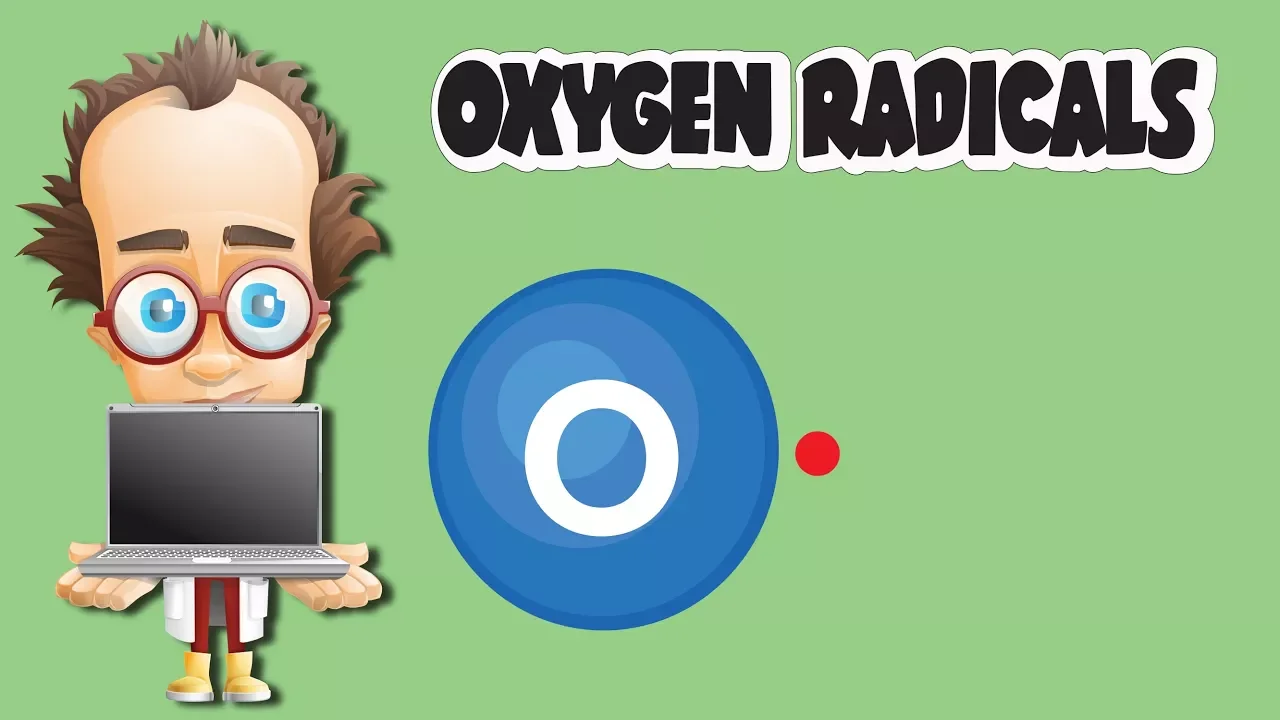
The chemical differences between oxygen allotropes, specifically diatomic oxygen (O2), ozone (O3), and highly reactive free oxygen radicals (O).
The basic structure of Earth's atmosphere, particularly the altitude and characteristics of the troposphere and stratosphere.
Catalytic ozone depletion cycles involving chlorine and bromine radicals derived from chlorofluorocarbons (CFCs).
The unique chemistry of the Antarctic ozone hole, including the role of polar stratospheric clouds (PSCs) and extreme cold temperatures.
The contrast between stratospheric ozone ('good ozone') and tropospheric ozone ('bad ozone' or photochemical smog).
The history and global impact of the Montreal Protocol as a successful international treaty to protect the ozone layer.
10.3K views127likes9:29Original Release: 2020-09-23
so quick review of radiation from the sun so the sun sends energy out to the universe and when it reaches earth the sunlight during the day is a mixture of visible light that we can see infrared that's heat and ultraviolet or uv so you can see from this graph that we looked at last time the majority or a little over 50 is infrared heat ir there's also visible light 39 both of those are harmless uv however which is eight percent is harmful to living organisms based on exposure uv energy is something we need to protect ourselves from but we're lucky because earth's atmosphere takes care of the majority of protection so we can break down uv into uva uvb and uvc uvc is the highest energy and that's the most dangerous uvc can break bonds in molecules pretty quickly and a long-term exposure to uva and uvb can break bonds and molecules but uvc is instant so uvc can have some beneficial effects by killing things that we don't want like coronavirus we are lucky that we have the ozone layer in the stratosphere that is above 30 000 feet we don't go there it's a layer that has a maximum amount of ozone and it completely absorbs all of the uvc coming from the sun and doesn't allow us to be exposed to it down here on earth it's not just us but all living things the other forms of uv are lower energy that's uva and uvb for which you do need to protect yourselves from uva fortunately is the lowest energy of the uvs and that's the most that we receive and you can protect yourself from uva and from uvb there's some uvb that that penetrates down into the atmosphere but mostly we're getting uva and you can protect yourself depending on the amount of melanin you have in your skin staying in indoors or shade is also a way of protection um wearing clothes sunscreen sunblock hat sunglasses all those things are needed when you're outside and exposed to uva and uvb ozone in the stratosphere forms in the presence of sunlight so that's energy sunlight energy provided during the day creates ozone up there in the stratosphere every single day ozone is created and destroyed from oxygen so what this cycle shows us is the process starting with o2 this is oxygen this is oxygen gas and this is up there in the stratosphere okay and this pretty much stays up there so the chapman cycle represents the set of natural reactions in the formation of ozone in which ozone is formed and also decomposes oxygen gas in the presence of sunlight and this is sunlight that provides uv okay so sunlight that provides uv causes the oxygen molecule to break apart into two oxygen atoms and this is 2o and there's other oxygen atoms around there's other oxygen molecules around it's not only a single o2 and or and two individual oxygen there's millions of oxygens and millions of oxygen atoms around up there in the stratosphere going through these reactions so take one of those individual oxygen atoms here and it combines with a different oxygen molecule a different o2 this combination of o and o2 gives us this o3 that we know of as ozone okay so this is ozone that's formed this is up there in the stratosphere and this ozone is up there until it gets hit by another bit of uv and this uv does the opposite and this destroys or breaks down ozone so this is ozone decomposition that also happens in the presence of uv energy so this is a cycle that forms ozone and also breaks down ozone into oxygen and then this oxygen can go there and start again that's the cycle ozone also can get can be broken down when it combines with an oxygen atom okay so this ozone uh can combine with an oxygen atom and break apart into two oxygen molecules and so overall this is what's called a steady state condition that the ozone that's made is broken down and then it's made again these chemical reactions all are occurring in the stratosphere every single day three times ten to the eight tons of ozone are created and then the same 3 times 10 to the 8th tons are also destroyed or decomposed okay and this is a dynamic system it's in balance there is no net change of ozone or oxygen in this process so how do ozone and oxygen in the stratosphere protect earth and everything on earth from uv let's look at this in a different light or a different way ozone and oxygen i'm going to write oxygen has this oxygen with a double bond to another oxygen atom so this is o2 and this is the showing the two atoms with the bond and it happens to be double two bonds uh between the two atoms this is ozone o3 is an oxygen molecule with two oxygens a double bond and then a single bond to the third oxygen okay so this is o2 and this is o3 so what happens is that these uv photons are not quite the same as these uv photons so these uv photons are a lower wavelength this is compared to these uv photons that are a higher wavelength 242 compared to 320 okay so a lower wavelength is inversely proportional to energy so this is a higher energy and a higher wavelength is also inversely proportional to energy this is a lower energy okay in terms of uv a b and c the highest energy is uv c and a lower energy uv from uvc is uvb okay so what happens changing colors is that this uv b is a lower energy and this lower energy uvb can break that single bond easily okay so it can easily break the single bond think of it like breaking a board if you have to break one board a little bit of energy but this uv c can break a double bond why because it has more energy so think of it like breaking two boards you're going to need more energy okay and the uvc can break this oxygen molecule apart and the uvc can also break a single bond so this is the single bond here the double bond here this is uv c can break this double bond in the ozone and uv c could also break this single bond but it can be taken care of by uvb as well okay because breaking a double bond means there's a high amount of energy can do the double can also do that uv c is completely uvc is absorbed by ozone in the stratosphere and this is by ozone and also by oxygen okay how is it absorbed by basically breaking the bonds in ozone and oxygen and it breaks those bonds and then doesn't reach earth because the energy has been put into these molecules uvb is mostly absorbed and this is mostly absorbed specifically by ozone and this is all going on in the stratosphere all before it hits us on earth more than 30 000 feet up all of this ozone and oxygen is doing the work of taking up the energy that is the uv that would be hitting us and it doesn't
Up Next
24:57
Thomas Midgley: The Inventor Who Poisoned the World with Lead Gas
@veritasium
41.7M views•2022-04-22

12:54
Triumph of Orthodoxy Icon: Byzantine Art & History Explained
@BenCallan
2.1K views•2024-08-06

9:49
FastAPI vs Flask vs Django: Choosing the Right Python Web Framework
@TechWithTim
302.5K views•2024-05-26

1:42
Game of Thrones Opening Credits: A Cinematic Analysis
@gameofthrones
46.3M views•2011-04-18
Related Study Plans & Knowledge Roadmaps
Structured learning paths in General & Interdisciplinary Studies
general-studies
Elevator Engineering: History, Physics & Cities
01From Hoists to Safety Brakes: The Dawn of Vertical Lift
02Hydraulic vs. Traction: The Engineering Physics of Elevators
03Modern Speed, Safety, and Algorithms
+ 2 more learning modules
12h5 modules
Explore Roadmap
general-studies
Rubber: Material Science, History & Geopolitics
01Origins of Natural Rubber & Mesoamerican History
02The Chemistry of Natural Rubber & Vulcanization
03The Geopolitics of the Rubber Boom & Colonization
+ 2 more learning modules
12h5 modules
Explore Roadmap
general-studies
Containerization: Evolution, Logistics & Trade
01Ancient Trade & Bulk Cargo: Amphorae to Barrels
02The Industrial Revolution & Cardboard Packaging
03The Containerization Revolution: Malcom McLean
+ 2 more learning modules
12h5 modules
Explore Roadmap
general-studies
Textile Tech: Evolution, Labor & Global Impact
01Pre-Industrial Textiles: Handloom & Cottage Industry
02Mechanization: The Spinning Jenny to the Power Loom
03The Factory System & Global Labor Transformation
+ 2 more learning modules
10h5 modules
Explore Roadmap