


![2019 Personality [14]: Psychodynamic Theory 1](https://i.ytimg.com/vi_webp/sHEMDE9X_nA/maxresdefault.webp)






















Research evidence shows that both Cognitive Behavioral Therapy (CBT) and psychodynamic therapy are equally effective in the short term, but psychodynamic therapy demonstrates significantly longer-lasting effects with lower relapse rates (71% vs. 3-4 months average relapse for CBT), making it more suitable for long-term subjective change while CBT is more effective during acute crises when symptoms are overwhelming.
Psychodynamic Therapy vs CBT: Research on Effectiveness
Added:Fundamental tenets of Cognitive Behavioral Therapy (CBT), including the cognitive triad and cognitive restructuring.
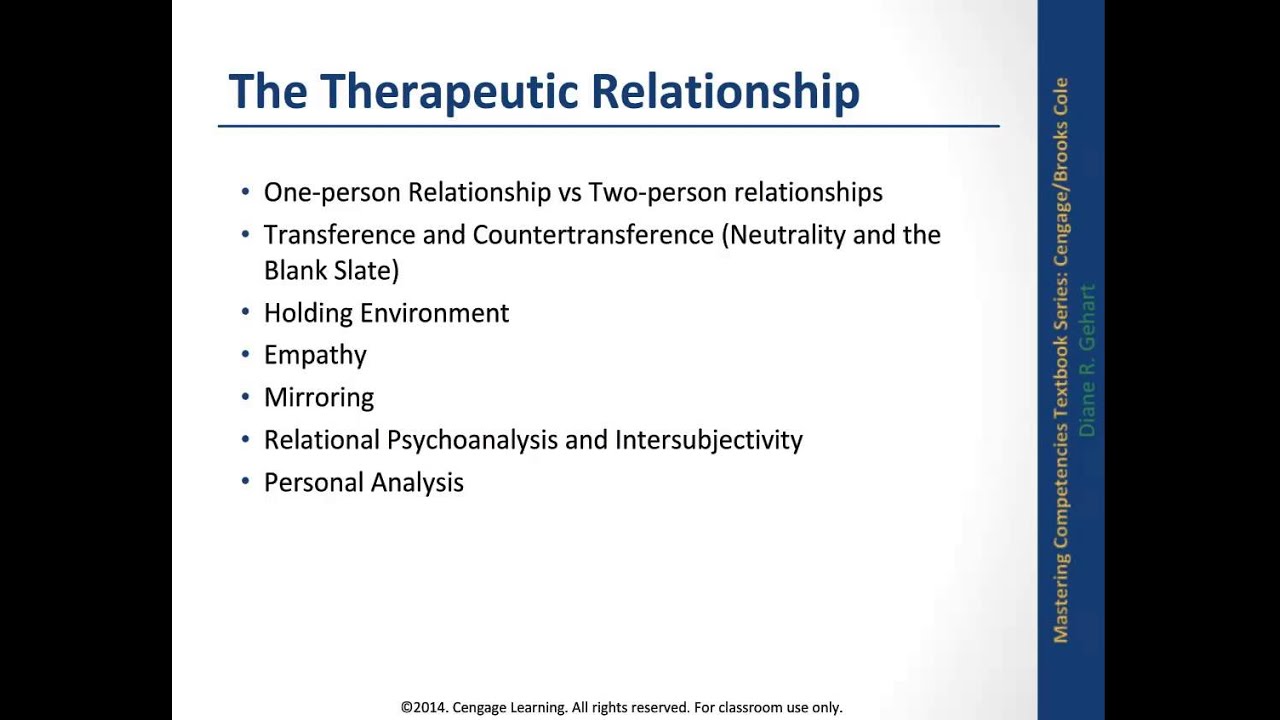
Core concepts of Psychodynamic Theory, such as the role of the unconscious, defense mechanisms, and transference.
Key clinical research terminology, specifically Randomized Controlled Trials (RCTs), meta-analyses, and statistical significance in therapy outcomes.
The distinction between clinical efficacy (success in controlled research settings) and clinical effectiveness (success in real-world clinical practice).
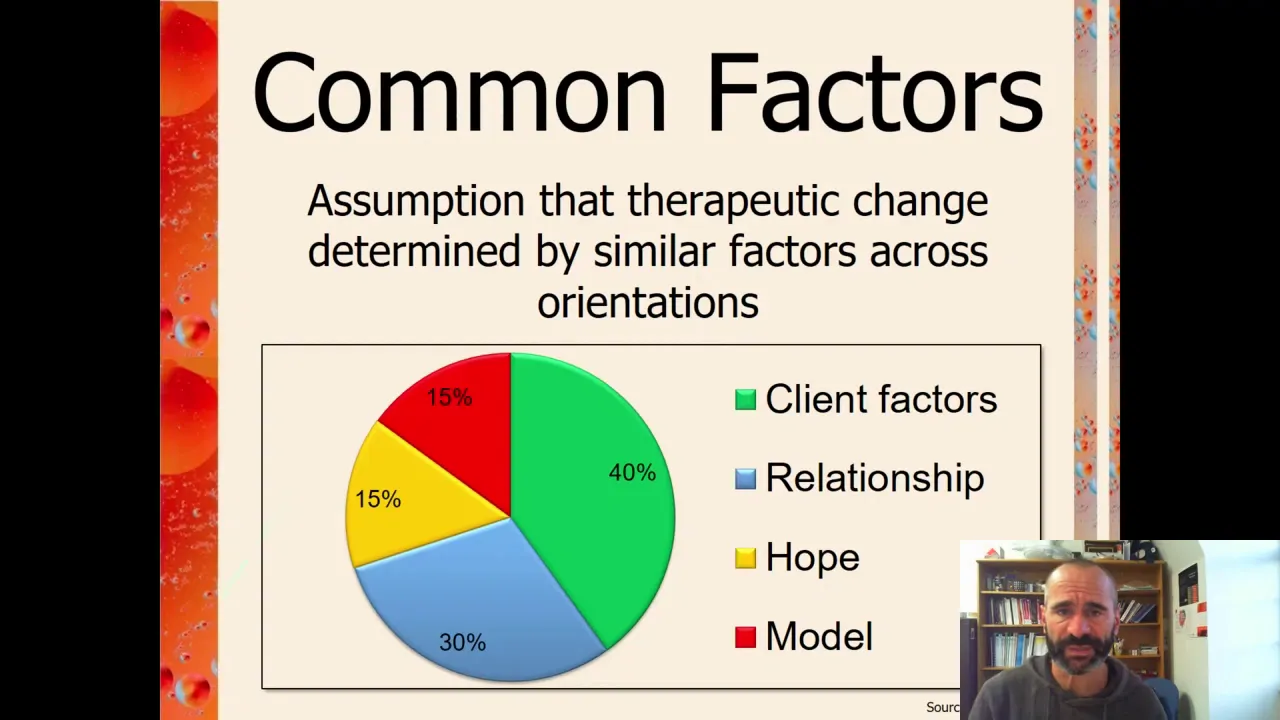
The 'Common Factors' theory (or the Dodo Bird Verdict) in psychotherapy, which posits that shared elements like the therapeutic alliance drive patient improvement across modalities.
Integrative and eclectic psychotherapy models that synthesize tools from both CBT and psychodynamic frameworks to suit individual patient needs.
Indication-specific treatment planning, exploring how distinct psychiatric diagnoses (e.g., OCD, severe personality disorders) respond differentially to each modality.
Process-outcome research, which investigates the specific mechanisms of change and therapeutic techniques that drive successful outcomes during treatment.
3.8K views39likes11:33Original Release: 2024-01-07
CBT cognitive behavioral therapy has become the most popular form of therapy offered by most therapists but is it really the most effective let's see what some research papers say hi welcome to my channel on mental physical health my name is Gabriel patri I'm a consultant psychology and a physician and in this video I will talk about the effectiveness of two of the many types of therapies that are being offered for treatment cognitive behavioral therapy CBT and psychodynamic [Music] therapy I want to be clear that I'm not saying which one is better as I do believe that the different types of therapies that are being offered can work for anyone and I made a video on how to choose a therapist explaining the different types of therapies to choose from that I link below but I do want to debunk the idea that CBT is the most effective form of therapy that is being offered insurance companies that prefer to pay providers as little as possible have created this prevalent myth that short-term evidence-based therapies like CBT or DBT will cure depression in 5 20 therapy sessions or that EMDR will resolve all trauma symptoms in 6 12 therapy sessions so let's start by comparing the approach that CBT and psycho Dynamic have CBT is based on the idea that our thoughts emotions and behaviors are interconnected it focuses on identifying and changeing distorted or UNH helpful thought patterns that contribute to emotional distress and maladapted behaviors that we can control our thoughts CBT has its origins in cognitive psychology and behaviorism CBT therapists use techniques such as cognitive restructuring changing negative thought patterns behavioral experiments testing beliefs through actions exposal therapy confronting fears in a controll manner and skills training to teach coping strategies the goal of CBT is to help individuals develop more adapted thought patterns and behaviors by learning to challenge and change negative thoughts individuals can alleviate emotional distress and improve their functioning CBT is often more time limited than psychodynamic therapy and can range from a few sessions to several months depending on the specific issue being add addressed psychodynamic therapy is rooted on the belief that is is the unconscious that shapes an individual thoughts emotions and behaviors the primary focus on psychodynamic is on exploring the unconscious mind and bringing hidden conflicts and motivations into conscious awareness this is often done through free association encouraging the patient to speak whatever comes to mind dream analysis and examining transference and resistance the approach has its roots in frodan psychoanalysis but psychoanalysis has evolve over time to incorporate various theories and techniques it typically involves long longterm therapy with the goal of delving deep into the individual's past to uncovering conscious patterns and influences it includes free association expressing thoughts without censorship dream analysis interpreting the signifier and symbolism in dreams and interpretation by the therapist to bring unconscious content to light the goal of psychodynamic and psychoanalysis to help the individuals to articulate the truth about their desires being able able to accept their repress truth about themselves and to confront the elementary coordinates then let loocks of their desires for subjective change to happen Okay so what does research say about the two theoretical orientations in 2010 the independent Crain database of systematic reviews perform a metaanalysis of 23 randomized control trials rcts covering more than 1, 400 patients psychodynamic Psychotherapy farewell in the short term when measured 9 months later after treatment ended Improvement was even more notable still this is significant because the most most of the research studies on evidence-based treatments access short-term protocols that typically last 8 10 weeks and the outcome of efficiency of the treatment is measured only once on the last day of study one of the strongest studies to date is a metaanalysis that pitted psychodynamic treatment head-to-head against the prevailing favorites namely CBT and medication in 2017 Christian stainer of the University of Jen in Germany and colleagues conducted a meta analysis of 23 randomized control trials 21 of which Compares psychon dnamic therapy with CBT and two comp prare psychodynamic therapy with medication stainer wanted to use randomized control trials to make this study as acceptable to the evidence-based folks as possible the patients who were study had a variety of symptoms including depression anxiety eating disorders and addictions making them a realistic group of subjects as possible most important stainer control for researcher Allegiance bias by putting together a team that including those who align with CBT and those who align with psychodynamic therapy yes researchers have their own preferences it should be noted that researcher Allegiance which can easily lead to confirmation bias is a significant problem within the field and one of the concerning problems with the evidence-base holding up the CBT Orthodoxy in fact according to authors of a 2018 paper on the need for diversity in psychotherapy research or Allegiance can have a major impact on results and most CBT Studies have a high risk of bias stener's high quality study unambiguously found that psychodynamic therapy is as effective as CBT and or medication another study was done by Huber at all from the University of Munich comparing effectiveness of CBT therapy with psychoanalysis and psychodynamic therapy with depressed patients patients were compare at pre and post treatment and three-year followup what they concluded is that psychoanalytic therapy shows significantly longer lasting effects compared to cognitive behavioral therapy 3 years after termination of treatment what is this telling us that because CBT like medication focuses on symptoms on the anxiety on the depression those are symptoms it works well with like medication on helping the individual managing or tolerating the symptoms but there is no subjective change the individual manages the symptoms but they never go away and they can return with each Trigger or challenge psychoanalysis and Psych dnamic therapy on the other hand try to help the individual explore their true desires that are being repressed avoided not recognized by the individual the symptom is a message of a conflicting repressed desire the symptom is a signifier it has a meaning that is being ignored by the individual numerous Studies have shown that CBT and psychoanalytic psychodynamic treatments are equally successful over the first few months therapy the problem though is that CBT results often don't last the average time to relapse is 3 4 months and overall relapse rates are as high as 71% by one year so people see a therapist in a few sessions they feel better because of suggestion and later in time they might feel the same way seeing a therapist only when their symptoms are out of control according to American psychologists Jonathan shelder whatever benefits short-term therapies provide they are shortlived Andor endure the majority of patients who receive CBT seek treatment again within 6 to 12 months for the same condition to conclude we must change the Paradigm promoted mainly by insurance companies over simplifying mental health making us believe that mental suffering has an easy and quick solution that all we have to do is fellow steps a b and c and voila all suffering will disappear if that was true all we have to do is follow the instructions in any self-help book but reality is that each individual is unique singular human beings are very complex they are ambivalent especially with interrelationships and they think that they want one thing when actually they want the opposite creating a a conflict with their true desires perhaps then we can say that when the symptom is overwhelming when it paralyzes and takes over the whole of the individual that is when CBT is more effective as it is difficult to reflect and Associate when there is a crisis that is when the therapist has to be more supportive and even conductive directing the individual to overcome the harm inflicted of the themselves but once the symptom is no longer overwhelming that is when what many call Deep psychology is more effective a therapy that wants to explore the unconscious meaning Associated to that symptom for long-standing subjective change to happen this takes time and patience when a patient sees a therapist the oce come with demands one of those demands is take my suffering away now as therapist it is her ethical obligation to let them know that unlike medicine there is no magical drug that can do that that we have to work together with patience that is why I prefer using the word patient than client because we all have to be patient and a therapist is not really selling a product if you like this video and found it helpful hit the like button and subscribe to my channel till next time
Up Next
33:57
Psychotherapy Research & Integration: John Norcross Interview
@psychotherapyexperttalks4832
16.2K views•2016-04-14

68:32
Cognitive Skills for Differentiated Instruction | Teacher PD
@BrainWareLearning
631 views•2017-12-17

9:55
Thinking, Fast and Slow: Daniel Kahneman Animated Book Summary
@FightMediocrity
2.3M views•2015-06-05

6:40
The Nocebo Effect: How Beliefs Can Cause Real Harm
@CGPGrey
10.4M views•2013-12-23
Related Study Plans & Knowledge Roadmaps
Structured learning paths in Psychology
psychology
Neuroscience of Creativity: Networks & Training
01Foundations of Creative Cognition
02The Cognitive Neuroscience of Insight & Fixation
03The Triple Network Model of Creativity
+ 1 more learning modules
15h4 modules
Explore Roadmap
psychology
Imposter Syndrome: Etiology & CBT Framework
01Defining the Imposter Phenomenon
02Socio-Developmental Etiologies
03CBT Fundamentals & Thought Distortions
+ 2 more learning modules
15h5 modules
Explore Roadmap
psychology
Adult ADHD: Executive Dysfunction & Scaffolding
01Neurobiology of the ADHD Brain
02The Core Triad of Executive Deficits
03Executive Dysfunction and Emotional Regulation
+ 2 more learning modules
12h5 modules
Explore Roadmap
psychology
Loneliness: Evolution, Neurobiology & CBT
01Evolutionary Origins of Human Connection and Loneliness
02The Neurobiology and Physiology of Chronic Loneliness
03Maladaptive Social Cognition: The Psychological Loop
+ 2 more learning modules
12h5 modules
Explore Roadmap