![[Introduction to Computer Vision] 2. Image Formation (1)](https://i.ytimg.com/vi_webp/wj-LdU92Wv8/maxresdefault.webp)


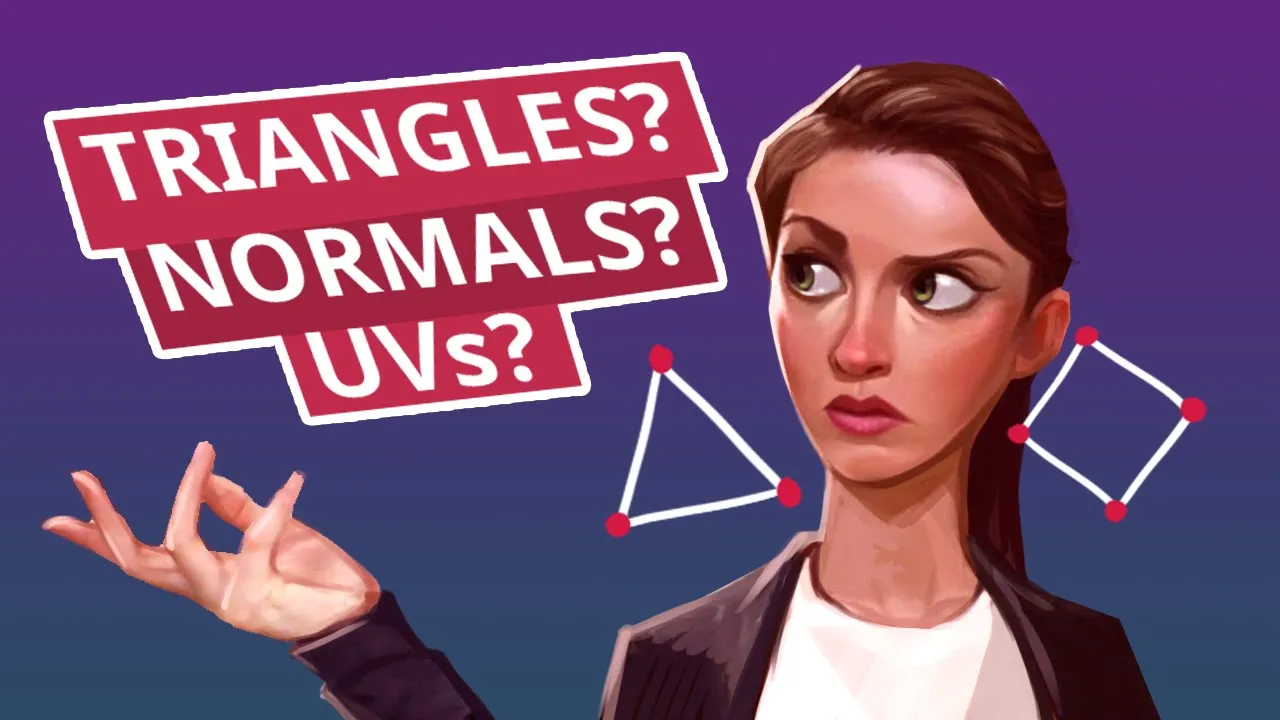
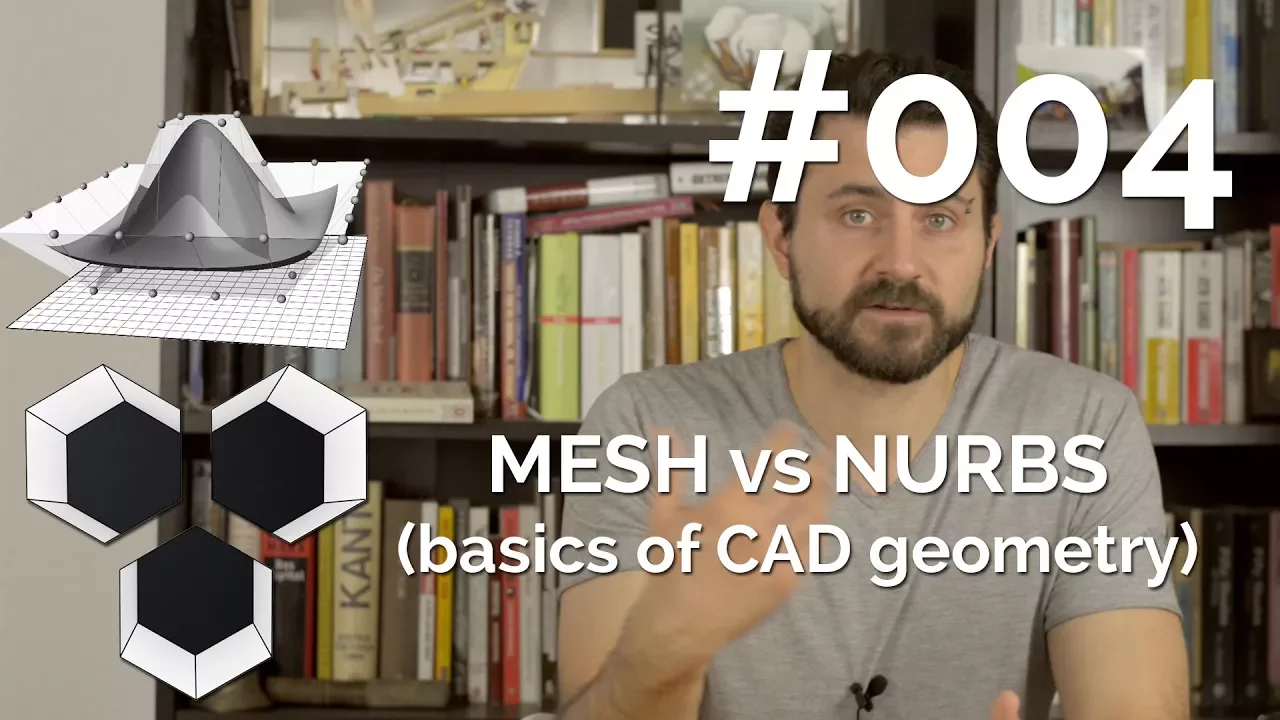


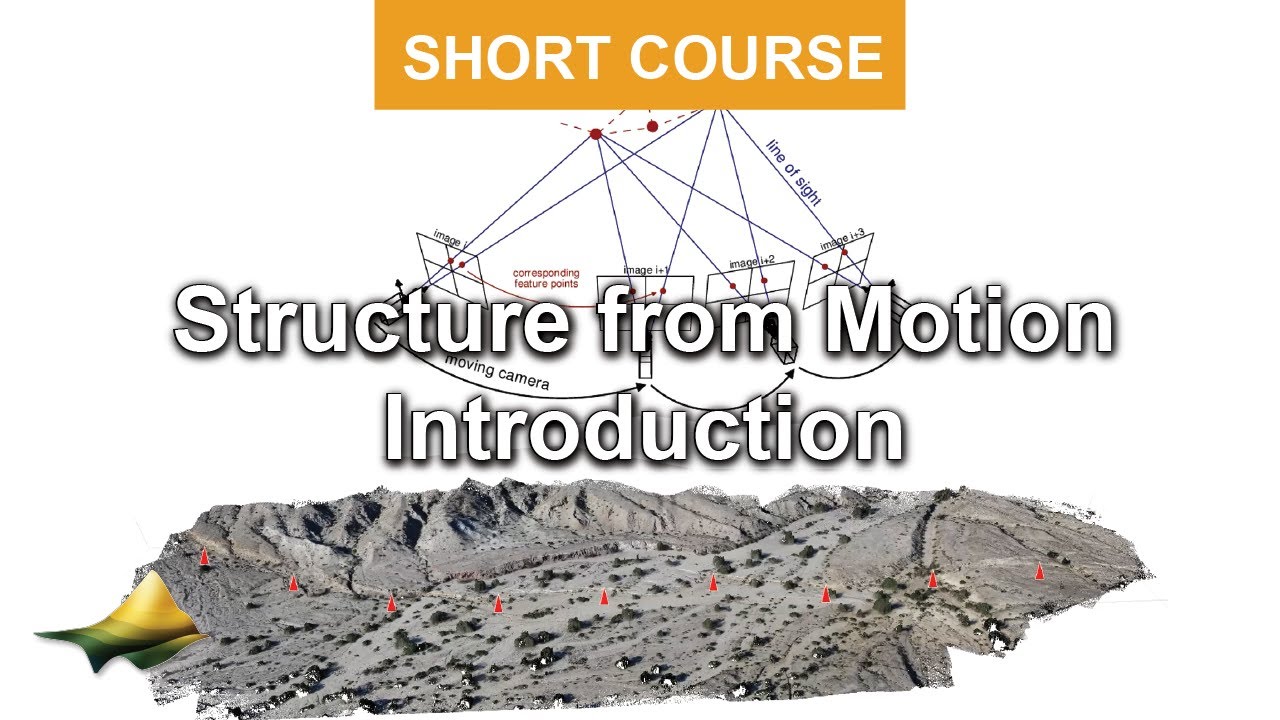


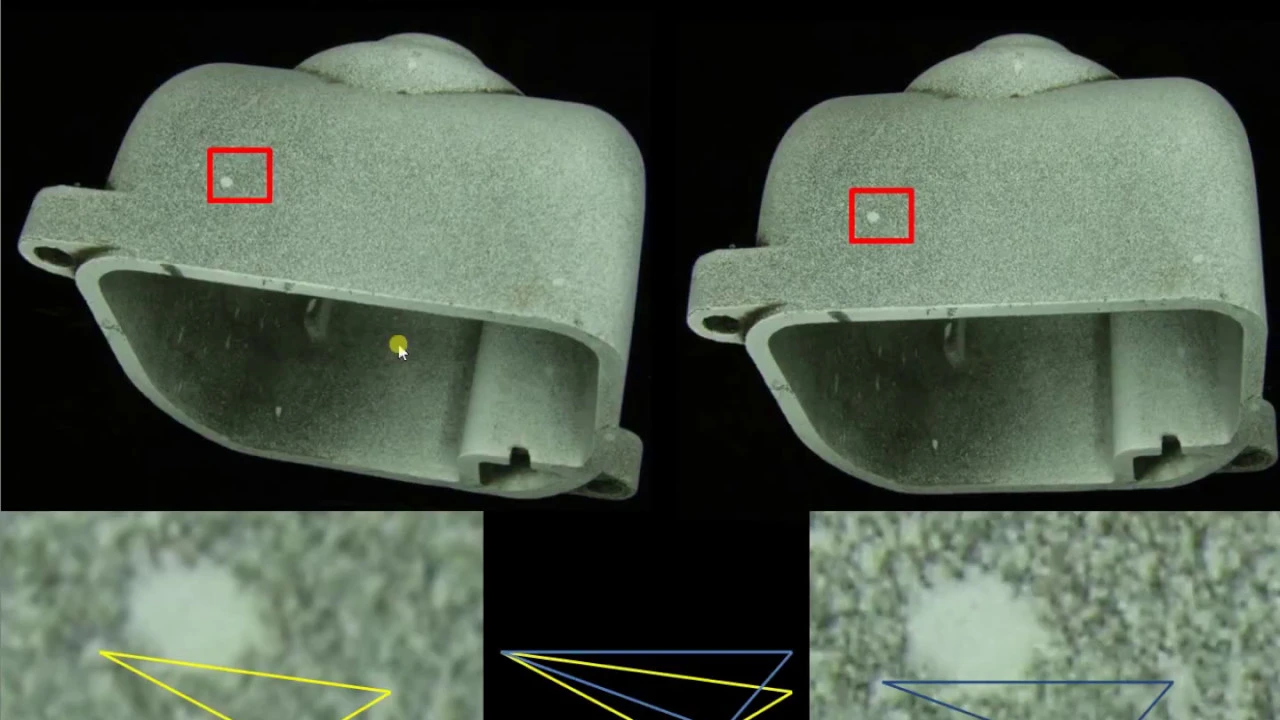






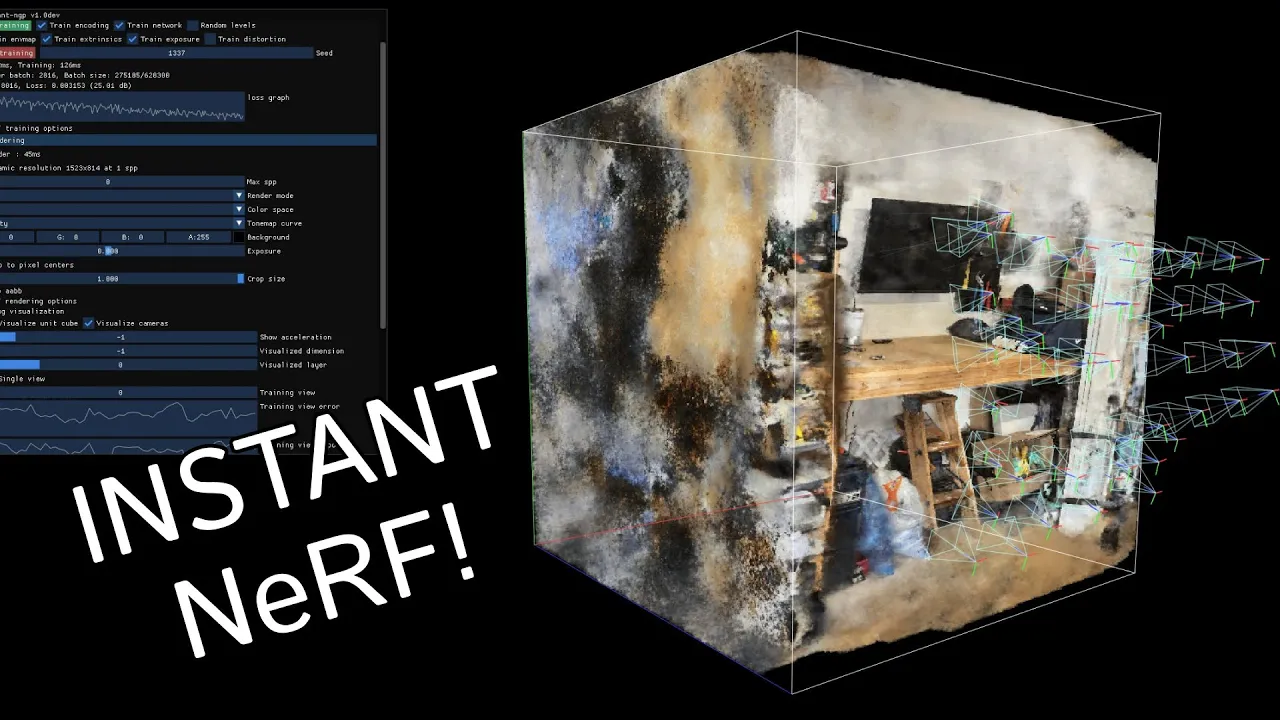






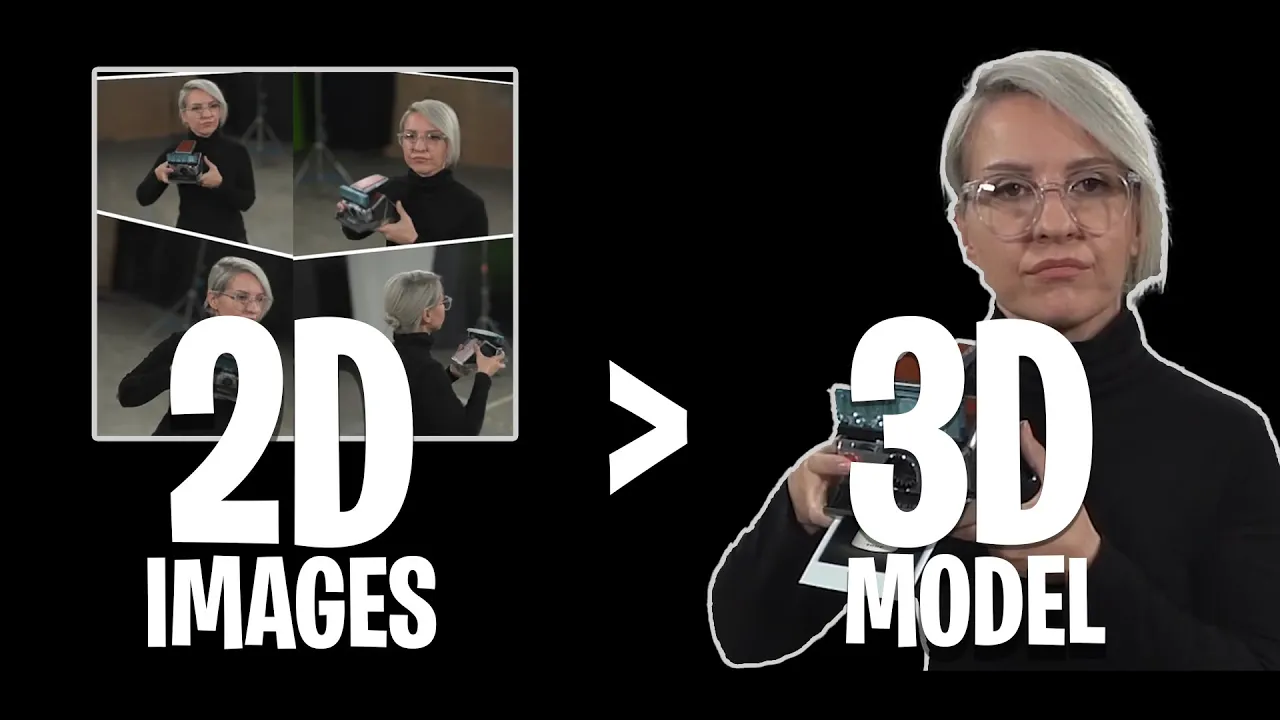


NeRF (Neural Radiance Fields) is a volumetric representation that captures radiance fields including background, perspective, reflectance, and specularity without requiring manual processing, while photogrammetry creates mesh-based representations using triangles with textures mapped onto them; NeRF focuses on making scenes look correct to the viewer without caring about geometric accuracy, whereas photogrammetry attempts to place objects in their correct 3D positions, making NeRF better for backgrounds and photogrammetry better for interactive objects in XR applications.
Photogrammetry vs NeRF: Key Differences in 3D Reconstruction Explained
Added:Fundamental concepts of computer vision, specifically how 2D images are projected from 3D space (camera intrinsics and extrinsics).
The basics of traditional 3D graphics representations, particularly polygon meshes, vertices, and texture mapping.
Core principles of Photogrammetry, such as Structure from Motion (SfM) and point cloud generation.
An introductory understanding of machine learning and neural networks, particularly how they function as continuous function approximators.
Advanced neural rendering techniques, such as 3D Gaussian Splatting, which offer faster real-time rendering alternatives.
Pipeline integration of NeRF and photogrammetry assets into game engines like Unreal Engine and Unity for XR (VR/AR) applications.
Methods for dynamic NeRFs (handling moving objects and temporal changes in a 3D scene rather than static environments).
Hybrid reconstruction workflows that combine the structural accuracy of photogrammetry with the view-dependent volumetric effects of NeRFs.
410 views5likes4:56Original Release: 2023-04-08
awesome great um so Jonathan as you mentioned um uh before nerves there were different methods of photogrammetry even Apple has some efforts in this field with reality capture what do you think is um the main difference between nerves and photogrammetry okay so that's uh that's a really good question and I I wouldn't like to describe this more D in more detail in some videos but I think what early on I keep seeing when people I've been posting Nerfs were this is only useful once I'm able to get a mesh out of it and they are missing the fact that a Nerf is never a mesh it's it's a Radiance field it's a volumetric representation versus a photogram tree is creating uh if I want to describe this this room it's a bunch of triangles and then you then you map some textures on those triangles and in what you're doing in photogrammetry is you are figuring out you're triangulating surface points and then you're turning them to a bunch of optimized triangles to describe something and so it's just inherently different versus everything in this room even the blank space is a cube of something maybe there's a cube with no no Radiance no color no light nothing but it's something in the model that's not with photogrammetry and the limitation photogrammetry is you need Parallax you need which you already need and you also need a nurse but you you need to like model a room you're only going to capture what you got a lot of coverage at different angles of um or I think outside versus a Nerf it gets like everything gets the background it gets perspective it gets there's no textures it's it's those radiances so reflectance and specularity they're all you don't have to manually do any of that it's just trained into this representation however a mesh is right now is much more useful in in let's say creating a video game creating a XR experience where you know people you want to interact with an object there's not really like a defined object in Nerf because everything is an object you could say every little point in space becomes a little object so you can't just like pick up a vase as a Nerf but you could blend the two because now we're seeing them in in um you're starting to see Nerfs in like Unreal Engine you could Nerf the woods or you know like a forest or a beach or something like that as your backdrop scene and then you could put in photogrammetry Triangle meshes that you want to interact with but now I haven't had to you know you didn't have to you I think of video games you end up with like a sky sphere you like this little you're like a sphere you're inside of and then they've mapped that the scene to the back of the sphere to make you feel like you're in somewhere you're somewhere well imagine if that Sky sphere had Parallax movement Reflections all the things that you get in real world outside that you kind of Miss um when you do just like a static image so you're able to kind of blend the two but yeah they're different and and a Nerf doesn't care about at least early on Nurse it doesn't care about where an object really is in space it's just trying to figure out what it looks like approximately so for example if I were to look at a building in fact I've done I have an example this I had a building I nerfed and there was clouds overhanging the building and I only saw the building from the front and so then I took like almost a halfway turn I'm almost looking from the side and then the Nerf the clouds are actually in front of the building but we know they're actually way up behind it in the sky but to an to a to the Nerf it doesn't know where those clouds are but it knows how to describe what they look like from the front of the building so it doesn't matter where they are in in space they could be anywhere as long as there's clouds there and approximately where they would look like in real life it doesn't matter it's all an illusion um versus like photogrammetry it's going to do its best to actually place that object in the right place in 3D space um so but as nurses have also evolved also evolve they're able you're able to say things like hey I'm nerfing buildings it could have a Nerf model that's specifically for outdoor buildings and say everything in Sky should be really far away so they could start to say in the model put things back behind it to help it but still it's it's they don't care they don't it doesn't really care where those clouds are as long as it looks right so this substitute for differences is photograph she's really trying to get like accurate geometry and describe it in triangles and other ones just saying I'm trying to make it look correct to you I don't care if it's correct just to look right so those are like the inherent differences just how data stored and how it's trying to render it in front of your face
Up Next

20:13
Neural Radiance Fields (NeRF) Explained | 3D Scene Reconstruction
@AladdinPersson
44.2K views•2022-07-14

87:26
Introduction to Secure Multiparty Computation with Yehuda Lindell
@fhe_org
7.7K views•2021-02-04

4:55
HTTP Requests Explained: GET, POST, PUT, DELETE
@codecademy
103.1K views•2021-10-07
19:25
Enigma Machine Mechanics: WWII Encryption Explained
@JaredOwen
13.2M views•2021-12-11
Related Study Plans & Knowledge Roadmaps
Structured learning paths in Computer Science
computer-science
Container Runtimes: Namespaces, Cgroups & Go
01Linux Systems & Go Programming Foundations
02The Core of Isolation: Chroot and Filesystems
03Linux Namespaces: Process Isolation
+ 3 more learning modules
32h6 modules
Explore Roadmap
computer-science
Building a CHIP-8 Emulator: Rust & CPU Basics
01Computer Architecture Foundations (Bits & Bytes)
02Rust Programming for Systems Development
03CHIP-8 Virtual Hardware Specifications
+ 2 more learning modules
32h5 modules
Explore Roadmap
computer-science
Building BitTorrent: Go, P2P & Concurrency
01Go Fundamentals & Concurrency
02Networking Foundations & P2P Architecture
03Bencode Parsing & Torrent Metadata
+ 3 more learning modules
26h6 modules
Explore Roadmap
computer-science
Actor Models (C++ Concurrency & Lock-Free)
01C++ Multi-Threading Foundations
02Thread Pools and Task Scheduling
03Atomics and Lock-Free Queue Design
+ 3 more learning modules
45h6 modules
Explore Roadmap