



































Competitive sports, while providing entertainment and community, can instill a competitive mindset that prioritizes personal superiority over cooperation, potentially leading to negative character traits such as pride, revenge, and a 'you versus me' mentality that conflicts with Christian values of humility and service.
The Psychology of Competition in Modern Sports Culture
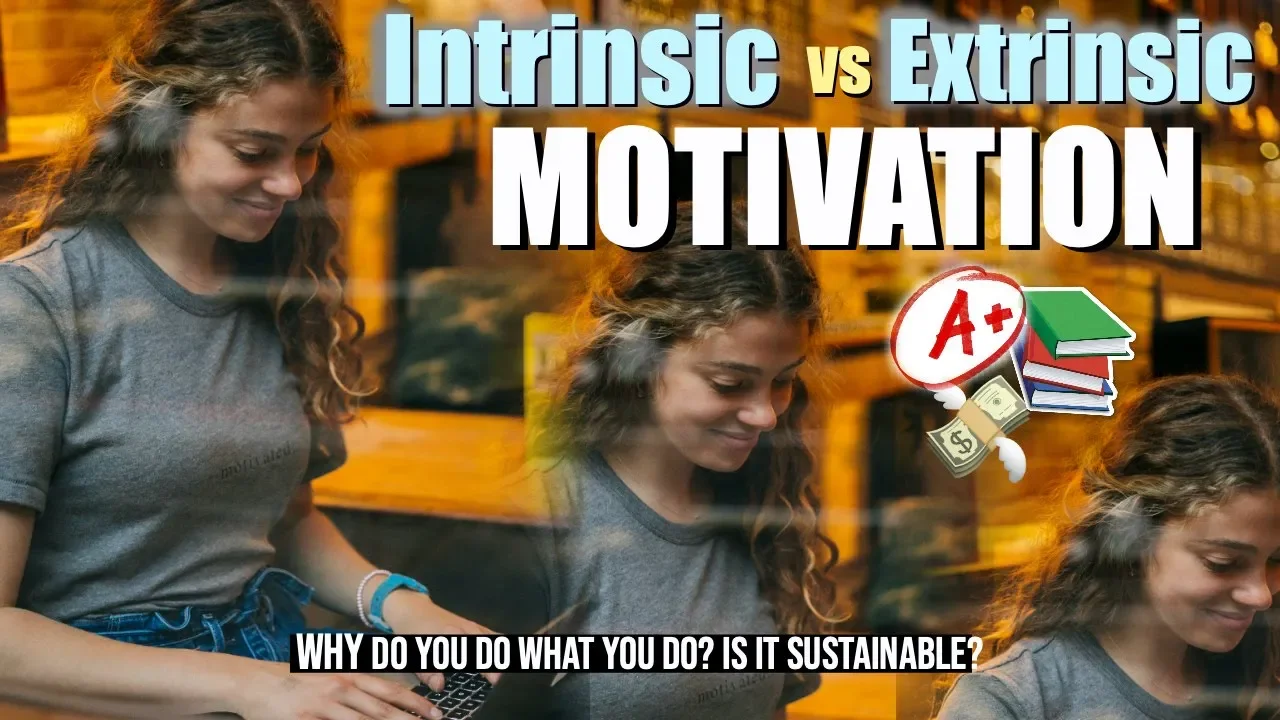
Added:Basic concepts of motivation theory, specifically the distinction between intrinsic motivation (internal drive) and extrinsic motivation (external rewards).
Social Comparison Theory, which explains how individuals evaluate their own worth and abilities in relation to others.
The fundamentals of sport sociology, particularly how sports act as a socialization agent that transmits societal values and norms.
Core psychological concepts of the self, including self-esteem, self-efficacy, and identity formation during development.
The psychological phenomenon of 'athlete burnout' and the mental health challenges associated with elite-level sports pressure.
Applied sports ethics, examining the philosophical implications of 'winning at all costs' versus fair play and sportsmanship.
Designing youth athletic programs that prioritize character development, cooperative learning, and psychosocial growth over hyper-competition.
Translating competitive sports psychology to corporate and academic environments, analyzing how 'hustle culture' mirrors athletic pressure.
53.2K views2.8Klikes44:21Original Release: 2023-02-11
touchdown [Applause] The Impossible has happened [Music] [Applause] the greatest of all time [Music] are still the accuracy and the execution and not is the letter I use to spell nudges who live in small caves known as niches for hutches these nudges have troubles the biggest of which is the fact that each nudge once the very best niches each nudge in a niche knows that some other nudge may want to move into his Niche very much so each notch in a niche has to watch that small Niche or nudges who haven't got niches will snitch why won't the Nutri share their niches it's just a story son it's time for bed I have tomorrow off if you want to play some one-on-one can we play a game where we're both on the same team [Music] why would that be fun come on it's time to go to bed [Music] foreign [Music] as a child I often wondered why everything in life needed to be competitive to be fun in the lunchroom the popular kids sat at the front of the table the window seat was a coveted spot the kids were praised for getting the best score in the spelling bee and above all kids competed to be the best in any sports season as an adult my fun was knowing that my desk job could be taken over by the new employee that I was training every day traveling to work seemed like a day in the Indy 500 and I know friends that are divorced now because they found someone better cars Better Homes everything seems to be keeping up for the Joneses as if the Joneses are in competition with us good morning morning good morning where did we learn all this what actions in our lives trained us to think about becoming the greatest among others could it be that the educating in this type of superiority begins in one of the most inconspicuous places the kid is a l seven weenie yeah yeah Oscar Meyer even foot long would often wonder what the big deal was about proving your team was the best it always became a yelling match after recess we would all run down the hall and find the water fountain yeah it was awesome we almost destroyed them tell me Tommy's the game for us all because he dropped the ball it got knocked out of my hand that wasn't the first ball that was knocked out of someone's hand but what was the difference between how he reacted and how a professional athlete reacted sports psychologist Thomas tucko and William Bruns said competition is a learned phenomenon people are not born with the motive to win or be competitive we inherit a potential for a degree of activity and we all have the instinct to survive but the will to win comes through training and the influences of one's family and environment could it be that competitive sports are intrinsically designed to focus our minds on works-based superiority and winning and losing psychologically creates a prideful or revengeful character the Bible says that in heaven little by little Lucifer indulged in the desire for self-exaltation thine heart was lifted up because of thy Beauty thou Hast corrupted thy wisdom by reason of thy brightness and due to his pride Lucifer said in his heart I will exalt my throne above the stars of God I will be like the most high though honored among the Heavenly hosts he ventured to covet homage due only to the Creator in other words the whole reason we are here in this sin-sicken world is because of the spirit and mentality of thinking who is the greatest could it be that this old snake is using the same subtle deception with sports and games to design young impressional Minds to think along the lines of becoming the greatest and could those mannerisms desires traits and tendencies also influence the audience the 1986 World Series Red Sox first baseman Bill Buckner lets an easy ground ball dribble between his legs rolling down the right field line [Applause] it was just a routine feel there but it was a disaster for Boston Red Sox it was the 10th inning and the sixth game of the World Series the game was tied and thanks to Buckner's mistake the runner on third had time to score winning the game for the Mets and forcing a tie-breaking seventh which in the final Innings the Mets also won The Buckner moment ends the game so it has the feeling of finality and Buckner gets not just a disproportionate amount of the blame he gets all the blame but Bill Buckner had no idea how this would impact him and his family the next day the media they asked me how are you going to deal with this the rest of your life and no one is more eager to end this nightmare than the man who had such a prominent role in creating it Red Sox first baseman Bill Buckner this simple baseball game had an enormous psychological effect on its fans and players so I almost sought psychiatric help after that series I was I was you know lying awake at night wondering you know why was it that I was still so upset because it's not just a game your heart isn't it right well I'm from Boston so no matter what you do to Bill Buckner it's not bad enough that's you know it's just you can't overrate what what happened there you know you broke the hearts of people in Six States it was not all his fault but didn't bothering go between my legs between his legs Bill Buckner doing one of these what can I tell you Bill [ __ ] you every time hell is this the type of character that adult sports instills into its fans what are the children learning from one of the most watched games of the year Bill Buckner became the lone symbol of Red Sox futility obviously the New England fans were upset they felt like something got taken away from them and it's almost like they're on the team and you know when the team doesn't win I didn't lose Buckner lost you know point to finger if a game of this highest caliber played by adults instills this type of character into its players it's fans it's media Outlets what could we possibly be teaching our children I think that when you go through something like that you've got to escape some some way in 1993 Bill Buckner moved away from Boston for good but it's not just the players that are on the receiving end of the hysteria that competitive Sports throws people into Steve Bartman was sitting in an innocuously slow game of baseball when a foul ball flew towards him that changed his life forever Steve Bartman apparently deflects the ball it lands at my feet and one of the guys I'm with picks up the ball Pryor immediately turned to the Umpire and pointed at the fan the umpire's all over it Empire right down there ever it's on the play that's awfully close to Fan interference right there if a Lou has to reach into the stands it's fair game for the fans to catch the ball if the fan reaches out over the field then it can be ruled fan interference that is very very close and as soon as that happened the entire dynamic in that Stadium changed as multiple fans raised their hands to catch the ball so did one of the Outfield players foreign obviously he was upset that he didn't get a chance to catch it but he really threw kind of a little temper tantrum you know a little fit [Applause] I was so surprised that he was over there in position to catch it I think that he was too he's like I'm over here I got a chance to make this play and then you stole it from me I was just right with him what's with this guy what is with this guy what fascinates me most about this is that if it's just a game this shouldn't have happened but we get such emotionally tied to beating another teammate and winning the game and pleasing ourselves by showing our superiority that it hurts us emotionally when it doesn't go our way when we tickle our egos with the feelings of superiority it leads to self-glorification of our own works and accomplishments this repetitive teaching Sears our brain with the characteristics that are not favorable for producing a Christian character like a disease the spirit of rebellion is passed from player to player to Fan to stadium and to cities before you know it Waveland Avenue's chanting now the bleachers are chanting you know now the grandstands chanting and that chant and the anger builds and builds and build I remember thinking if they don't get out of this inning this poor guy is you know he's done for I heard you know there was a lot of people being screamed there was a lot of we're going to kill you we're gonna you know this and and you know at that time we were like man this is this is getting kind of out of hand it's just a foul ball gonna kill you this is one kid against an entire City before long they had to get security to escort Steve Bartman and his friends out of the stadium whether we not did anything wrong it didn't matter I just thought that it was going to get heated let's get him out of here because there were fans and jumping down from their seats getting in our faces trying to stop our progress if that guy's smart right now he takes that hat off he takes his glasses off and he changes his freaking switch I think I didn't realize look at all the people yelling at him going out [Applause] shirt over space the security guards pushed me against the wall and then they came running up here with them why did you do that because I wanted to expose him for ruining what could be a one in a lifetime at once in a lifetime experience someone ever convicts that guy of a crime they'll never get a pardon out of this governor police and news reporters camped outside his house that was that was when we really started getting surreal and bizarre around here he was like wait a minute it was like they were treating him like he was a guy who had somebody held hostage on the show we finally got a call some guy saying we have his address and we're gonna go out and we're gonna kill him tonight I was on the air a as a therapist trying to talk people off the ledge and B trying to calm people down Bartman still lives in Chicago but his lawyer won't say where he won't speak to any news agency or reporter he has refused offers for hundreds of thousands of dollars to be on commercials or card games there are even rumors that he can't use a credit card else's name be revealed but fortunately Steve Barman got off easy compared to some other examples that we have in Brazil and Indonesia some of the players referees and fans did not make it out alive this is the spirit that competitive Sports ultimately instills into the mind the you versus me mentality once conceived results in death but uh more than 120 people were killed possibly more 180 that have been injured I mean soccer is like in so many countries a bit of a religion here in Indonesia so these games attract massive crowd they the fans invaded the pitch there are pictures of the bodies just littering the ground and this isn't just a problem with Indonesia this is a worldwide human epidemic 73 people have been killed and a thousand more injured after a football pitch invasion in the Egyptian city of Port Saeed Juan al-atli player described the violence as War people are dying in front of us he said interestingly enough it's not much different in North America Vancouver transformed into a war zone fires erupted in busy downtown intersection while police in full force struggled to contain the crowd with tear gas two of their Cruisers set Ablaze the reason for all of this chaos a hockey game lost by the hometown Canucks to the visiting Boston Bruins of course if you remember Vancouver erupted in similar riots in 1994 the last time the team Robin lost game seven of a Stanley Cup Final unfortunately the ugly side that we sometimes see in sports all right Josh I find it fascinating that the reporter shrugs this off as just an ugly thing as if this is a common occurrence that happens every now and then when they have this stuff hundreds of people died this is a big deal this is why James says then desire when it has conceived gives birth to sin and sin when it is fully grown brings forth death the desire to be first is the exact opposite of what Christ's method imposes on our life for a Christian reading the word of God should change every interaction with friends and family the truth found in the Bible does not create the spirit of Ravelry it does not desire to be the greatest or the best in place of another person true Godly love is not selfish it can't be challenged nor can it be derived from Human praise the Christian heart that has received God will overflow with the love for God and all of those who Christ selflessly died self never struggles to be seen or recognized although the human mind has Tendencies to be selfish due to sin competition is a learned behavior that has to be cultivated what's not learned is worship of someone greater than yourself however you determine what that greatness is that type of worship is not according to the word of God and is condemned by the Lord himself but you don't need to fall down in front of someone to worship them worship comes in many forms such as putting anything above God himself and if the people can be the gods of this religion what is the church NASCAR and religion have always been intertwined the races are on Sunday they start just after church lets out track becomes in many ways the religious experience itself people have seats where their family is always so it's kind of like the Pew in church the South we didn't have major league baseball we didn't have the Yankees or the Dodgers we didn't have the Green Bay Packers you need something that brings your community together it needs something that brings joy to your community and there are a lot of places that that's searched and religion and going to church on Sunday but for this part of the world from where I grew up at your churches on Saturday night church as defined by the Bible is the people and where they decide to gather for a single purpose becomes worshiped I don't know if if the athletes really truly understand how significant Sports is and I'll take it even the steps further I think Sports has become the new religion I think in the rise of atheism and the and the resignation from faith in God that Sports and sports figures have become the new religion and and with that being the case it's even more significant to pop culture and the overall Spirit of our society so if Sports is the new religion what kind of characteristics can we see within that religion to New Zealand All Blacks are the greatest sports team in the world since 1892 they've won 77 of every game they've played they've won three of eight Rugby World Cups and have never been ranked lower than second in the world they are gods of rugby the heart of their team identity is a sacred ritual gifted to them by the indigenous people of New Zealand there's there's rituals in religion and there's rituals in sports were there rituals that you did before a game yeah yeah I'm I had a lot I'm a little embarrassed by some of them I mean you know LeBron does like that and and my thing I have to take the program and I would just look at all the pictures of my teammates and the other team any superstitions going into the game any special thing you carried into the game on Sunday I did you know I've learned a lot from my wife over the years she's so about the power of intention you know and believing things that are really going to happen and she always makes a little altar for me at the game because she she just wills it so much so she put together a little altar for me that I could bring with pictures of my kids and I have these little special stones and healing stones and protection stones that she has me wear necklace and take these drops she makes and I say all these mantras and I stopped questioning her a long time ago I did I just shut up and listened and at first I was like this is kind of crazy and then about four years ago we were playing the Seahawks and she said you better listen to me this is your year but this is all the things you're gonna have to do to win and I did all those things by God you don't work they're pretty good and right after the game she said see I did a lot of work you do your work I do mine she said you're lucky you married a witch I'm Just a Good Witch in terms of what it means to New Zealand the game doesn't start when the whistle goes lahaka kicks things off for the Maori their history is a living breathing thing it's a vibrant and pulsing power of ancient ancestors and dormant gods they believe can be harnessed channeled into greatness [Music] it would be very strange for an all black teen to not perform a hacker you'd almost be thinking am I watching rugby or another sport [Music] pre-mich ritual it's about getting the mindset bike that's about knowing that we are about to battle and they will put their best foot forward when it comes to combating your opponent a hacker needs to be felt you need to be inside looking out and expressing and letting it go your body is just a vehicle with this magic thing called hakka derived from an indigenous tribe this sacred ritual is a characteristic that enables these self-proclaimed Gods to magically become the greatest and all is performed in their Church surrounded by their members but what if there was a sport that went beyond this and actually gave you special powers when you're out there in the stadium and the casters commentating the game are going crazy the fans are going crazy the sound is all around you just like encompassing you you just you feel alive if that's not spirituality I don't know what it is foreign Sports in many ways look like religion they have ritual they have myths they have Miracles they have Redemption ecstasy Agony Heaven and Hell fallen heroes Etc all the things we see in religion but more than just looking like religion sports do the work of religion they teach us values they teach us ethics they build community they give us a sense of place and purpose and meaning but what values and ethics are they teaching us it started with trying to beat the guy sitting next to you and then you try to beat the guy across the street and a little bit later you're trying to be the best in the world the Bible talks a lot about being the best in fact let's take another look at Isaiah 14 12. how art thou fallen from Heaven o Lucifer son of the morning how art thou cut down to the ground which ditched weakened the Nations for thou Hast set in thine heart I will Ascend into heaven I will exalt my throne above the stars of God I will sit also upon the Mount of the congregation in the sides of the North I will Ascend above the heights of the clouds I will be like the most high although the Bible talks about winning salvation's race the race has nothing to do with replacing another man or woman in heaven with your own achievements God's methods are never established by works-based superiority but it is the deceiver the devil that wants to give you the power to obtain your own godhead if thou are even possible practitioners of Esports also have avatarism where they become gods in their own domain Esports are a way for them to reenact these myths in their own life in their own way they are now the superheroes they are now the mythological figures yeah and perhaps fight against the immortal God himself [Applause] get a look for the Nexus they will take it while players of competitive sports are not openly satanic the characteristics they are instilling in their characters deceptively massage their egos and lead them step by step to self-glorification the same way Lucifer did before he was cast out of Heaven while on present day many that espouse an openly satanic worldview will tell you that it's nothing like the Hollywood caricature the primary characteristics found in Satanism is actually how most people live most of the time Anton LaVey a Satanist who wrote the Satanic Bible understood this concept and revealed one of the most essential parts of Satanism is climbing the ladder to superiority as a Satanist knowing this realizing what his human potential is eventually and here is one of the essential points of satanism attained his own godhead in accordance with his own potential therefore each man each woman is a god or goddess and Satanism Jesus taught in Luke 14 7-11 when you are invited by anyone to a wedding Feast Do not sit down in the best place lest one more honorable than you be invited by him and he who invited you and him come and say to you give place to this man and then you begin with shame to take the lowest place but when you are invited go and sit down in the lowest place so that when he who invited you comes he may say to you friend go up higher then you will have glory in the presence of those who sit at the table with you for whoever exalts himself will be humbled and he who humbles himself will be exalted I distinctly remember reading about children in other countries that had never experienced competitive Sports for instance in the Israeli kibbutz tribe the children would spontaneously arrange to divide their prizes equally among the members when a contest was won the mixed kins tribe regarded the envy and competitiveness of sports as a minor crime and the Tango create entertaining games in which the object is to come to an exact draw the most interesting one of all was the Ubuntu tribe one day a western Anthropologist went to Africa to study the social behavior of an indigenous tribe he proposed a game to the children and they willingly agreed to be part of it he put a basket filled with fruits underneath a tree and made the children stand 100 meters away then he announced that whoever could reach the basket first would win the whole basket and could eat all the fruits by him or herself he lined them all up raised his hand to give the start signal Ready Set Go astonishingly at go the children took each other's hands and started running together they all reach the basket at the same time then they sat down in a big circle and enjoyed the fruit together laughing and smiling the whole time the Anthropologist could not believe what he saw and so he asked them why they had waited for each other as one could have taken all the basket for him or herself the children shook their heads and replied Ubuntu how can one of us be happy if all the rest of us are sad the children understood better than any other Western culture how can someone win if winning means that someone loses the goal on Earth is to help others not to become the best ironically tribalism that existed in competitive sports did not exist in some of the most disconnected tribes which culture would you rather grew up in one that has been taught to cooperate instead of compete or Charlie Sheen's life of winning winning in what sense just winning just being some would say that you're defeated now um they can say that but what kind of car are they driving what kind of girls are in their home I said girls yeah I'm gonna live my life the way I want I'm gonna win in the side of every moment and uh and they can just find the most comfortable chair in their small house and uh sit back and enjoy the show Charlie Sheen understood the exact character behind a competitive lifestyle his goal was to always one-up someone else to be the best in the room and to be number one this is the educating that competitive Sports does for real life competition is how most atheists guess the universe is built Charles Darwin explains that in his book The Origin of Species according to him there was a natural selection that occurred because some species competed with another species in one and as a result others had to die this is called survival of the fittest and it's how most atheists try to prove that competition is just a normal form of the life well true on a small scale in the animal kingdom these lore passions animalistic passions of trying to become the greatest is not how he wants Christians to live as I grew into my high school years I began to attend my friends basketball games I was friends with some of the cheerleaders at a local high school whom were playing the rival team that night I learned that cheerleading wasn't what it showed in the movies their actual job was to distract the young High School boys by standing at the team's goal and try and get the attention of the other team members by using their bodies teaching young underage women how to move their bodies to get the attention of other men that's not called being a coach that's called being a groomer and it's probably the reason why so many coaches in the cheerleading field wind up in prison a new USA Today investigation uncovers nearly 180 individuals affiliated with cheerleading who have faced charges involving misconduct with minors but weren't actually banned by this sport imagine the arrest of a Central Coast Cheerleading Coach police arrested to Haiti last week was a volunteer coach with the Monterey High cheerleading squad Brandon Cheerleading Coach remains in jail a day after he was arrested for the rest of a cheerleading coach on charges of child molestation while he worked as a cheerleading coach of a former Cheerleading Coach cheerleading coach arrested coached cheerleading in South Daytona chair coach under arrest tonight bombshell arrest of cheer star Jerry Harris Second Corinthians 3 18 says but we all with open face beholding as in a glass the glory of the Lord are changed into the same image from glory to glory even as by the spirit of the lord we remain to look daily upon God and worship Him thereby being changed from glory to glory into his character but in today's world it seems that religion is being replaced by a weekly Devotion to every uncouth and hateful thing there is no better example of this than the intentionally pugilistic game of American football my next guest wanted Pro football's most was one of the profile's most ferocious linebackers and then he decided that football was not only too violent for him but maybe corrupting himself and the country will you welcome please Dave McAfee football is the only major sport in this country whose Soul Rez un debt in other words his basis is violent in other words I can't if you're a tight end and I'm playing opposite to John Mackey and I can't you know psych you out and fake you out and put moves on you at some point it comes to a showdown I have to defeat you I have to do violence to your person or you have to do violence to my person but everybody expects that as part of the game the specialty of football is that inherent in the structure of the game there has to be a physical confrontation where one person has to defeat another in most positions no other sport is like that hockey isn't like that either you know the resident for hockey is to get the puck in the news boxing right and I'm talking about team sports and major sports in this country right Dave magazine was drafted by the St Louis Cardinals in 1963 and spent seven years playing professional football the human body was not created or built to play football when you have Force against Force you're going to have injuries uh and I'm not talking about the knees and the you know all of that stuff is a given but from a neurological standpoint you're going to have you're going to have some brain trauma [Music] [Applause] you love that hard Kitty punishing brutal defense that they played and to think this is what people enjoy watching this is what they want to see [Music] they want to see destruction annihilation of the opposing team people like the violence and it became part of the popular jargon you know he knocked him silly knocked him to the Moon another man let's go there's no question in the NFL marketed that violence that's what we'd love about the game the NFL's own highly crafted film Productions celebrated the violence and the spectacle dig megacy reveals in his books that most players didn't want to go to play the game they were doing it because it was their job some players hated it he wrote in his book we were really fired up and felt we were going to annihilate them I particularly didn't want to see their faces because the more Anonymous they were the better it was for me and I'm sure most of the other ball players felt the same way they were the faceless enemy we had to meet after winning the Super Bowl George Leonard said Tom Landry is still aware of his mask of fear even after winning the Super Bowl the problem is this even after you've just won the Super Bowl especially after you've just won the Super Bowl there's always next year if winning isn't everything it's the only thing then the only thing is nothing emptiness a nightmare of life without ultimate meaning so what is the only thing missing from a religious ceremony that in God's eyes is meaninglessly wasting time teaching bad characteristics and damaging the Holy Temple of the body the same thing in every church service music if you had to choose one of the most watched television programs with simultaneous eyeballs watching it you'd have to pick the Super Bowl it's pretty much near the top no other program garnishes the viewership like this highly anticipated night roughly a hundred million enthusiastic viewers tune in many of them with a super heightened state of emotion it's one of the reasons why each 30-second Super Bowl commercial sells for a whopping five plus million dollars just before Madonna's Super Bowl performance the pop Megastar explains to Anderson Cooper exactly what the halftime show is are you nervous about doing the Super Bowl oh my God so I'm so nervous you have no idea yeah yeah I mean first of all it's the Super Bowl I mean the Super Bowl is kind of like the holy of holies in America right so like here I am I'm gonna come into the like the halfway between like the the church the church experience and I'm gonna have to deliver a sermon Madonna kicked off her performance with none other than an overtly occult ceremony being brought on this stage as a Roman High Priestess or some sort of goddess her Decor has elements of ancient Egypt Sumeria and even Babylon and it resembles the Sumerian Babylonian goddess Ishtar Ishtar was a powerful and assertive goddess whose areas of control and influence included Warfare love sexuality Prosperity fertility and prostitution she sought the same existence as men enjoying the glory of the battle and seeking sexual experiences Madonna's portrayal of Ishtar is therefore quite interesting as one can argue that the pop singer has embodied throughout her career the assertive yet highly sexualized qualities of Ishtar even achieving a state of power in the music industry that is only reserved to men with each passing year performances try to one-up each other with its dark imagery Illuminati princess and occult Enthusiast Beyonce kicked up the occult theme just a notch the following year there was Masonic checkered themes everywhere such as this saxophone girl's outfit Beyonce of course was throwing the hand sign that is associated with the occult and built into the stage lighting was the Gemini twins the minor gods of Babylon whose names mean the one who has arisen from the underworld and the mighty king both of these names are titles of nergel the major Babylonian god of the plague and pestilence who is the king of the underworld Beyonce admits that she has a spirit possessing her called Sasha Fierce it was kind of the first time I I felt something else come into me Sasha is my Alter Ego I'm really kind of shy and not really shy but more reserved and um nothing like Sasha she closes the performance by telling everybody to put their hands towards her [Applause] like Madonna she knows this is a worship ceremony in 2015 Katy Perry who is no stranger to Super occult performances rode into the so-called church as Madonna puts it on a beast know their outfit is reddish and appears to be on fire very reminiscent of the woman riding the beast of Revelation then she hits the viewers with her highly inappropriate song called I kissed a girl and I liked it she then moves into a very kid-friendly looking set with bright colors and cartoonish characters dancing all around as if to lower the guard of the suspecting parents Katy Perry also has admitted to selling her soul to the devil to achieve her Fame I swear I wanted to be for Amy Grant of music yeah but it didn't work out and so I told my soul to the devil but it's not just a cult imagery that is dangerous for Christians it's overly sexualized nature of its dancers and lyrics is also a problem with such performances many of the songs promote a debaucherous lifestyle and it probably is not a big shocker that the 2020 halftime show with JLo and Shakira would be anything different and similarly like Madonna believe that the performers were delivering a sermon Entertainment Tonight was quick to mention these sentiments Jennifer Lopez and Shakira took us to church with their electric performance at the 2020 Super Bowl halftime show yes the hips don't lie singer turned to the camera and blessed us is beyond like a blessing this is like wow the performance was highly inappropriate for any viewers let alone Christians when we focus our attention of the characteristics of this planet we become like the characters presented this is a law of the mind and body and it's the exact reason Jason Brown decided that he was going to quit football altogether at one point number 60 Jason Brown was one of the best centers in the NFL at one point he had a five-year 37 million dollar contract with the St Louis Rams and at one point he decided it was all meaningless and just walked away from football I'm living a life of of entertainment living a life of materialism and I was ready to make that leap towards service all Jason knew is that God was leading him away from football so he left my agent you know he's told me he said you're making the biggest mistake of your life and I looked right back at him I said no I'm not I asked Jesus with all of the gifts the talents uh the resources all of those blessings that that you've given me what can I do more so than anything else to be a blessing to our neighbors and Jesus said I want you to Feed My People well clear you trust God because you've never done a day of Fire farming in your life so you know this is this is a calling but the tools needed for it you didn't have I knew nothing about farming and and so the the leap of faith is is saying all right God uh I'm gonna walk in faith and not by sight um you know everything that you've told me to do even though I have no clue how it's going to be accomplished I'm going to keep walking in faith every single day and God there is no failure and so I said all right God I'm taking this leap of faith but I I I gotta place my my trust in you that is the most epic trust fall ever in the world and and you gotta trust that he's not going to let you down and guess what he's not um that that's how awesome and loving he is he says he has never felt more successful not in man's standards but in God's eyes but um when when I think about a life of of greatness I think about a life of of service Jason left all he had millions of dollars to follow Christ and the character he wanted to give him people talk about their faith and and then there are people who live their faith and he prayed to God and he said God spoke to him and you hear Feed My People some people might just go out and donate to a to an organization wow no he literally is feeding the people Jesus the lowly humble Meek Jesus gave his harshest scolding to his closest friends when they fought against one another as they tried to become the greatest in his kingdom Matthew 18 1-5 says at the same time came the disciples unto Jesus saying who is the greatest in the kingdom of heaven and Jesus called a little child unto him and set him in the midst of them and said verily I say unto you except ye be converted and become as little children ye shall not enter into the Kingdom of Heaven whosoever therefore shall humble himself as this little child the same is the greatest in the kingdom of heaven and whoso shall receive one such little child in my name receiveth me Jesus knew the essence of pure character was to do away with a competitive lifestyle however that doesn't mean we put away all games the simplest way to continue playing your favorite game is to rotate one player from each team every time a goal is made the simple exercise of playing ball is good exercise but even tossing a ball back and forth can be overdone we must give some of our Leisure Hours to our children to associate with them in that which amuses them by this we will win their confidence and cultivate their friendship you know what on second thought we can be on the same team laughs foreign [Music] foreign [Music]
Up Next

22:33
Fandoms as Religious Behavior: A Scholarly Analysis
@ReligionForBreakfast
257.9K views•2025-09-12

12:54
Triumph of Orthodoxy Icon: Byzantine Art & History Explained
@BenCallan
2.1K views•2024-08-06

9:49
FastAPI vs Flask vs Django: Choosing the Right Python Web Framework
@TechWithTim
302.5K views•2024-05-26

1:42
Game of Thrones Opening Credits: A Cinematic Analysis
@gameofthrones
46.3M views•2011-04-18
Related Study Plans & Knowledge Roadmaps
Structured learning paths in General & Interdisciplinary Studies
general-studies
Elevator Engineering: History, Physics & Cities
01From Hoists to Safety Brakes: The Dawn of Vertical Lift
02Hydraulic vs. Traction: The Engineering Physics of Elevators
03Modern Speed, Safety, and Algorithms
+ 2 more learning modules
12h5 modules
Explore Roadmap
general-studies
Rubber: Material Science, History & Geopolitics
01Origins of Natural Rubber & Mesoamerican History
02The Chemistry of Natural Rubber & Vulcanization
03The Geopolitics of the Rubber Boom & Colonization
+ 2 more learning modules
12h5 modules
Explore Roadmap
general-studies
Containerization: Evolution, Logistics & Trade
01Ancient Trade & Bulk Cargo: Amphorae to Barrels
02The Industrial Revolution & Cardboard Packaging
03The Containerization Revolution: Malcom McLean
+ 2 more learning modules
12h5 modules
Explore Roadmap
general-studies
Textile Tech: Evolution, Labor & Global Impact
01Pre-Industrial Textiles: Handloom & Cottage Industry
02Mechanization: The Spinning Jenny to the Power Loom
03The Factory System & Global Labor Transformation
+ 2 more learning modules
10h5 modules
Explore Roadmap