


















The spinothalamic tract (part of the anterolateral system) is a primitive ascending sensory pathway in the spinal cord that carries pain, temperature, crude touch, and sexual sensations from the body to the brain. Unlike the dorsal column system (which carries fine touch, proprioception, and vibration), the spinothalamic tract is less myelinated and slower, providing poorer localization of sensations. This tract is considered evolutionarily primitive compared to the more advanced dorsal column system.
Spinothalamic Tract: Ascending Tracts Explained (Part 1)
Added:Basic neuroanatomy of the spinal cord, including the general division between gray matter (neuronal cell bodies) and white matter (myelinated axons).
The fundamental organization of the nervous system, specifically distinguishing between sensory (afferent) and motor (efferent) pathways.
The concept of sensory receptors (such as nociceptors, thermoreceptors, and mechanoreceptors) and how they transduce stimuli into electrical signals.
Basic structural features of a neuron, including axons, dendrites, synapses, and the concept of myelination.
A detailed comparison with the Dorsal Column-Medial Lemniscal (DCML) pathway, which carries fine touch, vibration, and proprioception.
The projection of the spinothalamic tract to the Ventroposterolateral (VPL) nucleus of the thalamus and its ultimate destination in the primary somatosensory cortex.
Clinical correlations and spinal cord pathologies, such as Brown-Séquard syndrome and syringomyelia, to understand sensory deficits.
The physiological mechanisms of pain modulation, including the gate control theory of pain and descending analgesic pathways.
953.6K views5.7Klikes58:26Original Release: 2011-02-13
so today's lecture is about the central nervous system tracts... so first of all you must know what is the basic concept about the tract what is meant by the tracts... let me tell you one thing... let us suppose that there are lot of rats sitting here... these are many many rats I do not know how to draw rats but anyway and they are having tails and their tails are going upward and if all these tails together making a bundle of tails... right? this bundle of tails... right? this can be called tract... let me tell you how?
neuron may be taken as a rat every neuron has a long axon.. in central nervous system... if a group of neurons having lot of axons and these axons are making a bundle and that bundle of axons right which are moving up and down in central nervous system... they are considered... tract... right? so what are tracts?
tracts of the bundle of axons... within the central nervous system. having common origin.
common termination... and tracts are moving up and down... let me make this concept more clear... first of all you must know what is the difference between gray matter and white matter in central nervous system... right? as I told you.. let us suppose.. there these are some neuron cell bodies... cell bodies of neurons... and these are their axons... right? now this collection of cell bodies this is called gray matter what is it called? gray matter and these their axons... they are called white matter... if we think neurons are like rats and very long tails then where lot of rats are sitting together what is that? gray matter and where lot of tails are going what is that? white matter so first concept should be there what is gray matter and what is white matter in central nervous system... then... next concept which is important is... that in the central nervous system... let me draw this is suppose your central nervous system... right?
now there are some neurons which are present at lower level and their axons are going up and their axons are going... up.. of course these bundle of axon is white matter and when white matter is making bundles.. and these bundles of axons are moving up and down they are called... tracts... the bundle of axons which are moving from lower level of central nervous system moving of the bundle to upper level... right? they are considered ascending tracts opposite to that... let's suppose... there are group of neurons here... cell bodies and these are their white matter or axons and these axons are coming down.. downward in the neuronal axis now this bundle of axons which are having common origin, common termination is right?? so this bundle of axon... this is called also tract... but because cell bodies are at upper level and axons are coming downward so this should be considered descending tracts... so what are tracts? tracts are bundles of axon right?
which are having common origin and common termination and they are present in the central nervous system in cephalo.. caudal.. axis they are connecting the central nervous system upper part with the lower part and lower part of the central nervous system with the upper part now those tracts which take the information from the lower part of the central nervous system to the upper part they are called.. ascending tracts and those tracts which take information from the upper part of the central nervous system and bring it down they are called descending tracts.. is it right?
another thing which I want to make it clear.. here... as you know that axons together are called white.. matter is the right?
that is called white matter.
and this white matter... we have divided into vertically present up and down and these are which are vertically connecting these are of course tracts..and what will be this... this is a ascending tract and this is.. yes? descending tract then there is some white matter which connect the central nervous system anteroposteriorly there are some bundles of axons which connect the central nervous system anteroposteriorly what are these called yes please.. yes please.. the bundle of axon.. which connect the central nervous system components anteroposteriorly... for example.. frontal lobe connected with occipital right? these are called.. they associate the interior part of central nervous system with the posterior part and posterior part is associated with the interior part they are called.. Association fibres.. so white matter has tracts as well as Asso..ciation.. Association fibers.. is that right?
and third type is.. that there are other bundle of axons which connect the central nervous system right & left.. there are of course.. what is white matter?
white matter is just collection of axons is the right? collections of cell bodies are gray matter and collection of axons are white matter then white matter or collection of axons are making bundles and connecting up and down in the central nervous system these are tracts when same bundles connecting entro posteriorly they are called... Association fiber and when they are connecting right and left they are called? yes please.. they are called commissures... they are called commissures why I revise a little bit this thing that I want to put that tracts into proper perspective in your mind... right? that tracts are white matter association fibers are white matter commissural fibers are white matters all of these are fibers the only difference is tracts are those bundles of fibers which connect in central nervous system up and down... Association fibers are those bundle of axons which connect the central nervous system entroposteriorly or postural anteriorly and commissures are those central nervous system fibers which connect the central nervous system.. components right and left.. is that clear? can you give me some example of a commissure.. please tell me corpus callosum there is such a big commissure which connect the right cerebral hemisphere with the left and of course left with the right and there are many other commissures in central nervous system.. Is that right?
now.. once you have really clear concept of what are tracts.. now I will make some concept related with the ascending tracts and descending tracts... right?
and then we will deal with individual tracts.. to really develop the concept of ascending and descending tract you should go back to the very basic concept how central nervous system work.. the function of central nervous system is that it should receive all the sensory information it should receive the... sensory information then it should process the sensory information and then it should make the decisions.. this is the basic function of the central nervous system.. let's suppose.. here is your central nervous system right? now. here is your hand now suddenly you touch your hand with a very hot thing so naturally what will happen some stimulus will come you too touch your finger with something hot right? now that information should go to the central nervous system information number one should go to the central nervous system.. of course when you have a stimulus.. right?
when you have a stimulus a certain receptor will be activated what will be activated?
receptor will be activated.. okay don't get something very hot maybe it will burn okay you touch something very decent and you love to touch it and then you start touching it again and again how would it work? if touching it... you liked it and then you start it at you again and again I am talking about you.. now.. how the whole nervous system worked you touch it.. the stimulus of touch mechanical stimulus.. should be converted into electrochemical action potentials.. so what really happens when you touch something there should be some apparatus here there should be some apparatus here which should convert stimulus energy we should convert stimulus energy into action potential right?
so that electrochemical fluctuations which are called action potential should move along the axons to the central of a system right? now.. this apparatus which convert the.. this apparatus which convert the energy of a stimulus into electrochemical fluctuations.. right? this apparatus is called?
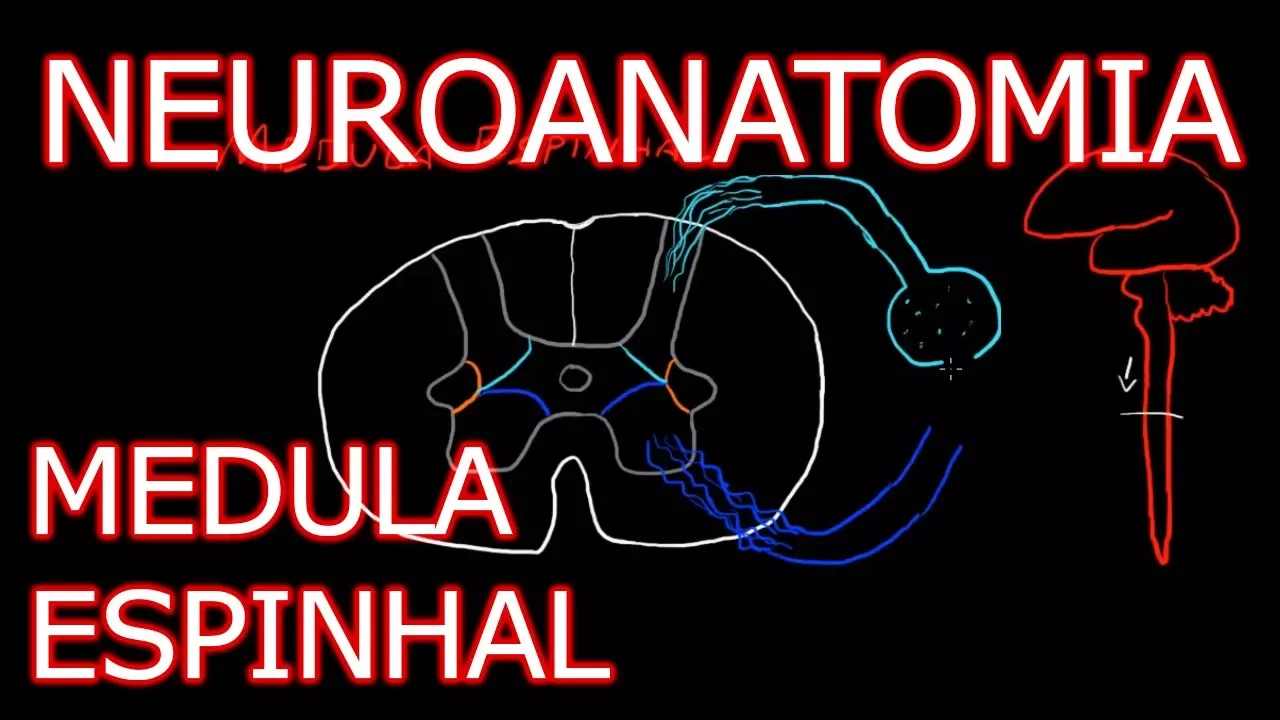
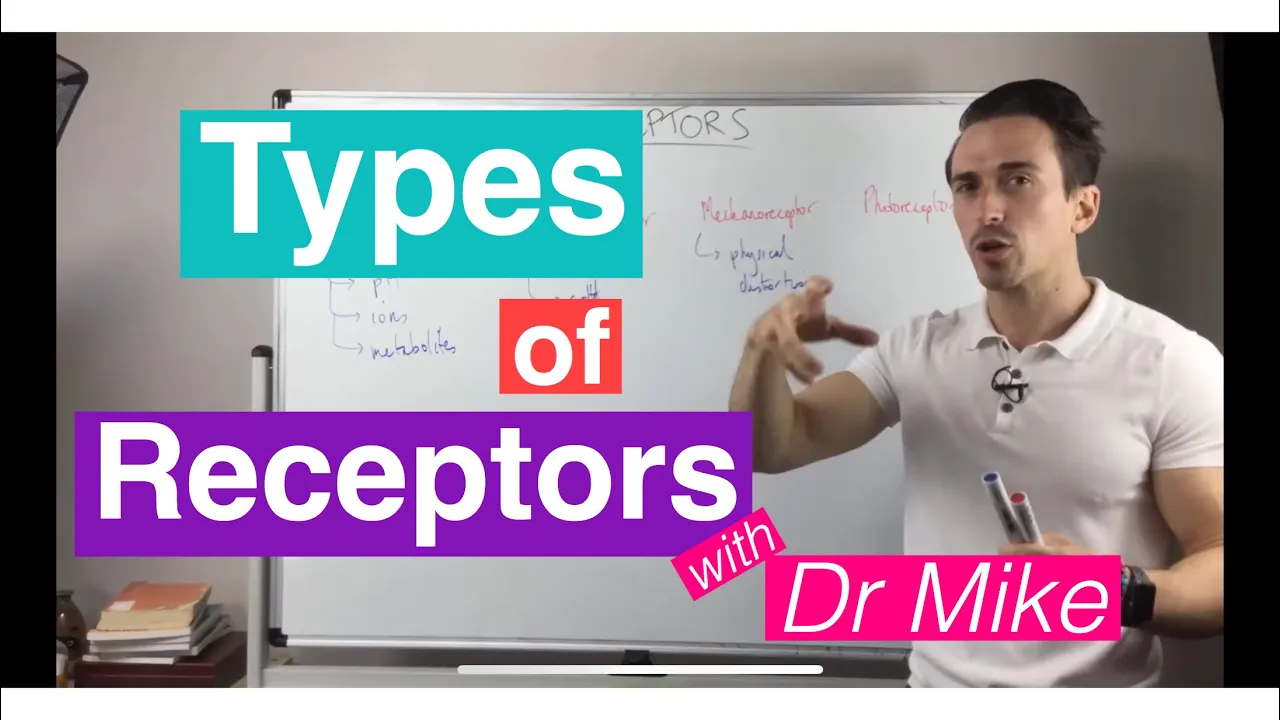
what is the name of this apparatus? these are called receptors... oh my GOD.. you people hide your knowledge... write it down what are receptors neuronal receptor write it down if you do not know that you do not know anything about nervous system what are receptors? receptors are transducers... biological transducers then you must be asking what is transducer... transducers are certain apparatus which can convert one type of energy into another type of energy anything any biological thing which can convert one type of energy into another type of energy that is called... transducers and in our body such biological transducers are simply called receptors... so what are receptors?? you must know the definition at least receptors are special apparatus right? that may be free nerve endings or there may be some special group of cells attached with the nerve ending which can convert a very special type of stimulus energy into electrochemical energy of action potential... is it right? these are called receptors do you have receptor for electromagnetic waves... you don't have it... do you have receptors for electromagnetic wave that electromagnetic wave come to your body and you convert that into action potential and respond to that... okay you do not have it I think these two are blinds... oh my GOD.. light is the visible part of the electromagnetic waves and you do have light receptor as they are called rods and cones what are rods and cones a very unique apparatus which can convert visible light energy into action potentials in optic nerve.. oh my God.. you people are really.. No comments...right? so... we must know what is receptor receptors are the biological apparatuses usually at the end of the sensory nerve endings which are supposed to convert the particular type of stimulus into into action potentials right? taste buds are chemical receptors the chemicals in the food can be tasted they can convert the taste chemical into actions into action potentials... even you know when you have some very good smell or fragrance or cologne what are those things... from there... they are evaporating molecules which go to your nose then they go to the olfactory mucosa in the olfactory mucosa there are receptors when you're... you know very good smell molecules interact with those receptors this chemical interaction is converted into action potential this is the very first and basic concept in sensory nervous system.. that there should be a receptor and sometimes free nerve endings act as receptors... is that right? so we are talking about the ascending tracts I will come to that let me put it at right position in your mind first of all.. when you are touching something the mechanical deformations suppose someone touch me here right? just slight deformation in the tissue will activate certain receptors and those mechanical receptor will convert the mechanical energy into action potential and if stimulus is not sub-threshold stimulus is threshold or supra threshold action potentials will start moving in the sensory nerves.. so there should be receptor and then from the receptors action potential through the sensory nerve should come to the central nervous system.. once action potentials are brought to the central nervous system for example spinal cord it brings a lot of action potentials is that right?? through 31 pairs of nerves is that right... lot of action potential that coming to the spinal cord some decision are made within the spinal cord but some decisions have to be made at the higher level is that right? so.. this information.. this information which is coming to the central nervous system it may be taken upward it is taken at higher level through a chain of neurons for example.. it goes up to the cerebral cortex now these bundles which are taking these biological cables which are taking the information from lower-level to the upward these are ascending tracts then in the central nervous system decision will be made for example.. you have touched someone and that person respond unfavorably and then you decide to pull your hand in a very sad way backward is that right? now what happened you touched action potential came... you are in the process of enjoying here then with the eye you see unpleasant response again more information through the eyes goes and you decide that response may be dangerous by the other person is the right? what happens central nervous system's decision is the same is to pull the hand back then from higher center orders should come down what is this descending trend what is this descending trap and of course then a very sad neuron black colored it is taking the information to the muscles to pull the finger back what is this motor neuron this is the simplest form how the central nervous system work it collect the information it processes information it makes decision and sends the order out... the collection system is there is a receptor then there are sensory neurons coming to the central nervous system then there are decision tracts then higher-level processing then there are descending tracts then there are motor nerves and in the end there's a factor system a factor system maybe a muscle or muscle or grand... sometimes gland responds if there is a very good food is very good small how the system will work smell receptor in the olfactory mucosa action potential to central nervous system central nervous system decides its a good small last time you enjoyed it so pathways will come down stimulate the certain motor neurons which stimulate the parotid gland and other slavery glands and you start producing saliva or if someone is someone else's the host then maybe you decide to give a smile also so that he starts the food activity for you is that right? so this is the basic thing now we are very clear what are tracts these are the bundles of the neurons right? and ascending tracts take the information from lower part of the central nervous system and take it upward and descending tract take the decisions from central nervous system and bring at the lower level so by this discussion now it must be very clear whenever we talk about the ascending tract no doubt they must be always for the sensory system.. they will be always connected with the sensory system and whenever we talk about descending tracts they must be connected with the motor system is that clear to you people? fine.. now we go into detail of tracts... what do you think in the spinal cord tracts will be part of white matter or gray matter of course there must be part of white matter so let us see in the spinal cord a little bit structure of spinal cord.. right? let's suppose here is your spinal cord... is that right? and here is your central canal what do you think what are these sense these are cell bodies of neurons so this must be grey matter white matter grey matter right gray matter and spinal cord makes a butterfly shape our H shape right? and this gray matter these blue circles are the rats neuron cell body right? what is really there this is dorsal Horn of the gray matter of the spinal cord these are ventral horn or simply call it anterior horn then posterior horns and at some level the spinal cord they do have what is this? lateral horn of spinal cord we'll discuss that later right now that is not our concern our concern is to talk about the white matter in the spinal cord which must be having our tracts which we are going to discuss now white matter in the spinal cord is... this is the white matter.. this is a white matter.. this is white matter but let me make it more clear these are which neurons going out we think these are motor or sensory... these are motor right? and what are these neurons doing okay I will make it this is the motor root this is a motor root of root of what? yes motor root.. of spinal cord and here there should be yes sensory root.. now.. motor fibers come out of central nervous system through.. yes.. ventral root or motor root this is the right? and sensory fibers sensory information as taken to the central nervous system through the dorsal root and dorsal root ganglion is actually there is a cell body right?
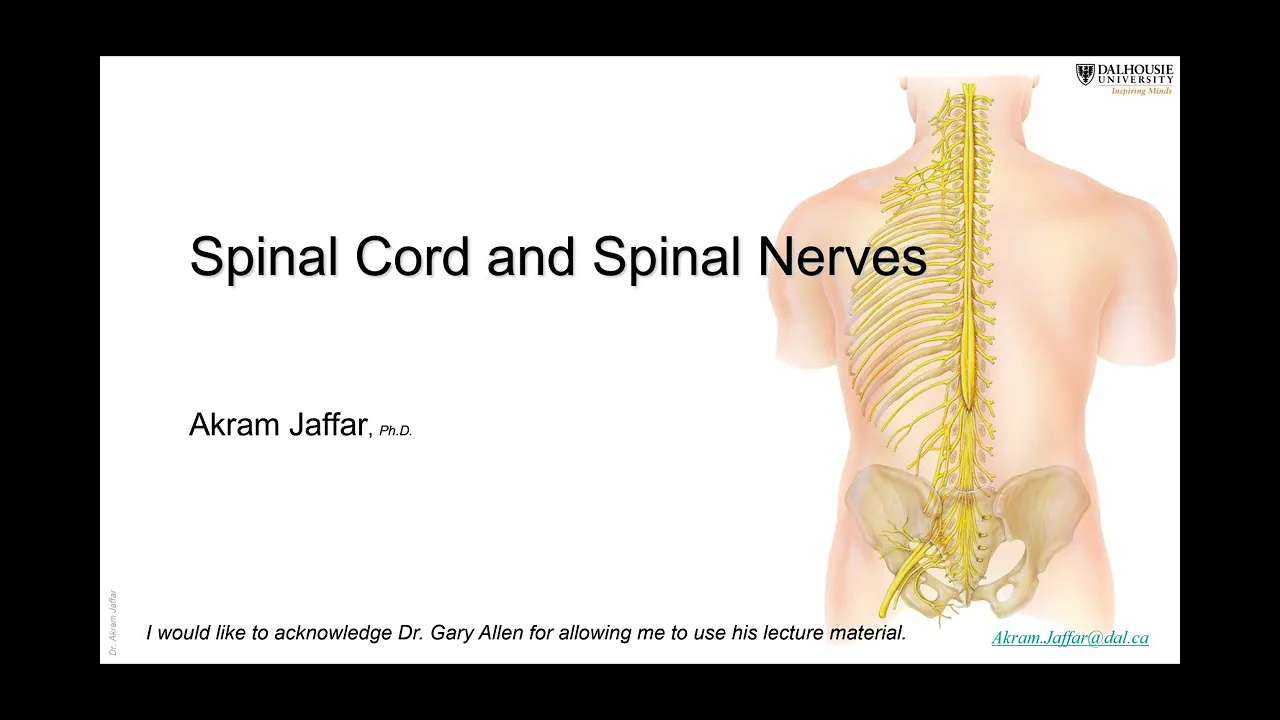
and from here there is a unipolar there is one connection coming out and it one central process another is peripheral which is connected maybe with the skin or whatever so it has to take information from the periphery sensory system taking the information eventually to the dorsal root and dorsal root is connected with the spinal cord is that right? now.. okay what you understand this is the ventral root and this is a dorsal root and dorsal root is having which ganglion which ganglion is present in dorsal root? dorsal root ganglion right then what is this thing? both roots unite together and what they make? this is a trunk of the spinal nerve classical spinal nerve.. right? the ventral root dorsal root and trunk and then it divided into one thing going anteriorly other going posteriorly what is this thing this is always having which fibers?
of course you are wrong... now.. makes it you have to learn it more clearly.. oh my GOD.. you want to learn tract but first you have to learn the roots.. okay listen what happens.. that.. this is anterior ramus this is posterior ramus. sometimes ventral ramus come together and make plexus which is called like brachial plexus and lumbar plexus but for a while you just trust me there from the spinal cord their ventral roots and dorsal roots and together they make the spinal nerve trunk and that trunk classically divided into ventral ramus and dorsal ramus is right? the internal ramus is usually innervating the structures in anterolateral wall of the body and dorsal ramus is going to innervate the structures which are in the back of the body is that right?
of course on the back there is skin so there must be sensory but their muscles are also on the back so it means some motor fibers also go to the back to the dorsal ramus in the same way some sensory fibers are coming through entro lateral skin or entro lateral receptors and structures is that right? and some motor fiber must be going to the muscles of anterolateral wall so this is very very basic concept that roots are pure.. anterior root is purely motor posterior root is purely sensory but trunks are mixed and Raymy are mixed... am i clear? so it means that sensory information is coming from ventral ramus as well as from dorsal ramus but when it goes to their trunk its segregate separately as sensory input to the central nervous system... motor output from spinal cord is coming through ventral root right? but after the trunk motor output goes to dorsal Ramos as well as ventral ramus.. am I clear?
no problem up to this right.. now... basic structures you know that there are receptors... receptors are taking the... stimulating the neurons... sensory neurons sensory neurons are taking information to the spinal cord through the dorsal root ganglion and dorsal root when information come to the spinal cord then ascending tracts have to take the information up this is a very basic concept... now... listen white matter of spinal cord is divided into this is one white matter what is this? this whole area of white matter this is called dorsal column there are.. of course two dorsal columns these are.. there are two dorsal columns is a right? or you call it dorsal funiculus... dorsal funiculus...dorsal columns... dorsal columns... or dorsal funiculus of course this is one funiculus and together they are making two funiculae this is it right? then these are dorsal columns and which columns are these? yeah these are lateral column is that right? what is this? this is lateral column and what could be this?
anterior column... of course here what should be coming out motor fibers.. and there is of course sensory input and input is from the back and output is from the front I am talking about simple neuroanatomy right? so in the spinal cord how many major white matter areas are there? dorsal column, lateral column, and anterior column is that right? no problem up to this.. so when we will talk about the tracts... tracts must be... tracts must be running in dorsal column system or lateral column system or anterior column system... one thing very important in the dorsal column there are most only ascending tracts in the dorsal column there are only ascending tracts but.. in the lateral column there are ascending as well as descending tracts an anterior column column also they are ascending and descending both.. it is a very basic information the spinal cord has anterior column columns lateral column then posterior columns this is it right? these columns are having tracts this is it right? for example.. if there are lot of neurons sitting here and from these neuron cell axons come and go upward from here so this will be making a tract..right? what you have to remember dorsal column is purely ascending tracts lateral columns and anterior column they have some ascending tracts and some descending tracts... am i clear? no problem... now I will talk about different types of tracts but you know it now that tracts must be either in dorsal column or there should be in lateral columns or there should be an anterior column before really I go into detail as far as ascending tract system is concerned teaching which are more modern? and which columns are more primitive? you know according to the evolution as we are getting more evolved and better animals.. we are bringing more modern neuronal bundles and connections which are very recently developed recently mean few million years back.. out of these.. do you think no no I am talking about only ascending tracks right there are the oscillation in track system there are anterior sending tracks and their lateral so I am saying that which one is the most modern anyone knows anyone who has studied the tracts in history now most modern or the dorsal column, dorsal column... dorsal column system is the most modern tract system ascending tracts for sensory they are pure sensory and anterolateral they are primitive tract systems anterolateral tract system is the primitive tract system ascending tract system that is why the ascending tracts which are present in anterior column and lateral column some very good neurologists combine them together and in their discussion they say there is anterolateral ascending system anterolateral is a primitive system... primitive system and dorsal is the advanced system... modern system.. very simple question.. in America there are two types of roads some roads are so-so.. which are which were made about 100 years back and the modern roads which they are making interstate highways and I think motorways what you call them? the modern ones yeah.. expressways ok.. actually this is expressway I will call it motorway fast expressways super Road... and this is like for slow sensations let me prove it.. the bundle dorsal column the heavily myelinated and anterolateral columns are lightly myelinated so where the traffic will be fast action potential traffic... dorsal column and where it will be slow in anterolateral system so which should be modern then dorsal column.. high speed system this is the neuronal expressways and these are probably dirt roads.. they serve they do serve their purpose don't laugh at them the very important I will tell you very soon you will realize lot of colors of life or do to anterolateral system but let me tell you dorsal column system is advanced system the sending tracts are heavily myelinated so that is a high velocity system low velocity system? high velocity system anterolateral system is a primitive system of ascending tracts.. so do you think a fan to lateral system is a primitive system it should be heavily myelinated or poorly myelinated?? poorly myelinated.. do you think anterolateral which is a poor system it should be high velocity or moderate or slow velocity systems small velocity you know dirt road every car going slow and on expressway things are going fast.. another thing.. the modern sensations which we have developed they should be present in dorsal column or intro later dorsal and primitive sensations should be present in anterolateral.. is that right?
for example crude touch... crude touch... mean not a fine touch... crude touch anterolateral very fine touch.. dorsal.. do you need to memorize this it's a simple that this is the dirt roads and these are the expressways these should be high velocity system this should be anterolateral should be low velocity system.. anterolateral should be primitive Dursel should be advanced.. the sensations which are going from the dorsal system should be more.. well-developed sensations and sensations which are from anterolateral should be.. crude sensations.. now let me tell you one thing.. anterolateral system has sensations ok first tell me one quest or answer something do you think the traffic variety variety of the vehicles variety of the vehicles is more on the dirt road or varieties more on the expressway you have never observed one of the vehicle is donkey driven vehicle you find it on expressway or on the dirt road so every type of vehicle will move on the dirt road primitive road every type of vehicle.. is that right? you can find on dirt road even Mercedes is moving somehow you will find maybe horse drivin cart on the dirt road.. you may find even someone going on the bicycle on the dirt road what do you think you find horse-drawn cart on the expressway.. or do you find someone going on the bicycle.. on the expressway No.. so variety of traffic should be more in the dorsal column system or anterolateral system anterolateral system... dorsal column system has a high velocity system.. very specialized sensations very good sensations but more variety of sensation is present in anterolateral system.. let me tell you you want to know about the anterolateral sensations first.. or the dorsal sensations first.. anterolateral primitives you should know first then we will talk about the advanced then.. okay primitive sensations are like sensation of the pain.. in biological system evolved very early about the pain system so that you know there is something unpleasant and try to do something about so pain should go by anterolateral system temperature heat and cold should go by anterolateral.. all those sensations which can go little bit slowly are anterolateral system and there are some sensations we should go with very high velocity and those sensations should be analyzed by central nervous system with very accuration with big accuracy those should be in the dorsal column.. is it right? as I told you crude touch is anterolateral and fine touches on Dorsel column.. is that right? pain and temperature is in anterolateral crude touch is anterolateral what do you think it sense of tickling there is a modern sense of primitive sense I do not know even the our forefathers know how to tickle that is a very primitive sense I do not think you do anything very modern with the tickling right so those things have been done by our generations and that is why we are here this is that right? so tickling... tickling in the modern sense or primitive sense what a sense so it must be going through anterolateral system ok itching... so very modern sense or it must be primitive it's the old sense you know not a great sense so it should be in anterolateral what about sex is sexual sensations do not tell me there are no sensations sexual sensations they are different than simple touch for example mother touches a different thing and girlfriend touch is somewhat different am i right??
some element of sex may be added specially when she is not angry is that right? so these sexual sensations should go through dorsal column system or anterolateral system you must be thinking as a young boy it must go dorsal column very fast but I think but believe me it's one of the most primitive sensation is that right? yeah that's why all of us are here yeah we are the children of the people who made love thank God is there right? so what I am talking about that ventral colon system sexual sensations should go through.. anterolateral system or dorsal system... anterolateral system... so there's so many variety of sensations there is crude touch there is pain there is heat cold tickling itching sexual sensations all these are anterolateral... none of them need to reach the central of a system with super velocity but there are some sensations which need to reach the central of the system with super velocity and those sensations need to be analyzed where central nervous system extremely with extreme accuration right? this extreme accuracy those sensations are dorsal column one I have told you already fine touch what else goes through dorsal column system there is a concept of proprioception have you heard of the term proprioception so she is going to tell us what is meant by the proprioception... anyone? sensations coming from the locomotor system is so simple sensations coming from the locomotor system or proprioception... proprioceptive sensations should go to the central of a system really fastly there right for example you are running then your central nervous system need to have very fast data which part of the body is in which position.. which muscle is how much tense which which joint is how much angulated.. is that right? so that you do not any mistake you know proprioception and sense of position is very rapidly constantly given to the central nervous system so that central nervous system can analyze and update itself very very rapidly.. it should not happen you take one... you know when you are walking did it ever happen by chance you took your both legs off the ground thank God... proprioception is going so well the central nervous system is taking the information from all the systems.. locomotive system and it knows where is one foot where is the other foot and when one foot is coming up the another should remain there should not be taken out is there right? and then it is coming down then it should be taken off because central nervous system is constantly having trillions and trillions of action potentials through the dorsal column system going to the higher level right? and it is computing and updating its information am i clear? so proprioception should go by enter lateral system or dorsal column system and what about this? okay more refined thing.. sense of position which is a type of proprioception..Dorsal column because position even with your closed eyes you know what is the position of your body right?? right now you know the how do you have cross leg or how are your hands are you aware or not? you are not thinking but as soon as I said you started thinking actually central nervous system has receiving the sense of position at two levels.. one level is where you are aware of sense of position and other level where you are not aware.. when you are aware of your sense of position we say that sense of position of proprioception is going up to the conscious level that information goes up to cerebral cortex whenever action potentials sensory information come to cerebral process cerebral cortex you become aware of the sensations but lot of sensory action potential and sensory input is going to the cerebellum.. an information which is going to the cerebellum you are not aware of that.. when you are walking and look into someone else are you taking care how your legs are moving.. no cerebellum is automatically computing taking the proprioception from the asceneding tracts some of the asceneding tracts go to cerebellum and then cerebellum control and compute the motor system.. automatically you are even not aware of when you are sitting right now and if when you are not thinking of your position you are not knowing the position but your cerebellum was knowing your position is that right? every moment but you are not aware of that but as soon as I said do you know where are your hands without looking at them and how your legs are then would happen you activated the channel which are already taking information to proprioception to cerebral cortex is that right? so what I was telling you that lot of input is going on and proprioception as well as you can say fine touch sense of vibration sense of position sense of two-point discrimination right all these senses of modern senses and they must go by the dorsal column system is that right? if something vibrating touching you of something which is repeatedly moving of course. if it.. if such information is going by a slow system you will not analyze it well is that right? or... there is a sense called two-point discrimination... two-point discrimination mean that you are simultaneously touching the skin at two very close points and central nervous system knows that these are two separate point... that analysis is done by the doc... that action potentials are taken by the dorsal column system.. another thing do you think the traffic which is going on the expressway that is more in the proper columns? or traffic which is going on the dirt road that is in more proper columns? in the lane and line system is lane and the line system for the traffic is more followed on the expressways or more followed on the dirt roads.
expressways... same is true about this system... the tracts which are taking information in dorsal column system... right? those tracts take information so well... right? that you can localize everything for example maybe this area is taking information from the foot... this is taking information from the leg.. this is taking from the trunk and this is taking from neck... I'm just giving an example.. is it right? but here.. fine touch is going here.. crude touch is going here.. crude touch.. right?? now if you have closed eyes and someone touches crudely are you sure exactly which areas of the body are touched? and how much it is touched? you are not sure but if someone touch with the fine needle are you exactly sure where you are being touched? why? because fine needle activate the action potential... send the action potential through dorsal column and the layers are maintained so well that when information reach to the cerebral cortex it can exactly localize where someone has tried... this is called spatial orientation... line and Lane principle... is the right? opposite to that if someone is crudely touching... you may not be knowing exactly.. where someone is touching... you may be saying someone touching your hand.. but if someone touch with a needle you know exactly... is that right? am i clear?
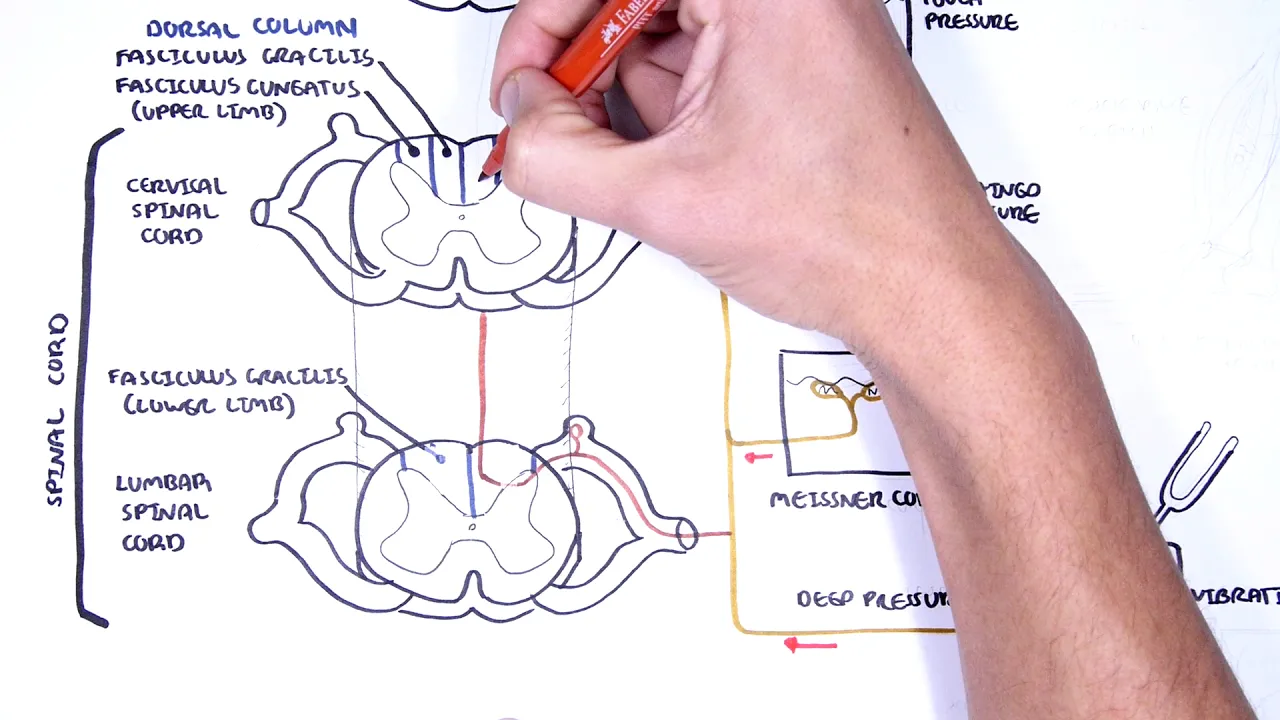
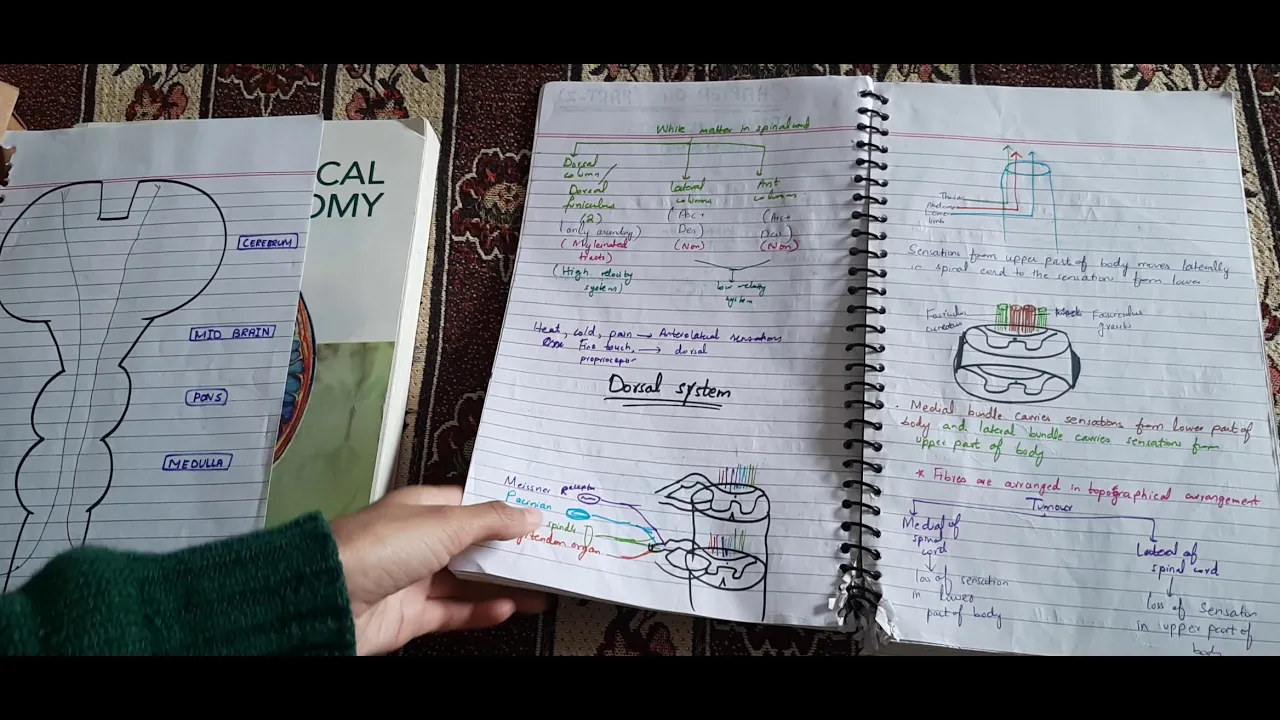
so line and lean principle is better followed by the... dorsal column system and poorly followed by... anterolateral system... that is why pain and temperature is not so well localized... as is the localization of fine touch.. someone touches the needles you know exactly where someone has tried.. but if there is some pain going on you may say there is pain here.. maybe little here... maybe little there... you cannot exactly pinpoint.. especially when pain is dull.. is it right? so now you know already... that ascending tracts can be classified into dorsal tracks and anterolateral tract... dorsal tracts are advanced tracts and anterolateral are primitive tracts... primitive... dorsal tracts are highly.. highly myelinated.. anterolateral are moderately myelinated... dorsal tracts are. high velocity and anterolateral ascending tracts are.. with less velocity... dorsal tracks give better localization gradations of the sensations.. anterolateral system give poor localization and poor gradations of sensations.. dorsal column has more modern sensations like... proprioception.. fine touch.. vibration.. position.. anterolateral system has primitive sensations.. is the right?? if this basic concept is clear then I start dealing with individual tracts... anyone who is not clear about this thing? everyone is clear? okay... now let us start with it.. what do you think you should do we should do the ascending tracts or dorsal column system first or anterolateral system first... I think we do Expressway first... the modern system.. right? we will see that how the sensations from where the sensations are coming to the dorsal system and how they are going to the higher center... right? so I will draw here one spinal cord and.. okay I have to draw basically at least two sections of spinal cord.. in diagram? right now these are two.. sections of spinal cord.. I have shown you of course spinal cord is going down.. let's suppose this spinal cord area is receiving the sensations from lower limb and this area is receiving the sensation from upper limb.. right? now how the sensations come for dorsal column system.. dorsal column system is basically for sense of fine touch.. vibration... position.. proprioception... two-point discrimination.. is that right? now... these sensations which are going to dorsal column system we should start from the receptor... we should start our concept from... receptor... so which are the receptors which take up such fine sensations... number one of course there should be sensory... sensory nerves. right? but at the end of the sensory neurons receptors generate the activity.. there are meissner's receptors.. have you heard of them?? receptors.. and then there are pacinian receptors... receptors... let's suppose this is meissner's receptors.. and this is the pacinian receptors.. I will have a full lecture on receptors.. so we are not going to detail of them right now... these are usually from the skin and subcutaneous tissue they are taking fine touch and vibration specially pacinian and then... there are Golgi tendon organ and muscle spindles... yeah muscle spindles this is muscle spindles and then there are Golgi tendon... Golgi tendon organ.. right? so all these sensations are going.. do you think they will enter into central nervous system through ventral root or dorsal root? of course dorsal root.. right? thank God at least that is clear... I must congratulate myself.. yeah.. so this is their trunk... right? I must make here also.. dorsal now all these sensations which are fine touch, pressures, vibrations, and proprioception all this we have to take up to the cerebral cortex but we are starting from here from sensory neurons sensations are coming.. sensory nerves.. now I just follow one of them this is the cell body.. dorsal horn.. dorsal root ganglion is having the cell bodies of first order neuron.. first order neuron mean that neurons which are first in that chain of sensory system.. so their cell bodies are in dorsal root ganglion and actually from here.. there as there is their peripheral processes going to the receptors.. and their central process is going to the central nervous system there it divides into lateral root.. we will talk about later.. and it also divides into medial root from the medial root fibers go medially into which area dorsal column and these fibers start going upward... right? now.. what happens.. on the way more and more fibers are added is the right this is suppose.. c7 level and this is let us suppose l1 level so l1 is receiving.. this level is receiving the fibers from the lower limb this is right and here it is receiving the fibers from upper limb.. now. sensation from the lower limb they are going through this area upward is that right?
from the dorsal column on the medial side now as it is going in the spinal cord.. let me draw a spinal cord here.. this is a spinal cord this is its central area.. sensation for the lower part of the body will be deposited there fibers will be deposited medially.. the fibers which are coming from upper part of the body they are deposited.. laterally are you understanding? within the dorsal column sensation from the foot will be most medial then from the calf we'll add to that.. here.. so what what we see.. here are the sensations going from the foot then just lateral to that sensation from the calf.. then sensations from the thigh.. then sensation from the lower abdomen.. then sensation from upper abdomen.. then sensations from the upper limb.. because why this is happening? because sensations are being added is the right? fibers are being added.. am i clear Rodney? you are understanding it right? so.. you must know the spatial arrangement of dorsal column first of all.. again I will make it more clear.. if this is the spinal cord... this is the central spinal cord fibers are coming going like this so you have to tell me.. now listen carefully and of course in opposite side also fibers are coming and then adding on lateral side or medial side? lateral side.. so in dorsal column system the fibers which are more medially they're from lower part of the body.. and fibers which are more laterally they are from upper part of the body.. you may be thinking why I am teaching it this such a stress? there are reasons the cause if you develop a tumor here and this tumor disturb the medial.. lower limb sensations are lost.. but if you develop a tumor this area and disturb the lateral fibers then upper upper part of the body sensations will be lost am I clear? is it right? now.. what really happens that all the fibers which are coming from the lower limbs and then up to the t6 they are adding.. they make a special bundle going upward... they make one very special bundle... coming from the legs end and the fibers which are coming from the upper abdomen and thorax and from the upper limb they are making another bundle but on the lateral side now... this medial bundle should have sensation from lower part of the body and lateral bundle should have sensations from the upper part of the body... this is the right?this medial bundle is called fasciculus gracilis.. and lateral bundle is called fasciculus cuneatus... you may get confused... right?
the gracilis which is.. is from the legs or curators from the leg how you remember them? no no okay one thing he says graceless muscle is in the leg and of course then... but that will confuse maybe you think it is a motor system but it is actually sensors.. why do not you remember in a more passionate way her legs are... legs are graceful.. if our legs are graceful which fasciculus should take to these graceful fibers which are taking sensations upward..is that right? he knows it.. so fasciculus gracilis is taking sensations from the lower part of the body graceful part of the body.. right? and cuneatus is taken from the upper... now in the spinal cord.. if you add the fibers like this look this is dorsal column system and it is having.. these four bundles.. two on the right side or dorsal column two on the left you know it already that these are two fasciculus gracilis and these are two fasciculus cuneatus... gracilis are from lower part of the body taking fines and dorsal column sensations now onward all sensations which come from the.. in the dorsal column I will call them dorsal column sensations which are fine touch... vibration. position two-point discrimination.. and like.. so dorsal column sensations from the lower part of the body are in gracilis from upper part of the body are from the cuneatus no problem up to this? really clear? now.. if we make section of the lower part of spinal cord it will have both columns or only one? one.. but if you make section in upper part both you understand why? your cortex is working.. right? really.. you know it that if you make a section in lower part of spinal cord then the only bundle from the lower part has been formed but if you making section at the upper part of the spinal cord you will find not only fasciculus gracilis is there but there is also lateral to that... this edition of fasciculus cuneatus.. is that right? now.. it means that if you stimulate it with an electrode if you stimulate here patient will feel sensation are in the foot if you stimulate here.. it is in upper part... if you stimulate here patient will feel sensations in the hand.. so it means all the sensations are arranged in these fibers or fibers are arranged in a very topographical fashion.. topo.. this is the line and lane principle.. it is not possible that a foot sensations are here certainly here become abdomen.. and then sensations of leg come.. no they have to be in a special line and lane principle.. so we can say.. this is foot sensations.. this is you can say leg sensations.. abdomen sensations.. and here are what sensations?
arm sensation.. right? so this is the principle.. and foot is with the foot.. is it clear?
what is the principle then? if there is some tumor in the middle of the vertebral column... you lose the sensations in both foot.. but if tumors start from the lateral side eating of the Dorsel column you will lose sensation in upper part... am i clear? so this is topographical arrangement of these fibers.. and again as you see that fibers are added from this side.. so up to now what.. what are these?
these are the central processes of first order neuron which is present in.. dorsal root ganglia.. these are the peripheral processes and this is the central processes.. right? now as these fibers are going up where they will reach eventually? now.. I will make more simple diagram again.. I hope you understand this diagram? this is lower section.. this is upper section.. fibers come. first order neuron cell body present and dorsal root.. ganglion peripheral process connected with the receptors.. central process enters into the spinal cord from the dorsal root as soon as it enters into spinal cord it goes make a medial division and this medial division fibers go into dorsal column and start ascending through the dorsal column.. medial fiber as fasciculus gracilis which are coming from lower part of the body and lateral fiber going as fasciculus cuneatus which is coming from the upper part of the body same is here also because sensations are coming by laterally.. right? and this is facilities gracilis of left side and this is fasciculus cuneatus of left side.. am i clear? the very important things you have to note it.. now sensations are going upward right part of the body sensations are going upward through the right half of the spinal cord and left side of the sensations are going upward through the left half of the spinal cord so we say dorsal column sensations are moving uncrossed.. they have not crossed.. they enter from this side.. the enter from this side.. the come in spinal cord and they move upward without crossing in the spinal cord.. throughout the spinal cord they are moving upward if see laterally.. they are moving upward if see laterally.. mean right dorsal column has sensations from right half of the body and left dorsal column has sensation from the left half of the body.. am I clear? and actually how many bundles it is making four bundles is that right? now.. we go to
Up Next
8:14
Pain Pathways Explained: Ascending & Descending Mechanisms
@armandohasudungan
1.7M views•2018-04-16

48:47
Graphic Medicine: Comics for Collaborative Healthcare Communication
@nationalpatientadvocate
189 views•2023-12-04

58:51
Epilepsy Types and Treatment: Clinical Features Explained
@DoctorNajeeb
104.2K views•2022-04-09
3:05
Stages of Labor and Vaginal Birth | Childbirth Animation
@nucleusmedicalmedia
52.1M views•2017-08-18
Related Study Plans & Knowledge Roadmaps
Structured learning paths in Medicine
medicine
Abnormal LFTs: Diagnostic Workup & Pathology
01Liver Anatomy and Basic Physiology
02Introduction to Liver Function Tests (LFTs)
03Hepatocellular vs. Cholestatic Patterns
+ 3 more learning modules
12h6 modules
Explore Roadmap
medicine
Analyzing Blood Smears: RBC, WBC & Platelets
01Introduction to Blood Components & Smear Preparation
02Normal Morphology of Blood Cells
03Erythrocyte Pathologies & Morphological Variants
+ 2 more learning modules
12h5 modules
Explore Roadmap
medicine
Mechanical Ventilation: Waveforms & Alarms
01Anatomy and Physiology of Breathing
02Introduction to Mechanical Ventilation & Core Modes
03Ventilator Settings and Waveform Interpretation
+ 2 more learning modules
12h5 modules
Explore Roadmap
medicine
Neuro Exam: Localization & Stroke Syndromes
01Foundations of Neuroanatomy and Vascular Supply
02The Neurological Examination: Step-by-Step
03Principles of Neurological Localization
+ 3 more learning modules
18h6 modules
Explore Roadmap