






![[승효T][비문학독서]2020년도 3월 모의고사 31~35번 - 통증 신호의 전달 과정](https://i.ytimg.com/vi/3dHX4XdG9aI/maxresdefault.jpg)




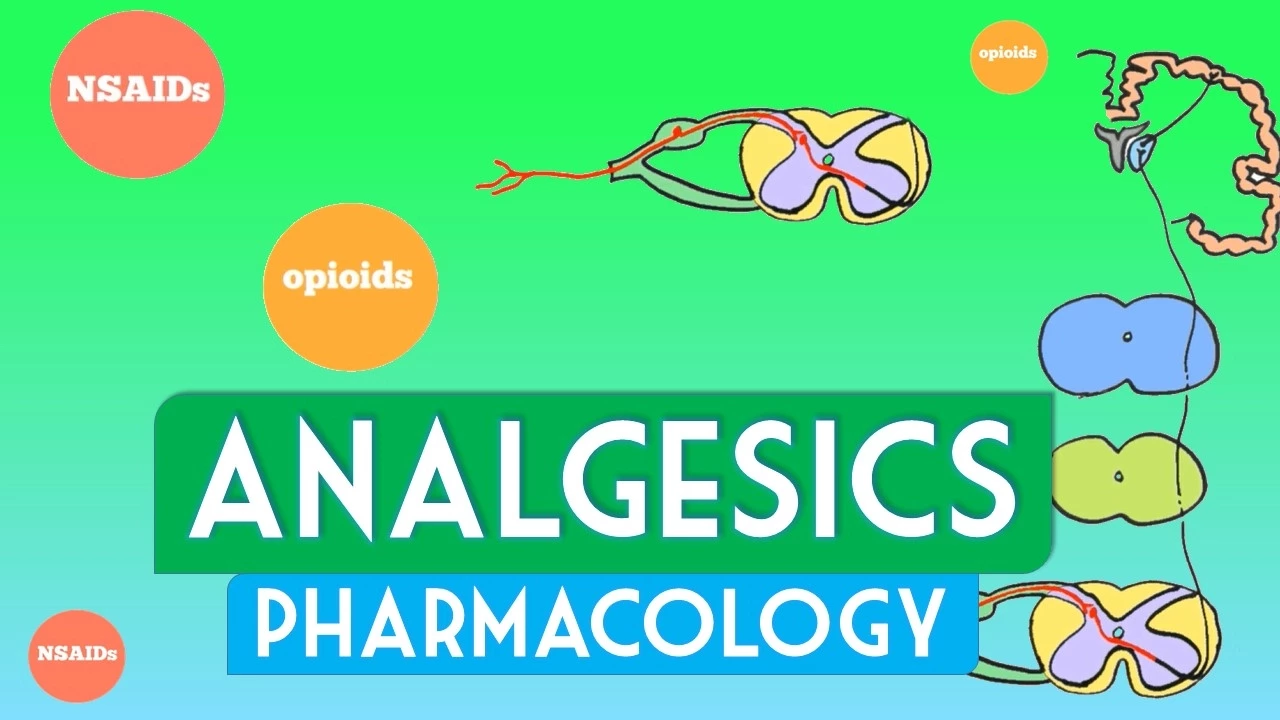
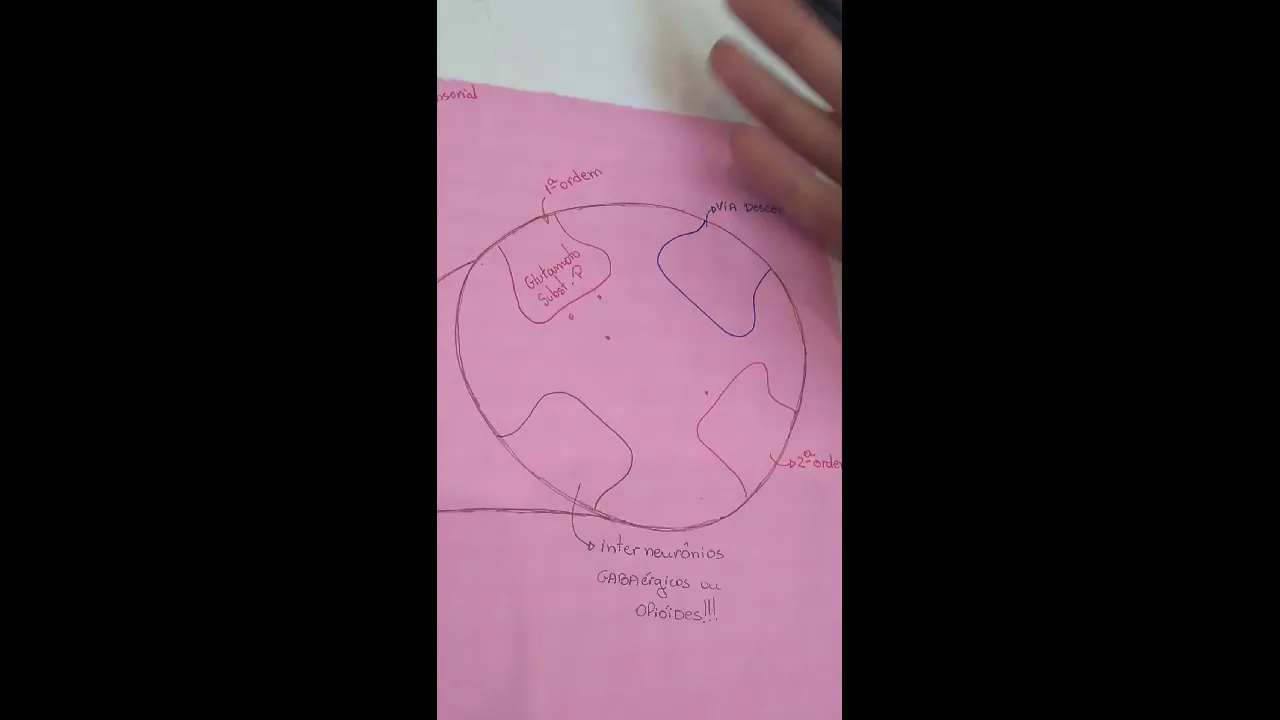






Pain signals travel through the ascending pathway from injury sites to the brain via first-order sensory neurons, second-order neurons crossing to the opposite side in the spinal cord's dorsal horn, and third-order neurons terminating in the thalamus before reaching the somatosensory cortex; simultaneously, the descending pathway from the midbrain's periaqueductal gray and medulla's nucleus raphe Magnus releases serotonin and noradrenaline to inhibit pain signals, with the substantia gelatinosa acting as a gate control center where endogenous opioids like enkephalin further modulate pain transmission by inhibiting substance P release and preventing neuronal depolarization.
Pain Pathways Explained: Ascending & Descending Mechanisms
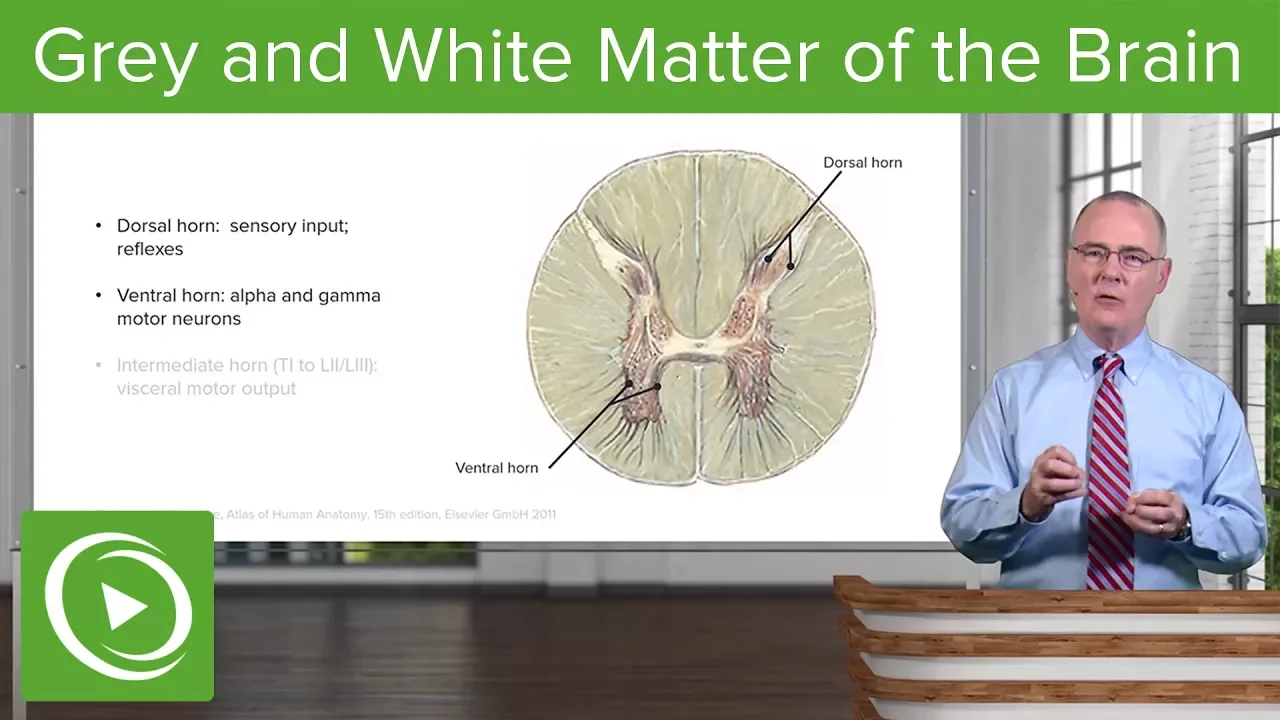
Added:Basic neuroanatomy of the spinal cord, specifically the structure of the dorsal horn and the organization of grey and white matter.
The physiology of action potentials and synaptic transmission, including how neurotransmitters propagate signals between neurons.
The characteristics of primary sensory afferents, particularly the structural and functional differences between A-delta and C nerve fibers.
An introductory understanding of the spinothalamic tract and how somatosensory information is generally projected to the thalamus and somatosensory cortex.
The Gate Control Theory of Pain, detailing how mechanical stimulation can modulate nociceptive transmission within the substantia gelatinosa.
The pharmacology of analgesics, focusing on how opioids, NSAIDs, and co-analgesics biochemically target ascending and descending pathways.
The pathophysiology of chronic pain conditions, including the concepts of peripheral sensitization, central sensitization, hyperalgesia, and allodynia.
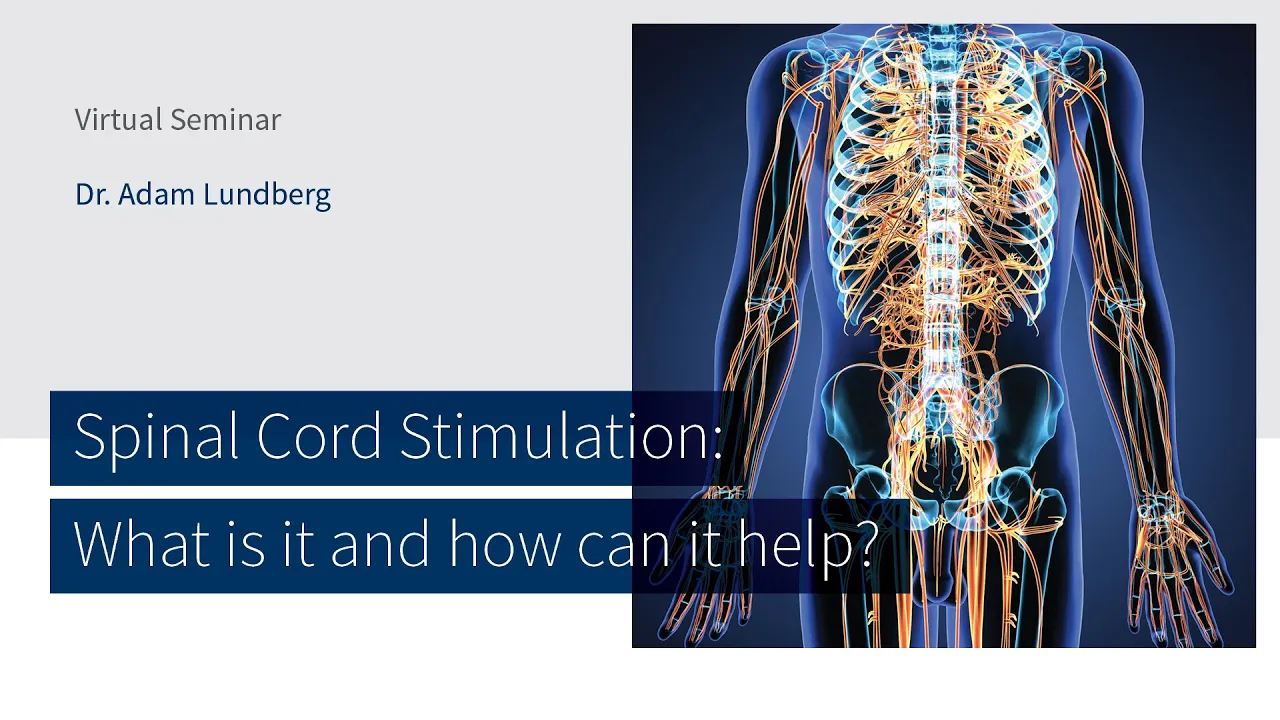
Clinical neuromodulation therapies, such as Spinal Cord Stimulation (SCS) and Transcutaneous Electrical Nerve Stimulation (TENS), and their mechanical effects on pain pathways.
1.7M views35.2Klikes8:14Original Release: 2018-04-16
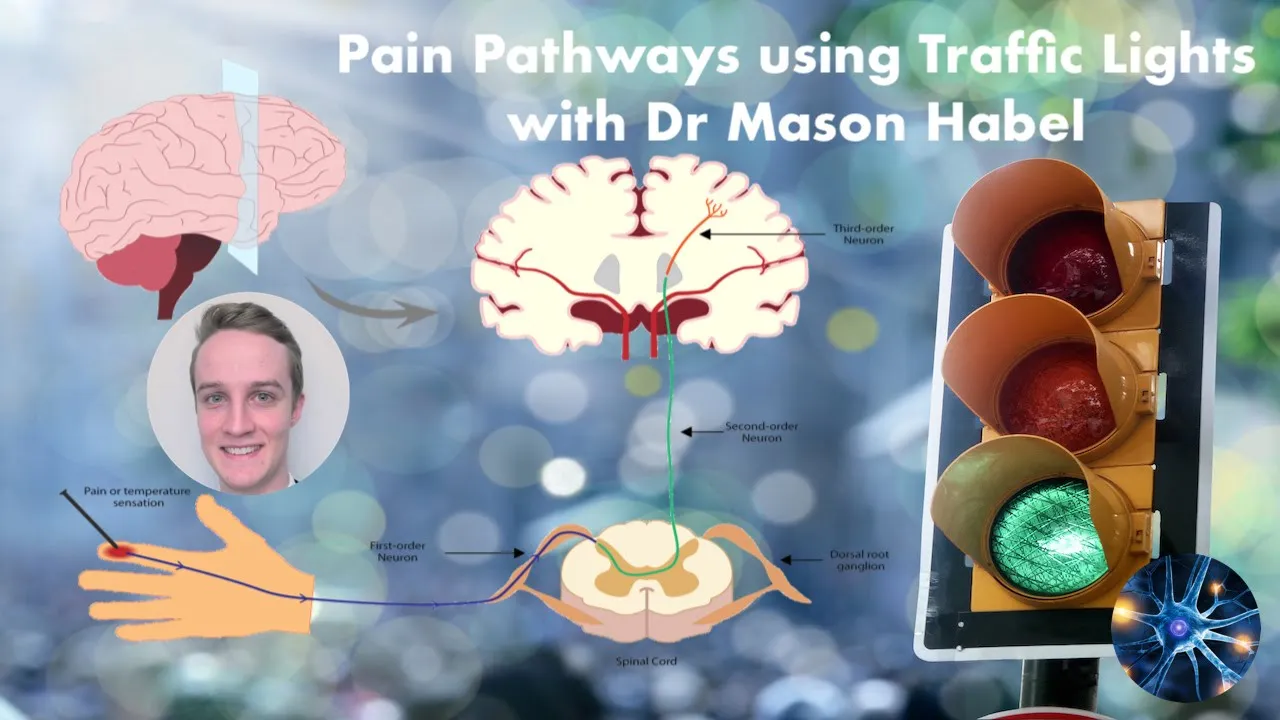
hello in this video we're going to talk about pain we're going to focus on the ascending pathway of pain and we're also going to talk about the descending pathway as well we're going to focus on an area called the substantial gelatinosa imagine you had a right hand injury what happens and how do we feel pain the pain signal coming from the side of injury will travel up to the brain and this is where the perception of pain essentially is felt the signal going up to the brain is referred to as the ascending pathway injuries to our body is felt in certain areas of our brain called the somatosensory cortex let's recap the brain briefly here's the cerebrum brainstem and cerebellum the somatosensor cortex sits posterior to the central sulcus let's get a cross-section of the brain like so and zoom into the somatosensory cortex the somatosensory cortex is an area where sensation is perceived this includes pain the somatosensory cortex has areas which correlate to different parts of our body so for example let's look at the left side of the somatosensory cortex the outer region here represents the leg hand and face again this is your right side and this is your left side of the brain the brain continues on and joins with the brain stem which is made up of three main components the midbrain pons and medulla these are cross-sections of the brain stem the brain stem then continues on and becomes the spinal cord here we are only looking at one section of the spinal cord let us say this section of the spinal cord is a cervical spine area spinal cord has nerves coming out from the anterior root and nerves coming in from the posterior root of the spinal cord here I am only drawing the nerves on the right side of the spinal cord different tracts exist within the spinal cord one tract importing the pain pathway or the ascending pathway is a spinal thalamic tract are made up of the lateral and anterior spinal thalamic tracts let's go back to the right hand injury now the right hand has an obvious injury on its Palm within the area their immune cells are residing when these immune cells are damaged or should I say when any cells are damaged including our skin cells they start releasing cytokines chemicals an important one in the ascending pathway are prostaglandins represented here as PG prostaglandins are produced by nearly all cells typically as a response to inflammation sensory nerve fibers exist all over our body the sensory nerve fibers will respond to prostaglandins and will carry this signal or impulse to the back of the spinal cord or the dorsal Horn of the spinal cord this neuron is a first order neuron within the dorsal Horn of the spinal cord the first order neuron will synapse and relay this uh signal this impulse the second neuron the second neuron called the second order neuron will cross over to the opposite side and will enter the spinal thalamic tract from here the second order neuron will continue up ascending through the remaining spinal cord through the brain stem and terminate in the thalamus of the brain the thalamus is the relay station in the thalamus the second order neuron will synapse with a third order neuron the third order neuron will carry this impulse and relay to the region of the brain which correlates with the injured right hand thus the third order neuron helps discern the area of injury and also the cortex here is where the perception of the pain is perceived important to remember that this is the left side of the brain whereas the stimuli the signal the initial signal was on the right hand thus sensation always is on the opposite side of the brain to where the stimuli or stimulus occurred another important thing to remember is a chemical released by the first order neuron to transmit or relay this signal impulse to the second order neuron this chemical is substance p thus substance p and this whole area at the dorsal Horn of the spinal cord is an important area for the ascending pathway now whenever there is an ascending pathway there is a descending pathway while the ascending pathway is responsible for transmitting the pain signal up to the brain the descending Pathways responsible for controlling and inhibiting the ascending pathway essentially important areas of the descending pathway include the Perry aqueductal gray matter of the midbrain and the nucleus wrap Magnus of the medulla were not inhibited the neurons are rising from the peri-aquiductal gray matter will go down to the nucleus rap Magnus and synapse with a second neuron this second neuron here is a certainergic nor adrenergic neuron and this certainergic nor adrenergic neuron will travel travel down towards the dorsal Horn of the spinal cord as well the serotonergic nor adrenergic neurons role in summary is to inhibit or control the communication between the first or the neuron and the second order neuron of the ascending pathway and thus help control pain signals going up there is another neuron here I am drawing in blue which also plays an important role in this area and we'll talk about it later so this dorsal Horn of the spinal cord is a pretty important area we can call it like a gate so gate control of pain if we zoom into this area of the dorsal Horn of the spinal cord it can actually be referred to as the substantia gelatinosa so let's just recap this whole area here we have the first order neuron coming in and synapsing with the second order neuron here the first sort of neuron will bring in an action potential which will eventually stimulate vesicles to release its content into the synaptic lift the content here in this case is substance P substance P will stimulate the second order neuron the second order neuron is stimulated and will propagate an Impulse up to the thalamus via the spinothalamic tract coming down from the medulla here in red is a neuron from the descending pathway the serotonin noradrenaline neuron which will release its content serotonin and noradrenaline these chemicals or this neuron will do two things firstly it will bind onto receptors of the presynaptic neuron and inhibit the release of substance p second it will stimulate a small neuron in an area called an intra neuron this interneuron in the substantial gelatinosa is actually an opioid neuron which when stimulated will release an endogenous opioid called encephalin encephalin like all opioids will do two things in the substantial gelatinosa one it will inhibit the presynaptic neuron from releasing substance p and two it will inhibit the postsynaptic neuron from depolarizing and thus stop the continuation of the impulse up to the thalamus all in all opioids such as encephalins will inhibit the ascending pathway of pain so that was an overview of the ascending pathway and the descending pathway of pain
Up Next
9:33
Pathophysiology of Pain: Receptors, Pathways & Modulation
@prepladderneetss
35.1K views•2021-09-30

48:47
Graphic Medicine: Comics for Collaborative Healthcare Communication
@nationalpatientadvocate
189 views•2023-12-04
8:24
Circle of Willis Anatomy and Stroke Types | Blood Supply to the Brain
@armandohasudungan
858.8K views•2015-09-07
3:05
Stages of Labor and Vaginal Birth | Childbirth Animation
@nucleusmedicalmedia
52.1M views•2017-08-18
Related Study Plans & Knowledge Roadmaps
Structured learning paths in Medicine
medicine
Abnormal LFTs: Diagnostic Workup & Pathology
01Liver Anatomy and Basic Physiology
02Introduction to Liver Function Tests (LFTs)
03Hepatocellular vs. Cholestatic Patterns
+ 3 more learning modules
12h6 modules
Explore Roadmap
medicine
Analyzing Blood Smears: RBC, WBC & Platelets
01Introduction to Blood Components & Smear Preparation
02Normal Morphology of Blood Cells
03Erythrocyte Pathologies & Morphological Variants
+ 2 more learning modules
12h5 modules
Explore Roadmap
medicine
Mechanical Ventilation: Waveforms & Alarms
01Anatomy and Physiology of Breathing
02Introduction to Mechanical Ventilation & Core Modes
03Ventilator Settings and Waveform Interpretation
+ 2 more learning modules
12h5 modules
Explore Roadmap
medicine
Neuro Exam: Localization & Stroke Syndromes
01Foundations of Neuroanatomy and Vascular Supply
02The Neurological Examination: Step-by-Step
03Principles of Neurological Localization
+ 3 more learning modules
18h6 modules
Explore Roadmap