






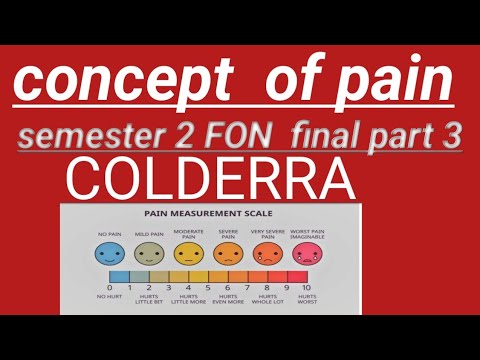












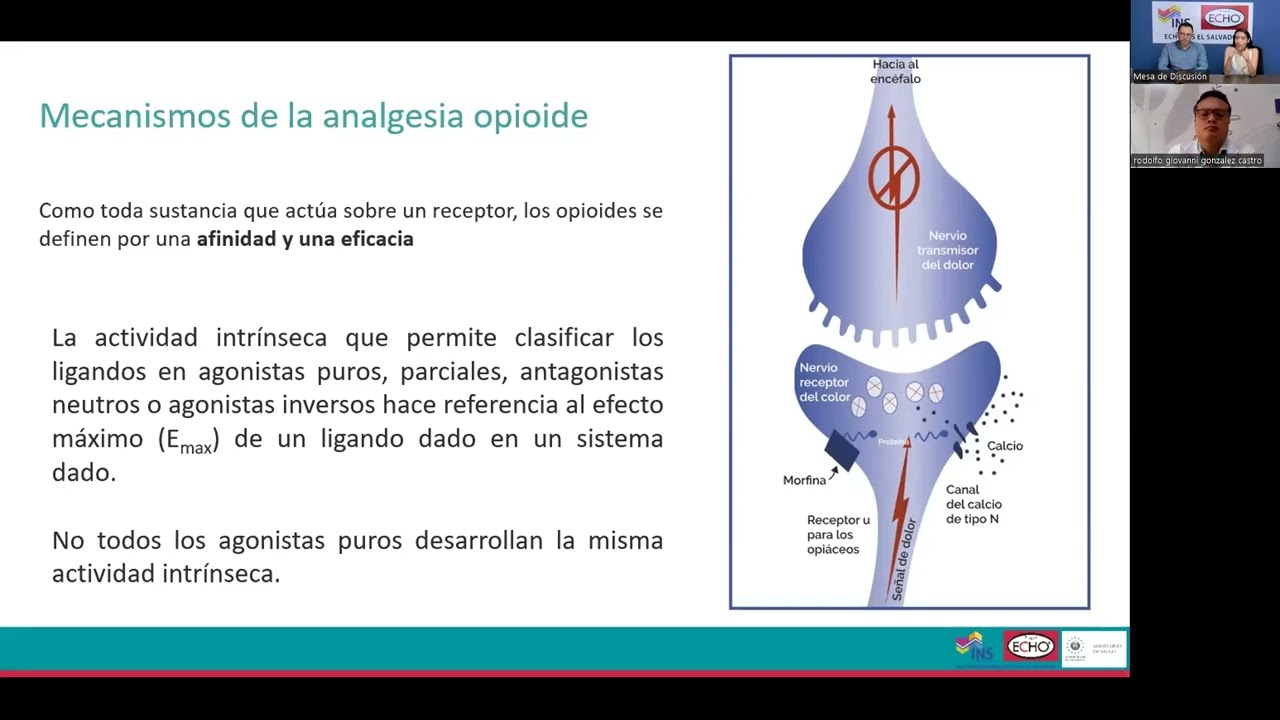
Pain is perceived through free nerve endings called pain receptors, which include mechanoreceptors (detecting mechanical tension), thermal mechanoreceptors (detecting extreme temperatures), and polymodal receptors (detecting various sensations), with mechanoreceptors and thermal mechanoreceptors supplied by A-delta nerve fibers and polymodal receptors by C-type fibers; the pain signal travels through the lateral spinothalamic tract via first-order neurons (from dorsal root ganglion) that synapse in the spinal posterior horn, then cross immediately to second-order neurons ascending to the thalamus, and finally to third-order neurons projecting to the sensory cortex, with the emotional component of pain arising from limbic system connections and pain modulation occurring through descending pathways from the periaqueductal gray matter, rostral ventromedial medulla, and anterior cingulate cortex that inhibit the synapse between first and second-order neurons; additionally, the lateral spinothalamic tract divides into the neospinothalamic tract (acute, localized pain via A-delta fibers) and paleospinothalamic tract (diffuse, chronic pain via C-fibers).
Pathophysiology of Pain: Receptors, Pathways & Modulation
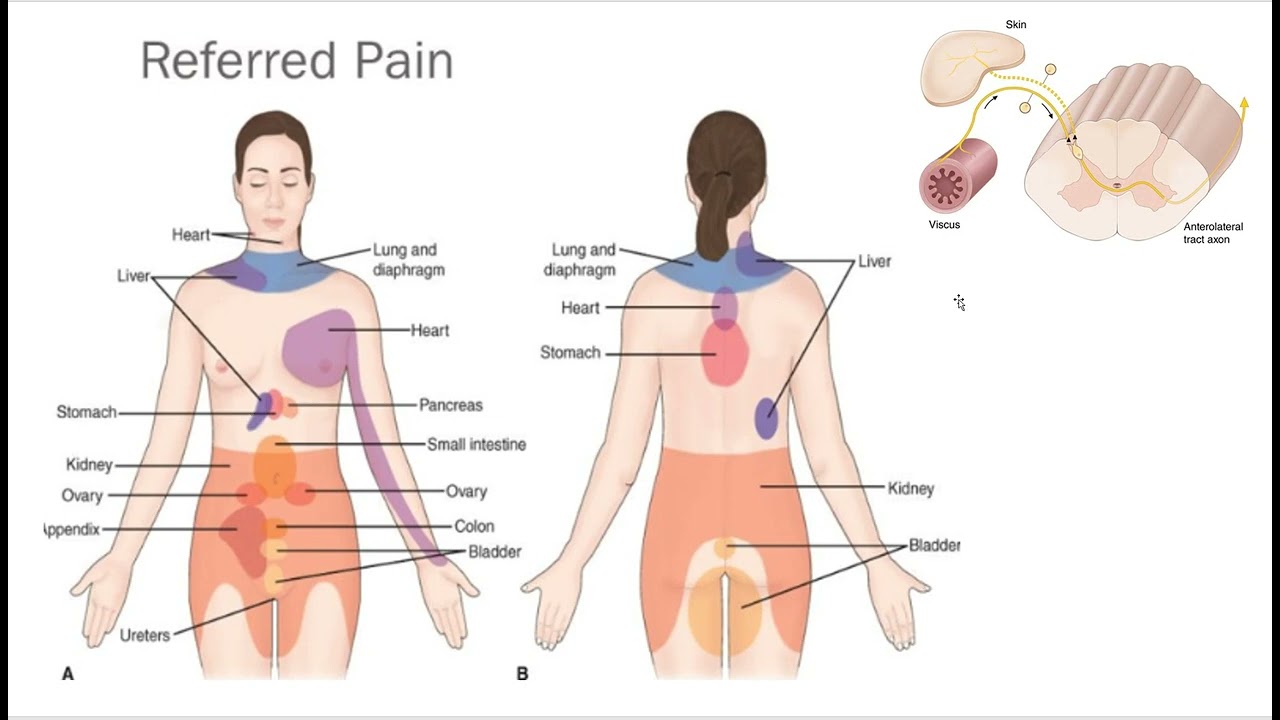
Added:now talking about pathophysiology of pain we should talk about pain receptors pain pathway and pain modulation and also a little bit about pain fibers [Music] now talking about pathophysiology of pain we should talk about pain receptors pain pathway and pain modulation and also a little bit about pain fibers okay so what are the pain receptors like you have different receptors for touch pressure and like for example roughness and organs or pacinians corporate skills you also have a receptor for pain what are the pain receptors pain receptors are basically free or i can say naked nerve ending so free nerve endings are the pain receptors and these pain receptors can perceive thermal and mechanical injury or insulin so they can perceive extreme temperature they can pursue extremes of mechanical tension building in the tissues so we can classify these receptors into mechanoreceptors which basically are concerned with mechanical tension we can also classify another set of receptors called thermal or thermo mechanoreceptors which can perceive extremes of templation you know even severe cold a very very low cold or very very low temperature is associated with pain at the same time like severe temperature is associated with burning sensation both are perceived as pain right so those are basically because of the stimulation of thermal mechanoreceptors and then third set of receptors we call as poly model so these receptors basically apart from pain can also perceive various other sensations okay so we have three sets of receptors the mechanoreceptors and thermal mechanoreceptors are basically supplied by afferent nerve fibers which belong to a delta category and the poly model are supplied by c type of no fibers we'll talk more about neurofibres in the subsequent slides but for now remember mechanoreceptors and thermal mechanoreceptors are basically supplied by a delta type of nerve fibers and poly model are supplied by c type of now fiber so that was about the receptor so from the receptor the pain has to travel through a pathway to reach the brain and that pathway you all understand is basically lateral spinothalamic tract right so let us look at the pathway the lateral spinothalamic tract actually begins with the first order neurons first order neuron basically supplies the somatic tissue or whatever the affected part of the body from there the first order neuron travels up to a synapse formation on the posterior horn of the spinal cord so the cell bodies of this first order neurons are staying in dorsal nerve root ganglion so it has two arms one arm goes to the periphery the tissue where it is supposed to perceive the pain the other arm goes to the second order neuron in the posterior horn of the spinal cord where it synapses so from this liner the second order neuron originates and it decreases to the opposite side immediately so if the mcq is asking you the decision of pain fibers or pain pathway occurs at what level it occurs at the level of entry into the spinal cord see for example fine touch fine touch does not decision immediately right but the pain fibers decrease it immediately that is why you you get the differential loss of sensation when you are dealing with the transaction of spinal cord liking bronze acquired syndrome so the point to remember here is that decoration happens at the level of entry into spinal cord and then it ascends up to reach the thalamus from thalamus the third order neurons third order neurons begin from the thalamus and they are projected to the sensory cortex you know there is a sensory and motor homunculus depending on which side of the body the nerve fibers are originating from they are projected onto the concerned homunculus and that is where we perceive the sensation of pain but if you look at this image carefully you will also see that there is limbic system or limbic nuclei which is getting projection fibers from the thalamus then there is also a reticular formation which is getting projection fibers from the elements so there is some kind of interconnection between limbic nuclear and reticular formation and what is the significance of that the significance is that if you look at the definition of pain itself we were talking about an emotional experience right so that emotional involvement with pain again the definition itself says it is an unpleasant experience so this pleasant or unpleasant basically is an emotional experience right so that emotional component to pain stems from this limbic nucleus so you all know that limbic nuclei is concerned with emotional response because there are projection fibers which are attached to the limbic nuclear you are getting that emotional involvement whenever there is pain then you also have frequently patients coming to you and telling that they are unable to sleep because of pain so that coupling is actually because of the involvement of reticular formation so you know that reticular formation plays an important role in sleep wake cycle so because reticular formation also receives projection fibers from the thalamus from the pain pathway the patients are generally not able to sleep when the pain is bothersome okay so that was about the pain pathway now if you look at this image again you will also see a descending pathway right originating in ph phd is very acquired actual gray matter from there there is a descending pathway originating and which is almost reaching out to the the synapse between first and second order neuron in the dorsal horn of the spinal cord what is the role of this okay so for this you have to understand the concept of pain modulation right what is pain modulation basically whenever someone is experiencing pain depending on the context he may experience it in an exaggerated manner or he may may not experience the pain at all a typical example is soldiers in the war so the soldiers in the war may not perceive the pain even when they have severe tissue injuries okay on the other hand you take your girlfriend if she is not a medic or even even if she is a medical just for a kovid jab and my god the way she would scream to tear your tympanic drums right that's because see this varying perception of pain is because of the involvement of pain modulation pathway so basically pain modulation pathway has an inhibitory effect on this synapse between the first order and second order neuron so it inhibits the perception of pain or the activity of these neurons and thus it has a kind of analgesic effect okay so the activation of this begins for the activation in the periacmedical gray matter but there are other areas which also influence the descending pain modulation pathway you have to remember two areas the first one is rostral ventromedial medulla and the second one is anterior cingulate cortex so in fact several mri studies where they have done a functional mri studies when you give a placebo saying that okay this is a painkiller and the patient experiences analgesic effect we have noted that these areas the rostral ventral middle area and the anterior cingulate cortex are functionally active okay so that was about pain modulation now i'll take you to next set of image in this image this is also a lateral spinothalamic tract this is basically again paint wrap but you can see that there are two colored nerve fibers ascending up they're coming to the dorsal nerve root ganglion then the spinal cord they're decorating and then they're ascending up typical lateral spinothalamic tract but there are two colors why have we put two colored lines here that is because we can divide the lateral spinothalamic tract itself into two types the first one is neo spinothalamic tract and the second one is paleospino thalamic tract so whenever you hear the word neo that means it's new right and whenever you hear word paleo it means it's old you know paleobotany for fossils paleo means old okay so this new spinothalamic tract is basically concerned with perception of acute pain new acute pain okay and this is also associated with localized pain usually acute pain are generally localized right and this paleo is associated with diffuse pain and it is usually chronic pain again the neo set is comprising of air delta type of nerve fibers and the paleo that is comprising of c type of nerve fibers okay so remember neo acute pain localized and paleo diffuse chronic pain neo air delta fibers chronic c fibers so this is about the pain pathway [Music] you
Up Next

Chronic Pain as a Disease: Mechanisms and Future Treatments
@TEDEd
251.1K views•2013-03-31

Graphic Medicine: Comics for Collaborative Healthcare Communication
@nationalpatientadvocate
189 views•2023-12-04

Neuroanatomy: Central and Peripheral Nervous System Divisions Explained
@AKLECTURES
136.2K views•2014-09-20
Stages of Labor and Vaginal Birth | Childbirth Animation
@nucleusmedicalmedia
52.1M views•2017-08-18
Related Study Plans & Knowledge Roadmaps
Structured learning paths in Medicine