






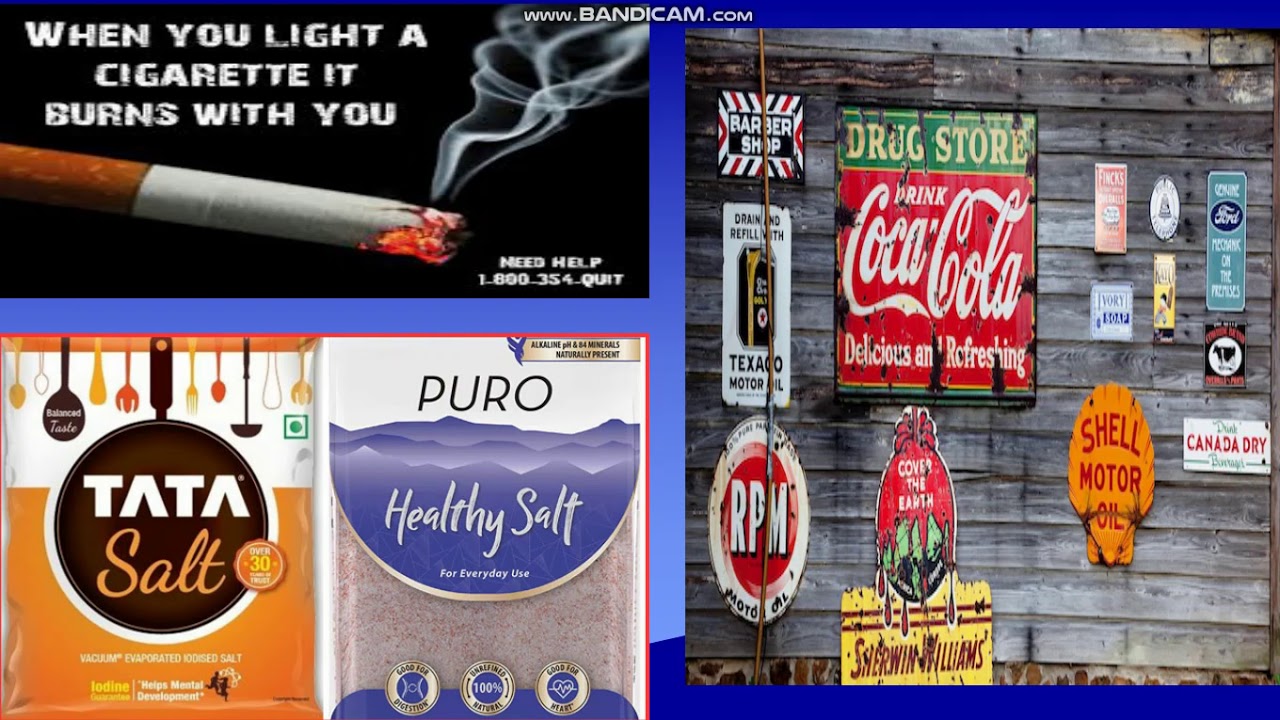









A trademark is any symbol, word, figure, three-dimensional shape, or sound that distinguishes a person or company's products and services from others in the market, enabling consumers to identify and request specific products; to protect a trademark, it must be registered with the relevant authority, which grants the owner exclusive rights to use it for 10 years (renewable), and registration prevents others from copying or imitating the mark without permission.
Understanding Trademarks: Animated Guide to Brand Registration
Added:Basic understanding of Intellectual Property (IP) as a legal category distinct from physical property.
The concept of brand identity, including logos, slogans, and trade names, and their value in business.
The fundamental difference between trademarks, copyrights, and patents.
The concept of market competition and why preventing consumer confusion is economically important.
The step-by-step legal process of conducting a trademark search and filing a registration (e.g., with the USPTO).
Strategies for enforcing trademark rights and handling intellectual property infringement disputes.
International trademark frameworks, such as the Madrid System, for protecting brands globally.
The concept of trademark maintenance, renewals, and the risk of 'genericide' (how trademarks can be lost to common usage).
58.4K views365likes6:00Original Release: 2013-08-29
[Music] [Music] Brands Brands Brands everything in the world is a brand everything well we have to decide what our brand will be dear Bing Bong we're going to Brand history history with what brand Marco follow me and you'll see it's a place where they make t-shirts as customers want them there Heavens it's perfect for what we want imagine we buy white t-shirts pingpong designs the motifs you and I print them place our brand and we sell them in several places let's hope it works we'll compete with very famous brands but each can have its own space famous Brands already have it our t-shirts will be unique we will earn our space have you heard the latest on vandalist he copies the style of famous Brands and sells his products as if they were Originals vandus is a crook we'll show him that one can win honestly with hard work and our own brand speaking of Here Comes Jolie hey guys I went to the brand registry office the brand is any symbol that helps distinguish a person or company's products and services from others in the market a brand can be a word figure a three-dimensional shape a sound the goal is to distinguish that person's or company's product so it's not confused with others if people can identify the product they want they can ask for it exactly and the entrepreneur can also offer it and advertise it that's clear totally clear If the product is well received people will recognize the brand and this will make it better known and increase its value with the brand you can create an image and a style for the product without a brand nobody could recognize the product or service it's a delicious chocolate but I can't remember the brand wow it's really important to have a brand wait a minute what if somebody copies our brand that is forbidden Brands must be special and different to exist ones they must be used to help identify not confuse but what would happen if they copy or imitate us we denounce them to the corresponding Authority so they enforce the law in order to protect your brand you must first register it uh and what if I didn't register it it will be difficult for you to protect it registration makes you the owner of the brand turns you into the owner into the only person authorized to use it is it valid forever registration lasts 10 years and can be renewed over and over again we should create our own brand and register it immediately immediately everybody say words that customers might like and we choose the best one we should keep in mind that customers are going to associate the word with the product what do you think of bach chupin bach chupin by babby Marco chulie and pingpong it sounds like m listen what about ryok like rebok the brand on TV yes it has worldwide recognition did you forget that we couldn't use a registered brand oh I'm sorry unless we have the owner's permission can we get permission having a brand is like having a car it's something that people can buy from you or they can use it for some time if they pay what you settled on and can we put whatever price we want that depends on the Brand's market value that is why Prestige is important remember friends we have to choose our brand what do you think of Chuli Lopez no Julie Lopez is my name it's my brand I own it and do not authorize it what about to live to live to live cloth that suit you to live to live comfortable clothes to live to live I use to live I like to live to live with its registered R that's it it should be drawn and registered depending on the legislation of each country different things can be forbidden when registering a brand for more information contact the trademark office in your area our designs will be to live what if someone comes out with to live sweets for example you can do it because it's a different product that bears no relation to our t-shirts there is no risk of confusion when it's products that have no relation to each other for example cookies and cars different products are ordered in different classes who establishes the classes product classes are explained in n's International classification this is our application and stamp the copy for me please all right and now we must public the application in the media they tell us why so that any person that objects to our brand can inform the registry and if no one objects to it then the office is certain that the application is good [Music] our product has a registered brand people identify it and ask for it because of our hard work our brand has gained Prestige with which we all win [Music]
Up Next

7:24
Trademark Law Fundamentals: Definition, Strength, and Registration
@jimhart
2.2K views•2015-11-20

6:55
Understanding Copyright and Fair Use in the Digital Age
@techquickie
144.1K views•2016-07-22
5:27
Forensic Phonetics: Speaker Identification in Legal Cases
@nptel-nociitm9240
539 views•2025-03-19

24:42
Police Interrogation Tactics: False Confessions & Legal Reform
@LastWeekTonight
7M views•2022-04-18
Related Study Plans & Knowledge Roadmaps
Structured learning paths in Law
law
Analyzing Mergers: Clayton Act & FTC Rules
01Introduction to Antitrust Law and Market Competition
02Corporate Mergers and Section 7 of the Clayton Act
03Defining Markets and Measuring Concentration (HHI)
+ 2 more learning modules
10h5 modules
Explore Roadmap
law
Self-Defense Law: Imminence & Castle Doctrine
01Foundations of Self-Defense Law
02Imminent Threat & Reasonable Belief
03The Principle of Proportionality
+ 3 more learning modules
12h6 modules
Explore Roadmap
law
Defamation Law: First Amendment & Actual Malice
01Introduction to civil torts and the First Amendment
02Elements of Defamation: Libel and Slander
03Public Figures vs. Private Individuals
+ 2 more learning modules
8h5 modules
Explore Roadmap
law
Hearsay Rule: Trial Evidence & Exceptions
01Introduction to Trial Evidence & Courtroom Basics
02Demystifying Hearsay: The Core Definition
03Non-Hearsay: Exclusions Under FRE 801(d)
+ 3 more learning modules
14h6 modules
Explore Roadmap