





![Volo subsonico, transonico e supersonico [Weesk 24]](https://i.ytimg.com/vi_webp/yljJ8lBx36w/maxresdefault.webp)
![[Tutorial] TF2204 Mekanika Kontinum | Responsi Pra-Ujian 4 2025/2026](https://i.ytimg.com/vi/9vkDaGbUpng/maxresdefault.jpg)




![Oblique shocks and expansion fans [Aerodynamics #19]](https://i.ytimg.com/vi/XW2FH8Yn9yE/maxresdefault.jpg)




![Hypersonics [Aerodynamics #20]](https://i.ytimg.com/vi/bbaSjdYESkk/maxresdefault.jpg)

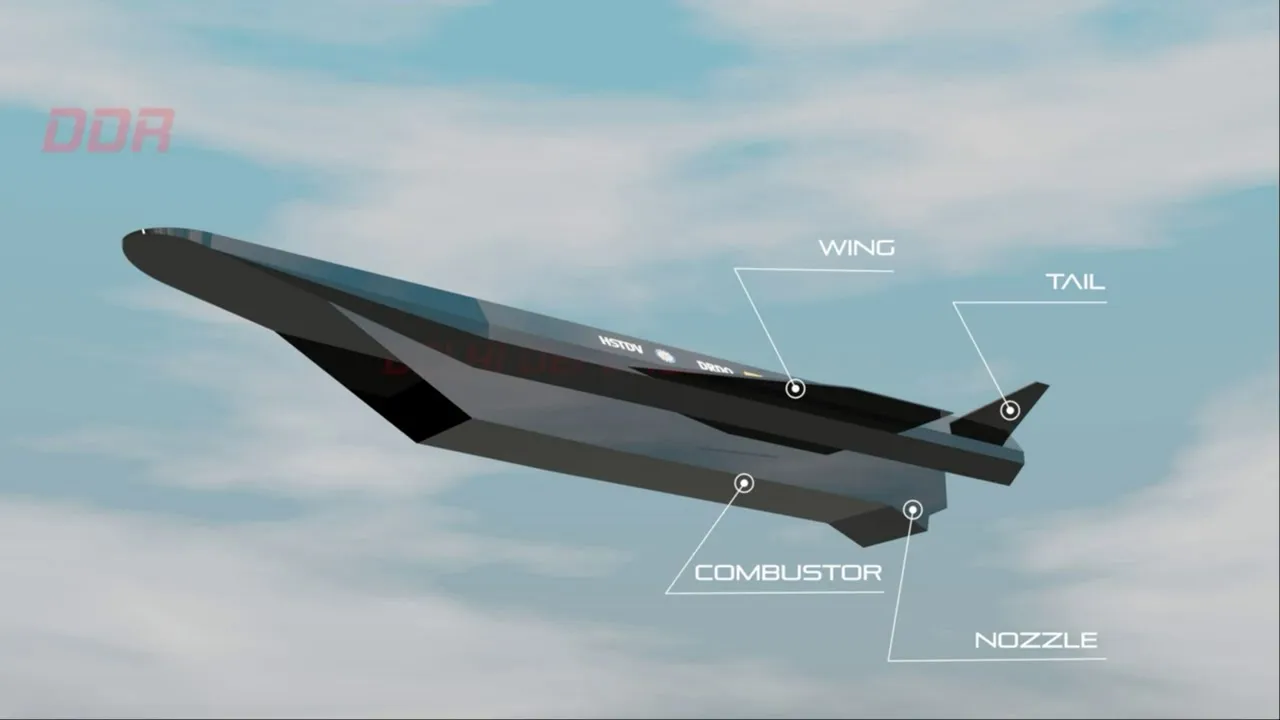

A normal shock wave is an irreversible discontinuity in supersonic flow fields characterized by dramatic property changes across a very thin region (approximately 1×10⁻⁵ inches thick), where static pressure, density, and temperature increase while Mach number, velocity, and stagnation pressure decrease; these changes are governed by five fundamental equations (conservation of mass, momentum, energy, equation of state, and constant specific heat) that can be solved using either analytical relations for γ=1.4 or tables B1 (isentropic flow) and B2 (shock properties) to determine downstream conditions from upstream Mach number.
Fluid Mechanics: Shock Waves & Compressible Flow (29 of 34)
Added:Thermodynamic fundamentals of ideal gases, including the speed of sound and isentropic flow relations.
The concept of Mach number and the distinction between subsonic, sonic, and supersonic flow regimes.
Conservation laws (mass, momentum, and energy) applied to one-dimensional control volumes.
Stagnation and critical state properties (stagnation pressure, temperature, and density) in compressible fluids.
Oblique shock waves and Prandtl-Meyer expansion waves in multi-dimensional supersonic flows.
Fanno flow (one-dimensional compressible flow with friction) and Rayleigh flow (flow with heat transfer).
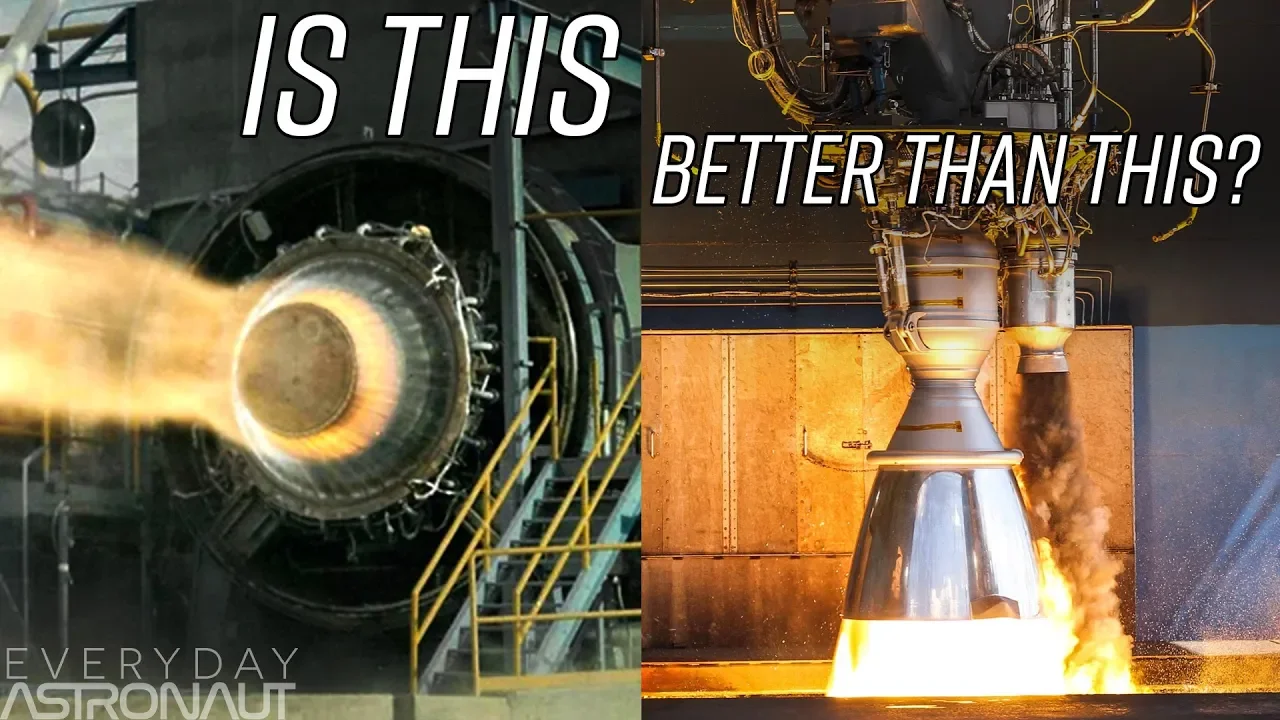
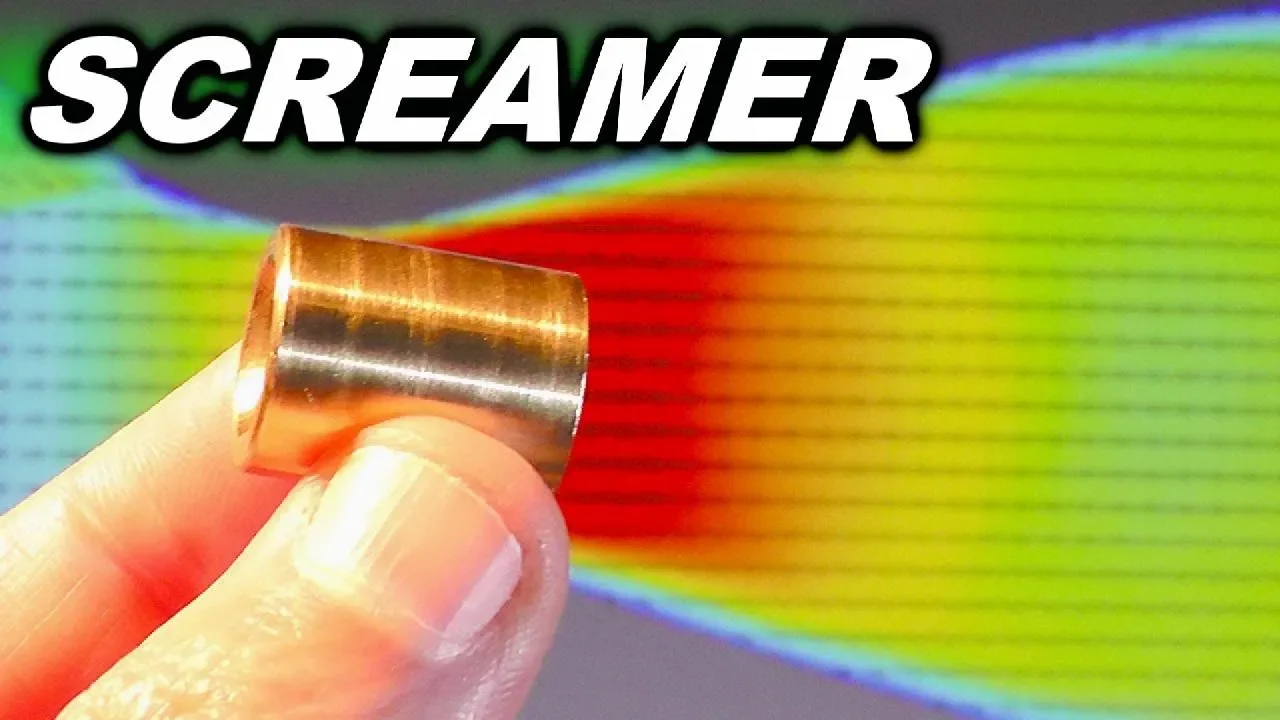
Practical applications in propulsion systems, such as the design of converging-diverging (de Laval) rocket nozzles.
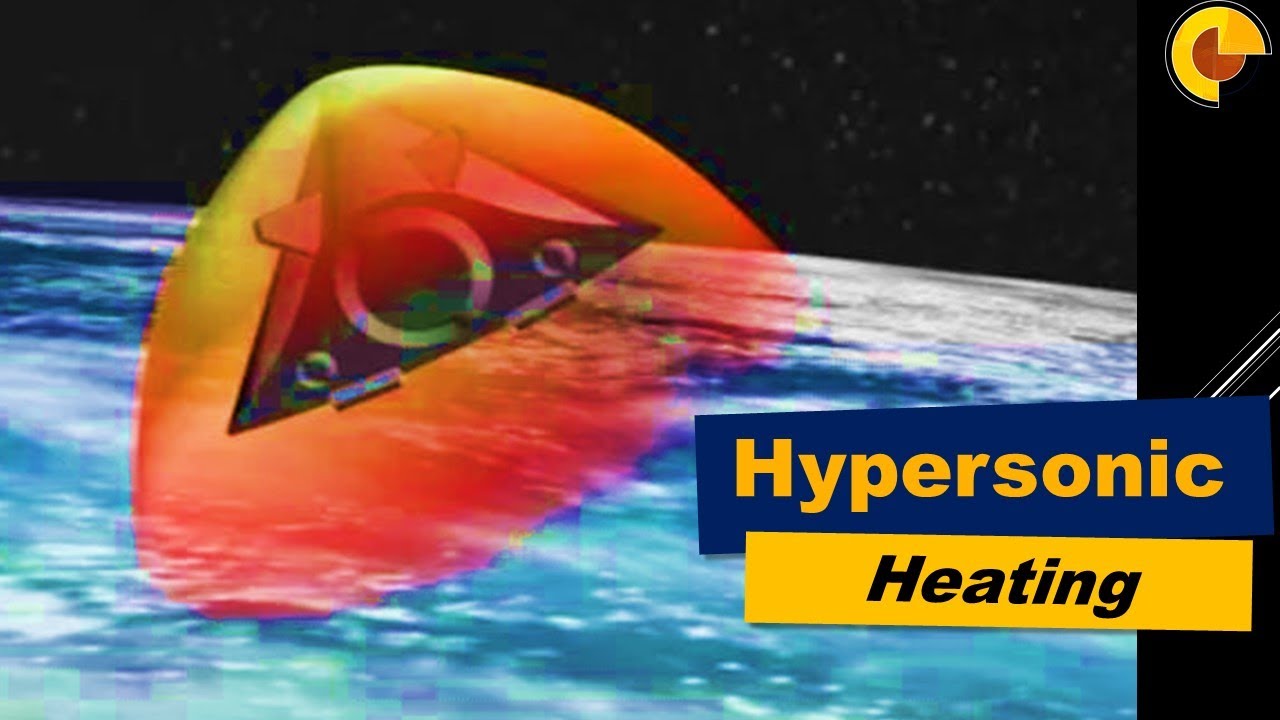
Shock-boundary layer interactions and aerodynamic heating in high-speed, hypersonic vehicle design.
70.9K views1Klikes1:10:33Original Release: 2018-08-11
>> Okay, we'll go and get started today. Little review since we met last, last week. We're in chapter nine, compressible flow. We were talking last time about converging nozzles. And we worked a couple problems on that, and that's where you are today. So today, we're going to kind of shift gears of sorts and look at an important topic in compressible flow. Which is going to build on what we're going to do on, maybe later today, probably Wednesday. Shockwaves in flow fields. Shockwaves, the official definition here, irreversible discontinuities.
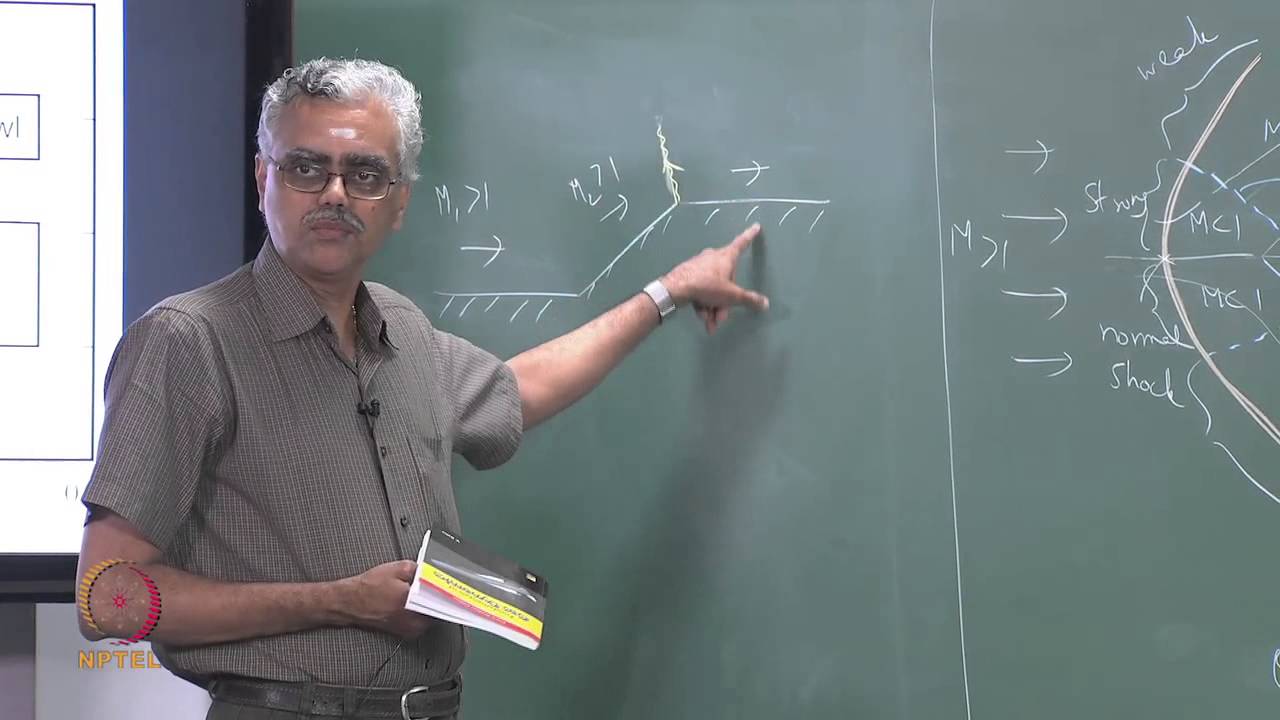
They can occur in a supersonic flow field. That gives you a big hint right there. They occur in a supersonic flow field. They may. They can be either internal or external. I think we're all familiar with external shockwaves.
Pictures of aircraft shockwaves online that shows in certain weather conditions, it can show the shockwave off the aircraft body. They can also occur inside of pipes. They can also occur in nozzles which is where we're going to see them in our class. They can be standing like in a pipe or a nozzle. Or they can be moving like a fighter jet going Mach 1.2. Okay, they're, they're, they're discontinuities tell you something. That means there's a sudden change in something. A discontinuous change in something. Reason why is pretty much discontinuous first of all is their thickness is on the order of. One times ten to the minus five inches. So they're very, very thin. And across that very thin shockwave, dramatic things happen. So big changes in properties across the shock. Accelerations. Oh, tremendous accelerations. The of its air, the molecules of air go through tremendous decelerations across the shock.
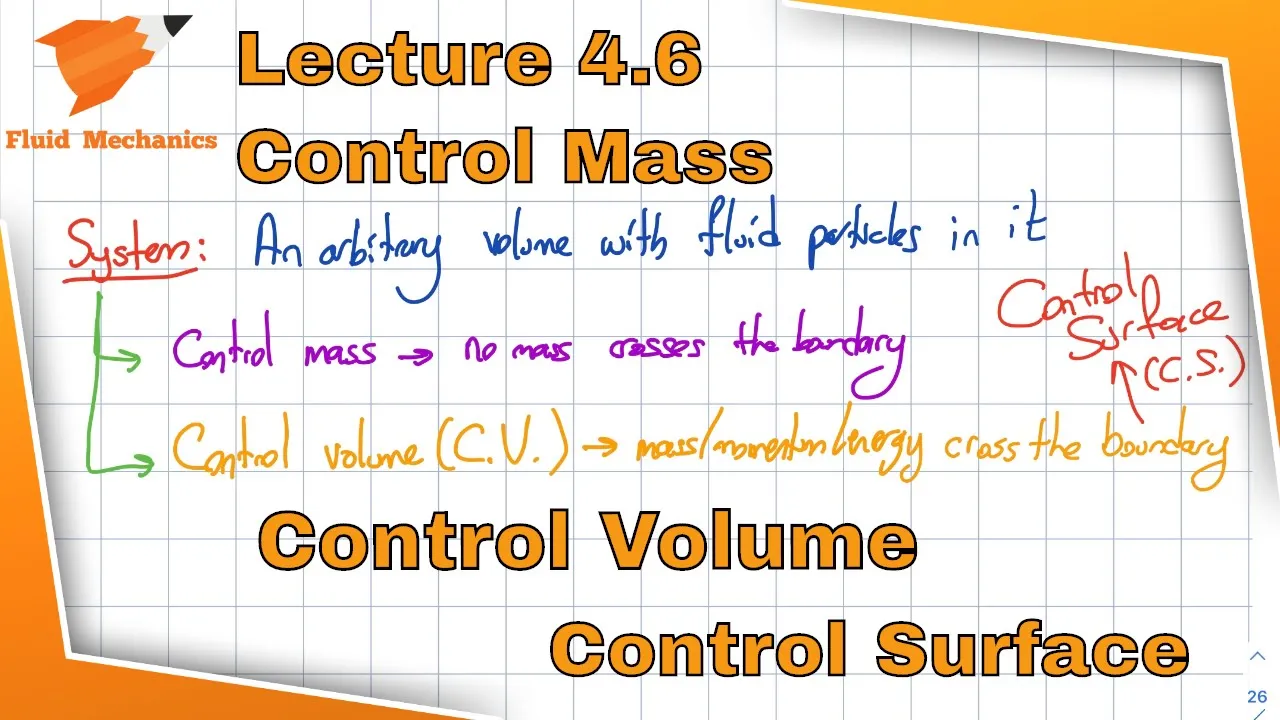
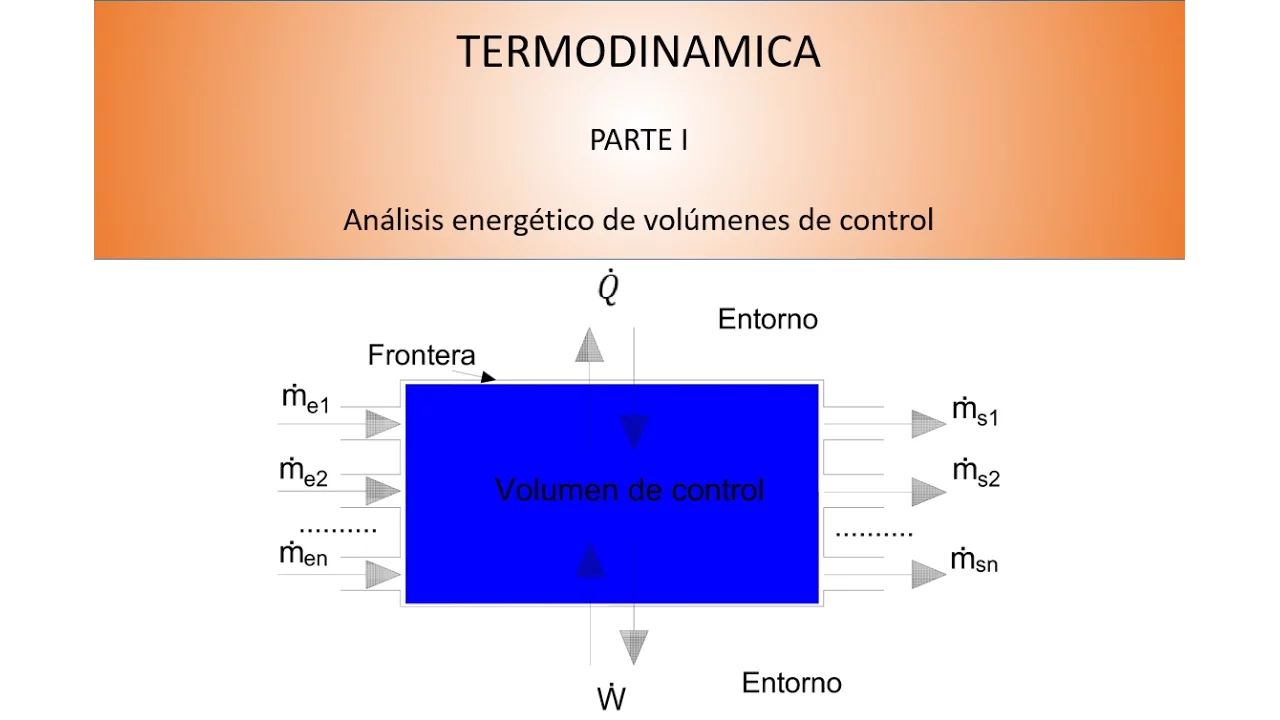
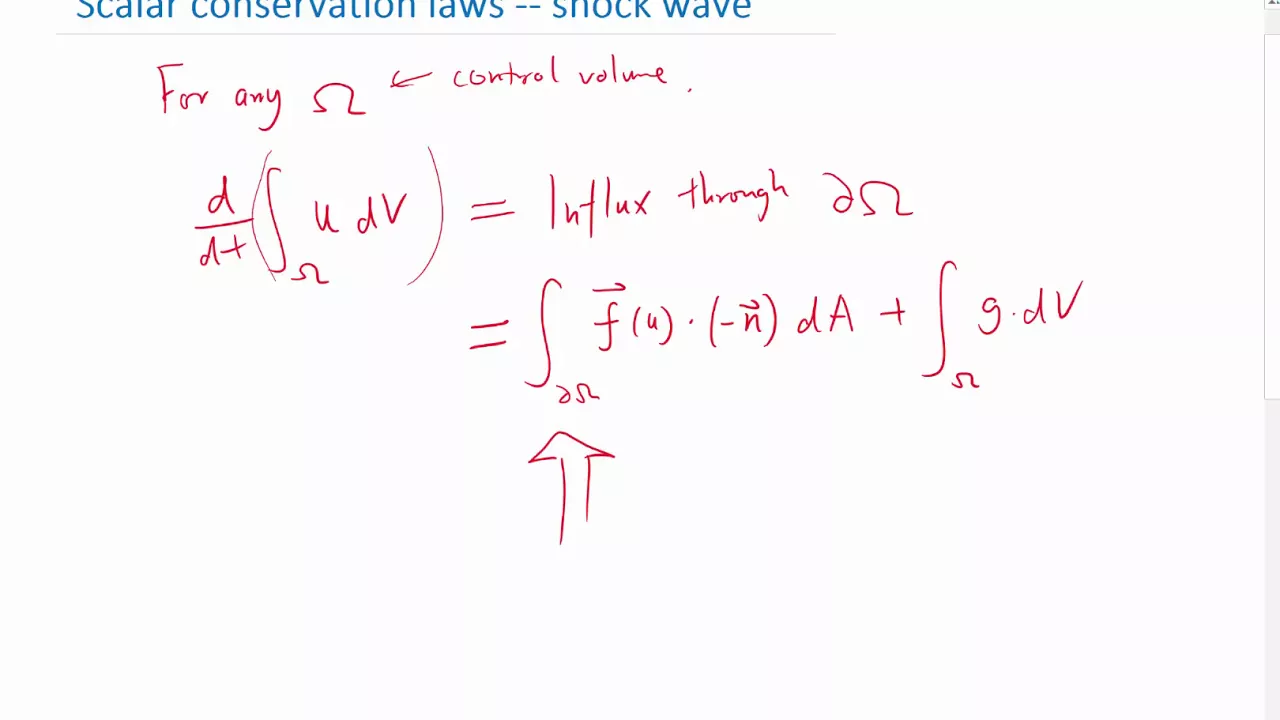
Decelerations across the shock. So the first thing to do is to look at the shockwave and analyze it from our basics equations in fluid mechanics. So we'll start off and we'll look at a shockwave here. And let's say it's contained in some kind of a duct. In this case, a constant area duct. Our control volume is the dashed lines. Approaching the shockwave. We have conditions one, leaving the shockwave. We have conditions two, other side of the shockwave. We'll talk about upstream of the shockwave. This is downstream, that's downstream Like in a river. Upstream where the water comes from. Downstream, where the water goes from to. So upstream, downstream. First of all we have conservation of mass.
This is steady flow, okay? So we have rho AV at one, equal rho AV at two. But the areas. Are the same. So continuity rho one, V, V one equal rho two, V two.
The area on both sides is, is essentially the same because it's so thin. One times ten to minus fifth inches. That's conservation of mass. Now we have momentum. And we'll call that in the x direction. So our momentum equation. The forces, pressure forces on both sides. Because the mass flow rates are the same, M dot one equal M dot two. From continuity, conservation of mass. You don't need a subscript on those guys. They're the same. Then we have the first law thermal energy. We'll use the form H1 V1 squared over two, H two V two squared over two.
H enthalpy. Enthalpy. Then we have the equation of state for a perfect gas. P equal rho RT. Then we also have for this, the change in H. H two minus H one for constant C sub P is equal to C sub P, T two minus T one. That's constant C sub P. So basically, those are the equations we're going to work with. There's a lot of stuff going on in those equations. You can count the unknowns. Five unknowns.
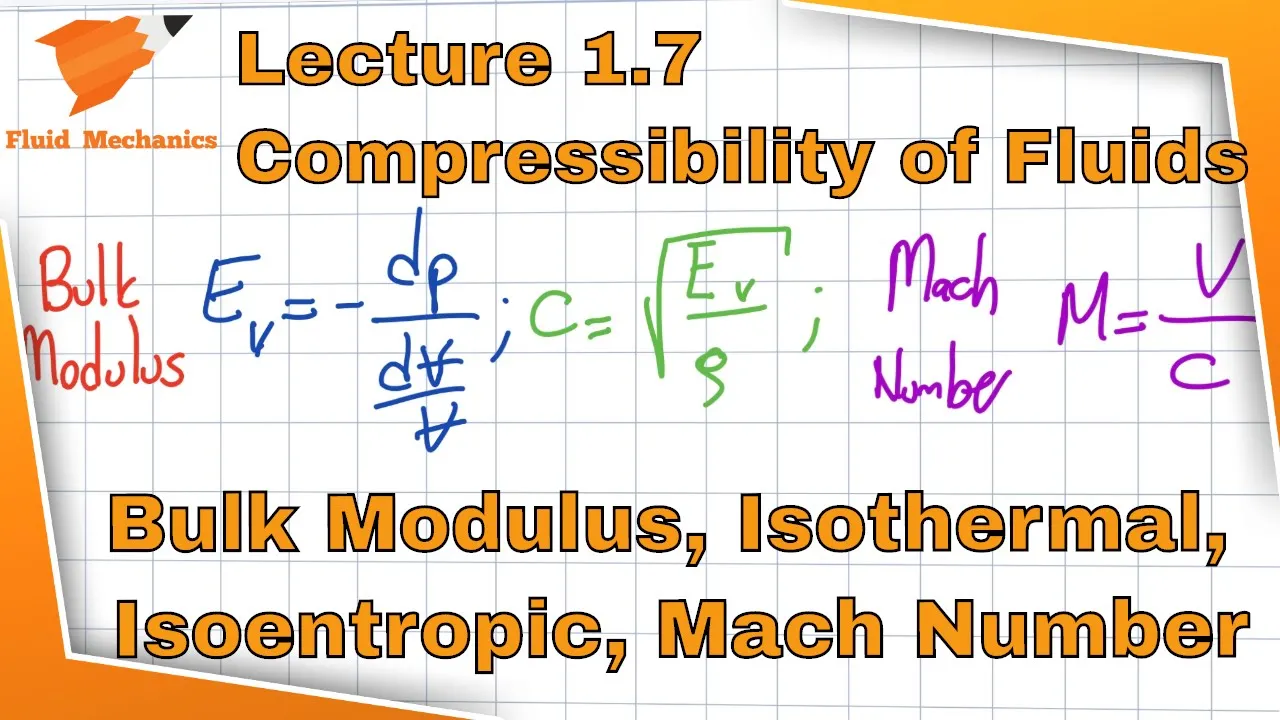
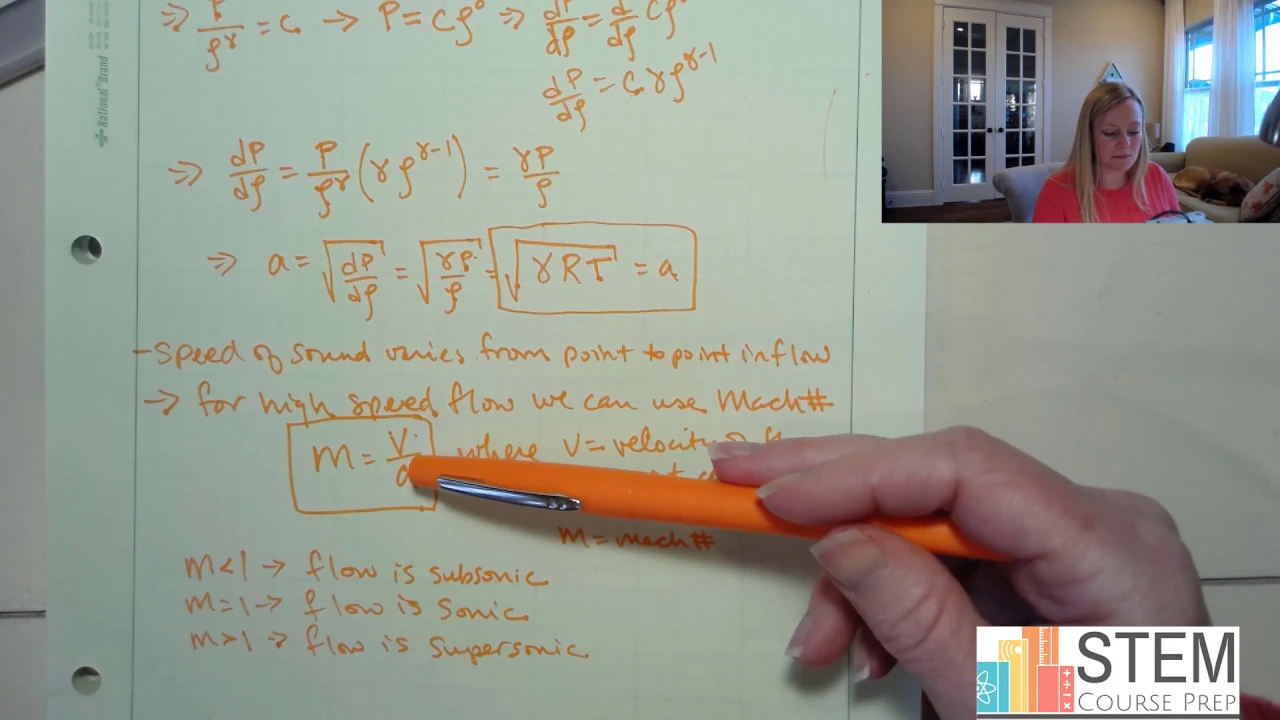
You assume the upstream conditions are given. So you assume you know all the subscripts one. Rho one, T one, P one, H one, V one. The unknowns are the downstream values of those unknowns. Okay. Conservation of mass, momentum, energy, equation of state, constant C sub P. One, two, three, four, five. So the object is to solve those five equations for those five unknowns. So you go through that. And we end up with a number of equations. I'll just write a couple of them down here. Let's say, let's do the P two over P one. Now these guys are all going to be K 1.4 because pretty much that's what we're going to be looking at. I'll tell you what to do if it's not K 1.4. But for right now, it's going to be K 1.4, Okay, so you just solve this guy for two over P one, okay? P two, P one. P right here. You get that equation. Let's take another one. Let's take T two over T one. So we go through, and what we try and do is we try and make the right-hand side only a functional Mach number. Because the Mach number's going to be the important dimensions parameter. The Mach number. So the right-hand side of all these guys are going to be expressed in terms of the Mach number.
Okay, we've got the temperature. M one squared plus five. Seven M one squared minus one divided by 36 M one squared. Right side's only a function there of Mach number. Rho two over rho one is equal to 2.4 Mach number one squared.
Divided by two plus 0.4. Mach number one squared. It can also be shown that that's the same thing as V one over V two. Flip flop the subscripts. One subscript's numerator, two subscript's denominator. So now we have so far four expressions. One gives you P two, one gives you T two. One gives you rho two.
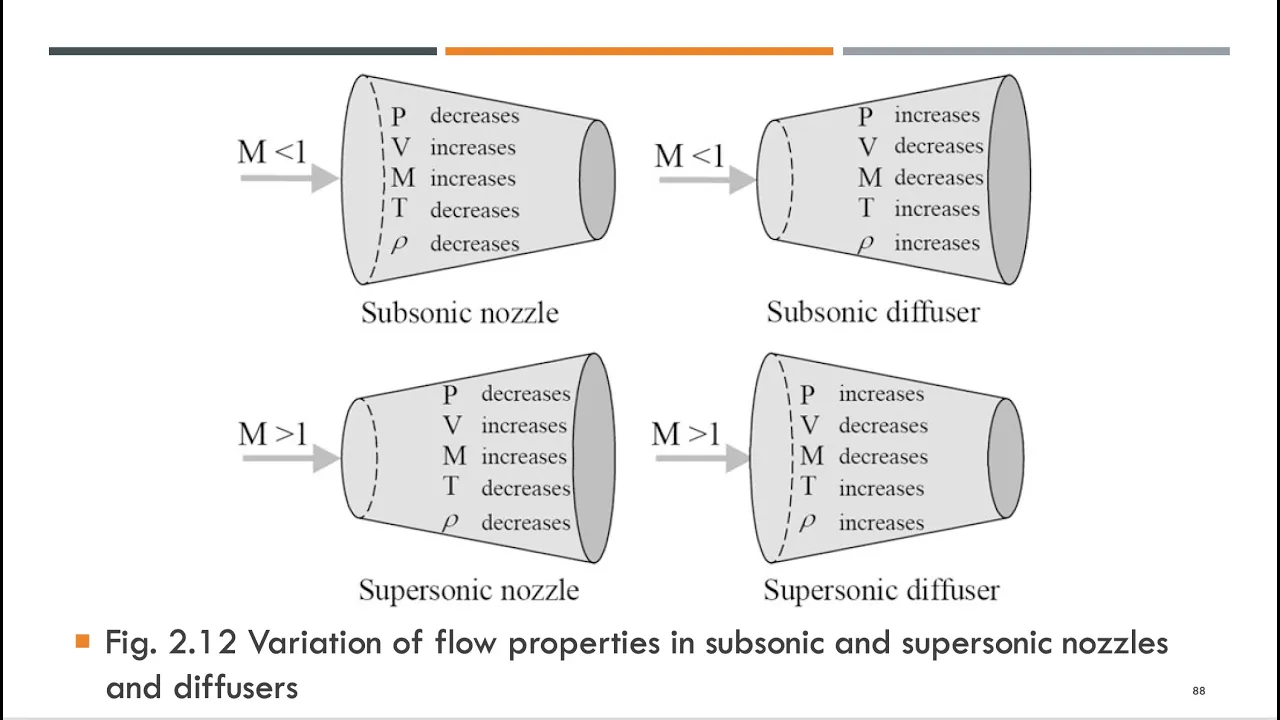
One gives you V two. Okay? Now if you want to find the Mach number two, Mach number two squared. Mach number one squared plus five divided by seven. Mach number one squared minus one. That's going to give us the Mach number two, across the shockwave. Now, if you do that and look at the results, I'll put the variable here. And I'll put the change across the shockwave here. Okay, Mach number. Static pressure. Stagnation pressure. Static temperature. Stagnation temperature. Density. Velocity. Entropy. Those are all the properties we're typically interested in and the velocity and Mach number. Okay, here's what happens across the shockwave. Change across the shockwave. Mach number goes down, decreases. Static pressure increases. Stagnation pressure decreases.
Static temperature increases. Stagnation temperature does not change. Density increases. Velocity decreases. Enthalpy increases. You can show that by plugging numbers in the equation. I'm sorry.
>> Enthalpy or entropy?
>> Entropy. Yeah, I'll mention it in just a minute. If K is not 1.4. Okay, K is not 1.4. Then we're going to use equations 955, 958, and 959. So those equations just have K in the Mach number one here. It has K in the Mach number one here.
It has K in the Mach number one in the equation. It has K in the Mach number one in the equation. Only difference is, you'll see a K in all the equations. So put the right K in. Only use these guys here if K is 1.4. And I showed you before all the gases that have a K of 1.4. There's a lot of them. Now when you solve these five equations for these five unknowns. You're going to get two values of V because it's squared. When you take the square root, you get two values of V.
Now, with those two values of V, the textbook goes through it. If you put those in the change in entropy, one gives you a positive change in entropy, and one a negative change in entropy. Now the shockwave is irreversible. So you can guess from your thermal background what entropy does. It doesn't go down, it goes up.
It goes up. Irreversibility, it's called, cause entropy to go up. Therefore, you choose the right V that causes the entropy to go up, okay? And that's reflected over here then. Entropy of course must increase across a shock because of the irreversibilities in the shock. Like what? Friction. Friction, major irreversibility in a shock. You got freeway jam packed. Everybody's going 70 miles an hour. One guy in the lane up there decides he sees a part of a tire from a truck in the, in the lane. He puts his brake on. Everybody puts their brakes on. But there's going to be a massive collision. Everybody's going to slow down. They were going 70. Now they're going ten. Velocity goes down.
Because of the collision. What happens? The cars get hotter. Why? Because of metal on metal friction. Yeah, same thing here. Big collision. Molecules going really fast. They hit the shockwave. Oh, their velocity decreases. Slowly. Oh no, read it again. Discontinuously within a small area. Yeah, same thing. That's why these guys behave like. That's why he goes up, he goes down, things like that. Okay. So what you want to do. When you're in a compressible world, chapter nine, number one. You have no intuition. You don't live in a compressible world.
You don't go Mach 1.2. But everything you've got in the world's based on that.
Okay, so what, what do you do then? This. Believe the equations. They're the truth. They're the truth. I don't care what they say, say, "That doesn't seem right to me." Oh yes it is. That's because your intuition isn't right in a compressible world. So these things may seem strange to you. They do, of course they do. But that's okay. You're in a new world. Turn the page over.
Incompressible? Compressible. Intuition, uh-uh, won't work. Equations? Yeah, they work fine. Now, you can use the equations if you want. Or if you want, you can go to table B2. Okay, I'm going to put them both down again just to contrast them. So let's see. Table B1. Okay, here it is. Let's put table B1 down first.
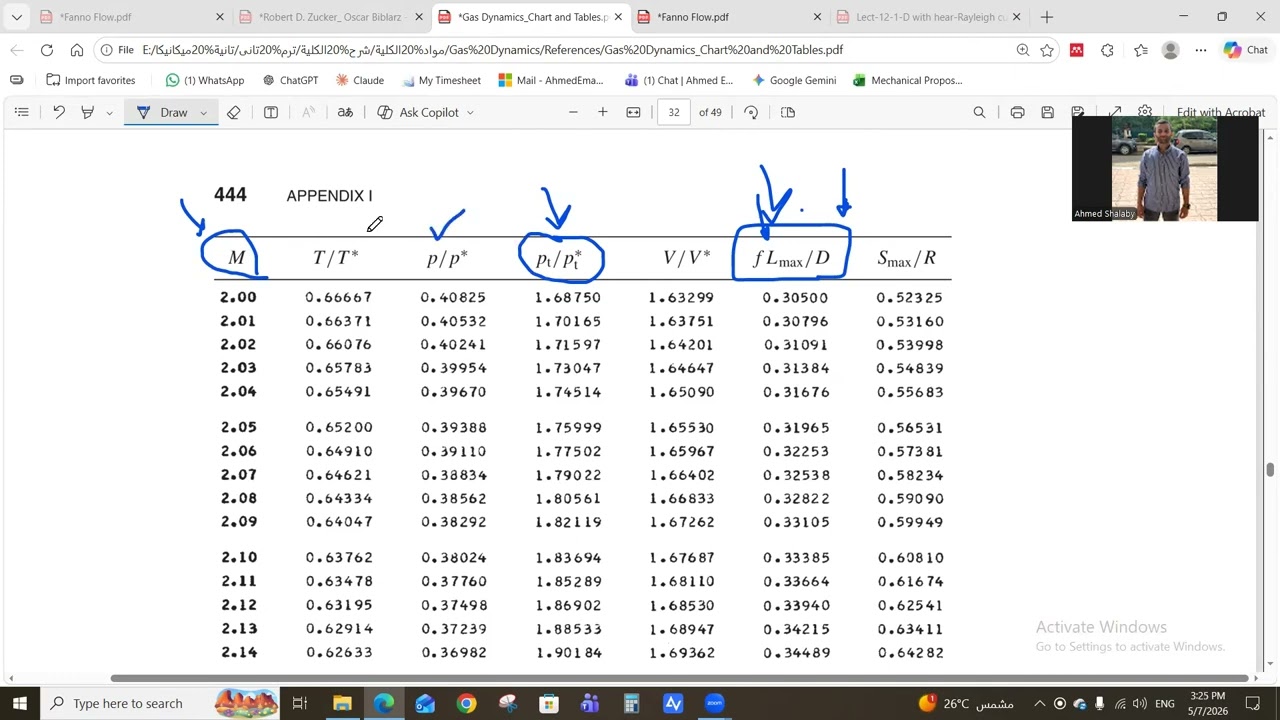
Isentropic. Okay, so we have our table B1, Mach number. And we have P over P naught. Rho, over rho naught. T over T naught. A over A star. Okay, we start out at zero. One, one, one, infinity. We go down to a Mach number one. We go down to a Mach number two. It goes all the way down to a Mach number four in your textbook table B1. It goes down to four. Okay, table B2. Shock table. Table B2 in the back of your book. Mach number one. Mach number two. P over P, P two over P one. Rho two over rho one. T two over T one. P naught two over P naught one.
Last column. A star over A star. A start two over A star one. Mach number starts out at one. It goes to two. It goes to three. And let's double check it just to make sure. Yep, stops at five. Okay, I'm not going to show--what we've done is fine up there. So it stops at five. Okay, put some numbers in. Et cetera. It's a Mach number upstream of the shock is one. It's reached sonic speed. The Mach number downstream of the shock is also one. Is there a shock? Yeah, but it's very, very weak. Very, very weak. It's there, but it's very, very weak, okay?
Now go to two. If the upstream Mach number is two, one. I'm sorry, two. The downstream Mach number M two is.5774. Wow, the Mach number really went down.
It's subsonic now. Mach number, right there, decreases. One, less than one, decreases. Three,.4752. Wow, it's getting smaller. Conclusion. The higher the Mach number on the upstream side, the lower the number on the downstream side.
Shocking stuff, isn't it? Oh, that's right. That's why it's called a shockwave, okay? Yeah, that's why. Don't, don't try and figure it out. And say, "I, I don't understand that." Don't worry, don't worry. You don't live in a compressible world, Mach 1.2. But here's the conclusion of [inaudible] equations. This guy goes up, this guy goes down. Right there. Now, just so you remember from, from your first fluids course, this is the static pressure. This is the stagnation pressure. What's the stagnation pressure? The pressure at a point in a flow field where the velocity of the fluid comes to rest isentropically. Okay. T naught. T, no subscript. Static temperature, T naught. Stagnation temperature.
Stagnation temperature on a re-entry nose cone? Where the velocity comes to rest. Do you think it gets hot there? Oh, you'd better believe it gets hot there. It gets really hot there, okay? Because of friction. I even doubt that.
Bring it to rest without friction, it's still hot. Let's see we need, got that guy. Okay. We've done this guy. We've done the rho, okay, not the rho yet. Okay, rho. P two, let's do the P two. P two is one here, 4.5. Down here, 10.33. Okay.
Let's say the pressure upstream of the shock is atmospheric pressure, 14.7 pounds per square inch. What's the downstream pressure? Oh boy, is it really big: 10.33 times that. Will it blow your eardrums out? Probably, yeah. Probably.
Don't stand on the deck of a carrier with a jet going over at Mach, you know 1.8. Your eardrum will be blowing out, yeah. Why? Because that pressure increases so dramatically. Pressure goes up, let's check it out here. Static pressure increases. Yes, it does. Okay. Density, one. Density at a Mach number of two. The density is 2.6667. Okay. The density increases. Oh yeah, the density, yeah. It increases from one to 2.6667. How about the velocity? It's just the reciprocal of the density. So a change in velocity is one divided by 2.6667. What is--the density went up. What's the velocity do? Here it is--it goes down. What's a Mach number do? It goes down. I'll put three on there, 3.8571, The temperature, Mach number of two, the temperature ratio right across there: 1.6875. At Mach number of three. Temperature, 2.6790. Did the temperature go up? Oh, yeah. The temperature. What temperature? The static temperature.
Yeah, static temperature. P naught two or P naught one. Okay, P naught two or P naught one, one, one. Okay Mach number of two. There we go:.7209. Mach number of three:.3283. What did stagnation pressure do? It went down. Yes, stagnation pressure down, yeah. That's where that list came from. You know, put the numbers in. How come it went down? Well this is a measure of how much energy that the flow has. It takes energy to cross that shock. It takes energy to push those molecules through the shockwave. They want to resist that. So that change in energy is used for the fluid to go across the shockwave. So the energy of the fluid decreases. So one goes down, one goes up. You think, oh man, what's going on here? Okay, there it is. Don't say what goes on here. Say I believe the equations. Okay? Repeat it to yourself ten times. I believe the equations. Don't try and, don't get too involved with it. Well, I don't understand why. I'm confused. No, no, that's not right. Of course we're all, you'd be confused. This is a compressible world again. And a shockwave is even worse as compressible.
Okay. We'll get this guy later. But for right now, just so you know, There's also an A star two, an A--let's go back. What's the star conditions mean? It means the location where the Mach number equal one. The location where we have sonic speed in the flow field. Okay, 2.0, 1.3872. Three: 3.0456. No, it's three, okay. Three:.0456. You can go on down. It goes on down to five in the table, Mach number five. Hypersonic speeds. Now you, in the table, you won't see some things. Stagnation temperature. You won't see a T naught one over T naught--T naught two over T naught one. Why? Because it doesn't change. Stagnation temperature. So there's no column titled T naught two over T naught one. You won't see the equation up here for this A star. But it's in the textbook it's rather long. So I'm not going to put it down here, but I'll just tell you that.
There's an equation in text, okay? So there are all of the--there's the equations. This is for K 1.4. If K's not 1.4, use these guys. Here's a shock table. This guy. Here's the isentropic tables, okay. And of course what happens across a shock is right here. Okay, so I think that's all we need to do an example problem. So I'm going to work that I think over here. I'll keep this on here. Okay, example. A normal shock. A shockwave is normal to the velocity vector. That's why it's not, you know, normal because there's something--he's a normal guy, no, no. It means it's normal too, okay? The, now the, the, the other side of that is some shockwaves go off like that. That's called an oblique shockwave. The angle is not 90 degrees. That's for the advanced group. Let's save that for graduate course if you're a mechanical engineer. Aerospace people discuss that in their classes, of course. But usually we don't in a quarter-type course. So we're just going to be looking at normal shockwaves in, in our class.
Normal shockwaves. There's other ones in the real world called oblique shockwaves. But we're not going to be concerned about oblique shockwaves in this class. Just the normal shockwave. Okay, now let's go back to here. A normal shock stands in a duct. It's not moving. It's stationary. Believe it or not, that happens sometimes, and that's in chapter nine. But the normal shockwave is [inaudible]. That's also in our, in our next topic which is shockwaves in, in change, varying, varying area ducts. Okay, let's get some properties down. P one, ten psia. T one, 40 degrees Fahrenheit B one, 22190 feet per second. Okay.
Find downstream conditions. Okay, find the downstream conditions. Now, first thing. I, I think I might have mentioned it. I'll say it again. You can't have a shockwave unless you have supersonic speed. To have a shockwave, you've got to have Mach one greater than zero. If the Mach number is zero, there really is no shock. It's isentropic. It's, you know, it's isentropic over here. So M one has to be above one. If it's one, they're all the same. M two equal M one, dah, dah, dah, dah, dah. You've got to have supersonic Mach number in order for there to be a shock. Okay, so we expect that. Okay. First step, all of these tables and equations have a Mach number in the first column. Mach number, first column.
Mach number one, first column. Mach number in the equations. Conclusion: if I can find a Mach number, I can do a lot of stuff. Okay. So the first thing you have to do is try and see if you can find a Mach number. Okay. I want to find Mach number one. M one equal V one over C one. Good, I know V one. Twenty-one ninety divided by the speed of sound in a perfect [inaudible]. The square root KRT. If I do that, I get 2190. We went through the, through the British gravitational system before. We know what R is, 17 16. K is 1.4. Be careful.
Temperature, you've got to add 460 of course. Everywhere it's got to be the absolute temperature, not the relative temperature. The absolute pressure, not the relative pressure. That's absolute PSIA. We know in fluids you've got to be very specific. You don't just say the pressure's ten PSI. No, no. That's not good enough. I don't know what you mean. Do you mean [inaudible] your absolute.
You got the guy at Jiffy Lube. Make sure my tires are up to 32 PSIA. The guy says, "Pardon me? Did you say 32 PSIA?" I said, "Yeah." He said, "What, what does that mean?" "Oh, I'm sorry. Just 32 PSI's okay." See, we speak a different language. We have to be very specific. So we say PSIA. If you tell somebody the pressure is 200--let's say 2000--214 KPA. Now don't forget. Let, let, let's say the pressure is 32.32 PSI in your, in your tires, okay? And you want the absolute: 32 plus 14.7. And this is gauge, this is PSIA. Okay? Now, if this is absolute and this is, let's say this is gauge. This is absolute at 101. Is there such a thing we speak about? The pressure's 214 KPEGs. The guy says, "Huh? KPEG?
What's a KPEG?" I'm sorry, it's 315 KPA. KPA? What's that? You know, you know here's the deal. In [inaudible] gravitational, we're very specific. We put an A and a G after the PSI. In SI, here's the rule. If they don't use A and G. If you see KPA, you're supposed to assume that's absolute. That's the rule. And if it's gauge, you might want to do this or in words say the gauge pressure is. So in SI, it's KPA. That mean absolute. You want gauge? You say K, KPA parenthesis gauge or say the gauge pressure is 315. I flip-flopped those guys around. It should be gauge up here and absolute here. Okay, just, just so you know the language we're speaking here, okay? Everything's got to be an absolute whether it's temperature or whether it's pressure, absolute. Okay, back to here. We put that in there: 1095 is equal to exactly 2.0. Yep, I made up a good problem: 2.0.
So here we go. Here's table B2, shock table. I got it! That's my entry point. So let's get the T two. T two is equal to over there temperature, static temperature, 1.688, round off. T one, 500. So 844 degree arc. Alright, if you'd rather, equation right here, plug them in. Get T two. Get the pressure downstream of the shock: 4.50 P one. Yep, 4.50 P one. That pressure, 45 PSIA.
Okay, T over T naught. T over T naught. I want T naught. There he is right here.
T over T naught:.556. Okay? So right there,.556. Yep, that's it. I didn't put Mach--oh, yes I did. Right here. So that is.556. So T naught. T one over.556, 900 degrees R. P over P naught,.128 at two. There it is. Yep, 128. So P naught equal P one over.128. P one was given ten PSI. So P naught one, 78.1. P naught two. Okay, I want P naught two. Right here, right here. P naught two, number 2.721. P naught one. Okay, put these guys on here. Put him in there: 56.3 PSIA.
T naught two equal T naught one, didn't change any. Stagnation temperature does not change. T naught one, 900. Find V two. V two equal, let's see, V two, V two.
There it is right here. Okay, where did I have my V two. It's the reciprocal. V one over V two right there. So I get my V two equal V one. From the table I get 2.667. Which gives me V two. I know V one: 2190. Gives me 822 feet per second.
Let's get rho two, rho two. You can do it one of two ways. If you want to find rho one first, then use the ratio here to get rho two. You can find rho one. P over R, P one over RT one. Do I know P one? Yep. Do I know R? Yep. Do I know T one? Yep. But I'll get P two this way, rho two this way. So we have the rho two, P two, RT two. P two 45, 144 inches per square foot. R 1716, T two. I just found T two up here. T two, there it is up there: 844. Rho two. Slugs per cubic foot.
And you can, that's, that's all. You can't find everything else. That's enough.
We did everything, did everything. If you don't read the table, use the equations. B two. B two. B one. B one. B two. You know it. B two. There's a table to use. Okay? Okay, so that's how you go across a shockwave to get all those different properties. Now the next thing is the shockwaves can appear in some nozzles. That's our next topic is shockwaves in nozzles. Okay. Okay. This goes off to some large back pressure region. This is the exit plane. This is the reservoir. Flow goes through here. We discussed it before. You can never reach supersonic speeds in a converging nozzle. It's always got to be subsonic or at best sonic at the exit plane. It could be. But it'll never be supersonic. You could reach Mach number of one at the exit plane, but never greater than one.
Conclusion: no shockwaves. Okay, so we don't have to consider a converging nozzle with shockwaves. It's not going to happen. Now, our next thing, we talked about this before too a little bit. But converging-diverging nozzle. Okay, so non-converging, diverging. Okay. So we start off the same way. Reservoir, P naught, T naught. We go into a converging portion of the reservoir. We come out of there into a diverging portion of a nozzle. And we exit to a back pressure region. This is the exit plane. This is called the throat of the nozzle. This is called the reservoir. Very, very large area. Okay, so. There's different cases in a converging, diverging nozzle. Let's take, we'll plot it here, I guess. That might be the best way to do it. So here is our pressure ratio. We had the converging one, now we have the diverging on. So this is our P over P naught.
And they normally call this the x direction. And they call this the exit plane, and this is the throat. And this is S equals zero. If there's no flow, if the back pressure equals the reservoir pressure or vice versa, there's no flow.
Nothing to cause flow. You need a difference in pressure to cause flow. Okay.
Now you start lowering the back pressure. Okay, you lower the back pressure. It says, okay! P naught. I've lowered the pressure back there. And so the fluid starts to flow. We're going to take air because air is so common. So air starts to flow. Okay. The pressure goes down. Goes through here, and comes back up here. I'm not going to, the textbook puts A, B, C, Ds by them. But I'm not going to do that. You lower the back pressure still more. This is the back pressure out here now. This is P back over P naught. You lower the back pressure, and it comes down here. It goes up here like that. More flow goes. That's more flow.
You lower. I'm going to go through, take the curve I just drew, curve I just drew. Mach number in the reservoir's zero. Mach number.1,.2,.3,.4 reaches.4. Subsonic.4,.3,.2,.15. Okay. Mach number went up, Mach number went down.
Okay. Now, we reduce it some more, and we get down to if K is 1.4,.528. Magic number, the Mach number is now one at the throat. Mach number one. And then it goes back to subsonic because the pressure's up here. Now I want to design a supersonic nozzle. So here's a supersonic design converging-diverging nozzle.
That line. We talked about that before. That's called a supersonic design converging-diverging nozzle. So if you want supersonic flow at this point right here, there's your little model aircraft. You want Mach number 1.5 there? Then you want to be on this curve right here. You want to get Mach number right here, 2.5. What the Mach number here? One point zero. What's the Mach number here?
Point five. Okay. And we stopped there last time. We said okay, there's a big gray area there. We don't know what's going on there. What if the, what if the pressure is here? Any of those little tick marks on there. What happens there?
Okay, here comes the shocks. You're going through Mach one. The flow becomes supersonic. Could there be a shock? Yeah, there can be a shock because a shock has to be [inaudible] a supersonic flow. Yeah, so what happens is there's a shock there. And it goes back to there. Or if the pressure, if you do some more, you go down here, now there's a shock here. You go back to there. They're getting bigger and stronger. The shockwaves are getting stronger as you get more and more supersonic. As you get more and more supersonic, that pressure goes up dramatically. The density goes up dramatically. Yeah, it's getting stronger and stronger. You reduce the pressure some more. There can be a shockwave at the exit. At the exit plane, there can be a shockwave right here. I'm going to erase, that's part of what I show you. That's this picture right here. The shockwave is sitting at the exit. Now, there's a blank area here, okay? What happens in this blank area here are oblique shockwaves go out like that. And there's a blank area down here which is typically like expansion waves out there. We're not going to discuss those guys. Those are for advanced topics. So in this region where the shock is at the exit, then the shock gets kicked out of the exit. And it becomes an oblique shock. Or if the pressures is reduced below the supersonic design nozzle conditions. Then the expansion wave occurs outside the exit plane. We're not going to discuss those guys or those guys, okay? This one here, oh yeah, that's the supersonic design converging-diverging nozzle. Is the exit pressure equal to the back pressure? Is the exit pressure equal to the back pressure even if there's a shockwave there? Yes. Is the exit pressure equal to the back pressure? No. If the shock sits there, the exit pressure's down here. The back pressure's up here. The answer's no. So there's the complete road map, okay? Subsonic everywhere. Subsonic everywhere. Subsonic to the throat.
Mach number one. Subsonic back here. Subsonic here. Supersonic here. Subsonic there. Subsonic here. Supersonic here. Supersonic there. You've got to understand the road map. Because that's going to tell you which table to go. If you see a shockwave, use table B2. If you're in a region where there's no shockwave, use table B1. If I'm on this curve right here, table B1, table B1.
Got it. If I'm on this curve right here, table B1, table B1. Shock is 1.0.
There's no shock is 1.0. This curve right here, table B1 to here. Table B1 to here. Table B2 across the shock. Table B1 to here. That's the road map. Once you get the road map down, life becomes easier. Okay, so let's go ahead and look at, this is a rather lengthy problem, but we'll get started on it, and we'll continue on it next time. Alright, I'm going to draw the picture over here.
Converging nozzle no shockwaves. Maximum Mach number in a converging nozzle?
Mach one is possible at the exit conditions only. Okay, do I want to keep that up there? Maybe I will. Yeah, I'll keep them up here. Okay, here is the example.
Okay, so we have air. The reservoir conditions. Let's see: P naught 300 KPA.
Temperature 500 Kelvin. Flow goes through the converging-diverging nozzle. There is a shockwave in the diverging part of the nozzle. Where given that the area's-- I think I'll put them right here. Okay, I'll, I'll put it over here.
Area of the throat equal one square meter. Area one, I'll show you one in just a minute. Two square meters. Area at the exit. Three square meters, okay. So we're given that information. Okay. I'm going to call this one and this two. Sometimes some books will do this, and that's fine, too. If there's the shockwave, they might call this one upstream U, and one downstream. That's okay too. But I like the one and the two. Either way's fine. Just so you know, different ways to do it. Okay, back to here. I got a shockwave. Oh, right there I am. That's it, that's my road map curve. Now I know what I'm on. I can erase everything else.
It's always good to figure out where you are because this stuff is tough enough.
So take every advantage you can. If you can do it without the road map, that's fine. But most people need help. That's where I'm on. Is P exit equal to P back?
Yep. Because I'm on that curve. I told you why before. Did I reach Mach one? Of course I did. Did it go supersonic? It had to. There's a shockwave there.
Alright, here to here. Here, Mach number's zero. There Mach number's one.
Subsonic. Once it passed the throat on this curve here with the shockwave. It has to go supersonic. Until the shock supersonic. Once you go across the shock, table B2 tells you it's subsonic. Okay, so now you know that part of it, what's going on. Okay, so now you say okay. So from here to here. Let me think. Is there a shock between those two arrow heads? Nope, there's no shock. What do I do? Table B1. Okay, across the shock. What do I do? Oh, I know. Table B2.
Between the downstream side of the shock, what's the Mach number there?
Subsonic. Oh, subsonic? B1. Table B1. Now you've got a really good idea of where you are and where you're going. That's the key. Once you do that, you feel much more confident about what you're going to do. But without that and all those equations and all those tables. I guarantee you, it's very easy to be totally confused. Okay. I guess I didn't put out what we're supposed to find. Okay.
Find. P one, P two, P naught two, P naught three, T three, T naught three, PB, M. Oh, I could ask a ton more, but I'll stop there, okay? That's enough. There's three positions. Well, there's, there's four. The throat, one, two, and the exit. Anything with the subscript T is the throat. Subscript one is before the shock. Subscript two is after the shock. Exit plane is subscript E. In this case, exit condition here is the back pressure. Okay. We'll just start and do one or two. And then we'll come back and finish this next time. Okay, sense there's a shock. I know my Mach number at the throat equal one. Got it. At location one. A one over A one star. A one is equal to two. A one star. Now A one star is the location, is the area at the location where the Mach number's one. Mach number's one at the throat. Area of the throat one, okay. Why do we need to put a, a subscript on A star? Isn't A star just A star? No. If there's a shock present, A star changes across the shockwave. So you've got to do your bookkeeping really carefully. This is A one, this is the area A one star.
Anywhere, anywhere from here to here. My two fingertips. A one star. A star, in that region. A star is one square meter. Between my two fingertips. A star changes, okay. So one value of A star is good here. When you go across the shock, you get new A star which is valid anywhere between my two fingertips.
Okay? So now I know A star one and A star two. Alright? A star one, pardon me.
So now I'm going to go over here to my location. You can use the equation, you can use the tables. It's your choice. I'm going to find the Mach number at one.
Okay, okay. What do I use? Here's your roadmap. Okay, table B1. Table B1, got it. Okay, he'll B1, B1 here. Look for A, look for A over A star of two. Look A over A star of two. I'll show you where it is. There it is right there. Why'd I go there? You know the rule. There's a picture, road map. You've got the road map, life is easier. Okay. what do I want? I want to find this guy. Go across here. Find him: 2.20. Okay. Mach number one equal 2.20. It's supersonic. Of course it is. Look at my road map. Where my finger is. Supersonic. Got it. Now I want to find P one, so next. P one over P naught one is equal to. Okay, where do I go? Table B1. It says it right there. Go to table B1. I got it. Mach number 2.2. Got it. I want to find this, this value right here. So that value,.0935.
Okay? So. Yeah, 0935. Gives the static pressure upstream of the shock, 26.08 KPA. Got it. PO one. Not PO one, 300. Anywhere that my pen point it, I don't care where I am. P naught is equal to 300 KPA. Here at the throat, what's P naught? Three hundred KPA. Just before the shock, what's P naught? Three hundred KPA. It doesn't change until you go across the shock. Okay. Haven't crossed the shock yet. Okay. If you, if you want to find--I didn't do it. You could find T one. I didn't say [inaudible]. I could say find P one, T one, rho one, da, da, da, da, da, B one. And you know tons of stuff. I'm just doing some of the stuff for you. Okay. Good stopping point. There's more to go next time on Wednesday, so we'll see you then on Wednesday.
Up Next
7:05
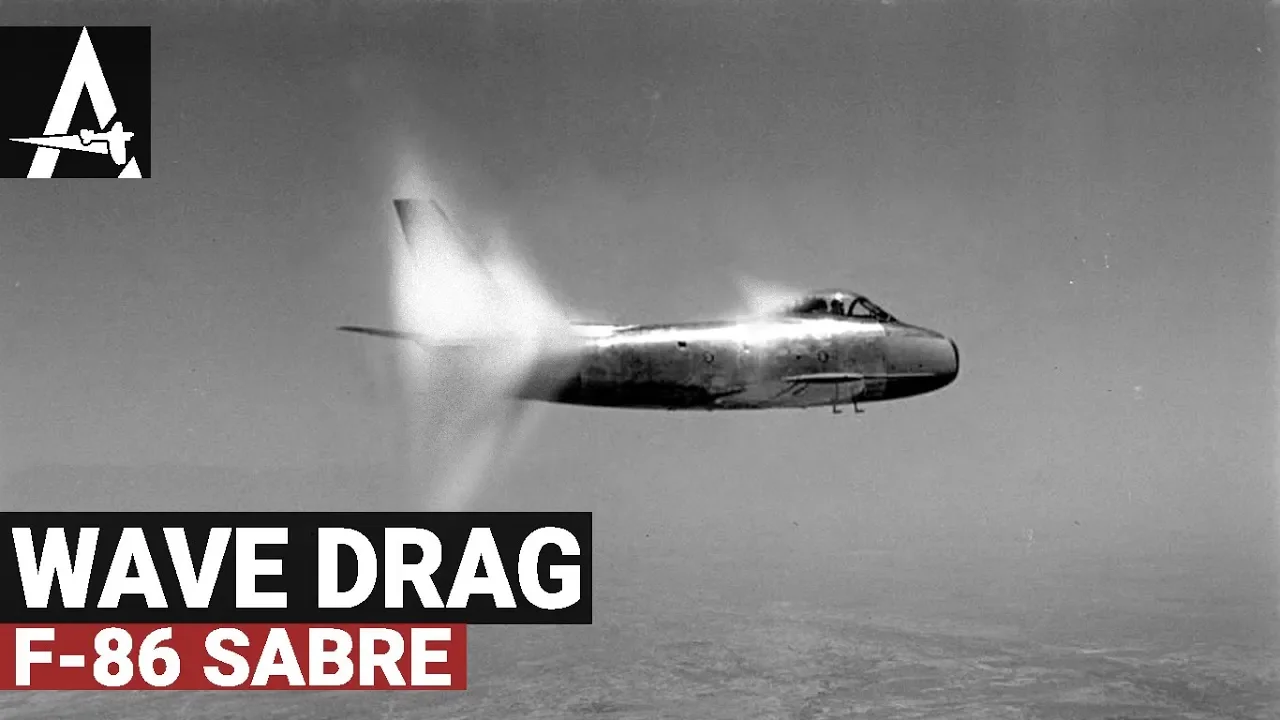
F-86 Sabre Wave Drag: Transonic Aerodynamics Explained
@AdamTheEnginerd
31.2K views•2019-08-23

12:53
21cm Hyperfine Transition in Neutral Hydrogen: Radio Astronomy Basics
@AaronRobertParsons
12.4K views•2011-10-13

32:32
NMR Spin Physics I: Zeeman Effect, Resonance Condition & Larmor Frequency
@nptel-indianinstituteofsci8064
2.3K views•2024-01-17

27:14
Entropy and the Second Law of Thermodynamics Explained
@veritasium
27.5M views•2023-07-01
Related Study Plans & Knowledge Roadmaps
Structured learning paths in Physics
physics
Nuclear Physics (Decay, Fission & Reactors)
01Atomic Structure and the Binding Force
02Radioactive Decay and Half-Life
03Nuclear Fission Mechanics and Chain Reactions
+ 2 more learning modules
12h5 modules
Explore Roadmap
physics
Soft Matter (Polymers, Colloids & Rheology)
01Foundations of Soft Matter & Thermal Forces
02Polymer Physics and Macromolecules
03Colloids, Surfactants, and Self-Assembly
+ 2 more learning modules
38h5 modules
Explore Roadmap
physics
Analytical Mechanics: Lagrangian & Hamiltonian
01Mathematical Foundations: Calculus of Variations
02From Newtonian Mechanics to Constraint Dynamics
03The Principle of Least Action & Lagrangian Mechanics
+ 3 more learning modules
28h6 modules
Explore Roadmap
physics
General Relativity (Spacetime & Cosmology)
01Foundations of Relativity: Special Relativity
02The Geometry of Spacetime: Equivalence Principle & Curvature
03Einstein's Field Equations: The Mathematics of Gravity
+ 2 more learning modules
55h5 modules
Explore Roadmap