











![Bacterial Transduction [Generalized & Specialized] – Horizontal Gene Transfer Part – III](https://i.ytimg.com/vi_webp/M3qPV0soD5Q/maxresdefault.webp)





Viruses replicate through two main cycles: the lytic cycle, where the virus immediately takes over the host cell's machinery to rapidly produce new viral particles that eventually cause the cell to lyse and release the progeny viruses; and the lysogenic cycle, where the viral genetic material integrates into the host genome as a provirus/prophage, remaining dormant and replicating passively alongside the host's DNA until environmental triggers activate it to switch to the lytic cycle and lyse the cell.
Viral Replication: Lytic vs Lysogenic Cycles | MCAT Biology
Added:Basic structure of viruses, including the distinction between DNA/RNA genomes, capsids, and envelopes.
The Central Dogma of Molecular Biology (DNA replication, transcription, and translation) and how host cellular machinery operates.
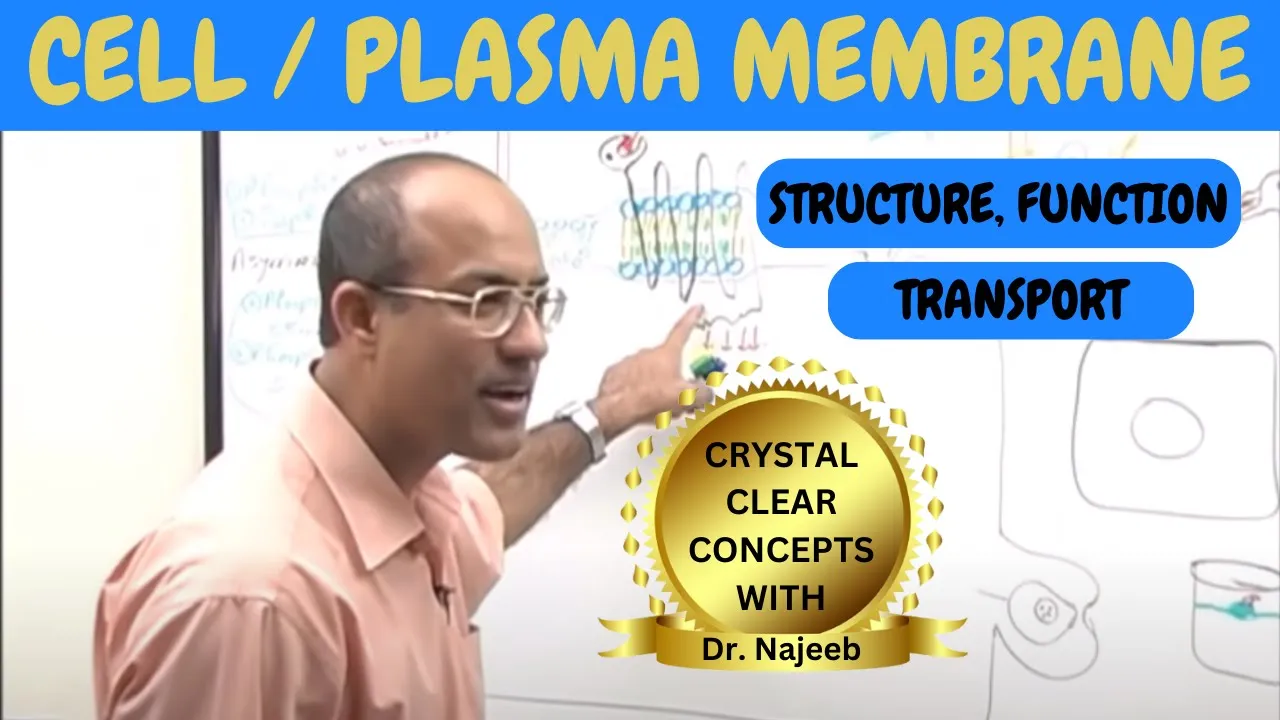
General differences between prokaryotic cells (bacteria) and eukaryotic cells, as bacteriophages target prokaryotic hosts.
The concept of cell surface receptors and how molecular recognition facilitates viral entry into a host cell.
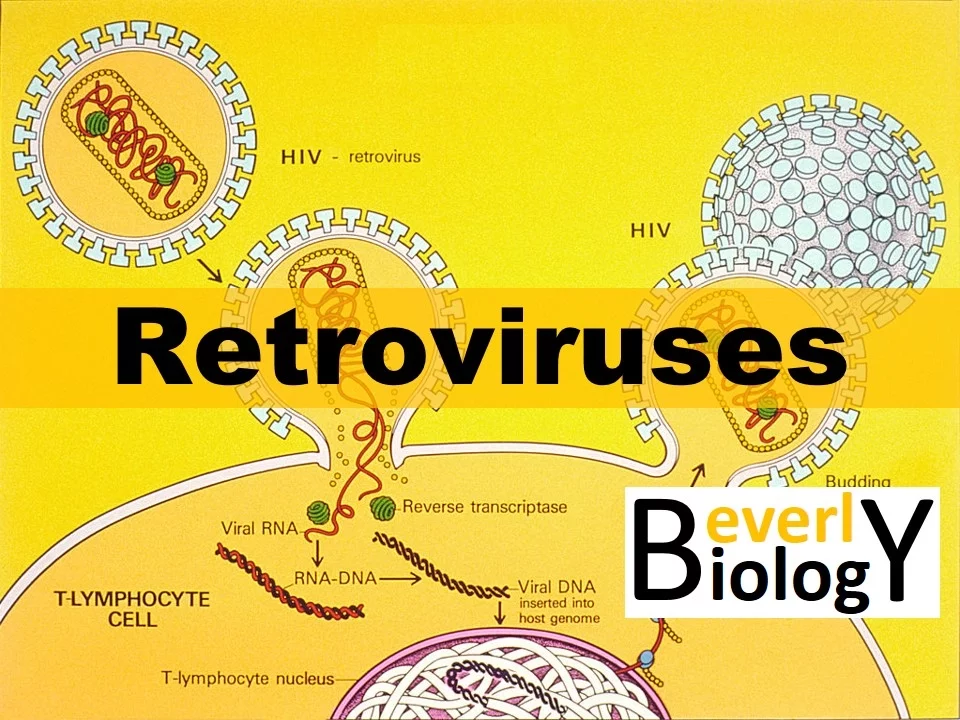
Retroviral replication mechanisms, specifically focusing on reverse transcriptase, integrase, and the life cycle of HIV.
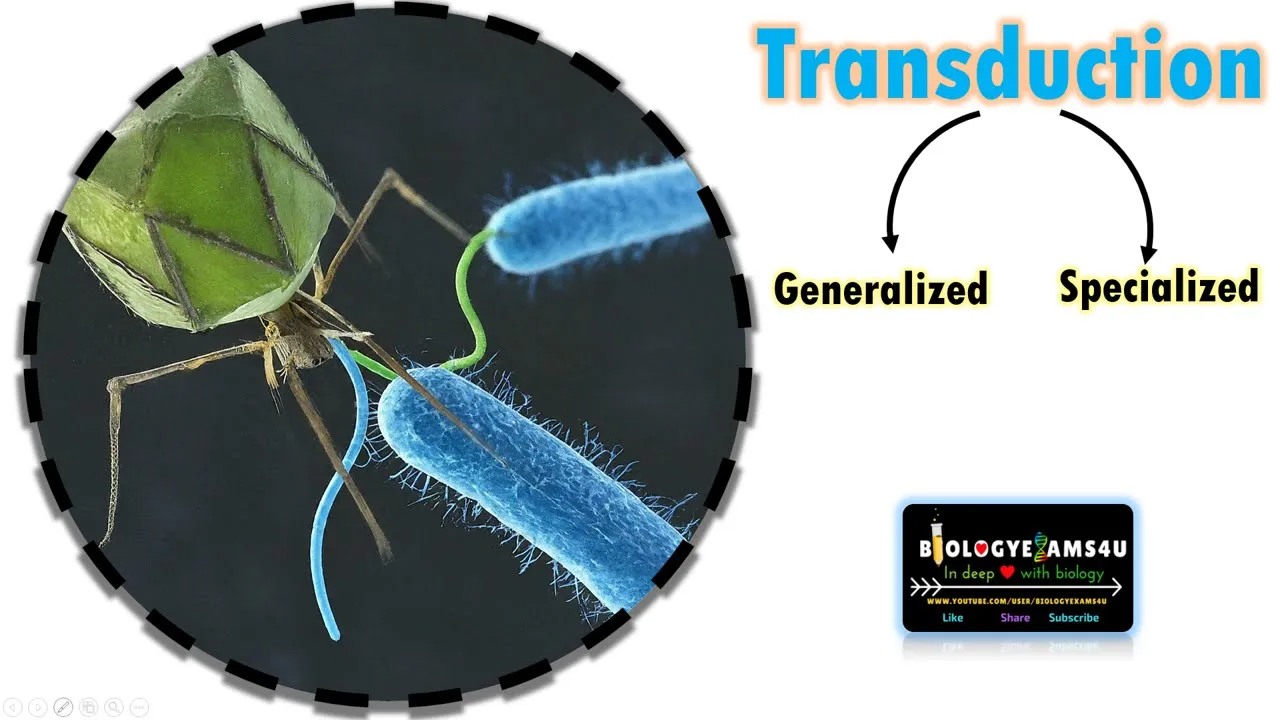
The concepts of generalized vs. specialized transduction, explaining how bacteriophages facilitate horizontal gene transfer in bacteria.
Bacterial defense mechanisms against viral infections, such as restriction-modification systems and CRISPR-Cas9.
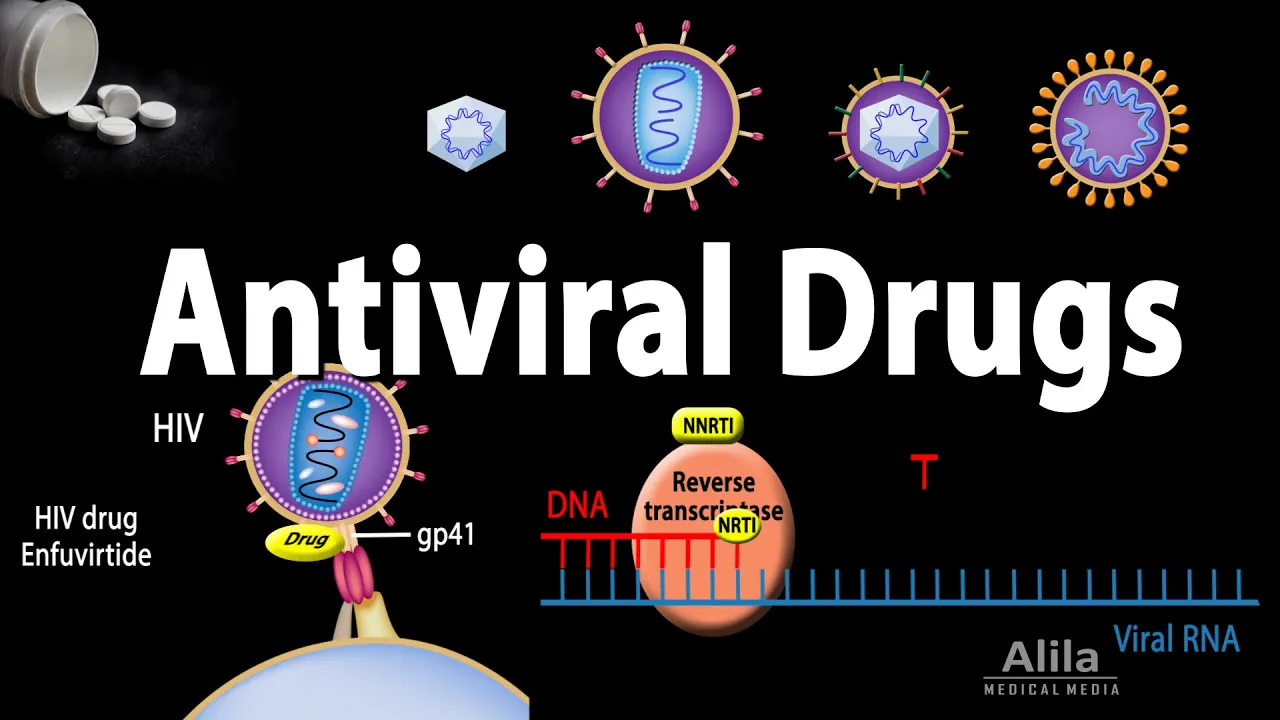
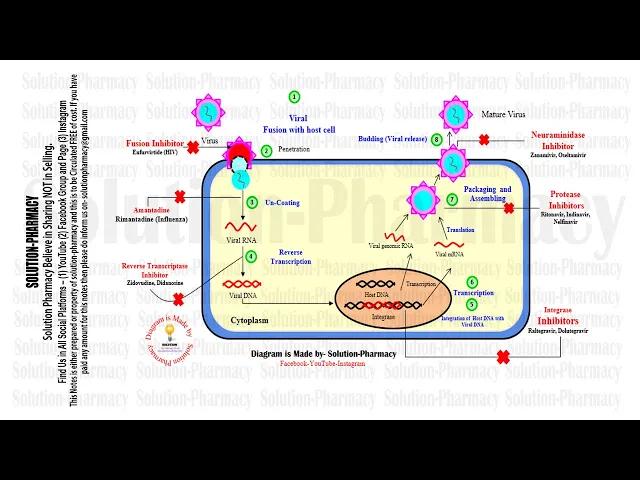
Pharmacological applications, including how antiviral drugs selectively inhibit specific stages of the viral replication cycle.
676.3K views6Klikes5:11Original Release: 2015-01-21
- [Voiceover] So, let's talk about viral replication.
Since we know that viruses are made of only proteins and one type of nucleic acid, which means they have no organelles to make copies of themselves with, they have to get inside other cells in order to use their ATP and their organelles to make copies of themselves.
So first step, get inside that cell.
And I'm just going to mention a few things for review.
So remember, there are three ways of getting into a cell.
One of the ways of getting in is that bacterial phages, they literally just inject their genetic material inside of the cell.
Whereas every other type of virus uses one of two ways.
If they're non-enveloped they trick the cell's receptors into letting them in.
Or if they're enveloped they can either use that receptor trick, or they directly fuse with the membrane.
And once that genetic material is inside of the cell, the virus has hacked in, and it's ready to do a takeover.
But here's where it makes a choice.
It's kind of either impatient and ready to get going to copy itself, or it sits back and says, "You know what?
"I'd rather sit and wait until I'm ready "to take over."
So let's just draw these two possibilities out to see what happens.
And with the first choice, the impatient virus goes ahead and takes over the cell's machinery.
Their ATP, ribosomes, nucleic acids, amino acids, to start making copies of the virus's genetic material, which again, can be RNA or DNA.
And also, the virus's proteins to make their protein coat.
And these will self-assemble.
That means they just come together on their own to form fully functional viruses.
And because it keeps making more and more and more of these, it will eventually force the cell to lyse, or break open, and once it breaks open, all of these viruses are released into the environment.
And if there are other cells nearby, then this army can start marching out to infect, to hack into those nearby cells, and create more armies.
So this makes a lot of sense if you have a lot of hosts around, and your goal is to just create the biggest army in the fastest way possible.
And so that's the impatient virus.
So what about the other option?
The other option is where the virus decides it's just going to sneak in and hitch a ride.
It thinks that the bacteria seems to be doing fine on its own, maybe there aren't other hosts nearby, so there's no reason to kill off the host, because lysing it would kill the host, so we don't want that.
We're just gonna keep the host alive.
And in order to sneak in and let the bacteria do its thing while it's waiting, it's going to combine with the host's genetic information, so that the host really can't tell that it's there.
It's basically quietly sitting there because it's repressed.
There are repressor genes on this virus.
So it's not expressed, it's not transcribed.
So it's not doing anything.
And this is called a provirus, or you might also hear the word prophage.
And again, because it's not doing anything, this is called a dormant or latent phase.
So the bacteria just does its own thing, it continues replicating, and of course the virus is already there.
So it will continue to replicate.
So it will replicate when the bacteria does, because it's part of its genome.
But about one in 10,000 times that this happens, or if something happens like the bacteria is exposed to UV light or something.
Well, in any case, there's something that weakens that repressor gene that we talked about on that virus.
So it's no longer quiet.
And the host's genome, like most other genomes, will start wanting to repair itself.
That means it will cut out to try to repair its genome, it will excise out part of its DNA that just happens to be the virus.
And now, the virus is active.
It's ready to make copies of itself, lyse the cell, and get its army out into infecting other cells.
So the official terms for the impatient method is the lytic cycle.
And the hitch a ride method is called the lysogenic cycle.
So now, you should have a good idea of what the lytic and lysogenic cycles are in viral replication.
Up Next

1:02
Bacteriophage T4 Attacking E. coli: Nanoscale Infection Mechanism
@biolution
2.9M views•2019-05-21
50:12
Bacterial Communication: Quorum Sensing and Biofilm Formation Explained
@JHUAAP
12.6K views•2011-06-28
5:10
Mendelian Genetics: Alleles, Genotypes & Punnett Squares
@khanacademymedicine
648.4K views•2014-06-16
7:08
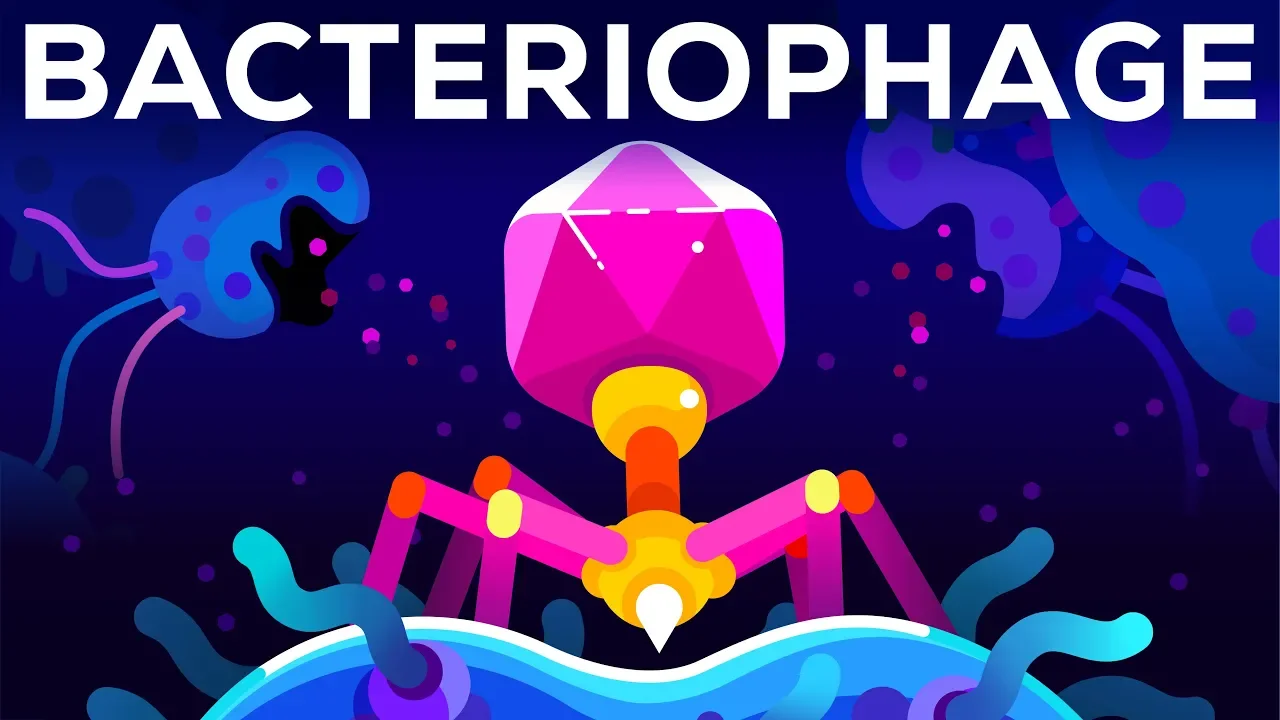
Bacteriophages: Earth's Deadliest Killers and Future Antibiotics
@kurzgesagt
34.6M views•2018-05-13
Related Study Plans & Knowledge Roadmaps
Structured learning paths in Biology
biology
RNAi: Biogenesis, RISC & Gene Silencing
01Molecular Biology Foundations: DNA to Protein
02Introduction to RNA Interference (RNAi)
03Molecular Biogenesis of miRNA and siRNA
+ 2 more learning modules
10h5 modules
Explore Roadmap
biology
Mycorrhizae: Signaling, Biophysics & Ecology
01Foundations of Mycorrhizal Symbiosis
02Molecular Signaling and Root Colonization
03Biophysics and Bioenergetics of Nutrient Exchange
+ 1 more learning modules
11h4 modules
Explore Roadmap
biology
Circadian Clocks: TTFL, SCN & Periphery
01Foundations of Molecular Biology & Gene Expression
02Introduction to Chronobiology and Actograms
03The Core TTFL: Molecular Architecture of the Clock
+ 3 more learning modules
14h6 modules
Explore Roadmap
biology
Population Genetics: Math, Drift & Selection
01Genetic & Probability Foundations
02The Hardy-Weinberg Principle and Baseline Models
03Mathematical Modeling of Natural Selection
+ 3 more learning modules
18h6 modules
Explore Roadmap