



















In criminal trials, the burden of proof for self-defense rests on the state to disprove self-defense beyond a reasonable doubt, not on the defense to prove it; this means the defense only needs to present sufficient evidence to create reasonable doubt about whether the victim was in fear for their life, and if the state cannot meet its burden, the jury should vote not guilty regardless of whether they believe the defendant committed the act.
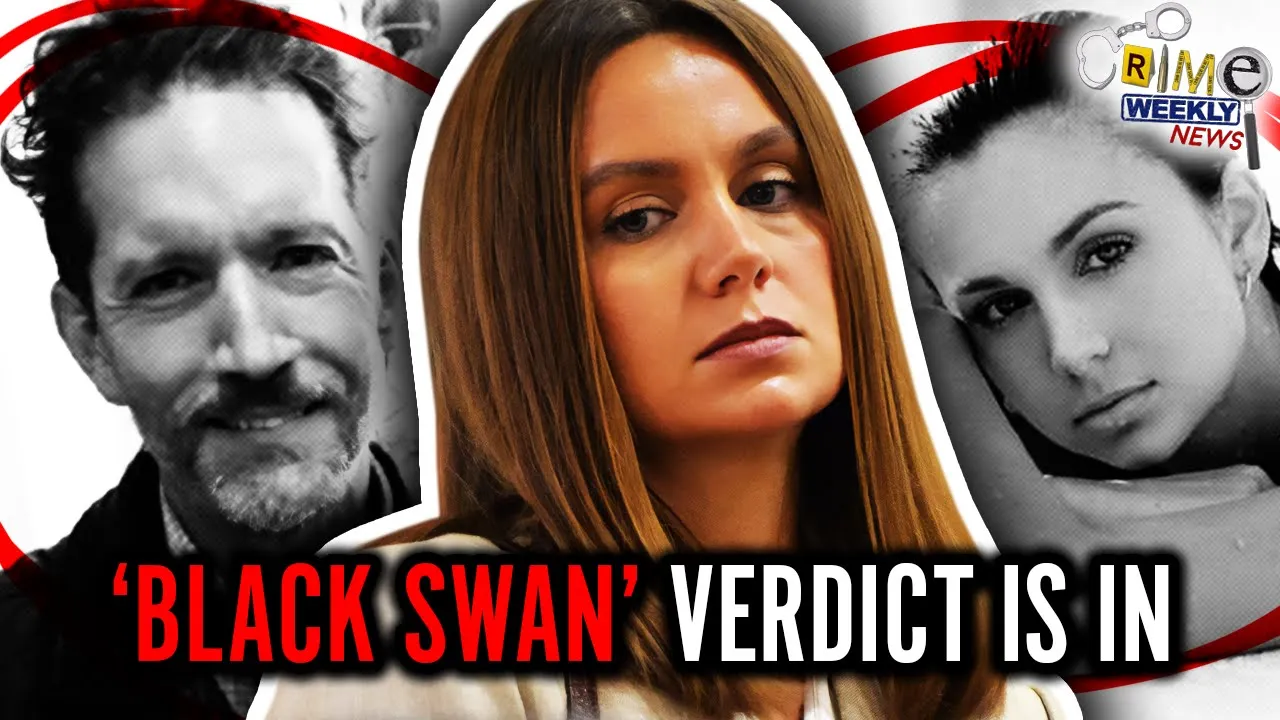
Black Swan Trial Day 5: Defense Rests, Self-Defense Analysis
Added:The legal standards of self-defense, including the concepts of imminent threat, proportionality, and the distinction between 'Stand Your Ground' laws and duty to retreat.
The admissibility and role of expert witness testimony in criminal trials, specifically regarding Intimate Partner Violence (IPV) and its psychological impacts.
The structural phases of a criminal court trial, particularly the transition from the defense presenting its case ('rests') to jury instructions and deliberation.
Basic concepts of forensic pathology and crime scene reconstruction, and how scientific evidence is used to corroborate or dispute a defendant's version of events.
The process of jury deliberation, including how jurors analyze conflicting expert testimonies and reach a unanimous verdict.
Post-trial legal procedures, including sentencing guidelines, post-verdict motions, and the grounds for filing an appeal.
A deep-dive case study of the 'Black Swan' (Ashley Benefield) trial verdict and its broader legal and societal implications.
An analysis of how domestic abuse and coercive control are integrated into self-defense jurisprudence across different state jurisdictions.
109.8K views11.6Klikes1:15:04Original Release: 2024-07-30
what's up everybody we are officially done with the defenses case in Chief we heard from experts today did they prove self-defense did they prove Ashley Benfield was in fear for her life or serious bodily harm the night of the incident did they prove it based on domestic violence facts based on specifically Ashley benfield's situation with Doug Benfield the victim in this case what do you think we are going to react to and go through and break down all of the testimony from the defenses last day of putting on evidence tomorrow we've got rebuttal closing arguments this case will be to the jury late tomorrow early Wednesday let's get into it [Music] so make sure you guys hit the like button if you haven't done that yet and make sure you are subscribed to our page we are so close to 415,000 subscribers and we are working our way fighting hard to get to half a million which is crazy to think about uh for a channel like this to get there so thank you guys for coming for hanging out for watching these cases for bringing your questions and making the content interesting truly um but today we're going to start out with the witness that a lot of us have kind of seen some of what he's going to testify to especially his background and his information um is the domestic violence expert he's a mental health counselor not a doctor and the state kind of makes sure to say is it doctor or is it mister in the beginning of their cross-examination of this witness just so everybody knows but he is the one that is going to lay the background lay the foundation is Ashley Benefield a victim of domestic violence does she fit into the battered spouse syndrome if you're wondering what it might look like with Sarah Boon if she had a great expert um or all the money in the world the hire whatever expert she wants to as a private defense attorney did in this case well it may sound and look something like this and to start off we're just going to listen to him you know he talks about how two-thirds of abusers are men and onethird of victims are men and obviously vice versa with women um but he explains this wheel of domestic violence and different things and he explains how long lasting it can be um and so let's just listen to some of the foundation and then we're going to hear him apply it specifically to Ashley Benfield on scre will so this is what's referred to as the delute power control wheel and uh so there's physical violence and sexual violence those are the criminal things I talked about and then there's these power and control aspects and the nature of the power control is repetitive it's a way to get control so up it we'll call one o'clock using intimidation making her Afraid by using looks actions gestures smashing things destroying her property abusing pets and displaying weapons would be U an aspect of intimidating your partner again to gain control using so these are things that are in textbooks that when he teach teaches classes on domestic violence this is how this is what they teach just generally speaking they are not talking about this case specifically right now when they're talking about firearms and hurting yourself and asserting dominance and the victim plating they're talking about prototypical stereotypical domestic violence what do victims look like what do abusers look like emotional abuse putting her down making her feel bad about herself calling her names making her think she's crazy playing mind games humiliating her making her feel guilty then isolation controlling what she does who she sees and talks to what she reads where she goes limiting her upside involvement so and again if you just think about isolation that's not as much one in this case I guess you can maybe argue you know he sent her away but he wasn't controlling who she was hanging out with um as much I mean I guess you can try to argue he is but the state does a good job to point out a couple of these differences in this case but then they kind of step in it as well on Cross when we get there jealousy to justify actions uh then a big one that I see often is minimizing denying and blaming making light of abuse uh not taking her concern seriously saying abuse didn't happen making shifting responsibility for the behavior saying she caused it um another one is using children making her feel guilty about the children using the children to relay messages using visitation to herass her threatening to take the children away malale privilege testing treating her like a servant making all the big decisions acting like the master of the castle being the one who Define men's and women's roles using economics abuse preventing her from getting or keeping a job making her ask for money giving her an allowance making uh her ask for money not letting her know or have access to family income and the last one is coercion and threats making her carrying out threats to do something to hurt her threatening to leave her uh saying that they'll commit suicide reporting her to the government making her drop charges making her do legal so that is the the wheel of control basically that is you know normal in domestic violence cases and I just feel like the defense lined it up and is giving us the step-by-step evidence like you would expect the prosecution do to prove their Theory okay um he talked about you know like I said uh introducing the child UPS the Annie um she doesn't want to poke the bear she's afraid things like that uh but then also I felt like some of the characteristics they would describe as like oh they're usually Charming and they can trick people but not all of them are Charming it's like I mean you could describe like any personality I don't think one personality makes somebody an abuser right just because this guy was Charming um or that people didn't see it Outdoors doesn't make me think oh yeah he must be it's the specific acts and incidents of violence which is exactly why they are admissible in these kinds of cases that is what really kicks it up a level is the things that he did physically Bally to the pets with the Firearms to her to the house right punching holes shooting holes things like that that's the much bigger difference to me than like that he was Charming or people didn't necessarily see it from the outside world um somebody said did you see the prosecutor in Baldwin was disbarred holy cow no I did not see that I will have to take a look at that um aam said I'm so sorry if I'm wrong didn't she invite him uh that day her mom wasn't home I don't remember if she did she wasn't afraid of him so does The Battered spouse apply here I'm confused so she they plan on packing the U-Haul together yes her mom was there but her mom left to go to the park and that's part of this bigger picture in order to be a victim do you have to always be afraid do you have to never be in the same room with them do you have to never be in the same room with them unsupervised do you have to never let them in a room with your child cuz she was Googling and trying to figure out how to co-parent with an abusive partner that's what she was Googling so it seemed like she did everything and this is the defenses Theory right that she did everything she could legally speaking to try to to get him away from her and cut him off she lost at every turn so she had no choice but to be around him and this was one of the ways she was going to be around him but I think if the jury thinks like you did she invited him over there that day which proves she wanted him there she wasn't afraid of him and this is not an a uh batter spouse case I think that's a discussion that's um open for discussion as these jurors go back and deliberate um the next part the defense is going to go through what they call a bunch of hypotheticals let me get my air quotes out hypotheticals that are very clearly uh the same set of facts that we have heard them discuss in this case and actions that Doug took that seemingly are confirmed with physical evidence and other people testimony and they ask this expert is this abuse if somebody who's been through this are they a victim of domestic violence and I got to be honest with you every time I hear the defense read or List off all of these prior bad acts by Doug it's really hard to get over and the prosecutors have to be sitting back there thinking how are we going to get past this with the jury what do you guys think as you hear the defense list this off so Mr F I'm going to give you a series of hypotheticals and I'd like you to tell us if it's consistent with abuse yes sir shooting a gun in the kitchen of a home in an effort to intimidate the victim to stop speaking throwing the loaded gun at the victim cruelty to pets punching a dog in the face hard enough to knock the dog unconscious throwing a cat down the steps placing a tracker on the victim's car an illegal tracker throwing things breaking things yelling screaming belittling cursing humiliating declaring such statements as rid the Earth being in a murderous mood kill all the bad people take them out being caught at night uh peering into Windows of the victim's home violating a no contact order by sending a package driving from South Carolina to Florida to be able to follow the victim suicidal threats if the victim leaves more than 30 years age difference and finally prior marital history whereby the prior wife explains how she was beat up on the honeymoon with that being consistent with abuse absolutely and not like well when you put it like that and he's basically asking this guy the ultimate question for the jury was she the victim in this case was that her mindset that when he lunged at her when he blocked the door when he grabbed her when he hit her in the face when he bumped her in the hall way is that why she thought the way that she did that's what he's trying to to to present with this expert and this expert's now going to explain exactly how that works absolutely but those are checklist points right off the D power and control wheel and right off my experience their stereotypical abuse techniques all right and now my last question for you Mr Ferris is I'm going to give you a hypothetical and tell me if this would be consistent with someone who suffers from abuse sending texts that are consilio with friendly emojis accompanying the so now he's going to list off how Ashley Benfield has acted in their relationship and if this is indicative of being a victim um abuser during Childtime sharing uh Ventures acting deferential and subservient in joint therapy sessions but decisively different in individual sessions fearful of the abuser finding out the victim described him as controlling manipulative and abusive and being exposed to threats intimidation pushing holding down humiliating H cursing would that be consistent with um victim of Domes without a doubt these are again techniques of compliance not wanting to poke the bear walking on eggshells TR to minimize harm to themselves and their children they'll put up a front they don't want anyone to know and they don't want the their abuser to be angry by them disclosing so yes lastly one other factor I neglected to mention with a video um of the abuser and the abused at a restaurant with the child and another adult whereby they are all acting happy um be consistent as well well certainly if you're asking they're acting happy is she still a victim of domestic violence definitely and it also fits with this whole idea of appeasement we have to remember that the the domestic violence comes in layers through the years of events so one incident J object non responsive so so that behavior isn't just a spot image right then what's the what's going on inside her why is she acting that way that's what I would ask clients that's what we're looking for and if it's a truly a victim of domestic violence she'll be in this appeasement mode to try to please him and and and not disclose the abuse to get along to get along sort of uh description my final question as it relates in before we get to his final question uh Mo said Peter when ferah said sometimes they have great nice personalities he didn't mean just one of the symptoms as an abuser but he meant they also have those traits right like meaning they can't just because they have that personality doesn't mean that they're not an abuser but I do think there's a certain thing where you can go too far to be like anybody could fit into this right but when you have those specific instances of violence to pets and with firearms and things like that that's the biggest differentiator that then we can look back and see how somebody May manipulate how a victim may act how it might not look like that on the surface and that's I think what they had in this case the facts that they developed that you don't just have in every case you can't just say every guy is an abuser that's not what's happening here in this case in my opinion they have different and additional evidence from that all right let's get to this last question General to domestic violence assume hypothetically there were several violent or semi violent acts of domestic violence and then there was a break in the chain of events for let's say as much as a year or two and then it started up again does the victim remember and is the victim affected by the early AC without a doubt this is an important question if the abuse happen in the past does it still affect them in the present or even in the future and this is going to be important when you hear the cross as well the victim remember and is the victim affected by the earlier AC of without a doubt I I've got clients who tell me about so so yes definitely they don't forget the abuse that's occurred to them trauma lasting adults remember childhood trauma let alone something from several years ago like I say layers of impacts of behavior thank you very much no further questions Mr so that is the end of direct it was kind of short and sweet and Ted found that interesting I have felt the prosecution's presentation of this entire case to be kind of baffling like I I don't understand and we are pretty much going to listen to the entire cross 15 minutes of cross because this is the defense's big expert this is who's saying that uh which way the domestic abuse went right and listen to this cross I was like what are they saying what are they trying to prove with this cross before we get to it let me answer a couple questions pity mom when you get there can you explain why the judge didn't allow the DNA swabs from Ab and DB in I'm confused uh yes I'll give you my best guess as to what happened and parts of it I agree with parts of it I do not um and I think the defense ended up agreeing also with what I originally agreed with the I'll just say one of the biggest issues I agreed with the judge on was they didn't really have an expert to explain what all that meant and without that you can't really bring that stuff in I did not agree with the judge at all on the chain of custody the state's definitely not object objecting to their own State chain of custody if the defense isn't objecting the judge should not keep it out because of that everybody agrees it's it's um reliable and the chain of custody is fine so if both sides agree why are you going to jump into that but I do agree you need an expert to explain what all those numbers mean and then the defense why I said they ended up agreeing with that is they they tried to say well we can bring the expert in tomorrow judge it seems like it's not going to allow that John said this doctor reminds me of Dr Spiegel from the Amber herd trial who called Johnny Depp a dumb individual while licking his lips thought I disagree I didn't get that Vibe at all at all at all um all right let's get to now the cross of this expert um minimizing the abuse now you're asking me if the victim would minimize yes like what I mean by that and maybe I said it wrong is like covering or taking blame for the abuse covering for the abuser taking blame yes U making excuses for him definitely or her I guess but um not reporting the abuse right um dropping charges if they were filed yep um not standing up for themselves yes and not leaving yes okay I'm going to put that wheel back up and I want to talk to you about the P sections each sure talked first about um the use of intimidation um would you agree that if somebody this says making her Afraid by using looks actions gestures smashing things destroying things her property we talked about a break if those things weren't occurring for years would you um but had had allegedly occurred prior to that would you still consider that part of this Dynamic yes if it's been a distance in time yeah I think the distance can be totally irrelevant um I mean totally totally irrelevant is a little bit strong but why would you ask that question if you're the state I can't I can't figure out why they would ask that question the evidence has already come in through through the defense so it's not like you were the first one bringing it up but why reiterate it why ask him that question again there's a section on here about the um economic abuse would you find that if um a hypothetical victim was living on her own for several years had no monetary dependence on the alleged abuser and um lived in her own home in another state for part of that um and there was no monetary connection that would not apply to that to a relationship could you restate the question so if in this wheel hypothetically the I'm talking just about using economic right would you agree would you say it still applies if a victim was living on her own for several years with family and um independently um sufficient economically no Financial dependence on the other person would you agree with me that economic AB would not apply from the scenario give me it doesn't sound like it would apply you know what's crazy about that right so they say the the economic abuse doesn't apply here because you know she was living with her mom and he had kind of run out of money or whatever yet they talk about how economics was such a big deal about how she was manipulating why she wanted to be into this marriage I just thought that was kind of weird I was like so wait a second so how did that all work in this relationship as well and for isolation would you agree that if the it's the same facts living on her own for several years with family so so I know it says isolated from family I think um living on her own with family and um having some periods of no contact for over a year and then um being back in contact but living separately and and having her own cell phone having her own car having her own home would you agree with me that that's not a situation where there's isolation well you have to remember under the isolation all also comes uh jealousy and justifying action so in terms of isolating not letting uh their partner the victim go to work or see family in that sense what you're saying is true but a component of isolation could also be extreme jealousy possession your mind those sort of things and I think that was a a punch that landed for the state that made sense we didn't have isolation in this case but you know I think it's also something that he explained that you're not necessarily going to see every single one of these in every single case which I think most people understand as well but I do think that was a good argument by the state that we don't have that isolation those are the kind of points you want to make we don't have isolation we don't have this we don't have that we don't have that right we just have kind of AR couples that argue and stuff he did in the past but not in the present or whatever you know some kind of an argument like that is what I would have expected to to see from them uh du duub said What's the total time of meeting each other to the shooting a couple years couple years um because they got married had the kid and then it had been a couple years I want to say I don't know two three years something like that I don't remember I'm sure somebody in the chat will uh why do they call it DV when there's no violence we need another uh term da domestic abuse and um it does not justify killing so I'll disagree with you a couple different ways there uh violence does not have to be or DV does not have to be physical touching I mean if you think about assault right assault in most States can be assault without touching right and literally firing a firearm to scare somebody or to threaten somebody is assault so I think there are these kind of violent crimes even without physical touching and I think there is also emotional abuse and I mean we have seen like children in some cases we've covered that have been emotionally um just abused and there's no other way around it and it can cause horrible horrible things and it can cause people to get into situations where they are fighting for their lives so I'll kind of agree to disagree with you about about this um and then a bunch of other people are really you know sharing their stories and how abuse can look different and victims can look very different and deal with it in different ways and it's not always rational doesn't always make sense now that can make it hard to prove in court and we want legitimate facts we want legitimate proof and not just you know a he said she said at the right moment and at the you know time where it's good for one person or the other which sometimes it still is true but it looks that way we've got a lot more than that in this case a lot more than that didn't add those facts you're adding those facts right well under the power control world world the last item I don't know if you actually mentioned it using jealousy to justify actions and if that was not a factor that's not a factor then then isolation component may not uh be part of that you know component for the scenario we're looking at the couple we're looking at and why do you say may not what part of that would apply well it would not be okay thank you um using the children if the um hypothetical victim had custody of the child and attempted to terminate parental rights and the um hypothetical abuser had to seek Court intervention to get the child would that be a factor in your consideration of whether children were being used if she had sole control of the child so so you're asking me if I could just reframe that the alleged abuser is not you he's not using child U against the their alleged victim then they're not necessarily guilty of using the children I'm not asking if it's guilty I'm just asking if that that would apply we talked about how these things apply may not apply it would not apply but I think you're if I could mention you're missing the point of the power control wheel this is about pattern behavior I'm not missing it I'm just asking hypothetical questions um how about the using a male privilege if um that hypothetical abuser was not having any control over her big decisions or did not live with her so was not being the master of the castle was certainly was not treating her like a servant because they lived separately and was not defining their roles in fact was um offering to purchase things get her anything she needed those kind of things would you agree with me if those were the facts of a relationship male privilege would not apply no no I wouldn't agree with you okay can you elaborate yeah the men's roles when you say purchasing things I would want to look into never would I ask an expert like this to elaborate if he said no he disagreed with me I'd move on to the next one the jury heard my question they should understand where I'm going I would never ask this guy to elaborate to what is that a a concept of what the role is I'm the man I purchase things I control things for you I decide what to get Etc so that could be a male privilege issue okay and I understand that and that was po fact scenario on mind I think it kind of goes with the economic abuse and what I should have asked is if she's asking for can you stop and get me boxes or can you stop and get me tape or can you stop and get me um something else and he is yes of course and he doesn't that's what I'm talking about not him telling her what she have so so in terms of him buying things for her that she's asking for I wouldn't consider that to be domestic violence you would not no like yeah duh he's like he's basically thinking his head that's a bad question and it gets worse so that's other than that caveat then male privilege wouldn't necessarily apply to the cycle that we're in under my facts the facts are not complete enough for me to come to the conclusion okay um how about um minimizing denying and blaming what you said that was President 90% of the case is a bit I think you said 90 did what if the hypothetical abuser says I was wrong I I lost control I shouldn't have done those things and never says it was your fault you did those things would you then feel like that's not minimizing denying and blaming no I wouldn't agree with that because it it could be that part of the strategy of minimizing could be that I'm sorry I didn't do it that could just be minimizing I'm sorry I no I didn't do it I'm sorry I did it yes so now they're waiting in the waters of he even apologized for his violent Behavior towards Miss Benefield he didn't blame her he just apologized and said he wouldn't do it again this guy's like yeah sometimes that's part of their strategy they don't always blame the victim sometimes they just want to you know bring them back or manipulate them or whatever so they'll apologize they'll say they'll never do it again it's like I think a lot of people know that about abusers that they apologize and say they'll never do it again and promise and then it happens again but she's now in her questions in my opinion in her questions she is starting to admit that at least at some point Ashley Benfield was a victim correct me if I'm wrong I know you guys will but that's what they start to sound like to me in some of these questions well certainly not denying or blaming right I I would need more definitive fact I need an explanation on if somebody takes responsibility for accusations against them that is minimizing just to say yes you are correct and I sorry way to dialogue or to minimize what occurred by accepting uh blame for it and that could be part of their scenario could it also be the opposite that person taking taking responsibility for their act right certainly doesn't it doesn't deny that it happened that's for sure right no blame being set forward if I if they say it's my fault well just because someone apologizes doesn't mean they were weren't abusive I'm just talking about the factors that it sounds like they were abusive if they're apologizing for being abusive right we right and whether or not if somebody under my hypothetic will said adits to responsibility for the accused abuse and apologizes for that whether or not you would consider that denying and blaming I I would need more information on the relationship in the scenario to decide that is there a scen okay um would you how about using emotional abuse if there's no accusations of any name calling or telling her what to wear uh this hypothetical victim in fact she's comfortable enough to wear a sports bra shorts around him um there's no um displaying weapons I'm sorry I'm I'm sorry I'm looking at the wrong one um no evidence in their relationship of playing mind games or humiliating her or making her feel bad about herself would you agree with me that that might not be a factor well you you gave me a discreet list but emotional abuse also includes name calling putting someone down affecting them emotionally I guess is there a scenario Mr Ferris will you where you will agree with me that a relationship might not include emotional abuse because I don't know how to give you enough factor for you to say I can't help you with that I don't I'm not asking the questions oh that's never a good sign when expert says that I can't help you with that I'm not asking the questions I mean her hypotheticals just are making no sense she's not putting all the facts in there if the jury is paying attention they're like what is happening it just it's not going well it's not going well and I feel like she's making admissions that at some point Ashley benfields was a victim but no longer was the night of the incident because she could wear sports bras and and invited him over which some of you guys are saying in the chat I mean it's just it's interesting and I see some people disagreeing in the chat and that's fine we can disagree I also see people saying let's not um rip each other's heads off let's not do that okay let's not rip each other's heads off let's disagree with facts and explanations and logic and how we think the jury is going to view this give you enough factor for you to say I can't help you with that I don't I'm not asking the questions oh I was asking you one I know I'm not you are if would you take into account based on with these factors such as emotional abuse economic abuse male privilege using children all these if the alleged victim let me give you a scar she does not live with him she's actually in another relationship potentially engaged to a new man okay she tells him that she does not want to be with him okay and she plans to move away without him with those be fact those be factors that you would have to take into account when deciding if that relationship said his power and control well that would be factors of the relationship but I haven't heard you say anything about what their history is what trauma she's experienced what's going on with children in their lives all all sorts of other dimensions of the relationship I guess so are you and he's not bringing in he's not saying this is why I would I would say if this guy was my expert I'd be like did a good job handling this because he could have pulled factors like well we don't know if she was from the moon or you know if her parents were abusive or if she witnessed an abusive relationship between her parents he's not bringing in factors that this jury hasn't heard instead he's bringing in factors that apply to this case like what was their past did she have trauma in the past was the child part of that trauma because you remember Ashley Benfield her mindset that he was abusing the child as well and if you want to say those allegations were total BS and unfounded okay but he's talking about Ashley benfield's mindset and what that was at the time of the incident is there no scenario where there can be abuse in a relationship and then there no longer is abuse where they are no longer in this wheel because that the way you're answering your questions that's the impression I'm getting so so there I have come across situations um where there's um uh an emotional abuse or a physical abuse but it's not a pattern of behavior it doesn't go on over a period of time and attempt to control someone so if I may if I if someone um pushes down their girlfriend on a night out and he gets arrested for domestic violence because they live together it's a battery that's domestic violence but there's that's it he doesn't she's not appeasing she's not put an emot you know the whole power control Dynam isn't happening that is domestic violence under criminal law but it isn't domestic violence in the sense of a pattern or behavior to try to get the appeasement or uh the sort of consensus uh out of a victim where they're afraid to poke the bear all the things I've already talked about so but he would testify that it can start the ball rolling towards that that can be one of these incidents that does grow into domestic violence and that's why he's saying we have multiple things here that layer on top of each other um and fle wide right great reference um I agree I agree it's it's tough It's very difficult if that answers your question it um if is it your did that answer your question she said it didn't that once a relationship has these power and control aspects that that is forever even if there's no continued allegations of abuse for years no continued allegations of abuse no continued allegations of emotional abuse never any allegations of sexual abuse there's the parties are living apart they are independently um I keep saying independently wealthy that's not what I mean independent economically independent they are um the female is telling him she doesn't want to be with him and has moved on to a new relationship is there no scenario in your opinion where people can get off this power and control wheel even if they were on it at some point in their relationship I think it's possible but it's not likely and it's not the typical thing that I see usually there's still a dynamic of emotional abuse so even under my facts with no allegations no allegations of emotional ABS in years it's your opinion that not good enough they're still on this power well I can speak from my critical learning and studying this and also my practice and I have I have custody issue couples where their domestic violence and 10 years later there's still abuse taking place even though they're remarried and don't live together so by example I see continued I mean everybody knows that I feel I shouldn't say everybody knows that that was maybe condescending I have people in my life whether it was a parent child abusive relationship or an abuse abusive relationship they got out of that whenever you see that person or you're around that person or that person gets brought up there is still something going on and feelings there it's not like it just went away because you haven't seen each other for a couple years or because you're married to somebody else so I don't think that's that far-fetched personally um for victims to continue to deal with it after the fact it could there be a couple that don't I'll say it's possible thank you yeah it's possible for it to go away but it doesn't mean it always goes away just because of time um all right and that was it that was cross uh I'm gonna hit some questions here Brendan what is your overall impression of the judge I really admire his demeanor but sometimes his decisions feel narrow Cuts defense no breaks fairly I think I like his disposition I like his demeanor I like that he's not afraid to make a call I like that he says you argue you respond you respond and that's it and he kind of cuts him off I haven't agreed with some of his decisions though either so I do I get where you're coming from there tangling with Gina does the defense have to prove she was in fear for her life for her to be not guilty so no the state once the defense raises and puts evidence on of of self-defense the state has to disprove they have to prove she was not in fear for her life that night Beyond into the exclusion of every Reasonable Doubt so the state has to prove and I see a bunch of people in are saying stuff like um Kathy Peter I'm still over here wondering why she killed him that day I currently see it as M I don't see self-defense so that's fine that's fine did the state prove to you that it was M did the state prove why she did if if you really want to know why the defense has given you a reason why what's the states why did she choose that night do you believe it was about you know protecting that report from never coming out for three days and if wasn't that then what was the reason why did she pick that night why did she pick then because maybe neither side has proven it Beyond A Reasonable Doubt and then exactly like aam said based on your video title if the jury thinks both parties fail to prove Beyond reasonable doubt they should still vote not guilty right yes the defense doesn't have to prove self-defense Beyond a reasonable doubt they have put it forth enough in this case for the state to have to disprove it Beyond A Reasonable Doubt Melanie asked for a poll at the end of the video yes we will do that at the end of the defenses um case in Chief we will put up a poll but realizing there's still one chunk of evidence left with the states rebuttal case where they're going to try to disprove this self-defense Beyond A Reasonable Doubt uh zesa can you explain why Doug admitting to everything through text wasn't enough going through something similar and I just don't understand wasn't enough for what sorry I think it is enough to prove that there is some domestic issues it's not necessarily enough to prove a crime if you know I guess it could be animal abuse and things like that or it could be assault um but I I guess I don't know how they relitigated it to me if I was a prosecutor and I saw these texts I would at least investigate and see what's going on the expert even said ask better questions he feel like he was trying to um Jill her cross sounded like yeah these are the facts but what if they weren't and then you would say and then he was still like I would need more facts honestly John is he qualified to use the sm5 evaluation or whatever it's labeled as they didn't ask him about this so this was a reliable enough to cross the bar because they did a dobert challenge and the judge felt he was qualified enough to answer these questions and this is the evidence that went before the jury such is the wheel of abuse it's a wheel prosecutor missing the Force Through the Trees I mean I don't even get I don't even get the trees that she's looking at fle I honestly don't Nikki 5050 but State not proved this was wasn't self-defense in my opinion it's not guilty yeah I'm not saying that they have proved this self-defense case perfectly or that it all makes sense and it's all perfect but to me they have enough to where the state needed a better case to win that's kind of where I'm at the state needed to do a really good job to win this case and I don't feel like they've G us given us any re and we're about to go through other experts for the defense and all I was thinking is why didn't the state have any expert like this why didn't they give us this explanation to at least give us something to compare because it's not supposed to be comparing Apples to Apples right the state's got the burden Beyond A Reasonable Doubt but at least you know some juries think okay who's who's more likely right we hate that as criminal defense lawers because that's not the burden but if you have two stories and you can pick one that's usually right and one that isn't as right sometimes they'll go with that I don't feel like the state provided us that story in this case uh chrisy Peter is there a lesser in charge that might have been more appropriate even for those that don't believe her story second degree definitely was not proven here I think they're going to end up having manslaughter as a lesser included um in this case Florida usually does that so that's what I would expect here I think the prosecutors should go to law school I think they have they have gone to law school um Daybreak on another CL case claiming self-defense will you be covering Susan laoren so I know nothing about it the way I found out about this case I knew nothing about it even though it was literally in my backyard you guys asked whoa fireworks these like automatic things that happen sometimes when I thumbs up it does like a thumbs up emoji that was cool I don't know why that happened um but if you guys ask me for it I will do it so if enough of you want to talk about this case or whatever case is coming next you guys let me know you choose the content here um all right let's jump to the next witness which was Stephanie Murphy's old employee who read an email from the ja that basically told them the detective the detective was telling them the no contact order was in place on November 3D but on Cross she was like Yeah there wasn't enough there to make an arrest it wasn't in the system right some weird stuff so I don't know how hard that one hit for the defense next was Vincent V zako who was a realtor who after a bunch of sidebars ended up testifying that Doug was looking at the house very close to Ashley's house like right behind it is and while the no contact order was pending and he was saying he was going to try to buy that house or rent that house but I thought the state did a good job on Cross to say he said he was gonna ask Ashley first and check with Ashley first so I thought it seemed like a good point by the defense but I thought it was um mitigated well by the prosecution with their questions then Dr Quintel took the stand again and I it's not surprising that he's back and I was wondering if he was going to be a home run witness for the um defense and we're going to listen to a big chunk of his testimony here and you tell me how good he really was for the defense or if it was kind of a nothing burger or fell a little flatter than potentially it could have objection all right R objections goes to waight not dis ability so Dr canel all right this guy was already called during the states case he seemed to be friendly for the defense defense calls him again to basically talk about the relationship Dynamics he's a mental health counselor as well this is expert testimony Rand okay um did you reach any conclusions with respect to douas Benfield yes would you tell us what those were based on the conversations with both Ashley and Doug Doug occurred as someone who was um domineering uh and uh the terminology that I would use at times would be super controlling um he was very dedicated to wanting the relationship to work uh he was very interested despite uh conversations with some of the disparaging things that Ashley had said to him he was very much still wanting this to work and their plans were to move to Maryland I'll tell you right now after listening to this a second time now with you guys I would have stopped asking him a question I would have been okay thank you sir nothing further I would have been done he keeps asking and I feel like it starts to fall flat but that was the only answer he really needed super controlling you know all of those things he said about Doug that's really all he needed right um did you reach any conclusions with respect to him being a real alpha male you I would say that uh Doug is occurred as somebody who was very built and well put together um and yes I would say that he would fit The Stereotype of an alpha male in my opinion did you conclude whether there was an intimidation issue present Ashley stated that she was scared of Doug and so he seems like he's a straightforward witness he's like I mean the only way I would know about intimidation and that stuff is what Ashley said and that's what the state gets out at Cross that I think they did a good job that a lot of this information just came from Ashley what they said in opening would happen with every witness I definitely don't feel like it's happened with every witness but they did get that point across well with this witness reach any conclusion Dr canel about whether Doug's depiction of himself as being Godly U was reliable objection outside of expertise you can answer can you say that again please sure um did you reach any conclusion with respect to Doug's presentation of himself as being particularly Godly yes I think it was over the top all right and did you reach any conclusion I don't understand what how this helps you as the defense and it's just kind of it was kind of clunky as to whether it was genuine I did not think it was fully genuine no did there come a time when you inquired of Doug why he would want to remain in this relationship yes I did why did you do that Ashley had a lot of disparaging comments uh stuff with CPS claims of abusing uh their child um and I was concerned and curious why with all of that negative stuff that may even negative affect his job and career with government um why he wanted to stay and was it true that you felt he was hellbent on being together I know that he really wanted the relationship to work did you conclude that he was never going to let her get away I don't know whether that's true um whether or not I I don't recall that all right let me pass this to and see refreshes your recol yes I said that to the detective I said it seemed more like I'm not going to like get let her get away from me referring to do yes sir all right and lastly Dr Kel did Ashley have anything to say to you about Doug's interest in Emerson and whether or not it was just as objection here s sustain did did you reach any conclusions Dr canel about Doug's interest than the child as opposed to Ashley I'm going to sustain this to the opinion was there an incident on one of these occasions when Doug was in your office that you thought was very strange as it related to the child objection relevance as long as it's factual yes can you say that question again please thank you was there an incident that you observed that you you found particularly puzzling between Doug Benfield and the child Emerson yes at the time that I spoke with the detective uh I had had a an appointment and Doug had waited in the reception area and it was a couples counseling and Ashley was out in the car with the child and I thought it was unusual that he didn't go out and see her um given that they had the relationship they had it may not be as unusual as I thought but I was coming from having two little girls and what would be in my mind to do and um how long was Doug sitting in your in your office at the time do you recall well it would have been at least an hour I don't know U how long I was in the appointment before in that hour from what you observed with Emerson the child outside in thefield never once went out I wouldn't have been able to observe that because I would have been in session I just knew that he was waiting in the lobby I don't know whether anything other than that again I just thought that kind of fell flat and that's kind of where they ended uh Peter people asking will you cover cover the Apple River uh sentencing um yeah Kel to put that on the list we'll see if that works out in our schedule to cover somebody else said meline SoDo um and again if these are the cases you guys want to to see let me know and then Alexa traviso we have already covered some of that and we'll probably very likely continue to cover that case Andrew hi Peter does the prosecutor get to recall Ashley to the stand again no they got to cross-examine her that's it they don't get to recall her how could he ask Ashley with the restraining order so as again I I I represented a bunch of people in criminal cases that violated restraining orders in relationships like this and usually the victim's like okay fine we can talk or whatever until it goes bad and then they call the cops and you violated the restraining order I don't know if they had that kind of a relationship but maybe he meant after the restraining order was out of not in place anymore maybe he would say he didn't know that the restraining order was in place I don't know but obviously he shouldn't have been contacting her um but he it seemed like he was sending her packages planning to move near her all while there was a restraining order in place he said he needed to ask Ashley first why didn't he ask her before wanted the house in her backyard obviously she said no okay again there are multiple ways to look at all this I just think it's better to have said I was going to ask Ashley then I'm just going to surprise her and move in back behind her but not good either way if there's a restraining order no contact order hot honey um the proof as a juror I'm still looking for is that he abused their daughter that was what her fear was and all her injunctions was it not so no I don't think that that is what she would say her fear was that night she didn't mention anything about it that night the night of the incident he shoulder checked her hit her with the Box hit her in the face grabbed her by the hand blocked the door wouldn't let her out lunge towards her that's her testimony you don't have to believe it and by the way people in the chat if you don't believe her testimony that's part of a juror's job if you don't find her a credible witness and you start going down the road of thinking that she's guilty and the state proved it that's fine but I'm just saying she did say those things and the defense is putting forth the case that she was in personal fear for her own life not her daughter's life that night allegations in the past sure but not that night Donna said I would have been scared of this bloke because of his behavior I mean the defense is certainly painting him that way I will say the defense is definitely painting him that way so if it's not true it really sucks and is sad but they're definitely painting a picture where I agree he definitely seems like the aggressor here yeah I see a bunch of people saying adelon as well we will definitely be Co covering adelon like we did um last time for sure um fishy women not believed is the Crux of this case and the reason Doug is dead when he maybe could have received help and Brian said hey Peter how is it possible for the prosecution able to not use the lead detective and then not allow the defense to impeach him on his bias uh reputation so is that the next witness yes that's the next witness the lead detective that the defense wanted to call to just basically say he thinks every homicide is an m and he did all this stuff wrong and they just want to impeach him and you can't just call a witness to impeach him you can ask him facts you can talk to him and if you impeach him you impeach him um he did get to ask that uh you know I think it's strange that the state didn't call you I think that argument is appropriate in closing argument it seems like the judge was not going to allow it the this guy did ask even though the judge kind of said not to and the state asked for sanctions saying the defense alert continuously disregards what you say judge so sanction him which I found to be okay a swing at him he doesn't seem to be bothered so we'll see if the judge sanctions him later um the cop ended up being kind of a nothing Burger um tried to talk about how bias meant that Ashley didn't have a depraved heart because he didn't check the box for bias State brought up that biases usually for hate crimes the cop basically said I never use that bias box I don't even really know what it means I thought he was kind of a nothing Burger because the state I mean the the jury obviously didn't hear any of the arguments outside their presence so it was a little bit different um this subject matter can trigger big emotions trauma is real be kind looking through a legal lens definitely Reasonable Doubt Karen I agree and I really hope the chat can continue to do that um I know some people don't like when the chat disagrees with them and they don't like if people are direct but I also realize people are sometimes nasty in comments let's not be like that um I don't think it does anything to prove your case or open conversation or learn anything if you're nasty in the comments so just don't be okay it makes it more um educational and uplifting for everybody even if we disagree and especially when we're talking about very difficult topics like this um all right next let's listen to okay Michael hag forensic scientist talks about his background he testified at the Aaron Hernandez trial and he talks about how he does shooting reconstructions so once again an expert I wish the state had show us what the trajectory of the bullets mean if I have to hear another you know side eye from the state about the the bullet wound in the leg as if it's you know dis proving the defendant's case but what does it mean for your case why is that good for your case what is your theory as to why the trajectory of the bullet was like that in the leg the defense has an explanation do you believe it maybe maybe not but what's the state's explanation for that for that trajectory somebody maybe can explain it to me in the chat um but let's listen to some of his reconstruction of these events we asss in science all the time it allows us to make further steps so for example we have two trajectories through the body we have two trajectories into objects into the crime scene if I look at the trajectories just within the crime scene one that has to go through that long hallway and one that we actually do have some data for to figure out where the firearm was that just goes into the wall within the bedroom and we look at those two trajectories they don't overlap meaning there's not a physical possibility for the firearm to have been stationary between just those two shots I can't tell you with regard to sequencing which one was first but if you make an assumption that the firearm if you're the firearm I men right to left move from right to left then the one down the hallway would have to before the one into the wall if that's the hypothesis if we take the opposite hypothesis it's it's opposite left to right that's where witness statements come into play to evaluate whether or not the physical evidence supports or refutes a witness statement you never take a witness statement and in my line of work believe it you look into what the physical evidence supports and then cross I mean how about that if you're the jury you never just take a witness statement and believe it that goes right in the face of what the state said and maybe the jury can be like forget about what everybody said including Ashley Benfield what does the evidence tell us and the defense is Pres presenting a theory backed by science and backed by the evidence and the crime scene photos with an expert to say that all backs up this story in self-defense and corroborates that's what I'm saying you don't just believe Ashley Benfield just because of what she said and it's hard for me to say somebody's lying or somebody's telling the truth but this is the type of corroborating evidence that usually helps me make a lean in a situation like this and once I'm starting to lean that way you know the state's got to prove it Beyond A Reasonable Doubt so it becomes pretty hard and I'm sure there's going to be people saying I'm always on the defense side and ever but I mean I got to be honest so let let's just for a second take a timeout time out like Zack Morris used to do and save by the belt the most interesting cases in case you haven't wondered the ones you guys asked me about the most are the hardest ones for the state to prove when it's a slam dunk the state's going to go in there and bulldoze somebody usually there's not a lot of questions usually you guys don't ask to for me to cover those cases I will if you wanted to that'd be fine like we have done it like Chad deel Leticia stalk those were kind of B doing in my opinion and you guys had questions but the vast majority of cases you find interesting have some kind of an element that makes you say is this really what happened and so those are the more difficult cases to prove Beyond A Reasonable Doubt so that just might be why you feel there may be leans on certain cases if proven self-defense is life insurance pay out only asking because couldn't that be a motive if the claim of self-defense due to their lack of track record no usually that's not in there um I also um I don't know that they're was a life insurance policy that she was the beneficiary on it I haven't seen any evidence like that come out so I don't want to mix that in too much into this uh discussion compare them so if you have information or an opinion or a statement that the fire was indeed in motion from right to left the physical evidence for those two trajectories would support that as far as the body for me this case doesn't help too much because I focus more on the scene in this case others have focused on the body but with regard to the scene itself or the body itself certainly we have an idea of where the firearm was relative to that body but because those bullets don't then continue on to other things within the scene I don't particularly have an opinion there that would lead me to allow that would allow me to then say sequence those in order do you have an opinion as to whether or not the deceased was stationary or moving if we assume that the firearm was relatively stationary and by that I don't mean a matter of 34 feet I mean the firearm is not circling about the room going out in the hallway of this this incident or otherwise if we take the position that the firearm is generally just in the bedroom and is pointed in the same relative direction as the two trajectories that I've described for you then it would have to be that the was in otion because we have trajectories in the now we're starting to talk about Doug was moving and again this is layering on top with what we're going to get from the medical examiner next but we know kind of Doug was moving and she gives us some explanation of to where Doug was moving and how he was moving and the defense is really putting these pieces together I gotta be honest they're putting it together better than I expected so lc3 my only push back here is maybe they don't understand it the same right it doesn't mean they don't understand it at all but I will say that's not a prerequisite it to being on the jury so you don't have to have experienced it to be on the jury to make this call in this case so while I do agree different perspectives are important and and you know people understand it differently for sure that have experienced it but that's not a prct to be a jury on this case Ted said I'd like to point out that during this experts testimony using the state's report the ticker I don't know what the ticker means the ticker still says the medical examiner believes he was shot in the back so we we watched the medical examiner the state's medical examiner testify it was like right here like by the nipple or something like side front definitely not in the back but also not you know Center Mass in the front Kelly d said I became a member couldn't wait for a random gifted membership watched your video for four four months ago with your beautiful wife it was great your dad did to um going to have to talk to you about your view on dogs oh I know I know I'm a disappointment uh Kim R his dad luk K test fied and rust that is a great connection love it body that are almost we have one that goes from as described in the autopsy report and this is how it's commonly described in such things front to back right to left and as I recall relatively flat I think it was maybe slightly downward but I forgotten the vertical component but the key factor is that one goes this way and as I read the autopsy report the other gunshot wound enters the inside of the right leg and comes out the exterior outside of the right leg these are basically two relatively opposing trajectories on an object that undeniably in my work reg objects bodies regularly move in between shots for one reason or another so given that to me those trajectories in the body indicate to me that the body was in motion all right and with respect to the firearm itself are you able to draw any conclusion whether or not that was in motion as well certainly within uh the degree I've described before with the two trajectories that I can show you the one that goes in the wall for those that that I can demonstrate by physical evidence there was some motion and as I recall from my measurements in 3D scan data it's something like four or five feet at least from one position of one trajectory's area over into the area of the other um as an approximation again because again trajectories are approximations otherwise beyond that no so would it be safe to say that your conclusions support the fact that both the deceased as well as Miss Benfield would have been moving from right to left I can't tell you that the firearm moved from right to left of those shots a statement of such would be supported by those two trajectories that I mentioned so the science and his reconstruction support Ashley benfield's version that's corroboration um then they get into kind of where the shots went I don't know personally if I thought these demonstr of AIDS were great you guys tell me if you thought they were I could picture some of it not others but I did think it was cool how we use the actual um photos from the scene and stuff but I thought this was kind of mid but I want to play and see what you guys thought and then we're going to continue playing to listen to the Cross as well by the state and from this vantage point you can see how there is a downward component uh to these shops while going into that I believe again number 11 hole within the bedroom would that be consistent with Miss Benfield firing the weapon while she standing in the upright position there are certainly multiple places along these cones where a shooter could be standing um so basically any hypothesis or any scenario that puts a gun in those cones including that one would be on the table so we've seen the up and the down the vertical component here we've looked the asouth the left and the right from above what I'll demonstrate for you now with the data is I'm GNA take you to the right I as to that bullet for the trajectory that you've just shown us there was no um indications that it struck tissue is that correct that's correct and I'll show you that picture of that bullet eventually but bullet based on the damage that the bullet shows as well as a nice round hole going into the wall this is a Miss of the deed this did not strike the if I take you to the side of the cone here the far right side of the rightmost cone our our most right option from that position directly over it if you look down the hallway area you actually there fill in you actually cannot see where that bullet struck the wall this area right here is to the right of the bullet impact site we actually have to move as I will now over into this area and like while this wasn't perfect Jaime's point is well taken like I don't even know what the prosecution's theory is I I guess they're just trying to go common sense like she didn't like him she wanted to take him out she wanted to be a single parent so she fired the weapon that day at him and it's just as simple as that and nothing else really because there was no text that I saw where it was like I hate you I'm going to hurt you I'm I'm going to do this to you from Ashley to Doug no past acts of violence from Ashley to Doug no threats in the past she never pulled out her firearm in the past she never s shot a hole in the ceiling she never threw a loaded weapon at him so all those times in the past she never did that why did she do it now if she was just gonna you know she hated him so much and she wanted to do it now all because that report I just don't buy that report in case you can't tell from my tone I just don't buy that report and I just don't feel like the state has put together the picture for even as well as the defenses have and that's not how we're supposed to not compare them but even if I do compare them they come up short to me we'll see if so people said Peter she wanted him gone bottom line okay I mean that that's you're you're in my opinion you're taking a leap on that based on what the evidence has shown which is not you're entitled to do that as a jur I'll get us right at the edge of the wall we have to come all the way over here in order to get to the impact site which from my examination images is more in this area so somewhere on the tile in here is a bullet impact site a Ricochet off the floor that bullet goes on and then barely perforates the the drywall penetrates the drywall up in this area so and that's another bullet is that correct correct sorry on the bullet 19 as I recall was its designator for those let me recap for just a minute so one goes in the wall and then one goes down the hallway that's correct and again you can't say which shot was first or second I don't have physical evidence that would allow me to establish that correct but that bullet in the wall down there also expresses no soft damage it is also one that did not stri this evening a miss a miss all right so from the 3D laser scan data and I don't have a good trajectory or a good impact sites um to look at here I was unable to go in and examine the floor if I'd been able to find that impact site I might have been able to refine that trajectory into the wall a little bit better and give us a a more defined trajectory so Banana Doug is not here to say that but other people are corroborating these comments from her and Doug said it in texts so they have all the texts between Doug and Ashley so if she ever admitted to it or said it or he said it to her that stuff would have come in if his daughter would have seen it that stuff would have come in it's not just one person saying this happened but other than the ballistic accessibility aspect of going down that hallway um I can't do that here just they they two separate trajectories that have some slight Divergence in the lateral aspect did I ask you what the degree of accuracy is for a trajectory struction I think we covered that Turf just at plus orus 5 degrees as an industry standard and based on having shot a lot of stuff including walls for a trajectory like that assuming the trajectory Rod was placed properly about plus orus 5 degrees appropriate did you have an opportunity Mr ha in preparation for your responsibilities in this case to interview Miss Benfield I wouldn't describe it as an interview by me I was certainly present while she described the incident and with respect to her description like experts like this that correct the lawyers even they work with to make sure they're precise of the incident is there anything at all in your conclusions that was inconsistent with Miss benfield's description I can't think of anything that would necessarily be inconsistent the key points that come to mind where I remember her saying she stepped from her right to her left during the course of fire that the deant was moving rapidly in all sorts of of um uh patterns or manners which would fit with the gunshot wounds entering the body in different angles so from that perspective no give me just a moment gor please now we're going to get to cross okay so he just explained all of that and this is how the state crosses him so relle said why didn't the state have the lead presc or lead uh I think you mean the lead detective um and I think it's because the defense had stuff to tear him up on and they just didn't feel like they needed it so it was a proctor light you know not not necessarily to the Proctor level but they just decided not to call him I feel like I'm still confused and not convinced which I believe as a juror that means I'd have to vote not guilty is that correct yes if you don't know what to believe and you don't really know what happened and you feel like it could go either way that's a pretty strong not guilty stance in the American Criminal Justice System quick questions so you were able to Give opinions about where the trajectory would be for the two shots into the walls correct that's correct but as for the injuries into the human you cannot about that that's correct I don't have any other sort of anchors to bring the decedent's body into play with the scene because of the lack of perforation okay so that's good that that throws a little shade on the precise level that he did this he couldn't really take it into the body into account the body as well for some of these measurements it sounds and with reference to the the chest W um I saw you kind of turning it several times so and we've had terms used such as front and side so if you could just show the jury where was this entrance wound to the best of my recollection of course I could refresh my memory with images if it's helpful but to the best of my recollection it's in this general area on the side of the chest and then it goes in is recovered just under the skin in the back so if you're sort of the fire location it would place the upper body in a vague General orientation like this so if you turned your body the straight this way right can you keep turning until you get to the point where so that's approximately this the positioning of the gun to the body for the upper body yes i' have no way of yeah correct yeah that was it so she had him stand basically she's holding the fire rump with her hand and that's how he's standing okay that's not the front that's not the back how do you describe it does it look like somebody that's lunging that's dodging out of the way maybe of the firearm I don't know I don't know what does that prove what does that make you think um then we get to the medical examiner who has done 5,000 autopsies I could tell based on her background she was mostly a prosecution witness and I was waiting for the defense to get there and at the very end he's like the vast majority of the 500 plus times you've testified which side has it been for she said usually the state attorney which makes sense because she's the State medical examiner or down in Broward County I think she said um she said again three gunshot wounds um explains the entry and the exit front sided but not exactly straight on everybody seems to kind of agree with that but the Graze um of the arm was the interesting part to me with how she used it and we'll listen to some of it on Cross but once again with all of these experts when they're looking at the science and they're looking at the pictures and they're looking at the actual evidence in the case the defense does a good job of asking is that consistent with what Ashley Benefield said and so far they've all said yes and he asks the medical examiner as well Dr L did you have an opportunity um prior to your testifying here today to meet and observe and listen to miss Benfield explain the events that took place on that day yes I did it may have been last year that I did that is there anything at all with respect to your findings that is inconsistent with the explanation Miss Benfield gave I believe that Mrs benfield's account is consistent with the evidence on the body and I can demonstrate that so she believes benfield's take is consistent with the body she has multiple posters she uses um his law clerk as a as a demonstra of Aid we we can't really see it perfect because it was kind of near the jury um but she goes through line by line where it went in where it went out what it's consistent with and it's consistent with Ashley benfield's Story Kathy Peter how does the stand your ground hearing get denied but there's a possibility for not guilty self-defense trial wouldn't that be the same thanks for helping to understand all this so it's very different it happens all the time it happened in the last self-defense trial in Florida that we saw stand your ground they lost and then they won at trial and not guilty verdict different things happen it's a difference between a judge and a jury different standards it's not proving Beyond a reasonable doubt they don't have the state doesn't have to disprove it Beyond a reasonable doubt it's completely different standards different rules and it's a judge versus a jury so it's actually very different and it's I mean it's not UNC it's really uncommon for them to win a stand your ground hearing for a defendant to win a stand your ground hearing um Ashley first Super Chat Peter is her explanation about the events that night enough to reasonably fear for her life also admitting he'd never been physical so here's what I would say if you believe that he body checked her he slapped her across the face and he blocked her exit door told her she's effing done and she's not leaving I think if you believe that that is absolutely enough to put a woman in fear for her life an imminent fear of serious bodily harm or death if somebody who's bigger and stronger than her who has training is in that position and has done those things especially with the context of what she knows he said and has done in the past that that's my opinion now I think the only only way you find guilty is you just do and I think that's I think the chat that thinks she's guilty will agree with me they just do not believe her they do not believe that's how the night went and that's where it kind of Teeters so I I would also ask for an explanation of the actual physical evidence as well unless you've been a victim of abuses verbally and physically or emotionally you just don't understand the fear in my opinion not guilty Dana said the media is terrible about creating stories pre trial people get attached to a side not admissible facts I no longer watch pre-trial media coverage thank you for being you yeah I have no idea honestly I came in I have no idea if the media was saying let's get her she did it with pitchforks or if they were saying she's innocent and we're gonna prove it I had no idea same thing with Karen Reed I had no idea the state didn't prove self-defense to me but he's gone and she did it I guess I'd have to vote not guilty yes so she literally gets away with M potentially if you think that that's a Poss but again you've got to hold the state to their burden or else what's from stopping them from any other case being like we're going to charge them we're going to throw it out there and we just hope they convict because they're the state or we're the state and we tell a story and we hope they kind of believe it enough it's just not the way our system works um okay then she talks about the leg position again and how it got there and they have an explanation right with the and there's also an abrasion on his head that she says is evidence that he fell backwards potentially um which again would corroborate Ashley benfield's Story the state has given us no explanation on cross the state's like well the the EMTs could have just dragged him out of the house and hit his head on something it's like what that's what you're saying that just they just took him by the legs and dragged him out of the house and dragged his head on the ground like that's wild that that's the explanation the state has on cross and then the last thing I want to play is um redirect is this redirect let's see if this is the reader this report corroborates that to the extent of I think thisi testified let me see if I can find the redirect here of that witness there were so many sidebars today and different evidentiary issues whatfield all right here we go redirect this is the last thing we're going to listen to so hit the like button if you guys haven't ready to the would the mo to the right arm of Mr Benfield be consistent with him lunging towards Miss Benfield remember the pathway is from front to back and upward so if he was Ling and you with a shooter you can see how that would be consistent that's all thank you do you have any questions on that can this just be released so I mean that's that's pretty good so Deb said this doctor testified according to what Ashley told her so Deb it's important that we see the whole picture Okay so this doctor is the medical expert she has been a medical expert on 5,000 autopsies for the state she looked at the body she looked at the entry and exit wounds she read the reports so if Ashley Benfield would have made up a story that did not make sense with the evidence she wouldn't have said it made sense with the evidence if there was no gunshot grazing wound she wouldn't have said yeah that grazing wound can happen with somebody lunging at you if the entry was not here she wouldn't have testified that something of being consistent with the entry here she took what Ashley Benfield said and she applied the actual physical evidence she had now did Ashley Benfield lied to her maybe but this witness looked at the actual physical evidence as well and applied her expertise that she knows that I don't know you don't I mean you may be a doctor so I don't know but that we as lay people don't know she used her expertise to apply it and determine does it fit in or does it not Brenda said reluctant not guilty so reluctant not guilties happen all the time and sometimes it sucks because you're like maybe I think she did it but the state just didn't prove it and that is the state's job or else it's not just and it's really hard I mean the old Franklin quote that a hundred guilty people should go free that's better than one innocent person going to prison I just just gave a speech and and or a presentation and that was in it and it was with young like college students and they were like no way I don't agree with that and we started talking and then eventually I was like what if it was your brother was the one person he's like all right yeah I would I'd rather I'd rather you know 100 guilty people go free than him being innocent and sent to prison it's tough it's tough I don't I don't pretend this stuff is easy guys and I really respect you going through the thought process um with me and trying to think through this stuff logically I really appreciate that because I know it's not easy oh yeah let's throw up a Kelsey throw up a poll after the defenses case in Chief how would you vote guilty or not guilty and then we'll do one more after rebuttal I've got a couple questions then I got to take off is previous DV a question they'd asked when choosing the jury thanks I I didn't watch jury selection I'll just tell you if I ever do a trial like this yes that's a question I ask regardless of what side I'm on I want to know that uh maybe she provoked him that night we will never know maybe he was fighting for his life trying to get the gun from her she will get away with it so so I agree maybe that is what happened I really don't know I really don't know but I don't feel like the state has painted the picture to me to where I can really feel confident with an abiding conviction of guilt at this point that's where I'm at but I'm waiting because the state still has reot they go first and last they have the burden and they uh you can put hung in there too uh Kelsey they have the burden of proof um and then undecided is fine you don't have to vote yet if you're undecided don't vote hung if you're undecided so the last thing I'll mention is the state said they're gonna have kind of a quick rebuttal it seems like only half the day tomorrow each side asked for an hour and a half but thought they wouldn't actually take the full hour and a half um for closing arguments but those are going to happen tomorrow afternoon and I don't know how this judge works either it's going to go straight to the jury at you know 3 or four o'clock in the afternoon or Wednesday morning and I'm actually playing golf Wednesday for the first time in a while uh for work stuff you know with different um vendors so I'll be reacting to it if the verdict comes down on Wednesday probably afterwards we all know she did it the state didn't prove it was m so I don't know that I would say we know that she did it I I I wouldn't say that I feel like I feel if I had to choose like by a preponderance of the evidence I would say it was self-defense but I don't have to do that the state has to disprove self-defense Beyond A Reasonable Doubt and we'll see if they can do that welcome to Mary and all the new members that joined today that's awesome and all the gifted members um go back and watch the last Members Only Live we did it was cool it was a a draft of your dream guilty or dream guilty dream legal team and we're going to announce the winning team here soon if you haven't voted on it go to the community poll and vote what your favorite legal dream team is I drafted one the chat drafted one and John and Kelsey has kind of the behind the scenes team drafted one Frank mure was found guilty and that was pure self-defense um all right so we've got you know over a thousand votes we have 133% saying guilty 7% saying a hung jury 80% saying not guilty at this point that's been pretty consistent that's been the percentages both times that we have done this vote so we'll kind of see what happens from there but I will be back tomorrow hopefully you guys will be back tomorrow make sure you hit the like button make sure you subscribe to our page and hit the reminder Bell so you don't miss out on any future videos and if anybody else is watching the trial tell them to watch and get in the comments I'd love to see more people's opinions and thoughts on this case but for tonight that's all we got until next time I am out of here thanks for watching another episode of the lawyer you know if you enjoyed the episode please hit the thumbs up and share with your friends who may be interested here on YouTube and don't forget to subscribe you can also follow us on Instagram Twitter Facebook and Tik Tok and don't forget to check out the lawyer you know podcast with New Seasons dropping every quarter if you have a case you want to talk to us about if it's a personal injury case wrongful death catastrophic injury car accident or slip and fall case please email us at lawyer YouNow gmail.com and of course all these links I just mentioned are included in the description below on this episode and every episode so until next time this is Peter t goes the lawyer you know
Up Next

269:03
MA v Lucy Medina Trial Verdict: Domestic Violence Self-Defense Case
@AttorneyMelanieLittle
56.7K views•2026-03-06

4:27
US Secondary Sanctions Impact on EU Businesses and Blocking Legislation
@Bureauvandijk
1.6K views•2019-03-20

5:27
Forensic Phonetics: Speaker Identification in Legal Cases
@nptel-nociitm9240
539 views•2025-03-19

24:42
Police Interrogation Tactics: False Confessions & Legal Reform
@LastWeekTonight
7M views•2022-04-18
Related Study Plans & Knowledge Roadmaps
Structured learning paths in Law
law
Self-Defense Law: Imminence & Castle Doctrine
01Foundations of Self-Defense Law
02Imminent Threat & Reasonable Belief
03The Principle of Proportionality
+ 3 more learning modules
12h6 modules
Explore Roadmap
law
Defamation Law: First Amendment & Actual Malice
01Introduction to civil torts and the First Amendment
02Elements of Defamation: Libel and Slander
03Public Figures vs. Private Individuals
+ 2 more learning modules
8h5 modules
Explore Roadmap
law
Hearsay Rule: Trial Evidence & Exceptions
01Introduction to Trial Evidence & Courtroom Basics
02Demystifying Hearsay: The Core Definition
03Non-Hearsay: Exclusions Under FRE 801(d)
+ 3 more learning modules
14h6 modules
Explore Roadmap
law
Medical Malpractice: Law, Liability & Care
01Foundations of Tort Law and Civil Liability
02The Four Elements of Medical Malpractice
03Defining and Proving the Standard of Care
+ 2 more learning modules
12h5 modules
Explore Roadmap