

















First Nations peoples in Australia, who have cared for this country for millennia, are disproportionately affected by climate change despite contributing least to causing it; climate justice requires acknowledging this injustice, integrating Traditional Knowledge with Western science, and ensuring Indigenous communities have self-determination in climate decision-making to protect their lands, waters, and cultural heritage.
First Nations Climate Justice Panel: Indigenous Leadership & Solutions
Added:The concept of Climate Justice, specifically how climate change disproportionately impacts marginalized communities, including Indigenous populations.
An introduction to Traditional Ecological Knowledge (TEK) and how it differs from or complements Western scientific frameworks of resource management.
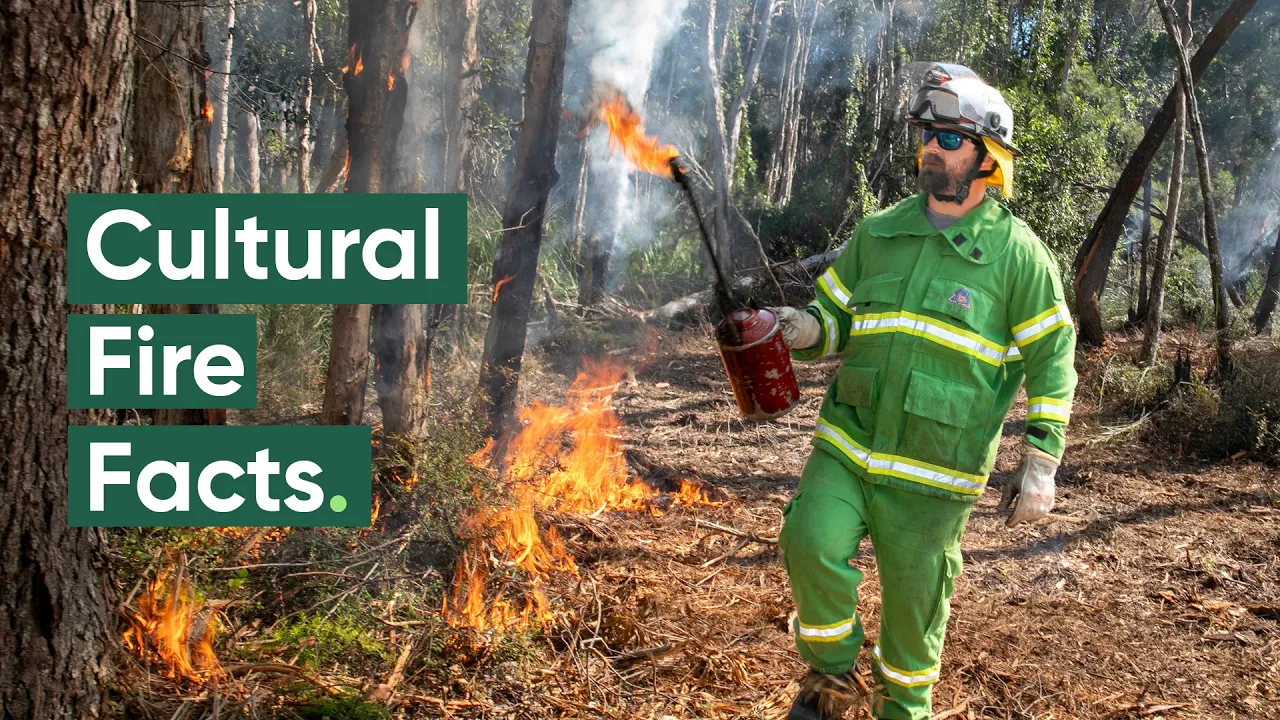
The fundamentals of Australian fire ecology, including the ecological distinction between destructive wildfires and traditional 'cool' or cultural burning practices.
The historical context of Indigenous land rights, dispossession, and ongoing struggles for sovereignty in Australia, such as the Native Title system.
Advanced policy analysis of how state and federal disaster management agencies can formally integrate Indigenous-led land management into national climate strategies.
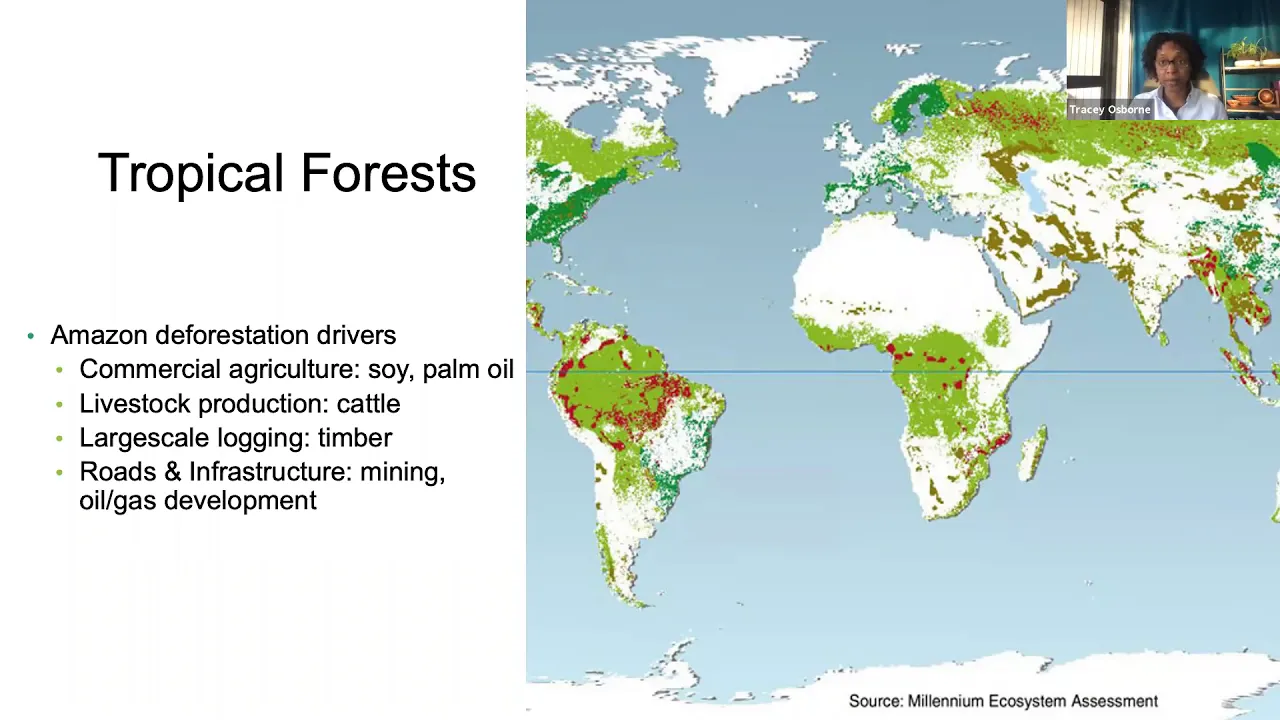
Comparative studies of global Indigenous-led climate adaptation and mitigation strategies, such as those utilized by Arctic or Amazonian First Nations.
The legal, ethical, and intellectual property frameworks governing the sharing and utilization of Traditional Ecological Knowledge (TEK).
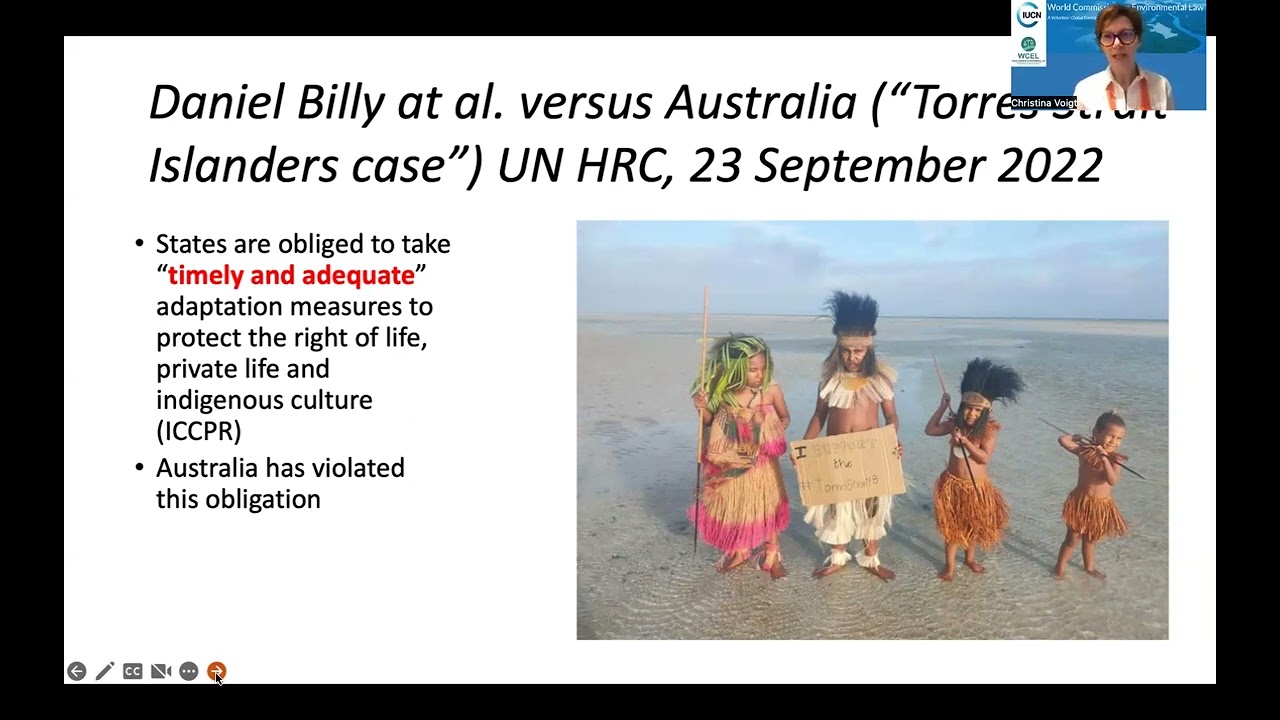
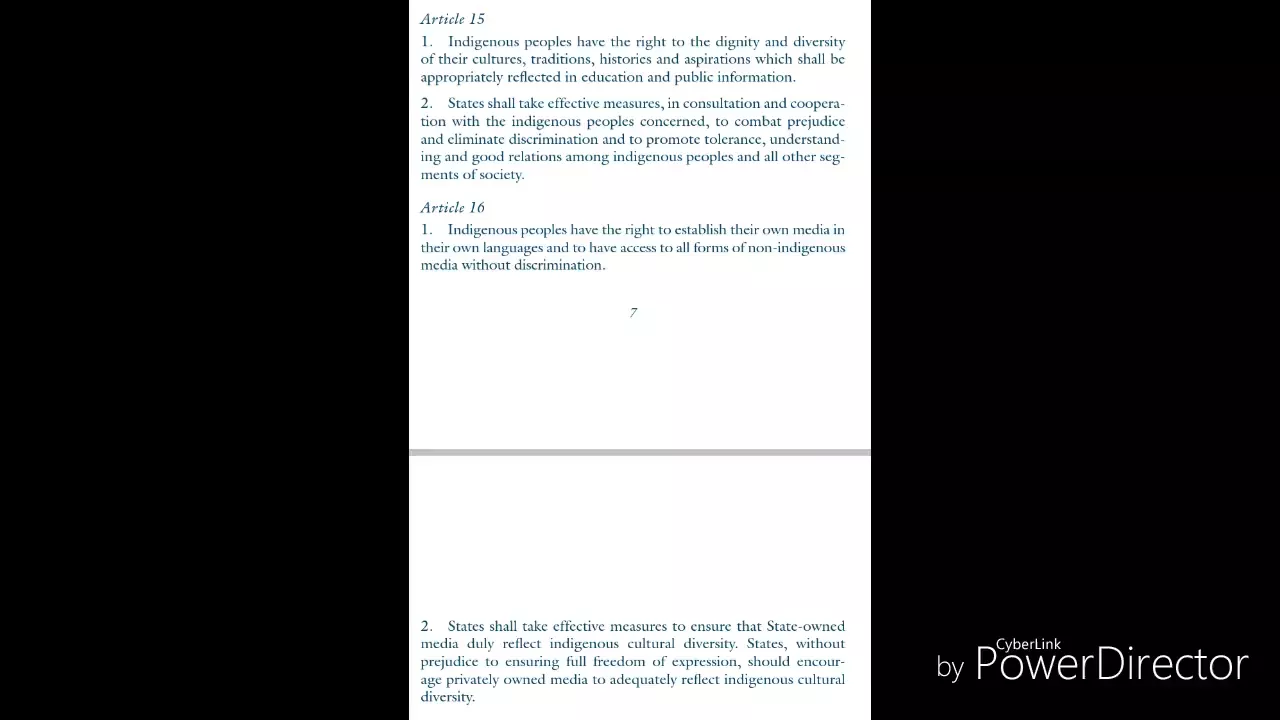
Exploring the intersections of climate litigation, human rights, and international agreements like the United Nations Declaration on the Rights of Indigenous Peoples (UNDRIP).
3.9K views130likes1:10:13Original Release: 2021-04-29
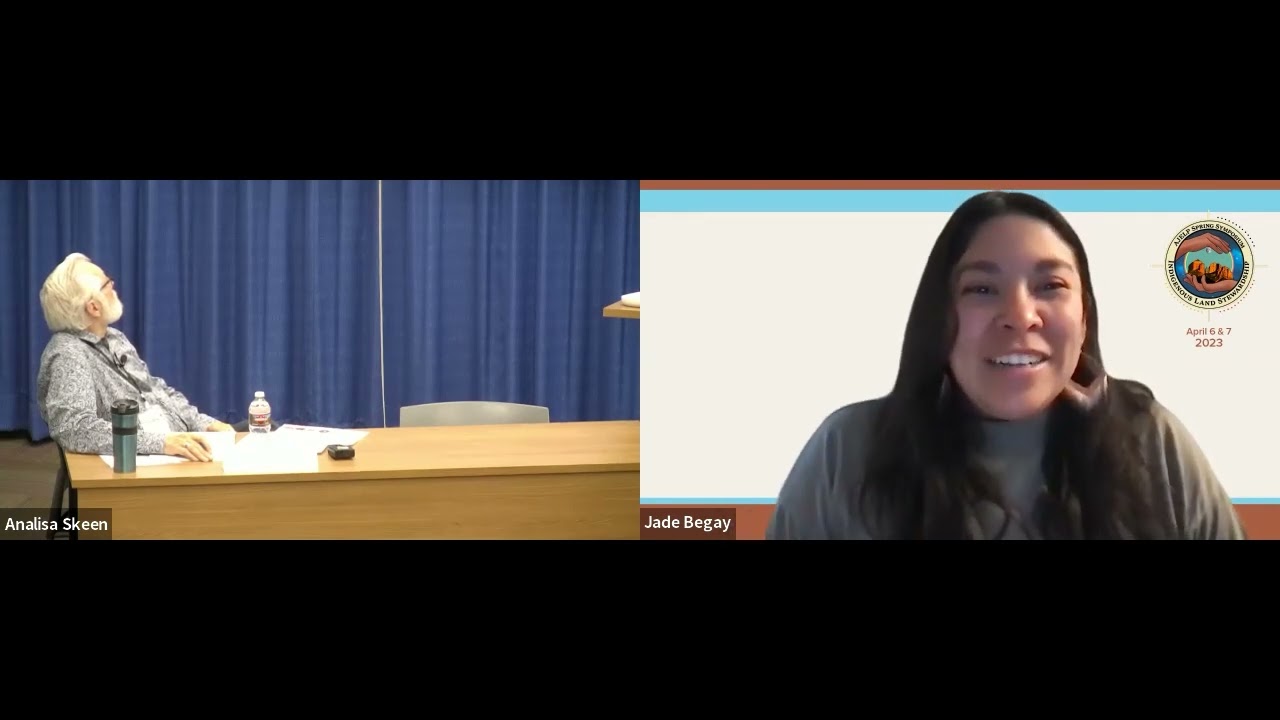
c [Music] [Music] [Music] [Music] [Music] [Music] [Music] do [Music] [Music] hello everyone my name is ray johnston and i'll be the facilitator for this evening's panel event first nations climate justice a little bit about me i'm a stem journalist for tv and radio and podcasts and online i was the first science and technology editor for nitv at sbs and i'm the producer and host of tech and science focus podcasts queens of the drone age here and beyond and take it black now the world's first technologists are the sovereign first nations peoples of this continent with knowledge passed down since time began despite all the attempts to erase it and as a wiradjuri woman who was born and raised on darag and gundaga country i am honoured to be living and working today on the unseated land of the dharug people and i pay my deepest respects to direct elders past and present and i extend that respect to any of my first nations aunties and uncles brothers and sisters that are joining us today and i ask that you two watching acknowledge the traditional custodians of the land that you're on today now i'm so excited to be facilitating tonight's panel discussion with three fantastic contributors this event is supported by the emergency leaders for climate action and the climate council and after tonight those organizations will be collating the discussions into a written summary which will be available online for anyone who couldn't make the event or anyone who just wants to do some further reading catch up on everything that happened so thank you to all of our attendees as well who submitted questions in advance we're going to do our very best to work through as many of those as possible tonight there were quite a few please feel free to continue the discussion in the chat function on your screen now our facilitators from the climate council will try to answer any questions that you have and whenever a panelist mentions an organization they'll also post a link there for you to explore further now without further ado i would like to introduce our three panelists for this evening firstly mibu fisher is a saltwater scientist with engagement skills for strengthening partnerships between first nations communities and the research sector her specific interests are around traditional knowledge science and management practices being considered with modern day fisheries coastal and conservation management now she joined with other indigenous and traditional practitioners to strengthen the global indigenous voice and leadership in areas of marine research and coastal indigenous livelihoods now her goal is to bridge a gap that draws attention to the indigenous communities facing the front line of impacts and changes to coastlines ecosystems and livelihoods from climate change impacts so welcome firstly who's your mob where you're from and then can you give us a sense of what your work looks like in practice how are you exploring how traditional knowledge and modern day fisheries and coastal management can combine all right i'm so excited to be here tonight so yeah i'm nebu fisher and i'm a nunakul nugey and grandpa woman from kwandamuka country which is off the coast of brisbane and also some of the mainland and tonight i'm joining you from nepaluna which is hobart down in neutrowita on the lands of the moonina people and so i'd like to pay my respects to the eldest past and present and thank them for allowing me to become part of their community um so that's a big question for me to try and answer so it's a little bit more tricky because i do a lot of more theoretical type work so a lot of what i've been doing is around setting up research opportunities in the right way and also advising other marine science scientists and researchers to start to think about engaging and working with communities through a co-design process um it's really because like i believe it's really important for first nations communities to be a part of the process and not just to have a seat at the table but for the researchers and practitioners in the marine space to be prepared to go and sit on the beach or under the tree and and have those genuine connections and relationships with community members so that's kind of what i'm doing most recently i am one of the indigenous authors for the marine coast chapter from the australian state of the environment report 2021 which is the first time there's been indigenous authors as part of this process so often when you're the first it's it's a really slow process um but it's really exciting and also i'm doing some world history projects um down here in mutualita with the elders around their cultural practice of necklace making um yeah they've noticed some changes to the shell thickness and abundance so we're using traditional knowledge to create a baseline study on that yeah doing some incredible work we're very lucky to have you here with us tonight thank you now next up we have the army williamson who's a research associate and phd candidate at the center for aboriginal economic policy research australian national university he graduated from anu and in 2017 from the masters of indigenous governance at the university of victoria british columbia canada he also holds graduate certificates in indigenous governance from the native nations institute at the university of arizona and the indigenous trauma and recovery practice from the university of wollongong now the army's expertise includes cultural land management cultural burning with a focus on southern temperate australia and the impacts of disasters on indigenous peoples so welcome biami who's your mob where are you from and i know that you'll speak further about the findings of some of your work around last season's bushfires later but could you give us a sense of how your research intersects with extreme weather events and climate change yeah thanks so much ray um it's such a pleasure to be here on this panel tonight um yeah so i'm a uh by me williamson i'm a yualio man so my mob come from northwest new south wales and we go up into the southern part of queensland as well and my mother comes from concurry and her family go up into the gulf of carpentaria up into northwest queensland yeah i'm really excited to be on this panel and i think before i respond directly to that question ray i think it's worth acknowledging the fact that i am the only male on this panel and i think that that evidence is something that we very much know that aboriginal women are you know very like really key leaders in our community they've held our communities together for so so long and i think tonight's panel evidences that that um is not changing in fact it's just strengthening again so yeah i just like to acknowledge that um yeah all the wonderful women who share this panel with and it's wonderful to um yeah to get that opportunity but um you know you know how to get on our good side right away don't you yeah ray's raised by the right mother don't worry um but yeah so but to respond to the question directly yeah a lot of my work and research over the last little while has been focusing on cultural burning so i've got a bit of a background cultural burning as a as a one-time practitioner as a researcher and as a um as a sort of a policy maker in the space as well and recently an advocate and um so kind of come to cultural burning from a number of different perspectives i'm really interested in how cultural burning can be used as a land management tool to mitigate against the you know catastrophic risks associated with in particular with bushfires with catastrophic bushfires in australia and also the other part of the work that i think is really relevant for this conversation is indigenous peoples in disaster recovery so really understanding what are the true impacts of of climate change driven catastrophic disasters on indigenous peoples and really understanding that bringing their voices and their experiences their needs and their desires in those times to the floor so um yeah i'll leave it there and look forward to the discussion thanks so much for joining us looking forward to hearing everything you have to say tonight finally we have tisch king tish is the community organizer at seed indigenous youth climate network and our islands our home campaign now during her studies in ocean science on the gold coast tisch became really passionate and actively involved with grassroots environmental groups and rallies across australia and also overseas now she's got experience across different industries at csiro oceans and atmosphere and the exploration and minerals industry so she brings a diverse perspective of first nations and environmental justice now indigenous peoples are on the front lines from the impacts and causes of climate change so tisch believes that working towards a sustainable and just future for first nations people is a fundamental step towards solving the climate crisis and i tend to agree so welcome tish firstly who's your mob where you're from and could you tell us a little bit more about seed and the work that you do there hey deadly mob kappa kubu good evening uh so my name is tish and i am a proud torres strait island woman with strong blood connections to my sick on my mom's side and badu island on my father's side and before i begin i would like to acknowledge country knowing that we are all tuning in from different area codes where i am i would like to acknowledge the traditional custodians of cooler nation and would like to pay my respects to their elders past present and emerging acknowledging that i am a guest here on their country and that sovereignty was never seated um i'd also like to pay my respects to my brother and sisters here today on the panel so deadly to be here and i just like to acknowledge every aboriginal and torres strait islander person that identify um all that identifies uh introduced to their homeland or people of color that are tuning in so i am the community organizer at seed indigenous youth climate network um and often and commonly referred to as z-bob and we are australia's first and only indigenous youth-led climate network and since 2014 we've been building a movement of aboriginal and torres strait islander young people to protect their lands rivers and oceans from the causes and impacts of climate change and so for those who are tuning in and aren't too familiar with our national campaign see mob work with traditional custodians and their communities to protect their country from fossil fuel companies like urgent energy from the harmful impacts of fracking in the northern territory because right now 51 of the nt is covered in exploration licenses for oil and gas and if all went ahead much of the aboriginal owned land would have country polluted by the shale gas industry and the nt is connected to one of the water tables where if it is polluted by dangerous fracking processes all of our water is poisoned for those communities in the nt and water is for life for our mob like our desert springs and our bushlands are way too precious to risk you know these dangerous fracking wells and so um you know we have seen how it affects our health impacts um you know our culture and you know we've seen that firsthand from our brothers and sisters all the way on turtle island over in north america um and how that you know this industry is just risky business because you know we acknowledge that communities have a right to you know have a final say about you know what happens on their country and to make decisions about their own lives and it's only when communities have the freedom to define their own path can our people truly heal you know native title law in this country is a little bit broken and it is not strong enough to protect you know country from mining companies and our greedy politicians who can't take no for an answer so you know together we must strengthen our land rights and put community before profits and so as the nt is one of the sunniest places on earth you know right now remote communities rely expensive you know rely on those diesel generators and we need to shift that we need to become more um energy and self-sufficient and supply clean and cheap power to our mob um and so here at sema we advocate for climate justice now because we are experiencing these impacts now fantastic thanks for all your work on that tish it's really appreciated you're doing so much now remember your work focuses on marine ecosystems and coastal communities what are some of the ways that climate change impacts coastal first nations people yeah um well i guess when we kind of most of us when we think of climate change we kind of get that image of the ice caps melting and glaciers coming off and the polar bland like balancing on the iceberg and how that influences people can be quite difficult to understand like we think of sea level rise and i might leave that footage to talk about but then we think of things like ocean acidification which is the ocean of ocean acidification sorry reduces the ability for carbonate to be available in the ocean and so various species really require carbonate to produce structures so think of things like shells and crustaceans and without the their ability to get that within their environment they become vulnerable because they're unable to produce their exoskeletons um so we have things like exo ocean acidification impacting on species then we have ocean warming so ocean warming is starting around the equator and we're starting to see because as our oceans warm it's pushing the ocean walks polar so to the north and the south and it's starting to actually create species redistributions so we're seeing species from the tropical warmer waters move coal wood and this is starting to also impact on other ecosystems and the species abundance and what people are seeing it's impacting on seasonal indicators cultural species like um the mariner shells down here in tasmania and so it's really just changing everything about what a lot of first nations communities know um i have some um colleagues and friends who are in greenland and the winter they just had they were noticing that you know it was supposed to be negative 30 degrees and it was 30 degrees during the day and this actually was creating water to be flowing so the smaller species were migrating earlier which then impacted on the larger species because then they followed them and then when their fishing season opened up there were no species in their waters that they were able to fish for so not only did it impact them from their subsistence fishing and their ability to get food sources it also impacted on their economic livelihood um so i think you know climate change impacts coastal communities in a myriad of ways like like most of us but yeah it's not just the food sources resources culture and connections to country when we look at it in that broader sense particularly from a western perspective we really can identify that the changes to the physical environment for first nations people globally also impacts our ability to contribute to our economy it impacts our wellbeing and our health particularly our mental health and so it's really just adding an additional obstacle to already marginalized communities and it's just really sad to see like we've already been through so much with colonization and to have this climate change impacts just adding to that pressure it's really sad yeah it's absolutely devastating tish how have you seen it impacting on home in the torres strait wow like really can resonate with a lot that maybe has just said um because well i mean before like before i just share a little bit about my own personal experiences i actually importantly want to state that while i am a proud teresha islander i'm from coco girl nation um i'm a maine lantau islander and want to acknowledge those people families and communities that are on the front lines of those impacts that you know they have their own lived experiences but to really paint you a picture um you know i do on my mom's side i come from music uh so york island uh in english which is you know one of the unique islands that make up coca-cola nation which is a group of these low-lying islands surrounded by these beautiful coral caves now some of you may have remembered the tv show that aired on sbs ran remote area nurse back a decade ago um which was actually filmed on music but for those who actually haven't seen it or you know not in that generation um it is picturesque and a teardrop shaped island with these white coral sandy beaches and these like transparent turquoise waters think mel dives across bahamas so dreamy um and so you know mentioning i guess you know what mabu said like you know as global warming is increasing you know we are seeing our oceans rise and as our oceans are rising these low-lying islands like music are seeing king tides erode meters of our island homes and as i went uh up north at the end of 2020 over the summer i went to visit my big follower yes a mosby one of the claimants of the torres strait eight and i like so emotional but i had to pick up the bones of my elders because erosion is damaging our burial sites and as first nations people we know that you know these are our spirits of our old people and it's a sign of disrespect you know it's desecrating you know who they are and it's you know it really you know it's like that heart quenching you know pain in your chest right and you know we are seeing our ecosystem shifts exactly as maybe said as our oceans are warming and you know this is the future of our food security is at risk you know effectively impacting the way we hunt and practice our cultural traditional ways so you know and you know not just that our natural weather events are becoming more frequent and more aggressive you know that my people are now finding it hard and i'm sure maybe your communities too are finding it hard to identify those seasonal cues and all the while here we are in 2021 still continuing to adapt to the uncertainty and bipolar covert landscape and you know there is my people and our island communities are at risk at becoming refugees in our own country how does your work with our islands our home how does that campaign you know tie in what work are you doing there uh so thank you for the opportunity to actually share a little bit about it because you know we did actually launch uh you know halfway through last year just a bit of us digital storytelling to share our stories but you know as sort of maybe just mentioned about her friends and colleagues over in greenland you know all around the world first nations people indigenous people and people from marginalized groups are on the front lines of the climate crisis but for people of zenith kes the traditional name for the tarshire islands again like king tides erosion inundation coral bleaching are threatening their homes and our culture while the australian government refuses to address the climate crisis and urgent action needs to you know is needed to ensure that they can remain on their islands and for the continuation and survival of our culture so our islands our home is a campaign led by eight incredible torres strait claimants to protect their homes and have brought a human rights complaint against the australian federal government government to the human rights committee of the united nations over the government's inaction on the climate crisis and you know these demands that they want from the australian government is to you know fund adaptation programs that will allow them to cast communities to adapt to climate impacts commit to going 100 renewable in australia in the next 10 years supporting our communities to build community-owned renewable energy and transition away from these fossil fuels as a rapid you know rapidly as possible um through a transition for for workers and you know we need to push the world to increase that global ambition and keep warming less than 1.5 degrees good case you make there that's for sure now yami your work is focusing on the impacts of bushfires on aboriginal people and not just any bushfires but the major ones like ones that we saw in 2019 2020 over that summer period and what have you found during your research yeah so our research was um yeah really focused on the 20 19 black summer bushfires as they're now known um and at the time that it was unfolding it was just kind of we we knew that it was hitting in areas that had really high populations of aboriginal people right along the eastern seaboard in particular and so some colleagues and i at the university we kind of put our collective heads together and we started to map those the demographic distribution of communities affected by those fires and what we found is that in new south wales victoria the act and jefferson bay territory over the four jurisdictions right um sorry just background in those four jurisdictions aboriginal and torres strait islander people make up 2.4 of the population in areas directly impacted by fires they made up 4.8 so aboriginal and torres strait islander people were twice as likely to be impacted by those bushfires in particular but the the demographics sort of only told one part of the story as well because another part of the of it you know of what was unfolding that wasn't being captured was the incredible impact that those kind of events have on people who are from that place you know people who care for that country people who associate with that country including certain parts of that country like landscapes plants animals you know seasons um you know waterways all of these things that have just been absolutely smashed because of the fires no one was really talking about how those fires and events like that impact aboriginal people in a way that is different to non-indigenous people and so we started to sort of unpack um you know some of the the things that we knew that would impact people so things like um you know people as i said that associate with kind of totemic plants and animal species like what happens when those titanic plants and plant and animal species are wiped out of the landscape and don't return what does that mean for the cultural continuity of the community and even sort of more um i guess for for for non-indigenous people even sort of the more tangible stuff for for for them like thinking about things like native title things like um improving land rights and connection to countries so but like proving connection to country is a big part of the navy's title regime right and one of the key evidence that people could use to to demonstrate their ongoing connection is cultural heritage sites and so what are the long-term impacts for things like native title cases and people's legal recognition if those sites are wiped out people aren't really asking those questions people aren't understanding those stories and so that's kind of where our research came came inside to highlight that but conversely focusing on aboriginal communities alone was incomplete because what we also examined were previous you know royal commissions and independent inquiries so we looked at a few of those things like the mcleod inquiry post 2003 canberra bushfires the royal commission into the black saturday bushfires in victoria and there's other work that's been done that looked at recommendations coming from a lot of those post-disaster post-bushfire inquiries and what we found was just astonishing that is aboriginal and torres strait islander people we're not there at all nowhere the only references to aboriginal people in uh the black saturday royal commission which was just so comprehensive in its scope the only real reference to aboriginal people was in some kind of reference to the past and how how the landscape evolved over time and the existence of aboriginal people in these landscapes before europeans came and so you know we just kind of found that people who were disproportionately impacted in numbers who were deeply impacted um in their cultural ways from these from these um from these events and then just the sheer willful ignorance of them too as existing in the world today and as a and as of you know needing to be to be understood needing to be listened to needing to be engaged um yeah it was pretty pretty astonishing um really that was the way to say it yeah i think we're all gonna have to do a bit of deep breathing and uh wiggling our fingers and toes during this panel because the there's been a lot of obviously ongoing trauma but recent trauma as well that we're experiencing as aboriginal and torres strait islander people in this country and with the impacts of climate change and and with the impacts of those recent bushfires yeah i was out uh my my family grew up uh all my family i grew up my family from the edge of where the wattle creek fire was so that big fireball that came through that was like a hundred meters from my parents place and i spent you know weeks out there with them fighting those fires and just trying to create a pocket of country where the animals and birds and everything could go and yeah there's a lot of trauma that you carry from from being there from the knowledge of knowing what was lost in that place and to not see that reflected in any of those royal commissions in any of those recommendations i remember one of the recommendations being maybe we could listen to aboriginal people and it's like are you kidding me but yeah we'll we'll uh we'll do some stretches we'll do some breathing i want to know from each of you what climate justice means to you because you know it is the topic of today's panel discussion and it can mean different things to different people and i will throw back to you the army what what does climate justice mean to you yeah sure so crime of justice i suppose in its most simplistic term it's a simple acknowledgement that um you know the people who are going to be who are and they're going to be most impacted by climate change other people who have had least to do with producing the problem you know i mean you've heard tisch already sort of talk about the impacts of climate change on um in the torres strait and that's only going unfortunately only going to get worse you know and when you think of people communities of people societies of people who produce climate change as a problem i'm sorry torres strait islanders have absolutely nothing to do with that um and even out here you know like with our mob so my mob um if you my mother from northwest new south wales and so if you've got a map of like the northern basin in the murray darling and put your finger right in the middle of the northern basin that's where our people are so we are totally dependent on waterways we are totally dependent on the river systems you know and unfortunately obviously it's been really mismanaged for decades out here now um but he added to that the real threat this significant threat is you know increasing drought um out here unfortunately we've had a good rainy season but people out here speak even now about how lucky they are to have rainfall have good rainfall like how depressing is it that a natural environmental cycle is something that we should be grateful for now and feel lucky for it's just not the way it's meant to be you know but we're going to get impacted by it we are being impacted we will continue to be so i think coming back to climate justice it's just understanding really clearly understanding that climate change is unjust the impacts of climate change are unjust you know if we can understand and come to the realization that climate change is an unjust process and it will disproportionately affect you know people in southern you know the uh you know the southern hemisphere people who are black people who are brown people who look like us on this panel um we can really open up a serious conversation about what we need to do as a society as a country as a very wealthy very well-off country what we need to do to support the people who really need the support how about you what does climate justice mean to you um a bit deep very deep um just i think for me climate justice is linked to a self-determination and the ability for communities and indigenous people to make decisions for themselves and to have resources available to make those decisions um because it's just so unfair at the moment um [Music] yeah it's a pretty simple insight like for me in saying that but that's really just how i feel yeah it comes down to that for me yeah absolutely and how about you tish climate justice what does it mean to you uh you know really hearing what both um you know brother and they're just saying is that really echoing exactly what they say like i can't really reiterate that but you know there are so many you know first nations people out there advocating in their communities and you know while i can't speak for them i know that for the campaigns that i that i am privileged to support it actually become it comes back to you know white australia acknowledging the dark history and clear colonial impacts you know of this nation and then you know that the systems that cause genocide on this country are the same systems that continue to oppress us today and we need to acknowledge you know the communities have a right to have a final say about what happens on that country exactly what cesium movie says you know that self-determination you know we should have those we should have that option you know we should make our own decisions because they are our own lives and it is only when we when communities really have the freedom to define their own path can we really truly heal from that and you know and it's about i guess you know having that just sustainable transition for all because it is our collective future you know we have a responsibility to ensure a future for our children and their children so that we can continue to survive i think it's sort of important what you know while there by me just saying about you know his the research that his team does is that you know people don't understand how that affects us and people you know when country is hurting they're heading because we are so deeply connected to this land to our islands that you know our bloodlines run deep into that and it's about changing and shifting the narrative and you know changing people's hearts and minds and showing them that and sharing them that and so you know we need to stand in solidarity with each other and not only have our own people leading this space but have a seat at the table in this decision-making process absolutely now yeah we've said it here yeah we didn't create these problems but we are working to fix them and i want to talk a little bit about some of the solutions being led by communities now beyond your research touches on cultural burning to better prepare for bushfires among other things and there have been a lot more discussions i've lost count of how many articles i've written about cultural burning since those horrific bushfires recently have you seen anything actually change in practice though yeah it's a really good question um and ray i think it's first worth pointing out that um like a lot of the media attention is obviously focusing on cultural burning and that media attention is really welcome but we can't just talk about cultural burning at the expense of other cultural land management and water management practices i mean cultural burning is fantastic and it's something that aboriginal people do have done so well for so long um and it's great to see them start getting recognition for that um but you know to think about it practically like you know there might be two months in a year when you're able to put fire into the landscape um but at least 10 months of the year where people aren't sort of just sitting around kind of you know streaming netflix and playing the playstation it's you know people what happens in those other 10 months is just as important and indeed cultural burning the success of burning um relies on effective management over those other 10 months as well so we really need to be having holistic conversations around um culturally management practices and specifically cultural burning um but as a change in practice i'd say that the change in practice actually hasn't been within aboriginal communities ourselves i think it's been with non-indigenous people i think the fires have really have really woken people up i don't know it's kind of it's it's strange and depressing that it takes an event like the black summer bushfires to really wake people out of their slumber but it really has it really did jolt people people looking for new solutions people looking for looking for new management strategies and they're kind of you know finally acknowledging um the contributions that aboriginal people have always made and want to make as well in the management of our homeland so um i'd say the biggest change that i've seen is a real openness and willingness to engage and i think this panel evidences that even further um openness and willingness to engage with voices of aboriginal and torres strait islander people the management of our homelands um and you know what like we'll we'll walk through any door that opens to us because you know it's we all share a deep a deep kind of yearning to continue to care for our country and be connected and to look after those places so yeah the biggest change i'd say is actually with non-indigenous people not us based on your experience how can policymakers go about including traditional knowledge into both the design and the implementation of policies for mitigating and adapting to climate change yeah so um i always like to say the first first thing on the outset has to be complete respect for traditional knowledge and knowledge holders um it might seem quite obvious but i think a lot of people in this space may not exactly have that respect um automatically there which is quite disappointing um and i i think a lot of people when they get the opportunity to be in the room with knowledge holders are challenged and because they're challenged they don't understand what's going on and they just kind of go in for the kill like that's wrong what you're saying doesn't make sense it's not real all these things but really people need to start checking themselves and start trying to sit back and work out why am i uncomfortable with this why is my view being challenged because it's just a different world view and it's not wrong um and so that's kind of the first hurdle that i think needs to be changed it's a lot it's a slow process because it's institutional change and systemic barriers that need to come down which is always a slow process and it's really hard work and it feels like you know you can have all the right conversations and get all the yeses and you might only move a millimeter in the right direction um so yeah in terms of having those conversations it's persistent conversations and not taking no for an answer and putting yourself out there and in positions where you are going to be seen as the troublemaker and the annoying person that people don't exactly want to have a conversation with um but i think it's really an important thing for people in these positions to understand because you know aboriginal and torres strait islander people and indigenous people around the world we lead a very sustainable way of life and when we talk about the future and have these conversations in regards to areas of growth that word sustainability is often right there alongside it and you know it's really about focusing on changing those perceptions of what traditional knowledge is and how it can add to sustainability and and using the right like buzzwords around the right people um to get their attention to change um and i've been learning to do that particularly within my organization so yeah it's interesting but i just think it's yeah it's really important to continue to have those conversations with whoever you can have them with um so that they can start to see and by they i mean people in western science can start to legitimately see the indigenous field view as equal and i feel like it's only then you know together the two different world views can actually create a way forward for us i think that's really important to try and get home and implement we're not trying to take over the western science system they need to work together and it's all about respect and knowledge and taking that time out and yeah challenging your own viewpoint yeah it's complementary and isn't that part of science anyway being open to new information and changing your view as a result of it through your work with seed you must meet so many people who are seeing the impacts of climate change and want action so what are some of the demands that you hear across your networks what do people want yeah um [Music] you know what like it's been i just say it's minute deadly which means like very deadly that i'm just here having this yeah because it's so great like bringing like traditional you know knowledge and western science together like i'm i feel just so inspired and anyway i just wanted to say that but look i being with seed it's allowed to connect and make relationships with mob all across um our country and diverse country and learn a lot like a lot from them um and you know about how um you know their cultural practices on their country and you know in their communities and so you know again really not being able to you know speak for all the amazing work that is happening across this nation um you know it comes back to education and knowledge and sharing our stories because we need to it's it's back how like we are from this land and you know it's like trying to shift their perspective of seeing that and i think that's what i love hearing about the work that you know um balor and are doing because you know they're trying to sort of like it's so great that we have that representation in in that sort of like western science space you know i think um you know for me personally it is just about you know shifting the narrative because you know looking in the last year that we have had here and all across the world australians love being outside they love being in nature you go on their tinder or bumble profiles they're all like nature lover ah and so it's like great you love nature so do we and we come from here so you should be advocating just as much as us because you get that same feeling that we've had for our whole lives you get it that minute that you're out there in the ocean on your surfboard hiking snowboarding down a mountain you know and so it's like again sharing our stories and our our old spirit stories too about how that mountain was carved out you know how our rivers were formed through our you know totems and i think the more education that we can share and normalize our culture more um you know they are able to understand as well you know we're now in a new generation um or where we can be proud black and deadly you know and we can speak up for it and you know respecting you know that history that came from us you know um in this country it's it's that's the part of that education and so um you know just you know standing in solidarity and it's together that advocacy not just for first nations people for our allies and for non-indigenous people now the army i'll throw to you now now you spoke before about the impacts of the bushfires where are those communities at now has there been recovery since the fires yeah are there preparations in place for increased fire activity what what's what's the future going to look like in those areas yeah thanks ray um and i do want to say before answering this question that i encourage people to really turn to the communities that were directly affected um if they really want to understand the first-hand experiences if they want to hear the stories of traditional owners in those areas if they want to hear stories of you know how aboriginal people kind of really supported themselves when no one else would support them um you know they're really they're the stories that only then people can tell and so i encourage everyone to make space for that to be open for it and to seek them stories out because they are out there in terms of the um you know the places and communions and people that i work with throughout like right throughout the disaster affected areas um yeah recovery is a um have the communities recovered no um i think it's just um there is just a deep and unending sadness that lingers in those places you know and and may may do for the rest of our lives um i think that while people have come to terms with the um destruction that was caused they haven't come to terms with the extent of their trauma and their grief and they people really need help with that and people are angry people are just so so angry [Music] um but it's not anger that like certainly the aboriginal community that i work with it's not anger that's kind of crippling it's anger that's that's that's kind of motivating you know people people are hungry to get out and start looking after those landscapes again like people are already talking about um about when's the right time to put fire back into those landscapes you know people are talking about what what um what what trees they need to plant what native plants they need to propagate you know what what animals they want to bring back um people are talking about so you know all of these solutions they and and they need they don't need help but they need support you know um yeah so it's so and looking after the land and recuperating it and and helping the land to recover um is such an important part of the healing process you know so it's not it's kind of community recovery and the recovery of the natural environment down there for for us they're the same thing you know and that's where we really need to be supporting local communities who know what they want to do they just need the need the resources and the support to be able to do it one of the questions that came up again and again uh to be asked on this panel was how do i be a good ally how do i support those communities what do i need to do uh so i'd love to hear from you as to you know what you see people can help with and and how they can do that maybe i'll go to you so i think allies are really important in creating a platform and a space a safe space for for our voices to be heard for our wants and needs to to get out there into the general public sphere um i think being a good ally is making that platform but also being quiet once you've made it and and making that space for indigenous voices to come through and to really convince as many people who are like you to help people who are like us um because it's easier for them to hear it from you unfortunately than it is to hear it from us and i'm i'm not quite sure the psychology behind that but um it just seems like um it's easier for people to to connect with someone who gets it who is like them and yeah creating that space safe space platform and particularly in terms of researchers you need to think about putting funding aside in your projects for engagement to remunerate people for their knowledge to reunite them for their time to to build relationships you know it's not free you need to be genuine and for that to happen there needs to be money attached to it [Music] we have covered some heavy stuff tonight so i'll finish up by asking for some hope for the future do we have some tish i'll go to you first what a tricky question yeah it is isn't it it is look um yeah a really tricky question because a lot can change in a small period of time or a long period of time and you know looking at our current landscape at the moment you know our national leaders are using public money right now to fund companies like origin santos empire energy to frat country um that you know will you know exacerbate out like emissions that will affect first nations people not just here but our brothers and sisters in the pacific you know and all across the world and it's like those impacts are not directly but indirectly and so that's concerning and it really deeply hurts me and [Music] i just but i am hopeful because there is change and there is advocacy and not just the environmental movement because people think that like climate justices are just in the environment but it's also through education it's through health it's through art and there is a massive shift and i love that and so i do have a vision for the future where systems of injustice are torn down and you know are sustainable and community-led solutions can rise up to their place you know that there will be effective policy and systemic change and it is required and here not just in our country but you know we must have you know our own people aboriginal and torres strait islander people must have that seat at the table it must be place based it must be deliberative and culturally safe like nibu said you know our involvement must be sincere and in order to achieve real first nations justice i think we need to be able to lead that space and this extends you know to respecting our sacred sites and ensuring more first nations voices to parliament it means you know reconciliation it means treaty and so i think you know with all the you know with all the people out there um doing lots i do see idc hope that gives me hope that gives me mana love uh energy um it empowers me it inspires me and so that's one thing that i will say that um you know to all aboriginal social elder people we have strength and resilience and i've never seen it so much ever in my life and i just have so much respect for all of us um but yeah uh anyone else i want to live in your future sis look at it that way the army how about you are you hopeful for the future yeah um hope's a strange word it is isn't it it is yeah it's it's it's a word yeah like these questions kind of often get asked and no matter how many times i get asked it it's never it's never an easier to kind of answer um like i feel um uh like hopeful about um about what our future holds being on this panel listening to um you know to our amazing speakers and um and just working with community you know working the strength of community um developing those relationships and really letting the lives of community members and people that we work within our own family members enrich us and kind of sustain us and that really kind of keeps us going so really hopeful about that kind of stuff but then conversely i just feel you know uh i don't know just like a bit kind of hopeless about a lot of things as well like for and an interrupt to roll roll the last question that you asked um that you asked me as well about sort of you know being a good ally like we've got um a lot of really good allies that we work closely with and yet we kind of seem to still struggle to get our ship in the really big institutions in this country you know um for anyone that wants to see what we're talking about like just think about the last um year and a half and the incredible interest in cultural land management and cultural burning in this country and yet um the bush higher natural hazard crc and i'm sure many people watching this would know exactly who that organization is and the fact that they're moving to become a brand new permanent institute um you know released like just last month a um like a research portfolio framing a disaster research portfolio that will set up natural hazards research over the next decade and you can just have a look at it um and it's just there's we're nowhere in there nothing absolutely nothing you know and you think how could this be how can it be that we've had such interest and that all of these doors have opened and these are the conversations we're having and yet we are still left out it is just extraordinary and my mind just explodes that this is this continues to happen it's just not good enough we shouldn't be fighting for space anymore we should just be be enriching the the the the lives and the likelihoods of people in this country all who enjoy it and who live here and who call it home and who care about it now you know so it's you know if it it and it's not like it's not oh i don't know it's yeah so it's kind of like two different ships um you know going at different speeds and heading in different directions with with this stuff it's just you don't really know um yeah where it's heading um i think our communities are our greatest strength um and we need to keep going and you know like it's whether or not i i suppose to be to be honest i don't whilst i'm hopeful i don't feel confident that things will change i don't feel confident that this country gets it and i don't feel confident that we get that we are still being taken seriously but even though i don't have that confidence even though i can't see it changing it does not mean that me or colleagues that i work with will stop doing it at all so you know we're kind of yeah in the fight not going anywhere and it's really up to non-indigenous people to um yeah to really pick up this fight and and walk this walk with us well said and now i want to pass over to greg mullins ao afsm the former commissioner of fire and rescue new south wales and the convener of the emergency leaders for climate action greg has joined us as an audience member tonight and he wants to share elca's gratitude for the discussion over to you greg you're on mute greg yeah it had to happen it had to happen at least once yeah look i think it's about time people like me kept quiet and listened anyway and um you know hearing this tonight look i'm coming to you from gamarago land in sydney pay my respects to elders past present and emerging and any aboriginal and torres strait islander people joining us in the audience tonight and this incredible panel um look emergency leaders for climate action it's 33 former fire and emergency service chiefs who tried to speak up about climate during or before the fires and during the fires and what i heard tonight was just um pretty upsetting to be honest i you know i heard about the sorrow the sadness the anger about total animals being wiped out the landscape that you know country that people are so connected to and i heard about the willful ignorance of institutions royal commissions ask indigenous people who've been here for 5 000 years and you know we've done made a right mess and just 200 um my mob so look what came through to me is we just have to listen um and right at the end you know is there hope and i i hear you yummy um it needs people to walk with our indigenous brothers and sisters who people like me um who have been in charge of these institutions and might be able to get some ears to finally listen and i hear what you say about the natural hazards cic i'm going to be on the phone tomorrow um trust me i didn't know about that but um we need to work together and it took and a tragedy that people like me had no idea how to deal with to open up these ears around around the nation let's build on that and with the energy people like you bring to it and the passion um i think we can do this so look um the emergency leaders we thought it was time to listen not to talk at you and tell you how it is because you've had a couple of hundred years of that we're listening and we want to we want to walk with you so thank you so much everybody this has been incredible thanks so much greg and thank you to all of our panelists tonight we have touched on some pretty heavy stuff so everyone look after yourselves make sure that you have a nice cuppa after this you know maybe a hot shower a bit of stretching to kind of shake it all off and relax a little bit and get back into it into the fight again tomorrow looking forward to hearing how that phone call goes as well greg to our audience please take the time to follow and learn more about everyone everyone's work that they're doing it's so important and everyone needs to be aware of all of the difficult and hard work that's being done by people like our panelists tonight tell your friends tell everyone that you know you can find a bunch of helpful links in the chat as well keep your eyes peeled for the upcoming written summary of tonight's discussion as well with suggestions for additional resources again mandangu thank you for joining us and for listening and good night [Music] [Music] do [Music] [Music] do [Music] [Music] [Music] [Music] [Music] you
Up Next

50:40
Deep-Sea Coral, Sponge & Methane Seep Exploration | Nautilus Live
@EVNautilus
9.8K views•2020-09-22

12:54
Triumph of Orthodoxy Icon: Byzantine Art & History Explained
@BenCallan
2.1K views•2024-08-06

9:49
FastAPI vs Flask vs Django: Choosing the Right Python Web Framework
@TechWithTim
302.5K views•2024-05-26

1:42
Game of Thrones Opening Credits: A Cinematic Analysis
@gameofthrones
46.3M views•2011-04-18
Related Study Plans & Knowledge Roadmaps
Structured learning paths in General & Interdisciplinary Studies
general-studies
Elevator Engineering: History, Physics & Cities
01From Hoists to Safety Brakes: The Dawn of Vertical Lift
02Hydraulic vs. Traction: The Engineering Physics of Elevators
03Modern Speed, Safety, and Algorithms
+ 2 more learning modules
12h5 modules
Explore Roadmap
general-studies
Rubber: Material Science, History & Geopolitics
01Origins of Natural Rubber & Mesoamerican History
02The Chemistry of Natural Rubber & Vulcanization
03The Geopolitics of the Rubber Boom & Colonization
+ 2 more learning modules
12h5 modules
Explore Roadmap
general-studies
Containerization: Evolution, Logistics & Trade
01Ancient Trade & Bulk Cargo: Amphorae to Barrels
02The Industrial Revolution & Cardboard Packaging
03The Containerization Revolution: Malcom McLean
+ 2 more learning modules
12h5 modules
Explore Roadmap
general-studies
Textile Tech: Evolution, Labor & Global Impact
01Pre-Industrial Textiles: Handloom & Cottage Industry
02Mechanization: The Spinning Jenny to the Power Loom
03The Factory System & Global Labor Transformation
+ 2 more learning modules
10h5 modules
Explore Roadmap