
















![Jenn Turner: Lessons in Emotional Safety FTW [JSConf2014]](https://i.ytimg.com/vi/0_mgp_VWIe0/maxresdefault.jpg)



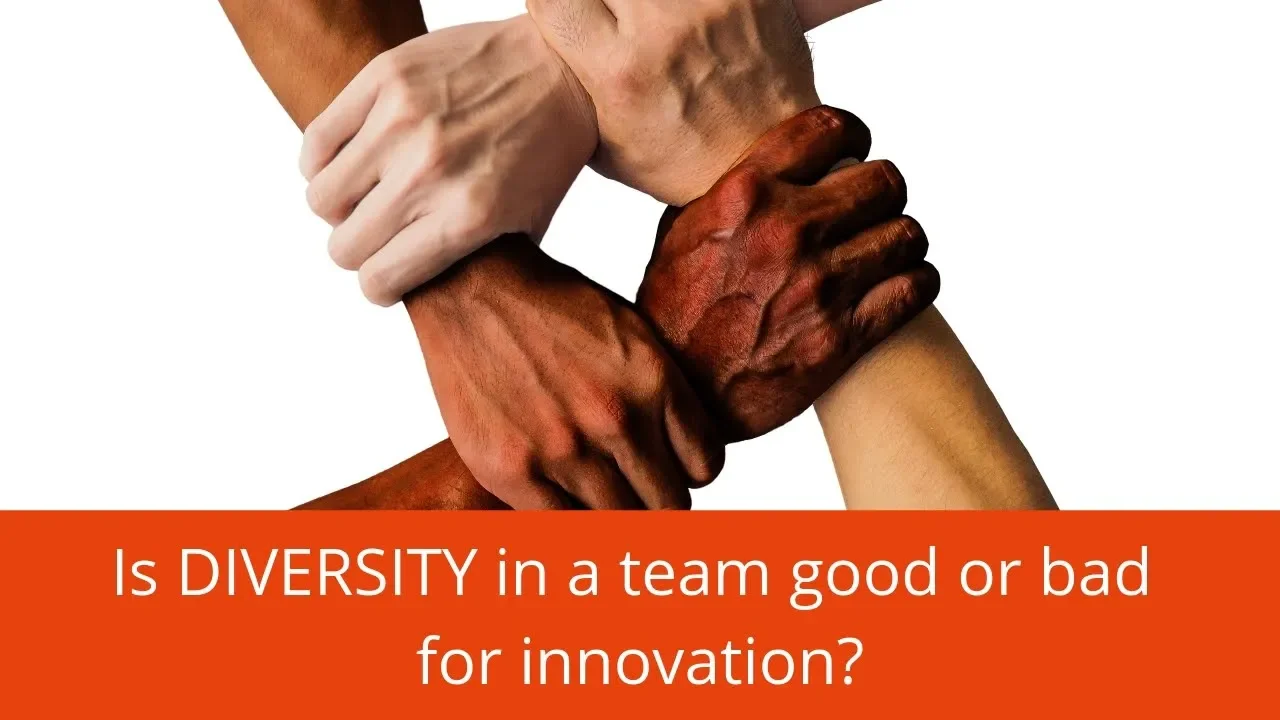
Understanding that each person's brain works differently—due to unique life experiences, learning styles, and neural processing—helps us recognize that different perspectives are not better or worse but simply different, and that embracing this diversity can improve teamwork and interpersonal relationships.
Neuroscience of You: How Brain Differences Shape Success
Added:Basic neuroanatomy, specifically the primary functions of key brain regions such as the prefrontal cortex, amygdala, and cerebrum.
The concept of neuroplasticity and how environmental factors and experiences shape neural pathways over time.
An introductory understanding of individual differences in psychology, such as cognitive styles and personality traits.
The role of neurotransmitters (e.g., dopamine, serotonin) in modulating behavior, motivation, and social interaction.
The integration of cognitive diversity in organizational psychology and team management to foster innovation and collaboration.
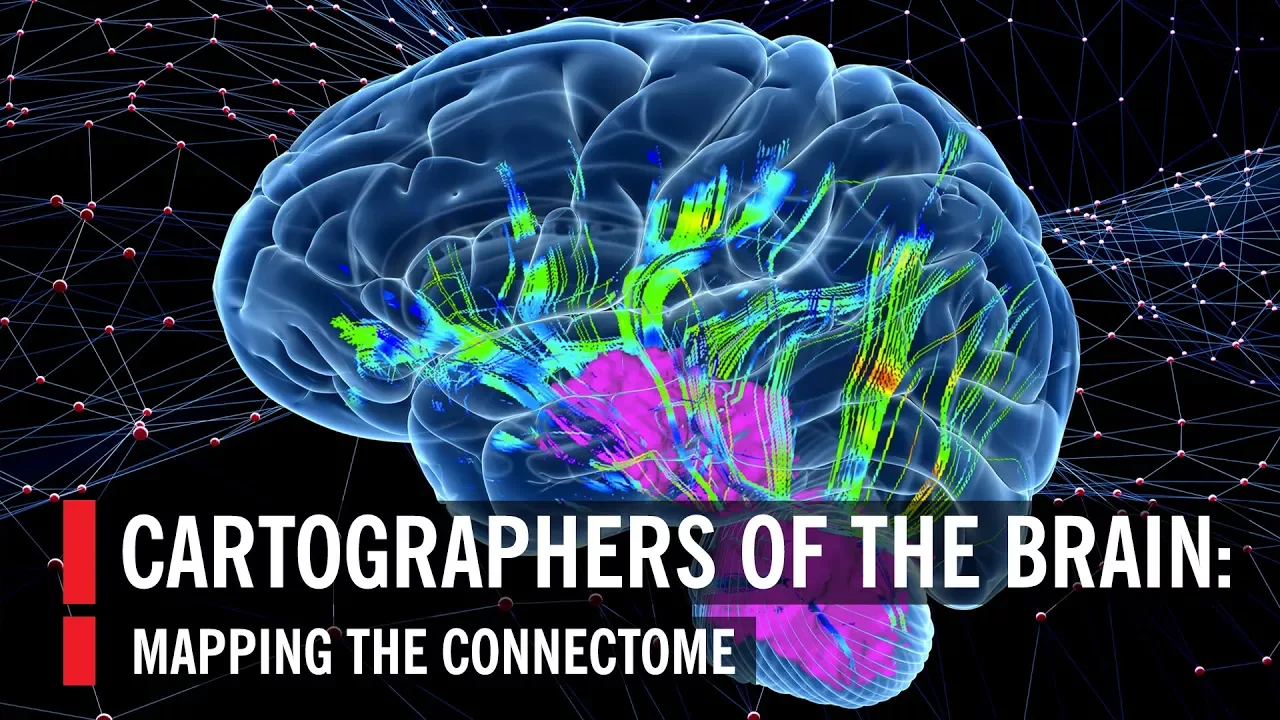
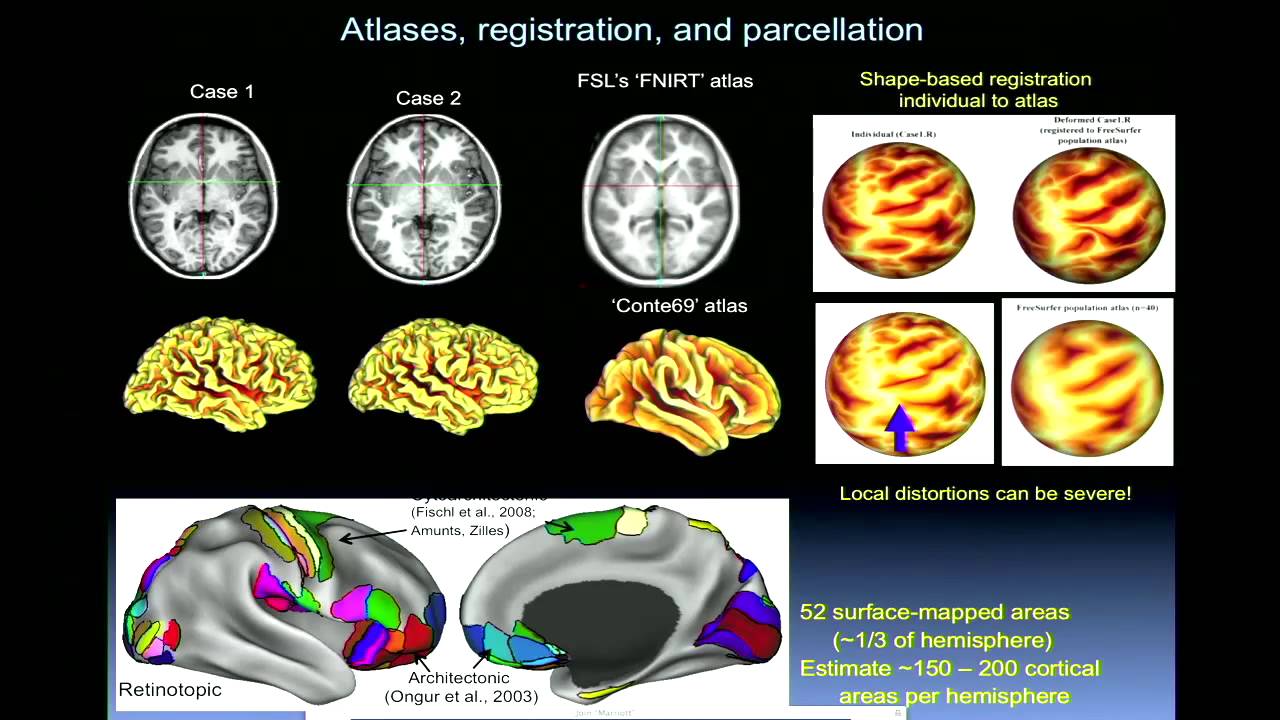
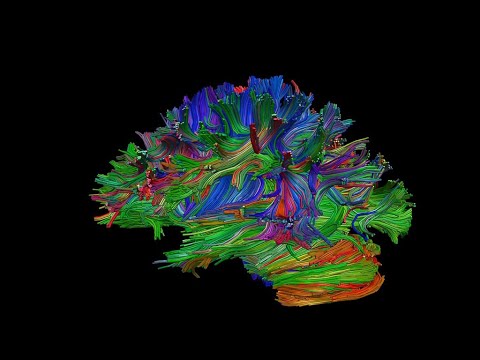
Advanced connectomics and neuroimaging techniques (such as fMRI and DTI) used to map individual differences in brain wiring.
Application of neuro-empathy principles to design actionable strategies for improving emotional intelligence and resolving workplace conflicts.
Personalized learning and neuroeducation, exploring how educational methods can be tailored to unique cognitive profiles.
829 views14likes1:05:07Original Release: 2022-11-01
[Music] foreign as human beings our job in life is to help people realize how rare and valuable each of us really is that each of us has something no one else has or ever will have Chantal Pratt Who quotes Brett Rogers in her new book The Neuroscience of you [Music] [Music] welcome back to the Neuroscience meets social and emotional learning podcast where we bridge the gap between theory and practice with strategies tools and ideas we can all use immediately applied to the most current brain research to heighten productivity in our schools sports environments and modern workplaces I'm Andrea samadi and launch this podcast to share how important an understanding of our brain is for our everyday life and results my vision is to bring the experts to you share their research books ideas and resources to help you to implement their proven strategies whether you're a teacher in the classroom or in the corporate environment for today's episode number 255 we'll be speaking with Dr Chantal Pratt who I've mentioned many times on this podcast I came across Dr Pratt's new book The Neuroscience of you that she just released this August when I was researching for episode 245 back in September on using Neuroscience to recognize individuality and uniqueness because her name kept coming up when I was searching for using Neuroscience to understand diversity when I started reading her book it was clear to me that Dr proud is heavily invested in the research that helps all of us to first of all understand ourselves on a deeper level which will help us to understand others if you look at the levels of consciousness model that I derailed from episode 151 you can see that I've listed Dr Pratt's work in the fully aware column because I think that's what her work prepares us for well you can see our podcast has touched on many different levels of consciousness and since this is such a difficult concept that many scientists still can't explain I think it makes things easier if we can map Concepts out so we can see what we're talking about visually on this continuum I know that after today's episode Dr Pratt Will open our eyes and awareness a bit more to see who we are in relation to those around us with some new ideas for creating Synergy with those we're not in sync with but first a bit about Dr Pratt she's a professor at the University of Washington in the department of psychology neuroscience and Linguistics and at The Institute for Learning and brain Sciences the center for neurotechnology and the institute for neuro engineering a cognitive neuroscientist by training her interdisciplinary research investigates the biological basis of individual differences in cognition with an emphasis on understanding the shared neural mechanisms underpinning language and higher level executive functions so in English I think I would translate that to Dr Pratt helps us to understand ourselves and others which is why she kept coming up when I was searching for understanding unique differences and that all brains are not alike Dr Chantal Pratt was the first neuroscientist to directly link two human brains through technology her research has explored virtual reality neural linking and the diversity of our brains throughout development learning about the science of our brains and nervous systems empowers us with greater ability to build the lives we want some of the power within Dr Pratt's work is that she highlights that Neuroscience truly is not a one-size-fits-all field as Dr Chantal Pratt explains being equal does not require us to be the same she's featured in the 2019 documentary I am human and her Studies have been profiled in media ranging from Scientific American Psychology today and Science Daily to Rolling Stone popular mechanic Pacific Standard travel and Leisure and National Public Radio let's meet Dr Chantal Pratt and see what we can learn about embracing each other's differences at the brain level and what this really means and looks like I'm sure this discussion will change our perspectives of how we think of others who we aren't on the same page with and hopefully help us to all find common ground with those we work with live with and interact with on a daily basis with some new strategies to improve our daily results with our brain and mind foreign welcome Dr Pratt thank you so much for coming on the podcast today and sharing a deeper look at your new book The Neuroscience of you that I've already been promoting since I saw it come out this summer welcome thank you so much for having me and thank you I was I was thinking to myself this is one case when it's nice to be talked about behind your back or when you before you get there totally totally and I've been talking about you for sure and it was just wild how I was sharing how I came across your book like trying to connect the science to what I'm explaining and typing into Google you know how do I use the brain to explain our individual differences and hear you come up all over the place so you know that's amazing isn't it I I'm so glad that my book and my name come up when you're looking for that because you know I my entry into Neuroscience was really you know change the brain and you changed the person and and and it's it's boggling to me that anyone can try and understand a person without understanding the thing that makes us think feel and behave the way we do but then double boggling to me that the field of Neuroscience as a whole largely ignores individual differences or treats it as statistical noise right so you know I mean it's it's certainly moving in the right direction there are a lot more people talking about diversity and individual differences um but this has been my the thing that I've been trying to do since the beginning well let's go into that a little bit because um you know I've already mentioned you so many times before on the podcast and when I'm trying to figure out what am I doing with this podcast you know I've been running it for a few years it started out with me wanting to connect the brain to Social and emotional learning and then it took a dive towards Health and Wellness in the pandemic and self-awareness seems to keep coming out you know trying to understand ourselves so we can understand others and then increase our results and so when I was looking at why you wrote your book I thought this really takes a dive into this diagram that I drew for being fully consciously aware and understanding ourselves better so what was it that motivated you to dive into the importance of understanding ourselves first so we can understand others with our brain in mind Ah that's such a great and deep and multifaceted question and I asked kind of long questions no that's great it's great because it's all woven together and I guess it shows that you understand that really I think that we are as a society we're we're talking more and more about the importance of having diverse perspectives in our decision-making spaces like you know diversity Equity inclusion it comes up a lot but I still don't think we have good tools for actually connecting with people who work differently than we do or who think and behave differently than we do and so you know the book is the Neuroscience of you and it's really you know like eight out of nine chapters is really targeted towards teaching people how to understand themselves but what I think it's very natural that when you are reading the book you also think oh my gosh I know my sister is a stick learner or you know like it Bri it naturally brings to mind you know when you when you understand the different kinds of information processing someone you know who you think oh I think this my partner my sister my child is definitely a blank you know so you're learning about others who work differently along the way and when it comes to the the question about self awareness and knowing yourself I think you know it's so interesting because my husband is also a cognitive neuroscientist and boy is that inconvenient because there are a lot of stories that even you know even given everything that I know about how brains work there are a lot of stories that I tell myself about how I work and he would say hmm like I think you have a real I used to say I'm all RAM and no hard drive I might have even said that in the book like I have a pretty good working memory but my long-term memory is terrible and he would say here are 19 things you remember really well I think you're just not paying attention to these things that you know so he has the tools that I have for understanding me but he doesn't have all these internal storytelling biases that I that I have when I understand myself so I think what when I get to the later chapters and I start talking about uh focus and navigate and I start talking about different ways of knowing different way levels of attending even in lopsided in the beginning of the book when I start talking about the analytical brain and the part of our brain that tells us a story about why the sort of personal narrative that tells a story a story about why we're doing what we're doing when it comes to what your brain how your brain can help you understand yourself I think one really important piece is that just understanding that we're not aware of all of the work our brain does to interpret the world all of the inferences our brain makes when it paints this picture of our version of reality before we're consciously aware of it we're we're keenly aware of what we're consciously aware of and what we know but there's a lot of things that shape our understanding and our behaviors that we're not consciously aware of and I think that when we tell ourselves a story about why we're doing what we're doing or what kind of person we are we're heavily biased on this tip of the iceberg that is our conscious information processes so I think when people start the adventure of figuring out all those layers of Storytelling or World producing that your brain does for you I think it gives you a different perspective on what it means to be you what it means to be interpreting the world from the color of a dress to what drives your you know like how your goals drive your decisions and so forth and so on and I hope that by helping people to understand that storytelling process they can get to a place where they're like my version of the truth is not necessarily the truth it's one version of the truth yeah that's big that's a big one because you ever get to a place with someone and you don't agree and you say it often you know being right isn't how do you say it well different doesn't mean necessarily better or worse and and and yeah and and I think that if we really want to understand people that work differently I think that one of the things that really gets in the way is we're so invested in the version of reality that our brain creates for us is really convincing and when your first sort of I don't want to say line of defense but when you're when you have a lot invested in being correct it gets in the way of actually understanding someone else like I think a lot so many people talk to me about how do you change someone else's mind and why is that so hard it's not hard it depends on what some things are very easy to change someone's mind about the things that are hard to change someone's mind about are the very things that we protect we protect because they're Central to our identity the kind of more important it is to to you to your sense of self that you believe this saying the less open you are to taking in new information into understanding someone else's perspective so I really just wanted to say like man if you know let's go back to the dress that people couldn't agree if it was blue or black and white and gold and how convincing is your eyeballs telling you this dress is white and gold when really your brain has decided it's in a shadow and done this you know manipulation for you you know that feels so viscerally real can we talk about the ways that different life experiences shape those inferential processes and brains and get to a place where you go hmm like rather than feeling really invested in your own perspective can you get curious about someone who has a different perspective not that doesn't have to be doesn't necessarily mean you're wrong it just means they have a different path and a different set of shortcuts that drove their brain to have that perspective you know what's crazy Dr proud I actually did a lesson on that dress when that came out I wrote a lesson for for kids in in high school kids to explain that but I didn't have the Neuroscience background so I didn't know why do we some people see it um two different ways I I think you were on you were like you had your finger on the pulse which you seem to have quite often in terms of what will be interesting to people but you know even for you know I I was at a conference with one of my graduate former graduate students and she was reading the book and she's a white and gold I'm blue and black and and even though she does understand the sign the neuroscience doesn't change the way that she sees it right so we're sitting in this room and she's pointing to the blue desktop on my laptop and she's like this is glue yes I agree and she's pointing to the Dress this is white I'm like I see those as blue like the same you know it's and that's so even and that goes back to this sense of self and knowing yourself because knowing how the dress Works does not change the way you perceive the dress in a similar way people can expect or should expect that knowing that different people perceive the world in different ways doesn't make you feel less correct or even necessarily it doesn't mean that you're going to magically want to spend a lot of time with people who behave and believe differently than you right it doesn't mean you're gonna like it when somebody comes head to head with your belief system or your your version of reality it's not gonna for the most part it's not going to feel good if social Neuroscience has taught us anything it's that we hang out with other people whose brains work like ours because that feels good it's easy um but still I think we are you know we need some alignment on what we're saying our values are around diversity and at least having the tools to say okay it doesn't mean I'm going to choose to hang out with this person all the time or condone behaviors that are harmful to me but I can get to a place where I'm curious about that person's perspective and in what they may have adapted to and what their brain might be like that makes them make stably different decisions than I do Brilliance isn't that brilliant imagine the world and what it would be like if we could do that with every person everyone could accept instead of coming to that stand still and yeah and yes I mean that would be I mean it's again it's easier to say than to feel right but I hope that this the beginning is like maybe I'm not right maybe my version is one and that doesn't mean you're wrong it just means that your brain has created a version of the best version of reality it can based on your life experiences like your brain is driving you through the world in a way that it believes will maximize your success but you are the only person living your with your unique constellation of life experiences and so somebody else's brain is driving is doing the exact same thing it's driving them through the world in the way that it believes will maximize they're like their success some their lived experiences yeah so when I saw Dr Anna lemke's review of your book and she said it actually began with smart and funny which is not is not a usual and irreverent which I loved that was the third word yeah and that's not a usual combination uh for books about the brain and then she said it's a must read for any budding neuroscientists out there or anyone else who wants to know how our brains work and why it matters and this says so much about you the whole big picture of all of it and uh you know with this topic being able to understand how things could be difficult dry and confusing I just wondered what would you say is important for us to all know like Neuroscience 101 before we read your book that was also reviewed as one of the best books on Neuroscience for the lay person so there's so much in there I'm so I'm very very flattered and the first thing I want to say is like I am a human and imposter syndrome is real for me too and you know several people have said the book is funny and I kind of I love that it's like one of my favorite compliments but then I also think funny period or funny for a neuroscience book right which was like a totally different bar and it speaks to the way our brains set up our expectations right like you pick up a book about neuroscience and then I think if it was a tiny bit funny it would be a wonderful surprise right but I think the brain in terms of like the tone and what's important to me and what I think you need to read before those are kind of the questions that you're asking um it was imp I don't think the brain is boring at all I don't understand why there are so many boring books about the brain I suspect based on my world view that sometimes people start writing books either for other academics you know other people who know this or they start writing books and up in front of them is like a desire to sound like you know what you're talking about that that becomes more important than actually communicating does that make sense at least that's my sort of bias when I first started to learn I picked some people uh because it was hard to understand and when it goes over your head it goes over your head there's no that you're like not that person so you keep searching for who's it gonna be that that's gonna get this through to me right and and to be honest like I know a lot about the brain but when I pick up a book like that it shuts me down I don't want to read it I'm like you're trying to impress somebody that's not me I you know I don't like it it doesn't feel good to me and all I wanted to do was share my ideas with people I feel pretty confident that I know what I'm talking about I don't think I need to talk down to people I wanted to find common ground and not only you know I study individual differences so I think it's one of the things that I'm proud of is that whether I'm giving a metaphor that's about how a car works or about Beyonce or you know or a game show like I'm looking for different ways of connecting with people you know I'm not always talking about parenting because not everyone has parents I'm not always talking about pets I'm not always talking about cars like I want some common ground that a lot of different kinds of people can connect with that was really important to me communicating the message so when I set out to write the book you know Dr Lemke also said it's like downloading a PhD in Neuroscience in one sitting and I had this I had these two goals one was I want to write a book that is more accurate than these one-size-fits all books that on the shelf right brains work like this not all of them like almost never right like very few things but I also wanted to write a book that was incredibly accessible and those two goals kind of conflict you know it's hard to write a very detailed very accurate very specific book that people who don't have a background in Neuroscience can understand so that was really hard like I my ideals were up here and then when you kind of got the tool went about trying to do it I realized well these two goals are kind of In conflict with each other but I'm really proud I mean I'm thankful for my editing team and just like for my experience teaching intro psych and things like that where it's like where do we connect what kinds of you know experiences do many people share that we can kind of scaffold on to get into the details of this um so I think I did a medium good job at accomplishing those two goals and and you asked about what do people need to know before reading my book I would like to think nothing and the um and that was another decision because many of the books that you'll like for people who are armchair neuroscientists and there are tons of them like my muse is my hair stylist Katie who has like more experience with human psychology than anyone else I know right like she sits and talks to people all day long she listens to tons of podcasts she's like an armchair psychologist an armchair neuroscientist so for people who who pick up lots of books on Neuroscience I feel like there's always this introduction chapter like what is an EEG like how do we record pictures of the brain structure like the brain has you know two hemispheres and four lobes and neurons work like this and it's if you've ever like on the one hand you need those Basics if you people are gonna get deeper but on the other hand if you've ever taken any bio psych or read another book it's so boring and you just like flip through that part and so what I did or what I tried to do was introduce the concepts on an as needed basis so if we're going to start talking about laterality and you know and lopsidedness we're going to say hey the brain has two hemispheres put your fists together put your knuckles together put your thumbs facing you that's what a brain looks like and then we go into incredible details about computation and function and what these things are for but it's like as a part of the storytelling process and not in this like abstract here's how brains work and then you know five chapters later I'm gonna talk to you about chemistry so I I would like to believe that while I do think that there's some really new science that's not in a lot of books um on the Shelf you don't need to have any Neuroscience 101 to understand it I think there's some good Neuroscience 101 in there and in fact I think my true the version of the truth that my brain created for me is that a lot of Neuroscience 101 books are wrong yes that's what I'm finding out because they oversimplify things and and so you know uh some people say I don't believe this but some people say good teaching is about good lying because you have to oversimplify things at some point to communicate you know if you just start with the true complexity of the brain everyone would be cross-eyed in 30 seconds um but I think if you build it you know if you start from the basics and then build the complexity throughout the book for instance in you know am I talking about dopamine in the basal ganglia is something that starts very early on when we're talking about Rewards and advances through how people focus and how people navigate the world you know that kind of the nuances of that system build throughout the book and at the end of it you know I'm talking about you know how people learn from reward and how people learn from disappointment and how different people learn from reward and disappointment and how expectation plays into that and it's a much more sophisticated story about dopamine in the brain then many people who would read an intro textbook would get I think one of my um most humbling and rewarding experiences when I talked to Dr Joe Severn on the radio he's a neurologist and you know he's a medical doctor who deals with people who are having issues with their brains all the time and he said you know I read your book and I realized that what I learned in med school is not correct amazing and I thought like you're ABS you're probably right because most of the time we learned this one size fits all thing to brains but how wonderful is it that you realize that you know and I'm sure it kind of he sees patience all the time people who see patients understand that the same kind of brain damage does not lead to the same deficits in all people or even people who are having the same symptoms might have really different brain damage so you know it right but you you have the life experience to know it but there's not often the education to understand it so I guess that's a terrible like answer to what Neuroscience 101 you need I don't I yeah I don't have a favorite Neuroscience 101 book well what was amazing about it was that because I come from teaching my background's in teaching and you actually made me with your narrative put my hands together I was actually it was an interactive experience I don't know how many people share that with you that is you're walking through the book with with them that I was actually doing what you were telling me to do and bringing what you're saying to light and feeling what you were saying like how excited you were about understanding Phineas Gage and when the we've all heard that and you see the image of this the state go through his brain and you're like oh that's horrible but then how it changes personality and that's where you're amazed you're like oh yeah that's really cool so you bring things to life which is not so easy to to do from words thank you so much and you know it really occurs to me that you as an experienced educator uh understand that that's that should be the goal right and I think that what we learn in curiosity what we've learned about curiosity is that if you can excite a person about what's coming next or at least like connect it to their life right like we know more about ourselves than anything else even though we feel like our self I feel like myself is still a mystery but we have the most experience obviously first person we're experts in ourselves so if you can connect it to yourself and engage that Curiosity system your brain is ready to learn it's ready to take in that information and rewire it and there's a lot of information in my book so I figure the more I can Engage The Reader and get them interested in what this means for them right the more they're gonna take away wow isn't this amazing as I'm going through the questions I had no idea how intentional it all was with this oh yeah it was I mean it yes it was intentional and like also I learned like that you know I am not a person who like I think the same you know when you answered when we talked about tone and when I feel like someone's blah blah blahing at me or just using big words I just shut down so I want to try it I want to see it I want to feel it and another exercise that I love is remember the one where you take your um your I guess I can tell you this for your audience because it's a really fun one to do so you take your um dominant foot and try um getting it going in a clockwise Circle and then take the same hand and draw a big number six in the air and see what happens to your foot and for most people you'll find that your foot gets hijacked by that drawing the number six in the air with your hand and it starts making it counterclockwise Circle and that kind of a just understanding that you're you can program your brain with words you can instruct your body to do a motor plan but your instruction you're sending to one part of the brain is overwriting it's like hijacking the instruction to a neighboring part of the brain and that is just a really concrete example of the costs and benefits of having this system for instructing or reprogramming your brain it's it's noisy it gets you know it's not specific it gets in the way it takes over other parts of the brain so like just giving people that example instead of saying oh you know there's not one right way of being different doesn't mean better or worse just saying like Hey try to tell your foot to do this thing and then your hand to do this thing and see how it gets messed up then I can start talking about neural communication I can start talking about neural synchronization I can start talking about noise in the brain and keeping track of of communication between neurons and how the noise in the brain is a benefit and a cost I like that kind of stuff I think very close again it connects yeah I wouldn't have known if if I hadn't have had this conversation with you that that was a part of this which just brings it all to a whole new level that's why I love doing these interviews it's fascinating for me well I love that I love how curious you are but do you think that you're curious I've always been curious by Nature I think so and I think that's why I get so much out of doing this like you have no idea how how much I want to understand myself and others I just want to understand and then help share what I'm learning it's it just consumes me you know I want to find another book and then then I post it on Instagram what I've learned and then adj in England is reading it going this is brilliant and it's like sharing sharing a tip that we can all use to do something better isn't that I mean I think that the the power of human language and this instruction thing is that we can inherit this not you know we can share this knowledge we don't all have to ex trial and error experience it for ourselves we can build and every new piece of knowledge you take in it creates this knowledge map in your brain that shifts other things a little bit right and it's it's fascinating to me one of the coolest things that I learned you know we were also talking we were just talking about curiosity and dopamine and how like when you feel curious your brain is anticipating a reward so it gives you this little like a feel good it gives you a feel-good chemical that drives you to seek out this information but that feel good chemical also positions your brain to rewire and learn so one of the things that I thought was so cool is I mean this obviously resonates with me I spent my life just knowing for trying to find new things and learn more for the sake of learning more is that our brains treat information rewards they value information rewards in exactly the same fundamental systems that they value food when they're hungry so these Primal rewards you know so your brain says oh exploring this area seeking new information is valuable it's like go do that just in the you know in the study that I that I mentioned in the book where they also have people um go without food for a particular point of time and then they show them a food reward and say like how how motivated are you to have this kind of food when you get out of scanner how interested are you in knowing how this trivia works the same circuits light up in the brain when they're when you're seeking anticipating knowledge then when you're anticipating a food reward and you're hungry I think it's Isn't that cool I mean that makes me feel actually proud to have a human brain I think I'm sure animals you know feel curious and explore too but like I love that we seek information for the sake of knowing and helping others too it's like because I don't know if I would before this whole podcasting thing I always wrote lessons for schools and but that's a smaller audience when it started to go into like 168 countries it there's this much bigger reward and this drive to when you say that I researched you well it's because I know the people that are listening I want to do a good job for those that are listening I want to put my due diligence in I don't want to just do anything half effort you know yeah that's wonderful and and of course they can't you're like the conduit right you're kind of like a collective through these podcasts through your experiences through you know identifying what your listeners like you have a it's you know we talk I know you're gonna ask me about theory of mind but you have like a theory of Mind of your the people who are listening you have some kind of a general idea of what they will be curious about what they want to know and that's cool oh this is this is wild well can we go to theory of Mind theory of mind it came up in the very early stage of the podcast for me when I interviewed Dr John Medina from brain rules um he started talking he's also is he still at UW he was at some point I think he might be here in Seattle forget you know it would make sense I know that we were in the same time zone from from our email correspondence but I forget where he was but um what what is it that's happening to us when our brain is first of all not understanding somebody else and then how can we use this thing theory of mind to see the mind and someone else to help us to you know maybe per like you said it predicts the way a team will perform how is this all working well I I think you know I study cognitive neuroscience and social Neuroscience is a little far afield for me but I want to tell you the best how much I understand it to the best of my knowledge I think people use the word theory of mind to mean many different things right essentially what you're saying is I have an idea of this invisible thing that's driving another person's Behavior right so I think that there's a lot like it could be how that person feels it can mean like what this person sometimes people are studying fear of mind they're really looking at like perspective in children like do they understand that when I close my they close their eyes I can still see them like very lower level or you know they see the back of you know this cup in front of me I see the front do they understand that they have a different world view do they understand what the person feels so they understand that we don't share all the same knowledge I mean there's a lot that goes in there and there are at least two ways that we go about understanding others and I think that's really important the the two mechanisms or methods that our brains will try to understand others and the first is our more instinctual way of understanding others it's the thing that infants are born with and not only human infants but many I think probably all social primates are born with this mirror neuron system that allows us to learn by viewing others and and we first learned about this accidentally in a lab that was studying monkeys and motor programming and they had you know some electrodes they were recording from the monkey brain and trying to get the monkey to initiate a particular grasp and accidentally the experimenter made a motion that was similar to what they were getting ready to record in the monkey and the monkey's brain starts firing the parts of the brain that controlled motion that exact motion would fire when they watched someone else make that motion so we use this a lot in language when we're listening to speech sounds the parts of our brain that would control our articulators our tongue and mouth if we were making that sound they also activate and we get this kind of symmetry between what we're observing and the way our brain would would cause that thing to happen in our body these are our mirror neuron systems there's been a lot of work suggesting I think this is still an open question but there's been a lot of work investigating the role of the mirror neurons in empathy or feeling with and the reason I think this is still an open question is that I think empathy is a big space to actually feel what somebody else feels and I think a lot of the research on empathy looks at watching someone else experience pain and feeling like physical pain right so that seems more tied to this motor system than maybe something like watching someone feel disappointment or jealousy you know so I think it's an interesting um area but this idea that you see someone experiencing pain and you feel pain right this is the same mirror neuron system so I think it's a powerful way of connecting it's an early and automatic way early developing and and effortless relatively effortless way of understanding another mind I think the problem is that if you are in front of someone whose brain works fundamentally different than yours and your brain is kind of simulating the situations in which you would behave that way but it's not what's causing that person to behave that way I think they're get you get misalignment and that's where you think wow this person makes terrible decisions like what were they thinking or you know that person is rude or whatever happens this misalignment because when your brain is modeling what it would the conditions in which it would be doing that it's just different it's a brain that works differently and I think this is why social Neuroscience keeps telling us you can predict who How likely somebody is going to be friends with another person based on how similar their brains work it's great when someone can complete your sentences or goes oh my gosh me too and you know you're you're trying to understand this person and it's very easy when you use this at you know energetically easier empathy mirror neuron system but we we also can understand the mind of another in this more effortful kind of a modeling way so I think about this like a theory of mind that's built like a theory of quantum physics or like you know planetary alignment like you can't we can imagine something that we can't see we can imagine what might drive what a mind of another person might be like what might be driving their behaviors and that's learned we know that that's a learned skill it's energetically demanding it's harder than just feeling with and you know one of the things that motivated me to write the book is I don't think we have a lot of tools there's not a lot of research a lot of language for actually talking about how different brains work that actually go oh I think this person is like a um you know we we have words like left brain analytic and right brain creative which is not quite right you know so it's like how do we figure out how do we get the tools for modeling someone else's mind like imagine okay we've we have this given this observable Behavior what might be going on inside this mind like a quantum physics problem or or something like that um what blew my mind when I was doing this research is that um because I've read a lot of behavioral genetics a lot of twin studies and you get the feeling after you've read 25 of them that everything is like 40 or 80 genetic you just get the feeling that everything has a large genetic component this theory of Mind study was done on over a thousand pairs of twins so over 2 000 individuals um monozygotic or identical twins and dizygotic or fraternal twins and it showed that this ability to do this kind of effortful mind modeling is zero percent genetic like the pair the similarity between twins that were sharing a hundred percent of their monozygotic and disygotic twins the correlation was exactly the same which suggests that it's entirely learned and that gave me hope right so it's like there's something in the environment there's something about the language that parents use other people who have studied this developmentally have talked about mind mindedness in a caregiver so if you record um the extent to which the caregivers talk about others perspectives or others feelings it relates to how well kids will learn to sort of do this effortful mind modeling so I thought okay if this is something that can be taught you know ideally adults can learn it too and learning about how different brains work gives you some tools for going like oh my sister must be somebody who learns from disappointment or my partner must be really uh you know a really big Forest thinker he's very bad got a very balanced brain so giving these ideas about concrete differences and how brains work I hope will give people the tools to understand others who work differently final point because I think this is really important just because again knowing better doesn't necessarily lead to doing better I think it's really important to keep in mind that this is harder this way of understanding others is harder and I think the work to be done is to motivate how will you motivate somebody to put in the work to understand someone who works differently so it's easy to think oh I you know I the world would be a better place if we all made space for one another but think about someone you vehemently disagree with and then think about imagine yourself doing the work to to be able to empathize or understand this person and and I think it's fascinating because the fact that this is hard like how do how do people exist how do we move on if this is so hard well for evolutionarily important relationships like parenting and when we're pair bonded our brains actually give us a boost of oxytocin which is something that turns up the reward value on these social signals it's like for the things that are necessary for keeping human beings going our brains give us a little boost to help motivate us and if you think about it who's more different what mind is more different than yours than your babies like it's just glooming buzzing confusion you know and you're trying to figure this thing out and it's making your life incredibly difficult but you're like oh I have oxytocin on board that actually amplifies the social signals but to and the baby gets it too it's like there are a bunch of giants around which one is going to take care of me you know this this hormone and this neurochemical amplifies the reward value of social signals for these close relationships but we're going to have to do the work to be curious about others to self-motivate otherwise you know if you just think oh now I know this and now I'm going to be like the best teammate ever we might be surprised right because it's not it doesn't necessarily feel good it just took me back when when I was reading about it in your book and then going back to when I first heard Dr Medina talking about it and then I took a stab at trying to explain it myself and I just remembered my mom back in the the late 90s there were these really bad murders in Toronto and I said you know Mom how do you know if someone's a murderer because they when they caught these two they didn't look bad and she looked at me and she's like didn't you look in their eyes and then she started doing work and reading the mind in their eyes and I know that's how Sasha Barrett Cohen's test is to try to isolate someone's eyes which also takes work and and through your website I saw the test you can take the test and see how well you do at reading other people's emotions just in that little so this is something that's totally wild to me right it's like our minds are invisible to others right and so what are the observable cues you know you have like over like big behaviors you have you know I expression face expression you have language but even language is ambiguous like when I say something it might mean something totally different than you right so I think the mind and the eyes test is really interesting because it's a subtle cue but it scales up to your ability to kind of map these patterns of behaviors to the underlying mind that's driving it can you imagine if we could all take a quick glance at our classroom and see the mind and our students like at a quick scan or you know if you're in a restaurant and you're not happy the waiter looks at you and says oh what's going on so you don't have to sit there and go oh I'm dying of thirsts you know yes all the little things that our eyes can tell if we could read quickly it would be a different place I think and people some people are naturally better than that better at that than others but again there's a lot of experience that goes into it a lot of training definitely definitely so you know moving in more into your actually I want to go back to that I feel like I made you skip a question I don't remember yeah so so your book you've you've outlined it into two parts and I think it's brilliant how how you did this you did part one is brain design and part two is brain function and in part one you talk about something that took me back to my days I worked six years in the motivational speaking industry and it was a good place for me to learn how to be positive but you talk about the importance of Storytelling and the stories how important they are what we tell ourselves can you explain how our brain creates and produces the stories that we experience and how we can use this storytelling to accomplish what we want in our life hmm man if I had fully the full answer to that who even knows where I would be I think you know I think the important thing it's interesting because at some basic Neuroscience level the mechanism by which a person decides that the dress is blue and black is related to the mechanism by which a person decides like I am a motivated person or I am bad at math or like these you know person so from like the way you understand physical surroundings to the stories you tell yourself about your sort of Life trajectory what kind of person you are there's those are like obviously like orders of magnitude different in terms of complexity in the brain but the truth is this we are always dealing with incomplete information so your the universe this physical universe that we all live in we all live in the same physical Universe although we're in different parts of it obviously is infinite and continuously changing right it changes on every microsecond it just constantly changing and our brains are finite and discrete we're taking snapshots so we're taking like it's like a connecting the dots process we sample this physical world we're in and then our brain does a lot of inferencing it connects the dots based on our previous experiences it fills in the blanks and it does that because if let's say we had 860 billion neurons instead of 86 billion neurons and we could sample 10 times more information and have less filling in the blanks to do the processing demands of that would be so large that by the time you understood what was going on around you 10 or 20 or 30 seconds would have passed you'd be making a decision based on a world that didn't exist anymore right so it sounds like a bug but it's really a feature that your brain is doing all of this storytelling it's every every bit of our Human Experience is a little bit fact and a little bit fiction we get it right most of the time it's kind of like when you look at a visual illusion or the dress it's like a particular situation in which the ambiguity is amped up and people come up with different stories but it's important to understand that there's a little bit of Storytelling that goes on all the time so when you talk about the sensory World okay while my brain is taking in snapshots and it's connecting the dots when you talk about storytelling in terms of uh what Michael gazanaga called The Interpreter or the part of your brain that in many people is near the language area and the left hemisphere of the brain that infers causality it tells you why two things are related to one another but it also tells you why stuff about why you're doing what you're doing and I think from that arises our sense of self who we are what matters to us they're still connecting the dots and I think that when you go back to your you know Wonderful graph about the brain and self-awareness it it's important to remember that a large part of what's driving our behavior is not we're not consciously aware of right and yet that part of our brain that watches our Behavior tells us the conscious part of your brain is watching the whole Behavior you know the the consciously and subconsciously driven but it's filling in the blanks about the subconscious part because it doesn't have access to that sort of why and and so I think if you I mean I think there's a lot of like mindfulness and meditation work and I try and practice that because I think it's really valuable and I think practice is the best you can do because that will never be automatic if you can become aware of that storytelling and understand that it is that that it's an it's a part of your brain tied to Language by the way not everybody actually has a verbal Storyteller in their brain some people think entirely visually which is boggles the mind but if you can catch that like I am editorializing my life my actions myself but this is actually one tiny part of my brain that's making an inference about all of these behaviors if you can catch that and say okay this is one version of this story what's another story I could tell myself I think it's important because the story We Tell ourselves drives our attention you know you you notice things just like I was started this on a very boring note saying that I I believe that I have a bad memory a bad long-term memory and a good uh like sort of pro working memory processing processor if I tell myself that story then I notice all the things that are consistent with that story and it's kind of like giving me more evidence that I'm right but if I hear a different version of the story from my husband like you have a really good long-term memory for the things that you're paying attention to but these things like your nieces and nephews birthdays which are notoriously terrible at like you're not paying attention or write them in the calendar or you know come up with a different version of a story and you can actually say hey am I actually collecting data for this version of the truth is there another version of the story that might be also explaining the data isn't that amazing because I think about all the times I've said on this podcast where I'm weak at math and then I interviewed Dr Daniel Ansari who's you know a neuroscientist and he specializes in numeracy and and he talked about how damaging that is for me and anyone around me and I say it all the time I said it in the last episode I just did and then you know like you said notice it and am I really bad at math no maybe you know I just struggled through in high school but maybe so I mean I think it's also so tricky so I know my mom so I can tell you two two pieces that of my personal narrative that go on to that someone told my mom that she was a math and she interpreted and she was like you know she's certainly not a math I mean she's this like you know she's retired but she lives in a a little community and she's like the CEO of her community and does all the finances for them and like you know all the stuff so like she's clearly you know not bad at math um but somebody told her that and that became a part of her identity and I think that I remember her her dad saying to me like oh girls don't need to be good at math doesn't matter you need home back and I'm like I reject this hypothesis you know the kind of old school but there's a lot of gender differences in in uh gender messaging about math too and and that's interesting because there is this kind of Matthew effect where the rich get richer and the poor get poorer and if something becomes hard for you and then you don't have the right motivation you know if something like oh this is hard I don't have a good teacher I don't have a good way in and then it becomes like harder math can be incremental you miss something and then you just tell yourself like a limiting belief like I'm not good at math and then that gets reinforced right because you don't get any other evidence to the contrary just the story you tell yourself so and it you know math is not a single thing too there are so many different ways that math can look you know numerosity you know is something that babies can do really well and you're probably not bad at math but isn't it interesting that we like me and my memory thing yeah and the stories we tell ourselves and how they impact our results but I do think that you can I mean I'm also a person who's constantly trying to Placebo myself into good things and it doesn't really work it's like there's only so much hijacking of the brain you can do based on what you know and like oh I you know I I feel you know like if I think I haven't knock on wood been ill in a long time but you know if I feel myself getting sick I'll be like I'm I the sunshine and vitamin C and water it's definitely gonna heal me and like I'm if I believe it it will work but it doesn't but I think that when it comes to the stories you tell yourself just actually saying and this goes back to like changing Minds and understanding people who work differently too I think what if and and probably like Central to your you know theme of self-awareness what if you just ask yourself where did my belief come from like instead of trying to change someone else's mind what if you know when it comes to like the story you tell yourself like well where did this data actually come from what are the examples that I have that prove this true can I think of other examples where this would be wrong or who told where did this message come from did it come from lived experience or did somebody else you know because I think also like a lot of times we inherit some thing in the water in the media we consume and we don't know where it came from and it just becomes a part of our knowledge set so I think you know one of the things we can do when we're exploring the south is like where did this belief come from where did the data come from Dr Prada could you keep asking you questions here and we're kind of coming to the end of the hour so I don't want to take up too much of your time but is there anything important that we've missed and that I haven't asked you about that's really important for the topic I think that we talked we touched on this a little bit but I think um I think as Educators and as people also as people who are trying to understand themselves you know one thing that concerns me I think John Medina talks about this really well when he talks about brain rules and how the way our brains adapted is for exact opposite environment of a classroom you know um I feel like there are very narrow set of contexts that we use to evaluate whether a particular information processing style is good or bad and I think so many people are trying to expand your this you know change or this neuro hack your this without truly appreciating the costs and benefits of the different choices that our brains make like I'm not saying our brain is perfect but our brain has been evolving for a very long time and there are really good reasons that they work the way they do they're really good reasons that some peoples don't work well in this context but work better in other contexts and I think um this idea of different not necessarily mapping on to better or worse is true I mean it's it's not like I I joke that I was born before that every brain gets a trophy generation which is 100 true you know this is not just me being like you know we're all snowflakes and everyone's beautiful I believe that but also like I carefully and rigorously study why our brains have the limitations that they do why our brains make the choices that they do and in the book I try and go into real detail about if your brain works like this you might think this is fantastic because it's associated with like Greater Life satisfaction but also it's a greater risk for addiction you know things like this because like like dopamine and extroverts and the siren Call of good things you know Focus being organically focused versus goal driven like I think it's I hope that when people learn about these different brain designs that you might start to go oh man I always thought this was a weakness but my brain that struggles in this context has this benefit associated with it and you've got so many different tests as well in the book to bring all of this to light right right I you know obviously and unfortunately I can't bring every person who buys the book into the lab but how is it going to be the Neuroscience of you if I can't tell you something about how your brain works so that was you know big driving factor is let's talk about the things that we can get some traction on by measuring your behaviors by asking you know having you solve a puzzle or asking you you know how you which eye is dominant which hand is dominant and these kinds of things you know personality characteristics and linking those back to ways that people's brain works so hopefully hopefully hopefully you have enjoyed and learned as much about your brain when you read the book as I did about mine when I wrote it that's yeah that's why I went crazy on social media posting about it and then thinking how it connects to everything and how it could help us understand other people especially when you're not on the same page because that's what Dr Ginger Campbell said when I interviewed her she said you know in all these podcasts that I've done and she's like in the podcast Hall of Fame this year and an empty like she's just done so much in this field and she said the thing that I learned that stuck out the most is you know when we're not on the same page as someone else that's our perception at work and we've got to understand that that's what your whole book is about that's so that's exactly right and that's exactly right we're not all on the same page we're not all the same like we we know this and and variety is the spice of life there's a reason that our brains our social brains don't all work the same if we had a a team of eight of us that worked exactly the same it would just be like having a bigger mouth to feed like the power and diversity comes when you have multiple perspectives working together to solve problems so you know I'm I'm so thankful that you read and shared my book and I I I hope that people will be motivated to try and really not only figure out themselves but get some get some science behind these what it means to like I'm not wired that way what it really means to work differently and also just to get some traction on what that storytelling process looks like in your brain well for people who want to buy the book they can go to your website Chantal c-h-a-n-t-e-l Pratt p-r-a-t.com and they can get it there as well as see all the wonderful research that you've done they can take the test I took it through your website and see you know how do you fare with theory of mind and I want to thank you so much for your time today for coming on the podcast and sharing this deep and thorough research that you've been doing over the years and making it fun and entertaining for us to digest so that we can use it in our life for our results thank you so much thank you so much for having me and for your thought-provoking questions some have a wonderful day thanks you too bye-bye [Music] some final thoughts I had no idea while writing these questions for Dr Pratt that I would learn so much about myself she really did have it right her book is called the Neuroscience of you for a reason and I hope as you read the book that you learned something about yourself that helps you to understand yourself and then others I also highly recommend going to Dr Pratt's website and taking the reading the mind and the eyes test I did talk about this on episode 36 but see how you do and see if you can take what you've learned here or when you've ever said I'm not wired that way to understand exactly what that means for you and your brain and I'll see you next time foreign
Up Next
41:32
Altruism and Psychopathy: The Neuroscience of Human Kindness
@TED
54.1K views•2025-12-03
21:55
Deciphering Neural Circuits Controlling Anorexia in Mice | Richard Palmiter
@AllenInstitute
2.3K views•2011-10-10

4:10
Vagus Nerve (CN X): Anatomy, Nuclei & Functions Explained
@Alilamedicalmedia
305.2K views•2022-10-31
13:03
How Exercise Benefits Your Brain: Science Explained
@TED
11.4M views•2018-03-21
Related Study Plans & Knowledge Roadmaps
Structured learning paths in Neuroscience
neuroscience
Appetite Regulation: Brain Circuits & Hormones
01Foundations of Endocrinology and Brain Anatomy
02Introduction to Energy Homeostasis
03Peripheral Signals: Leptin, Ghrelin, and Insulin
+ 2 more learning modules
14h5 modules
Explore Roadmap
neuroscience
Neuroeconomics: Value, Risk & Brain Mechanisms
01Foundations of Neuroscience and Brain Anatomy
02Introduction to Neuroeconomics and Subjective Value
03Dopaminergic Prediction Errors & Reinforcement Learning
+ 3 more learning modules
18h6 modules
Explore Roadmap
neuroscience
Spatial Navigation: Cells, Grids & Brain Maps
01Foundations of Brain Anatomy and Memory
02Place Cells and Head-Direction Cells
03Grid Cells: The Brain's Coordinate System
+ 2 more learning modules
12h5 modules
Explore Roadmap
neuroscience
BCIs: Neural Decoding & Prosthetic Control
01Neuroscience Foundations: How the Brain Signals Intent
02Signal Acquisition: Recording the Brain's Activity
03Neural Decoding: Translating Brain Waves into Data
+ 2 more learning modules
25h5 modules
Explore Roadmap