


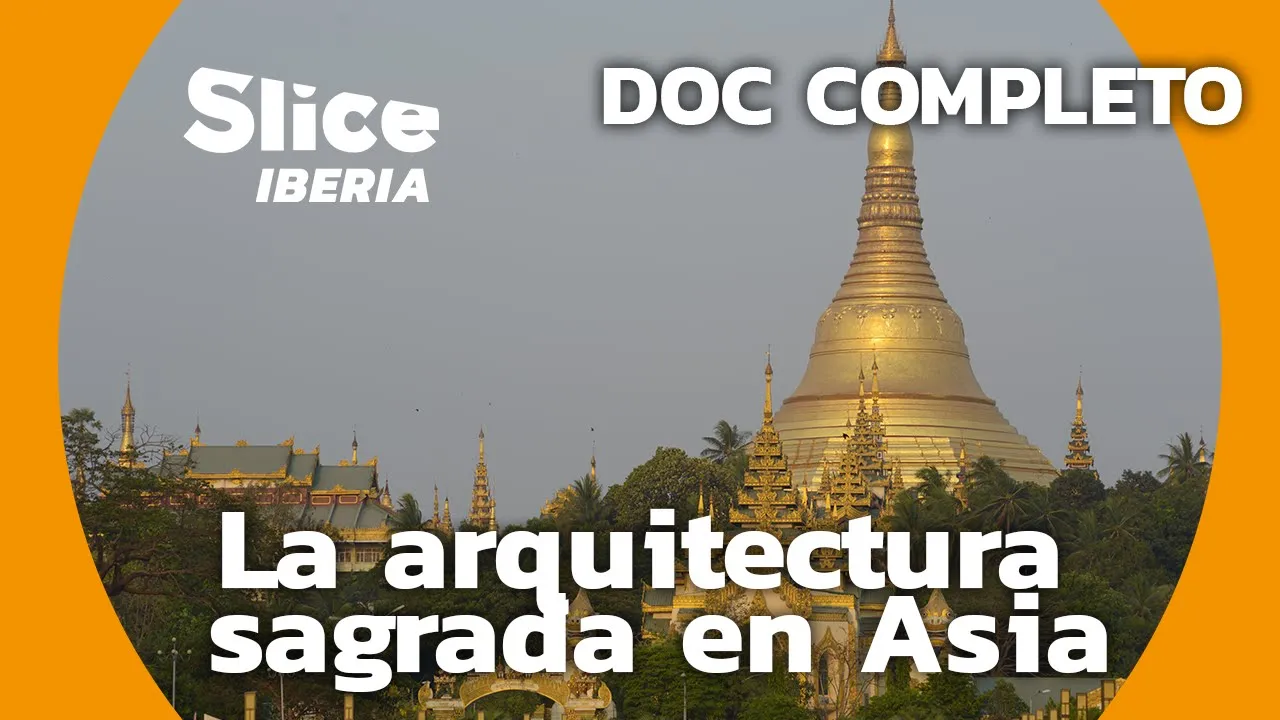
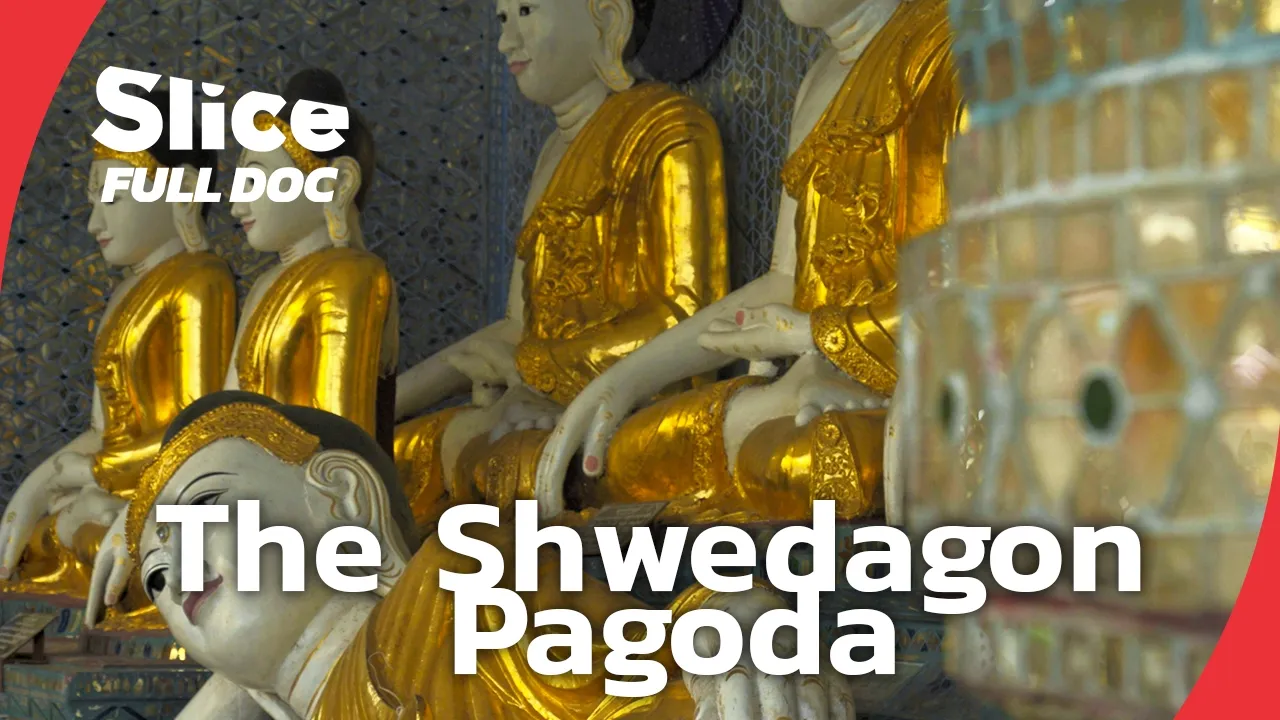


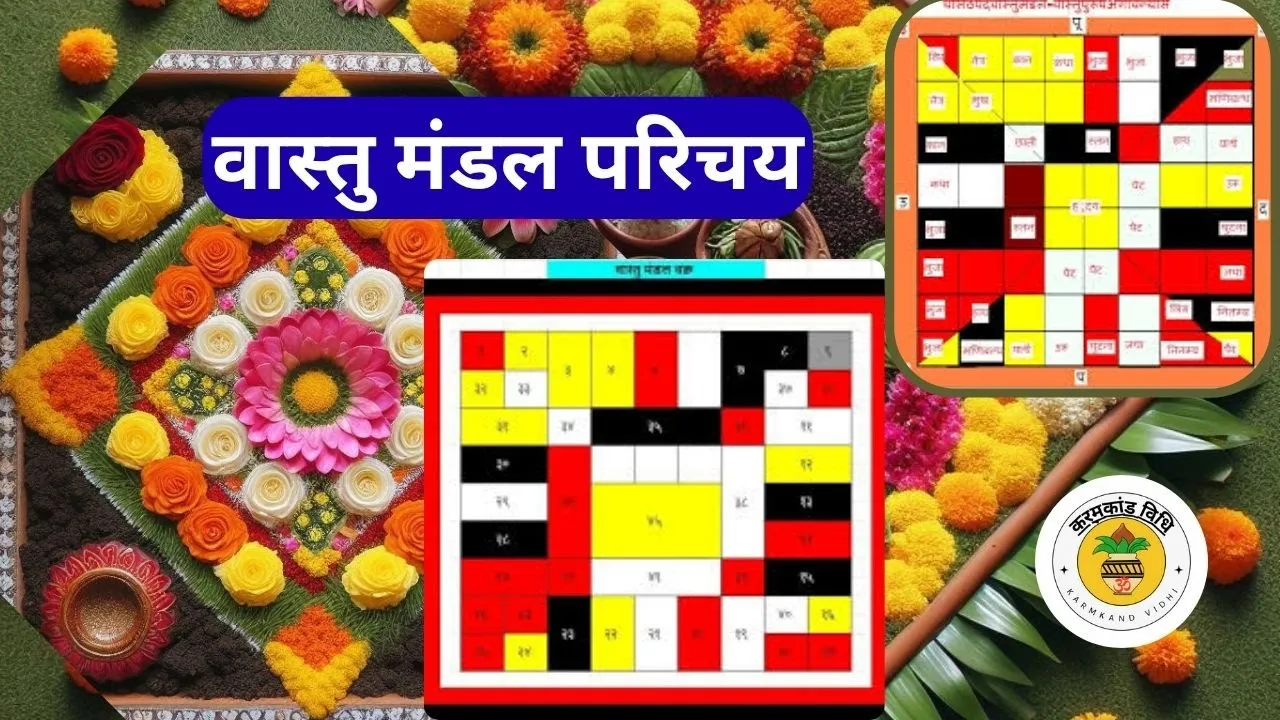

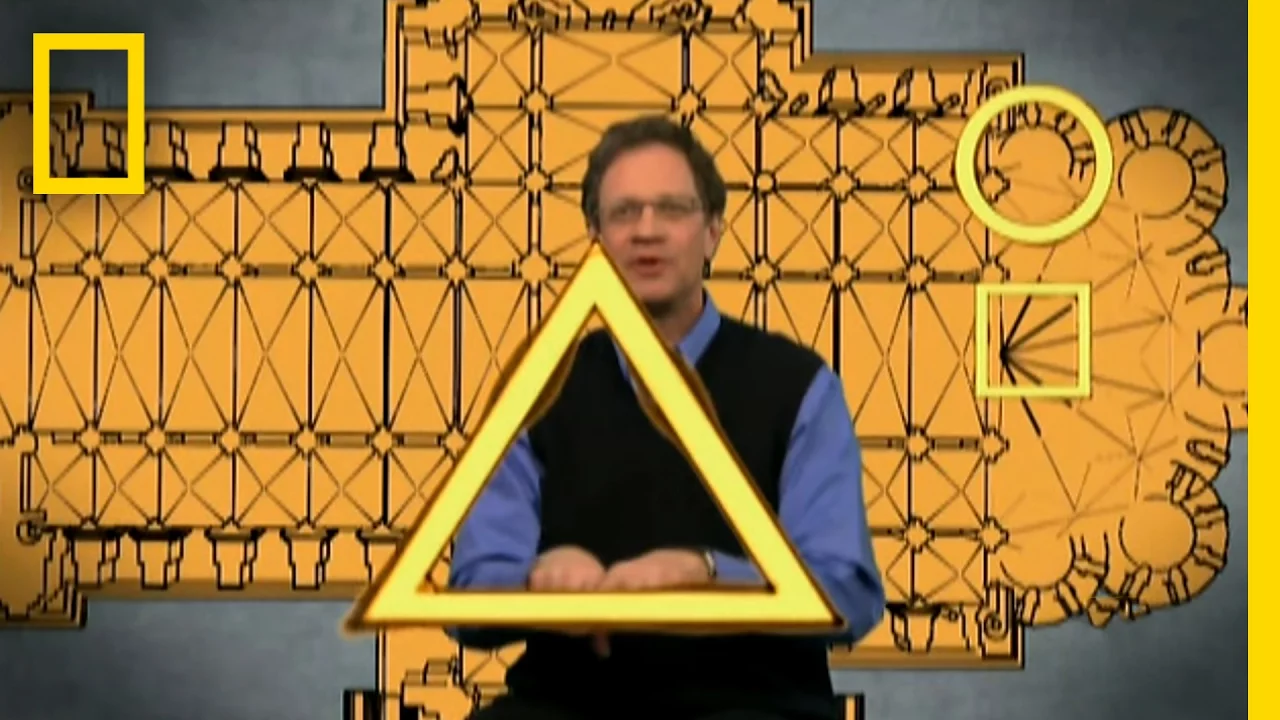
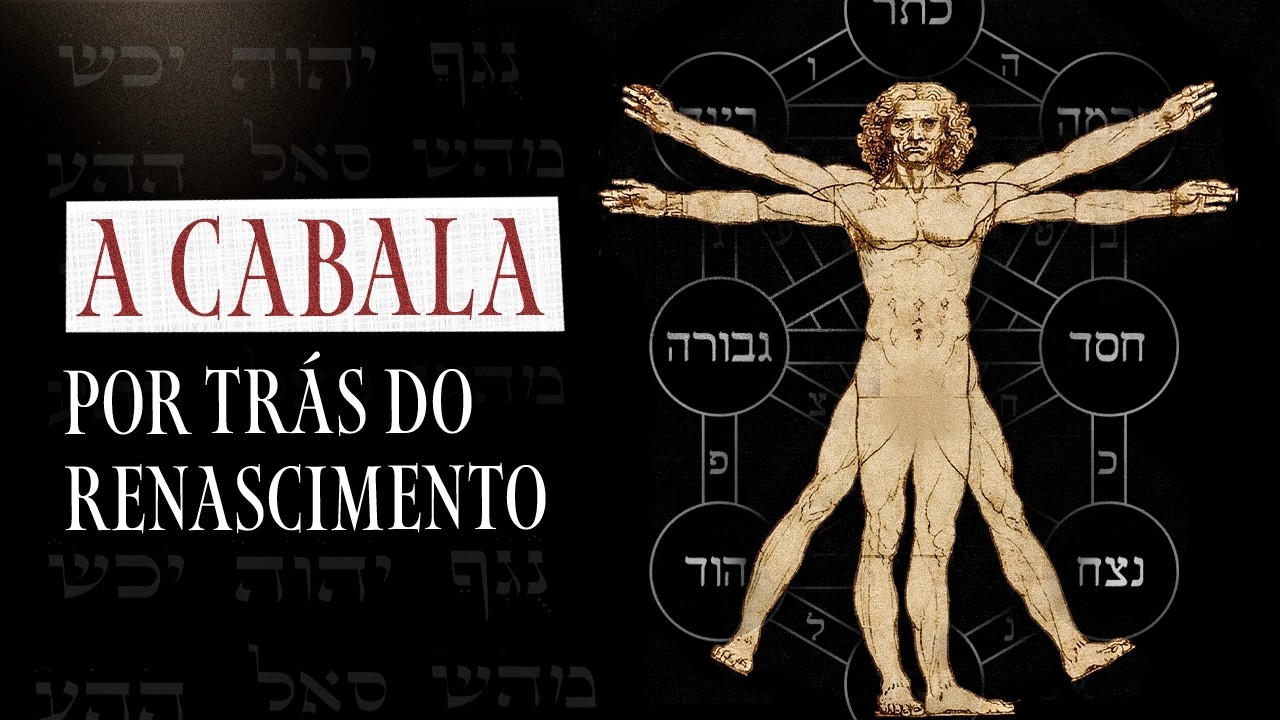
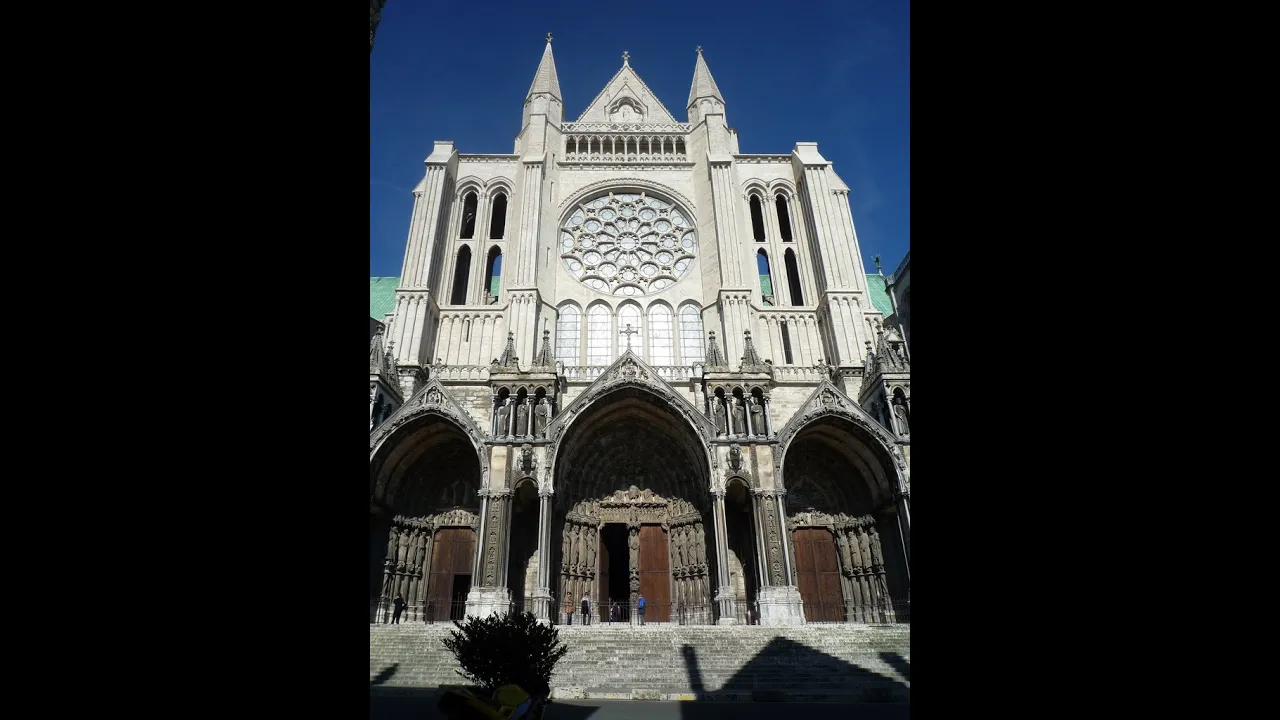






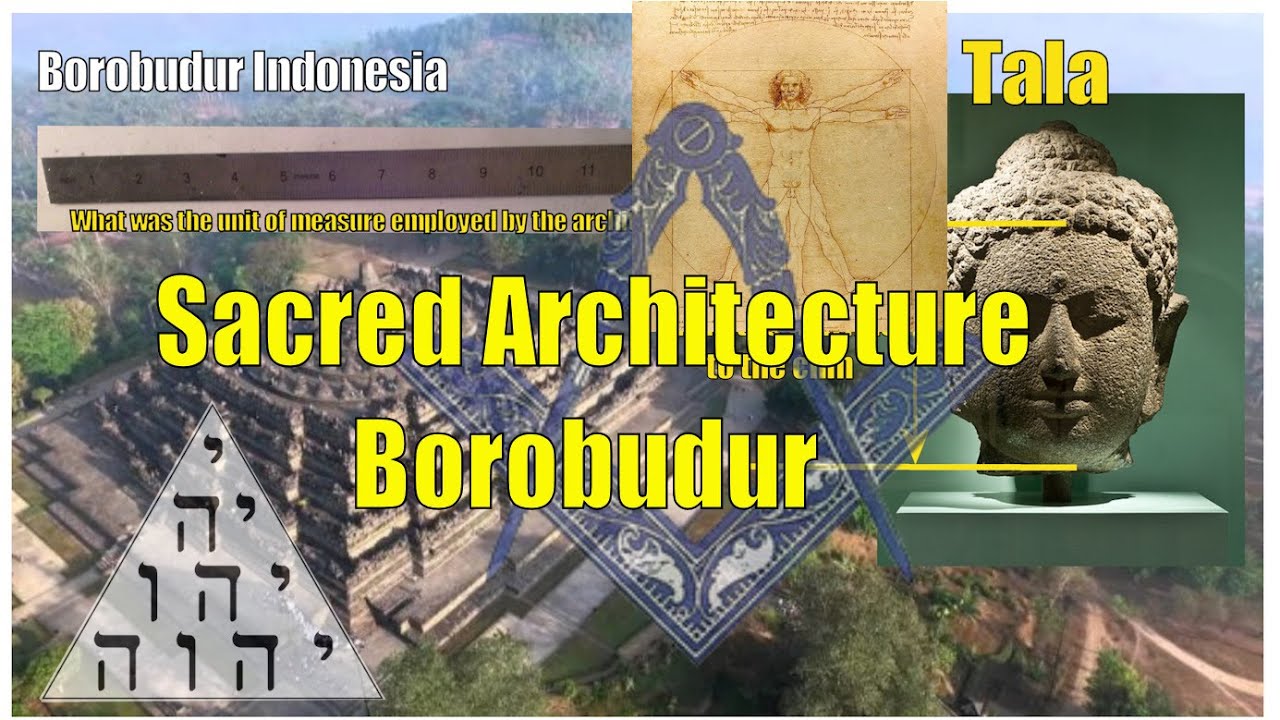


Sacred geometry represents universal principles that transcend cultural boundaries, including the square as a symbol of earth, the triangle representing consciousness requiring three elements (object, subject, and act of knowing), and the circle symbolizing heaven; these principles are found across Buddhist stupas, Islamic architecture, Hindu mandalas, and Christian cathedrals like Chartres, which incorporates the Vesica Piscis and feminine imagery, demonstrating how ancient civilizations encoded cosmological and spiritual knowledge through geometric forms that connect human consciousness to the divine order of the universe.
Sacred Geometry Explained by Professor Keith Critchlow | Buddhist & Hindu Patterns
Added:Fundamental geometric concepts and mathematical constants, such as the Golden Ratio (Phi) and the symbolic meaning of primary shapes (circle, square, triangle).
The basic concepts of Buddhist cosmology and how they are structurally represented in the architecture of a Stupa.
An introduction to Hindu Vastu Shastra, specifically the Vastu Purusha Mandala and its role in aligning human dwellings with cosmic order.
The historical and philosophical context of Gothic architecture, particularly how medieval builders used geometry to reflect divine harmony in structures like Chartres Cathedral.
The study of Islamic geometric patterns (Girih) and how tessellation represents divine infinity and unity in Islamic art.
Advanced exploration of biophilic design and how sacred geometry principles are applied in modern, ecologically sustainable architecture.
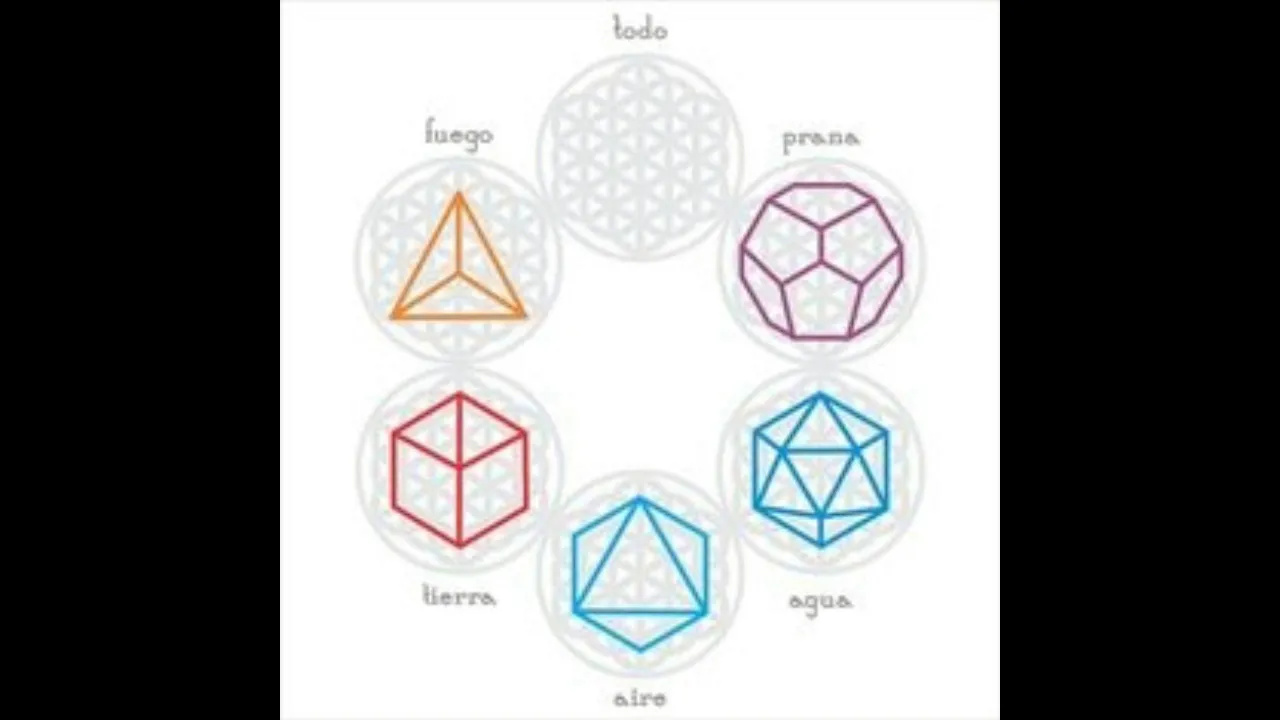
The mathematical and metaphysical properties of Platonic Solids and their historical role in bridging classical cosmology with modern physics.
Analyzing the cross-cultural transmission of geometric knowledge along historical trade routes, such as the Silk Road, linking Eastern and Western architectural traditions.
43.7K views1.3Klikes1:00:57Original Release: 2018-11-26
big thing and I keep thinking about the the ancient you know Tibetan Burmese and all these dynamics sacred structures how does this fit in and where where would you start and try to explain some of this sacred geometry it's a good question because people get confused as to what is specifically cultural and what is universal but I was very touched by being drawn into trying to research what the Buddhist form met in other words the sacred geometry in Buddhism is very very specific very accurate and although it can get complex it is basically very very simple and when they build a stupa or a pagoda comes out of the same tradition they say this is the body of the Buddha it's not a symbol of the body the bullet this is the body the bullet whenever you see a pagoda that is the Buddha yeah we in habit of seeing a sacred rubber being something which is symbolic and it's put in there to make something else look like something else the beauty of the Buddhist system is that it starts with the square and that's pretty much a universal symbol for the earth and what one means by the earth is the material play in the manifest plane in other words the whole of creation is within that the whole of manifest creation finite energy which we were talking about before the next form they put in the construction of the pagoda is this that's very very interesting symbol in different traditions in the Buddhist tradition this is a symbol of consciousness and so therefore I am going to put mine in there when I put mine in there it's got nothing to do the gender its Manus it's the ancient Hindu word which of course Buddhism inherited and you can put the rest in to make sure people don't get hung up about men women and so forth man asked me is the conscious animal consciousness needs three things to happen consciousness can't take place in this is three things and that is the NOAA at the top here the known which is this one and the act of knowing unless those three things are present consciousness is not there so beautifully simple but not only that in the Hindu tradition this is the movement of the spirit and in the Greek tradition it's the proceeding maintaining and returning modes of the spirit very very interesting fact is that two of the lines and this are diagonals and from what I picked up from my studies of the vastu and it seems to be confirmed in Buddhism that the spirit works on diagonals does not work on which is quite fascinating in other words it travels around and returns to where it came from you can either travel around this way if you're a Muslim or you can travel around that way if you're anything but a Muslim now that one two the third one of course is the symbol for heaven heaven or the heavens now whereas this down here is the imminent this up here is the transcendent this of course is the source of all these and this quite naturally as we know will embrace every every kind of specific form you've got particularly if it's regular as these are they're always embraced by their source and thereby that's their way they remember to get back here it's also quite a nice opportunity this is the Buddhist way of putting the pagoda together it's very nice opportunity how do you get from here to here to here one might say how can you change your consciousness about that this is where I said before that that line there that is incomputable a computer can if you say the distance between there and there is one that distance is one you cannot doesn't matter how clever and big your computers you cannot actually resolve that distance immeasurable well of course what is it it's movement to the spirit of course it's in immeasurable it's a spirit if you then do the second possibility to go from there to there this of course is earth air fire and water these the four we're talking about yesterday we find the center point once you find the center point that center point is called quintessence now what it means is you've already reduced this square to four of those in other words it's made up now four triangles there are four worlds as well so by finding the center of this you already have got an understanding of this and not only that by finding the center you can also find the embracing heavenly form which is is which is its origination it's like finding the center of one cell finding the heart of one cell one can find that which embraces that's the answer to your question sir and I shall now take this piece of paper well that's the interesting thing is that exactly the same in Islam representational image we know same in Judaism same in Islam geometry yes so what do you do is you actually go the trouble of the physiognomies not trouble but the factor of busy argument is it is of a unique individual person but when you want to find out what is common to all of us okay we are humanity is common although that's a matter of interpretation sometimes the the point is the geometry the way I'm standing up off this floor is with the straight lines of my bones my bones push me off and my muscles act as every other movement I make nearly every movement in my body is a diagonal movement and that's the spirit I am alive so what the Buddha I understand would mean by that was don't imitate the surface don't imitate the superficial form that is sometimes it's been called tonight I mean platanus great in the Christian period but a great play platonic philosopher he said somebody else was thinking of his portrait he said why are you interested in accidents and I thought that's pretty good so what the Buddha was actually saying was if you want to reproduce the essence of me then you couldn't do it through geometry it then becomes quite specific and can become a pagoda but that's what I'd understand by that yes B where did all of this get lost I mean you think you were just talking about this wonderful true obviously essence of this geometry and yet they're building statues of the Buddha as we speak all over the world what happened and why is it returned now this knowledge and that's a huge number of questions in one there Isaac dear man the point is that forgetting is our nature we forgot even to get here and be ourselves and we're now struggling to remember who we are we've talked about this and Plato's version of it and I keep referring back to Plato because I I worry about the number of people who think and talk about sacred geometry today they don't refer to the masters they refer to somebody they've just met or some book they've just read that's the danger the Plato just said his mythology and of course you have to put in a mythological language when we came into incarnation we drunk the waters of forgetfulness and the rest of our life we're trying to remember because we knew everything before we were born we came from the world when you everything so anamnesis is what plato call it and when Jesus said do this mister the mass in remembrance of me he'd simply meant put all the members back put yourself back together then you'll know who you are so that's the way I would see that but I was just reading the Gita this morning bhagavad-gita on the verandah and it was a piece about how did this become forgotten and this extraordinary and it doesn't explain how it became forgotten but then that story that Plato it all came back to me and I thought well what it amounts to is by being an individual and struggling with one's individuality one is in the state of forgetfulness one forgets one is a if you like either a god or a universal being whatever what but and we are all the time trying to remember who we are what we are so forth so forgetting is a big mystery it's a big mystery and I'm trying to remember about it so we've had all these religions that seem to have sprung from cultures where some divine or higher enlightened being has come from is there a common I would say probably yes to that in the same way that I asked you a question before about light sound and geometry they are eternal principles and as far as I'm concerned another thing we touched on yesterday I don't very much like to bring it back into the conversation science as we call it which is rather unfortunate we in a way the scientific community have claimed a word which previously had sacred before it all science was a sacred business prior to this again an anomaly called the age of enlightenment I don't know what that means historically we keep being told about the age of enlightenment but science itself is the the struggle to get objective knowledge and there are actually only four subjects which are true for every human being and therefore they are true for every culture and so forth an adequate first one is number and arithmetic they're all related to number and as Pythagoras who taught that number was the highest possible thing we could study it's the nearest the human mind can get the divine mind was the way Pythagoras put it the first one is arithmetic I'm plus one equals two but I know one plus one equals three here but the basics of number which is complete at nine and that's was a great relief to me I found numbers extremely difficult as a school child and the worst thing that happened to me you know I don't know but when I'd written my first book on geometry I was asked to address a huge gathering of people in Birmingham and I had to stand up and say I'm just absolutely a dancer at arithmetic as it was a reasonable young audience it went down quite well second arithmetic second ones geometry now I'm actually pointing at my special finger when I say she's a little bit taller than the others geometry because it's my subject geometry is universal Universal it's always been there always will be it is an eternal principle it has never changed it doesn't need to change of course modern the modern movement the word modern means to try and forget the past it is actually a tool of forgetfulness too often so geometry doesn't have a change Plato called it the art of the ever true next one is music and harmony and that's one thing I want to touch on in a minute music and the harmony of the spheres is what the pythagorean's talked about and the final one is the universe itself you can call it astronomy or you can call it cosmology we live under the same Sun and Moon everybody we the tuning will make the scales will differ some people have got from much finer hearing and one has to say that in this country much finer much larger range I think there are 22 shruti's in some cultures they never never less than five there's never less of a pentatonic scale so each culture will have a different tuning system but they will all tell you when something is in tune in that particular scale we go for it for the for the eighth note scale we call it the octave so music is universal geometry is universal and numbers universal this is called pure number this is called number in space this is called number in time and this is called number in space and time and as that was what I'm Stein recovered e equals mc-squared he's suddenly reduced everything back to three and that space and time were the things he managed to pull together since then of course too much of the physical the world of physics has disintegrated in not disinterred it we've gone off into its own paths primarily gone off into miniature miniature miniature so much so that as far as I'm concerned and I have no right to speak about it but common sense says that we are a certain size and if we want to maintain the truth of something we like to be able to touch taste smell or hear it through our own experience once physics got beyond the marbles as I call it beyond playing with marbles which is the way the pie that we did it got so small no way of testing it I think that's right I hope there's no way of testing nano physics now that leaves the physicists in the position a dangerous position many scientific communities are in at the moment we are telling you what's what it what is and the public no way of testing there's names so that but we won't go into it in great detail have a distinguished physicist you know miss and what I'd like to do very quickly I hope it's going to be quickly is I'd like to just touch on the the the Pentagon particularly because I have a discovery here which has not been published this will be the first time it's been seen everybody knows the guitar most of the most people know it's reproduction of the human figure and the chakras and so forth this way around and most musical instruments are but there was a Swedish man very distinguished the Swedish musician who in the last century made a discovery about taking a certain point and a certain line and dividing it into a number here and connecting them and that gave every one of the 13 frets and but a mathematician so-called friend of his did it mathematically and he rubbished it but his mathematics was wrong and fred at least a hundred years this poor guy who found this profound little diagram he was rubbished in his own lifetime so I got hold of it and rubbish now if you then take the distance as he did which is here the bridge and here the the first bridge that there are names to these things I have to be forgiven I'm not a musician and I took this and I made a put into a circle and then I put a five-pointed star into that circle and then I divided the edge of the five-pointed star into 15 which is which is a number of the fives and 13 of those 15 actually give exactly position of the frets I'm following the original man's discovery one goes beyond there and one goes beyond here these these are going into the beyond sound symbol so very simple five pointed star can be constructed to show how mathematically the frets of a guitar work and I hope this kind of knowledge this kind of very simple information may help people when when the ancients and I'm sure the ancients in this culture as much as the ancients in Greece they said the universe is structured on musical principles and in a funny sort of way we often use the phrase when we're here when suddenly things realizations are made we said we were tuned in at that point and we use that metaphor and it's a very apt one when we when we know something's in tune and when we're in tune with the environment so I'm just going to quickly do a construction for the five pointed star with your permission I've got three knots so I can do it is this in some way where geometry meets harmonics mmm absolutely yes well they all meet each other and in a funny sort of way as it they're all interpenetrated but which is part of the mystery why are the different subjects which is just as much to say a mystery why are there different people do you notice that one oh car be at your feet okay I'm going to and point you made before as soon as you make a drawing it doesn't matter what scale it is that the most beautiful thing about geometry it can be a diagram of the planets or it can be a diagram of molecules same geometry scale doesn't matter the other thing for anybody who's going to look at this and want to know a little bit about sacred geometry it's good to remember this is a very sacred tool this one given I don't even mind fact that it's made of plastic but I'm just covering up the pen for a moment it has two points and in a good ancient pair those two points actually come together to be one single point so when the pair of dividers are at rest it is the Godhead and the Ray of creation down to a single point then duality is necessary to make creation so it opens up and what in the tradition that I come from this opening up this distance here is is talked about as being the amount of love or lack of love to the central axis of creation which is rather beautiful so the other thing is always use whatever hand you've got you're going to work with this is immensely privileged because it has to take hold of the creator which is the head of the insula this is a good instrument because you can really feel the circularity here the other hand is that which guides this is the hand of this world this is the hand of the divine world whichever one doesn't matter which way you work same with your eyes one of your eyes sees the spirituality and things the other eye keeps keeps it keeps an eye on the world how's it behaving so we use the left hand to guide the point to and I'm what's making a judgement that is somewhere near the center of that page hoping this is going to stay rigid okay now as I said before the beauty of that is one might get a slight hint of where this came from but as soon as you take the compass off the point goes as well but this is the control this is the invisible God if you like the point controls everything now to find the center of the circle having drawn it you have to put your compass point down at the bottom here and do a little little knick where roughly where you believe the center to be then you have to come at right angles to it do it again you've got the center of the circle now I've got the center circle I'm going to go through now that lady should be taking notes I know you're taking notes in your head but you should be taking notes this is that this is the old old teacher talking you see the old teacher you also grade the papers yeah well no the grading of papers has to be done here by the person who took the notes I've heard that one before grading papers sometimes you do have to do it to be responsible to make sure they've heard what you said I've done the horizontal line through here and the horizontal is what's called the social dimension to this thing now I've got to be sure that I get this radius exact so I just close these compasses and I put my compass point here and I make a little nick there I made a little nick down there and I put this compass point here to check that it's going through the middle I think it has to be a fraction larger a little nick here and there little nick there now what I've done in fact i divided the hole into exactly six intervals and the sickness is dealt with beautifully in the judeo-christian and Islamic tradition they all agree that creation took place in six days so the most natural thing the compass can do is to divide the circle into six of itself that's the reason why I call the pattern which you can make if you complete those curves the path it's it's the flower of creation not the flower of life flower of life is always there okay now what I'm trying to do is I only I need to find the halfway point along here and the halfway point along here and the way I do that is I go from that Nick to that Nick and it'll should give me the halfway point here it'll give me a very close approximation that's for sure and then I'll have to work it so make a little nick there and I come from here to here a little nick there that's going to allow me to put two circles in there and when you see these two circles you can see them you can read them as an octave subdivision of that line if that is if that's a musical string then it's been tuned to see then if you damp it off here it then will sound exactly C an octave higher that's the way geometry music work together now I'm going to try and draw a circle it's best I am able using that center point and I'm a little bit a little bit this way I don't have to do that's one see I move this way a fraction probably did right this is very well-known Chinese symbol the yin and the yang so it's not a symbol of duality most people think of yin and yang has been dual is certainly not duality because they forget the fact we've got this shape we've got this shape what about the third shape the third shape is the whole if you take either of these away you lose two so you have yin yang on the DAO but thou is the invisible hull and its mistakes made so many times to say this this diagrams do this it's not a dualistic diagram there are two things making up the third and the third is virtually transcendental and and invisible now what I've got to I've got to draw a line at right angles to this so I use these two points which are equally distant from there there and I'm going to make a little cut here and I'm going to make a little cut yep took us across that that'll give me the halfway point I have to do the same above I have to link those to sacred geometry is not something you do in a hurry now what one has to remember is there was a very great man called Mahatma Gandhi and he said which I keep repeating to my students there's more to life than going faster but modern technologies always driving us mad by going faster and faster but nevertheless let's and now should get position I want is actually that position there but what I'm going to do is I'm going to put a light line through having bumped around my finger now as soon as I put the next curve in we're now in - we're back into the Faunus we had before now this is where the miracle is we can jump to five nests with a very very simple move the compass and when we do I want you to yell out if you see a face that you recognize I'm putting my compass point there I've now got a tangent that circle and tangent that circle I can this way a fraction until I cut there until I got there now if I put a couple of big eyes in here just to help this recognition do you not recognize juggernaut joke enough or it's one of the creatures from South Park could be anyway it's just a geometry drawing but now we've got this this which could be the mouth of juggernaut or it could be Mickey Mouse but we won't be disrespectful this distance between here and there that has divided our circle into five who knows why but that's what it's done now this means that I can come up to here make a cut from there and it means I can come from here make a cut this is where you often have to make adjustments for one's incompetence and inaccuracy and hope that someone else going to have to be a wee bit larger than that so I spread a little bit more that looks pretty good but have to do for now now what I'm going to do is I'm going to swing the arcs through here this one this one this one and this one this compass tends to wander a little bit I mustn't make excuses but that's what it's doing that one and finally one from the top and that is the basis of the flower of life rather than the flower of creation which has been called by others and this pattern here is the archetype of most wild flowers most well flies open and this fivefold principle arose does and the rose family has been highly developed but what I would like to do now is to just draw a coincidence which we have seen diagrammatically but it's quite nice to see it actually drawn we have now on that diagram some quite profound cosmological information and the cosmological information one has always to bear in mind the ancient mythology who the gods were and what their function was but if we take the physical universe and I'm going back this is the Sun where the point goes is the Sun it's a very good metaphor the source of life and we're going to go through the inner points there are two flowers here as in a flower and an outer flower and this should pretty much go through them so it's good to check before you set off alright there's going to be a circle which will pass through the inner flower a little bit of better accuracy than yesterday and what we have here is very to me profoundly interesting they I have been studying the geometry of flowers and I found the geometry of flowers so much follows the geometry of the planetary orbits and the planetary bodies this is not something which modern science would be typically find easy but nevertheless if we take that circle there and if I put a bit of shading on it and make it look somewhat spherical that can be taken as the physical body of the planet Mercury maybe I should draw a thicker planet Mercury what's the Hindu for the planet Mercury anybody know it doesn't matter if you don't answer because we know nobody in the room it's a Hindu so it's ok do you know what the name we call this mercury and mercury is the messenger of the gods and mercury as Thoth was the Greek god in the Greek mythology who brought geometry to actually funny enough it was a female goddess who actually brought geometry to mankind and they was cishet and if anybody wants to associate or Seche it to different spellings she brought geometry mankind gave it to the Ferrar so that's the physical body of the planet Mercury so if I say mercury and I do an error like that that I'm pointing at this inner sphere if I then shade this bigger circle to try and give it some spirituality to look at like this now imagine this to be that to be a sphere like a ball football soccer ball shouldn't say football should I soccer ball this is the planet Mother Earth is there that has the size of the planet Mercury to the planet birth and that is two extraordinarily that I should say very important here then is the mean body mean actually we know the earth is slightly flattened top and bottom so if you inflate it so it is perfectly spherical it's called the mean sphere and if that's the mean sphere of the earth NASA mean sphere of the planet Mercury then you have an accuracy of 99.8% I think some extraordinary high percentage of accuracy given that you have made the calculation to bring the planets into their archetype sphere next thing one can say is and what I might do is I shall black on this line a certain length of it well now think of this as a line and we're now think of this as a line and forgive my free hand I will now put the Sun in the middle which we know we call the solar system the Suns in the middle this is the orbit of mercury and this is the orbit of the planet Earth Mother Earth so I say the line is the orbit the line here of this is the orbit mean orbit very important to remember you know a bit mean orbit of mercury mean orbit of the earth that's a simile yeah what is it's pretty astounding that these should relate the planet the physical body of the planet should relate by a golden mean and that's the symbol use for the golden mean and the mathematical symbol is square root of 5 plus 1 divided by 2 which equals 0.618 and it goes on forever it's one of those things that goes on forever but this is a really magical and amazing number so 1 2 1.618 is the golden mean so we have a golden mean relationship to the bodies of these planets and have a golden mean relationship to their orbits and it's exactly the same now anybody who wants to enjoy clapping when somebody says oh we live in a Big Bang accident then good luck to them I live in a highly ordered extremely beautiful and amazingly geometric cosmology those who want to be in a Big Bang let them be in a Big Bang so I just wanted to make that point there's a geometry and that same geometry is the one I've been studying the flowers and some of the things that they're scanning now we shall go and we'll show these flowers with this geometry so we are ready to be cross-examined by the attorney I think that's enough of that it's fascinating to know and that there's this common geometry to seemingly almost everything from the solar system down to a flower and one is for leading to another to another to another it's extraordinary now that sacred geometry is popular it has been popularized how can it be used well like anything which is popular it has to be honed it has to be honed and polished and scraped and get down to the essence in the end I think it's like any subject is the same in the scientific world it hinges on sincerity and it hinges on the integrity of the person who's practicing it if that person's first motivation for practicing it is a claim or money then there's a problem of course money has to come into it because everybody has to live and after bills played and so forth but the first motivation to be sure what you're doing is sacred the same as reciting a mantra do you so I recite a mantra to beg in the street to it for some people do or do you recite a mantra you and so it is this geometry is a practice of karma yoga it is for remember your soul to remember what it is and who it is if somebody else wants you to join into a project then you have to assess that person's integrity and assess what that person aims are and if their aims are good enough then you can lend your knowledge for sacred geometry to that because you know a the person who's doing the project is doing it for right reasons and be the prime value of that is to fellow human beings you take something that you for a master having uncovered shorts Cathedral which you gave so much of the sacred mathematics and obviously this was then repeated apparently in many ancient buildings why was it done what effect did it have lose its value it hasn't lost its value if you know what to go and look at that's the interesting charge is still there in its hole and the spirit is still there the presence of the Spirit in Chartres is extraordinary what it has lost has been the orthodoxy of the people who claim to be the representatives to the religion now I've got to be careful what I say I don't want to attack a whole religion that would be ridiculous but the point is that what you might like to know my investigations have shown me that the knowledge that built Chartres Cathedral came from Spain from Spain it went back to the Middle East and from the Middle East it went back to India Indian science was given to the Muslims in the Middle East once who knew worked together spread along North Africa came in to Spain about ten hundred a very particular man who I've traced called Gerber who became a pope later on he didn't last as a pope very long unfortunately he had an accident which nobody knows quite how he had this accident nevertheless Djerba came to spain as a young man he was he was probably maybe only about eighteen years old he absorbed every bit of information he could from the different universities in Spain brought it up to Christendom I think he must have realized that may have been some problem with the politics with Rome so he said we're going to place it in shock in France he himself as a Frenchman he the only Frenchman who's ever been a pope anyway he found a most extraordinary disciple in fact two of his students one who became the King of France eventually and the other became the man who was in control of the school of Chartres which was a pluton they called it a platen izing school because not only they picked up science from India and brought it to Spain they'd also picked up all the classics we only got Plato and Aristotle all the classics because the Arabs translated that we wouldn't have them otherwise and now a lot of people are feeling a little bit sort of edgy and resentful because the Christians learnt their classics from Arabs anyway the school sharp I'll do a very quick and summary diagram for you the whole point and in a way the most brilliant contribution to sacred geometry was the feminization of it Chartres Cathedral is built as a house for Mary quite clearly and it was talked about as being the house for Mary and my own personal discovery is there's a window in shark which was fabricated before the final plans were put down and in the same way we're we're very used to a man standing like this Vitruvius very Roman thing man kind in the square and circle in shark is the Virgin Mary holding the Christ child and she is like this and she is proportioning the whole building it's absolutely amazing I couldn't possibly demonstrate here what I can say is that do things the first proposition of all geometry drawn much better than this is the first proposition of Euclid Euclid by the way Euclid's works Euclid Euclid's geometry is a spiritual book and it's been kept in esoteric line wasn't until in our lifetime anybody translated the first person who'd shown the spirituality in this book and Euclid unfortunately was just as much a tool in making in dust revolution which is demoting sacred geometry into just pragmatic geometry so Euclid's first proposition was how to make an equilateral triangle and that is by drawing a circle drawing the same circle over it and then linking the two centers and linking that point that is a perfect equilateral triangle and all the symbolism involved if you want to if you want to see again like the the China if you want to see these two as dualism I'm my dyslexia is really doing a ball here what happens when I am excited I write a word backwards if you think see that as dualism then the only way dualism can be mended or whatever we want to call it is by sharing the fact that is essential three Ness the three nurse is always of the spirit in in the Christian tradition it's the Holy Spirit of course the one thing that Jesus said you can't blast him again I think be forgiving most extraordinary thing one of the most condemning things and Christ said very few totally condemning things you can blast him against the Father you can blaspheme against the son but you'll never be forgiven if you blaspheme against the Holy Spirit so that puts the Holy Spirit and the triangle into a pretty powerful position anyway what what it amounts to is this again accords with the other traditions of being removal to the spirit it also there's another triangle obviously in there as well now this shape it's known as the vesica I think that's the right spelling spelling is there within my best art the whole of the cathedral is put inside that shape now that shape can be seen in the Hindu tradition it would be easily recognizable as the Uni through which all manifestation is born the cathedral sits inside here looking like this and that point there is the point which this whole circle is drawing this point there is the arc which drew that that's the first there are two towers outside here a shark that's the solar tower and that's the lunar tower and this first part here is called the Galilee porch this is pretty in preparation then you step inside the cathedral at that point there now what's absolutely fascinating is the school of shark embraced certain scriptures from Christianity which have been dismissed by the contemporary Roman Catholic Church and one terribly important one is called the protoevangelium and the protoevangelium is about the childhood of Christ and it was too much for the Catholic couldn't cope with the things that it said in the scriptures it's now called apocryphal because one thing Joseph had a family before he took on Mary and they couldn't cope with that and secondly the the what's the thing he's the other difficulties were the behavior of Christ as a child he did the most naughty things oblique or naughty he got very cross the group of children playing with him so he turned them all to goats now so that wasn't too digestible but then when somebody told him off he turned them back into children luckily that's he did the most extraordinary miracles when he's very small but all that recording some of it was maintained in the Holy Quran very very interesting but in Christian has been wiped out so what we have here is most extraordinary thing these two points are not they are geometric points but in fact they are statues and they're statues of how you come in from the north there's an entrance there and there's an entrance there there's an entrance there it's an entrance there and the big central peg upon that this is the gatepost what's called the gatepost now above this crossing here are the great rose windows we all know there's miss magnificent and that the content of the great Rose window above here is all time before Christ was born in the center of that Rose window is Mary holding the Christ child but this statue here is an Anna holding the baby Mary and Anna gave birth to Mary as a miracle just as much as Jesus was a miracle being born of Mary Hannah was 80 years old when she had the baby Mary which is considered to be impossible another reason why their protein vangelia Hannah only just is left in the Bible now sadly but Hannah is this is the key point which makes that whole curve possible that curve represents all time after Christ is born as as above here's the window all time before Christ is born all time after Christ is born in here and that gates post is Christ holding the Bible and he's holding the Bible at the same angle that his heart is and it goes from this chakra to this chakra the Bible itself the rectangle so the Rose window says how the fulfillment of time will take place after the advent of Christ and Christ is leaving behind the Bible as the guide crisis in glory here most magnificent life-size statue of Christ and what is Christ inside but again this turns out to be his light body his life body which we all have but we can't all see maybe just as well we wouldn't jostle each other as much as we do here so there's Christ inside he's holding the Bible and he's sitting like that but that piece of sculpture is here and this is where Christianity Buddhism Hinduism there is a common recurrence of this which is a common leaf off any tree the white body and I just thought I bought a couple of Leafs along with me I picked these Liz and I hope I'm forgiven for picking these before I was wise enough to know you don't pick leaves of trees these are three leaves from the same tree and then if you put them on top of each other which way dear computer lady did for me you can see how precise the geometry is they're different sizes and different stages of growth but if you wanted to draw a sacred figure inside here that would be a good representation of the light body but not only that this curve here is a geometric progression of life its geometrical progression you will get from the five pointed star the light body this is a tricky one but the pointed arch people historians love wrestling who did the first pointed arch well in fact the Christians did but then the Muslims took it up and then they said oh no the Christians went and got it from the Muslims but in fact all it is it means the doorway which is which is this is the bodily world the rectangular comes down here it's just giving that you enough room for your light body to go through that door as well as your physical a physical body finishes here and that reminds you you've got a light body and that's why you're going into the temple for the mosque or the church this will remind us don't believe anything I say everybody don't believe anything I say be careful the whole basis of Islam seems to be a reoccurring geometric forms I'm sure there's a historical reason for that at the time well the main thing about two unsaid about the Buddhist mandala is it is the perfection of the physical world it's a diagram it's always square it's always got the four entrances in which represent the four worlds going up as well but it is the perfection as it goes up because they become three-dimensional then it becomes periodical in its form as the great pyramids are but basically is the perfection as is the Kaaba where the Muslims have to go around this cube black cube and that so many people would seem to be a negative symbol hey it's black but for the Muslims black is called the mystery of God as white as a revelation of God so there's no problem to Muslims and the Kaaba is the perfection of the physical plane and what the people go there they go around it and that their circulation around it is actually an imitation of the circular on the heavens and and again re sacral izing themselves and to place there at I only turn this upside down for no other reason it looks nice do you want to do sit down or we had enough now wealthy family in this boy was raised there's built for one 1948 he became a architect and then he studied the Vashta system and he's considered one of the top ten Vash two masters mm-hmm he travels the world now because it was this new popularity and finish way which i think is completely lost in slush to also to me he seems completely lost he created a building for a particular sect which they spent 20 or 30 million dollars on this temple is called the golden temple mm-hmm not far from Chennai and he took me and showed me this thing it is it is perfect and they watched to tradition in every single way yet you go into this place it was the coldest place I've ever been in my life there's no spirit it has no meaning and I remember even when you and I were fortunate to work together with three such a Sai Baba and building this hospital and even though it is built on this amazing knowledge which you have been blessed to have and and I think it probably is doing metaphysical things that we don't even know brother forget Sai Baba saying it's not the building it's what goes on inside yeah exactly of course of course so call seems like that all the sacred and wonderful geometry which came from a sacred age was my most sacred knowledge is very little use today and tall perhaps that we get back to the number one the golden age appears because it's it isn't it's not a part of our present consciousness I think that's absolutely right Isaac and when I'm sitting listening to the bar Jones the bar Jones is the life blood flowing through that later we sit they call all chanting and sound have always been the lifeblood of I mean you go to Chartres Cathedral and hear them singing and now a single voice can fill the whole Cathedral because the acoustics are so amazing but it is the problem is like a story that came to me I have got the first and only woman painter in Nepal who's been allowed to do Tonka's they never allowed women to do it before and she's come to me to be a student in London this is a absolutely lovely person and she talks about the painting and all the things you have to learn about getting everything in the right place and doing and the very last thing is you put the eyes in and you pray that the Spirit will enter the painting when you put the eyes in and as soon as you've done that a veil is put over the painting and very few people ever see it only on very special occasions so there is a huge problem between popularity in the public and esoteric and inner and how to build something and how to create something where it automatically takes hold of people to struggle to find the inner dimension that's that's the problem and no vaster no book in their book anybody will ever write can replace the verbal and even nonverbal transition between a master and and its people and if that gets broken and it talks about in the bhagavad-gita even the Gita getting forgotten if this gets broken then it takes a lot of time and trouble to try and recover it and the recovery can only come as far as I can understand through prayer through the prayer and and you you and considering fun enough what you say considering the very people that building's going to serve not considering the building and how beautiful clever or precise profound it is but is it going to work for the people getting it if you go into that building you find it cold it's very sad it's desperately sad I haven't wasn't a cold day you're in it's worse than the cold age we're in absolutely right no we're in frozen age yeah it's true and and as you say I've studied the vastu and there are terms terms of material on the roster and incredibly hard to penetrate and I even worked for Maharishi people at one time who've done the most amount of vellum on the vastu and they've done it in America and so forth and every doorway must open to the east and so they were asking us and we were helping for a little bit to plan a village I said how could you have a village where every door is opening to the east no neighbor would ever meet any I mean yes but they would they took it all so rigidly whereas the very obvious thing is like like music I mean what's the difference between one person playing Beethoven and somebody else playing Beethoven even even the written notes of Beethoven can be massacred well there could be take you transport you in better bark I should say but no but it it is it's the only an instrument obviously we know that the building is only an instrument and you can put your heart and soul in it that which one should do and in fact very interesting I did read in one tradition which is not often repeated that the the Builder the Vasto himself has to put his soul on the table when he makes the offering of the building if the building doesn't work goodbye him and in a way maybe you'd be happy to go but I mean that I learnt but we traveled around India a little bit talking to different vastu experts when we were trying to help these people up north and again the same thing as sort of rather rigid orthodoxy and I think at the end of every cycle particularly Kali Yuga there's going to be a rigidity a lot of people said to me why did why did you build a hospital actually why didn't you use vastu well I know that answer that is because I offered the faster diagrammed Baba and he held it up said it's a bit big the whole universe but everything was flapping it around with all the doctors he had brought down from Delhi and that was absolutely intriguing he was going what else did he say less I said I'm not sure this is much use it's all in Gujarat so you have to take these things of the humor there they're given but the humans are very much deeper as well and it is interesting that the basic vastu Purusha mandala is a figure face down on the ground imprisoned its imprisoned on the ground and all the lines of geometry are rather Gulliver's Travels the whole thing again strapped down by geometry not released by geometry so maybe want you to keep one's mouth shut and never talk about geometry and follow the sacred ancient esoteric tradition well it's it's it's its first it starts as a theory now it seems to be everyone talking about it you have a master such as three such a Sai Baba who just recently has given two speeches where he said civilization as we know it within 28 years also the most common things that you hear is that the Mayan calendar ends at 2012 how do you see all this sort of thing together as to me it's most exciting time to live that there could ever be as right now yeah sure well those of us who are aware of what times we're living in it is an incredible privilege to be here at the same time one's got to be extremely careful as to what one says and where when where one says it and to whom one says it because most people just are like lemmings going over the cliff and when hazard tread is extremely carefully but one does have to be a little bit cautious in my mind about history as an opposition to eternity obviously my eldest daughter has her pet joke oh that's his story we won't go into a black pen but what anything which is talking about the future except if it comes to the mouth of a master has all sorts of dangers in it one most extraordinary thing we all know and experience in our lives is we have really no idea we don't even know what's going to happen to exit the studio but we have a good hope and expectation that we do what we want to do and it'll happen right but these things as long as they are not well they can be they can be all mechanisms but not fear mechanisms I think that's the key to it we must be very careful not to be driven by fear but we can be driven by oh how awful is that there's only a minute left on this tapes having great relief to me so we'll change tapes and move from here okay do you want to do you sit down whatever you'd like to do
Up Next
9:31
Inside the World’s Oldest Stained Glass Workshop | Art History
@SLICETravel
6.3K views•2022-09-21

12:54
Triumph of Orthodoxy Icon: Byzantine Art & History Explained
@BenCallan
2.1K views•2024-08-06

9:49
FastAPI vs Flask vs Django: Choosing the Right Python Web Framework
@TechWithTim
302.5K views•2024-05-26

1:42
Game of Thrones Opening Credits: A Cinematic Analysis
@gameofthrones
46.3M views•2011-04-18
Related Study Plans & Knowledge Roadmaps
Structured learning paths in General & Interdisciplinary Studies
general-studies
Elevator Engineering: History, Physics & Cities
01From Hoists to Safety Brakes: The Dawn of Vertical Lift
02Hydraulic vs. Traction: The Engineering Physics of Elevators
03Modern Speed, Safety, and Algorithms
+ 2 more learning modules
12h5 modules
Explore Roadmap
general-studies
Rubber: Material Science, History & Geopolitics
01Origins of Natural Rubber & Mesoamerican History
02The Chemistry of Natural Rubber & Vulcanization
03The Geopolitics of the Rubber Boom & Colonization
+ 2 more learning modules
12h5 modules
Explore Roadmap
general-studies
Containerization: Evolution, Logistics & Trade
01Ancient Trade & Bulk Cargo: Amphorae to Barrels
02The Industrial Revolution & Cardboard Packaging
03The Containerization Revolution: Malcom McLean
+ 2 more learning modules
12h5 modules
Explore Roadmap
general-studies
Textile Tech: Evolution, Labor & Global Impact
01Pre-Industrial Textiles: Handloom & Cottage Industry
02Mechanization: The Spinning Jenny to the Power Loom
03The Factory System & Global Labor Transformation
+ 2 more learning modules
10h5 modules
Explore Roadmap