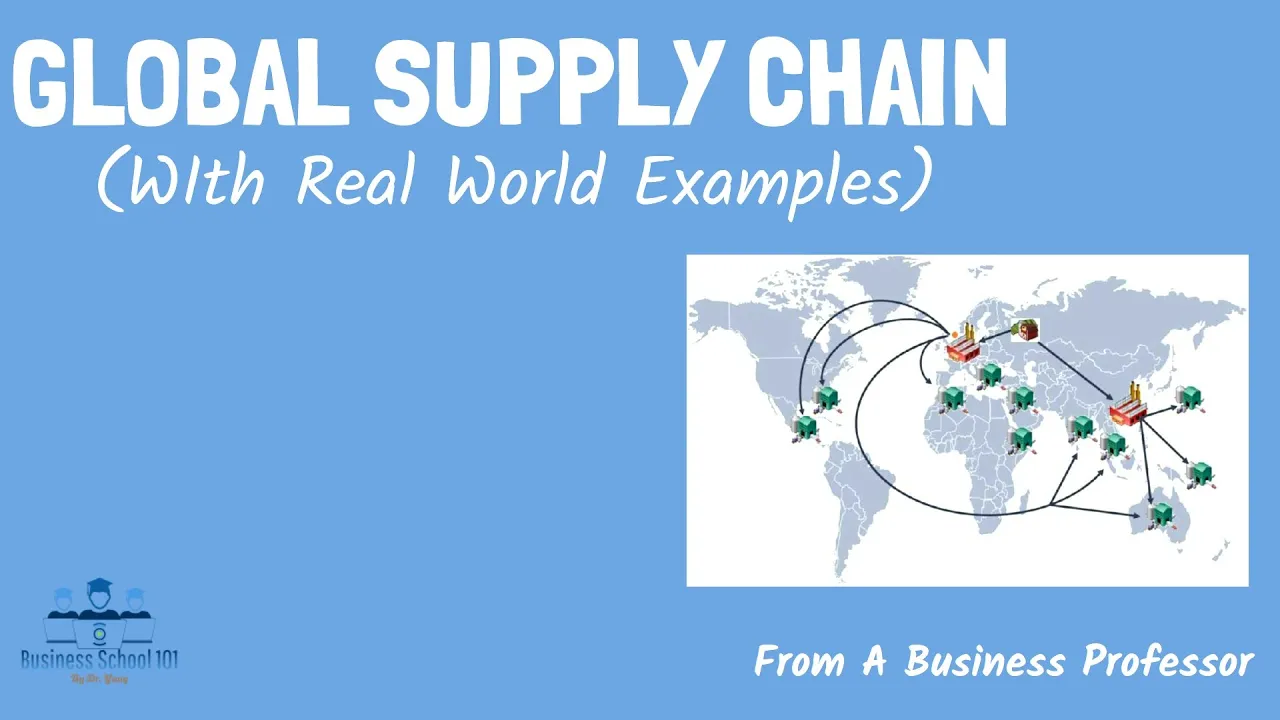




























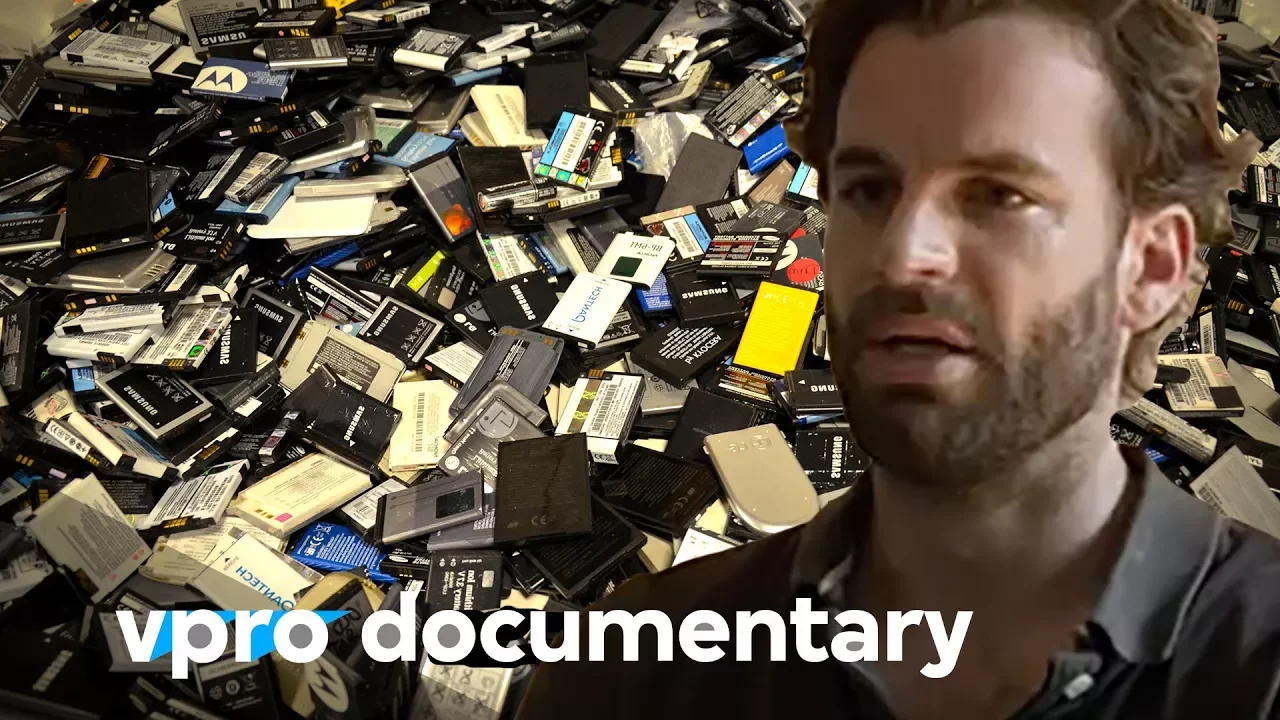

The production of smartphones involves significant human and environmental costs, including child labor in Chinese factories, dangerous mining conditions in the Democratic Republic of Congo where miners face life-threatening situations, and severe pollution from rare earth metal extraction in northern China, raising questions about corporate responsibility and consumer awareness in the global electronics industry.
Investigating Modern Slavery in Smartphone Manufacturing
Added:Fundamentals of Global Supply Chains: Understanding how raw materials are sourced, processed, and assembled across international borders.
Basic Geography of Mineral Extraction: Awareness of key rare earth elements (such as cobalt and coltan) and their primary geopolitical mining hubs, particularly in developing nations.
International Labor Standards: Familiarity with the International Labour Organization (ILO) definitions of child labor, forced labor, and basic human rights in the workplace.
The Concept of Externalities in Economics: Understanding how the social and environmental costs of production are often not reflected in the retail price of consumer goods.
Corporate Social Responsibility (CSR) and ESG Frameworks: Evaluating how tech companies audit their supply chains and report on environmental, social, and governance criteria.
Ethical Consumerism and Circular Economy: Exploring initiatives like 'Fairphone' and sustainable design practices that aim to minimize ecological footprints and labor exploitation.
Supply Chain Legislation and Policy: Studying regulatory frameworks such as conflict mineral laws (e.g., Dodd-Frank Act Section 1502) and modern slavery acts implemented by various governments.
E-Waste and Urban Mining: Investigating the hazardous life cycle of electronic waste and emerging technologies in precious metal recycling to reduce the demand for raw mining.
898.1K views11.8Klikes56:30Original Release: 2021-03-28
our relationship with the mobile phone we look at ours an average of 150 times per day over the course of 20 years they have become more than a companion they are virtually our new religion [Music] across the globe 57 mobile phones are sold every second which works out 1.8 billion per year today there are more mobile phones than toothbrushes in the world yes yes you did hear that right and the big winners in this revolution are the mobile phone multinationals it's party time at apple nokia samsung lg sony hawaii and htc but faced with these corporate giants we asked ourselves a very simple question behind the scenes how are our phones manufactured and under what conditions we spent one year trying to answer this question we traveled around the world to find out exactly what is at the other end of the line and frankly what we discovered made our blood run cold in china we went to work in one of the factories that manufacture our phones behind these masks we found dozens of children to we also trace back to the raw materials that our phones are made from in africa men die to supply our mobile phones with minerals people die every month on average those meet your personal values so now put your phone on silent while we reveal the secrets of how it is made to find the answers to our questions on how our phones are manufactured we look to china whose factories supply the entire world the majority of phones that are sold across the globe are manufactured here we were able to access over 20 reports from a company that analyzes all of the phones components including parts software and materials and more importantly the difference between the cost of manufacturing a mobile phone and its sale price in the stores take for example the galaxy s4 not including marketing costs samsung achieves a profit margin of 307 euros and for apple's iphone 5s that margin is even higher at 340 euros our attention is drawn to another line as well one that hardly ever changes labor costs on average these brands only spend 2.38 euros on labour costs per phone in other words the chinese workers only earn enough to buy a couple of loaves of bread to make devices that we will spend up to 900 euros on maybe you think you paid a lot for your mobile phone but it might be that the workers who made it paid a higher price for several weeks we have been asking the big mobile phone brands to provide us with their supplier lists we wanted to meet this low-cost labor force and find out more about their working conditions not one brand has come back to us so we've had to take things into our own hands we stumbled across a recruitment leaflet for a subcontractor who supplies screens to big smartphone brands the factory is called lce and the working conditions that it promises are idyllic air-conditioned apartments with volleyball courts and snooker tables all provided as part of the package and above all a salary of 3500 yen which equates to 430 euros well above the average salary in china it is located in nan chang in central china the agricultural city of nan chang with a population of 5 million has become the new labor reservoir for the high tech companies in the centre of the new technologies district we find lce's factory the happy factory despite our numerous requests those in charge of the factory have refused to see us and so we've had to put plan b into action and have got a job at the factory in one of the city's hotels we have a meeting with zhang who has been hired by lce jang has already infiltrated nearly a dozen factories that manufacture smartphones he works for the ngo china labor watch an association known throughout the world for its investigations into working conditions in china after two weeks working in lce's factory he has just quit his job he wishes to remain anonymous such images are extremely rare it is virtually impossible to film inside the telephone factories in china as soon as you enter the building you understand that there is no joking about here the bosses pin apology notes from employees onto the walls for example from this worker who damaged some equipment [Music] what a warm atmosphere we see our first images from the factory floors and also get our first surprise in this happy factory each worker wears a number um worked in the screen quality control department his job was to make sure that there wasn't a single scratch on the smartphone's screens the supervisors imposed an unsustainable work pace [Music] at the end of his long working day jang hoped to go back to his large apartment as described in the factory's brochure but instead this is what he found a 20-meter square dormitory that packs in eight workers all year round but we find something even more disturbing than hazardous working conditions in this factory zhang discovered that it is not only adults behind those id numbers something that is not only completely against international law but also against the law in china which prohibits children under the age of 16 from working here this means that the lce factory employs more than 100 children under the age of 16.
we're going to check it out that would be this gentleman in the czech church we film discreetly and are you convinced we weren't but as the manager has forbidden us to stay in front of the factory we hire a car with tinted windows and park just opposite the entrance [Music] we film with a lens that allows us to zoom in on the workers faces as they go in and come out of the building it's a little paparazzi in style but we don't have any choice in the early hours of the morning at the end of the night shift the workers leave through the factory's main door to go back to the dormitories across the road [Music] after a few minutes the facts are clear the factory gates seem more like school gates with groups of adolescents arm-in-arm one of them has even come out with a teddy bear in hand when you take a closer look you see the faces of adolescents and of children even in their dozens we go to ask them how old they are discreetly so as not to alert the factory managers [Music] um [Music] we come across a group of much older workers who are well aware of the situation amongst the children who are coming out of the factory this young girl whose name is giajia she agrees to tell us more about her working conditions because she has decided to leave the factory soon we meet her in a nearby restaurant [Music] m [Music] giajia only earns 160 euros per month on average for this hard labor children working at night for up to 13 hours at a time with just two days off each month what they're doing in this factory is illegal and which mobile phones are manufactured under these conditions you will have heard of them no doubt seeing as they're sold all over europe this is what we've retrieved from the factory's production line a smartphone from hawaii the third largest mobile phone vendor in the world the screen is typical of the brand's latest range such as the y600 or the g510 we check with jiajir by showing her this g510 model from hawaii we tried everything we could to meet with the people in charge at hawaii we sent emails and made telephone calls but it was impossible to get an interview we tried again and again but none of us managers wants to meet us here at huawei the question we asked most is now why but why not well we just want to know why hawaii gives us this answer concerning our suppliers they must follow a charter that formally prohibits the employment of children if there is any breach by the supplier we will take all necessary actions to stop such breach hue doesn't seem to be particularly interested in its response it doesn't even ask us for the name of the factory something which would be useful for them to be able to take action but to be fair hawaii isn't the only brand that works with lce the factory with child workers whilst we were undercover we got hold of this order sheet from the company during the months of march and april 2014 alone more than six hundred thousand screens were produced the majority of them have been manufactured for the big name brands that are sold in europe one of its biggest clients is tino with 76 400 screens ordered in just two months as it is a chinese brand the name tinor might not mean anything to you that is because these phones are sold under a much more well-known um [Music] and for our part we guarantee that we will keep a very close eye on the situation it has to be recognized that weco's bosses have not shrugged off their responsibility whereas another brand when faced with their responsibilities went into hiding alcatel one touch the other big manufacturer that is supplied by lce the factory with child workers alcatel one touch the fifth largest mobile phone vendor in the world despite our numerous requests alcatel one touch we did not receive a single email letter or phone call nothing it seems that as soon as we show up everyone goes into hiding take a guess at how many phones have been sold across the world since you've been watching this investigation 123 000 to fulfill such high demand it's clear that a large number of workers are required but also a large number of raw materials let's take a closer look at a smartphone have you already asked yourself what exactly is in my smartphone well there are more than 300 parts with the majority made from minerals your screen made with aluminium from australia the welds of your circuit board made with zinc from malaysia the wires of your chip made with copper from chile your battery with lithium from bolivia out of all the elements that make up a smartphone we are most interested in this small component tantalum capacitors it stops energy and resists heat very well when the battery on your phone dies and it switches off it's thanks to the tantalum that you don't lose all of the data that you have in it with three capacitors per smartphone the mobile phone industry is one of the biggest consumers of tantalum eighty percent of the world's reserves of this mineral are found in the democratic republic of the congo [Music] after a six thousand kilometer journey we arrive in rubaiya in north kivu it's from here that most of the mobile phone brands extract the essential tantalum however we have barely even stepped off the plane before we start to understand exactly what it means to live in the world's second poorest country in rubaiya there are no roads no networks no electricity no drinking water and very little food a river runs through its center but there isn't even a bridge to get across it however the city backs on to a gold mine or rather a tantalum mine that sits high up there to find out more we must climb this mountain past the endless procession of those carrying the sacks of minerals [Music] we have government authorization to visit this mine but on site those in charge are not having any of it after one hour of negotiation we are finally authorized to film here this is the tantalum mine [Music] miners squeeze themselves through these holes with 3 000 people working here day and night last year 360 tons of tantalum raw materials came out of these pits [Music] here they call the raw tantalum colton [Music] a 40 kilo sack like this one sells for 600 euros to the brokers when it comes out of the mine but fetches up to 3 500 euros on the international market a wealth that should benefit the miners and at least guarantee that they have decent working conditions but that is not the case how long have you been working here three months three months yeah it's maybe enough for me is it dangerous to find out more about this danger we need to go down into the depths of the pits the mine is very narrow and the further we go down the less oxygen there is the temperature is 43 degrees 30 meters further down at the end of the tunnel we find the colton diggers some rudimentary wooden planks hold up the gallery twelve hours per day with a total daily wage of five euros fifty [Music] and while we are filming the gallery's ceiling begins to collapse [Music] foreign rock slides are what all the miners are worried about the mines managers follow us everywhere and so it is impossible to get more information on the accidents it's below in the valley that we will make a discovery [Music] at the local hospital that was built by an ngo where there are 60 beds and just one operating table [Music] julio carvisperi has been running the emergency room here on a daily basis for the past two years with what he has available to him this 63 year old italian is the type of person who restores your faith in humanity amongst the patients that day this colton miner who is only just recovering from an accident injured miners make up the majority of patients in the hospital with an average of 50 cases per month and seeing this procession of victims dr julio as he's called here always asks himself the same question foreign the phantom dead dr julio certainly sees hundreds of injured miners come through these doors but he never sees any bodies why is that this evening in the village with no one watching we meet with a miner who has just retired we're talking about dozens of deaths the tantalum miners pay with their lives so that our smartphones can work even if the democratic republic of the congo officially prohibits those under 15 years old from working in the mines the reality is very different when the boss of the mine in rubaiya learns that we're in the area he sends this worrying message to his teams so that is why every time we approach the children run away from us [Music] sometimes it's even a game of cat and mouse for example here [Music] look harder can you see him just there one of our contacts on the ground has been able to take this photo from just before we arrived here's the congolese version of mining school children that risk their lives and miners buried alive in a village that is cut off from the world it is under these conditions that the tantalum we have inside our phones is extracted but who is it exactly that profits from such a situation we'll have to follow the trail of the sacks of tantalum all the way to those who sell it at international level [Music] most of the mines in rubaiya belong to just one company mhi but we wanted to find out which companies buy tantalum from mhi at least one company confirms it does so the american firm avx in this press release from march 2014 avx indicates that an mihi mine supplies it with tantalum our supply chain includes the mhi mine which supplies us with tantalum [Music] avx is specialized in capacitors which if you recall are these little tantalum components that prevent our mobile phones from losing data when the battery runs out [Music] in this wonderful internal power point of avx we discover who are its largest purchasers of compositors we find rim the parent company of blackberry as well as motorola and nokia [Music] according to our sources since we filmed there at least eight men have been killed in the mines nokia had promised to give us an in-depth reply but instead we received this email from nokia's global management we take these kind of allegations very seriously while we do not directly source minerals such as tantalum microsoft is committed to responsible sourcing practices across our supply chain we have an official policy on responsible sourcing in our products we will continue to promote the fair treatment safety and well-being of workers and sustainable sourcing in our supply chain nokia did not ask us for any specific details such as the names of the victims or the exact locations of the rock slides in rubaiya we decide to speak to bill gates [Music] because nokia now belongs to microsoft the multinational founded by the billionaire the richest man in the world is no longer running the show but he still has a seat on the board of directors and still owns 330 million shares in the company the businessman has turned philanthropist through his foundation he aids the poorest nations in africa in particular [Music] therefore surely he would be concerned about the situation of the miners in rubaiya who die making microsoft slash nokia phones what would he say if we asked him about this during one of his foundation's press conferences at soliday's festival this last night on the nokia supply chain which now belongs to microsoft some of these minors come from a democratic republic of congo in this mine we witnessed child labour five people die every month on average so here's my question mr gates uh does what i just described to you um meet your personal values or microsoft values and also how come a company like you cannot prevent this kind of situation okay i'm sorry but the foundation is okay so it's just serious matters i'm sorry to insist if you could answer that'd be great for the french national tv yeah i mean i i i'm not working in microsoft as an employee anymore so i'm i'm sorry uh [Music] mr gates so are you beginning to understand how these big smartphone multinationals work their businesses are so prosperous that they can easily turn their back on difficult questions [Music] during this investigation another big name brand has continually turned its back on us although it flaunts itself across the globe samsung the biggest phone vendor in the world with 300 million smartphones sold last year it is also the brand that is the most criticized by the ngos because despite numerous controversies the multinational has not changed its ways recently china labor watch published seven reports denouncing the deplorable working conditions at the subcontracts of samsung and every time samsung has announced audits all of which found nothing for china labor watchers director the reason for this is simple the subcontractors are given advanced warnings of the inspections china labor watch is not alone in pointing the finger at the smartphone manufacturer in samsung world cases and controversies multiply as rapidly as the mobile phones are produced in brazil two thousand workers suffer from health problems due to the unsustainable workpace and it's the state who has filed a complaint in england a famous consumer rights ngo classes samsung amongst the least ethical mobile phone brands in the world behind its main rivals they give it just 4 out of 20.
in france two associations are filing cases against samsung they chastise the brand for misleading consumers by promoting ethical commitments that they don't honor we have printed off all the reports and claims there are so many that we have to put them in a suitcase then we headed to barcelona we have been trying to get in touch with samsung's managers for weeks without any success but this time we know where to find them according to christopher columbus it's just there to the left at the mobile world congress the annual congress of mobile phone manufacturers with 70 000 visitors and 1 700 exhibitors [Music] this year the most eagerly awaited actor on the red carpet is of course the seductive galaxy s5 samsung's new model [Music] it will be unveiled this evening at a preview showing [Music] the master of ceremonies is frenchman jean danielle am samsung's vice president of telecoms in europe it's a pleasure to be with you again improving human life is at the heart of samsung we are so proud of the fact our smartphones positively impact everyday lives and as jackie shin mentioned continuing to be the choice for customers is our number one consideration thank you all for joining us tonight it's been a pleasure when the conference ends we pop our heads backstage straight away apologies for the loud music but it's now or never [Music] foreign [Music] foreign [Music] is mercy [Music] following this interview samsung sent us this pleasant six page long letter which said samsung electronics strives to offer a working environment that meets the highest standards in the industry out of more than 90 000 workers not a single worker under the legal age has been identified [Music] despite this clean score sheet samsung still announces 15 or so new measures in order to combat child labour such as samsung suppliers must ensure that the id photo matches the employee they must use face recognition software and in any case of doubt they need to consult with the relevant authorities [Music] we're in the same position as you looking at our mobiles we never imagined that they would contain so many secrets and it's not over yet one of the parts in our cherished mobiles is also one of the biggest causes of pollution in the world it's the domino effect at the end of the chain an entire town is sacrificed to manufacture our phones [Music] it is this photo from an australian journalist that sent us in the right direction to find out more let's open our phone's cover one last time amongst the essential parts that make our smartphones work magnets they are in the vibrate facility in the microphone in the speakerphone and even in the camera a dozen in total in every mobile phone these magnets are made with neodymium the most magnetic chemical element in the world the largest neodymium mine can be found in the region of bao tor in northern china at the border with mongolia our mobile phones magnets are born here in these neodymium mountains which accounts for 97 of the world's production but this eldorado has a price and that price is pollution acid baths heavy metals caustic soda for each ton of neodymium produced one ton of waste and 75 000 liters of acid water are discharged and the factory spits out everything here into this huge lake waste dump six hundred thousand tons of waste are poured out every year the lake stretches over 11 square kilometers an area equivalent to san tropez but with less sun and more radioactivity according to this internal document from the international atomic energy agency the area is highly radioactive thanks to the chemical waste [Music] the company responsible for this pollution is bao gang the owner of the neodymite factories those in charge of the company refuse all our interview requests we enter this red area the contaminated zone at first sight the village seems to be abandoned but there are figures who wander through these empty pathways such as this lady you julianne who is 60 years old [Music] oh to help us better understand the situation usually anne is going to take us to meet one of her last remaining neighbors would love to leave but she can't afford to while she waits she has no choice but to drink the tap water one of the villagers points out a well to us where we can gain access to the water table the problem is that the well is 300 meters away from the waste dump lake of the bowel gang there is a camera on every post in total nearly 100 survey the area there is even a watchtower we need to go quickly this zone is out of bounds a flask attached to a ball of wool it's a little bit macgyver in fashion but it's all that we could find at the time after a few minutes we bring up some of the wells water for now there are no arrests we send the water to our team in paris who send it to an independent french laboratory for analysis a few days later the results are beyond any doubt this is no longer drinking water but a deadly cocktail [Music] we're going to find out more about the victims of this polluted water no doctor is authorized to speak to us and we film with a hidden camera a team of carers agree to meet us under condition of anonymity [Music] they call baotov the cancer city foreign they want to show us their cancer awards for them there is no doubt the pollution from balgang's factories is slowly killing the city of baotou there isn't a single epidemiological study that has been carried out but the doctors themselves have talked of several hundreds of victims but hear that no it's complete radio silence the authorities don't want the story to get out their business with the smartphone brands could suffer as a result as we leave the hospital we are stopped by security [Applause] if we want to be able to leave we have to sign this letter in which we agree not to carry out any report on balgang or on its waste dump lake [Music] if any report is published we will face responsibilities for it to make sure that nothing can be broadcast the police also confiscate our photos but to tell the truth we'd anticipated this we had enough time to hide the memory card containing the real images and swap it with another card prepared especially for the occasion this was what the chinese policemen have seized [Music] we would have liked to have seen their faces when they discovered the images but we don't have time we really need to get out of the city a large proportion of the mobile phone industry works with bau gang the company responsible for the pollution amongst them is sony one of whose magnet providers are supplied by bowel gang or lg the south korean brand has all but signed a partnership deal with bao gang are these two smartphone giants aware of the pollution problems and what are they doing to resolve it both brands refuse to grant us an interview but as a strange coincidence in their email response they both use the same formula even if bau gang is not a direct supplier of ours it's possible that this company's neodymite is present in our devices we take your allegations very seriously more carry out an internal investigation to find out more despite our reminders we haven't been able to see any results from these investigations [Music] when the mobile phone companies don't reply we turn to their representative digital europe the european lobby for mobile phone manufacturers amongst its members are sony and lg of course but also apple blackberry huey and nokia under communications watchful eye the director receives us in his office [Music] this company is a supplier of the mobile phone industry when you see that what do you think i mean clearly what you're telling me here is news some news to me and as i say i'm glad you're passing that on to me and i think that the the industry will want to see china improve its regulatory environment in order that these people don't continue to suffer from the from from such pollution don't you think your members also have a responsibility in this situation i think our members do have a responsibility in this situation to ensure that their supply chain follows the laws and regulations yes i do i'm a little astonished that none of the companies have been willing to answer us how would you explain that we have the uh the proofs that they do work with baogun so we know that they know what's going on there and nobody wants to answer us well i hope you i hope you'll take um so you'll take something from the fact that i'm prepared to engage uh to some extent on behalf of the industry on that issue okay you wouldn't drink this water would you well i wouldn't drink that water now yeah well they do drink this water for 20 years since this interview not a single brand has ceased working with bau gang the company responsible for the pollution all right and as we finish off our investigation we know what you are going to ask so what do we do now how do we force the mobile phone industry to make changes we don't have the answer but what we do have is hope [Music] do you recall the scandal of working conditions in the trainer factories of the 1990s children on production lines pollution irresponsible multinationals does it ring a bell faced with consumer mobilization the main trainer brands had to make big changes and reassess their supply chain [Music] and today their codes of conduct are amongst the strictest in the world of course it's not perfect but already it's a lot better in the smartphone sector new initiatives have already appeared such as fairphone a dutch company that offers fair trade phones at the market price [Music] could this be the start of a growing movement that will demand better production conditions the question tonight when we put down our smartphones must be [Music] is part of the solution in our hands [Music] you
Up Next

9:35
Monetary Policy Explained: Interest Rates, Money Supply & Exchange Rates
@EconplusDal
168.5K views•2014-04-17

21:53
Tiebout Model & Club Theory: Local Public Goods | Public Finance
@Vidyamitra
12.6K views•2016-04-14

10:33
Behavioral Economics Explained: Rationality, Nudges, and Risk
@crashcourse
1.1M views•2016-03-12

113:18
The Age of Easy Money: Fed & Inflation | Full Documentary
@frontline
21.2M views•2023-03-15
Related Study Plans & Knowledge Roadmaps
Structured learning paths in Economics
economics
Intellectual Property: Innovation vs Monopoly
01Foundations of Market Power: Monopolies & Deadweight Loss
02The Economic Trade-Off of Intellectual Property
03Patents: R&D Incentives vs. Market Monopolization
+ 3 more learning modules
12h6 modules
Explore Roadmap
economics
Sovereign Debt: Defaults, IMF & Restructuring
01Introduction to Sovereign Debt & Government Bonds
02Debt Sustainability & Credit Ratings
03Anatomy and History of Debt Crises
+ 2 more learning modules
12h5 modules
Explore Roadmap
economics
Market Design: Matching Theory & Gale-Shapley
01Introduction to Market Design and Price-Free Markets
02Two-Sided Matching & The Gale-Shapley Algorithm
03School Choice Systems and Mechanism Design
+ 2 more learning modules
10h5 modules
Explore Roadmap
economics
Impossible Trinity: Forex, Capital & Policy
01Introduction to Monetary Policy and Central Banking
02Exchange Rates and International Capital Flows
03The Mundell-Fleming Model
+ 2 more learning modules
8h5 modules
Explore Roadmap