












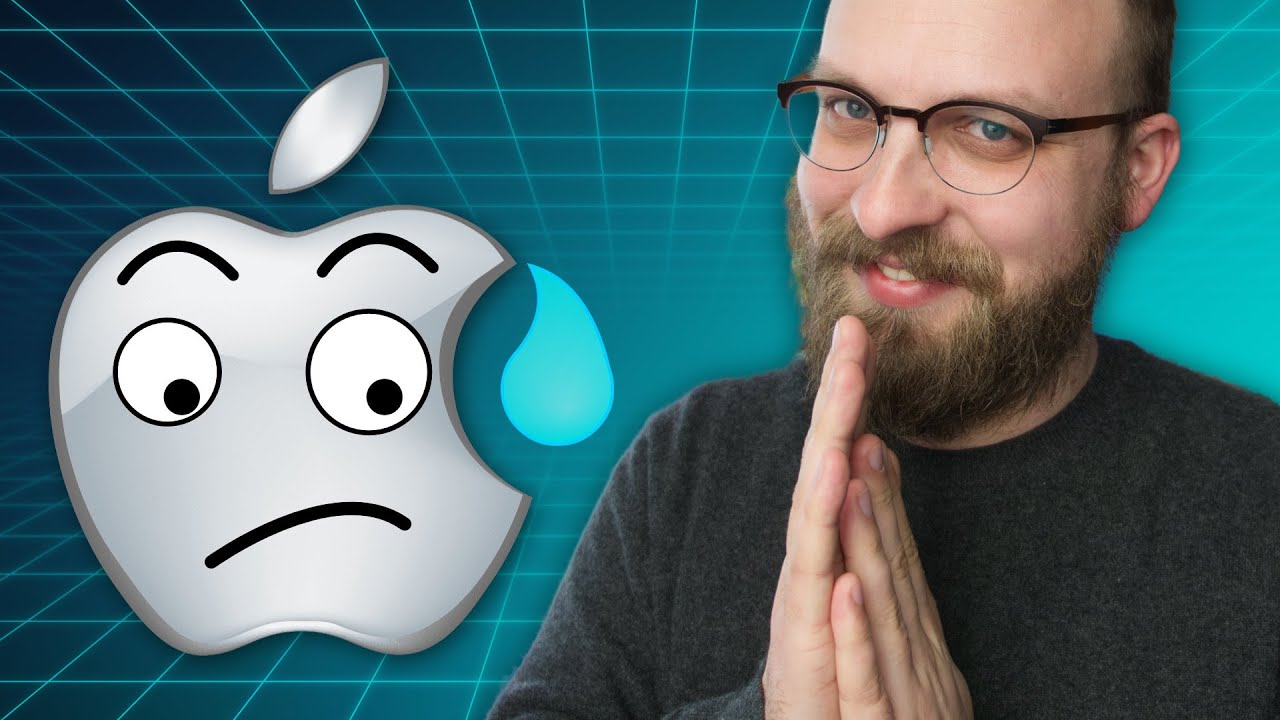


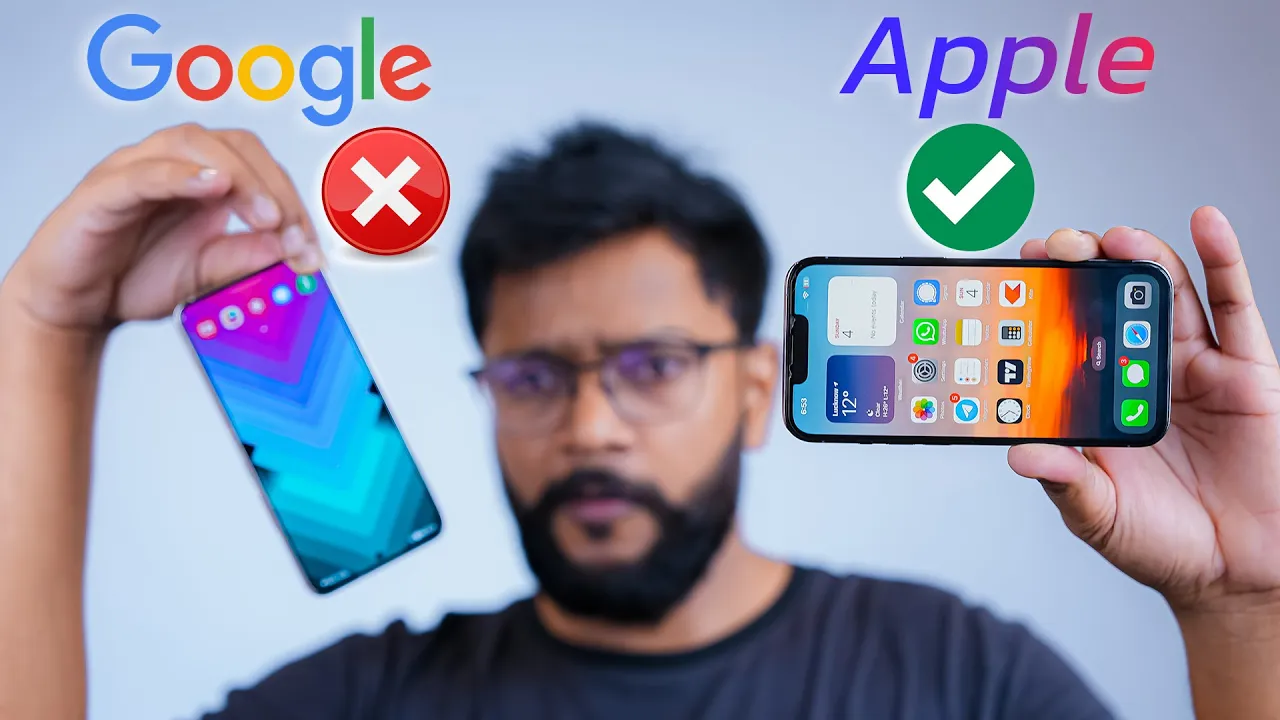
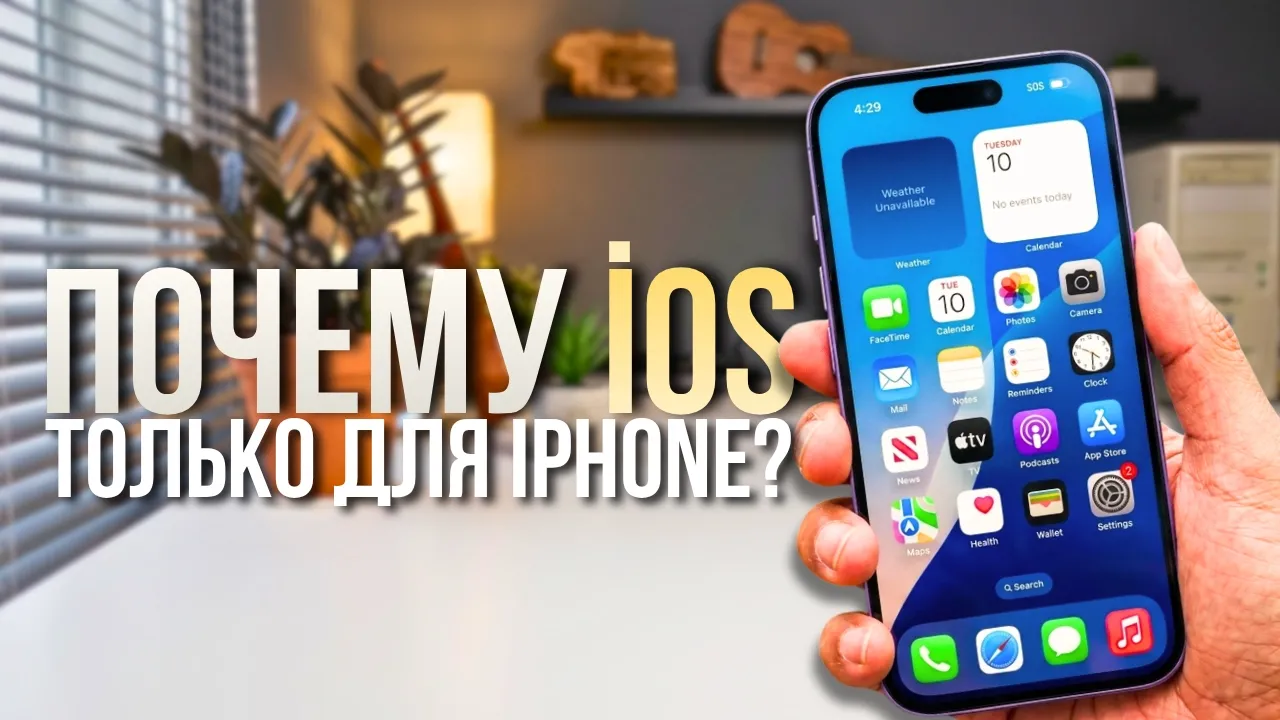





A technology ecosystem is a community of interacting devices and services that work together seamlessly, creating user lock-in through interconnected features like iMessage, AirDrop, iCloud, and Continuity; companies like Apple build 'walled gardens' where products are designed to work optimally together, making it difficult for users to switch to competitors despite potentially better individual products, as the cumulative value of the ecosystem outweighs isolated product advantages.
Understanding the Apple Ecosystem: A Technological Case Study
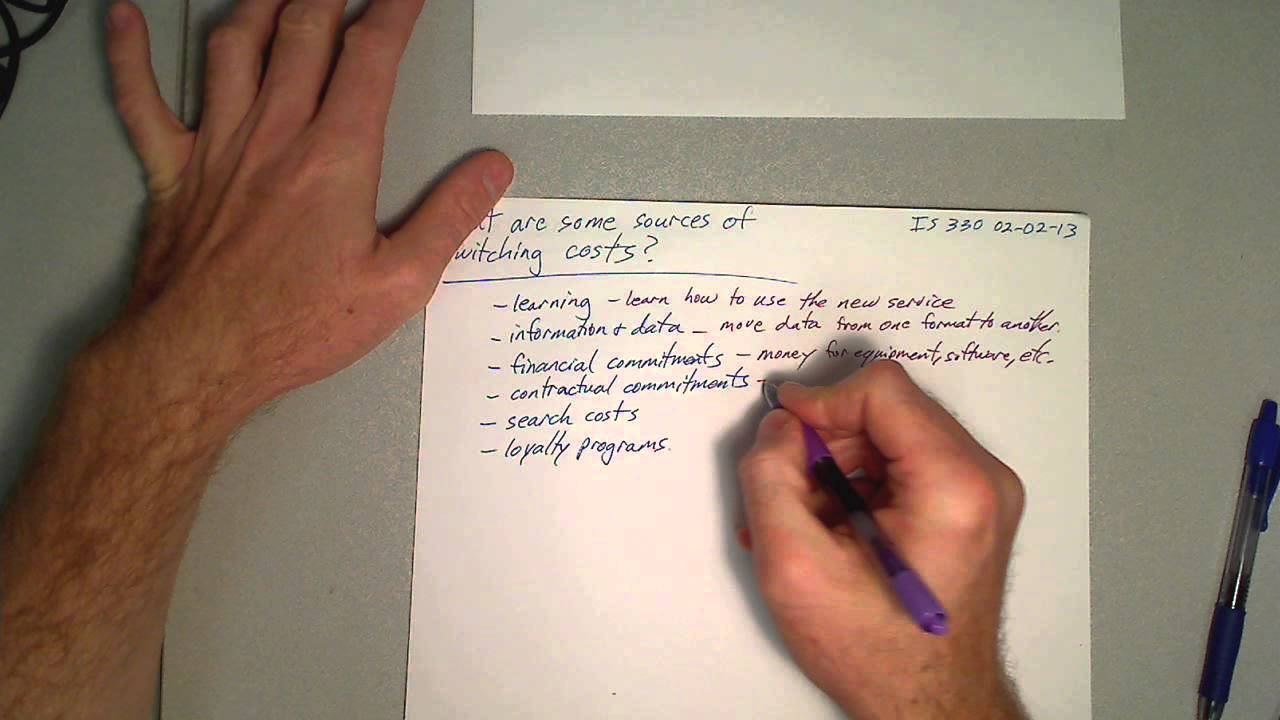
Added:The economic concept of 'switching costs' and 'vendor lock-in' and how they influence consumer purchasing behavior.
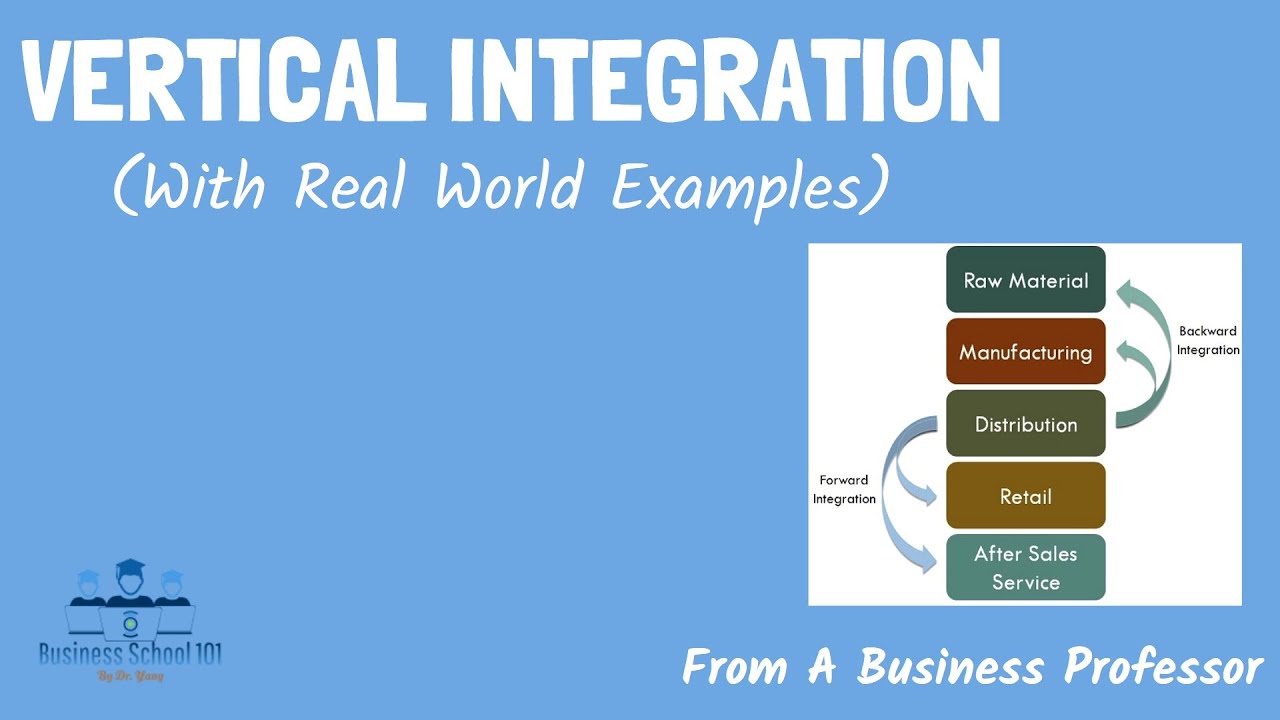
The fundamentals of vertical integration, specifically how a single company controls multiple stages of production (hardware, software, and services).
An understanding of network effects, where a product or service becomes more valuable as more people use it and more compatible devices are connected.
Basic knowledge of platform economics and the distinction between open and closed digital platforms.
Analyzing antitrust laws and regulatory scrutiny faced by tech giants, such as the EU's Digital Markets Act and various global monopoly lawsuits.
A comparative study of Apple's closed ecosystem versus Google's open Android ecosystem and their respective market monetization strategies.
The strategic design of digital product-service systems (PSS) and how emerging tech companies attempt to replicate the ecosystem model.
Investigating the consumer psychology and behavioral economics behind brand loyalty, cognitive lock-in, and high-friction exit barriers.
7.4M views249.4Klikes8:04Original Release: 2018-03-07
have you ever asked somebody why they use an iphone so we're gonna start with dom which smartphone is in your pocket right now do i reveal it right now or got the iphone 10. oh there it is there it is sometimes it's hard to break away from that ecosystem what is it about this ecosystem you're talking about judner you're next man the pressure's on iphone 10. wow it's just two phones so far i'm gonna be straight up it's imessage man in the ecosystem whoa that's what it is for me so to be fair you need to be totally into the apple ecosystem so i'm talking apple music iphones max the whole thing but on the flip side if you're in the apple ecosystem and the tech outweighs everything else i would pick these up the ecosystem the the ecosystem there are tales all over the internet about this ecosystem in tech reviews and all kinds of iphone videos probably every homepod video on the internet has that word or that phrase in it somewhere and even in regular everyday conversations if you ask somebody why they use an iphone it more or less comes down to the same answer sometimes it is just because it's the best all-around phone and they believe the hardware is superior that's sometimes but really often like really really often the answer has something to do with the ecosystem ecosystem a biological community of interacting organisms and their physical environment so in tech you know an ecosystem is just a community of interacting objects so apple makes a ton of devices you know the iphone the ipad the mac the apple watch the apple tv the homepod airpods but they also make a lot of software and proprietary technology that ties them all together airplay airdrop continuity icloud so once they can draw you into the ecosystem somewhere with one of their devices let's say an iphone for example you get an iphone like many people do then they can try to lure you to spend more money on other apple products because they just work so well together now most companies have a family of products that's not new it's not like apple's the only one doing that but what makes this particularly unique ecosystem so successful maybe the most successful ecosystem ever is not only how well they work together but the walls they've built up around those things living inside this apple ecosystem is sort of like what we call a walled garden you may have heard that expression before meaning everything that's in the garden in these walls is this beautiful luscious garden everything is green it's everything you could ever want but these walls on the outside are really tall and they kind of don't want you trying to climb out or trying to explore beyond those walls just look at all the great stuff in here basically once you get a couple of apple devices you start to get into the ecosystem let's say you get an iphone and a macbook just those two things they make it as easy as possible you start using imessage you start getting text messages on your phone and then you can reply to them on your computer super easy blue bubbles everywhere your web browsing on your phone then you sit down on your computer and it shows up for you to pick up exactly where you left off you have icloud drive so any files on one are always on the other anything not showing up airdrop peer to peer sharing legendary you have tethering so the macbook always has the iphone's internet wherever you go want to make a video call i mean i guess facetime's right there you can answer it on either device you ask siri to remind you for something it'll put it in the reminders app every time so okay now you're in the market for a smart watch well i mean just you just get an apple watch like what other options are there really now you can answer text on your watch too blue bubbles everywhere answer calls on your watch there's facetime still ask siri to set reminders on the watch it'll put them in the reminders app everything works together so beautifully okay now you're in the market for a smart speaker it's a pretty new market a couple of options out there seems like it makes perfect sense to just go with the apple one now suddenly wireless headphones are gaining steam you're in the market for some wireless earbuds air pods are right there they work perfectly you get the idea all these services and products are designed to be as good as possible yes of course but they're also designed to be these little hooks to keep you in the apple ecosystem to keep you giving them information and to keep you buying more apple products as long as possible and the way to keep you using those products is to make those products as good as possible within the ecosystem and those are keywords within the ecosystem this explains the existence of so many apple products that on the surface or from the outside from behind those walls can seem kind of limited or pointless or dumb especially in new markets where there's just the beginnings of competition like why does the homepod exist in 2018 a smart speaker that only uses siri only uses apple music does not connect to bluetooth does not connect to anything that's not an iphone does not have a headphone jack because for that guy who uses apple music and has an icloud account and has an iphone it's kind of perfect to be honest though i've even been guilty of being in the ecosystem you know despite being i mean i use android so i'm not tied in as deep i use some multi-platform stuff spotify dropbox things like that but i'm a final cut pro editor because final cut pro is really good and final cut pro is mac only and it will probably pretty much always be mac only so what about leaving what about getting out of the ecosystem well in apple's case pretty much everything is tied to your icloud account and if you want to get out of the ecosystem you have to rip that information out of your icloud and sort of import it into that new service a lot of times much easier said than done the more closely tied to icloud that device is the more hooks it has into other parts of the ecosystem that make it harder to take out so accessories like airpods for example you know they work perfectly with things like your iphone and your ipad and your macbook because of the w1 chip they pair effortlessly we all know it just kind of works the apple way but if you want to switch to another pair of headphones it's just that one hook in and you can move to another pair of wireless headphones and get away with it now if you use apple music and want to switch to spotify because it's clearly better again it's like one hook but good luck trying to switch your entire library between the platforms entire companies have been born trying to make that process easier but trying to leave the iphone to go to another phone that's not in the ecosystem is tough because there's a lot of hooks into this all of your app purchases are gone your face time is gone your airpods become useless your home pod becomes useless you can't use the reminders app anymore your apple watch becomes a paperweight and imessage is gone and then the iphone the holy grail for shepherding people into this garden is so hard to leave that a new phone could come along with a better screen better battery no notch a better camera better battery life a headphone jack and they'd still skip it because that ecosystem though it's kind of incredible also by the way there's other ecosystems too there's google's amazons samsung's there's there's some more complete than others and just generally you notice ecosystems from everyone are expanding and evolving two years ago you didn't really need smart appliances in your ecosystem as a tech company a couple days ago amazon bought ring for a billion dollars to get ahead on smart video doorbells that's just kind of what we're living in with all these companies building up their ecosystems some with little walls some with huge walls some are just as open as possible google's for example is probably the most multi-platform possible you want google photos you can get it anywhere you want gmail you can get it anywhere things like that are fun to see but it's still interesting to look at and evaluate apples which has been closed off for so long the walls have been built for so long that it kind of makes its own weird case study other than that that's pretty much it my only suggestion would be don't isolate yourself to just one ecosystem don't lock yourself in or if you are already locked in maybe take a peek over those walls before it's too late thanks for watching talk to you in the next one peace
Up Next
27:37
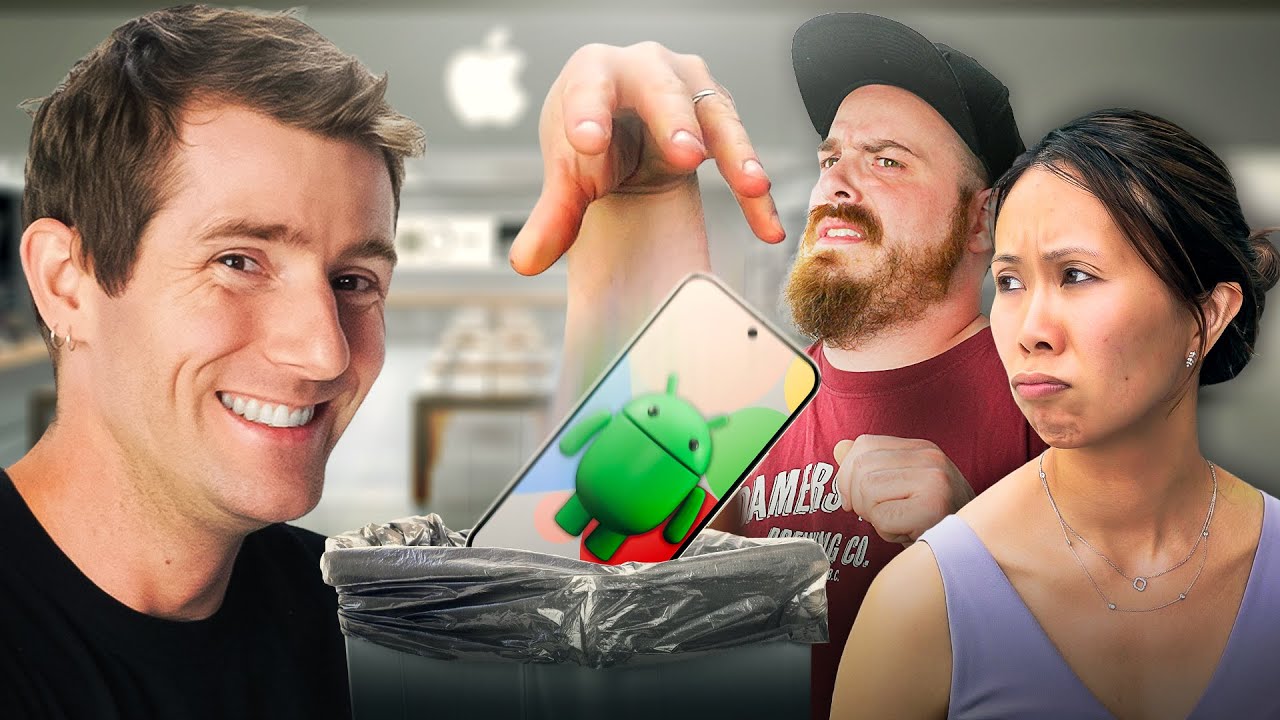
Evaluating the iPhone Ecosystem: A Comparative Case Study of Android Migrants
@LinusTechTips
2.4M views•2025-07-08

12:54
Triumph of Orthodoxy Icon: Byzantine Art & History Explained
@BenCallan
2.1K views•2024-08-06

9:49
FastAPI vs Flask vs Django: Choosing the Right Python Web Framework
@TechWithTim
302.5K views•2024-05-26

1:42
Game of Thrones Opening Credits: A Cinematic Analysis
@gameofthrones
46.3M views•2011-04-18
Related Study Plans & Knowledge Roadmaps
Structured learning paths in General & Interdisciplinary Studies
general-studies
Elevator Engineering: History, Physics & Cities
01From Hoists to Safety Brakes: The Dawn of Vertical Lift
02Hydraulic vs. Traction: The Engineering Physics of Elevators
03Modern Speed, Safety, and Algorithms
+ 2 more learning modules
12h5 modules
Explore Roadmap
general-studies
Rubber: Material Science, History & Geopolitics
01Origins of Natural Rubber & Mesoamerican History
02The Chemistry of Natural Rubber & Vulcanization
03The Geopolitics of the Rubber Boom & Colonization
+ 2 more learning modules
12h5 modules
Explore Roadmap
general-studies
Containerization: Evolution, Logistics & Trade
01Ancient Trade & Bulk Cargo: Amphorae to Barrels
02The Industrial Revolution & Cardboard Packaging
03The Containerization Revolution: Malcom McLean
+ 2 more learning modules
12h5 modules
Explore Roadmap
general-studies
Textile Tech: Evolution, Labor & Global Impact
01Pre-Industrial Textiles: Handloom & Cottage Industry
02Mechanization: The Spinning Jenny to the Power Loom
03The Factory System & Global Labor Transformation
+ 2 more learning modules
10h5 modules
Explore Roadmap