























This video explores two key themes: first, the controversy surrounding Adagio in G minor, which was actually composed by 20th-century musicologist Remo J. Giazotto rather than the 18th-century composer Tommaso Albinoni, highlighting how artistic attribution can be complex; second, Edgar Degas' philosophy that artists should maintain mystery in their work and private lives, believing that vagueness and fantasy draw people into art more than overly explicit meaning. The video also discusses intentional downtime as a meaningful alternative to mindless internet browsing, and suggests simple romantic practices like reading magazines in a bath to bring beauty into daily life.
Debunking Adagio: Degas, Intentional Downtime, and Romantic Living
Added:The historical context of Baroque music composition and the concept of musical authorship, particularly regarding Tomaso Albinoni and 20th-century musicological reconstructions.
The core artistic principles of Edgar Degas, his relationship with the French Impressionist movement, and his focus on capturing candid, everyday human movement.
The foundational concepts of the 'slow living' movement and the psychological distinction between passive relaxation and active, intentional downtime.
An exploration of musical historiography, specifically analyzing other famous cases of misattributed classical compositions and musical hoaxes.
A deeper analysis of Edgar Degas's late-career transition into sculpture and photography, investigating how his observational philosophy adapted to new media.
The study of 'Slow movements' (such as Slow Design and Slow Food) and their systemic application to contemporary urban planning and lifestyle design.
The cognitive science of rest, specifically how structured downtime and romantic reflection activate the brain's default mode network to enhance creative problem-solving.
13.3K views659likes14:31Original Release: 2020-02-20
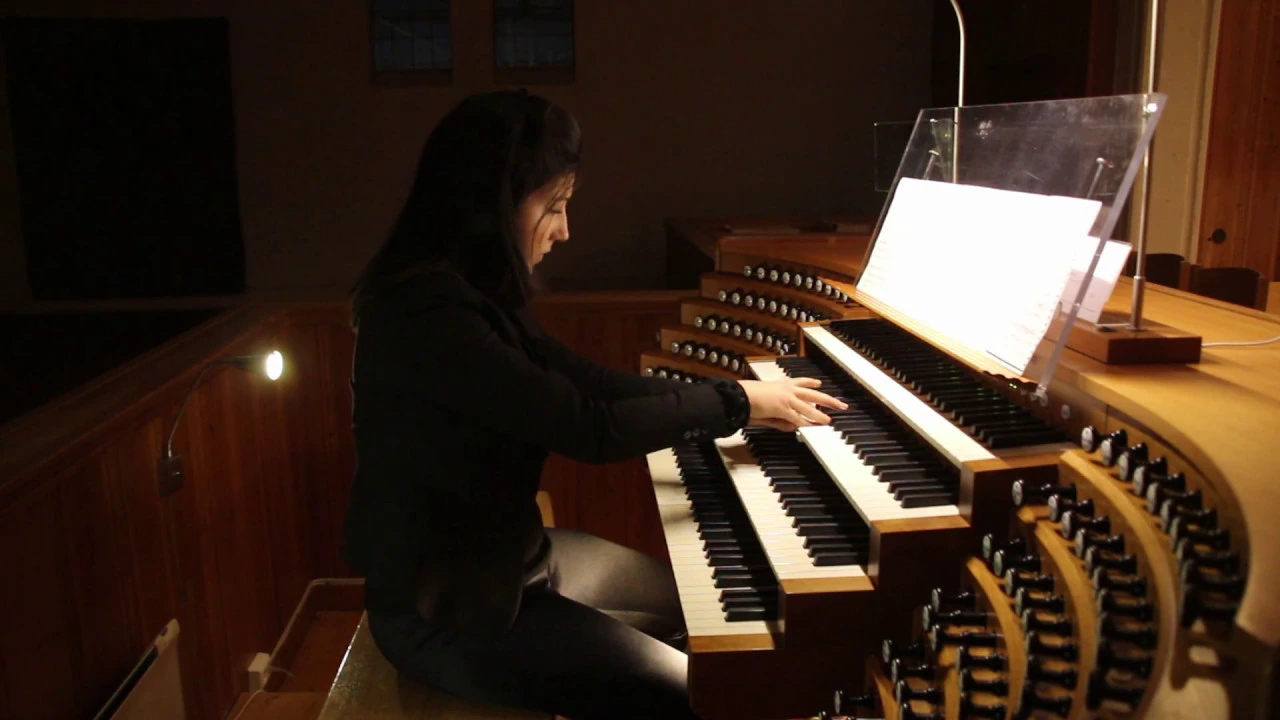
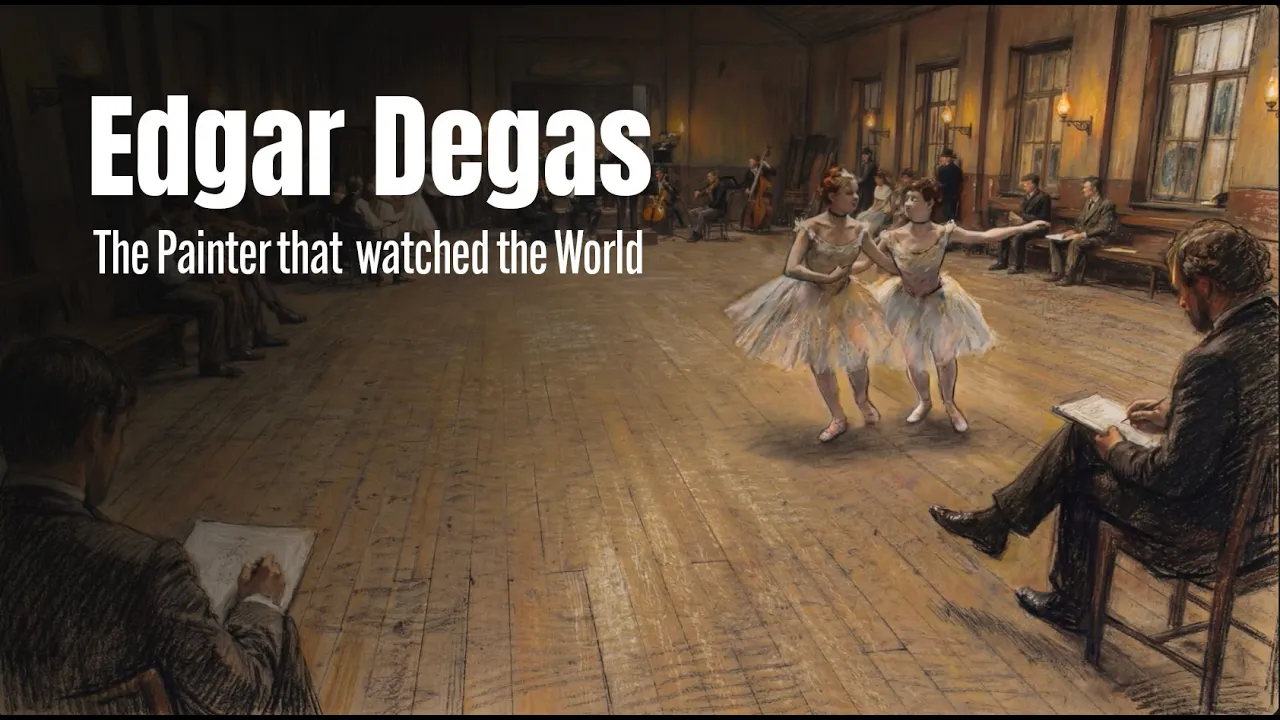
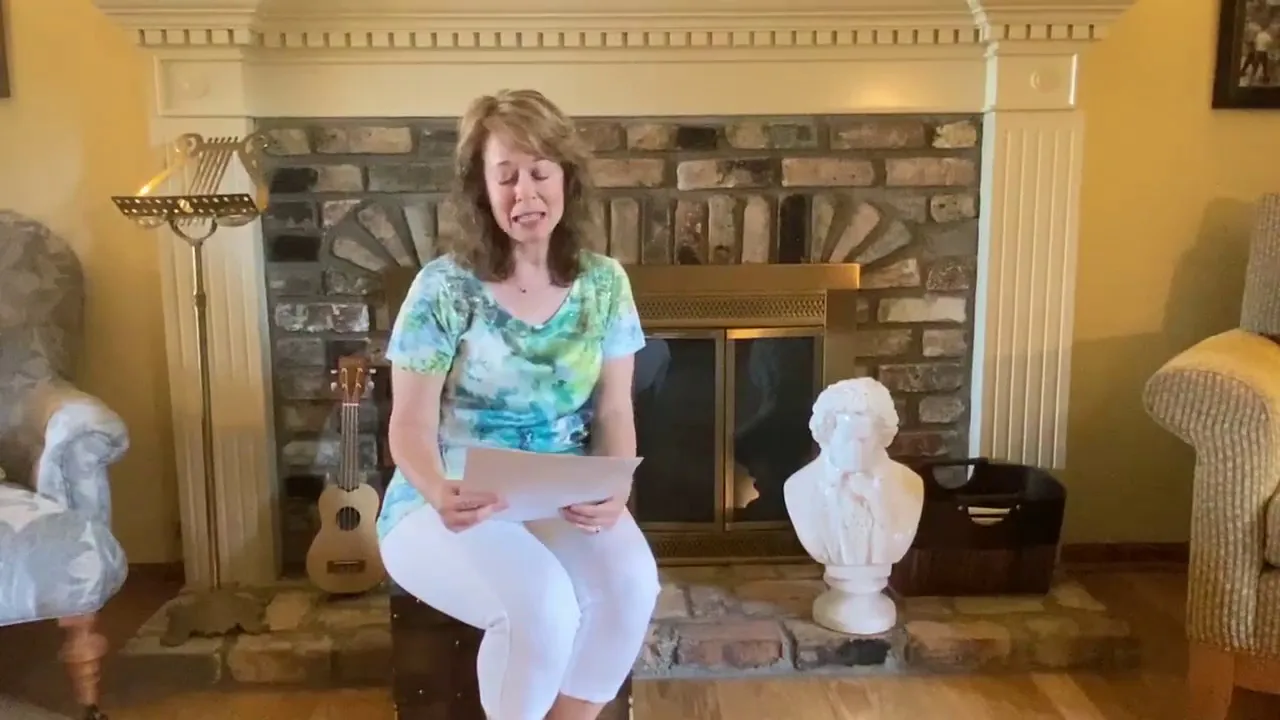
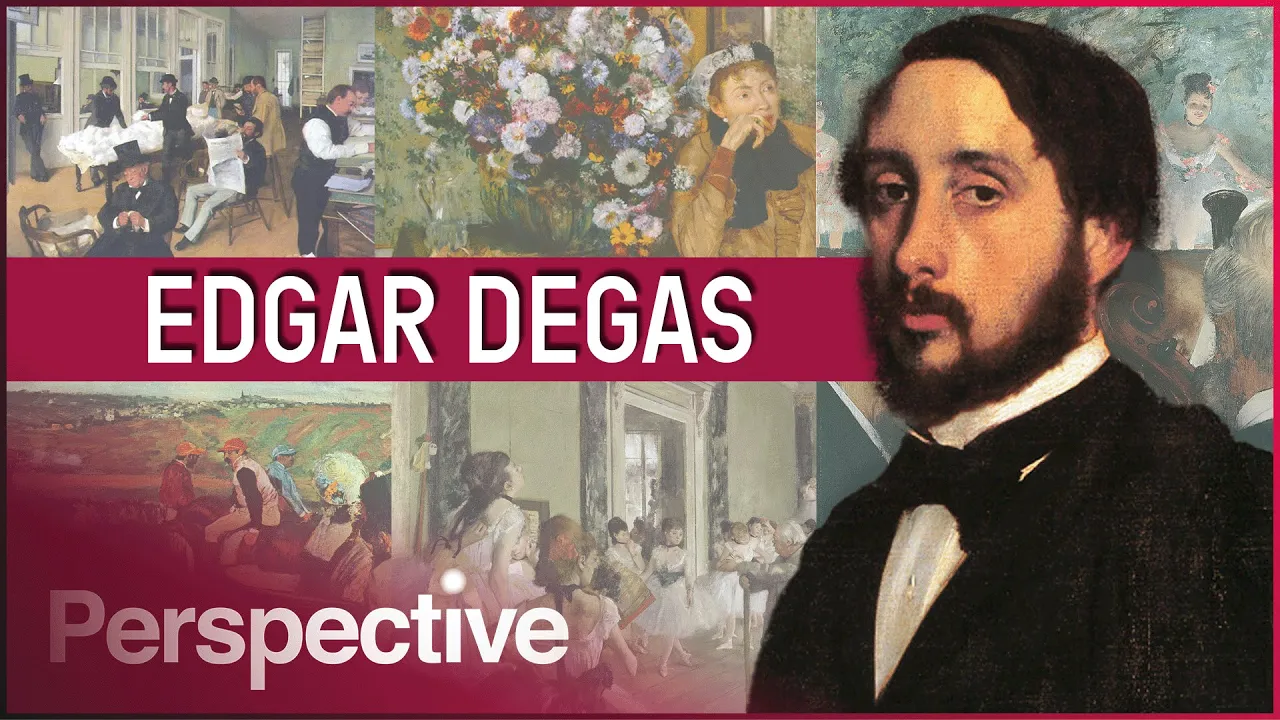
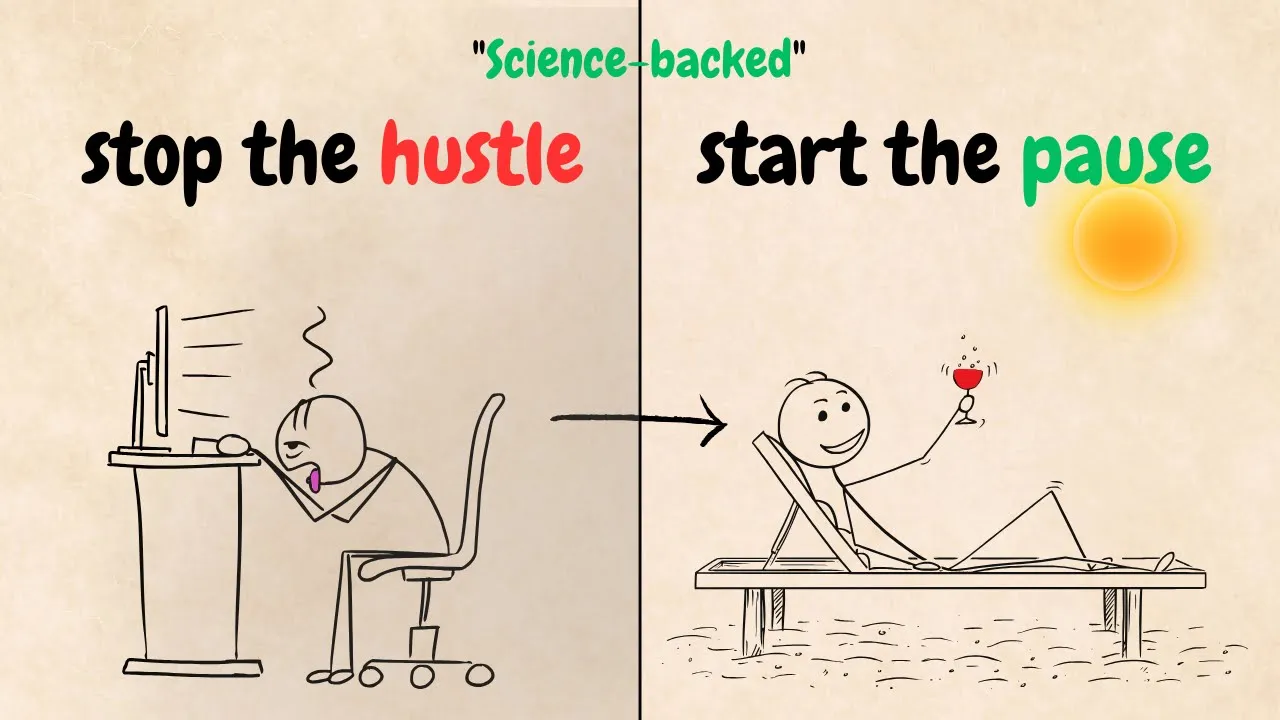
[Music] welcome everyone to the chic assignment check-in I am drinking my cup of Earl Grey tea as you saw me make in the opening and I hope that you have a lovely cup of tea we are going to go through the chic assignment for this month and just really enjoy some enriching time together ok so we have so much to discuss Tommaso Albinoni and whether or not he actually wrote Adagio and g-minor we're going to talk about edgar degas and his interesting life and then the final two assignments about intentional downtime and doing something romantic this month so let's get right into it okay so the first assignment was to listen to Adagio in G minor by Tommaso Albinoni and I gave you a video of Hauser and his show stopping magnificent world-famous performance of this piece and honestly I have probably listened to this and watched this video over 25 times if not 30 I loved it and there were so many stressful moments that I had this month and I put this on in the background or while I was cleaning the kitchen I cannot get enough I never get tired of it it is the most beautiful piece ever written in my opinion so I was learning about Tommaso Giovanni Albinoni and there's not much known about his life but he was born in June of 16 71 in Venice Italy and he died January 17th in 1751 in Venice and he was an Italian composer remembered chiefly for his music he was the son of a wealthy paper merchant and he enjoyed independent means he was a fully trained musician and he was very popular for his operas so there really is not much known about Tommaso Alva Nonis life but I found this to be very interesting about Adagio in G minor it says Adagio in G minor for Strings in Oregon is a neo-baroque composition commonly attributed to the 18th century Venetian master Tommaso alvin oniy but actually composed by 20th century musicologist and Albinoni biographer Ramo jia Zotoh it said purportedly based on the discovery of a manuscript fragment by Albinoni there is continuing scholarly debate about whether the alleged fragment was real or a musical hoax perpetrated by Gia's OTO but there is no doubt about Gia's otos authorship in the remainder of the work so they're saying that Gia's OTO the scholar who studied Albinoni discovered this old ancient manuscript and that it wasn't finished and that he actually finished it so this has always floored me I always knew this about the piece or when I first started researching into it and I just can't get over it because I truly think it is one of the most beautiful pieces ever written and can you imagine if he actually wrote this piece but all the credit was going to Albinoni I don't know I do feel that Albinoni probably wrote the majority of the piece and he just finished it off but it was such an amazing composition what an accomplishment right so we will never know really what happened but that is the story as it stands so I hope that you enjoyed Adagio in G minor this month let us know what you thought down below Sheik assignment number two was to study the works of Edgar Degas who is famous for his ballet portraits as well as his beautiful impressionistic paintings so I'm going to read a few quotes from Edgar Degas and I'm also going to read to you his biography and you're going to be seeing the visuals of his famous paintings while I read to you two of his quotes really stuck out with me the first one is this a painting requires a little mystery some vagueness some fantasy when you always make your meaning perfectly plain you end up boring people I feel like that is very true for any artwork and something that I have known with writing I love doing that in my books but something that I just discovered with YouTube as well so that's a whole other subject matter but he's absolutely right that that is what draws people into your artwork and then the other quote that he had that I found very interesting was the artist must live alone and his private life must remain unknown and how true is that about the live alone part that's kind of a joke I said that to ban i said that's absolutely true true artist should live alone he was like hey but I have to be alone when I write and I feel anybody here who's artistic can probably relate to this but also his private life must remain unknown how many famous people have you loved and then they shared too much of their life and then you suddenly didn't love them anymore like their opinions or something that happened it's so good to maintain an air of mystery when you are an artist so I couldn't agree more than there all right let's read his biography Hilaire Amane edgar degas was born July 19th 1834 in Paris France the son of a well-to-do banker from an early age Edgar loved books especially the classics and was a serious student in high school he was very attached to his younger brother Rene and he would later paint his image repeatedly he was also fond of his mother and her death when he was 13 years old caused him much heartache his father hoped Edgar would study law but Edgar enrolled at the Ecole des Vosges Arts the School of Fine Arts in 1855 daga always valued this early classical training in 1856 de I went to Italy and settled in Rome for three years he admired the early Christian and medieval masterpieces of Italy as well as the frescoes panel paintings and drawings of the Renaissance from roughly the fourteenth century until the 17th century he copied many of these at this time this was a common way to study art back in Paris in 1861 daga executed a few history paintings among these was the daughter of Jeff Beth which is based on an episode from the Old Testament in the Bible he copied the works of the old masters in the Louvre and his reputation as a painter had already been established prior to the 1870s portraiture was more important for de Gotha than for any of the other Impressionists some of his portraits are among the best produced in western art since the Renaissance by 1870 des God drew his characters from the contemporary Parisian scene especially the Ballet Theatre and racetrack usually he depicted ballerinas off-guard showing them backstage in an awkward moment as they fastened a slipper or drooped exhausted after a Jif practice session day golf it's easily within the impressionist movement in producing art of immediacy and spontaneity but the placement of each detail is calculated in terms of every other to establish balances that are remarkably clever and subtle Digga thought of the human figure as a prop to be manipulated to achieve more interesting paintings he was inspired by Japanese prints to create unusual poses and cut off figures in unusual ways in a carriage at the races the figure in the carriage to the left is cut nearly down to the middle had Degas shown more of this figure and obvious and uninteresting symmetry would have been set up with the larger carriage in the right foreground here's a bit on Degas techniques in copying the old master Degas sometimes attempted to uncover their techniques after 1866 day God created bronze statues of horses and dancers up to three or four feet high his bronze and painted wax figures of dancers like the little dancer of 14 years are often clothes in reel costumes daga again catches the dancers as they are about to change position as in the painting stay gasps the dancers of glamour and sometimes reveals them a scrawny adolescent beginning in the mid 1870s Degas suffered from failing eyesight from the 1890s on he became more and more of a recluse in the last years of his life he was almost totally blind and he wandered aimlessly through the Parisian streets he died on September 27th 1917 in Paris he is regarded as one of the greatest French artists influencing later artists such as Toulouse Lautrec and Pablo Picasso so an interesting note dagon never got married and never had children he was really good friends with the French artist Mary Cassatt who's someone that I also admire we will definitely study her in a future chic assignment so I hope that you enjoyed that brief biography of daga obviously there's much more to his life that is just a general representation of his artwork and study of that chic assignment number three was intentional downtime and I had noticed a trend about myself that when I had any downtime at all I would just hop on the internet and surf the Internet basically this is not the best way for me to spend my downtime so I've been very intentional this month still struggling with the downtime aspect of just literally doing nothing but maybe reading or relaxing that is very hard for me to do and I don't know why can you relate to that but I have noticed that it is very unfulfilled when I scroll so I find what helps is to have a book on the go and always have a book next to you so that if you ever have downtime you read it so I'm currently reading the Jane Austen diet I'm also finishing one of the Ashley Weaver a Marie Eames mysteries as well so I always had one of those near me and in my downtime I could just pick them up but you know it's good I think for the children to see me laying on the sofa reading a book it's good for them to see adults reading a book because how often do they see that mostly we're watching TV or looking at our phones so I think that that is a good role model for them and then the fourth cheek assignment was to do something romantic this month now I'm actually shooting this on Valentine's Day as we speak and Ben and I are going to be having a nice romantic dinner we're making crab and potatoes au gratin so I'm looking forward to that but you don't need a significant other to do something romantic something that I did this month and I absolutely love this because you know I love my baths I love a nice hot bath so I kept the latest issue of Victoria magazine by the bath and I would just run my bath every night and I would take a few moments in the bath and I would just read through the magazine so I read through the magazine and the whole month sometimes I had a cup of tea with me and this was the nice romantic thing that I got to do this month so I would love to know what you did this month to bring romance and beauty into your life that is it for the chic assignment check in before we go I would love to mention the elegant connoisseurs in today's video they are the top tier in my memberships tab and we have so much fun over on memberships I do a podcast every Friday and I also do a live stream and my live stream is actually going up tomorrow for the month of February so I want to mention these wonderful ladies to you because they are fascinating and I would just like to thank them so much for supporting the channel and bringing you the chic assignment check-in today so I would like to thank Kristin King from all the king's morsels she's a wonderful southern food blog and it's amazing everybody who has a website I'll leave them link down below I'd like to thank Janet Wu shaniyah from American Blossom linens beautiful organic american-made linens that are just amazing high-quality bedding I'd like to thank Shannon beers from awesome possum powers she does a faith-based children's book and it's wonderful we absolutely love it in our home Amy floor from azalea spa goods she has these beautiful handcrafted aromatherapy oils that she makes herself I mean what an amazing small business of course my good friend Nikki Moreno from inspired by Nikki Nikki does elegant home making over on her channel and she has such a beautiful channel full of so much inspiration so subscribe to Nikki Julie Coleman from my confident closet she helps you build a seasonal wardrobe that fits your style and budget Katy rose and Katy rose is an artist she actually sent me this painting this past month and I am so grateful she is such a talented artist you have got to check out her work her original paintings can be found at Katy rose collection calm mrs. Hanover from the not-so Desperate Housewives she has a wonderful blog about glamorous home making and she's actually interviewing mrs. beers from awesome possum powers on her blog and I can leave that article linked for you down below so it's really fun when the elegant connoisseur is connect also Michelle roar from the secret owl society Michelle's motto is take 100% responsibility for your life and she's totally inspiring and wonderful and you should check out her website another amazing artist is cherish fliter from something to cherish and she has so many beautiful mixed-media works she does artwork and she has it in all sorts of gorgeous merchandise that you can buy cherish is truly an artisan I would also like to thank the following ladies Katherine Rae and Barbara Kristina de Abreu Pereira Christine bola Caroline hey do Deniz Jones Jett Raleigh Harun Jenny Candelaria Linda at Clough and Maria Condor ladies thank you so much for supporting the channel and bringing us the chic assignment check in and I would like to thank all of you for watching thank you so much for your support of my channel I love the chic assignment I hope you continue it for the rest of the month and we will definitely continue in March thank you so much to everybody for watching the daily connoisseur and I will see you soon [Music]
Up Next

6:01
Painting Is Seeing in Shapes | Composition Explained
@IanRobertsMasteringComposition
52.2K views•2021-04-06

12:54
Triumph of Orthodoxy Icon: Byzantine Art & History Explained
@BenCallan
2.1K views•2024-08-06

9:49
FastAPI vs Flask vs Django: Choosing the Right Python Web Framework
@TechWithTim
302.5K views•2024-05-26

1:42
Game of Thrones Opening Credits: A Cinematic Analysis
@gameofthrones
46.3M views•2011-04-18
Related Study Plans & Knowledge Roadmaps
Structured learning paths in General & Interdisciplinary Studies
general-studies
Elevator Engineering: History, Physics & Cities
01From Hoists to Safety Brakes: The Dawn of Vertical Lift
02Hydraulic vs. Traction: The Engineering Physics of Elevators
03Modern Speed, Safety, and Algorithms
+ 2 more learning modules
12h5 modules
Explore Roadmap
general-studies
Rubber: Material Science, History & Geopolitics
01Origins of Natural Rubber & Mesoamerican History
02The Chemistry of Natural Rubber & Vulcanization
03The Geopolitics of the Rubber Boom & Colonization
+ 2 more learning modules
12h5 modules
Explore Roadmap
general-studies
Containerization: Evolution, Logistics & Trade
01Ancient Trade & Bulk Cargo: Amphorae to Barrels
02The Industrial Revolution & Cardboard Packaging
03The Containerization Revolution: Malcom McLean
+ 2 more learning modules
12h5 modules
Explore Roadmap
general-studies
Textile Tech: Evolution, Labor & Global Impact
01Pre-Industrial Textiles: Handloom & Cottage Industry
02Mechanization: The Spinning Jenny to the Power Loom
03The Factory System & Global Labor Transformation
+ 2 more learning modules
10h5 modules
Explore Roadmap