












![The Rule of Thirds - 10 Myths [Powerful Techniques] (2016)](https://i.ytimg.com/vi/AJ7fahM5sBQ/hqdefault.jpg)

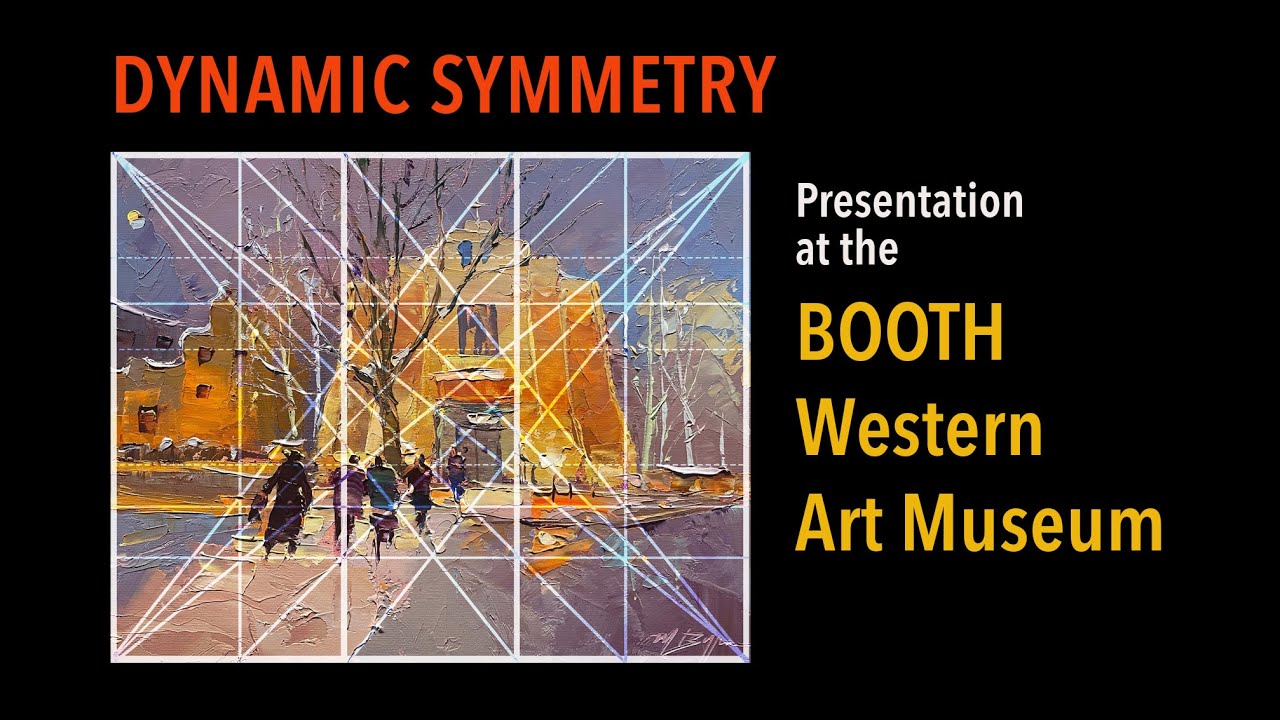

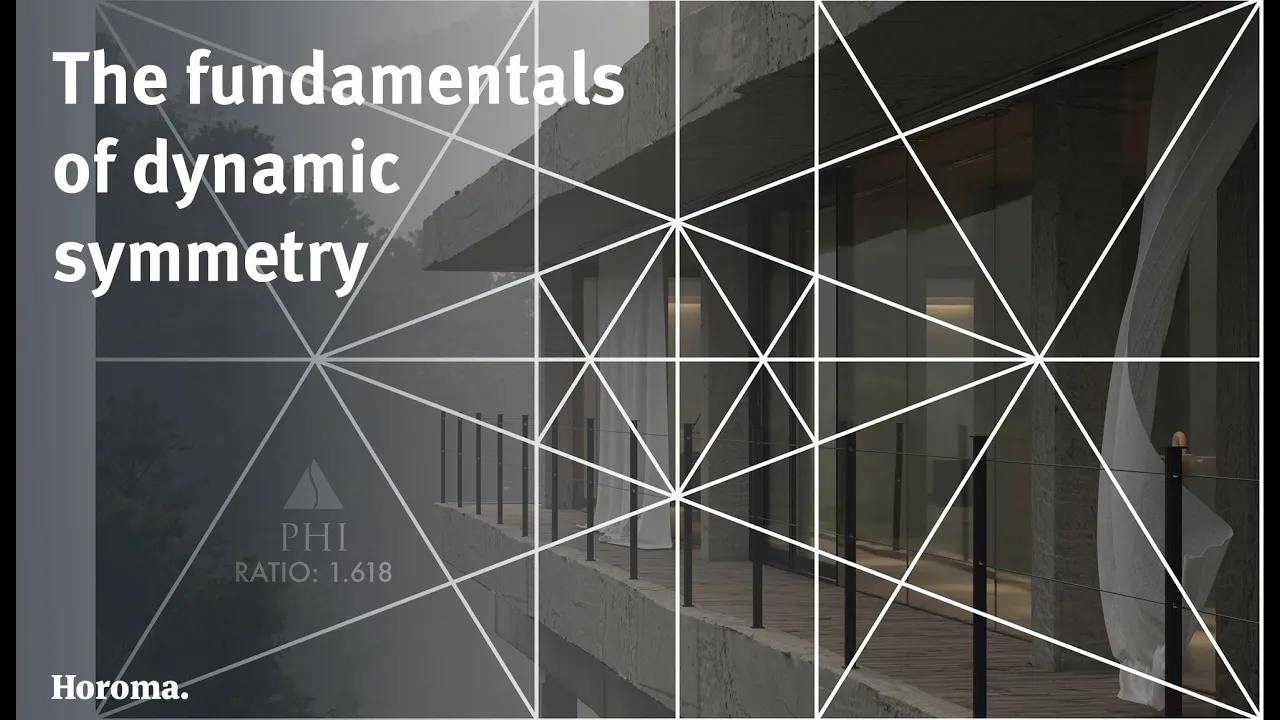

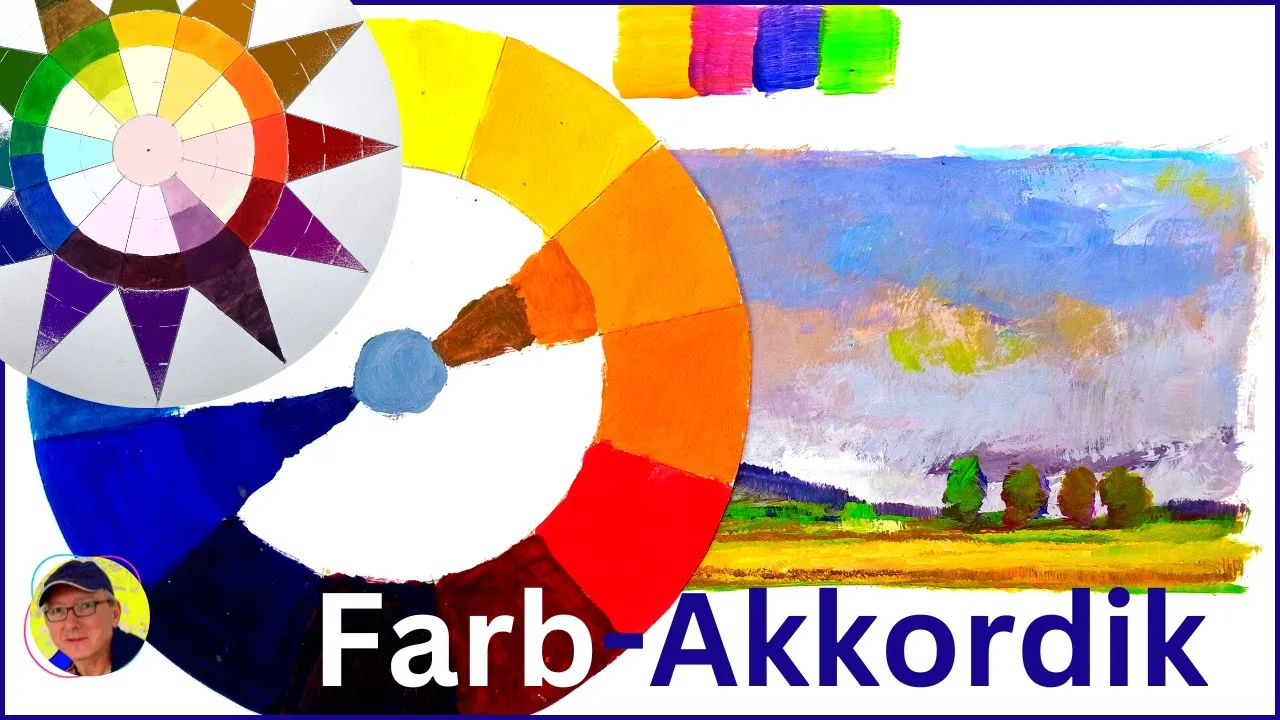



Mastering painting composition requires learning to see and paint shapes rather than objects, as paintings are fundamentally collections of shapes on a two-dimensional surface; this involves identifying key structural elements like lines, curves, and value shifts to create visual interest and guide the viewer's eye through the artwork.
Painting Is Seeing in Shapes | Composition Explained
Added:Understanding the basic elements of art, particularly the distinction between two-dimensional shapes and three-dimensional forms.
Familiarity with the concept of visual values, specifically how light and shadow partition an image into distinct value groups.
An introductory awareness of positive and negative space and how they interact within a frame.
Basic paint handling skills, such as how to block in solid areas of color or value without focusing on details.
Mastering edge control to selectively blend, soften, or sharpen the boundaries between shapes.
Applying advanced compositional structures, such as dynamic symmetry, the golden ratio, or visual rhythm.
Integrating color theory, color temperature, and color harmony within the simplified shape structure.
Conducting master studies to analyze and deconstruct historical paintings into their abstract shape formats.
52.2K views5.1Klikes6:01Original Release: 2021-04-06
Hi and welcome to Mastering Composition.
You know I've been making these videos for about a year and a half with like 3,000 subscribers. it's like this quiet little channel and just in the last two weeks it's blown up like to 18,000 so I must have hit some kind of algorithm or something. But anyway, welcome and I'm glad you found it.
Usually what I'm talking about in terms of composition, is a lot of the thinking that goes on before you begin to paint and that's what I want to talk about today - what's sort of like behind the scenes and most of that is what's going on up here - it's a huge part of the success of a painting, seeing in shape, seeing in terms of design, seeing in terms of structure - the foundations of composition.
I said I was going to talk about abstraction this week but I didn't get my ideas formulated quite right - I think I've got it now and I'll do that next week. Abstraction is a very important topic because everything we're doing as painters is abstracted, I mean whether you're doing high realism or completely not objective painting, it's all an abstraction so I want to talk about that next week because it's important.
So last week, my wife and I went up to Santa Barbara and I had something in particular I wanted to paint and when I got there it was low tide, it was just sort of wet sand and there was nothing there so I went out to look for something to paint and I thought 'you know what I'm going to take this process and photograph it so that can follow along' because the whole thing of finding a structure and cropping it and finding something to paint, I just thought it'd be really useful.
So I was hunting for something and I was walking over this bridge several views until I got one that I liked and then I couldn't put up the camera because I was on a sidewalk and so I just stopped and took photographs during the process and in many respects I think it's very useful because I wanted to talk about the idea of just painting shapes.
The whole thing is just a series of shapes on a two-dimensional plane and when you see me brush it's sort of distracting because it's like you're seeing the brush work and you're wondering about that - here you're just seeing like 'oh yeah, flat shape, flat shape, flat shape' so I think you'll find it really useful and just to kind of see that process and I'll see you at the end. Bye for now.
I'm standing on the middle of the bridge and there's a nice line going down to here but it kind of just blocks us from entering back into here. So come a little farther across the bridge and there's a really nice vertical leading in and now we're starting to open up into here, sort of giving a sense of space back there. But what I liked about this is we start to see the water back there and there's the way I'd crop it, you know I'm not looking at the whole world, now I'm sort of coming right in on what I would actually be having on my picture plane.
I've got this great curve here, nice vertical here and I'll bring that shadow right down, comes right out of the top here and it's bringing us back to here horizon like that. That's the structure and what I'm thinking of. This is about a four by five inch sketch that I did when I got home - I'm just doing this for sort of teaching purposes but you'll see that I'm just thinking of these as shapes, right? You'll see as I paint them - that's just the shape, that's just the shape, it's just a shape. You'll just see that I've just sort of simplified it into a few shapes. I'm not thinking about details. There's the panel it's got sort of an ochre and raw umber tone to it - very light.
So you're just seeing I'm painting shapes. There's a shape - the lit side, the dark side, the lit side, the dark side and look at the difference right here between the shift of a more intense color here - same value as the one back here but just indicating that we've come forward 100 yards or so. So now we have three new shapes - one, two, three big simple flat shapes not worrying about all the details - just the big shapes that are going to carry it.
Then there's this whole foreground area, really there's two colors, that one and that one with some darks put in underneath them just to kind of give them some form.
Then this whole section over here but notice that I'm just sort of creating a series of forms, they're just like sort of little humps, right? But lit side, dark side, lit side, dark side, lit side, dark side to give it a sense of form so now there's a couple of spots still up here to go but here's what I want you to think about just before I show you the finished panel. This was in shadow as I painted it. I kept the panel in shadow but everything around was blasting in sunlight and so you'll see when I show you the finished panel how much more vibrant the color is than it looks here. The other thing is when I got home to the studio and was looking at it, I decided that that tree just looked a little kind of funky and I really didn't like this shape here and so what I did is you'll see I just cut this off and simplify the whole thing.
And there's the finished painting.
You can see it's a good deal more vibrant than the ones that I took while I was painting it but you can just see there's the structure bringing us around right to here.
As always, I hope you found that useful. Next week we're going to talk about abstraction.
Please do like this video and subscribe if you haven't already.
I hope you have a great week and I'll see you next Tuesday. Bye for now.
Up Next

68:16
Washi Paper in Japanese Printmaking: A Journey Through History & Craft
@seseragistudio
360.4K views•2024-08-27

12:54
Triumph of Orthodoxy Icon: Byzantine Art & History Explained
@BenCallan
2.1K views•2024-08-06

9:49
FastAPI vs Flask vs Django: Choosing the Right Python Web Framework
@TechWithTim
302.5K views•2024-05-26

1:42
Game of Thrones Opening Credits: A Cinematic Analysis
@gameofthrones
46.3M views•2011-04-18
Related Study Plans & Knowledge Roadmaps
Structured learning paths in General & Interdisciplinary Studies
general-studies
Elevator Engineering: History, Physics & Cities
01From Hoists to Safety Brakes: The Dawn of Vertical Lift
02Hydraulic vs. Traction: The Engineering Physics of Elevators
03Modern Speed, Safety, and Algorithms
+ 2 more learning modules
12h5 modules
Explore Roadmap
general-studies
Rubber: Material Science, History & Geopolitics
01Origins of Natural Rubber & Mesoamerican History
02The Chemistry of Natural Rubber & Vulcanization
03The Geopolitics of the Rubber Boom & Colonization
+ 2 more learning modules
12h5 modules
Explore Roadmap
general-studies
Containerization: Evolution, Logistics & Trade
01Ancient Trade & Bulk Cargo: Amphorae to Barrels
02The Industrial Revolution & Cardboard Packaging
03The Containerization Revolution: Malcom McLean
+ 2 more learning modules
12h5 modules
Explore Roadmap
general-studies
Textile Tech: Evolution, Labor & Global Impact
01Pre-Industrial Textiles: Handloom & Cottage Industry
02Mechanization: The Spinning Jenny to the Power Loom
03The Factory System & Global Labor Transformation
+ 2 more learning modules
10h5 modules
Explore Roadmap