
















A contract is a legally binding agreement defined as 'a promise or set of promises which the law will enforce' (Sir Frederick Pollock), requiring four essential ingredients: offer, acceptance, consideration (something of value exchanged between parties), and intention to create legal relations. Contracts are categorized into bilateral contracts (where both parties exchange promises, such as buying goods or services) and unilateral contracts (where one party promises in exchange for an act, such as reward offers). Contracts can be simple (informal, written, oral, or implied by conduct) or by deed (formal legal documents signed and witnessed, typically for property transfer). The case of Carlill v Carbolic Smoke Ball Company illustrates how unilateral contracts work, where a reward offer is open to the world and accepted by performing the required act.
Contract Law Explained: Offer, Acceptance, Consideration | A-Level Law
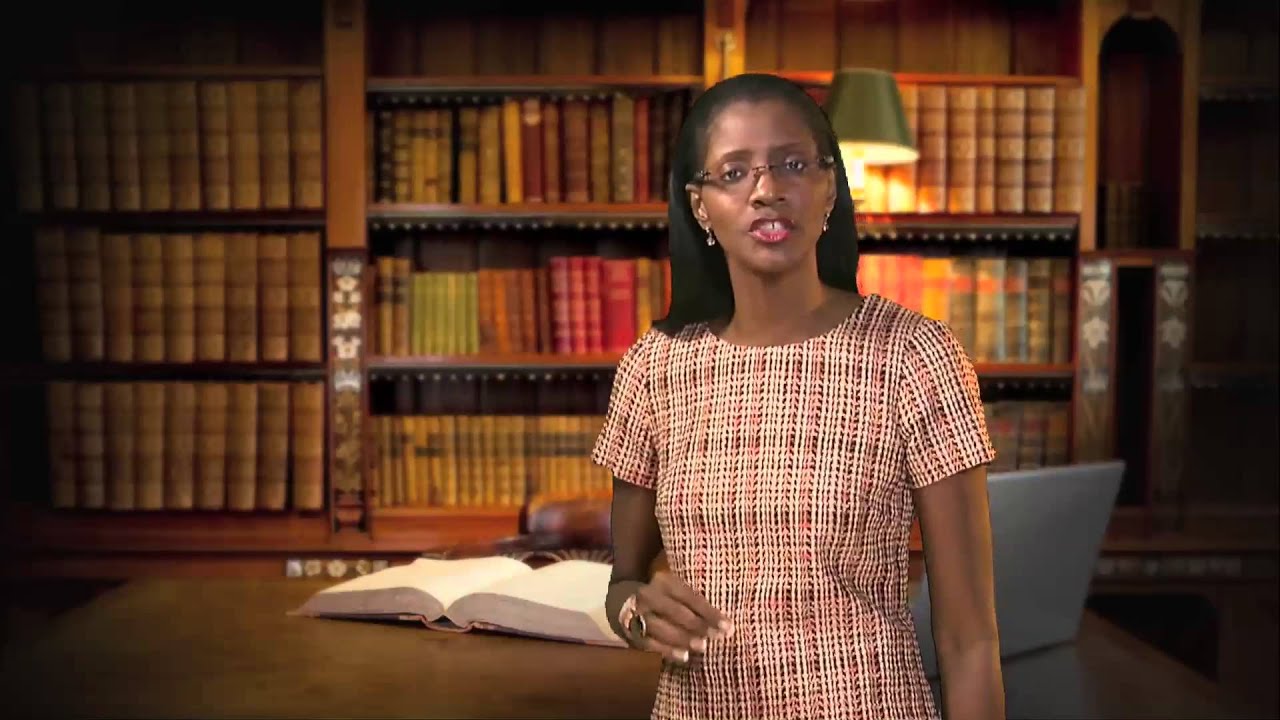
Added:so what we're gonna have a look at today is an introduction to contract law and where we have to start with this is a the real real basics about what is a contract so what I'd like you to have a think about now if this is completely new to you I want you to think about have you ever made a contract and in your own words what do you think of contract is for those of you who are here to do revision I want you to write down the definition of a contract and the ingredients that need to go into it so if you want to pause the video here and have a think of an app so a contract can be defined as a legally binding agreement or and if you want high marks in your exam I would suggest you use the definition by Sir Frederick Pollock which is a promise or set of promises which the law will enforce so that is the definition of a contract and in terms of the ingredients which go into a contract for our purposes these are the ingredients that are required if you get to degree level it gets a little more complicated but we're not quite there yet so we won't concern ourselves too much about that but you require an offer the acceptance of that offer consideration which is something that we'll look at in a later video but is essentially something to put into the bargain both parties have got to put something in usually one party will put in money and the other will put in either goods or services doesn't necessarily have to be that it could be the exchange of goods could be the exchange of services if you go to a bureau de change for example because you want to get foreign currency both parties will put in money they'll just be from different countries and the law will only enforce a contract if both people involved in that contract have put something in the courts won't enforce a bad bargain so if you say yes I'll help you do that but I don't want any payment for it then the courts won't help enforce that contract an intention you have to mean to make a contract and again we will look at that in a later video but broadly speaking those are the four key ingredients required to make a contract so what we're gonna have a look in this video is the introductory things before we get into the nitty-gritty so what we're gonna have a look at is we're gonna create a definition of a bilateral and a unilateral contract you're going to be able to differentiate and tell the difference between a simple contract and a contract by deed and in a later video you'll be able to spot offer kantar offer and acceptance in a scenario so first off we're going to have a look at a type of contract the most common type of contract and this is known as the bilateral contract and this is essentially between two parties so a bilateral contract is one where a promise by one party is exchanged for a promise by the other and the exchange of promises both putting something in as we said previously that's known as consideration is what makes these contracts enforceable by law so it could be for the sale of goods the buyer promises to pay the price the seller promises to live to deliver the goods and this is by far the most common type of contract now I suspect and I asked you to have a think like this at the start of the video you've probably already made a bilateral contract today if you've bought something if you've obtained a service so you've gone on the bus you've gone on the train then you will have made a bilateral contract now there's no need to write it down there is no need to say anything you don't need to say I'm making a contract with you in fact sometimes just the action that you take is sufficient so I suspect that you will probably make a bilateral contract at some stage today so a little more complicated and a little bit more unusual is a unilateral contract this is a contract where one party promises to do something in return for an act of the other party as opposed to a promise so where ex promises a reward to anyone who finds his lost wallet the essence of the unilateral contract is that only one party is bound to do anything whereas with the bilateral contract both parties had to do something so for example you see the sign for the lost wallet you don't necessarily have to do something but if you were to go and look for it if you were to give it back to its owner then you would be entitled to the reward so let's have a look at how this works in practice so there you can see the reward poster for the lost golden doodle and if you were to return that dog to his owner you'd get the reward but only the owner of the dog who was put up the reward poster he's bound to do and I think if you wanted to if you chose to you could just walk past and ignore it or you could choose to go and look for the dog that's up to you so let's have a look at this example of a unilateral contract we've got the work one who's the guy in the Hat and the person that I have described as the landowner the guy in the suit so have a look at the really short cartoon strip and see if he can answer the questions so the landowner is saying to the workmen I'll pay you $30 to make a stable just show up and do it and as you can see in the second frame there is a stable of some sort and the landowner is handing over $30 so did the workman have to do anything well no clearly all he had to do was show up and make the stable which he chose to do and does the landowner have to do something well as soon as the workman shows up and puts up the stable the landowner is obligated to pay for it and it's a unilateral contract now the key difference between a bilateral contract and a unilateral contract is a bilateral contract is between two people what we will later find out are called the offer or and the offeree the one person will make an offer the other person will accept it and the contract is only between those two people the bilateral buy meaning to a unilateral contract is open to the world and anyone can choose to accept it so anybody seeing the lost dog poster could accept that contract so bilateral two people unilateral is universal and open to everyone so an example really famous example of a unilateral contract can be seen in Carlisle and the carbolic smoke ball company what I'd like you to do at this stage you can see the advert there but it's not very clear I want you to pause the video and I want you to do a google search for this case it's worth reading up on properly and come back to me once you've had a look at the facts of the case so I'm assuming you've gone away you've read up on the case and you know that mrs. Carlisle saw this advert made by the carbolic smoke ball company which said if you use their smoke ball which was a sort of round device which you put up your nose which was designed to stop you from contracting influenza the flu if you used it bought it used it properly and you still got ill then they would give you a 100 pound reward and they were so sure that they had deposited a thousand pounds which if you think this was 1893 that was a lot of money in a bank account to show how sure they were that you wouldn't get it so mrs. carlill she uses the product and she still gets ill and then she or more accurately her husband who was a solicitor contacted the company and asked for the 100 pound reward and initially they said well no because this wasn't actually an offer that this wasn't an offer it's just an advert it's just advertising fluff they described it out but as you will have read from reading up on the case this was a unilateral offer and it was open to the world for anyone to accept because there was no need to write to the carbolic smoke ball company and say I'm accepting your offer because everything you needed in order to accept that offer is contained within this advert you knew from reading it you needed to buy the product which she did you needed to use it correctly which she did and you needed to contact them if you've still got sick which she did because they'd already deposited the money and that's how clear it was it was clear and easy to accept which is why this was an offer open to the world in exactly the same as the lost dog advert was so let's move on and have a look at some little bits of law that you need to know and what you're looking at here you don't need to know a lot about these but you do just need a quick definition so a contract by deed is a formal legal document which is signed and witnessed and its impact is to transfer property or to create a legal obligation so usually a contract by deed is to transfer property and what you can see on this slide and is a real contract by deed I can tell you it's a contract I did because I was party to signing this and it transferred a piece of property the other type of contract is a simple contract and these are your everyday normal contract and it's everything that isn't a contract by deed essentially they're very informal and they can be made in any way in writing orally or you can just imply them by conduct so what you've got here is an example of a receipt which demonstrates that a contract has been made so that is the end of this presentation what you should be able to do now and is to describe a contract in general a definition of contract law a definition of a simple contract contract by deed bilateral contract unilateral contract and a description of the facts and impact of the case of Carlisle and the carbolic smoke ball company what I'd like you to do to help you with your revision is I'd like you to write a question which relates to each one of these and then write yourself the answer so that you can test yourself at a later point
Up Next

Clickwrap vs Browserwrap Agreements: Key Differences Explained
@inbetterwetrust
1.9K views•2020-07-22
US Secondary Sanctions Impact on EU Businesses and Blocking Legislation
@Bureauvandijk
1.6K views•2019-03-20

Forensic Phonetics: Speaker Identification in Legal Cases
@nptel-nociitm9240
539 views•2025-03-19

Police Interrogation Tactics: False Confessions & Legal Reform
@LastWeekTonight
7M views•2022-04-18
Related Study Plans & Knowledge Roadmaps
Structured learning paths in Law