





















Clickwrap and browserwrap are two distinct types of online agreements used by websites: browserwrap agreements (including Terms of Service and Privacy Policies) automatically bind users through their mere use of the website, while clickwrap agreements require users to actively click an acceptance box before proceeding with purchases or sign-ups; browserwrap is essential for general website compliance with data privacy laws like GDPR and CCPA, whereas clickwrap is crucial for specific transactional agreements where money exchanges hands and detailed terms about refunds, delivery, and usage rights must be established.
Clickwrap vs Browserwrap Agreements: Key Differences Explained
Added:Fundamental principles of contract law, specifically the concepts of mutual assent, offer, and acceptance.
The transition of traditional paper contracts to digital mediums and the legality of electronic signatures (e.g., ESIGN Act).
Basic user interface (UI) and user experience (UX) design elements such as hyperlinks, checkboxes, and footers.
The general purpose and structure of online 'Terms of Service' and 'Privacy Policy' documents.
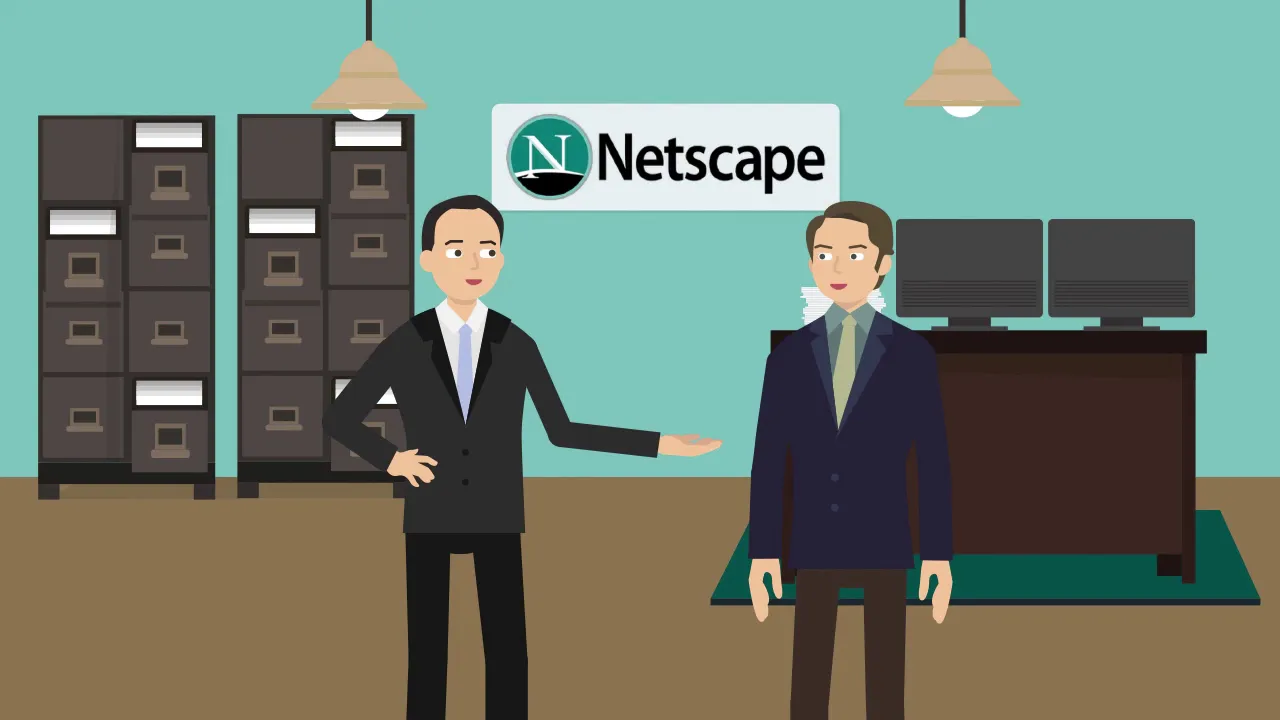
In-depth analysis of landmark court cases that established precedents for online contract enforcement (e.g., Specht v. Netscape Communications Corp.).
Designing compliant user onboarding flows: Best practices for implementing enforceable sign-in-wrap and clickwrap agreements.
Global regulatory standards for user consent, including GDPR (Europe) and CCPA (California) requirements for active opt-in.
Methods for managing, tracking, and auditing version control for online agreements to prove user consent in court.
1.9K views26likes8:03Original Release: 2020-07-22
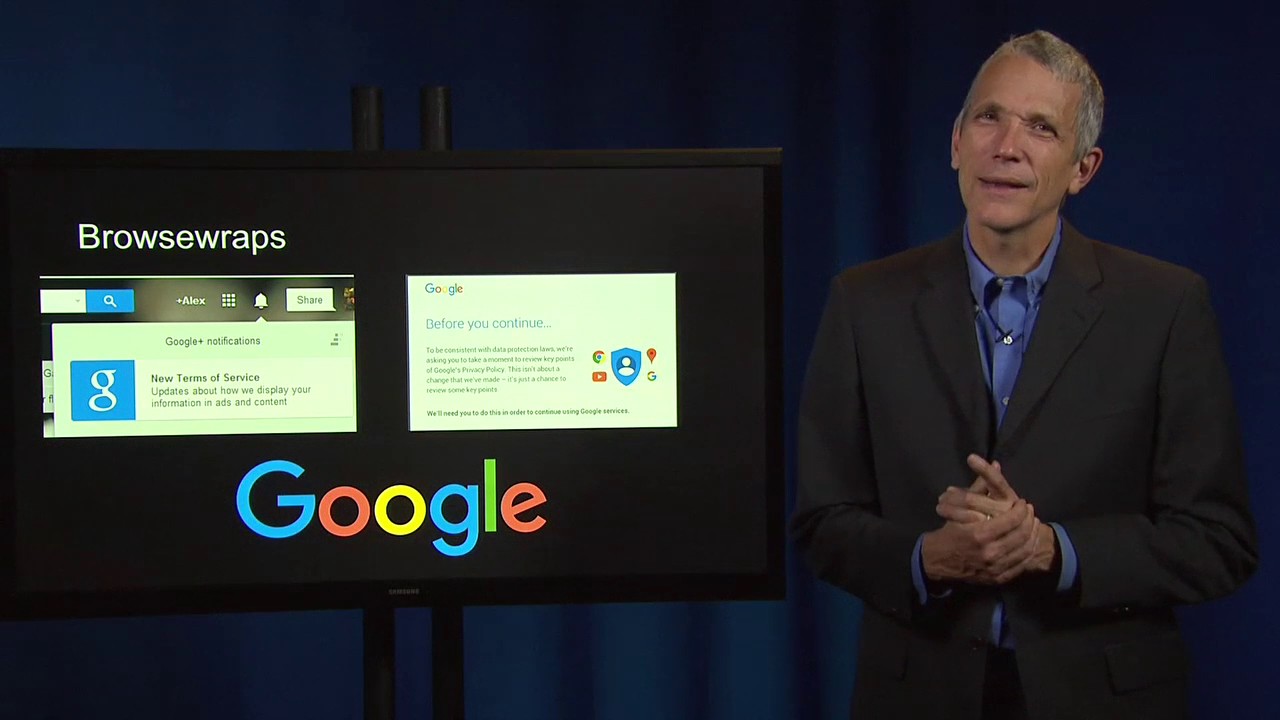
thanks for tuning in today on better FAQ video series let's talk about the difference between a click rap agreement and a browser rap agreement this is probably sounding like I'm just speaking gibberish but hopefully by the end of this video it will make some sense so click rap and browser rap are two types of agreements that are related to specifically online purchases and/or online interactions with a website or a purchase or an event like a live streaming event and they are pretty dramatically different in how they are enforced and how they are actually agreed to for whoever is agreeing to that particular agreement so let's start with browser rap browser rap are the privacy policy in terms of service or sometimes you know you'll see Terms of Service Terms of Use different titles are really kind of irrelevant the terms are related to your use of that website and the privacy policy is related to any information that that website might gather from you as the user of the website now the privacy policy is the arguably more important of these two documents for you as the hosts of the website now the reason for that is that there's something in Europe called the gdpr you probably can watch one of my other videos to get a little bit more information about all of that information but it essentially comes down to data privacy America is sort of the straggler at the back of the bunch on recognizing and then taking steps to protect all of our personal data so anytime a website gathers up information about you even if it's just email address and name that is personally identifiable information and nowadays in California at least we have the consumer Privacy Protection Act and that is going to now be a little bit like the gdpr in Europe there's also an attorney general California Attorney General supplement to the CCPA and all of these rules now are taking a step in the direction of allowing us as the consumer the users of these websites whose information is being gathered to have visibility control over and the ability to request deletion of or prevent the sale of our information that that website gathered so a privacy policy is now something that is very important for your compliance as a website or a company that gathers people's information so privacy policy Terms of Service Terms of Service are going to include things like how you interact with the website if there's user-generated content and you can like post on the website new comments maybe even like add your own art or something like that to a message board the Terms of Service are going to dictate sort of the rules around that the guidelines for that forum you know different types of things that you could do that you would then be blocked from that website and these are both versions of browser wrap so browser wrap means that they live in the footer and you don't click anything you don't agree to anything your use of that website is your agreement to those terms so that's significant because in any other agreement in the law you have to have an offer and an acceptance of an agreement in this case hopping on that website bouncing around the website putting information in clicking stuff you've agreed to those browser wrap terms even if you never saw them and even if you never read them so browser wrap super easy to get agreement on those probably a little bit less binding due to the fact that there's not the type of agreement that you normally have with a contract although courts have continuously upheld that browser wrap terms do bind the parties that use the website so maybe arguable but have been upheld and again no assent to them there's no agreement to them other than the use of the web site now click wrap agreements click-wrap agreements are typically going to be some sort of amalgamation of browser wrap agreements but with additional terms in there and the user does agree to a click rap like I had mentioned before you click a little box and you say I have read and agree to these terms and conditions even though we almost always don't actually read those but you click the box because you have to to purchase and by doing so you are attesting legally that you did read and you did agree and you know what's in those terms so click rap you click to agree to it browser rap lives in the footer in your browser now click rap the reason I say it's a little bit of a combo of all those other terms is that typically you want to reiterate some of those terms especially if it's for a product purchase or some type of purchase where money exchanges hands because you'll need refund language delivery language any of the shipping you know how the digital product is going to be given to you what copyrights may be relevant how you can use whatever digital media may be that you're purchasing what you can do what you can't do with that very important watch our videos on copyright for more they're but there's also going to be terms in there about privacy if you're gathering information throughout the purchase process which a lot of the time you'll use like a stripe payment portal and they gather all the sensitive information credit card and all that good stuff and that doesn't get stored on your servers you don't have to worry about that for your privacy policy but chances are you do gather some information throughout that purchase process which may lump you in to that CCPA that I mentioned earlier the California consumer Privacy Protection Act and with that you'll want to make sure the a privacy policy details terms how the data stored how it's used how it's sold if it is in that click-wrap so your Terms of Service and your privacy policy on your browser wrap general terms about using the website how people's data might be used and stored and sold your click-wrap is very much more the agreement between you and your customer you and your client you and the user whoever is clicking to purchase or sign up for something and it's the best place and sometimes the only place where you're going to put in all of the terms parameters the expectations of that person and that's all very very important if you're going to be sharing content selling things things that you might want to protect I know for myself that our law firm we share digital assets and we put in there that you can't share that with others because that would be a breach of contract and an unauthorized use of our copyright of course practically speaking they may not read that and they may not know that they can't do that and they may go share it totally different conversation in different can of worms but legally speaking your click-wrap agreements and your browser wrap agreements are very important they're very low hanging fruit so to speak because you can build them into the website build them into the purchase process and people have to agree to that click rap and so the law presumes that they've read it and so that's your chance to get all the important terms that you need to in there without going through a lengthy negotiation of a contract so not to sit here and say that this is some nefarious tactic to put sketchy terms into a contract that nobody's going to see that's certainly not the intent the intent is to make sure that you as the person watching this video that might need to protect something that they're doing digitally and online does so protect yourself click rap browser rap that's the place to do it hope that this was helpful hope that this explains the difference between the two and maybe narrows down for you what you need maybe it's all three we provide a package where we provide all three to our clients and kind of package that all together for an affordable price but we also do them ala carte whatever you need we're here to help hopefully this was also helpful and hopefully you have a good day see ya
Up Next

31:46
Introduction to Contract Law | AS Law Unit 2 Essentials
@DuncanBunce
12.9K views•2015-06-01

4:27
US Secondary Sanctions Impact on EU Businesses and Blocking Legislation
@Bureauvandijk
1.6K views•2019-03-20

5:27
Forensic Phonetics: Speaker Identification in Legal Cases
@nptel-nociitm9240
539 views•2025-03-19

24:42
Police Interrogation Tactics: False Confessions & Legal Reform
@LastWeekTonight
7M views•2022-04-18
Related Study Plans & Knowledge Roadmaps
Structured learning paths in Law
law
Self-Defense Law: Imminence & Castle Doctrine
01Foundations of Self-Defense Law
02Imminent Threat & Reasonable Belief
03The Principle of Proportionality
+ 3 more learning modules
12h6 modules
Explore Roadmap
law
Defamation Law: First Amendment & Actual Malice
01Introduction to civil torts and the First Amendment
02Elements of Defamation: Libel and Slander
03Public Figures vs. Private Individuals
+ 2 more learning modules
8h5 modules
Explore Roadmap
law
Hearsay Rule: Trial Evidence & Exceptions
01Introduction to Trial Evidence & Courtroom Basics
02Demystifying Hearsay: The Core Definition
03Non-Hearsay: Exclusions Under FRE 801(d)
+ 3 more learning modules
14h6 modules
Explore Roadmap
law
Medical Malpractice: Law, Liability & Care
01Foundations of Tort Law and Civil Liability
02The Four Elements of Medical Malpractice
03Defining and Proving the Standard of Care
+ 2 more learning modules
12h5 modules
Explore Roadmap