




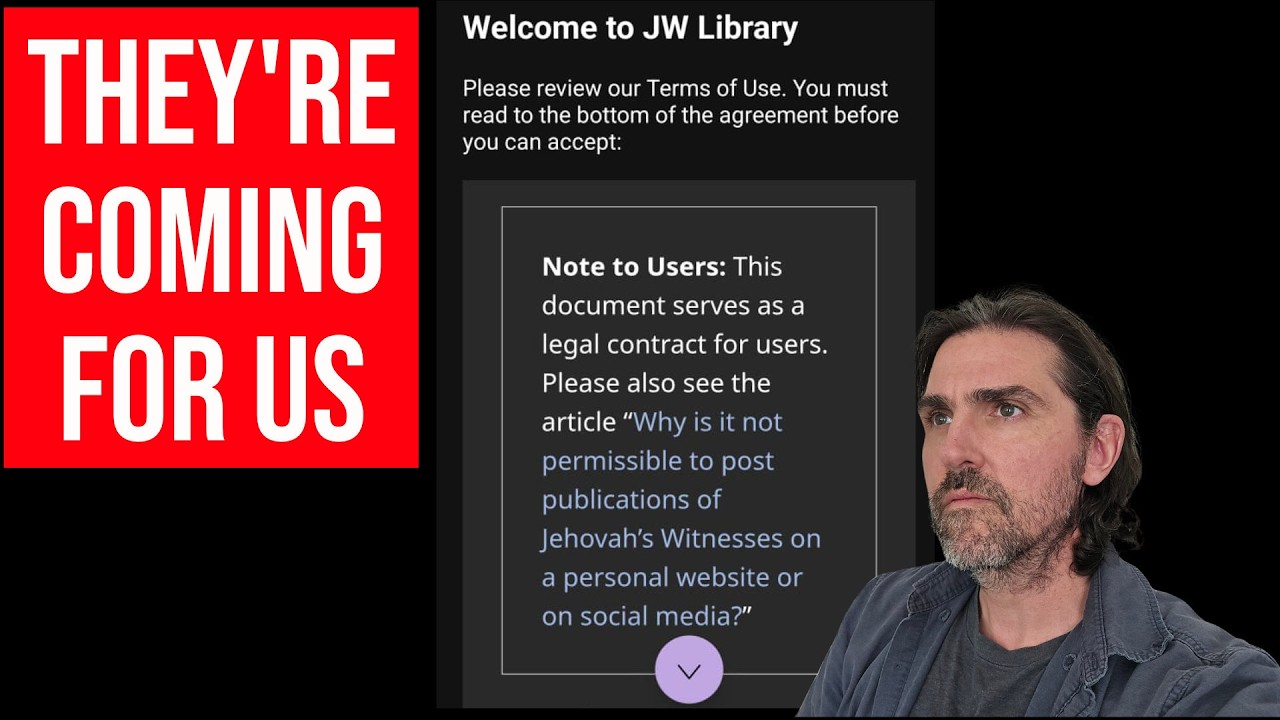











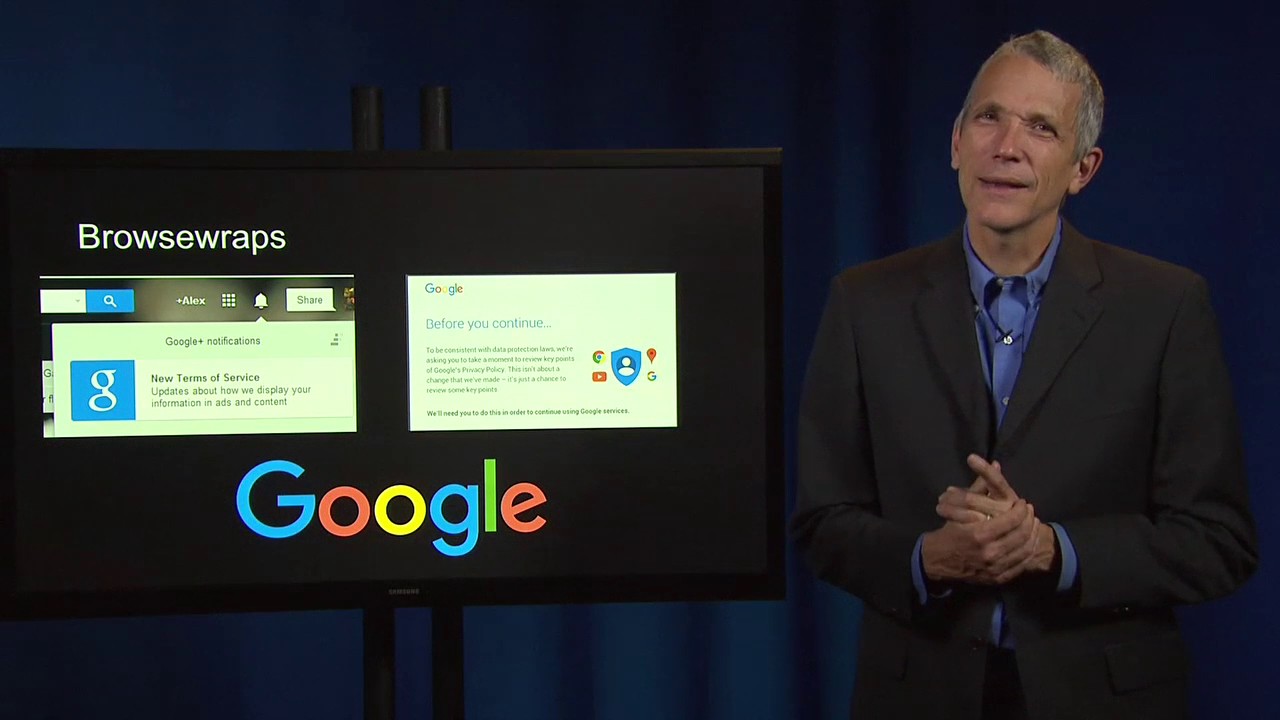




Clickwrap agreements (requiring active user consent) are generally enforceable, while browsewrap agreements (assuming consent through mere website use) are often unenforceable when terms are not clearly and conspicuously displayed. Courts require clear and conspicuous notice of terms, spatial and temporal coupling between notice and assent mechanisms, and actual or constructive knowledge of terms for valid contract formation. In the Redbox case, the court found that neither the kiosk 'Pay Now' screen nor the website sign-in screen provided clear and conspicuous notice of the Terms of Use, and mere receipt of an email notification did not establish agreement, so the mandatory arbitration provision was unenforceable.
Redbox Terms of Use Ruled Unenforceable in Court
Added:Fundamentals of contract law, particularly the elements of mutual assent, offer, and acceptance.
The basic definitions and distinctions between 'clickwrap' agreements (explicit assent) and 'browsewrap' agreements (implied assent).
The legal concept of 'unconscionability' and standard form contracts (contracts of adhesion).
The purpose and typical structure of online Terms of Use (ToU) and End User License Agreements (EULAs).
Legal-focused UX/UI design patterns that ensure clear and conspicuous notice of online terms.
The role and enforceability of mandatory arbitration clauses and class-action waivers in consumer agreements.
Comparative analysis of landmark digital contract cases, such as Specht v. Netscape and Meyer v. Uber.
Best practices for implementing and obtaining legally binding consent for updated or amended online terms.
25.5K views871likes27:38Original Release: 2020-04-04
this is a community-supported legal education Channel find out how you can support our mission at the links in the description below this next story is about those click rap or browse rap or shrink wrap agreements when you go to a webpage like red box and you see by renting this disc or by clicking pay now you agree to the Terms of Service or when you play a video game and it pops up in this splash screen oh we've got a you've got a license by playing this game you agree to the license those are a little bit different than if you actually got a pop-up that said please read this license this is your license you have to click agree or if I was a lawyer I am I would suggest that you get someone's affirmative consent with more than just a click on a button well what if it's somebody else what if um you know what if my dad comes in the room and clicks the button while I'm not even looking and don't even know about it and then I go on to use the program is that some kind of a defense maybe well here this case is about when red boxes agreements failed to make a contract between you and red box since 2007 plaintiff Krystal Wilson has rented movies from defendant red boxes automated kiosks despite Wilson's express instruction - red box On January 23rd 2019 that she did not wish to receive text messages from red box red box has sent Wilson numerous automated text messages Wilson has therefore filed the present lawsuit against red box for violations of the telephone Consumer Protection Act because red box contends that Wilson agreed to arbitrate any and all claims she may have against it red box now moves to compel arbitration and state proceedings here for the reasons that follow red boxes motion is denied red box rents movies and DVD and blu-ray disc formats to consumers through automated touchscreen rental kiosks located in various retail outlets throughout the United States there are two primary ways red box customers may rent a movie they may go to rec to a Redbox kiosk and select a movie from the available inventory the customer then swipes a payment card and the kiosk dispenses the selected movie alternatively customers may create an account on red boxes website where they may reserve and pay for a movie and then select a kiosk where they may pick up the selected movie all red box services are subject to its terms of use which the customer must accept as a condition of their rental as relevant here the terms of use require red box customers to agree to arbitrate any and all disputes arising from were connected to these terms the red box platforms or any products rented from red box the mandatory arbitration provision was first added to the terms of use in an update that took effect in November 2016 before the update in terms of use took effect red box sent an email to over 120 million of its customers advising them of the addition of the mandatory arbitration provision when a customer rents directly from a Redbox kiosk she encounters the terms of use just prior to completing the transaction specifically she has taken to the my bag screen as depicted here not my rental my bag okay and you can see here at the bottom right you might you might almost miss it by pressing pay now you agree to the terms keep in mind where it is in relation to the Pay Now button so you've got pay now up here and you've got the terms and privacy down here the my bag screen is divided into two columns both with a white background on the left a column taking up approximately 2/3 of the screen shows customers the movie or movies they have selected at top along with the rental price immediately below the movies election is fine print setting for certain rules for red box rentals at the bottom left column are two navigational buttons on the far left back button and on the right an ad movie button the right column takes up the other third of the screen the top portion contains a payment summary which shows the price in the middle of the column is a purple button with white text that reads pay now just below the pay now is red text with the exclamation don't miss your perks and underneath that are two white buttons with red text the first reads sign-in and the second reads ad promos both buttons are approximately equal in size to the pay now button immediately below those two buttons appears a button in the same length as the other three right side buttons but slightly smaller in height that button is bright red with white text and contains the phrase Terms & privacy when a customer presses the terms and privacy button she is taken to a separate screen setting forth the complete Terms of Use below the terms and privacy button is black text slightly smaller than the text in the terms and privacy button and slightly smaller than they don't miss your perks text but larger than the fine print in the left-hand column the text notifies the customer that by pressing pay now you agree to the terms no customer may complete a rental without affirmatively pressing the Pay Now button the customer can see the entire my bag screen without scrolling this screen has remained substantially the same since 2012 a customer seeking to initiate a rental online will encounter the Terms of Use on the sign-in screen as well at the bottom it says by signing in you are agreeing to the rewards terms and the red box Terms of Use and privacy policy payment card required to use rewards rental credit the judge goes through a detailed description of where everything is in that picture so Wilson has been a red box customer since 2007 when she opened an account through their website from 2010 through 18 she rented over 125 movies from red box during that time she used both the kiosk and website methods of initiating rentals nonetheless she denies ever agreeing to the terms of use and claims that she was not even aware of their existence she also denies ever seeing a disclosure informing her that by signing up for a red box account she was agreeing to the terms of use moreover Wilson claims that when she subsequently signed into her account she never received noticed that she was agreeing to red box terms of use and Wilson states that when picking up rentals she initiated on red box website she never encountered a screen that provided notification of reference to the terms of use for rentals she initiated at a kiosk she denies being made aware of or agreeing to the terms of use and does not remember receiving an email from Redbox advising her of a update to the terms of use the Federal Arbitration Act governs the enforcement validity and interpretation of arbitration clauses in commercial contracts in both state and federal courts the Act embodies both a liberal federal policy favoring arbitration and the fundamental principle that arbitration is a matter of contract in line with these principles courts must place arbitration agreements on an equal footing with other contracts and enforce them according to their terms under the Federal Arbitration Act arbitration must be compelled when the following three elements are established a written agreement to arbitrate a dispute within the scope of the agreement and a refusal to arbitrate this court reviews a motion to compel arbitration under the summary judgment standard thus the court must accept the non-movant evidence as true and draw all reasonable inferences in her favor if the party opposing arbitration demonstrates that there is a genuine issue of material fact concerning the existence of an arbitration agreement the issue shall proceed to trial however a trial to determine arbitrability is required only if the issue an evidentiary hearing would resolve is fairly contestable here Wilson does not contend that her TCPA claims fall outside the scope of the arbitration agreement rather she claims there was no contract to arbitrate between her and Redbox in determining the existence of an agreement to arbitrate federal courts apply state law principles of contract formation neither party addressed the choice of law issue in their briefs and so the court will apply the substantive law of the forum state here Illinois an enforceable contract in Illinois requires an offer acceptance consideration and mutual assent Wilson challenges the final element whether she assented to red boxes terms of use at any time prior to this lawsuit Illinois courts require a meeting of the mind a mutual assent to the terms of the contract no enforceable contract can be formed where the parties do not share a common understanding of the essential terms of the agreements courts evaluate mutual assent based on the objective conduct of the parties and their subjective intentions are irrelevant under the objective theory intent to manifest dissent in Illinois is revealed by outward expressions such as words and acts Wilson contends that she never received reasonable notice of the terms of use either when she rented movies at a kiosk or sign into her red box account thus because Wilson did not realize that she was agreeing to the terms of use by renting a movie or signing into her red box account there was no mutual assent to those terms including the mandatory arbitration provision the relevant arbitration provision was first included in the terms of use effective in November 2016 red box contends that Wilson assented to those terms each time she rented a movie from one of its kiosks and each time she used red boxes website to sign into her account red box has presented sufficient evidence establishing that Wilson initiated movie rentals both directly through a kiosk and through their website after the terms of use became effective in November of 2016 as a result they argue that Wilson necessarily agreed to the terms of use that included the mandatory arbitration agreement while the mutual assent requirement applies in the context of Internet transactions it is complicated by the fact that many Internet users fail to realize they are agreeing to a contract at all that is the case here where red box does not dispute Wilson's assertion that she was unaware of and never agreed to red boxes terms of use but while a party to an internet transaction may lack actual knowledge of additional terms and conditions she may nonetheless have constructive knowledge of those terms where the website provides clear and conspicuous notice of the terms clarity and conspicuousness of arbitration terms are important in securing informed consent a party has constructive knowledge of a contractual term if she is on inquiry notice of the term and a sense to it through the conduct that a reasonable person would understand the constant assent inquiry notice is actual notice of circumstances sufficient to put a prudent man upon inquiry in other words if you read the page and it says you're subject to these terms and conditions and then you choose not to read them that's still going to be considered assent to the contract if so you're still making the contract you're still agreeing to the terms of use under on the website in undertaking a constructive knowledge analysis Court should consider whether the webpage is presented to the consumer adequately communicate all the terms and conditions and whether the circumstances support the assumption that the purchaser receives reasonable notice of those terms courts often divide web-based contracts into two different categories differentiated by the manner in which users demonstrate assent click-wrap agreements require users to click I agree click wrap agreements are usually upheld because they present the consumer with a realistic opportunity to review the terms of the contract and they require a physical manifestation of assent the other category of online contracts is the Browse wrap agreement which typically involves a situation where notice on a web site conditions use of the site upon compliance with the terms which may be included on the same page as the notice or accessible via hyperlink in other words a user demonstrates her assent simply by using the web site because a browser app agreement requires a no affirmative action by the web site user to agree to the terms of a contract other than her use of the web site the determination of the validity of the browser app contract depends on whether the user has actual knowledge or constructive knowledge of a website's terms and conditions many online contracts do not fit neatly into either category but instead share characteristics of both such hybrid agreements take many forms typically they prompt the user to manifest assent after merely presenting the user with a hyperlink to the terms and conditions rather than displaying the terms themselves thus a hybrid agreement may resemble a browser app agreement in that the terms and conditions are only accessible via hyperlink while also resembling a click-wrap agreement in that the user must do something else - assent to the hyperlinked terms as with click-wrap and browser app agreements quartz find hybrid agreements enforceable where the existence of the terms was reasonably communicated to the user the court now turns to whether the red box kiosks my bag screen or the sign-in screen gave clear and conspicuous notice of the terms of use to begin the my bag screen and sign-in screens are both hybrid agreements neither screen displays the full terms of use but both make them accessible via hyperlink moreover both screens ty assent to the Terms of Use - some additional action hitting pay now for customers using a kiosk or signing into their red box account for customers renting online unlike the click-wrap agreement which a customer must expressly agree to the terms and conditions the affirmative Act indicating assent in a hybrid agreement here serves as a additional more prominent purpose customers renting a movie from red box hit pay now to complete their rental customers using the website sign in to access their accounts assent to the Terms of Use is coupled with both acts but it is not the primary purpose of either Act for that reason this court must consider both the law and the facts to see if a reasonable person in plaintiffs shoes would have realized that she was assenting to the contract the presentation of the online agreement matters whether there was the notice of the existence of additional contract terms presented on a web page depends heavily on whether the design and the content of the web page rendered the existence of the terms conspicuous reasonably the my bag screen presents a relatively close call courts frequently find hybrid agreements enforceable where the notice of the terms and conditions is spatially and temporally coupled with the mechanism for manifesting assent here there is no question that the pay now button is temporally coupled with the button for the terms of use and the disclosure that hitting pay now constitutes assent to those terms they appear on the same screen thus a customer renting from a Redbox kiosk encounters the terms of use at the same time that she consummates the rental by making a payment however the Court finds that the pay now button is not spatially coupled with the terms of use normally courts will find a sufficient spatial connection where a consumer has an opportunity to review the terms and conditions in the form of a hyperlink place directly adjacent to the button by which the consumer manifests assent in Lopes V Tara's kitchen plaintiff was informed of the consequences of his accenting click as he was shown immediately below where to click to understand those consequences in this case however the button for the Terms of Use and an accompanying disclosure are not adjacent to the pay now button rather the pay now button appears in the middle of the right side of the screen while the terms of use and disclosure appear at the bottom moreover there are two other buttons between the pay now button and the link to the terms of use those buttons perform functions entirely unrelated to the function by which the red box customer manifests assent to the terms of use ie making payment in other cases where intervening buttons or links separate the mechanism for manifesting assent and the terms and conditions those buttons provide alternative means for manifesting assent in this case the buttons between the pay now button and the Terms of Use link do not offer alternative means of payment rather they allow a customer to sign into their red box account or access promotional discounts those buttons entirely unconnected to payment have the effect of diverting the customers attention from the terms of use and accompanying disclosure the text immediately above the two intervening buttons further diverts the red box customers attention from the terms of use the text reads don't miss your perks a customer may justifiably believe that the three buttons below the text address perks thus a customer not interested in perks might not bother looking down to see the Terms of Use and disclosure that she is agreeing to those terms by hitting pay now finally the two intervening buttons contribute to the general clutter of the my bag screen along with those buttons are two navigational buttons on the left side the movies selected for rental are listed on the left side the additional buttons and text further dilute the effectiveness of the notification in short because the link to the Terms of Use and the opening disclosure were not clearly and conspicuously displayed on the my bag screen customers renting at a Redbox kiosk did not have constructive notice that they were accenting to the terms of use when hitting the Pay Now button therefore Wilson did not enter into the terms of use including the mandatory arbitration provision simply by renting a movie from a kiosk onto the sign-in screen Redbox contends that she assented by signing into her red box account the sign-in screen does not have the same clutter problem instead the signing screen offers customers three different methods to sign into their account the customer has the option to create an account the bottom of the screen displays the disclosure informing customers that by signing in to the count they are agreeing to the Terms of Service privacy policy and rewards terms while the sign-in screen exhibits temporal coupling between the notice of terms of use and the mechanism for manifesting assent there is still some spatial decoupling caused by the prompt for new users to create an account which separates the disclosure at the bottom of the screen from the sign-in buttons if that were the only issue the court would not find this relatively minor spatial decoupling fatal in the conspicuousness evaluation but other problems prevent this court from finding so the main problem with the sign-in screen is that the hyperlink to the Terms of Use is not reasonably conspicuous courts have found links to terms and conditions in sufficiently conspicuous where the characteristics of the hyperlink raise concerns as to whether a reasonable user would recognize the text as a hyperlink the hyperlinks that Wilson would have encountered appear in white text which does provide some contrast with the surrounding gray text at the same time other non hyperlinked text on the sign-in screen appears in white using a different color for the hyperlink from the surrounding text by itself is not sufficient to render the hyperlink reasonably conspicuous indeed coloring can be for aesthetic purposes courts have required more than mere coloring to indicate the existence of a hyperlink to a contract there must be some other distinguishing characteristic to inform consumers that there was in fact a hyperlink that should be clicked and the contract should be reviewed such as words to that effect in underlining bolding capitalization italicize a ssin or a large font red boxes failure to add additional distinguishing characteristics to the terms of use hyperlink is particularly glaring here given that the sign-in page includes two other hyperlinks formatted directly from the terms of use hyperlink both the forgot password and join red box perks hyperlinks feature characteristics that distinguish them from the other text on the sign-in screen specifically the hyperlink text appears in all caps followed by the greater than symbol suggesting to the user that clicking on the text will direct them to a new page viewing the terms of use hyperlink in contrast with those more obvious hyperlinks underscores that the terms of use hyperlink is not reasonably conspicuous the Court finds the gray disclosure text surrounding the hyperlinks is not reasonably conspicuous either because there is insufficient contrast between the gray text and the black background for all these reasons the court finds that the disclosure of the sign-in screen failed to give Wilson constructive notice of the terms of use even if the my bag and sign-in screen did not provide constructive notice red box argues that Wilson received notice through the 2016 update in terms of use in an email red box contends that by continuing to use red boxes service after receiving the email Wilson assented to the new terms of use including the mandatory arbitration provision anybody else have like a guess so far as to what the courts gonna say I'm gonna guess the court says that receiving an email does not mean that you actually saw it read it maybe it went to spam they'd have to prove that she actually saw the email read the email and that the notice was spatially and temporally linked to the reading of the email in Illinois silence may be construed as acceptance where because of previous dealings or otherwise it is reasonable at the offeree should notify the offeror if he does not intend to accept but here red box has failed to present evidence showing that Wilson was ever aware of the terms of use let alone assented to them given that Wilson never previously assented to the terms when renting from red box her history with red box did not suggest that she would have expected to receive an email adding new terms to her dealings with the company that someone has received an email does not without more established that he or she should know that the term is disclosed in the email relate to a service in which he or she had previously enrolled and that a failure to affirmatively opt-out of the service amounts to assent to those terms Redbox cannot show that Wilson's previous dealings with it would make it reasonable for Redbox to treat Wilson silence in response to its email as acceptance to the revised Terms of Use in some the Court finds that Wilson never assented to red boxes terms of use because neither the my bag screen on red boxes kiosk nor the sign-in screen on their website provided clear and conspicuous notice of those terms moreover Wilson's mere receipt of an email from red box did not give rise to an agreement to arbitrate consequently Wilson is not bound by red boxes Terms of Use and its mandatory arbitration provision red boxes motion to compel arbitration and stay proceedings is accordingly denied so there you go there's a primer on how to design your website and your emails and your I guess rental kiosks to make sure that your customers know that there are Terms of Service or terms and conditions of use or some kind of agreement that you make with the customer so when you do this on your website you got to make sure that those terms and the assent to them are right next to the button that creates that assent or do the click-wrap one where they put up a separate screen with terms and then you have to agree to it that's what I've done on my websites when we when we have an agreement like the fallout with fallout website which is now down but when we had the fallout with fallout website we made a big disclaimer and everything about how we're just passing this information along and we're not responsible for anything and instead of it being a you know by the way you agree if you use the site we made it a here's your terms and here's the button to accept those terms and you can't continue unless you accept those terms I also I also encourage people to do what I did which was put the actual terms then into a database entry along with the date and timestamp an IP address of the time when that person assented to those terms so not only can I show the court then later yes they assented to terms that were on the site and here's the terms that were on the site I can show them the specific language that the person agreed to that there would you know this text was displayed to them and we stored that text back into the database along with their account and everything to show that they assented specifically to these terms I think that's all a good idea because if you get to court like this you can show one more thing or two more things follow it with me if the court saw one thing one piece of evidence manifesting mutual assent to the contract maybe the court could say okay well there could be some disagreement here but what about two things three things four things five things eventually we're gonna get to your number whatever hill you want to die on the the somewhat everybody's gonna have a number maybe ten things is yours and maybe a hundred things is yours but we're gonna get to a number the more things you do the more likely you're going to get the court to agree that you grabbed evidence of that person's mutual assent to the contract so that's really interesting Redbox couldn't hold this particular person to their terms of service and therefore couldn't force them into arbitration very interesting let me know what you think in the comments below don't forget this is a community supported legal education channel please support us on patreon comm /l jay french and sponsors comm slash law thank you so much to our April supporters at the $50 plus level we have a bunch of new supporters Wes del vídeo quarantined John Steele Gavin Barnard Evy Kyle mood rock Michael Pearce spirit bear Jana gray Daniel Perez aspirin Ari Joe Tyson Benjamin hi Toph Steven ah de cute grills in your area Long Reach Jones Zachary Chaney nicely done defense Wesley Mullin Sean McNamara Josh Baker ugly grill Gregory Shiloh T Michael Moore and beast man and thank you to the $5 plus supporters you're all scrolling on that LED panel and all see you in the next video love you all bye [Music] thus a hybrid agreement may resemble a browser app agreement in that the terms and conditions are only accessible via hyperlink while also resembling a click that o'clock pop rock bomber copter
Up Next

16:04
Williams v. Walker-Thomas Furniture: Unconscionability in Contracts | Law Case Brief
@YaleCourses
26.9K views•2017-07-21

4:27
US Secondary Sanctions Impact on EU Businesses and Blocking Legislation
@Bureauvandijk
1.6K views•2019-03-20

31:34
Nintendo v. RomUniverse: Why Statutory Damages Yielded Only $2M
@lawfulmasses
25.5K views•2021-06-12

24:42
Police Interrogation Tactics: False Confessions & Legal Reform
@LastWeekTonight
7M views•2022-04-18
Related Study Plans & Knowledge Roadmaps
Structured learning paths in Law
law
Self-Defense Law: Imminence & Castle Doctrine
01Foundations of Self-Defense Law
02Imminent Threat & Reasonable Belief
03The Principle of Proportionality
+ 3 more learning modules
12h6 modules
Explore Roadmap
law
Defamation Law: First Amendment & Actual Malice
01Introduction to civil torts and the First Amendment
02Elements of Defamation: Libel and Slander
03Public Figures vs. Private Individuals
+ 2 more learning modules
8h5 modules
Explore Roadmap
law
Hearsay Rule: Trial Evidence & Exceptions
01Introduction to Trial Evidence & Courtroom Basics
02Demystifying Hearsay: The Core Definition
03Non-Hearsay: Exclusions Under FRE 801(d)
+ 3 more learning modules
14h6 modules
Explore Roadmap
law
Medical Malpractice: Law, Liability & Care
01Foundations of Tort Law and Civil Liability
02The Four Elements of Medical Malpractice
03Defining and Proving the Standard of Care
+ 2 more learning modules
12h5 modules
Explore Roadmap