













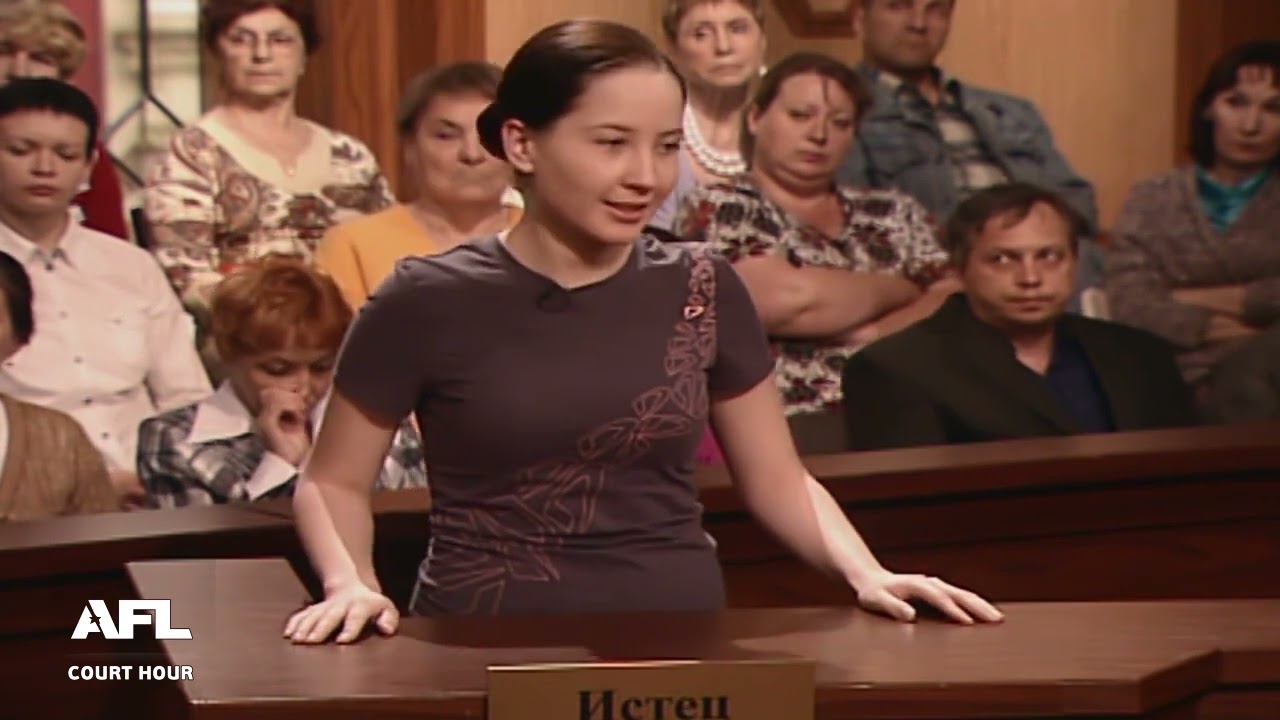
In Williams v. Walker-Thomas Furniture (1965), Judge Jay Skelly Wright established that courts can refuse to enforce unconscionable contracts under UCC Section 2-302, which permits courts to invalidate contracts found unconscionable at the time of formation; the case illustrates how cross-collateral clauses in installment sales contracts—where a seller retains security interests in all prior purchases to secure any single defaulted payment—may constitute unconscionable terms when combined with procedural defects like hidden fine-print language and substantive unfairness, particularly when one party lacks meaningful choice due to educational limitations and economic necessity.
Williams v. Walker-Thomas Furniture: Unconscionability in Contracts | Law Case Brief
Added:Basic principles of contract formation, including mutual assent, offer, acceptance, and consideration.
The classical legal doctrine of 'freedom of contract', which dictates that courts should generally enforce agreements as written without judging their wisdom.
The concept of 'contracts of adhesion' (standardized, take-it-or-leave-it agreements) and how unequal bargaining power affects negotiations.
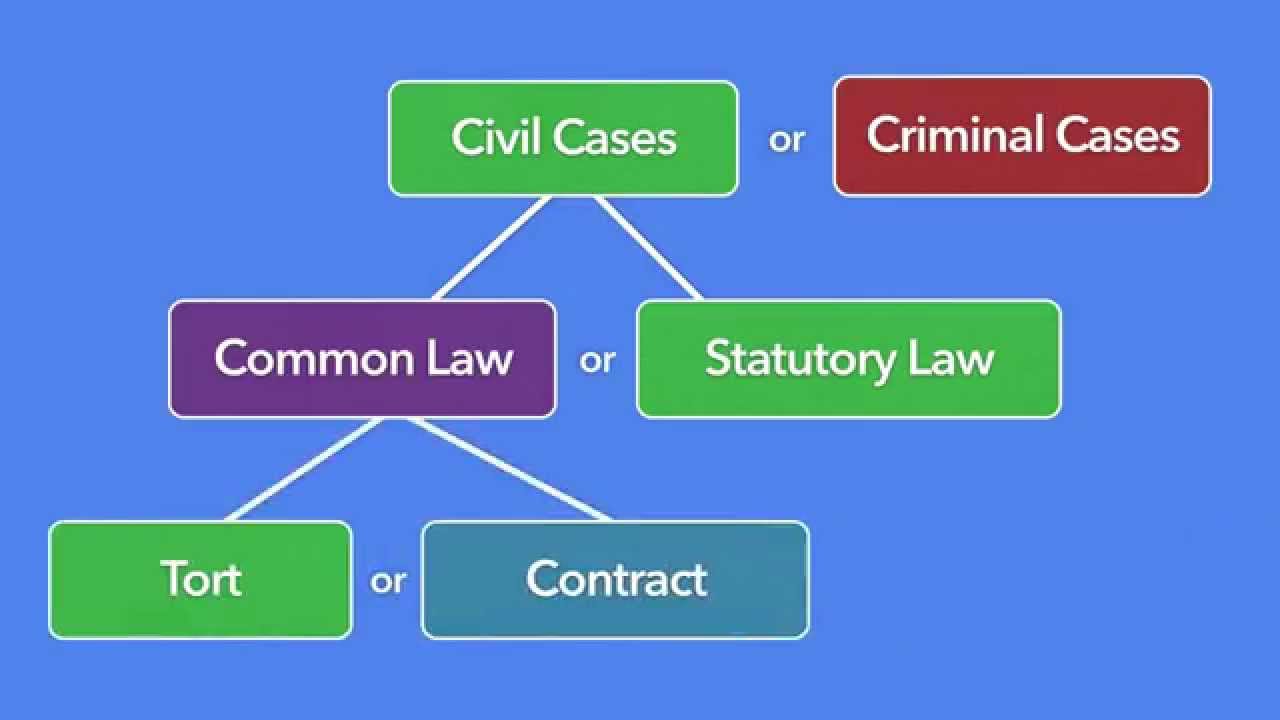
The institutional distinction between common law (judge-made law) and statutory law (legislator-made law).
How unconscionability is codified under Section 2-302 of the Uniform Commercial Code (UCC) for the sale of goods.
Modern applications of unconscionability in digital contracts, consumer arbitration clauses, and class-action waivers.
The role of federal and state consumer protection agencies (e.g., the FTC and CFPB) in regulating predatory lending and credit practices.
Judicial remedies for unconscionability, such as severing unfair terms versus declaring an entire contract void.
26.9K views211likes16:04Original Release: 2017-07-21
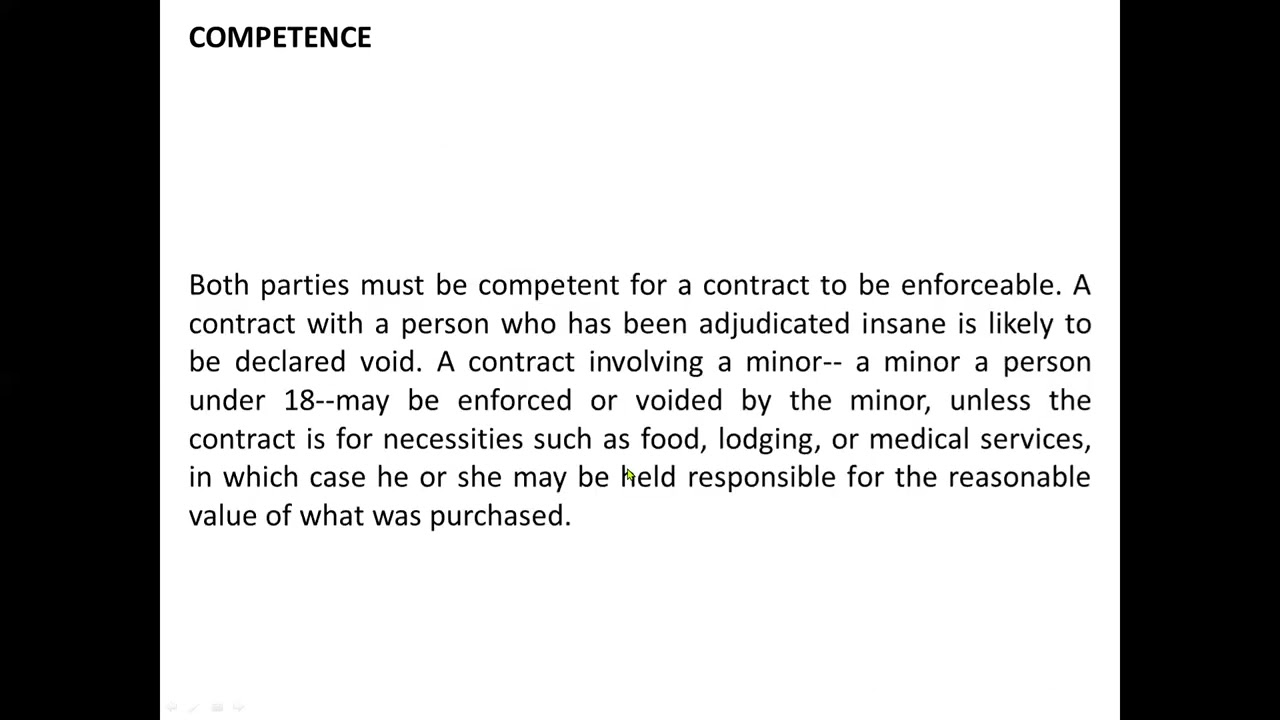
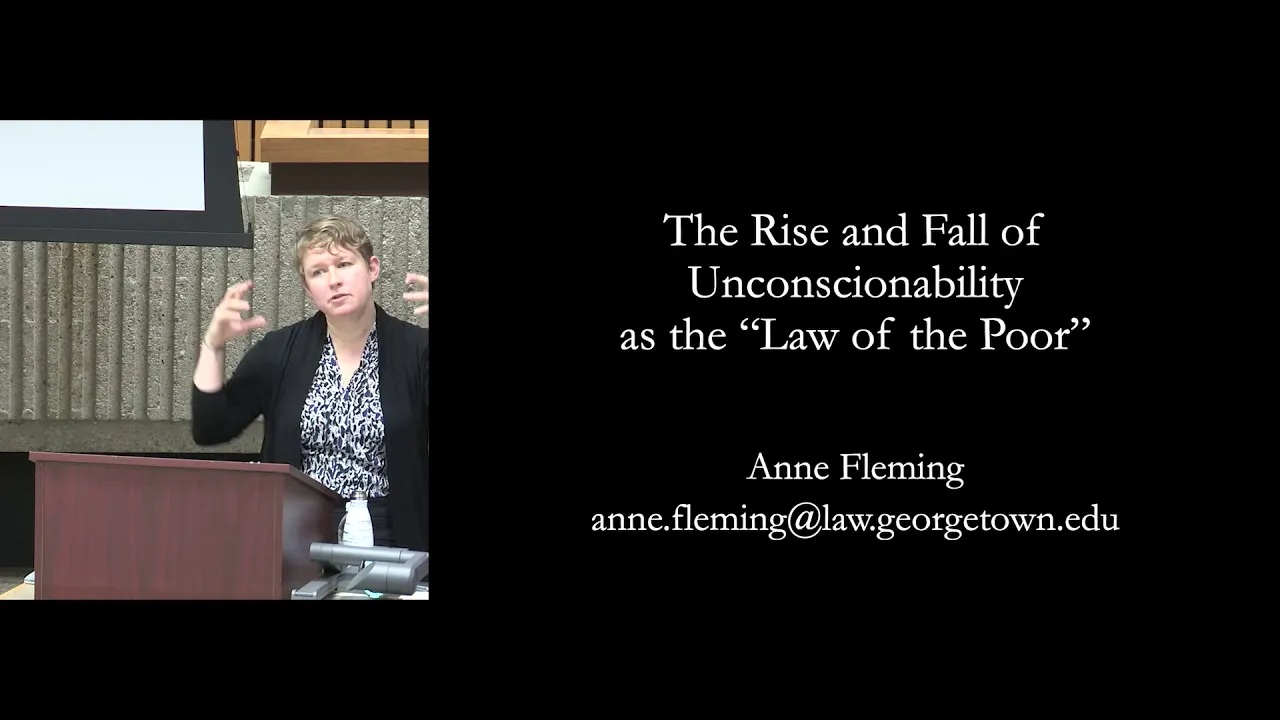
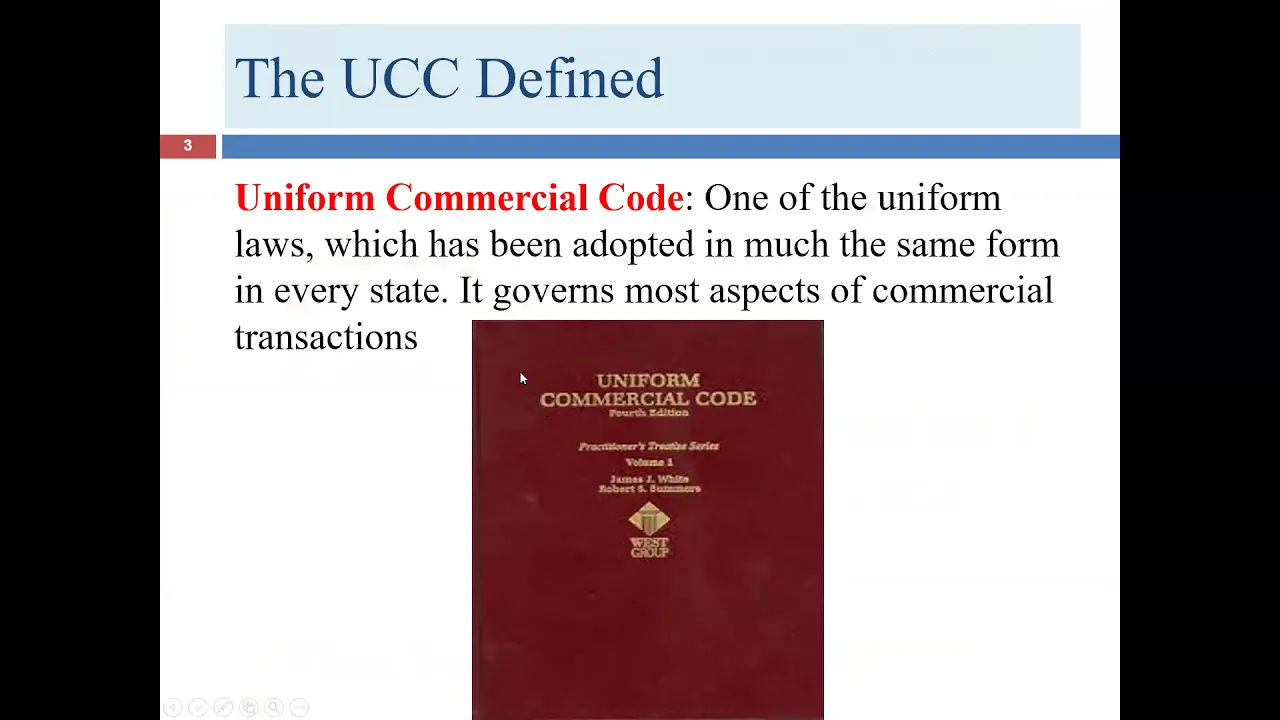
today we discuss unconscionability through the classic case of Williams versus Walker Thomas Furniture this case was decided in 1965 by a well-known judge uh Jay Skelly Wright of the Circuit Court of the District of Colombia it also raises important questions about the respective roles of Courts and legislators the facts or Lee Williams the defendant and appellant in this case purchased several items on installment from The Walker Thomas Furniture Company the last of these items was a stereo set valued at over $500 Miss Williams a woman of limited education and means owed $164 from her prior purchases at the time she bought the stereo the contracts for these Goods contained in fine print a cross collateral clause in effect this clause gave the furniture company the right to repossess all of Mrs Williams prior purchases if she defaulted on the payments for one of her last purchases even if she'd paid enough to previously pay off some of her debt on these earlier purchases Miss Williams did indeed default on a stereo payment and Walker Thomas Furniture attempted to repossess all of her prior purchases so the procedural history was this the trial court found for Walker Thomas Furniture Company the District of Columbia Court of Appeals affirmed but the instant court with Skelly Wright uh reversed and remanded the case the central issue was this even the even the lower court that had ruled in favor of Walker Thomas Furniture Company believed that the company's contracts were exploitive but believe there was no basis not to enforce the contracts so the central issue is this can courts decline to enforce unconscionable contracts and were these contracts unconscionable this Central issue was a matter of first impression in the District of Columbia in his opinion judge Wright looked to provision of the Uniform Commercial Code 2-32 uh which had just recently been enacted but had not yet taken effect and and judge Wright felt his power as a common law judge and relied on this provision even though it wasn't in forc yet saying it was persuasive Authority it was Authority because he was persuaded by it and this provision says that courts can refuse to enforce contracts they find unconscionable judge Wright held that where the element of unconscionability is present at the time a contract is made the contract should not be enforced the case was remanded in order to determine whether the contracts in questions were in fact unconscionable now in descent judge donaher agreed with the lower court which found no basis for failing to enforce the contract but concluded Congress should consider corrective legislation to protect the public from such exploitive contracts he emphasized the many public policy concerns the case involved and suggested that the Court's decision might have unintended negative effects on the on individuals of low income maybe it would increase the interest at which they had to borrow money so let's make sure we understand the structure of the purchase that issue in this case first Walker Furniture sold Goods on installment its sales contract specified that instead of paying for an item all at once the purchaser would make regular smaller periodic rent payments on the items purchased and the furniture company would retain title to it until the total installment payments equaled the items value a transaction structured in this way can be especially appealing for individuals who want a given item but don't have the ability to pay for it all at once the very controversial provision in the Walker Thomas Furniture contracts was the cross collateral Clause this Clause required that all installment payments on a given purchase uh to be praded against the amounts due on all purchases uh uh that uh a borrower such as Miss Williams had outstanding this would keep open the debts on each purchase until all the goods were paid for as a result The Walker Thomas Furniture Company retained a security interest in all the goods M Williams bought until the balance on the last item she purchased was paid this means the company could seize those goods to discharge a debt on Whatever item those goods secured all of the goods that the Walker Thomas furniture company sold to Miss Williams were security for the last thing she bought in this case the stereo this meant that if Miss Williams couldn't make the payment on that stereo Walker Thomas Furniture under this provision could take all of the goods it had previously sold on credit to Miss Williams this they did a marshall seized from her among other things draperies and apron Set uh po holder set and rugs so now let's talk about unconscionability what does unconscionability actually mean well here's what the UCC section 2302 uh says the provision that judge Wright found pervasive if the court finds as a matter of law any Clause of a contract to have been unconscionable at the time it was made the court May refuse to enforce the contract comment one to that provision provides some additional guidance it says the basic test is whether in light of The General commercial background and the commercial needs of the particular trade or case the Clauses involved are so onesided as to be unconscionable under the circumstances existing at the time of the making of the contract the principle is one of prevention of Oppression and unfair surprise and not of disturbance of allocation of risks because of superior bargaining power according to the UCC the primary factors in in determining unconscionability or whether it causes oppression and unfair surprise to one of the parties to a contract judge Wright went into a considerably deeper discussion of unconscionability meaning in his own opinion focusing on an absence of meaningful choice on the part of one of the parties together with contractual terms which are unreasonably favorable to the other party acknowledging that both these factors are difficult to Define judge Wright nevertheless noted that meaningful Choice could be negated by gross inequality of bargaining power and by A party's lack of opportunity to understand the terms of the contract another common way of talking about unconscionability is to distinguish between procedural unconscionability on one hand and substantive uncons ability on the other the former refers to defects in the bargaining process the latter to unfairness in the outcome of the process the terms of the agreed upon contract usually some mixture of both procedural and substantive unconscionability must be present for a Court to declare a contract unconscionable the distinction between procedural and substant of unconscionability maps nicely on to judge wri's requirements of absence of meaningful choice and unreasonably favorable terms respectively they also map onto the factors in UCC 2-32 comment one the the issues of Oppression and unfair surprise where there is procedural unconscionability the victim is surprised to learn about the contract's substantive unfairness can you think of any instances in which either procedural or substantive unconscionability on its own should be enough to avoid a contract can you think of a contract that is substantively but not procedurally unconscionable or vice versa uh if you're uh U knowledgeable of uh the Old Testament in the Bible you might think of two different contracts that Jacob entered into one which is dominantly uh unconscionable from a substantive standpoint and another is dominantly unconscionable from a procedural stand point A party's level of education is relevant to whether there is procedural unconscionability so is the way in which significant terms of the contract like the cross collateral Clause that issue here are presented uh the hiding of one-sided terms in fine print is the paradigmatic example of procedural unconscionability as for substa of unconscionability Wright applied the test Corbin a famous commentator on contracts set forth whether the contract's terms are so Extreme as to appear unconscionable according to the mores and business practices of the time and place Richard Epstein is a famous libertarian law professor who tends to extol freedom of contract would a Libertarian like Epstein tend to have more concerns about procedural or substantive unconscionability well Libertarians would tend to be more concerned about procedural unconscionability if terms are hidden in fine print so that the non-d drafter is surprised to learn what she promised then a Libertarian might worry that the surprise party did not make a sufficiently informed decision about whether or not to contract but Epstein famously saw that substantively unconscionable terms could be problematic because they evidence of procedural unconscionability for example if the term is so unfavorable that no person in the right mind would have agreed to it then the existence of substantively unconscionable terms in a contract is evidence that there must have been some procedural defect in Contracting okay here's another quiz did the DC Circuit Court find that Walker Thomas Furniture's contract was UN unconscionable yes or no well it's a trick question judge Wright didn't actually decide this question he instead demanded the question for the lower Court's consideration ultimately the company settled with the plaintiff so no court made a final determination as to whether the cross collateral term was unconscionable but let's us do that considering the contracted issue against these various tests what factors Point toward or against unconscionability well the way to approach this is to first break it down into procedural and substantive uh uh questions there's pretty strong evidence of procedural unconscionability given the convoluted language of the Cross collateral term it's probable that the borrower or purchaser would not have understood that the seller was retaining a security interest in all of the previous purchases but the harder question is whether the cross- collateral Clause is substantively unconscionable this is much harder question because the law often allows borrowers to give security uh uh that is higher in value than the amount that's being Borrowed by over securitizing the debt the borrower might receive more favorable terms including a lower interest rate most home mortgages are over securitized because of the buyer's down payment right now the uh my home mortgage is only about half uh as large as the amount the value of the house that it that secures it it's also hard to see how the seller could earn an unconscionable windfall profit from the over securitization as there's a duty to give any excess value from seized assets back to the borrower thus once security is seized the seller would have a duty to sell it at auction and any extra proceeds of the auction after paying off the borrower's debt would be paid back to the borrower the cross collateral clause also seems substantively cons when we consider that in the absence of any security interest A lender could seek a monetary judgment a court judgment against a defaulting borrower and normally would be able to hire a sheriff to seize any of the borrower's assets and that means any of them in order to satisfy the monetary judgment so normally the lender would have been able to through the monetary judgment mechanism through getting a court order a court judgment to seize the same chadel that were seized In This Very case in fact Doug bar discovered that one reason Walker Thomas might have used the cross collateralization Clause was to get around the effect of a very unusual local code ordinance in the district of Colombia under this local statute all beds bedding household Furniture Furnishing sewing machines radios stoves cooking utensils not exceeding $300 in value were free and exemp from distraint attachment Levy seizure under any court order as Doug Barrett explains Walker Thomas took the security interest in Williams other household goods because these assets were otherwise exempt from the monetary uh judgment mechanism be says that Walker Thomas had to take a security interest in them in order to be able to reach them in the event of a borrower default the cross collateralization Clause uh Bar says serve this purpose and no no other purpose and possibly it was the Walker Thomas Furniture's end run of the local code that makes this term substantively unconscionable finally let's consider The Descent in the case why might someone in Ms Williams position agree with The Descent well judge donaher noted for instance that many poor people lack credit and thus pose a risk to company selling Goods on installment uh he suggested that companies might only be willing to sell Goods on credit to these individuals when their pricing policies will afford a degree of protection commensurate with the risk if courts refus to enforce Walker Thomas Furniture's contracts might the company cease selling expensive items to low-income purchasers at all or might they charge higher interest rate and who is it the court or the legislature in that is in the best position to decide what contractual terms are so exploitive as to become unconscionable and so Walker Thomas Furniture also stands for a standard concern that whenever the law imposes a mandatory restriction to protect uh buyers uh it the um perverse effect is that uh it might end up hurting them if the sellers react uh negatively enough to the restriction
Up Next

43:21
Contract Law: Unconscionability, Duress & Undue Influence
@AnthsLawSchool
12.9K views•2014-06-03

4:27
US Secondary Sanctions Impact on EU Businesses and Blocking Legislation
@Bureauvandijk
1.6K views•2019-03-20
5:27
Forensic Phonetics: Speaker Identification in Legal Cases
@nptel-nociitm9240
539 views•2025-03-19

24:42
Police Interrogation Tactics: False Confessions & Legal Reform
@LastWeekTonight
7M views•2022-04-18
Related Study Plans & Knowledge Roadmaps
Structured learning paths in Law
law
Self-Defense Law: Imminence & Castle Doctrine
01Foundations of Self-Defense Law
02Imminent Threat & Reasonable Belief
03The Principle of Proportionality
+ 3 more learning modules
12h6 modules
Explore Roadmap
law
Defamation Law: First Amendment & Actual Malice
01Introduction to civil torts and the First Amendment
02Elements of Defamation: Libel and Slander
03Public Figures vs. Private Individuals
+ 2 more learning modules
8h5 modules
Explore Roadmap
law
Hearsay Rule: Trial Evidence & Exceptions
01Introduction to Trial Evidence & Courtroom Basics
02Demystifying Hearsay: The Core Definition
03Non-Hearsay: Exclusions Under FRE 801(d)
+ 3 more learning modules
14h6 modules
Explore Roadmap
law
Medical Malpractice: Law, Liability & Care
01Foundations of Tort Law and Civil Liability
02The Four Elements of Medical Malpractice
03Defining and Proving the Standard of Care
+ 2 more learning modules
12h5 modules
Explore Roadmap