





















![Contract Law Revision - Content Summary [AQA Law Paper 3]](https://i.ytimg.com/vi_webp/fgKwr6KfOlw/maxresdefault.webp)
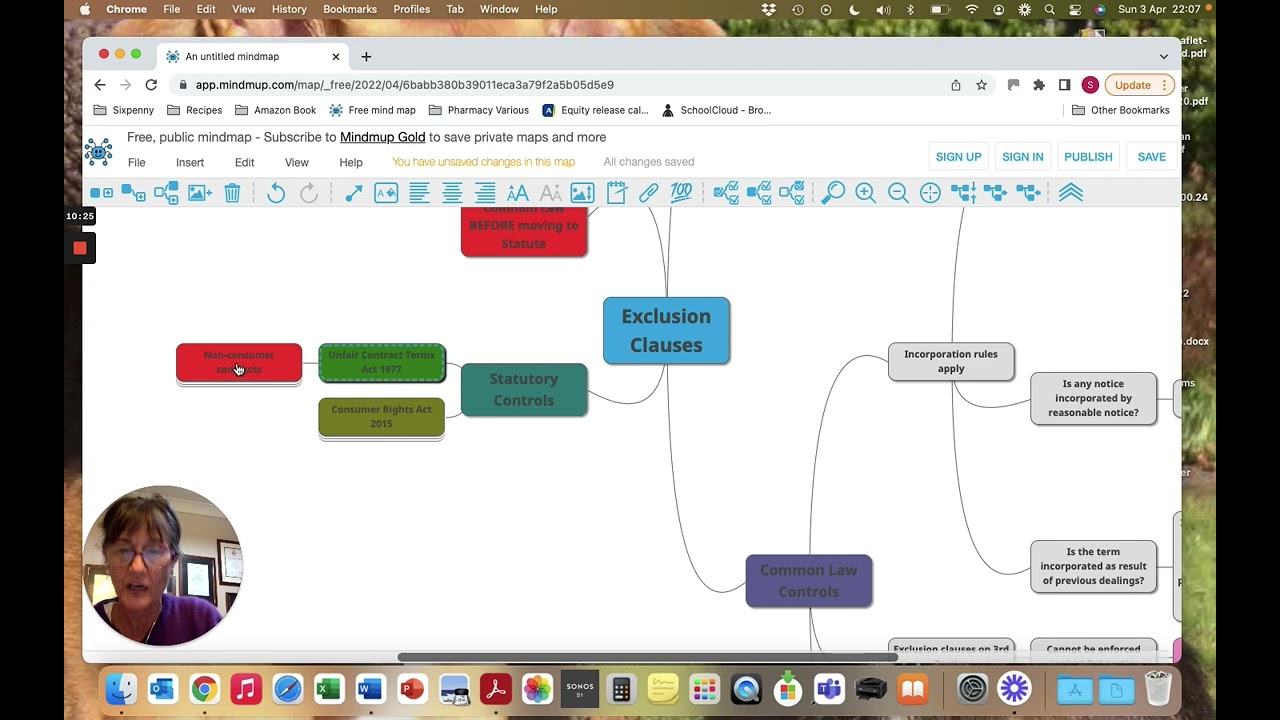
A legally binding contract requires four essential elements: (1) an offer, which is a proposition or suggestion from one or more persons to another, distinguished from an invitation to treat (such as shop displays or advertisements); (2) acceptance of the offer, which must be communicated to the offeror and cannot be by silence; (3) intention to create legal relations, which courts presume exists in business agreements but not in domestic arrangements; and (4) consideration, which is what each party puts into the contract and must have some value. Breach of contract can occur through non-performance, improper performance, or anticipatory breach, and the innocent party may claim damages to compensate for losses, subject to remoteness and mitigation principles.
Introduction to Contract Law | AS Law Unit 2 Essentials
Added:for a contract to exist in law there needs to be an offer acceptance of offer intention to create legal relations and finally consideration all of which will be explained in this video dealing with the first element offer you need to be able to explain what an offer is and it is a proposition or a suggestion by one or more persons to another there are a couple of key terms you also need to be aware of that's offer or that's the person who makes an offer as well as the offeree the person who's receiving an offer so be very careful not to confuse the two you're also in the exam need to be able to distinguish between an offer and an invitation to treat now an invitation to treat is not the same as an offer and there are some exceptions or examples to illustrate so for instance articles displayed for sale in a shop window in Fisher and Bell there were illegal flick knives on display in a shop window that was inviting the customer to come into the shop and to make an offer to put money down for whatever the knife was priced at the or any articles on a shelf in a shop such as in the boots chemist case advertisements are also an invitation to treat so in partridge in Crittenden there were some investments in particular magazine for wild birds they were considered to not be offers but inviting people to make offers for those particular birds and finally auctions and again this is the auctioneer inviting an offer from somebody who wants to bid for a particular item for example reward posters on the other hand are not invitations to treat but offers these are written documents and public view now most commonly when you think of all posters you might think something for returning a lost cat so there'll be a picture of a cat for instance and it will say to anyone that sees this reward poster in in public view if you find my cat and return it to me this address then you will get this sum of money as a reward so reward posters in fat an offer now the key case we can use here as well is carbolic Carlisle and carbolic smoke ball company not only does this case show that an offer can be made not just to one person or a group of people but in fact the entire world even and that's what happened in this case now the carbolic smoke ball company produced a smoke ball and they said that whoever was to regularly follow the instructions and consume its vapors that they gave off would actually find themselves protected from suffering any ill health such as influenza and so confident were they that they actually put a reward out there in print saying that anyone who were using their product and that became ill they would give them a 100 pounds reward now of course mrs. Carville did buy one who followed the instructions nearly died when she contracted influenza and then later when she tried to claim her reward of 100 pounds they actually declined so she took them to court and succeeded now in terms of how that offer is communicated generally speaking any method will do whether that's written spoken or by conduct so of course it can be in writing somebody can say would you buy my car for five hundred pounds or something like that and by conduct a good example that your textbook gives is by somebody going into a shop brings up a closed shop picking up a pair of jeans and walking to the till and starting that contract exchange so either methods fine however the offer or can actually specify if only one or some of those is to be used now of course the offer as I said can be to anyone in the world and we've already heard about the karley uncouple its mobile company but either way the offer must be communicated effectively in other words for a person to accept it they need to be aware of what that offer actually is if by post the offer all you know making the offer then effectively when it arrives the offer has been made now in terms of the duration of the offer how long can it offer actually exist the offer or the person making the offer can actually stick yyl a when that offer will cease to be so for example it could be you have until next Tuesday to decide whether or not you want to accept my offer of five hundred pounds for whatever goods it may be however if an actual date isn't stipulated then really the courts have decided that it's open for what is known as a reasonable amount of time of course what's reasonable can depend on for example the goods in question or the service so for instance if the goods were perishable so if it were to market traders for instance and one of them offered to buy from the other some produce such as apples or some other fruits then obviously a year later that's no longer going to be any good now the key case here is Ramsgate Victoria Hotel and this one illustrates the point because the company Ramsgate were looking to issue some shares and Montefiore actually sought to buy some shares from the company in GU but it didn't actually take place the the issue of the shares until November and the course decided that actually the offer from Montefiore of buying the shares in November was no longer any good the offer had come to an end by that time so finally how can an office cease to exist whether three ways that you need to be aware of for the exam the first is revocation or revoking the offer now this simply means the offer or the person making the offer can withdraw their offer and any time but of course the person that the offer was originally made to the offeree must know about it so obviously for instance by remaining silent that won't actually be effective revocation now the key case here is pain and Cave which we saw earlier and this helped support the point because in this case person who was making a bid during an auction withdrew their bid before the auctioneer accepted it so they revoked their offer now there's also rejection of an offer so if an offer is made it isn't certain that the person who it's been made who is going to accept so the offeree is entitled to reject it for example if it's too much money or they've decided they don't want to go ahead with the venture and finally a counteroffer this is where the offeree the person who the offers being made to refuses and makes their own offer instead now this could be for example where an offer is made and the offeree feels that that price is too much money and decides to make their own offer to the actual offer or the original fraud and this is what happened in the case of hide-and wrench in this case the defendant actually offered to sell his farm for a thousand pounds but the claimant initially thought a thousand pounds was you know one thousand pounds was too much money so decided to counter it's they will I'll offer you nine hundred and fifty pounds instead now this was rejected by the defendant and then the clayman said well okay then I'll buy for the original asking price of a thousand now it went to court and the court decided that as soon as the claimant counted and made their own offer of nine hundred fifty which was lower the original offer made by the offer or ceases to exist so he in fact could not accept the original offer once he had made a counteroffer so it's well worth keeping in mind the counteroffer means the original offer ceases to exist so now we're on to the important second element of what is recognizing law for a legally binding contract nafta offer comes acceptance and that is firstly that an agreement to all terms of an offer must be made so if there isn't agreement all terms it becomes a counteroffer from the offeree the person receiving the offer a request for information before agreement is not an office so the key case here that supports this Stevenson and McLean and in this case where the claimant was offering I am for sale the defendant who in turn actually asked before accepting could the goods be bought on credit that wasn't acceptance that was just a request to ask for something so there was no contract at that point acceptance must be by the person whom the offer was made so this really is common sense if an offer is made for example but it's in earshot of somebody else then obviously they can't jump in and say I'll if I accept so it's got to be whoever it's directed to usually any method of acceptance will do although it can again be specified by the offer or that only one method or whatever may be done in the key case here is a liason and Henshaw in this case flower was being offered for sale but actually the offer itself had come from the Wagoner so it's in very old case this and it had to be that if the claimant wanted the actual flower they had to pass that acceptance or message of acceptance onto the Waggoner they didn't instead what they did is they sent it by post the wagon actually returned back to the person who was offering the flower for sale the acceptance had arrived by that point by a post but the course decided that because it bends you know specifically set out that acceptance had to be given to the wagon or the employee if he will of the offer or then it wasn't a valid contract now in terms of how the acceptance should be communicated acceptance must be communicated to the offer or it is not possible to accept by silence and the case supporting this is felt house and bind Lee and in this case an uncle was looking to buy a horse from his nephew from his nephew the uncle wrote a letter saying that he heard no more than he would consider the horse to be his now a nephew didn't reply but the horse was accidentally sold off which then led to the uncle suing the nephew but the court decided that because the nephew hadn't actually said anything or written anything there was no communication he'd remained silent there was in fact no contract and he couldn't sue if acceptance is communicated by post and there's a particular rule that applies this is seen in the case of Adams and Lindsay as soon as the acceptance the letter of acceptance is posted it is deemed to be effective provide of course it's in post box or into the hands of a post office employee who's authorized to receive letters so if it's given to anybody else so for example could you put this in the post for me or you're hanging around somebody who that say may work for the post but isn't authorized to receive the letters and you just give it to them whether they're standing by the post box or otherwise then it won't count if a letter is lost in the post then the courts will deem it still to be effective that acceptance has taken place and this was shown in the household fire insurance and grant case in this particular case it involved the purchase of shares in a company the person in question wrote to the company offering to buy shares acceptance or a letter of acceptance was posted to him but he never actually received it and then when the company went into liquidation later in a bit of trouble he actually had to bear the cost of those shares now his argument was I yes I made an offer to purchase shares but I never got the reply back well in fact when the company put the letter of accepts into the post even though it went missing it was still deemed to be acceptance and a contract existed now modern methods such as email are almost instantaneous so as soon as the person presses send on their computer or otherwise then it's deemed to have arrived in the case of support status in Taurus and Mars far-east however if the acceptance in an email is received out of office hours such as a Saturday or a Sunday or whatever then of course the case of Brinkley balm limited and star hag star shows us that it will be effective the next working day now we come to the third of those important elements when the law recognizes a legally binding contract the intention to create legal relations between the party now this simply breaks down as two things if you're asked this in the exam and that is there are two settings or situations where the courts recognize agreements to take place and the first we have is business and commercial agreements and the courts presume that these are legally binding and this is quite sort of common sense really because if you think about the the money that may be involved in the risk and so forth if the person doesn't actually comply with the agreement so we can see that in the support in case of McGowan and radio Buxton in this case claimant entered a competition on the radio to win a car they were told that they won the car and in fact received instead a 4-inch scale model of the vehicle so you can imagine they weren't best please the defense argued there was no legally binding contract that the courts held otherwise having said that there are situations the courts will accept where the parties or can provide evidence to rebut this - thank you say well it was a business or commercial agreement but we never intended to be legally binding and for it to go to court and the key case here is rose and Frank Coe and Crompton and in this particular case the evidence was quite clear because the parties had included in their written agreement the words this agreement is not entered into as a formal or legal agreement and shall not be subject to legal jurisdiction in the law courts so in other words they were both saying we enter this agreement but we don't want it to be settled in the course you've also got the phrase you might come across and binding in honor only which is a strange one effectively the courts see that is not being legally binding the case of supports this is apples and the little word so this is a phrase that is usually used on football pools entries and means where a person enters a football pools competition they're agreeing not to be held bound legally to the contract between them and the pools company so in fact if they do win any money on the pool the company isn't bound in law to to pay out so the person cannot assume if those words are present and that was what happened in the case of appleson and little wood now finally the other setting that the courts recognize or situation is domestic and social agreements and the courts type of general view here initially they presume them not to be legally binding so here we're talking about agreements between friends spouses so for example if your mother said to you you know if you pass your a-levels if you get if you get an A I'll pay you a hundred pounds and if you get a B I'll pay your eighty pounds and so on and you get an A in your exam and then your mother refuses to pay you can't take her to court and sue her we can see this in the supporting case of Balfron baltha a very famous case in this case the husband who was working Sri Lanka now he agreed to pay his wife thirty pounds a month when she was unable to go with him because she was ill he actually stopped paying the thirty pounds the husband and so the wife unfortunately wasn't able to sue him in the courts because it was held just to be a domestic agreement however much like the business and commercial agreements if there's any evidence that suggests otherwise this can rebut this presumption and that's what we see in the supporting case of merit and merit and in this case again we have a husband and wife situation but here the husband had left his wife for another woman the husband and wife agreed that the husband would pay some income to the wife so that they could pay the mortgage on on their former home of course when he refused to pay summer all of that money she took him to court and it was the course saw and tension to create legal relations and it was a legally binding agreement in that case okay and now the final part of what makes a legally binding contract the element known as consideration so in the exam you'll be asked to define or explain what that means and and that's simply what each party puts into the contract so for instance it could be good services money or E or even to stop doing something so you can think of typical scenarios you might get could it be for instance at a nightclub owner who offers a sum of money to a singer or a DJ to provide a service or a person who is a home owner and contacts a building company for them to build a an extension or on to the house for a certain sum of money so again those sort of those sort of situations it must have some value though so the law will not recognize something that's done for nothing and that's why commonly you see even in the news you hear about businesses being sold for a pound to somebody so for it to be legally binding there must be some value of course when we're talking about businesses and things though it may seem a pound is too good to be true they're also inheriting perhaps all the debts and so forth that business may entail now for it to be real tangible the good case to illustrate this is Chappell and Co and Nestle Limited where the House of Lords decided that tokens from ensuite rappers buy it by the nest a company which said that if you sent in three tokens plus some money you get a music record that was you know that was real that was good consideration things that are intangible things that are not real not acceptable or a bit vague we can see that in the case of white and blue it in this case the son owed his father a sum of money when the father died the debtors tried to claim and claimed that money back from the Sun the debt and the Sun said well he had entered into an agreement with his father that he would not have to pay this sum of money back if he didn't complain about the the assets in his will and how they'd be distributed upon his death but of course decided that was much too vague and finally past consideration is not acceptable and this is seen in the key case of Rheem McArdle where a widow was left a house which he wanted to pass on to her family that there you know the beneficiaries she made a number of improvements and repairs decorated the property and the children actually promised her that they would help with this and in turn get the house they didn't and so when she died all the improvements to the house had already been made and so therefore they had put no consideration of value into the contract and they didn't get their get the property you also need to be aware of what happens if there's a breach of contract by one of the parties and this is a question that will be in the exam so a breach of contract can be done by an actual breach or anticipate or eBridge so dealing with the actual breach first this can be done through one of two ways the first is non-performance so for example as we said earlier a nightclub owner contracts a singer to arrive a particular event a set date in the future to perform and they fail to do so and the key case to illustrate this is Pilbara and peerless de Rougemont & Co and in this example a man arranged to see a solicitor for some legal advice but when he arrived at solicitor's office his case wasn't actually heard by a solicitor but by somebody else employed at the office now when he refused to pay his bill because he hadn't seen this list of that he wanted they tried to to him for the money and the court agreed that they hadn't performed what they were supposed to do and the second one there improper performance so here what we're looking at is where the contract is performed but not to the standard that it should be and so the key case here is Bund Corporation and Tradex export s a here a buyer was required by the contract to give at least 15 days notice of readiness to load a ship but in fact 15 days notice wasn't given the buyer and he gave 13 days notice and so therefore hadn't performed the contract correctly and then that second situation that could amount to breach of contract anticipatory breach here it's where in contrast is an agreement to do something in the future but they failed to do so so if we look at the case of hopster and Dell at all what we have here is a man who was hired to work as a courier and the work was due to start in two months after the contract be made but one month in the defendant actually wrote to the man canceling the contract saying that it would not be performed and so therefore this was an anticipatory breach it's important to note that the innocent party doesn't actually have to wait until the date of the contract for that particular thing to be performed they can actually sue straight away if there's an anticipatory breach now if breach of contract has occurred then the innocent party will be looking for damages most often or not in other words a sum of money to be awarded by the ports aimed to put the claimant in the same position as if the contract had not been broken compensating for any loss and so when we talk about loss loss can occur in a number of ways depending on the contract so looking at some cases here we start with stands being trohman here the loss was the value of goods stolen in anglia television and read where we had television company actually doing some preparatory work before they started shooting with this particular actor when they had to pulled out therefore their loss was was the preparatory work they had been done and then finally in Victoria laundry and Newman industries limited here we had a loss of a loss of profits but it's also important to not forget causation and this is a question of fact as to whether the breach has been the main cause of the loss if the loss arises partly from the breach and partly as the result of intervening events the party in breach may still be liable provided that the chain of concise chain of causation is not broken however when looking to compensate the innocent party the courts will not accept any claims that are too remote in other words we're really a claim doesn't arise and the key case for this is Hadley and Baxendale and here the claimant owned a mill and ordered a new driving shaft for it to be delivered by the defendant however the defense was actually late and delivering this and the claimants sued for breach of contract the crane had tried to claim for loss of profit as the mill had been out of action while waiting for this part and it was held that the defendant didn't know the mill could not operate without the shaft and therefore wasn't aware of loss of profits so the loss of profits aspect of the claim was too remote they came up with two key questions in deciding whether or not a claim should be successful isn't to remote and this is that the damages should be awarded where they arose naturally from the breach of contract or they were reasonably in contemplation of both parties when the contract was made so if the mill owner had told the defendant that quick delivery was important because if not the the mill wouldn't be operating and he would be at at loss in terms of profits and so forth then it would have reasonably been in the mind of the defendant and perhaps then damages could have been awarded but because he wasn't aware that the mill would be closed during this period the claim wasn't successful and if we just also look at the book and one of the cases we looked at earlier Anglia television and read when the actor made a contract with the claimants to star in a television film when the claimants the television company actually spent money on preparatory work and the actor broke the contract by saying he didn't was no longer wanting to do it they were unable to find a replacement so all of that wasted money was something that they sued the defendant the actor for and the court said that the actor must have realized in other words must have reasonably in contemplation of the actor that by pulling out at that stage that the television company Anglia were at a loss and should be awarded damages mitigation of loss this is where the innocent party takes a reasonable steps to minimize loss and we can see that in the case of British Westinghouse and manufacturing co limited in this case British Westinghouse had contracted to supply turbines to underground electric railways however when underground electric railways received the turbines they weren't to the specification that they'd contracted for so as a result to try and mitigate their loss they actually bought some turbines from someone else and it cost a great deal more money so therefore they were compensated for it now in terms of mitigation of loss if it's an anticipate rebreathe the innocent party has a choice they can sue for damages straight away there's no need to wait until a date performance so for example you might see something exam where if it were say from the scenario nightclub owner who's contracting a singer to perform at gigas you know a certain day in time and they suspect or are told by the singer that they're not going to perform then they can sue the singer straight away however a second option is to continue with the contract and then claim for loss caused due to breach and we can see this in the case of white and carton limited and McGregor here we have the defendant who owned a garage and entered into a contract for advertising of his business to be placed on litter bins for a local council for a three-year period however he then changed his mind now they could have sued the claimant straight away sorry this could have sued the defendant straight away but instead they went ahead with the work that they've done for preparing these advertisements and then claimed for the cost of all the work in preparing for them so even though the cost of it had been incurred after the defendant told them he was not going ahead with the contract they were compensated for that and that's the end for the topic contract law thank you for listening
Up Next
Warranties & Disclaimers in Sales Contracts | UCC Law
@LawShelf
8.8K views•2021-07-01

US Secondary Sanctions Impact on EU Businesses and Blocking Legislation
@Bureauvandijk
1.6K views•2019-03-20

Forensic Phonetics: Speaker Identification in Legal Cases
@nptel-nociitm9240
539 views•2025-03-19

Police Interrogation Tactics: False Confessions & Legal Reform
@LastWeekTonight
7M views•2022-04-18
Related Study Plans & Knowledge Roadmaps
Structured learning paths in Law