


![Contract Law Gateway Issue: Common Law vs. Article 2 of the Uniform Commercial Code (UCC) [PREVIEW]](https://i.ytimg.com/vi_webp/Tqm4ztMX2-g/maxresdefault.webp)


















Under the Uniform Commercial Code (UCC), sales contracts include express warranties (seller's affirmations of fact or promises about goods) and implied warranties (merchantability requiring goods to be fit for ordinary purposes, and fitness for particular purpose when buyer relies on seller's expertise). Sellers may disclaim warranties using clear, conspicuous language, but courts scrutinize disclaimers for unconscionability—procedural unfairness in contract formation or substantive unfairness in terms. Third parties may claim breach of warranty under UCC provisions, and electronic transactions like click-wrap agreements are generally enforceable while browse-wrap agreements face greater challenges.
Warranties & Disclaimers in Sales Contracts | UCC Law
Added:Understanding the fundamental differences between common law contracts and Article 2 of the Uniform Commercial Code (UCC).
The legal definition of 'goods' versus services or real estate as governed by UCC Article 2.
The specific legal definition of a 'merchant' under the UCC and how merchant status alters contractual obligations.
Basic principles of contract formation, including offer, acceptance, consideration, and the statute of frauds.
Analyzing buyer remedies for breach of warranty, including expectation damages, rejection of goods, and revocation of acceptance under the UCC.
Studying the Magnuson-Moss Warranty Act and how this federal statute regulates consumer product warranties in conjunction with state UCC rules.
Exploring the intersection of contract-based warranty claims and tort-based product liability doctrines (negligence and strict liability).
Applying warranty and disclaimer rules to draft legally sound e-commerce terms of service, clickwrap agreements, and electronic contracts.
8.8K views83likes17:24Original Release: 2021-07-01
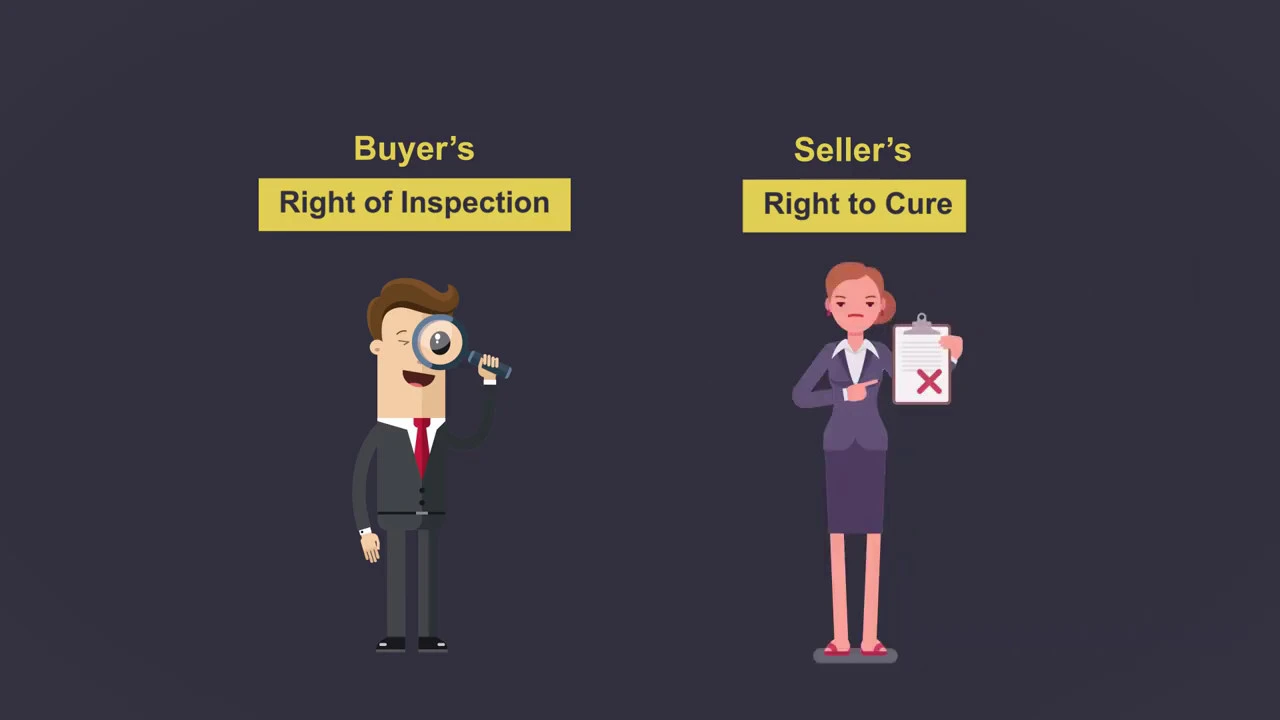
module three warranties and limits on sales contracts after discussing the nature of sales contracts under the UCC in the first two modules will now turn to warranties either expressed or implied in contracts for the sale of goods we'll also cover the unconscionability rule which limits the enforce ability of a contract that may be unfair to one party disclaimers of warranties are often challenged on this ground finally we'll cover special issues of disclaimers warranties and unconscionability as applied to e-commerce and online transactions warrantees reasonable purchaser expectations based on assertions made by the seller during the transaction or in advertising its product constitutes warranties warranties may be found in what is said or written the conduct of the parties or the type of the transaction when examining warranty issues the court must determine if there was a warranty and its meaning the courts must further determine if the warranty became part of the agreement or if it was properly excluded by a disclaimer an express warranty is a sellers representation that becomes part of the basis of the bargain while an implied warranty is inferred from the transactional circumstances or conduct of the parties an express warranty is a sellers affirmation of a fact or a promise that relates to the goods the description of the goods or samples or models of the goods prior to the UCC buyers assumed the burden of showing that they relied on sellers promises in cases involving express warranty under the code though reliance on warranties is generally assumed though the seller can disprove reliance with evidence in the course of negotiation sellers often make promises some of these promises are mere opinions or commonplace exaggerations these assertions sometimes called puffing do not necessarily constitute warranties however courts differ as to where to draw the line between an enforceable warranty promise and what is merely a sales gimmick the factors a court can use to assess whether a promise constitutes an express warranty include the specificity of the claim the context in which the claim was made the nature of the defect that violates the warranty the relative knowledge and sophistication of the parties the sellers choice of language and whether the claim was oral or written courts vary in their application of these factors and no one factor on its own determines the outcome for example assume Arthur buys a Ford truck from Robert Jackson owner of Jackson's used cars Robert tells Arthur that a particular truck is the best on the road and will last for many years he goes on to tell Arthur that the brakes and spark plugs are new Arthur buys the truck but the truck begins to malfunction over the next couple of weeks when Arthur brings it to a mechanic the mechanic informs him that the brakes are worn and that the spark plugs are miss a court would likely find that Roberts claims that the truck is the best on the road and will last for many years our merely typical sales claims and do not constitute legally enforceable warranties but the claims pertaining to the brakes and spark plugs are sufficiently specific to constitute breach of Express warranty and even fraud if untrue another type of express warranty involves a description of the goods the description may incorporate industry standards or special terminology or it may be very simple a car evokes certain properties that can be construed as promises it has wheels and is reasonably capable of transporting people and things a vehicle that fails to function in this way may violate any express or implied promises that it would function as a car samples or models furnished by the seller may serve as promises as to what the seller is providing a sample is a unit drawn from the bulk of goods which is the subject of the matter of the sale a model is a demonstration unit that is offered for inspection when the subject matter of the sale is not available at hand and the demonstration unit is not from the bulk of the goods that is the subject of the sale so if the product sold is substantially inferior to the sample or model provided to the buyer during the negotiation this could constitute a breach of warranty implied warranties there is the reasonable expectation that goods sold by merchants are of such quality that is normally associated with goods of that type cars have to run stoves have to cook and refrigerators have to refrigerate to be merchantable goods must be fit for the ordinary purposes for which they are used adequately packaged and labeled and able to pass in the trade without objection this is called the implied warranty of merchantability and it applies to merchants only a buyer is entitled to expect that goods from a merchant will conform to these requirements even without explicit claims by the seller to determine whether goods are considered merchantable a court may consider factors such as the parties course of performance and dealings trade usage and custom whether the goods are new or used the price of the goods characteristics of similar brands and government regulations and standards similar is the warranty of implied fitness for a particular purpose where a buyer relies on the sellers skill or judgment to acquire goods intended for a specific application then the buyer can claim breach of warranty if the goods do not meet the buyers reasonable expectations for that endeavor an ordinary purpose for which the implied warranty of merchantability applies pertains to a purpose customary for those Goods while a particular purpose applies to a specific use peculiar to the nature of that buyers business unlike the warranty of merchantability the warranty of a particular purpose may apply to non merchants as well as merchants however also unlike the warranty of merchantability the buyer must prove reliance on the sellers expertise in making the purchase the buyer also must show that the seller had reason to know of the use for which the buyer was buying the goods for example hourly moves from Florida to Massachusetts and has never seen snow she visits Robert Jackson of Jackson's used cars and tells Jackson that she needs a truck to plow her driveway in snowstorms Jackson sells to Arlene a ford sport utility vehicle when Arlene arrives home with her new purchase she reads in the owners manual that the vehicle will not accommodate a plow attachments Arlene can successfully sustain a claim against Jackson for breach of the warranty for fitness for a particular purpose even if Jackson never explicitly said the truck would be suitable for plowing snow in resolving disputes courts can also look to the knowledge and sophistication of the parties as well as their conduct factors such as who initiated the transaction oral or written claims and reliance and whether the buyer insisted on a particular brand help indicate whether or not there was an implied warranty in addition to the two warranties of quality buyers are also entitled to a warranty of title that warranty guarantees that the seller is conveying good title to the goods as the rightful owner of the goods that they are free from any third party claims security interests or liens and that there is no undisclosed co-owners of the goods T disclaimers while the code imposes upon the seller responsibility for ensuring that the products comply with the codes warranty standards the code also encourages freedom of contract and consequently allows sellers to invalidate those warranties in specific ways still warranties are often viewed with scrutiny by courts since they can deprive the buyer of his reasonable expectations regarding the performance of a product Express warranties such as those made in advertising or negotiations may be disclaimed under the UCC however language of the disclaimers must be clear to the extent possible disclaimers must be interpreted consistently with other claims made not to override them unless such as clear from the language of the disclaimer so for example a disclaimer from a car dealership that the car is sold as-is does not necessarily negate an advertised warranty that any used-car sold on the lod has only had a single owner while as is is typical disclaimer language its use does not contradict a single owner claim as such the single owner claim can survive and as is disclaimer note that the parol Evidence Rule applies to warranties which are terms and sales agreements for example if a written sales contract makes no disclaimer but the seller tells the buyer that the product is sold as is evidence of this oral disclaimer may be precluded by the parol Evidence Rule especially when the written agreement is considered complete the implied warranty of merchantability and fitness for a particular purpose can also be disclaimed the seller must provide the disclaimer using language that is conspicuous which means that it must be presented in a manner that is likely to be noticed seen or heard by the buyer the disclaimer need not necessarily be in writing but it must use the word merchantability however a disclaimer for the warranty for a particular purpose must be in writing but need not used the phrase particular purpose it is common practice therefore for merchants to put in conspicuous terms on their sales contracts language such as seller hereby disclaims all warranties express or implied including the implied warranty of merchantability and any implied fitness for a particular purpose while there are exceptions where such would be unconscionable these tactics can by and large be effective moreover when a buyer has a chance to inspect the goods and wear the language of the agreement or intent of the parties demonstrates that the buyer is independently inspecting the goods and relying on that inspection such inspection may invalidate implied warranties a further exception is an effective disclaimer based on the course of dealing usage of trade or prior course of performance the conduct of the parties such as honouring disclaimers in the past may be sufficient to give effect to a disclaimer that does not meet the formal requirements of the code injuries to third parties privity refers to a to an agreement a non privity party or third party is a person who is not a party to an agreement but who wishes to make a claim under an agreement or warranty a third party can be a vertical non privity party which means a second-hand buyer who purchased the good from the original purchaser and thus never dealt with the original seller or a horizontal non privity party who never owns the product such as a passenger in a car purchased by another person the issue with respect to sales contracts is whether these third parties have standing to claim breach of warranty against a seller for example can a passenger in someone else's car sue the car's manufacturer for a defect that caused her an injury the UCC provides that the answer is yes but only in some cases the drafters of the UCC provided three separate alternatives for how sellers liabilities to third parties extent and states are free to choose from among these possibilities one alternative extends warranty protection only to family members or guests of the immediate purchaser a second alternative extends warranty protection to anyone affected by the product to whom injury was reasonably foreseeable this applies only to personal injuries the broadest alternative extends warranty protection to anyone affected by the product who may be foreseeably injured and includes personal injury as well as property damage unconscionability unconscionability and contracts is a common-law doctrine that empowers a party to a contract to escape enforcement based on procedural or substantive unfairness procedural unconscionability involves the context in which the agreement is formed while substantive unconscionability pertains to the terms of the agreements for example Arthur buys a car from Jackson's used cars Robert Jackson the proprietor and seller rushes Arthur through the document signing process during which Arthur signs several documents with blanks Robert tells Arthur that he will complete the forms after Arthur leaves Robert completes the forms after Arthur leaves and when Arthur gets them in the mail he finds out that the financing terms and optional insurance are far more expensive than he was led to believe while also possibly fraudulent Robert's actions may give Arthur grounds to refuse compliance with the contract based on procedural unconscionability because Robert rushed Arthur through the signing and later filled in blanks with terms profoundly adverse to Arthur Arthur may also succeed by claiming substantive unconscionability if the terms of the financing and insurance terms of the contract were oppressively one sided if found unconscionable a court may refuse to enforce the agreement or enforce the remainder of the agreement without the unconscionable clause alternatively it may limit the application of a clause that produces an unconscionable result the code further allows the parties to present evidence of the commercial setting along with the purpose and effect of an unconscionable aspect of the agreement the code assigns the determination of unconscionability to the judge and unconscionability is mostly raised as an affirmative defense to escape enforcement of a contract with respect to procedural unconscionability courts must examine the relative bargaining power of the parties and their relative sophistication the ability of the consumer to read speak and understand the English language and the font and placement of the terms of the agreement substantive unconscionability cases involve issues pertaining to excessive price terms and alteration of remedies in one case the court held unconscionable the sale of goods and services worth nine hundred and fifty nine dollars when was also applied in $800 Commission and $809 financing charge in another case a spanish-speaking purchaser who signed a contract in English without the benefit of translation bought a freezer that costs the seller three hundred and forty eight dollars but cost the buyer nine hundred dollars in a financing contract where payments totaled eleven hundred and forty five dollars and eighty eight cents the court ruled that price to be unconscionable manipulation by contractual remedies may include oppressive liquidated damages clauses unfair overly broad disclaimers of warranties and unfair repossession allowances electronic transactions early software was frequently encoded on compact discs the contractual terms that govern the rights and responsibilities of the parties were found in the license agreement that was included with the software either electronically or physically on paper the CD was wrapped in plastic and the user had to unwrap the CD in order to access the User Agreement the software license was therefore called a shrink-wrap license an early issue for the courts to decide was therefore the enforceability of the terms of the license that the user could not access until after the purchase in general the courts ruled that these agreements were enforceable the courts reason that they are analogous to situations where purchasers of goods and services commit to contracts without the opportunity to first review the terms of the agreement such as insurance contracts software licensing agreements took on a different form with the advent of the internet shrink-wrapped licenses became browser app agreements and click-wrap agreements purchasers enter into agreements by clicking a mouse the user then proceeds to tender payment and download the software over the Internet browse Casas differ from click cases in that browse cases allow the user to browse the website before indicating acceptance of the terms of the agreement while click cases require the user to click on a box with an Associated captions such as I accept courts in these types of cases must address whether the user has adequately indicated willingness to be bound to the agreement and the degree to which a purchaser should be bound to terms of an agreement when there was limited access for review click rap agreements have been held to be enforceable almost without exception browse rap agreements on the other hand are more challenging in these situations a mere hyperlink to the sellers agreement is all that's available to a prospective purchaser the placement and conspicuousness of the link may determine its enforce ability because there is no unequivocal manifestation of the purchasers assent as in a click rap agreement the principles of common law will often govern the outcome of disputes pertaining to these types of agreements in our next module we'll turn to performance and breach of sales contracts you
Up Next
8:41
Contract Law Essentials: Offer, Acceptance, Consideration Explained
@YouCounsel
22.5K views•2017-02-20

4:27
US Secondary Sanctions Impact on EU Businesses and Blocking Legislation
@Bureauvandijk
1.6K views•2019-03-20

15:47
Hearsay Rule in Evidence: Hearsay Fundamentals (Module 6)
@LawShelf
16.8K views•2021-07-02

24:42
Police Interrogation Tactics: False Confessions & Legal Reform
@LastWeekTonight
7M views•2022-04-18
Related Study Plans & Knowledge Roadmaps
Structured learning paths in Law
law
Self-Defense Law: Imminence & Castle Doctrine
01Foundations of Self-Defense Law
02Imminent Threat & Reasonable Belief
03The Principle of Proportionality
+ 3 more learning modules
12h6 modules
Explore Roadmap
law
Defamation Law: First Amendment & Actual Malice
01Introduction to civil torts and the First Amendment
02Elements of Defamation: Libel and Slander
03Public Figures vs. Private Individuals
+ 2 more learning modules
8h5 modules
Explore Roadmap
law
Hearsay Rule: Trial Evidence & Exceptions
01Introduction to Trial Evidence & Courtroom Basics
02Demystifying Hearsay: The Core Definition
03Non-Hearsay: Exclusions Under FRE 801(d)
+ 3 more learning modules
14h6 modules
Explore Roadmap
law
Medical Malpractice: Law, Liability & Care
01Foundations of Tort Law and Civil Liability
02The Four Elements of Medical Malpractice
03Defining and Proving the Standard of Care
+ 2 more learning modules
12h5 modules
Explore Roadmap