












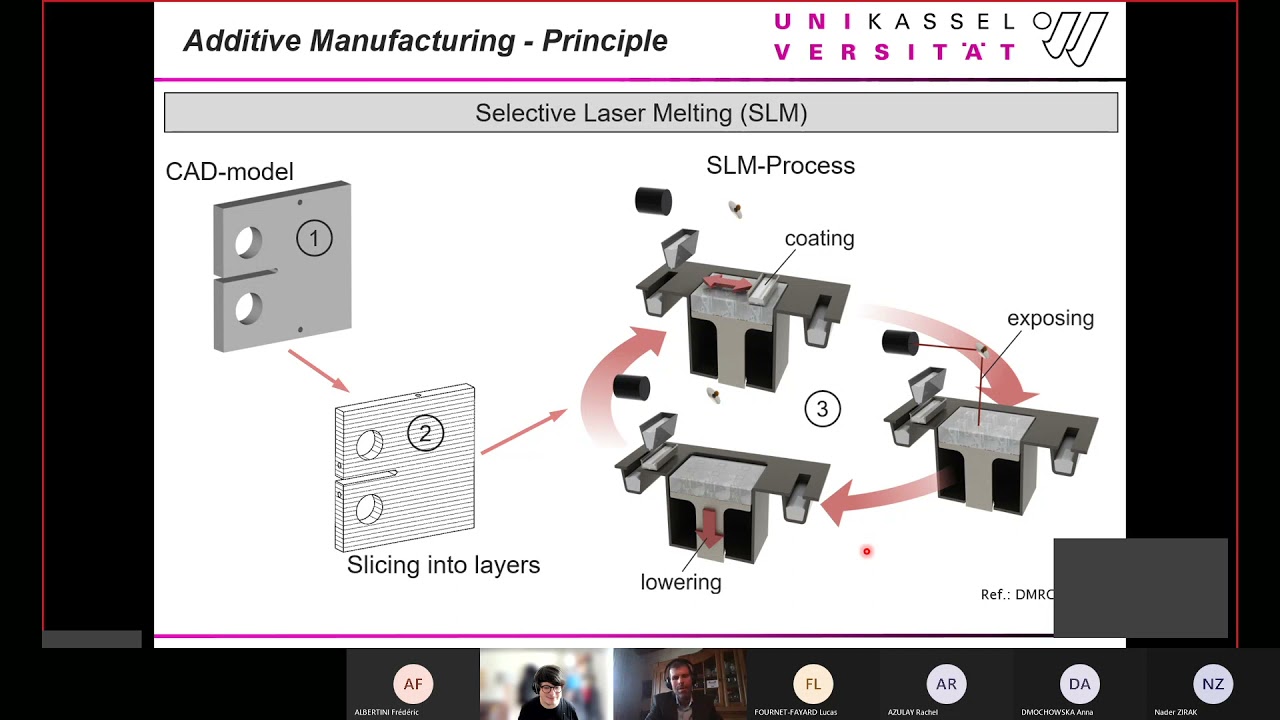


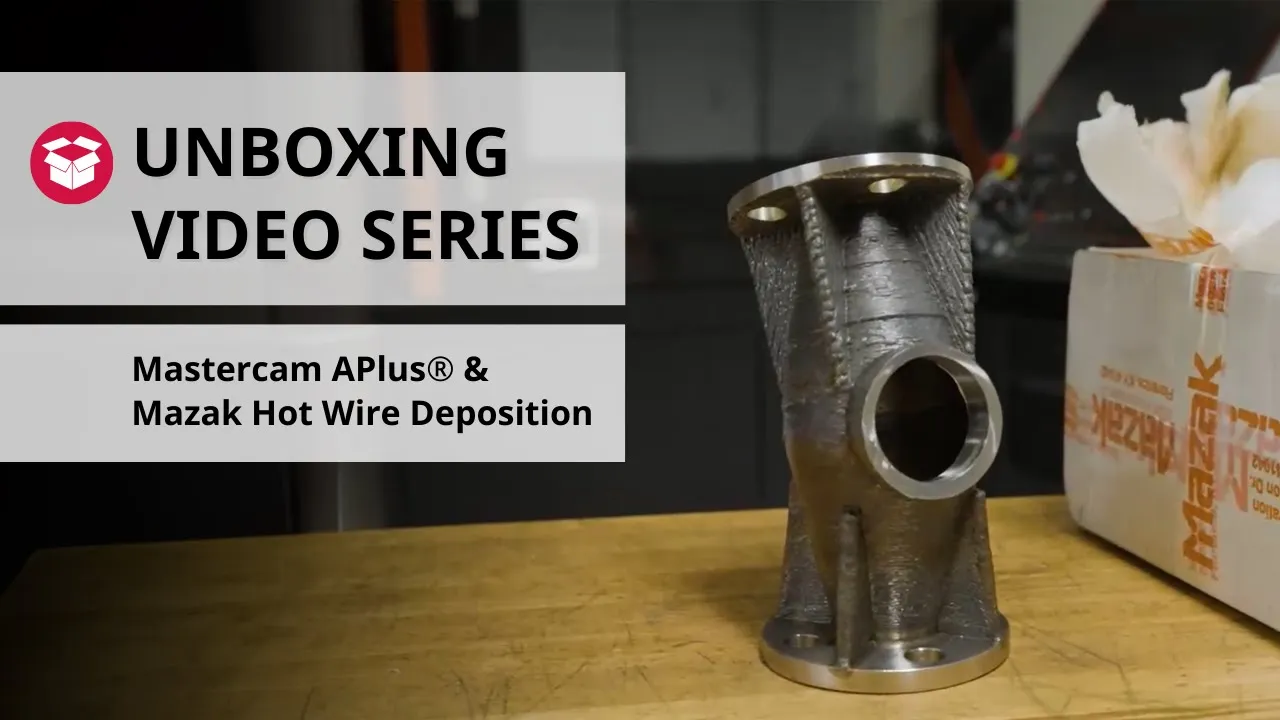



Next-generation additive manufacturing enables unprecedented design freedom and performance improvements through multi-process hybrid systems and advanced materials. Key innovations include: (1) Additive manufacturing of refractory metals like niobium for extreme aerospace applications, achieving 1.8x strength improvement at 2400°C compared to raw material; (2) Selective cooling cold plates using cross-directional microchannels and manifolds, achieving 11°C temperature margin at critical locations through multi-physics simulation-guided design; (3) Continuous fiber/thermoset composite 3D printing using localized thermal assistance, enabling vertical and free-space printing without post-curing; (4) Multi-process hybrid additive manufacturing combining laser powder bed fusion, direct ink writing, and ultrasonic additive processes to embed sensors in structural components for real-time structural health monitoring. These technologies enable complex geometries, reduced lead times from months to weeks, and order-of-magnitude cost reductions for high-performance applications in aircraft, spacecraft, and electronics.
Next-Generation Additive Manufacturing: Advanced Materials & Hybrid Processes
Added:good afternoon thanks for joining us today for sme's technical community and aerodepth manufacturing satellite session in today's webinar next generation added manufacturing you'll learn how am continues to disrupt traditional manufacturing with unique capabilities including validation testing methods use of novel composites and metal materials and speed and margin speed and market of finished parts our presenters today will focus on high temperature metal materials used in aircraft designing for multi-purpose hybrid applications collective clearing of electronics and continuous fiber thermostat composite materials good afternoon i'm carl mitroff the aerodef conference manager thanks for joining us before we get going on just a few housekeeping items and you'll recognize right away that your microphones are automatically muted if you have any uh technical issues if you want to use the chat feature and throw that question in there we'll try to respond as quickly as we can if you have questions for our panelists or moderator uh during the duration of this webinar there's a q a box you can use in the event of any technical glitches on your end remember we are going to be recording this presentation uh and we'll make it available on our hero deaf website moderating today's webinar is dr yu ping gao yuping is the founder and president of castian company for his vision is to advance the state of the art and active manufacturing and industrialization he actively works with the doe national lab on fundamental am process studies at nasa and the nasa flight center on am materials and applications dr kyle was a fellow of the laser institute of america and previously technical fellow and disciplined chief manufacturing engineering at aerojet rocketdyne he has over 30 years experience in materials and process development designed for manufacturing product development manufacturing engineering and technical consulting cuping is an active member of the aerodev conference advisory team is very influential in the development of the ad of manufacturing conference content thank you for moderating today's webinar i really appreciate your time dedication to our real deaf program and i'll kick it off to you thank you carol um yeah carl thank you so much for introducing introduction and uh we have this uh quick assassin of the error death and um we're gonna do this uh deep dating uh so every pet every presenter has nine minutes to present and at the end uh we have some time for the overall uh q a and uh carl already said um you know on the panels you can type it in and that will make sure everyone can see the q a and it will have those things answered and today we have this uh pleasure to have a paul brad and calvin full and lee curran uh so i i feel sorry and so uh dan brady has a a family emergency so he can be here with us and i'll be the first one to present uh so my topic is on the additive manufacturing of reflect metals for the extreme environmental applications the next chart please so the outline is i'm going to introduce what we do and the background why we need this uh refractive metals additive manufacturing the current issues and the added manufacturing process for the refractive metals and conclusion and future works next please so uh cassian is a small small business and um which i i funded started a couple of years ago and we do the advanced development for added manufacturing our reason is to deduct the um added manufacturing industrialization and also advance the other materials which hasn't been additively produced that is available to be produced and so uh our our advantages is um we're focusing on the fundamental process so we're doing a lot of enabling things for the um you know material and structures for all kind of applications and uh so we have this uh our protocol is based on a gallblock it's a physical methodological based uh development uh protocol and methodologies for rapid and robust am development and we're also focusing on the microstructure level optimization but we make sure you know the material we can produce in additive way is actually um you know has the highest quality um the other things we do is if you implementing this um you know god block development protocols you pretty much you can implement these things as a printer agnostic so you don't have to worry about it uh these things uh printing on this machine cannot be printed on the other machine because we're focusing on the microstructure level of the uh optimizations next chart please um yeah i um sorry about that and can i go back to one more chart okay so all the images you see on the bottom those everything up here are refractory metals so you can see the refractive metals can be produced in the turbine blade thrusters any kind of thermal isolations and hypersonic sharp leading edges that's on the bottom of this and so uh as you can see the produceability of additive it's extremely extremely um you know agile and volatile and so you can produce almost like any shapes which is not able to do in the traditional manufacturing to the next page please the reason we pick up this uh is the demand demand for the hypersonic research and commercial space activity is a driven size for demand for the structural refraction uh materials and with the increase in demand if the traditional methodological process in the methodological process to produce a refractory just a hard time to keep up with so typically you gotta wait for nine months to get the uh materials uh certified produced and then you start to fabricate you're talking about the times between you know nine to 12 months on the additive on the other hand is if you have a powder qualified powder produced you can produce parts within a couple of weeks and so you can produce net net shape and that's a big big plus for the refractive metals because refractement was difficult to uh manufacture uh subtraction rate to produce and we also improve the material properties next please so the reason we're talking about refractory is refractory has an extremely high melting point and so it's typically refractive materials are you know twice the melting point is twice as high as the super alloys and particularly in this uh this kind of a refraction material we deal with which is niobium sigma r3 the density is on par with the super alloy and it's it is extremely desirable for high temperature applications as traditionally this material is always expensive so always use it on the you know high cost weapon system satellite and now we're making those things are extremely extremely affordable so we're looking for this uh order of magnitude cost reductions so that can benefit mature i mean a wider industry so with all the world of benefit and now this material is actually in the production of the there's a lot of space uh spacecraft uses niobium thrusters and other other functions fly in space now next please so one thing about this in additive manufacturing is currently the state of additive manufacturing is the technologist's head of the science and there's a lack of common agreeable best practice that is based in science and there's a lot of different practices and they're not exactly science-based next please so i don't have to go through this entire thing for uh you know fundamental additive because here people notices a lot and there's the next page please so what we want to show is the difference between the 3d printed and the raw material and just because the webinars doesn't show the details about the green structures next page yeah it doesn't really show and so we create a complex uh a green boundary that is a node um you know not uh showing in the traditional rock material and that gave us a significant benefit of how this material will perform in the high temperature range next please so typically when we print this this material is extremely stable if you look at the right hand side so the as printed material going through two hours at 2900 degrees you can see the green is very stable it doesn't see this explosive green grows but on the lower one you can see the rod material it says extremely extreme green growth and on the right left hand side you can see the material properties compare rod with 3d printing the 3d printing is far better and at 2400 degrees touching temperature it's 1.8 stronger than one point times 8 stronger stronger than the raw material next page please let's see uh so overall performance you can see the red lines versus the green uh the blue lines the performance is always higher and uh we don't have the test data for the uh uh for the testing range yet and we are doing the uh passing range temperature test uh so in in you know you know 3d printed material has its reason to be a stronger and better perform next page please so now you can see this uh enlarge the images there's a lot of material here we produce are impossible to be produced uh in a traditional manufacturing way and a lot of them is a you know you have this thing wall stacking ring or you have a poor structures uh you know integral part of the uh you know a solid shell and those things are not easy to be produced and if you look at the refractometer turbine blade that was a the first in the world we can produce that sophisticated internal structures in the refractive material because refractive material being high melting point they don't have a lot of other manufacturing process you can't uh you can't invest in cast the refractive material because they take the uh the uh oxygen away from your uh the ceramic crew sponsor shells next please so in conclusion and i've been mentioning all the benefits of this and so you can see it among read through this a lot and the next please so in the future and we're saying you know the niobium 73 is now the strongest materials we've been using and there's other a lot of other materials we've been considering using and they're far stronger and you can see where the target is where the line we need to go above so those are things that we're working on now next please well thank you so much i think i'm running out of time and let me have this pleasure introduce um uh paul brad let's put his presentation yes and uh paul brad is a principal r d engineer at aci technology inc which is in navy electronics manufacturing center of exercise he has over 20 years experience in high reliability electronics and thermal management and he's currently combining his material expertise with computer modeling in 3d printing to develop innovative design for navy project and i think i'm going to hand it over to paul and this is a great interest to me as well we printed the 3d printing the code plates so paul the audience is yours thank you ping uh additive manufacturing and multi-physics software have fundamentally changed our approach to thermal management next slide typical designs were a simple tube or channel cold plate but now selective cooling can be accomplished using complex 3d printed designs if you look in the the top left quadrant you see the two the tube and channel design it's a low cost but the coolant surface layer the layer closest to the hot components moves slower and is less effective for heat transfer also the sequential coolant path gets increasingly warmer with a smaller delta t for heat transfer now better approaches that we've we've tried uh provide parallel cooling if you look in the lower left the foam graphite uh very conductive material uh by having several parallel paths and going through a foamed highly conductive material that's an improvement uh the top right shows injected molded copper pin fins uh which essentially puts copper in the path of the coolant and does a little bit better for heat transfer uh but the most effective approach we've tested redirects the coolant to impinge directly on the hottest surfaces and that's the the lower right uh and with that approach you get increased heat transfer however this cold plate was was designed uh and manufactured by brazing thin layers of copper containing precisely drilled holes and when they're stacked up uh precisely they get they form channels and that redirects the the coolant right to the heated surface it's it's a slow and expensive process next slide the design we developed uses cross-directional micro channels and manifolds to form a massively parallel impingement flow design starting with the unit cell in the middle we use simulations to determine the optimal manifold height and micro channel depth and then assemble the cells into a plate producing large manifolds and high surface area micro channels so if you look at the the bottom right you see as the coolant moves through the manifolds it makes a 90 degree turn in this case it's going up so it makes a little turn up and then it jumps over to the adjacent manifold and then exits the now warmer cool it exits all gets together exits through the uh adjacent manifold and then uh gets returned uh and comes back as uh cooler material uh after it goes through some sort of heat exchanger this design progression is shown on the next slide so you see from the left side you see the design of a single unit cell which is uh like a quarter of the design uh then merge it to a half cell in the middle and then put all those cells together in any fashion that you need and you get the cold plate you get the the full cold plate is on the right uh and so every point where there's a connection between the manifold and a micro channel becomes a new position where impingement flow hits the hottest part of the cold plate next slide all right so here's the simulation drawing showing the cross-directional manifolds and micro channels uh if you look in the left side you can see uh on the left without a the micro channels are are on the top surface and they're running sort of vertically and the manifolds are running cross between the two tubes you see uh the the material the the coolant can't get out of the manifold until it turns direction and goes into the micro channel and then goes into the next manifold so then we we actually printed these and uh there's a copper picture of the copper coal plate i have one here it's probably too little for you to see but um in the top middle you see the printed plate you see that as design views uh showing you how the manifolds the the larger openings are coming in from the left going to the right and the the micro channels are on the top of the upper surface there and you can see the x-ray so so after i printed it i x-rayed them and show that uh the openings that uh that i designed into this uh actually reproduce on the x-ray so it it came out to be as i expected with no assembly or brazing required uh the additive manufacturing provides a highly complex design with a large heat transfer and high reliability next so this experimental testing provided results approaching the numerical simulations you know on the left side i have what i predicted and the right side is my experimental results wasn't quite as perfect on the copper coal plate uh but the i tried three different metals the titanium aluminum and copper and uh the copper didn't print as uh accurately as a as i wanted but the titanium and the aluminum came uh pretty much right on what the predictions were next so that brings me to selective cooling so we had a critical thermal environment on an aircraft where the coolant was only 15 degrees cooler than the maximum temperature allowed for the components this required a design that that pooled a certain port of the circuitry more than the rest of it uh by placing micro channels only where the additional cooling was required uh the my analysis showed that while i achieved overall cooling of the whole circuit the selective cooling resulted in an additional 11 degrees margin at critical locations and as you look at the the bottom right you see i just have uh six or seven micro channels in the middle of the plate uh and just above it is a curve of temperature as you go across and i got significant reduction at that point so if i had a hotter outer component in the center of the cold plate i would be able to keep it cooler than than even the rest of it next slide also by using the the multi-physics software i can investigate uh just the complete design of this here i made a small modification and just by changing the output of the coolant instead of having the in and out on the same side by having the out uh exit opposite the in the input side i'm able to achieve much better heat transfer coefficients next slide i can even investigate things that we couldn't possibly machine like a conical input so in order to investigate uh uh the distribution of the coolant as it went through all these parallel flow lines uh i find that making it a conical section and letting it compress smaller and smaller allowed me to get a better distribution uh throughout the cold plate next uh and these are some of the results that we got investigating all different parameters so by the ability to use a simulation software uh before printing it gets me to uh so much further ahead and what i when i'm able to print uh and then experimentally test and verify and validate that this whole simulation works i got the biggest uh improvement in heat transfer uh by changing simply changing the input and output to opposite sides next slide uh so this this impingement flow cooling that that that could only do with when your fam can be applied to uh uh hot platforms that have high reliability and performance and with the selective cooling i can mitigate hot spots uh the design minimizes my weight minimizes coolant flow rate and i get a very small pressure drop and i think that's it well this is a great pause thank you so much and uh you know i wish i hope we reach out to you early to discuss those things here and uh you know we constantly uh see this being an issue and uh i guess we'll save some questions for you later on on why the difference between the calpers and the predictions is that the additive which is not uh giving the quality you want it um but let me move move ahead because we're on the schedule and uh next my pleasure to introduce a professor allen foo he's from the university of delaware he leads the universe elevator center for composite material and he directs the additive manufacturing um laboratory and he receives um uh let's see where was they received the uh cmx word uh for composite excellencies in manufacturing and he is a uh cmp young professional emergency leadership award a recipient he has over 100 papers peer review papers published and with over 9000 times being cited and kelvin please you have the audience oh thanks thanks for the introduction okay so my topic is about uh additive manufacturing of continuous carbon fiber reinforced thermostatic bodies so uh my name is calvin phil i'm from universal university of delaware but my lab is focusing on 3d printing especially on continuous fiber composites okay next all right so uh when we hear about uh 3d uh compatible 3d printer in most cases so you will hear like continuous fiber components but in most cases almost all the commercially available 3d printed on the market or under development so they are focusing on some more plastic or they are using a uv curable uh samosa radish but but we know that okay some more plastic or a uv curable redness so uh they cannot match i mean with the the current state of art some of the compaties especially if we are targeting for the aerospace and high performance vehicles so in this case we require high performance small set rather so uh that's our interest and that's what we are doing the past few years so uh in this slide you will see that okay in 2019 so my lab uh invented the world's first 3d printer for continuous carbon fiber and some of that components and we named this technology as lita because this is based on localized influence thermal assistance 3d printing technology so this is actually a pretty new uh technology it's based on a new knowledge developed in my lab and in this technology so we can achieve simultaneous writing wicking and curing so everything we put together so we don't use pre-prep we just use dry fibers fabrics or no matters carbon fiber or glass fiber so any type of fibers but we are just using dry fibers and use the the uh the the high performance rating so we can find out market so we will just do the printing together okay so uh our our our our data has shown okay uh our components has a very high fiber volume fraction and good mechanical strength so this is all in one design so everything we are purchased i mean i mean for the few style materials so they are on the market so we are focusing on the the equipment development and also the tooling design okay so on the bottom you can see that is our uh concept design so uh we invented this uh uh 3d printing platform so it's controlled by robotic arm and when we definitely the reading on the surface so we create this gradient temperature distribution on on fiber surface okay to simultaneously trigger the rather flow and impregnate into the the pore space between the fibers of the the carbon carbon tape or or fabrics and finally if we achieve a higher temperature so those dragons can be you know cured immediately because in traditional components if we want to cure it right so the cure rate should be a very slow because you know higher current rate so that will cause a lot of uh high temperature you know generated within the the components so this can damage the the composite whole structures but in our designs things we are we we print and cure each layer and in a very fast speed so in this case we don't need to put in the in the oven for the additional post curing so so this is more energy efficient and very very fast so and also last year we received the chemex uh this award for composite accidents so in the manufacturing equipment and tooling innovation award so we are very proud of uh you know to get this award yeah next okay so this is the fundamental science behind this technology so you can see here so we can provide any type of heating direction on the fiber so uh either weeding the fiber on the surface so this can create the gradient temperature distribution because now we are using carbon fiber highly thermal conductive which is very good so this can help to uh transfer the heat okay along the fiber direction and this can cause the the temperature this i mean the gradient temperature distribution along fibers in this case we notice that okay so the resin viscosity can be changed as well because we know the main challenge for some of that is that when we increase temperature so we can see a very high viscosity drop or a very significant viscosity decrease right so this will cause a lot of troubles when we do 3d printing right so in this case if we apply this gradient temperature so this gradient temperature distribution along fibers can help to a guide i mean the flow direction of the radius and once the temperature like has that increased a little bit so uh reached to the curing temperature so this resin can be cured instantly so uh from those uh uh uh i mean those low to high uh temperature viscosity the content angle change so we put into equation to calculate the i mean the the the uh liquid absorption capability so here you can see we are using the ks value so this is a liquid absorption capability to show that okay at the higher temperature so the resin and carbon fiber system will have very high gas value so the higher number of the test value indicate the whole system well have much stronger capability to absorb and to uh to to to trigger the flow of our radius okay so based on the this those uh capillary force so and now so that then the dynamic change of the surface tension you know between the radius and the carbon fibers so we can motivate the flow of the retina and finally you know get a very high volume fraction and successful 3d printing of composites okay there you go next all right so this is our other demonstration as you can see on the on your on your left side so uh we just use a jew heater okay it's a like a reductive heating so we're using this reduced heating as the heater to contact with carbon fiber to provide the thermal gradient so if you see the juice heater is on so you can see where we put the resins on the surface so the retina can quickly you know infiltrate and impregnate into the fiber towels and finally get cured but if the juicer is off so when we deplete the redness so the retina will only stay on surface okay we know that commercial rather they have different viscosity right they have different curing uh curing current time but you know if we can tune the temperature okay and also the thermal conductivity as well as the viscosity of the retinas so this property can be easily tuned to defeat different applications so in the middle image you can see if we move this through heater along the carbon fibers and then we couple the resident deposition on the surface of carbon fiber so we can achieve the continuous uh resin infiltration and resin curing okay so on the very right time so so that is to show that we can go vertical we can cure it so this is very important if we want to print some very complicated structure so those structure cannot be achieved by any existing uh state of art component manufacturing technology right so we can just use the vertical waking and the curing do any type of job and also our our plan our dream is to do this in the free space and also in the outer space we know there's no gravity or very low gravity in the in the international station right in the outer space in this case so so far no 3d printing can do the job right so they have to rely on gravity to do the layer by layer printing but in our case you can see space on uh uh the competitive force uh nothing about gravity so we can do any type of printing demonstration okay next please all right so here is our printed samples and we do a series of calculations so you can see we do the the ct scan so all the fibers are well aligned and we didn't see the voids why there's no pores and voids because this is different from conventional component printing so it's based on competitive force so during the flow of the redness and also the the heating temperature okay so uh the float resin can actually squeeze out all the bubbles inside so we have demonstrated a series of experiments to confirm okay our method is actually not not very helpful for the 3d printing but also it's good method maybe in the future for the pre-prep preparation okay so on the bottom you can see how we do the mechanical tasks and uh the it shows high strength and the modulus yes okay next all right so uh here is our concept demonstration so we can print any uh type of star shape and also if we program our robot arm so we can just print uh directly on some contoured surface all right so remember so our technology does not require any type of post curing so which means we can do some uh some uh in-field printing okay so we don't rely on very expensive energy intensity energy intensive curing to do the job and also on the bottom image you can see we can do the free space printing because everything is controlled by the robotic arm so the tension can be applied by the robotic arm right and also the curing so we can do the curing directly so uh you can see we can do any type of uh printing so this is different from the the current continuous components company that using uh uv curing uh polymer to do the job so we are just using the commercial available high performance thermostat rather okay so uh no uh uh uv uh curable runners are used so which means so our technology is more flexible okay to uh to to to feed any type of redness or or fibers okay and so now we are working on the generation two so uh because we are uh in uh in university it's everything based on fundamental study but my lab is also uh looking for some opportunity to commercialize this uh this product so so far uh i i me and myself and my collaborator so we have a startup company called carbon form so a common form is a small startup so we are now trying to uh commercialize this technology and looking for some investment okay to scale up this uh uh the word first 3d printing for the continuous carbon fiber ring for someone said rather okay next okay i think that's all my slice all right if you have any questions just feel free to uh email me yeah thank you thank you helen uh that's great fantastic presentation and just pay attention to that chat box and there are some questions for you and for paul and uh so with that uh we're gonna introduce uh lee kerwin from edison welding institute so lee is a project engineer at edison welding institute's the additive group and he's uh specialized in the large-scale direct energy depositions and he leads this ewi's large format additive manufacturing system he's a well-rounded in the additive manufacturing with the knowledge in laser powder in the ev powder bed and laser deds and ebdd's bender jet and plasma powder square resistance and um he is just you know a lot of times in the metal additive manufacturing people sometimes don't realize it is a welding process so with experts from edison welding institute we're going to have a fantastic presentation lee the audience is yours all right thanks eufang um and thanks to uh carl and to sc sme uh for having me today um so as you ping was saying um my name is lee kirwin from ewi working out of our buffalo facility and it really is a good point that everything in additive is metal additive uh is essentially just welding over and over and over so we um we've done a lot to uh uh center as many uh metal additive processes as we can here and to really become the the experts and work across all of them and that's what i've done in my time here so uh my presentation in this work is going to be based on a multi-process hybrid additive manufacturing you hear a lot about hybrid manufacturing and there's you know an additive process and then a subtractive or cnc machining process and we have a little bit of that in this but what we're talking about is multiple um additive processes uh put together to make a single component uh next slide please uh so the focus of this work was to develop a proof of concept part uh using laser powder bed fusion direct ink writing and uh ultrasonic um additive manufacturing so the uh the test article that we designed was um going to incorporate design features from all of those um the the overall goal of of using all three of these processes to create one part is to encapsulate a rtd thermal sensor um that uh would not be able to be attached to the outside of components that are in hostile or hot environments where a sensor wouldn't survive or be able to be attached using conventional methods to the outside of a part um so the the test article that we designed here was really just focused on utilizing strengths of all the different processes you can see the bulk component that we designed to be built in laser powder bed fusion is the uh the gray portion of the part in the lower right hand corner we designed that with a cooling channel uh with no supports in it overhang structures and things um like i said really to demonstrate uh laser powder bed fusion um to you know be a demo of a heat sink part or something that could dash to pull heat away from a component um we designed the the slots for the sensor to actually go in the top of the part one of the design constraints was that the top where we were going to encapsulate the sensor had to be flat for the ultrasonic additive process to lay down the material on top you can see in the center on the right there is uh how we layered the um the sensor and what we put on top and bottom of it we are concerned about uh the difference between um coefficients of thermal expansion for all the different materials that we would put in there so we didn't want the sensor to crack or to any um anything to break inside of there so we put some ceramic pastes and glue and epoxy in there to uh to help with any deformation next slide please so the actual execution of all these additive processes so the first thing we did was build the laser powder bed part it was built on a eos m280 out of 316 stainless the sensor was built using direct ink writing so that's a way to build an extremely small sensor that this work was done in partnership over it the university of buffalo they did the the deposition of the the rtd sensor so this was done using a copper graphene ink so they've done a lot of work and a lot of studies on the properties of that copper graphene as a good rtd sensor with a well-known resistivity to temperature so that was deposited on a yse substrate um capped and uh and centered on that that substrate and that's just to have a constraint to that sensor that would uh survive the elevated temperatures that we were aiming for here that sensor as i said was attached to the laser powder bed part in a panel that was machined out the top of the laser powder bed part was machined flat before going on to the ultrasonic additive process this was done over at fabrisonics in ohio so fibrosonics is a company that started in 2011 based on some ip out of ewi so they operate as a fabricator and machine builder now that we were using utilizing this process to encapsulate the sensor so ultrasonic additive is pretty unique and uniquely fitted for a application like this where there's very little heat input when you're depositing metal it uses ultrasonics to deposit thin strips of material on top of either a substrate or another part so in this we were using 6000 series aluminum to demonstrate that we can encapsulate with a different material and that we could get a good bond from dissimilar metals as we're encapsulating this 316 part um so we we did that to encapsulate the the rtd sensor and this can shield it from interference or potential oxidation any corrosion or um to shield it from heat and the uh like i said the the whole goal of this is the demo and prove out that these processes can be put together to do this with the aim of embedding sensors in parts that are in environments that you can't really put a thermal sensor on it whereas if you embed the part or embed the sensor you can put it in those environments you can build it into hypersonics components engine components anything and do essentially structural health monitoring monitoring so you can measure the amount of thermal cycles that the part goes through predict what kind of stresses and fatigues and everything you have gonna have before a part failure so you can map those properties out and use an embedded sensor to pull something out of service before it actually breaks or know the the timeline that you need to place different components uh next slide please so we evaluated the final part uh after we encapsulated the sensor one by doing x-ray ct on it a couple of the earlier attempts we did see cracking in the sensor after encapsulation so in in this final one with the final setup of the slot depth and how we were fixing that sensor in the channel we saw no fractures in the sensor or the wires that were coming out in that x-ray ct scan and then we also evaluated the sensor performance and uh you can see the temperature to resistance curve there and that mapped the the known test that we had done on the sensor prior to encapsulation so that that matched the the known properties of the sensor that ub has uh mapped out pretty well um and that was in a box furnace heated up to 500c and like i said this is really aimed at embedding different kinds of sensors it this doesn't have to just be an rtd temperature sensor this could be a myriad of different things we could do this for drain contact something breaking inside of a part you could build in all kinds of sensors with processes like this whether it does need all different all three that we use here or if it needs two of them it really was a a good way to prove out that this is feasible that you can encapsulate a sensor and get um reliable data out of it using multiple different additive processes because they you know you think um parts nowadays built conventionally it's not using just one conventional process most of the time it's a combination of multiple different conventional processes so we're starting to look at additive the same way that you don't need to replace part one to one from conventional methods straight to one additive method you can build it out of multiple and you can utilize the strengths of multiple different additive processes to to develop a part or a process that you wouldn't be able to otherwise um uh next slide please that's it so yeah that's all i had for you um thank you for uh for letting me speak and let me know if you have any questions please thank you so much this is a truly a multi-disciplinative manufacturing and so now we have some uh um time for questions and um uh so i realized some of them is already being answered there's a two place people are putting on one is a chat box one is q a and um so let me answer uh dara's first question so sarah's question was in the refractive metals why are the green boundary pinned and so this has something to do with this particular materials and its mechanism in the additive manufacturing so in addition to manufacturing when you continuously deposit the green uh to continue deposited material certificate solidification occurs as the epitaxial growth but then with the moving for moving the um the heat source so the grains continue banned so you create a microscopic level of a solidified green boundaries and they pin to each other they've been some of them being eliminated by the competitive growth mechanism but majority of them are epitaxial forms and extend themselves and then being pinned together by this um highly uh curvatured the moving heat source in the traditional way people wouldn't think this is a bad this is this is a better because the segregation occurs but when you producing additive manufacturing in a microscopic level and this is actually a fantastic pinned green boundaries property so uh hopefully that answers that and you can continue email or text message or uh doing this uh dna and i think there's a couple of questions for paul and i had a question on the uh the culprit edit manufacturing versus prediction and power did you examine the uh materials quality in the copper because additive manufacturing culprit quality has uh it's very challenging and is that going to be uh something um impact your uh between the uh you know uh the measurement and the prediction yeah that was one of the things that i was not able to do yet i still have the cold plate and i didn't cut it open to see uh what the discrepancy is about i'm sure it had something to do with the print quality just like you said uh when i had these printed the resolution that they guaranteed for copper was different not as good as the aluminum and the titanium powders that that were used i'm not sure why that's true i think it may be better now i i guess i printed this about a year ago so perhaps they've solved it but apparently there's an issue with uh doing the metal printing of copper and getting a high resolution print and as soon as i'm able to cut this open and i'm not testing it uh i can find out exactly what's different my guess is that all the measurements of the manifolds and the micro channel are not exactly as i designed them did that answer yeah sounds good and uh yeah absolutely looking forward to uh discuss you with you more on the copper printing um i think there are other questions and um uh car uh how do we arrange this because it's directed from uh different uh i think sarah has another question for the uh fiber sonics so lee can you answer that uh i can so i i saw from uh sarah it sounds like she's actually um part of fabric sonic that they're calling the multiple additive process a synergistic am so i think that's a very good term for for putting all these together and i did see there was one other question here from a wade uh directed towards me so the what we did to correct the sensor cracking issue um we we increased the the air gap that we created in the slot where we were actually putting in the sensor um and then we switched from a ceramic paste to an epoxy and that had um what was more forgiving and was able to hold that that stress board deform a little bit more so that we didn't actually crack the sensor inside of there okay i think there's a couple of questions for uh calvin and but he inserted on the uh chat box calvin do you have anything you can summarize some of those questions and uh provide answers uh uh audiobody yeah sure so uh okay so as you can see our out uh so our lab is not a company so uh uh we are in the university so we are more interested in exploring uh new knowledge new science to uh invent something new so where uh actually so you can see our our topic is actually based on our own research so i know for the compatible 3d printing so far it's very hard area and uh of course a lot of technical challenges are there so my work is just to uh to to provide possibility or a new knowledge to those people who are working on industry or even in uh university to show that okay maybe we can if you know we can see from different point of angle to see what is 3d printing because so far there are seven types of well-known 3d printing but for composite 3d printing actually uh so far all of those 3d printings i mean compounded 3d printing technologies are just based on the existing state of art 3d printing technologies okay but but you know composite is completely different from other materials it's different from metals different from ceramics composite requires at least two material so these two material have different phases different length scales and different states say carbon fiber is solid rather than is liquid right and also rather than is temperature sensitive so tradition uh from from dilute liquid to a high viscosity or low viscosity liquid and suddenly to the gel state and then to the to the to the to the to the to the hard solid okay so this is a very complicated system so uh in from my point of view so there's no uh technology over there available you know to to borrow and to modify so we must create something new so based on new knowledge you know for those uh new composite additive manufacturers and also you can see our lab is more interesting some of that and continuous fiber okay because this is a big challenge and so far no one has ever demonstrated this kind of concept before so my lab is uh so far focusing on this area so if you guys are interested in in my work so please follow you know our lab news and also our future publications we have done a lot of work on this area thank you very much sounds great everyone uh you know paul lee and calvin thank you so much i want to give some time to our organizer and thanks carl for organizing this and thanks the sme society of manufacturing engineer to provide this to a broader audience thank you bing if i could ask and there's there's one more question i think we can get to and i'm not sure if this is going to be directed towards lee but robin asks were there any challenges with the hybrid processes the materials required in inert atmosphere and inert madness uh yeah so we um we didn't deal with materials outside of laser powder bed fusion that needed an inert atmosphere so the aluminum that was deposited on top of the part to encapsulate the sensor the fibrosonics process is a solid state process so that aluminum can be deposited in the atmosphere and it doesn't have to be in an inert environment um to deposit that aluminum because you're depositing it in in thin strips using ultrasonics um so i i can see there would be some potential issues on depending on what type of hybrid you're doing and what the material is that you could need an inert atmosphere but that's kind of why we went the direction that we did so we wouldn't have to take that into account for the the second and third uh processes that we were putting into that part hope that answered your question robin that's great and uh yeah robin of boeing and uh yeah hopefully this question is answered um car we'll hand it over this to you yeah thank you thank you you ping and um again thank you special thanks to um dr gal for his time and all of our panel experts for providing their insight and their knowledge to the next generation of added manufacturing uh we appreciate your support i mean to advance the manufacturing community and well also as well as supporting smb events and of course a very special guest to all of our attendees who participated this afternoon i hope you enjoyed today's conversation look forward to look forward to seeing you and go deaf vectoring webinars um this webinar has been recorded or will be recorded and we will make it available soon on our aerodef event webpage and if you are interested in any past webinars um there is an area where you can see on demand all of the webinars we've produced for this year so feel free to um check out our aerodef webpage for that and finally uh the next webinar before we launch into our aerodef conference in november is going to be on september 23rd at 3 30 o'clock or 3 30 pm eastern time we will present the next satellite session on ceramic matrix composites taking flight at ge aviation so registration for that webinar is now open and i see some questions continue to come in what we'll do is we will uh love the ability to try to address some additional questions after the fact that we will reach out independently thanks everyone for their time really appreciate it and look forward to seeing you on future broadcast you so much enjoy the rest of your day bye-bye bye thanks everyone [Music]
Up Next

Heat Sink Design Principles for Electronics Cooling
@ppccltiitbombay590
5.8K views•2021-07-22

Ultrasonic Transducers: Resonant Frequency Measurement and Horn Design
@imajeenyus42
229.9K views•2017-02-22
Polymer Environmental Degradation: Mechanisms & Stabilization
@iit
1.8K views•2012-07-10
How a Student's Question Saved a NYC Skyscraper from Collapse
@veritasium
22.8M views•2025-04-26
Related Study Plans & Knowledge Roadmaps
Structured learning paths in Engineering