








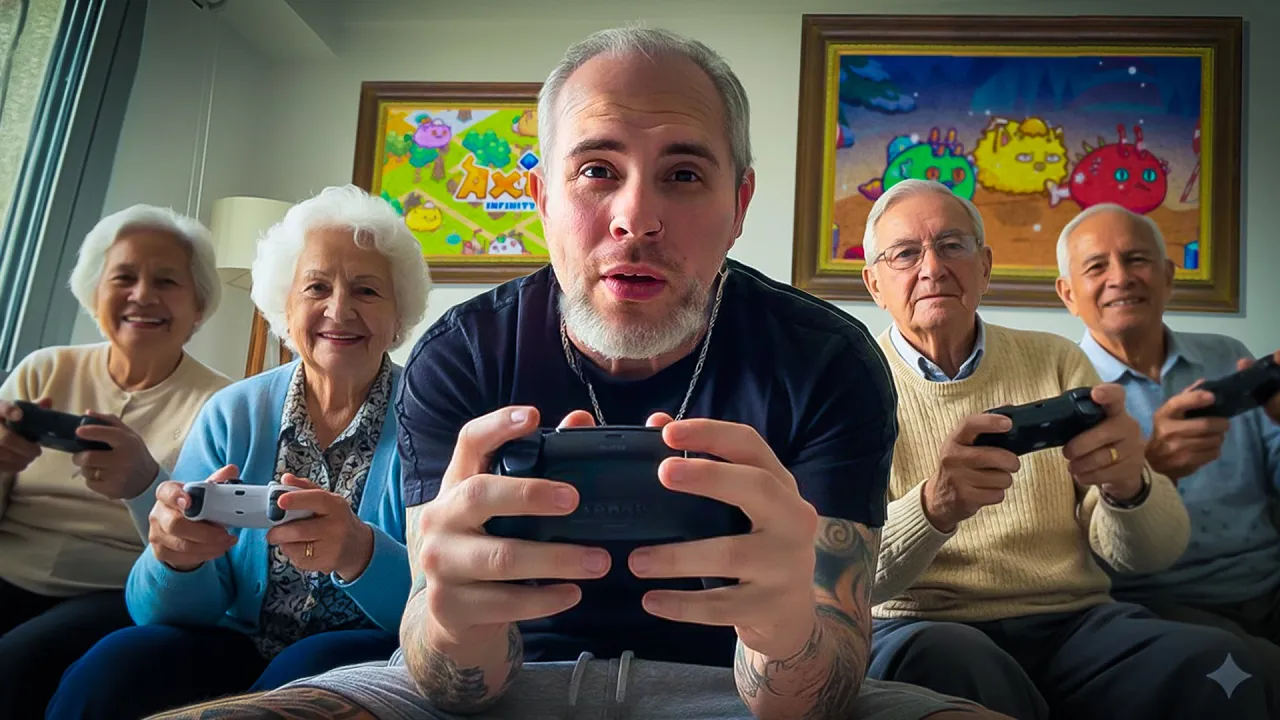


Axie Infinity pioneered the play-to-earn gaming model by introducing tokenized experience points (Small Love Potions) that created a free market within a blockchain game, making crypto accessible to everyday users through familiar gameplay mechanics like Tamagotchi and Pokémon. To scale this innovation, Sky Mavis built Ronin, a gaming-specific Ethereum sidechain designed to address scalability limitations of existing solutions, which enabled Axie Infinity to grow from 19,000 to 2.8 million daily active users and generate $1.3 billion in revenue, establishing the foundation for Web3 gaming as a mass-market on-ramp to crypto adoption.
Building the Web3 Gaming Economy: A Case Study of Axie Infinity and Ronin
Added:Fundamental concepts of blockchain technology, smart contracts, and decentralized public ledgers.
The distinction between fungible tokens (ERC-20) and non-fungible tokens (NFTs/ERC-721) and how they establish digital ownership.
Basic principles of traditional video game economics, including virtual currencies, item scarcity, and player-to-player marketplaces.
The operational differences between Layer 1 blockchains (like Ethereum) and Layer 2 scaling solutions or sidechains (like Ronin).
Advanced tokenomics design, specifically focusing on how to prevent runaway inflation and manage the 'sink and source' dynamics in Play-to-Earn economies.
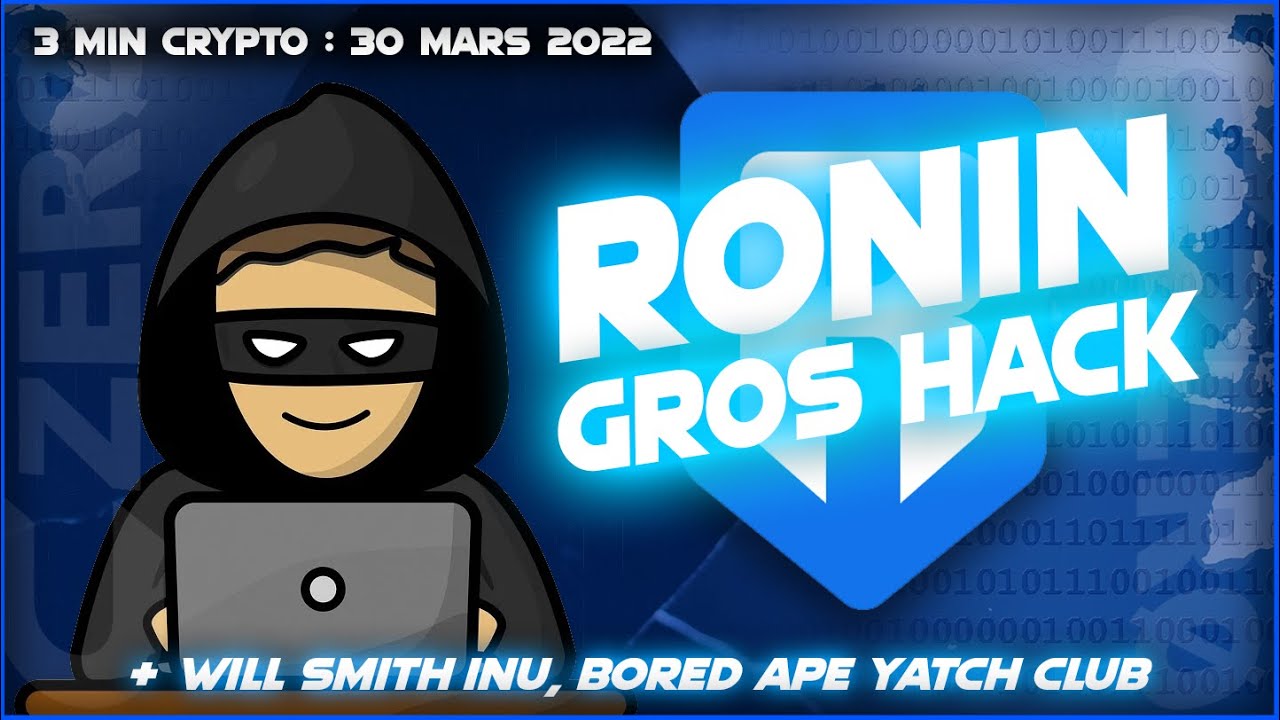
Blockchain security and infrastructure vulnerability analysis, with a case study on the Ronin network validator hack of 2022.
The socio-economic impact of gaming guilds (e.g., Yield Guild Games) and decentralized autonomous organizations (DAOs) on local economies in developing nations.
The evolution of Web3 gaming paradigms, transitioning from purely financial 'Play-to-Earn' (P2E) to gameplay-focused 'Play-and-Earn' (P&E) models.
138 views5likes54:34Original Release: 2025-03-27
axi was meant to introduce people to crypto through something that reminded them of tamagachi and Pokemon was built on the idea that hey people want to play with their nfts people want to battle uh we then realized that hey people wanted to trade those experience points and buy them uh you know without the axi attached to them in many cases so we were like okay this is a good opportunity for a free market that was the first time right that a a blockchain game had a token attached to it one of the ideas was that hey if we can get everyday people mining cryptocurrencies by playing a game that might be a model uh that they would you know basically get that would get them interested in the space but axi didn't really reach his true potential until we deployed it on Ronin we had to build it because nobody else understood gaming and at that time in 2021 all the scaling Solutions were premature and uh not ready for us welcome to EP Center the show which talks about the Technologies projects and people driving decentralization and the blockchain revolution I'm Ryan Crane and today I'm speaking with Jeff Surin who's the co-founder of ronin Ronin is uh gaming Focus layer one the same team previously got to some notoriety of Fame through uh starting the AI Infinity game as well so I'm really excited to speak with him today about you know his story the story of ronin and you know blockchain gaming more generally so just before we start with Jeff we would like to share a few words from our sponsor sponsors this week if you're looking to stake your crypto with confidence look no further than course one more than 15,000 delegators including institutions like Bido Penta capital and Ledger trust corus one with their assets they support over 50 blockchains and are leaders in governance or networks like Cosmos ensuring your stake is responsibly managed thanks to their Advanced meev research you can also enjoy the highest staking rewards you can stake directly from your preferred wallet set up a white label note restake your assets on IGA or symbiotic or use the SDK for multichain staking in your app learn more at chorus. one and start taking today this episode is proudly brought to by nosis a collective dedicated to advancing and decentralized future nosis leads Innovation with circles nosis pay and metry reshaping open Banking and money with hashy and nosis VPN they're building a more resilient privacy focused internet if you're looking for an L1 to launch your project nosis chain offers the same development environment as ethereum with lower transaction fees it's supported by over 200,000 validators making nosis chain a reliable and Incredibly neutral foundation for your applications nosis Dow drives nosis governance where every voice matters join the nosis community in the nosis Dow for today Deploy on the evm compatible nosis chain or secure the network with just one gno and affordable Hardware start your decentralization journey today at nosis doio cool well yeah thanks so much for coming on Jeff yeah thanks for having me Brian just to start off I'm curious how did you become interested in crypto and involved in the space I volunteered for the campaign of Ron Paul in about 2008 2009 and when I when I joined that I joined the newsletter so I found out about crypto via the Ron Paul newsletter but in about 2010 2011 but for me the idea of digital gold was a bit boring and I understood the problems with Fiat money and sovereign debt but you know if Fiat and government bonds were going to crash there are other ways of making money than just buying Bitcoin um or storing lth right you can buy Farmland you can do all these other different things you could buy stocks um because whatever money gets red denominated in right equities real estate real assets will still have value Bitcoin cool real asset so it wasn't until I discovered ethereum and crypto kitties that I got really interested in the space so I grew up playing video games games and collecting things the first thing I ever did on the internet was play Starcraft my father collects butterflies and insects and fossils so my way of relating to him as a child was be a collecton so when I discovered ethereum and crypto kites in 2017 this was like hey this is interesting to me finally intellectually and from a entertainment perspective I can meet a lot of people so my father has friends all over the world that collect butterflies I'm meeting people all over the world that are interested in this nft thing and they tend to be pretty smart optimistic people so that's what initially captured my interest in the space was basically crypto kitties and ethereum and after that I wanted to contribute I thought hey this is my chance to become an entrepreneur and actually build something which was something I'd been waiting for my entire life but it felt like for Our Generation we were born a bit too late to meaningfully contribute to the birth of the internet the birth of web 2 all my friends who wanted to be entrepreneurs at the time they were making scooter Ops or doing e-commerce right they're building something so they could sell it to Google this that wasn't for me I wanted to contribute to something that was net new cool so for those who don't remember crypto kdes can you just explain what were crypto kitties and what was it about crypto kitties that you found so cool crypto kitties were an early nft project um and you could breed them right so it actually had a mandelian genetic system and you could breed them uh it had some problems right or it just you know wasn't set up necessarily to a long-term project and but the breeding mechanic and the collecting these were things that were very very interesting and I think people started to think about and I I actually think that the birth of web three gaming birth of axi was the answer to a question of how could we make something like crypto kitties go on forever where it would always make sense to want to collect new cats or breed new cats um how could we extend that cycle right so within the crypto Kitty Community people were saying oh we need to build games and mini and experiences for these cats so people would always want to buy them or we need population control we need these cats to die um in order for us to want to continue breeding them because right now it's just like the population is going up and up and over time even if demand is constant then you're it's not going to be a workable situation right so a lot of those questions are actually what went into the initial conception of axi infinity where we're like okay you need to be able to earn to you need to be able to earn the right to breed an axi we need games so that anyone who wants to play the game would be forced to basically buy axis to play the game so there'll be basically Supply control reasons to buy um things like that so then axi was both your first kind of real crypto for and also your first entrepreneurial Endeavor that you undertook so I joined axi as a community member I'm a co-founder of Sky Maus because we built we founded Sky Mavis a a year after we started working on axi but I found axi as a community member initially and I fell in love with the project um I just started doing the things that I felt the project needed me to do and then I joined the project full-time I moved to Vietnam from New York I gave my dog weight to my parents I broke up with my girlfriend um because I fell in love with uh the project and I thought that it could really go somewhere so axi is probably also something a lot of people have heard of um but can you explain like how did axi work and how did it manage to get uh such traction for a while so axi was built to introduce the world to crypto through something that was fun and nostalgic something that reminded them of childhood rather than something that was overly futuristic something cannot be too much from the future otherwise people are going to be us afraid of it uh that's one of the problems that crypto has is that it's too Innovative uh so if you can package something that's Innovative in a pack uh way that makes it relatable that's where a lot of innovation comes from right for example an iPod which is something that already people already knew about that could make calls right that's that's like one way to think about it axi was meant to introduce people to crypto through something that reminded them of tamagachi and Pokemon you know axi was built on the idea that hey people want to play with their nfts people want to battle most people want to battle right like uh people want a battle mechanic that was number one thing that people in the crypto KES Community wanted was battles and for uh the battles to be related to breeding um so yeah that's basically you know you would battle your axes you would gain experience points and then you would use those experience points to breed uh we then realized that hey people wanted to trade those experience points and buy them uh you know without the axi attached to them in many cases so we were like okay okay this is a good opportunity for a free market right we're in web three gaming or we're in blockchain gaming or there was no name for it at the time right but we're we're in uh we're doing web 3 we're doing crypto and gaming let's see if we can create a market around these experience points so then we tokenized the experience points called them uh small love potions and you know that was I I think like a crazy moment because that was the first time right that a a blockchain game had a token attached to it and at that time in crypto most people didn't really care about nfts but people were still interested in uh in ir20 tokens so we started to see that hey like a lot of people are now interested in our game because it has a token related to it so yeah uh you know that would that that started to get us some initial traction but actually didn't really reach his true potential until we deployed it on Ronin so Ronin is a gaming specific blockchain we had to build it because nobody else understood gaming and at that time in 2021 all the scaling Solutions were premature and uh not ready for us so uh for example we tried to use Loom Network which is uh one of the original layer 2 solutions for uh for ethereum right but they gave up so we're like [ __ ] like we can't build our startup on top of another startup we're going to have to do this ourselves and we're going to be buil one that's specifically built for gaming so we uh built Ronin we deployed axi on it axi was the first game to exper experienced exponential growth because of ronin so axi went from 19,000 da to 2.8 million uh you know did billions of dollars in volume it did $1.3 billion do in Revenue uh and you know it it really created the category of web three gaming uh we built throughout the bear uh so with Ronin right like we went beyond axi where we started to onboard games outside of axi and axi continued to build axi has 300,000 monthly active users today uh we just announced an MMO that hit 400,000 pre-registrations within 48 Hours of the announcement um and uh yeah so I think like basically we built out improved the use case for Ronin with axi and then teams that wanted to learn from us and also build games for the axi community started to deploy on Ronin pixels was a big example of this they came in they move migrated from polygon where they had 5,000 users and hit 1.5 million users within uh four months of migrating to runin so yeah now right runin is known as a very gaming specific blockchain uh we just opened it up why because there are a lot of application developers that they're like wow the I've been building D5 protocols whatever for the same group of people for over the last four years the Ronin Community is a way to introduce your defi protocol your application what have you to a group of users that's mainly just been using watching games and using one Ducks maybe you go back to axi like briefly so I I know one thing at the time right was also that you had a lot of people who were then kind of playing axi for a living know and like uh you know earning some of these uh love potions I guess and then selling them so I think you guys had a big Community you know or a lot of people playing it in places like Philippines or can you tell us a little bit about how that how that economy what it looked like and what the Dynamics there were so the idea right is that like I a lot of people that were obsessed with crypto that I knew about were miners right and I was like okay like of course you guys would be interested in crypto you're freaking mining it like you basically only have to pay Elexis and you're getting coins but how will we make everyday people who aren't minors interested in the space in the first place that was one of the reasons that I wasn't interested in Bitcoin I didn't want to mine it because it sounded too complicated I didn't want to buy it from another person I was like how come right how come you get it for free basically or you're just able to mine it but I have to pay you basically real money for it uh so one of the ideas was that hey if we can get everyday people mining cryptocurrencies by playing a game that might be a model uh that they would you know basically get that would get them interested in the space um so that those are the first principles of why you would even give out a token by playing again uh those tokens right the SLP was needed in order to breed axes um and as more and more people came into the game right there was uh increasing demand for axes one of the things that we've done uh as well like that we deployed during the bear was this idea that you need to kill axis too there needs to be creation and destruction there needs to be more even more population control rather than just like demand um so now like in order to make your axi more beautiful more powerful you actually need to destroy axes uh you need to destroy axes get crafting materials as well as paying uh tokens to you know make them stronger so that's to me right like one of the next phases of uh web gaming is basically this idea of a dynamic nft when you think of axi in the history of axi what are the biggest things you learned about blockchain gaming and the biggest like lessons that you would give to you know to any one else wanting to build a blockchain game so these are the things that we do for our partners on runin is like all the lessons that we take uh that we got from axi um and building in web through gaming for seven years right like we uh help disseminate those lessons to our partners uh in addition right like we're taking a lot of those lessons and putting them into one game ax Infinity atas Legacy is basically an MMO that we just launched um so a lot of of these lessons are right how to grow a web game right how to like build community how to be a leader to many people at once um how to manually onboard people to your crypto product because in the beginning you you know it's going to be really difficult uh to get people interested in in your product right you might have to do some like manual onboarding um how to manage an economy how to think about sinks and uh and and faucets so these are you know these are some of the things that we're thinking about right um there there is no like pre-established you know well defined playbook in web gaming because the market is always uh changing and The Meta is are always uh changing as well but we do have right different case studies and and different learnings that we're able to share uh with these teams and that's one of the things that really attracts Builders to Ronin is ronin is a chain that's actually built by a team that has built a mainstream crypto but there aren't very many of those chains if any other than the Ronin Network so first you basically built Ronin for axi specifically and then later we're like okay let's make this like a general gaming L1 and allow lots of other people to also build on it yeah that's not I believe that that's like a model that will work right and it's kind of similar to right what hyper liquid is doing where right they built a chain jent first for their purpose decks now and like they're able to theoretically right like get that traction and turn it into something else so when you came to you know building a blockchain specifically for gaming uh you know what's needed there and like how does it differ from just a sort of general purpose blockchain yeah so one of the things that makes you run unique is that we have like a vertically integrated system of applications such as the running wallet the running Marketplace Ronin wallet is a wallet that's specifically made for gaming um has uh a lot of features that are specifically useful for gamers uh as well as a Marketplace that's specifically made uh with gaming nfts in mind um so yeah a gaming chain obviously also needs to be really fast um and it needs to have Gamers on it and I think that's really you know now a big difference trator is the people who use run network right many of them are originally axi players they're people who already know about web3 gaming and know how to use a web3 wallet and uh are interested in trying out new interesting web3 gaming products when it comes to maybe axi or other blockchain games what's actually the interaction between you know the game and the chain cuz presumably you don't have like the entire game Run run on chain or or do you H do you have that in some cases or in some cases some parts are offchain and some onchain or like how does that break down different games do it in different ways some of the things that we see of course is having the game assets on chain having things like daily check-in on chain so you people have an understanding of how many people are actually playing the game on a daily basis and doing like State changes or basically progress right so nfts are now leveling up right so basically having that reflected in the metadata is really important as well having reward systems on chain right where you're basically minting tokens burning tokens um these are some of the things that we're seeing so you know the the qu in crypto of course always one of the big topics or big principles is the idea that you know you don't have to trust and you can verify um how does that work with the either axi or other games built on Ronin since you know there's a lot of offchain part and then it gets uh you know reflected onchain is there some way to like verify that you know the offchain part is accurately reflected on chain well the thing is where the incentive is for anything that people want to know about then the developer has some you know at least theand for putting it on chain right so I think it's really up to the you know in some ways so so this is an interesting right balance where sometimes right it may make sense to have more things on your uh game server uh and just selectively put things on chain and this is always a constant balance in the early days of axi we used to make it so that for every single time you wanted to battle your axis you would have to submit a transaction but the players hated that uh they didn't want that they didn't want to see all the B logic as well they didn't care about that right what do they care about they care about free markets ownership um they don't care about like individually verifying the data as well but there are certain things that you want to have like on uh that basically use like a onchain vrf um right it's gotcha systems uh rolling right things where there's basically a large amount of money at stake based on chance you you want to you want to make sure that oh right there's not some Rogue engineer who's like manipulating that uh to their advantage one thing you mentioned that you guys you know have learned a lot about and now try to um also teach people building on running is the aspect of like community building and of course community building I think is important for you know all crypto projects right because in the end you want to have a lot of users they have tokens they engage they feel like the part of it they will hold it also you know maybe even things don't go well and stick around with the thing over the long term so what what are the biggest things you've learned about how to build a community how to build sort of an Engaged and committed Community yeah I mean I wrote a book about this called the web three gaming growth handbook and and you know I can talk about some of the basically the principles but I also incourage everybody to check it out so you know and Community Building happens in stages so in the beginning it's a lot of like manual onboarding right so you need to find like okay who are right who are the people that I could that would be theoretically interested in using my product in the early days for us it was like who are the people in the world that are interested in nfts then we can tell them and get them interested in this idea of an nft game so we reached out to the centraland community we did Partnerships with them uh we did uh a campaigns where we could where we would get them axis manually like wise with crypto kitties you know there's a lot of like manual onboarding incentive alignment right so how do you basically scale this idea of the community doing work is you need to find ways to make them feel uh sufficiently incentivized to uh use their small amount of time uh to advance the interests of the network which they are now owners of uh referral systems can also be really powerful right where people are basically doing work and being rewarded systematically for the onboarding impact that they're having uh ugc right ugc is a lot of what powers uh both uh gaming communities uh Web Two gaming communities and now web three gaming communities uh community members getting tattoos making musicals uh just making a ton of art right that that all helps to basically promote uh the network and show the strength of the community um doing manual gifting right so in the early days we manually gifted to crypto kitties into centraland but now right like or over time it was like who we strategically gift to we wanted to go on binance or binance has never done a web three game uh listing or Launchpad gave every single binance Angel uh axis um and then boom it's like you uh they're all become your Advocates within whatever organization uh you want um you know uh how how do you like actually do interviews or uh player interviews or user interviews right there's like a whole art to that where you actually want to do it in person you want to ask them like specific non-leading questions yeah you know you also want to like find ways of doing your elevator pitch a one minute version a five minute version and a 30 minute version and constantly like repeat that uh how do you basically also like tow the line between being transparent with your road map but also like basically creating unreasonable expectations right uh there's an art to that and then yeah like how do you communicate that you're win winning what is the data what are the Northstar metrics that you're going to be centered around that aren't like vanity metrics uh that you're able to basically talk about to the outside world to show that you're winning because people want to be part of something that's winning people are lonely and people feel like they're losing so if your project can basically make them have friends and feel like they're winning then you're going to be winning I'm curious do you feel there are some projects outside of uh gaming you know like crypto projects that you know have done like some have done the best when it comes to community building and you know have done some things that you know work super well and that inspired you there are a lot of course and there you know I think that ethereum's values especially in the early days um you know has been uh has been able to attract a really great Community around it Bitcoin is the strongest Community right where Bitcoin is almost like a meme coin right um but it's the original one um and you know I actually haven't really hung out with too many bitcoiners except when I went to Trump's inauguration I met some of them right so Bitcoin Community is like a total almost like a totally separate Community from the rest of the crypto because a lot of them are actually like normies right like or they're been onboarded by Bitcoin and only in Bitcoin and they're not into anything else um and in many ways that kind of reminds me of the runner Community you know so these are some of the big some of the more Niche ones right is I mean like you know with defi right uh things like you know the early Unis swap Community um I think was really was really interesting right like basically the whole like you know group of people that was interested that was in like defi summer with Wi-Fi snx uni like early compound stuff like to me that was like some of the strongest Community uh that I ever witnessed in crypto and you know I think like part of the problem with ethereum is that there's been kind of a dispersion or a disillusionment um in that exact group um I I do think that with regulations changing and loosening uh that group is still here and ready to be like reignited yeah I think with Bitcoin one of the things that became such a powerful thing is this huddle meme right because I feel like if you tell people look you know all you have to do is just hold the coin and then you're basically one it becomes this moral imperative right like oh if you you have to if you hold the coin you're strong and you're a Believer and you're a part of it and you're also you know helping make Bitcoin succeed just by holding Bitcoin I think it's something that you know like it's it's very powerful for sure I'm actually curious about the the thing you said about ethereum so ethereum has had a bit of this yeah like dispersion I think that's like accurate to say right where people feel less like focused just on ethereum and uh maybe a bit less aligned do you think that's is that just a consequence of scale and maturity or like do you think there's some other things that ethereum should have done differently to creep more coherence in the community everything is going well with ethereum except for the price and the narrative all the metrics ethereum needs to be winning ethereum is winning I believe that what's happening is relatively healthy I believe that what's happening is also kind of a result of the regulatory environment it's only been since November that the regulatory environment has kind of gotten more clarity you know if you want to build useful stuff in crypto then you need to be able to back your token value with cash flows and revenue otherwise of course people should just buy Bitcoin and memecoins um and basically that's been illegal uh for the last four years um and I I believe that ethereum R has been paying a bit of a price there U but I think you know I I see the the changes being made thean Foundation has new leadership which is good uh you know I never um I didn't know what the old leadership was doing um but it it wasn't very visible and crypto is about transparency and kind of leading from the front or at least right servant leadership that is visible is another way to think about it and I don't think that that type of leadership was being exhibited by anybody at the ethereum foundation in the past you know other than metallic um so you leadership for the ethereum foundation makes me excited and hopeful uh Danny joining ethereal Li which is very focused on Real World Adoption um Vic is uh who's the CEO of ethereal actually one of my college buddies and so you know he's probably this one of the smartest people that I know um so I believe that they'll be doing really good work to get to on board Wall Street uh to ethereum um and then yeah you know a just uh did the buyback right I think they're doing aill a million dollars per week of BuyBacks based and so this is what's going to happen defi will win and real use uh applications will win because they generate fees that are then used to buy back tokens and uh create token holder value and uh ethereum wins via that happening at scale both with defi gaming and other use cases um so yeah you know th those are all the things that I'm taking you know that I'm keeping my eye on and you know I do I I believe that the you know it's it's annoying obviously if ethereum doesn't go up I have eth I know I I I've you know sympathize with everybody who holds eth but everything isn't going well with uh ethereum except for the price and right like markets are irrational in the short run right so let's talk a little bit about the Ronin uh the the economy one thing I'm curious about so in one of the great benefits of blockchains uh especially like general purpose smart contract blockchain Sy you can have a lot of composability and you see a ton of that in defi right where like people do one thing I don't know Pendle and then they uh use the asset in orbit to borrow against it and then do something in a third protocol so I think that kind of composability is working like super well and in Defi and you know it feels like very powerful um how do you see that in maybe current state of roading and also how you want to see it in the future do you see a lot of uh you know sort of composability between different games that are being built or maybe some kind of apps that are being built that uh I I don't know maybe like defi like apps that kind of work across games composability interoperability these are some of the things that people always tout as benefits of web three gaming you know one of the things that we see is okay if you want there are certain really strong communities that are associated with either strong tokens culture coins or nfts on their running network if a game wants to use their acquisition then giving that util that token or nft utility within their game economy uh is can be a way to basically create user acquisition so you know we're seeing we're we are seeing a bit of that um but to be honest like you know that is one of the that's one of the things that still like has a lot of work to be done around like you know it's kind of been like oh interoperability or whatever is kind of like a meme of like oh theoretically what makes uh web threee gaming useful um I think it's I think I think there there is uh you know opportunity there and we have seen right games like pixel right like they were able to attract a lot of nft communities to pixels simply by integrating their nfts as pfps within the the system they created like a scalable architecture for basically being able to import any nft and kind of like pixelize it right uh and bring it into their game so you know that's that's kind of a that's kind of a thing I mean games become powerful when they get hooked up to def5 protocols axi and infinity and play to earn was the uh combination of Unis Swap and axi right most of the original users of Unis swap came from the axi community when you're not maybe the volume but in terms of like the people actually using Unis swap B big tongue of them came from the axi community um and that was the fundamental Innovation what happens when you connect the decks in a game it's like rather than having to pay Google and Apple for marketing just deposit some liquidity and you're able to now have like a user base of your game and that can be that can help you get over the cold start a right games aren't fun unless people are playing it right so it what theoretically makes sense to pay uh your first you know couple your first initial group of users another way to think about it is like it's like right like at a club right like there's certain certain girls they pay them to be in the club that kickstarts the party and then right like everyone else is is going to pay to come into the club because it's fun yeah yeah Biff what are the types of games that you feel are most suitable for web 3 gaming and you know what are some types that it doesn't really make too much sense I think MMOs are the best because they have deep economies they have social features they're highly emotional some things that don't make sense is like very like hyper casual games but maybe if like those hyper casual games have like elements of risk or gambling or real loss then there's ways to make it work and for those who are not Gamers can you explain what MMO games are and what sort of differentiates them MMO games are Games like World of Warcraft where you basically go into a world uh you can play with your friends you can do things like go into dungeons with with with them and play simultaneously you can just hang out talk to people show off your gear MMOs typically have like very advanced economies where there are many many many different types of resources those resources might be needed to craft certain things um they typically have a ton of content right where you basically have like PVE content which might be dungeons they you need to team up with other people to complete as well as like PVP content which might be like large scale or and battles MMOs are kind of similar to real life you can do whatever you want in an MMO you can hang out with people you can make friends you can go on your own Adventures uh MMOs are uh yeah I you know when I played World of Warcraft you know I would socialize I would compete I would have fun I would uh progress you know basically a lot of the reasons that life you know that you're thing you're interested in you know uh life you know can be almost replicated in an MMO environment and that's you know for me I I was got too much into MMOs and my mom sent me to boarding school when I was a kid CU he wanted you to play less MMOs yes so I I got to a boarding school that turned off the interet at 900m and this is before like this is before you could like just tether up with a hot spot or whatever I mean you know you need really good Internet to play an MMO as well one of the area right where today everyone is focused a lot on is AI what do you think the impact of AI is going to be on gaming and uh on web 3 games in particular gaming and AI are a great combination AI has been in games for a really long time already uh right bosses are powered by AI um you know a lot of advertising is actually already powered by AI so I think it's I think it's huge AI is obviously getting smarter and smarter I think that NPCs that are able to learn and basically uh you know uh learn in a much more uh interesting and realistic way are going to be huge especially like things like MMOs I think that AI powered questing systems right where you know your game experience will be powered by uh an AI that's basically learning about your preferences right what do you like to do and then it's almost like choose your own Venture but you're not necessarily choosing you're kind of Choosing by what you're doing but then the game is like molding itself to react to your preferences uh as well so I think like bosses NPCs Quest systems game uh content uh all of these things are right for being enhanced uh by AI in many ways they already are which is also a good sign that it makes sense because right if it's been happening over the last 5 years when uh AI hype has been right relatively low then now that AI is getting even stronger by the day you know there it should basically be a sign that there's a good likelihood I also think that AI will be great at balancing game economies um as well so one of the big problems with web 3 or one of the big problems that's you know uh right for solving is like right like ideal distribution of incentives right almost self-balancing economies and so a lot of that is like yeah that should be done by an AGI right so you mentioned the kind of similarity between MMOs and real life uh and I'm curious your thoughts here because I guess one of the scenarios sometimes people talk about is like oh AI is gonna you know make uh human labor kind of redundant and then you know people will just go and play games right as a way to uh you know get some sense of achievement so I guess that's like one thing I'm also wondering to what extent you feel MMOs actually you know teach people like skills and competencies that then they they help them in in the real world or is it more like an escape thing where people feel like ah the real world it's too hard but you know in the game I can get like this much more consistent reward and tense of progress yes uh a first of all Ai and AI will disrupt a lot of different types of human labor that maybe humans are best not to do and humans will spend their days right trying to figure out what is my how do I have a sense of meaning in the world and then they will start to think about you know how am I spending my time with my friend am I being a good friend am I being a good family member and am I being a good human being and how do I do better these are some of the things that people will start to think about once they're relieved of some of their day-to-day concerns and activities right theoretically this is in a world where AGI exists and right where it's like almost permanent in abundance people just get like food and stuff like that because AGI has created like a golden Society right otherwise right it could be like more Bleak right but let's let's think about that type of a situation uh which I think is more of the likely outcome um because it's also like related to the trend of the world so yeah people will be lonely and humano human interaction will be one of the last things uh that humans kind of specialize in right so you know hanging out playing games being a good friend um these are some of the things that people will uh many people will find meaning in um I think that'll be great for gaming and I also think that gaming will be an increasingly important part of society because of that yeah you know we've been thinking about this for a long time right where with the rise of AI people are going to have to find new ways of contributing uh to society um and participating in these virtual economies right that will be uh a path for many people also testing products right giving feedback right um grinding Discord like it's it's really like you know you're starting to see if you squint right that cryp like it's just like more of society will become like the daytoday of some person who's and not really working or and just kind of like uses crypto apps and Tra kind of Trades a little bit uses crypto apps right like that type of archetype of person already exists and I think that more people you know will do that over time if you speak with like crypto investors many of them feel like oh I we've made like gaming related Investments and and those all like I think have a track with record of working out very poorly why do you think it's been so hard for crypto gaming related things to you know like succeed as tokens and as things that create economic value everyone tried to copy us uh and raise money right it became too easy right so you know we skipped right like we skipped all of the stuff that tried to copy us and of course they weren't necessarily coming to us so we're kind of safe uh but in investors were looking for the next axi right whenever you try to invest in the next something you lose right Sushi Swap and I think of all the people who tried to buy sushi swap because they thought it'd be the next Unis swap right it's always the original right there's only one Bitcoin there's only one the Bitcoin the original store value ethereum the original smart contract platform right um axi right the original uh play to earn game Ronin the original gaming blockchain right like people always lose money when they kind of try to look for the second best um so you know that's that's kind of the way that the way that I see it right it's like they were looking for the second axi the second Sky Mavis the second Ronin and uh they failed but that's how things work in crypto is like you the majority of the value URS to the one that did it best first at scale and I also think right like that yeah you know there will be there will will be teams right that figure out right like new models um of web three gaming value Cru because people also think that yeah with gaming there's a lot of winners right oh yeah like the cool thing about gaming is there's GNA be a lot of winners but actually crypto products are networks right networks typically have like a CREDO distribution of value acral right yeah so when you look at uh where Ronin is today as a chain what how how do you describe the current state and what are where do you want to see it go in the long term Ronin has proved that it's about more than AC right we had pixels uh that one parabolic currently 600,000 daily active addresses 1.8 million monthly active addresses 18 million runin wallet downloads uh nft volume under the runin chain uh went up 182% last year um you're seeing like a lot of see nft men's sellout um and a and a ton of outperformance in terms of like the nfts that are launching on the run and chain games like Fable born Cambria Lumi Terra forgotten runiverse Ragnarok online um are all poised to uh I think do really well and and ship so I think Ronin has proved that it's home to the best web three games I think that Ronin has proved that it's can be about more than than axi even as axi has continued to innovate and um and reinvent itself and and we just recently opened up the run and chain um and we'll right be having different def5 protocols um come to run in I think there's like a huge interest from also developers that aren't necessarily game developers but are interested in building applications for everyday people right I think that's the pitch is like there are a lot of like people on Ronin who have never used some of these D5 protoc calls so you know if these protoc defer protocols want to like access a new user base then Ronin is a really good chain expansion opportunity for them and so that's how I'm seeing the current landscape and I also think that you know people are looking uh for new use cases over time like people are going to want to actually use uh uh crypto uh more and more and people are going to be looking for friends and op and communities that they can partake in uh to be part of uh crypto and and to learn about it so I think that's that's really where we specialize and it's kind how I see the current state of run it and then the long term do you want to see Ronin as kind of like de hub for like web 3 gaming and have like you know all the games or you know as many as possible all kind of build on Ronin and and then have kind of runin chain as is like shared like economic substrate for all these chains is it like something like that division the more of the best games are on runin right just creates this network effect where you know we saw the most vulnerable point for Ronin was after axi uh did well but then there was obviously the bare Market we got attacked uh that was the most vulnerable point because we needed to prove that act that Ronin could be about more than axi uh then pixels came and they showed that wow this model could actually work for other games and then or we got in a Allstar class of subsequent games so that has been like the that was that has been like the key right is to show that like we could be about more than axi um and then after pixels being able to catalyze that momentum into getting the next class of uh best games and now that we have that um okay great we're King of the gaming chains but what what but what's the larger Vision right is that we can basically create this network of games that onboard people to web 3 at scale and then you can introduce them to defy protocols and payments applications um and fulfill the original vision of crypto which is basically creating like this Mass interconnected payments Network you just need to figure out like how to use everyday applications that get people in at scale as the carrot yeah that's interesting so do you also see some kind of because I guess one thing is like okay Ronin you can have you know the dexes for you know trading different gaming assets and things like that but then I guess could also go in the direction where then these people maybe start I don't know doing like stable coin yield stuff uh and hold their savings there or like sort of as a general chain so many people have said to me oh because of ronin I realized I don't have to use Western Union anymore to send money to my relatives right oh like uh my my I'm feel so happy because my grosser now accepts Ronin wallet uh QR code payments uh so yeah like obviously that's the that's the idea is you onboard them to gaming and then right it becomes this natural payments Network as well cool anything else you want to talk about yeah I mean I would just encourage everybody to check out the new axi MMO many people I'm sure know about axi and probably thing one number one thing that people ask me hey how's axi going what's next for axi what's next for Ronin right well what's next for axi the axi MMO pre-register for that uh axi infinity.com you're going to be be able to pre-register what's next for Ronin more games launching more MMOs launching um you know follow Ronin on Twitter and uh wiki. Ronin chain.com really great resource for figuring out right uh all the different applications and games to check out on the Ronin network uh also how to build on Ronin right um a lot of people are also asking me like oh like we want to deploy something on Ronin like can we talk to you and get a grand uh yeah you know for us the thing that's going to work is you know just deploy your [ __ ] and get some users and get the community excited then right that kind of forces our hand to talk to you and uh you know potentially take a look at giving you a grant I don't I I know like people are broke right now but that's kind of like a pet peeve of me is like people just being like hey we we're we need to talk to you before we deploy just shut up and deploy like and get some uh real traction uh before coming to get you know for for the for the for the money yeah so if people want to like experience Ronin and what it's like do you think the best starting point is uh the ax MMO so to participate in that MMO just pre-register for it right so it's it's not out yet um what I would do is just you know go to wiki. Ronin chain.com uh and explore uh right like we have you know we have a lot of different games uh that might be a good fit for you uh download the roner wallet roner wallet has the best user experience of all web tree wallets I believe um so so that's what I would do right if here if you want to use it right go to wiki. Ronin chain.com and explore around uh and if you're a developer yeah wiki.
Ronin chain.com and you'll figure out how to have has all the documentation for learning how to deploy and uh go you know mess around and post on Twitter uh the Ronin Community is super strong uh there's also like mcoin communities on Ronin right so there's something called rank uh which is like a ronin Meme and it has a super strong community uh if you want to get some users and excitement around anything that you're building on runin like you know kind of make an offering to the Rony Community right like give them a shout out and boom like you're going to have like the attention of uh thousands of of crazy people uh almost immediately so yeah yeah I've heard a little bit that you guys have a super vibrant and passionate Community yeah cool well thank you so much for coming it was really great to dive a little bit into the Ronin and sort of repb 3 gaming and the current state I'm excited to see how that evolves over the coming year and I'm excited also to try out more myself because I I have to admit that's like one of the areas of crypto I have Beast explored so i' love to kind of dive into it a little bit too yes and the games are getting better like the thing that makes me super optimistic about web Dre gaming is that the games are getting better the founders are getting better and the game economies are getting better uh consistently over time um and uh you know if if that weren't the case then I would be worried um but that luckily that's not the case the games are getting uh really good uh people are figuring out like uh optimizations for the for the game economies as well as like trying out some novel new experiments and Founders are getting better at leading and communicating and creating agreements with uh the communities that choose to follow them cool well thank you so much for coming on Jeff it was really great to have you yeah thanks for the invite
Up Next

19:12
CryptoFights Review: An Analysis of Blockchain Gaming Flaws on BSV
@jauwn
262.2K views•2023-01-22

26:22
Walking in the City: Urban Rituals and the Flâneur in Contemporary India
@PSBTIndia
1.9K views•2016-08-02

9:49
FastAPI vs Flask vs Django: Choosing the Right Python Web Framework
@TechWithTim
302.5K views•2024-05-26

1:42
Game of Thrones Opening Credits: A Cinematic Analysis
@gameofthrones
46.3M views•2011-04-18
Related Study Plans & Knowledge Roadmaps
Structured learning paths in General & Interdisciplinary Studies
general-studies
Artificial Light: History, Tech & Human Impact
01The Pre-Electric Era: Fire, Oil, and Gas Lighting
02The Incandescent Revolution and Grid Electrification
03Gas Discharge and Fluorescent Illumination
+ 3 more learning modules
14h6 modules
Explore Roadmap
general-studies
Elevator Engineering: History, Physics & Cities
01From Hoists to Safety Brakes: The Dawn of Vertical Lift
02Hydraulic vs. Traction: The Engineering Physics of Elevators
03Modern Speed, Safety, and Algorithms
+ 2 more learning modules
12h5 modules
Explore Roadmap
general-studies
Rubber: Material Science, History & Geopolitics
01Origins of Natural Rubber & Mesoamerican History
02The Chemistry of Natural Rubber & Vulcanization
03The Geopolitics of the Rubber Boom & Colonization
+ 2 more learning modules
12h5 modules
Explore Roadmap
general-studies
Containerization: Evolution, Logistics & Trade
01Ancient Trade & Bulk Cargo: Amphorae to Barrels
02The Industrial Revolution & Cardboard Packaging
03The Containerization Revolution: Malcom McLean
+ 2 more learning modules
12h5 modules
Explore Roadmap