


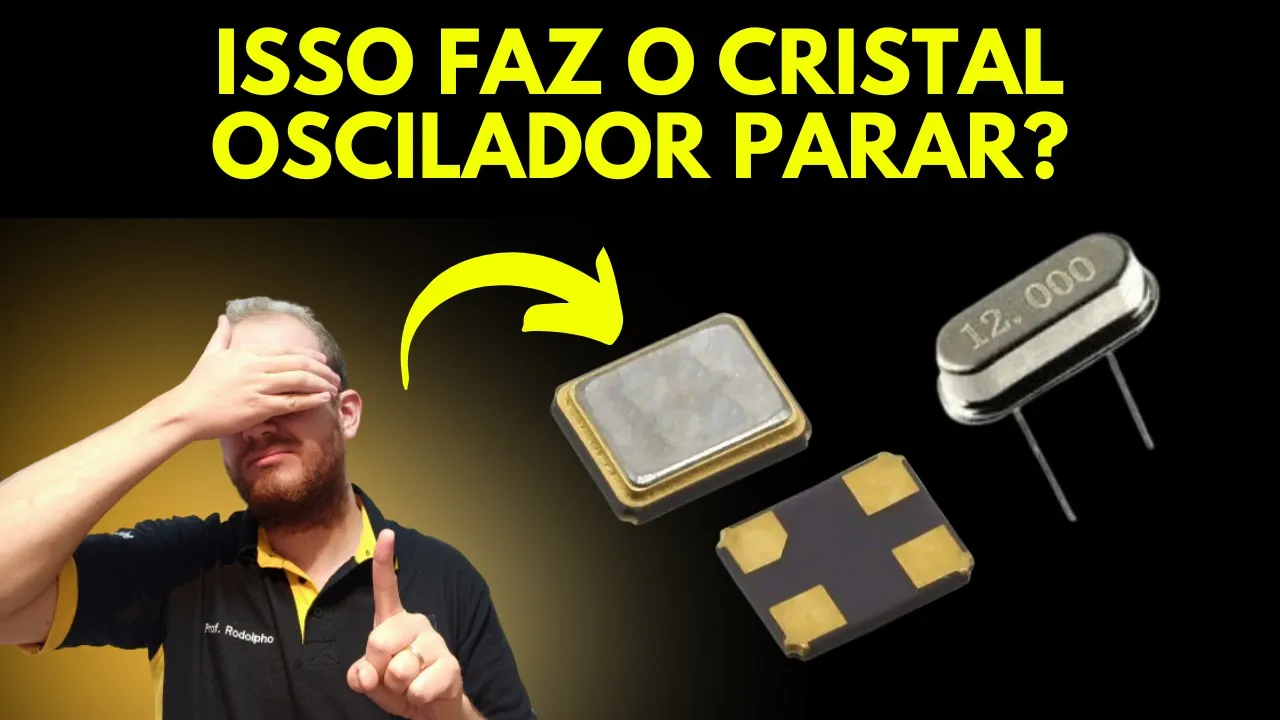
![Piezoelectricity [Year-1]](https://i.ytimg.com/vi/urJN4aPs4oE/maxresdefault.jpg)







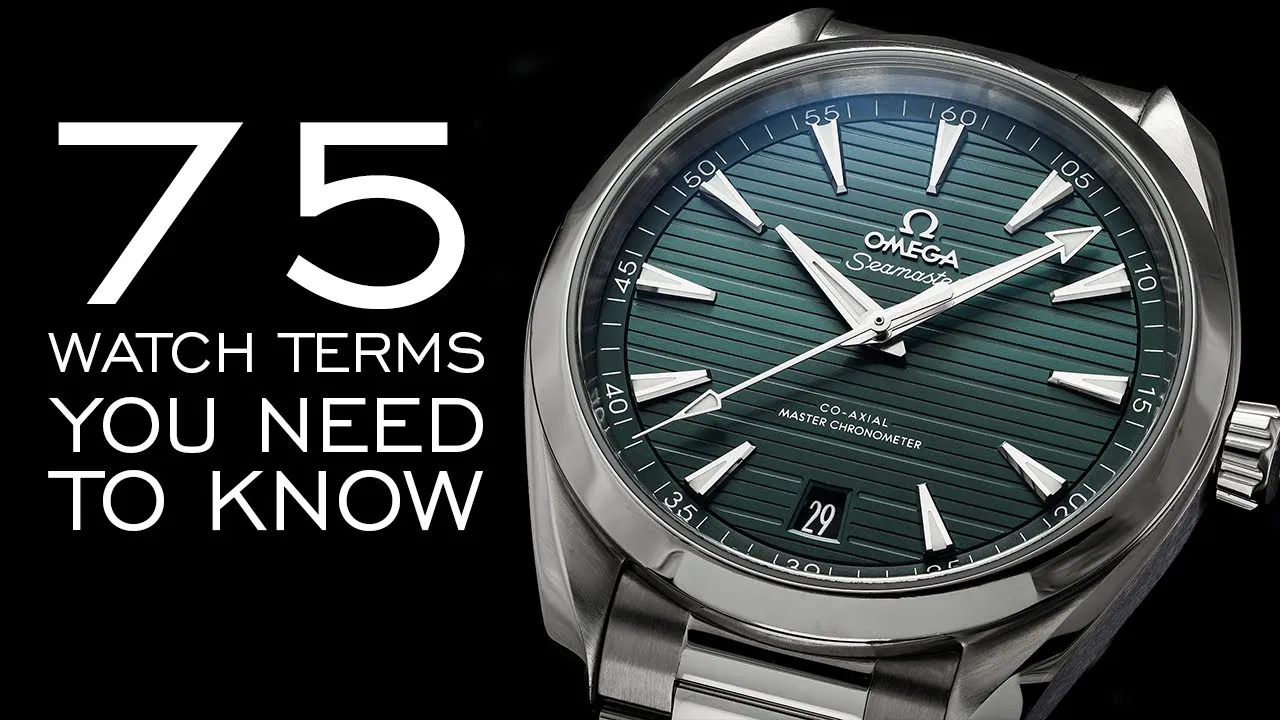


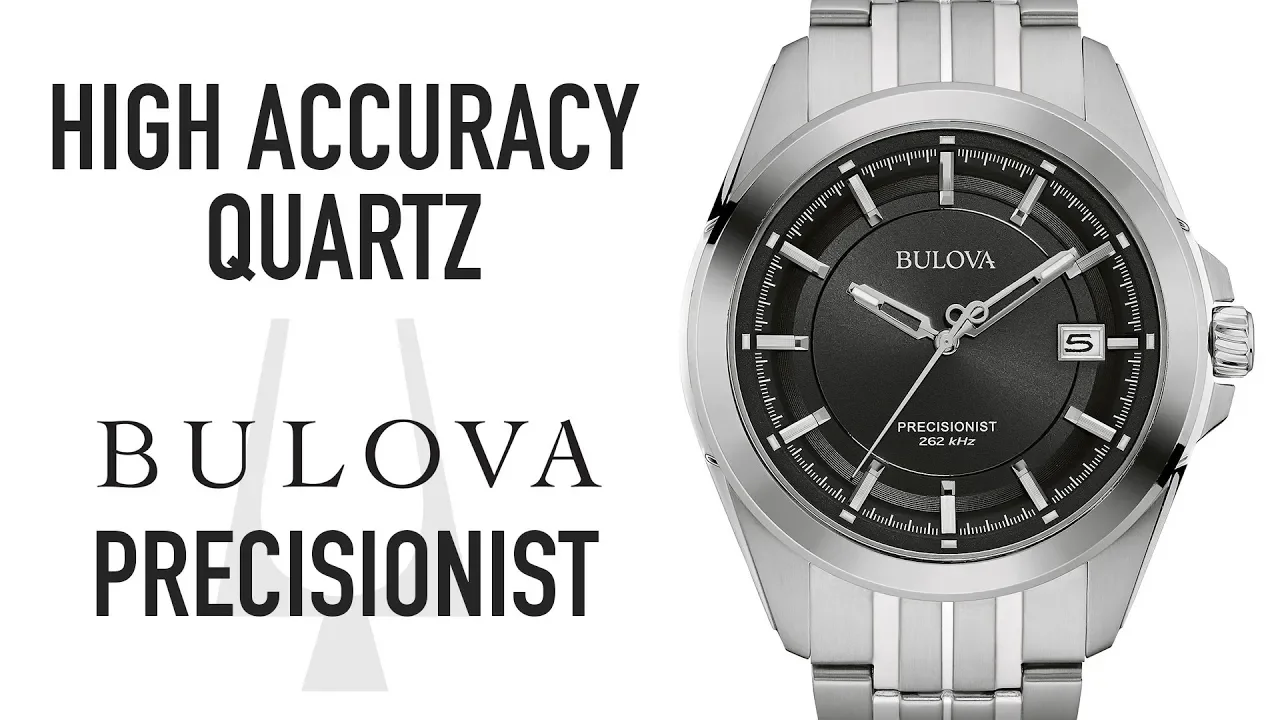
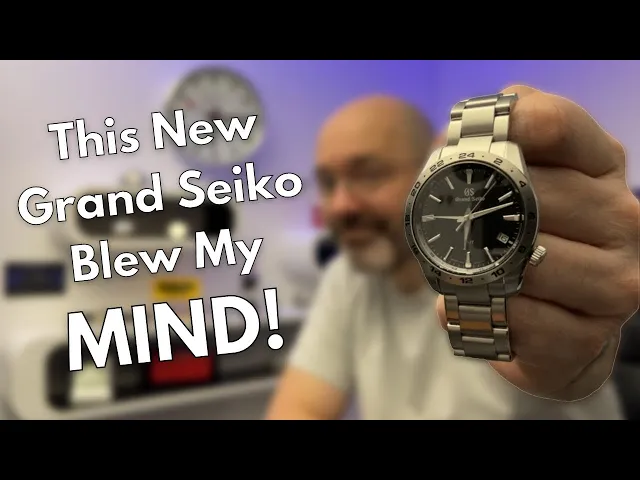
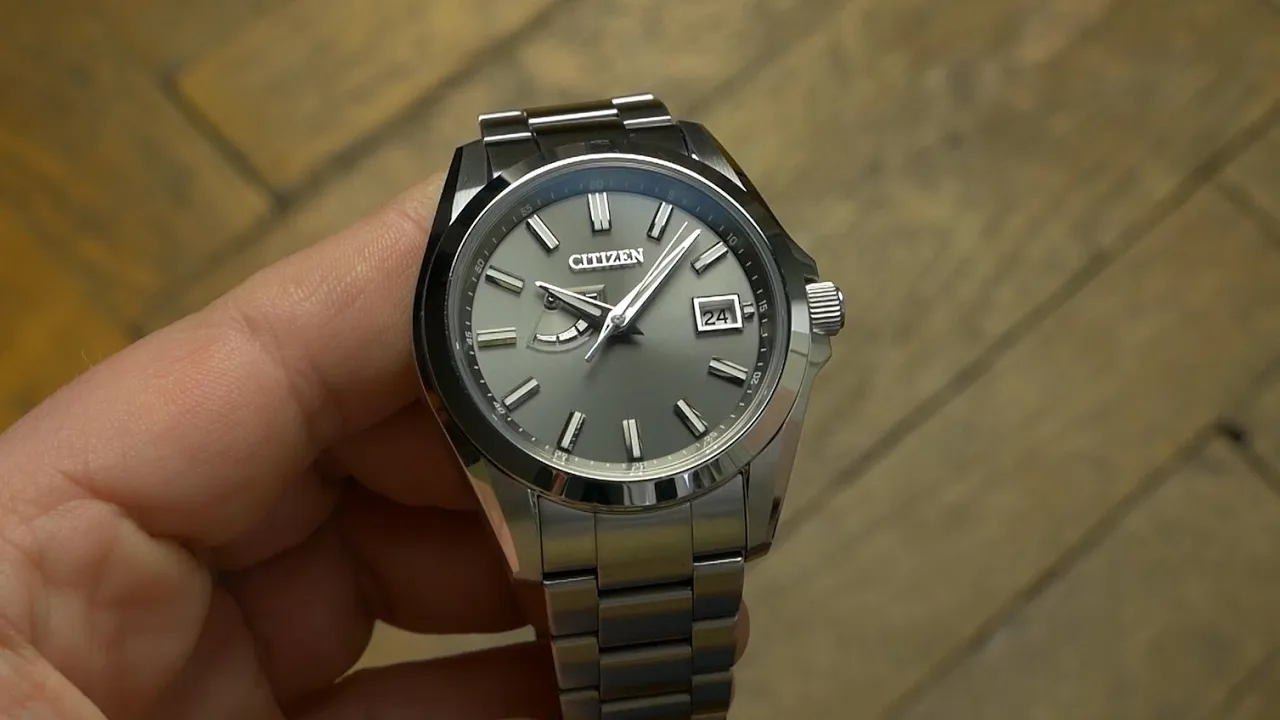












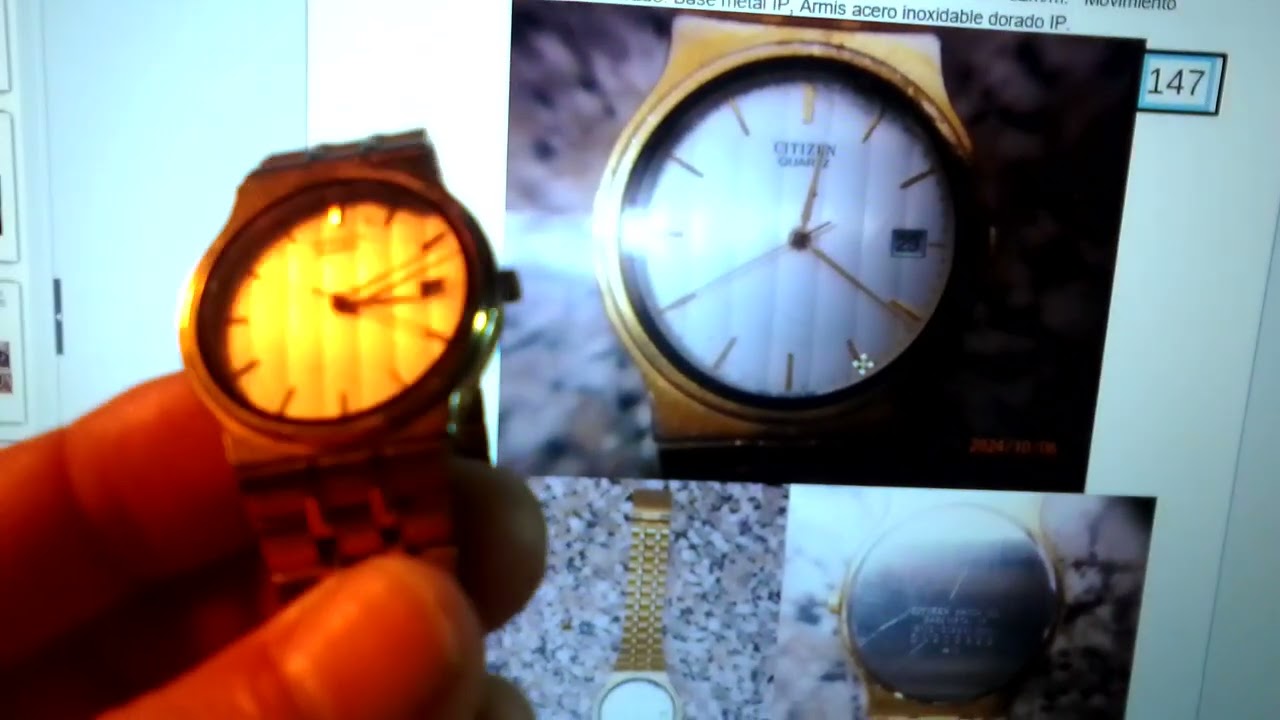
Quartz watches represent a revolutionary timekeeping technology that emerged in 1969 with Seiko's Astron, utilizing a battery-powered quartz crystal that oscillates at 32,768 times per second to achieve superior accuracy (within a few seconds per year) compared to mechanical watches (3-4 oscillations per second, with Swiss chronometers certified at ±4 to +6 seconds per day). Despite historical criticism from watch enthusiasts who prefer mechanical watches for their artistry and craftsmanship, quartz watches offer significant practical advantages including higher accuracy, greater shock resistance, lower manufacturing and maintenance costs, and the ability to incorporate complications like chronographs and GMTs at accessible price points. Every watch collector should consider including at least one quartz watch in their collection to appreciate both technological innovation and practical functionality.
Quartz Watches: A Collector's Guide to How They Work
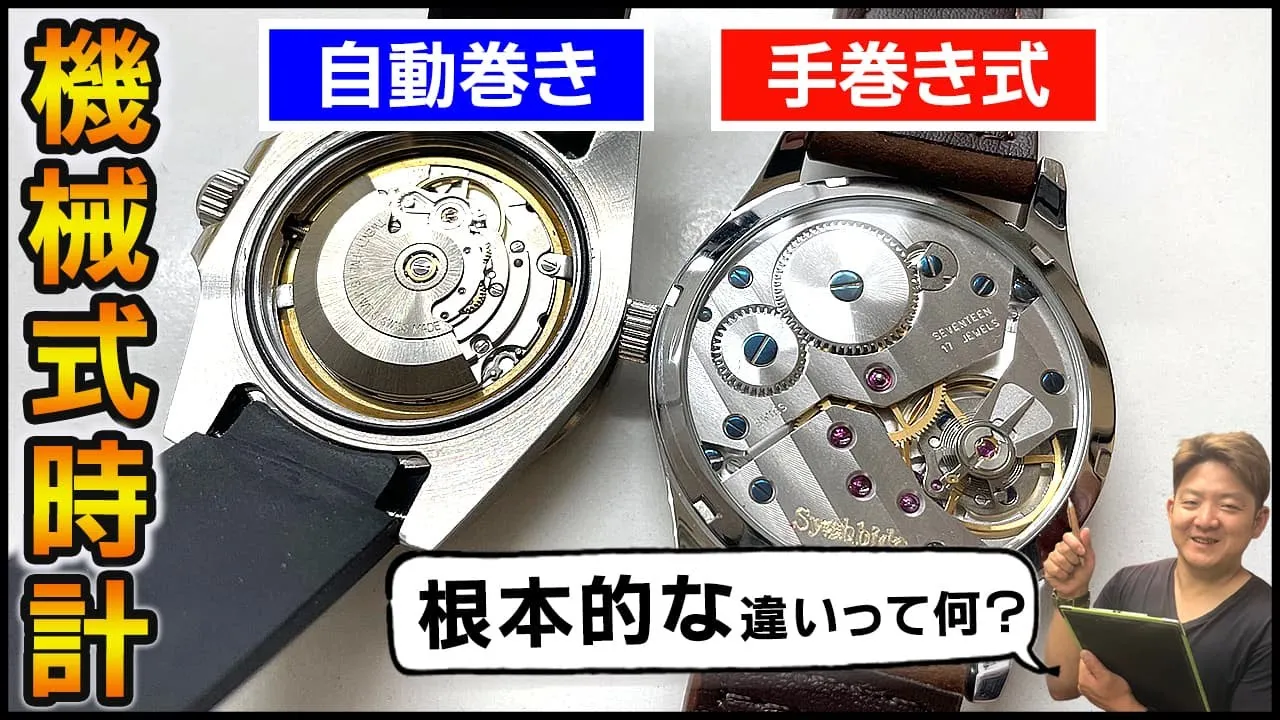
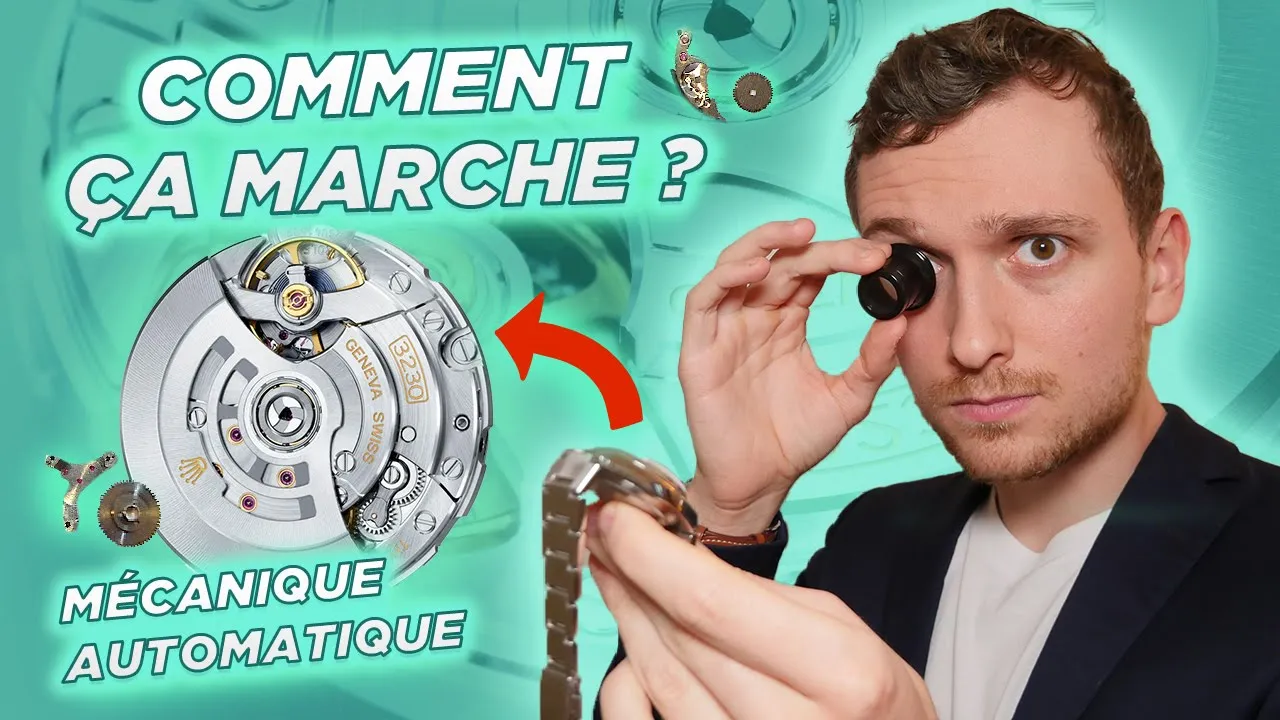
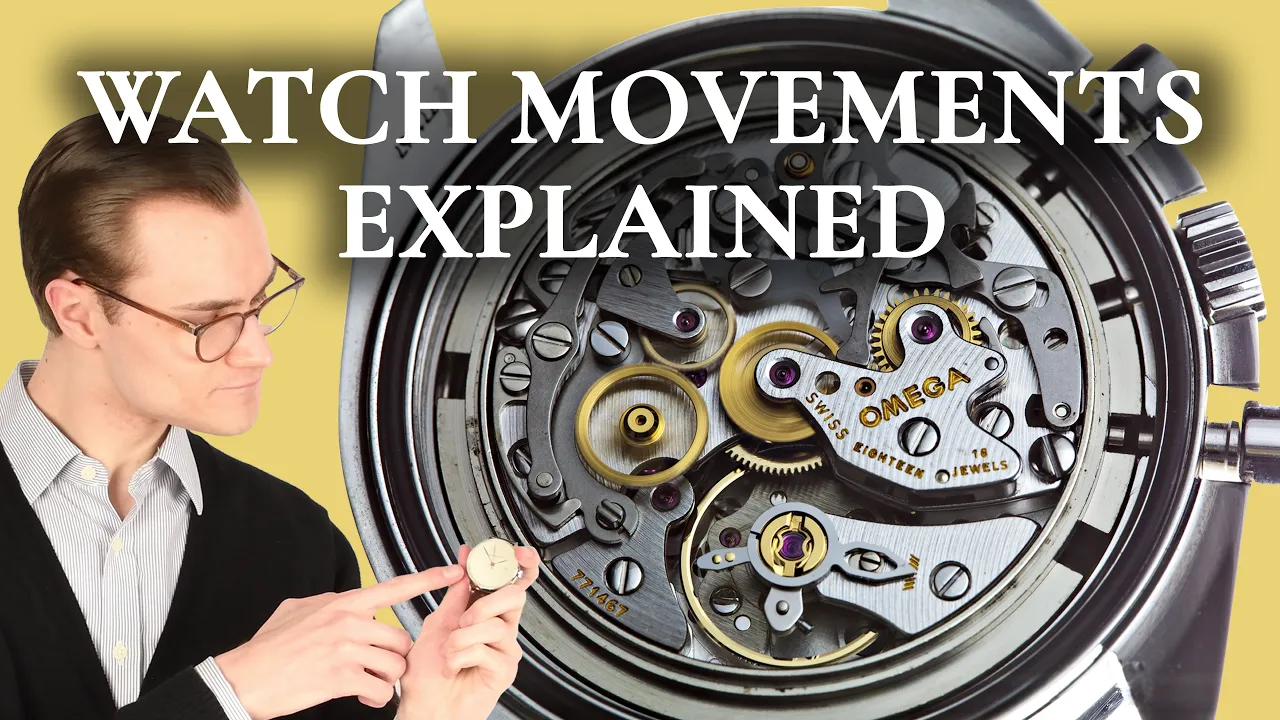
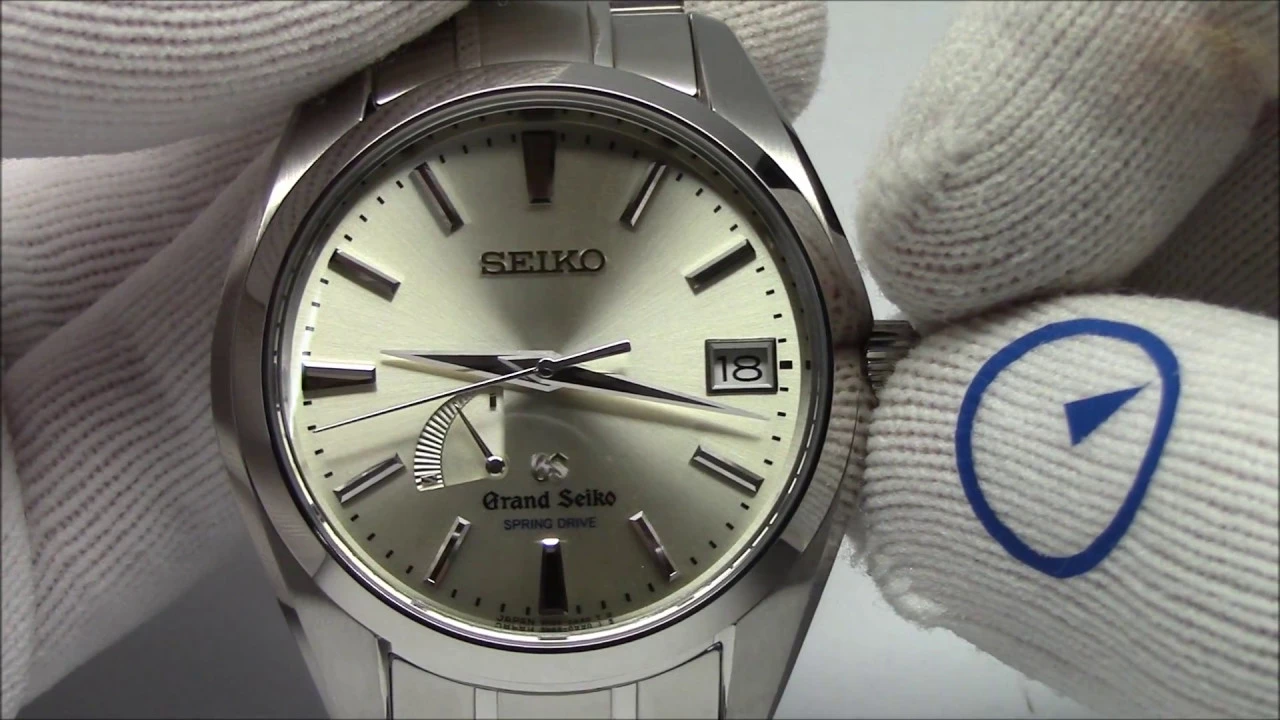
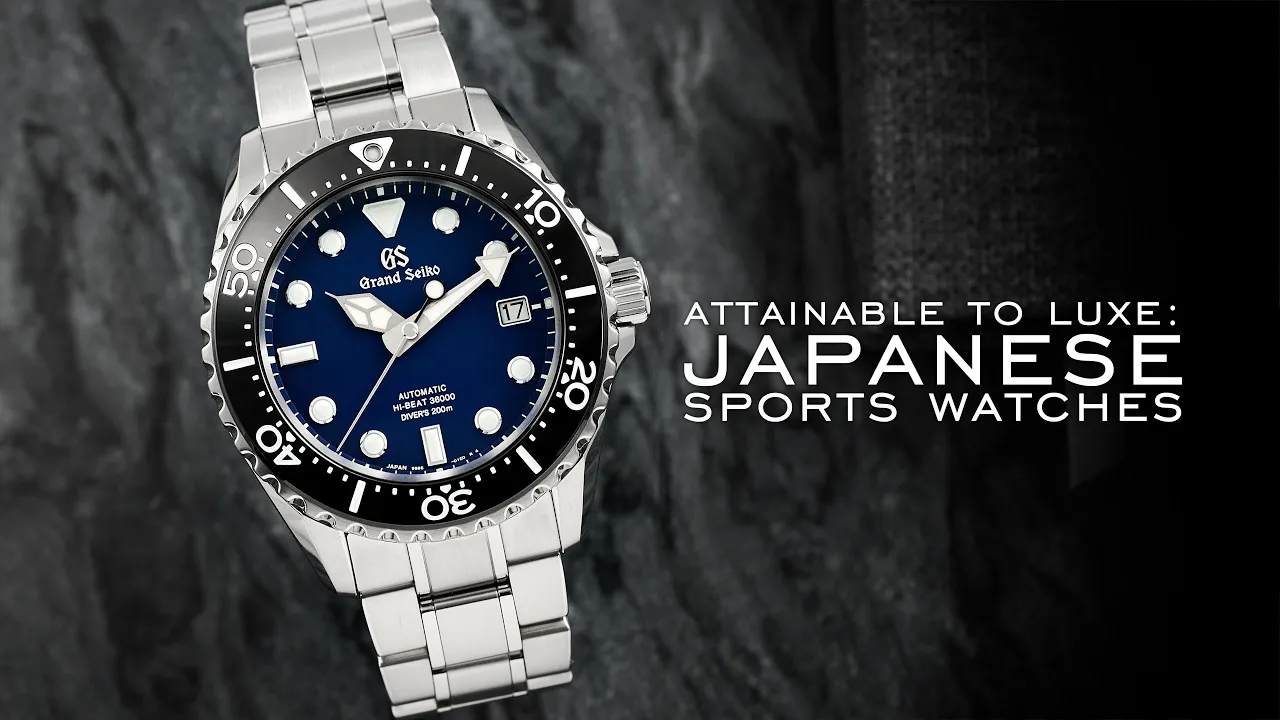
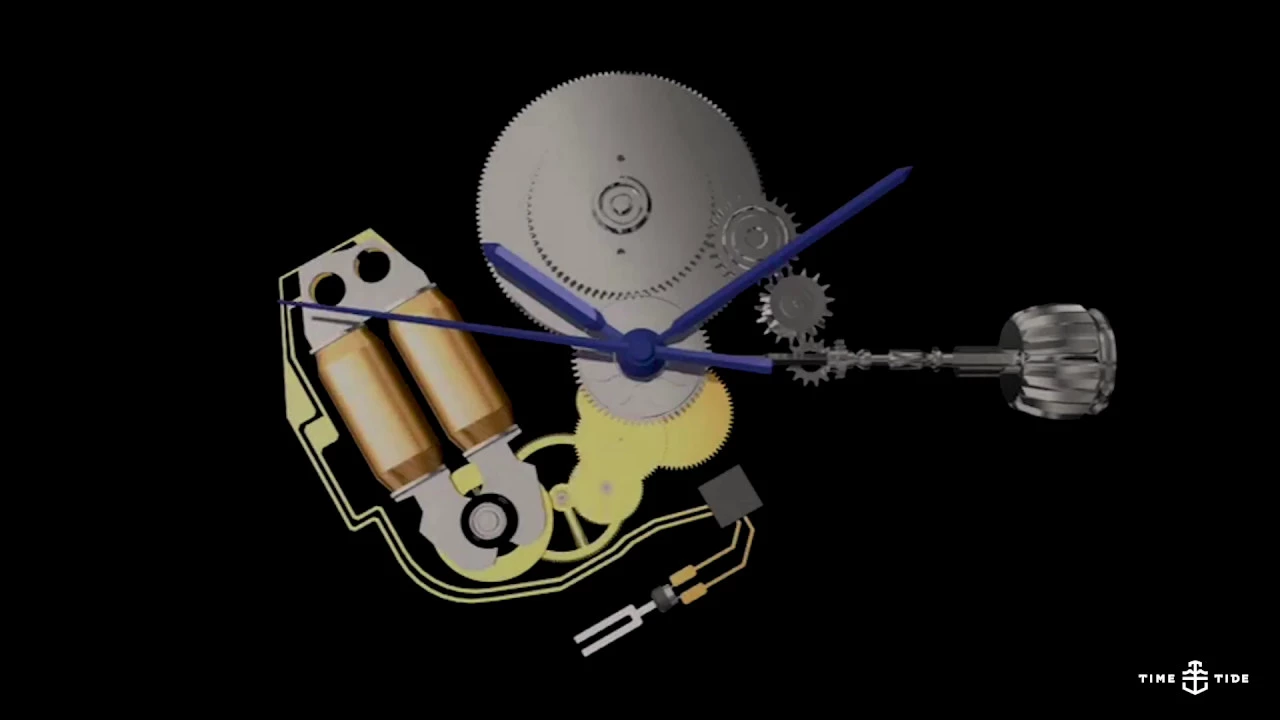
Added:if there's one concept that becomes less popular the deeper you get into watches it has to be the idea around the quartz watch as the majority of watch enthusiasts not only prefer mechanical counterparts but also tend to develop a snob like stance when looking at quartz timepieces and while i certainly understand the appeal of mechanical watches i think quartz watches have a ton going for them as well and i think in a lot of ways every type of enthusiast should have a coursewatch in their collection so in this video we're going to look at essentially everything you need to know about quartz watches how they work and why you should have one in your collection now before we jump into this video definitely check out one of our latest blogs looking at the best watches under a thousand dollars we'll have a link to that down below dozens and dozens of watches mentioned in that list it should be a great jumping off point as you're starting to get more familiar with watches in that price range [Music] to begin here let's address where quartz watches arose from and what ultimately led to the hate directed their way now prior to the creation of the quartz wristwatch mechanical timepieces were the leading way of telling time for centuries however with a complex combination of gears springs and hundreds of other small components it had its shortcomings primarily in areas of friction shock sustained power and of course accuracy given the amount of time and how heavily invested brands were in maintaining mechanical timekeeping as the standard it left many in the industry susceptible to disruption and that disruption came in 1969 when seiko unveiled the first quartz-powered wristwatch with the astron completely flipping the industry on its head and heralding the beginning of an infamous period that would later be known as the quartz crisis of the 1970s and 80s this led many brands to closing their doors for good and in just over a decade period two-thirds of the jobs in the swiss watchmaking industry vanished following consolidation of swiss brands and group structures mechanical timepieces were able to stabilize once again redefining what they represent to consumers by appealing to artistry of the craft rather than technological growth but even today the majority of watches being made every year are of the court's variety so how do they actually work [Music] to explain how a quartz movement operates in the simplest terms let's first identify the challenges facing a mechanical watch in a mechanical timepiece energy is stored through the winding of a mainspring that is housed within a barrel this can be wound via hand winding or through the use of a rotor that will wind through his rotation while wearing it on your wrist this stored energy in the mainspring is then slowly released with a gradual unwind passing energy down a gear train to the center where timekeeping is made possible the escapement this passing of energy is administered through the escapement wheel to a pallet fork that with the assistance of the rotation of a balance wheel that acts like a pendulum helps lock and unlock the energy released in order for the watch to tell proper time this system for the most part works well and is proven but quartz movements offered improvements in a few areas for one a sustained power source that will not need to be charged as frequently the drop of heavy friction that can wear out the watch components especially with the escapement in a mechanical watch reduce susceptibility to shock and most importantly increased accuracy a quartz watch unlike a mechanical watch does not use mechanical energy to power it but rather it harnesses the combination of a battery a quartz crystal and an integrated circuit to outperform a mechanical watch in essentially every measurable metric instead of a mainspring a quartz movement receives its power from a small electrical charge being provided by a battery which then passes through an integrated circuit that applies the charge to a tiny and i mean tiny quartz crystal cut into the shape of a tuning fork thanks to something known as the reverse pz electric effect that tiny charge once applied to that quartz tuning fork crystal causes it to vibrate at an incredibly high rate that dwarfs the output of a mechanical watch this process of vibrating is known as oscillation or a complete movement back and forth whether you are looking at an old school grandfather clock your wrist watch or a quartz watch the rate of oscillation is the backbone of how capable a watch can be with telling time accurately in a mechanical watch a balance wheel on average will complete three to four oscillations in a second depending on the beat frequency of the movement however in the most basic quartz watch that number rises to an astounding 32 768 times per second the vibrating quartz crystal reports its precise frequency back to the integrated circuit which activates an electromagnetic impulse that travels through a coil and coil block before finally advancing the seconds hand a single second with the help of a motor this development was groundbreaking in the world of timekeeping technology but with their ability to be mass produced and appeal towards technology instead of craftsmanship the quartz watch despite its advancements has become hated by many enthusiasts out there but let's now address the objective realities around quartz watches and their upsides over a mechanical watch [Music] perhaps the number one difference in terms of the actual experience with wearing quartz watches is the vastly higher level of accuracy offered by even the most inexpensive options with cheap quartz calibers offering a superior level of accuracy and time keeping over the course of an entire month than a straightforward mechanical caliber can offer over the course of a day with some of the most accurate quartz calibers being accurate within a few seconds a year this incredible level of accuracy all comes down to the blistering speed of oscillation of 32 768 hertz compared to the balance in a mechanical watch that will run around three to four hertz this consistency in high rate of oscillation limits the amount of errors and has a tighter range of deviation offering a more accurate reading as an end result just to offer an example an entry-level course caliber usually runs of an accuracy around plus or minus 20 seconds a month transitioning over to the standard for accuracy and swiss mechanical timepieces with the cosc certification this tests a mechanical movement under a variety of conditions in order to certify a watch as a swiss chronometer with the quoted range of deviation on those being deemed acceptable between minus four to plus six seconds a day although swiss chronometers are no slouches they fail to even outperform a basic quartz movement and this isn't even factoring in high performance or high frequency quartz calibers that will even further this separation between the two in addition to being more accurate compared to mechanical watches quartz watches are also significantly more durable in virtually all cases especially when it comes to shock resistance and not having to deal with the constant battle of friction in mechanical watches as mentioned mechanical watch movements are composed of significantly more delicate components compared to a quartz so it's much easier to knock something loose or at the very least adversely affect the relatively delicate operation of the balance and therefore the timing and in the case of larger shocks such as a drop the likelihood of breaking a movement component is always higher with a mechanical watch than it is with a quartz watch and for this reason the majority of military organizations switched from automatic watches to quartz watches right around the advent of inexpensive and super durable options like that of the g-shocks in the 1980s along with being more shock resistant quartz calibers are also much more resistant to magnetism even though analog course calibers can be affected by magnetic forces while being subjected to magnetic fields they are far less likely to become magnetized meaning the operation returns to normal after leaving the magnetically charged area but apart from this the final consideration is in the area of cost both from the listed prices to buy as well as the cost for maintaining to put it simply quartz calibers can be manufactured for impressively low cost given the lack of hand assembly needed compared to that of mechanical calibers now don't hold me to these numbers like crazy in the future as the market is constantly changing but for basic mioda quartz calibers they could be found for around 10 for a basic three-hander even with the swiss quartz movement from a respected brand like etta that will set you back around 50 depending on how many you order that number going to be much less expensive if you're able to buy much more in comparison the basic unfinished edit 2824 automatic movement runs for multiples of the price in this instance at hundreds of dollars and supply has been increasingly difficult for these calibers in addition to that but servicing is also much more inexpensive with quartz with many quartz watches requiring little more than a 20 battery change every three to seven years with most modern batteries compared to a starting price of around two to three hundred dollars in most cases to service even a basic three-hand caliber from the automatic mechanical perspective and it gets much crazier from there as you start getting into four figures when you're dealing with high complications things made in-house chronographs and things of that sort and speaking of different complications when it comes to courts entire worlds of complications are also opened up at an inexpensive price point with quartz-powered variants of chronographs world timers gmts or even calendar watches coming in with prices that are way cheaper than that of mechanical counterparts as a note there are also a number of hybrid types of calibers including mecha quartz most often seen in chronographs that offer a cleaner sweep secondhand with quartz accuracy in an attempt to kind of get the best of both worlds then there's also the spring drive as another example kind of more of a higher end example utilizing mechanical power with a quartz oscillator to create a frictionless and accurate movement with luxury finishing so with all of these points laying out why do people actually hate quartz watches and ultimately why should you own one [Music] now let's first address the reality the strong reason why courts were able to decimate the swiss watch industry is the number one reason why now they are kind of looked down upon by many people out there they appeal more to technology and don't really kind of lean into what i think many watch enthusiasts love which is kind of more the artistry and the romantic idea of what a watch should represent today there's nothing rational about it and i think in a world that is so about just constant advancement constant just inundation of all this information to get something as simple and rudimentary as a watch it just tells us the time and is built in a way that will last generations is something that's so rare but even with all of this considered in it all being i think a very true statement when you're looking at mechanical watch enthusiasts i do find it rather strange how enthusiasts are so quick to write off anything with quartz as just burn it with fire i don't even want to see it near me and i would never add one to my collection i think that is a very short-sighted view of looking at the topic of quartz watches and quite frankly i think many people that are getting into watches or even our well-established collectors still like to have a course watch and should have a course watch in the collection from pretty much every objective point of view when you're talking about cost service maintenance accuracy also just the susceptibility against shock and different things of that sort pretty much everything is pointing in the direction of a quartz watch and although i can absolutely see the reason why you would want to go only for mechanical watches i think there's still so much evidence to support going for a quartz watch and it's still not going all the way into the world of say technology now that we have smart watches out there on the market that's a video for another day but a big reason why i wanted to make this video was just to kind of offer up some differences between mechanical watches quartz watches because i think sometimes they're kind of taken for granted in a way but in addition to that also try to put to rest some of the quartz snobbery that is just pervasive in wash collecting yes i get the idea i much prefer mechanical watches as well because i'm just kind of wired that way to like these things to begin with they kind of appeal to a different wavelength in a world that is so overpopulated with technology and getting the best of the best to have something that's truly timeless is so rare but at the same way i think you do need to embrace what courts can bring to you as a collector and there's a ton of upsides associated with it i think it's a great way to round out an entire complete collection and it still certainly has its place but all right guys that is my video looking at quartz watches i'd love to see comments down below what do you think of quartz watches do you have some in your collection are you a season collector do you find value in having quartz watches in your collection or you mechanical watches all day or even smart watches love to see your comments down below also please give the video a thumbs up subscribe and hit the bell icon if you did enjoy it really would appreciate that as well in addition check out teddybaldestar.com full authorized dealer of over 30 brands quick and fast fulfillment dedicated customer support full factory warranty for all the products that we offer and nine out of every ten dollars we generate goes right back in the content we're creating here helping to foster up a new generation of wash enthusiasts in the process but guys thank you again so much for watching be well and i will see you all very soon
Up Next

LiDAR Reveals Lost Maya Pyramids in Guatemalan Jungle
@dagbladet
197.9K views•2018-02-01

Triumph of Orthodoxy Icon: Byzantine Art & History Explained
@BenCallan
2.1K views•2024-08-06

FastAPI vs Flask vs Django: Choosing the Right Python Web Framework
@TechWithTim
302.5K views•2024-05-26

Game of Thrones Opening Credits: A Cinematic Analysis
@gameofthrones
46.3M views•2011-04-18
Related Study Plans & Knowledge Roadmaps
Structured learning paths in General & Interdisciplinary Studies