










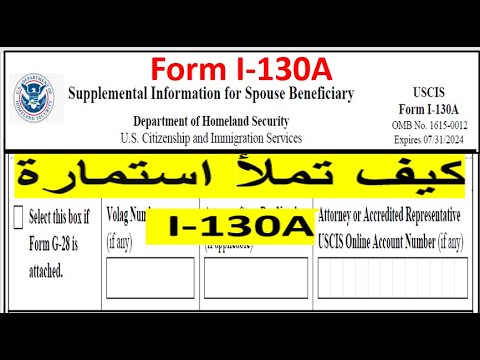


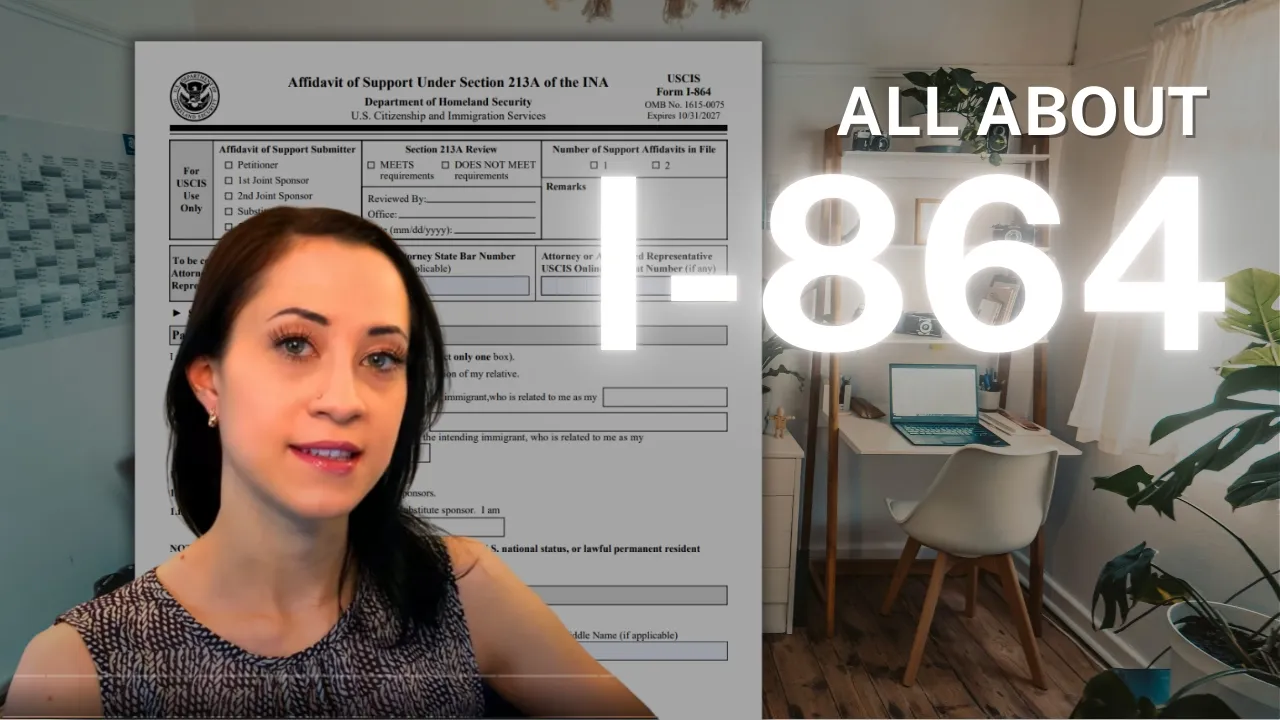














Form I-907 is used to request premium processing service for eligible USCIS petitions (I-129, I-539, I-765, I-140), requiring completion of personal information, related petition details, and a $2,850 filing fee, which must be submitted via paper mail using FedEx, UPS, or DHL to the designated USCIS address for foreign applicants.
How to File Form I-907 for Premium Processing: Step-by-Step Guide
Added:Basic understanding of the United States Citizenship and Immigration Services (USCIS) system and general petition structures.
Familiarity with primary employment-based petition forms, such as Form I-129 (Petition for a Nonimmigrant Worker) and Form I-140 (Immigrant Petition for Alien Workers).
Conceptual knowledge of what 'Premium Processing' entails, including its purpose, standard processing vs. expedited processing timelines, and the concept of government filing fees.
Awareness of key immigration roles and terminology, specifically distinguishing between a 'Petitioner' (employer/sponsor) and a 'Beneficiary' (applicant).
Analyzing strategic decision-making frameworks for employers regarding when to utilize premium processing versus standard processing based on timelines and budgets.
Understanding how to respond to expedited Request for Evidence (RFE) or Notice of Intent to Deny (NOID) notices issued within the premium processing window.
Studying USCIS policies regarding fee refunds and service level agreements if the agency fails to adjudicate the petition within the guaranteed timeframe.
Exploring advanced administrative procedures, such as concurrently filing Form I-907 with an initial application versus upgrading a pending petition at a later date.
8.1K views56likes11:58Original Release: 2024-11-17
hi everyone welcome to US immigration Hub channel in today's video we are going to talk about how to file form I 907 which is request for premium processing service if you are new to this channel my name is Leon and I make videos for a family based immigration to simplify the immigration process and give you a confidence to go through your immigration journey by yourself first of all I am not an a migration attorney I'm here to help you based on the information you have from us and also based on the instruction that comes with the for if you are new to this Channel Please Subscribe share hit notification Bell and give us a big like so YouTube can share the video with more people so if you're ready let's go for it uh before we began I want to mention this uh I have a high volume of comments and email so from now on I'm going to I'm going to give a higher priority for my members of this channel so now let's start filing at this form before you begin fing any form always check the expiration date this is a new version of I 907 that will expire on the February 28 2027 the first top part right here is for USS you uh for us use only do not tatge it the bottom part is for attorney if you use one so for us we're going to start where it says start here type or print in a black ink you got to remember you got to you can do both you can type when you plant it you can you can add anything with a black ink but my advice do not correct something that's already been typed that's my advice now let's go to part one information about the person filing this request number one alen registration number a number if you file just an example because uh the form are eligible for uh uh for uh request for premium processing service are four one of them uh the first one is uh I 129 I 539 I 765 and i140 so if you fail the petition at the same time and you requesting the premium uh processing you send both form at the same time so you will not have a number but if you decide to do the premium processing after you received i797 you will have a number so it depends how you file your form in this video um I'm filing both at the same times i140 at i907 so we don't have a number since we are doing it uh at the same time with I 140 so USS online account it will depends if you failed a petition before online you will have a USS online account and always uh if you have a USS online account your receipt number always will start with i or a number let's go to number three family name name it's Baker first name is Leon middle name is when I print it I'm going to add a forward slash right here a company or organization named in uh the related case uh I'm going to leave it blank or na both Works mailing address in care of name as you can see right here this is a foreign address because this is i i f I40 for as a self petition so in care of name Bakers leand Street number and name 120 city or town is kifra provance is kifra uh postal code is 54,000 and the country is Morocco number six is your Cent mailing address the same as your physical address in make case is yes if you answer yeah if you answer no you must provide on item number seven physical address so for us this one would be left blank number eight request for premium processing service select only one box as I mentioned this is a self petition for i140 and we are filing I 907 uh for uh to request a premium processing uh service for i140 so I am the petitioner who is f who has failed a petition eligible for premium processing service say it has two if you doing it at the same time you will not have a number but if uh if you has failed a petition eligible for premium processing and you have I 787 you will have C and you will have a number so now let's go to part two information about the request form number of related petition or application in my case is i140 as I mentioned we have four forms so my case is I40 receipt number of related petition or application so if you are doing it at the same time so we don't have this uh a number a receipt number so for receipt number we don't have it so but if you if you received i797 and you decide to request a premium processing you will have a receipt number so CL classification or eligibility requested is E2 petitioner or applicant in the related case it's Baker family name first name is Leon middle name is I'm going to add a slash forward slash right here when it's printed beneficiary in the related case family name it's Baker given name is Lan and middle name is in I'm going to add a for slash when I prant it with a black ink name of point of contact of the company organization is in a I'm going to add a for SL when a printed for this field right here position title is physician that's uh for that's for self petition as a physician company organization IRS employer identification number IA or you can leave it blank since you are doing this self petition is not the company uh we still in part two information about the request address of the petitioner applicant company or organization named in the related case this is a foreign address is going to be the same as the one we provided straight number name is 120 m city or town is kifra provance is kifra postal code is 54,000 and the country it's Morocco so now we're going to go to part three which is requests statement contact information declaration certification and signature please read this read the pen uh the penalties section of the form I9 I 907 instruction before completing this form it is very important to read it so requests state M select the box for either item a or it or B in item number one if applicable select the box for item number two so in my case it's going to be a I can read and understand English and I have read and understand every question and instruction on these request and may answer to every question if you use the prepare you going to select this one right here and then the type the language that prepare helped you with if if you use a prepare you're going to use the right here and sometime you can do both in this case right here you can do the prepare and interpreter somebody prepare this for for you but somebody help you interpret the the form for you so in my case is a so I did did I find this form by myself so now we go to requesters contact information so requesters dat time to your phone number there's a phone number right here same thing as a mobile number requests Fox number I don't have one and requests email address this is very very important SB gmail.com you you need to provide this it is very very important so now we're going to go to request statement contact information declaration certification and signature is continued now first I'm going to date it is today's date is 11:17 and do not for request a signature they are asking to sign it with a black ink once you print it do not initially or put your fullone name right here it will be rejected if you do that it must be signed with a block ink once you print it part four is for interpreters contact information we did not use in interpreters so we would be the part four will be left blank uh part five same way is the for the contact information declaration and signature for the person preparing this request if other than the requested will be left blank because we don't us any prepare and part eight and part uh last part is six which is addition information I have a I'm not going to go through this one because I have a separate video for this just for this page right here addition form and it is the same for all USS forms so now we completed fing the form I 97 now we need to talk about the filing fee supporting documents and where to file so this is I 907 filing fee so I include all the forms right here eligible forms but in this video as I mentioned is going to be for uh i140 form I 907 with a form i140 immigrant petition for workers the cost is 2,85 that's the cost you cannot do it online it must be with a paper version now we talked about the fee now let's go to supporting documents that you need to submit with i907 because i907 must go with a form which form we did is i140 and i140 has supporting documents so you need i140 and i140 supporting document plus i97 plus the fee of uh 28 uh 2,800 o5 now once now we have all this uh supporting Document Plus i907 and the fee you need to have your packet sent to uh dollas uh box uh it has to be this is from abroad you must use fedix ups and DHL deliveries and excuse me and you must send it to this address right here us C uh this is i140 box 66 0128 251 South State Highway 121 business suit 4 400 L Westville Texas 5567 D 80003 so you will send it to this address from abroad so this is the end of this video I hope you like it if you do please subscribe share hit notification Bell thank you and see you next video
Up Next

15:50
USCIS I-129 Filing: Online Submission Guide with I-907
@uscis
42.4K views•2024-04-16

26:22
Walking in the City: Urban Rituals and the Flâneur in Contemporary India
@PSBTIndia
1.9K views•2016-08-02

9:49
FastAPI vs Flask vs Django: Choosing the Right Python Web Framework
@TechWithTim
302.5K views•2024-05-26

1:42
Game of Thrones Opening Credits: A Cinematic Analysis
@gameofthrones
46.3M views•2011-04-18
Related Study Plans & Knowledge Roadmaps
Structured learning paths in General & Interdisciplinary Studies
general-studies
Artificial Light: History, Tech & Human Impact
01The Pre-Electric Era: Fire, Oil, and Gas Lighting
02The Incandescent Revolution and Grid Electrification
03Gas Discharge and Fluorescent Illumination
+ 3 more learning modules
14h6 modules
Explore Roadmap
general-studies
Elevator Engineering: History, Physics & Cities
01From Hoists to Safety Brakes: The Dawn of Vertical Lift
02Hydraulic vs. Traction: The Engineering Physics of Elevators
03Modern Speed, Safety, and Algorithms
+ 2 more learning modules
12h5 modules
Explore Roadmap
general-studies
Rubber: Material Science, History & Geopolitics
01Origins of Natural Rubber & Mesoamerican History
02The Chemistry of Natural Rubber & Vulcanization
03The Geopolitics of the Rubber Boom & Colonization
+ 2 more learning modules
12h5 modules
Explore Roadmap
general-studies
Containerization: Evolution, Logistics & Trade
01Ancient Trade & Bulk Cargo: Amphorae to Barrels
02The Industrial Revolution & Cardboard Packaging
03The Containerization Revolution: Malcom McLean
+ 2 more learning modules
12h5 modules
Explore Roadmap