















Bacterial metabolism encompasses catabolic pathways (glycolysis, pentose phosphate pathway, fermentation, TCA cycle, and electron transport) that break down molecules to generate ATP, and anabolic pathways that build biomolecules from metabolic intermediates; bacteria exhibit remarkable metabolic diversity through alternative glycolysis pathways (EMP and ED), diverse fermentation products, and flexible electron transport chains that can use various terminal electron acceptors beyond oxygen, enabling them to thrive in diverse environments.
Bacterial Metabolism: Glycolysis, TCA & ETC
Added:Basic prokaryotic cell structure, specifically the lack of membrane-bound organelles and the structure of the bacterial cell membrane.
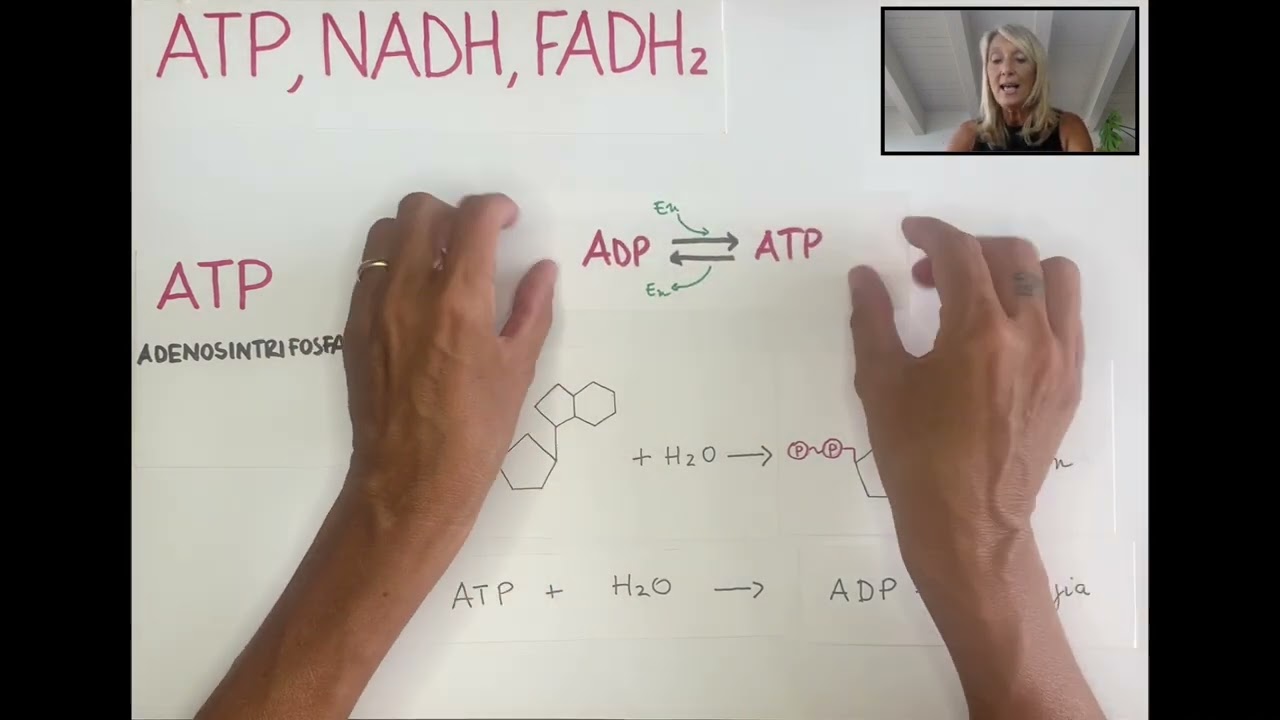
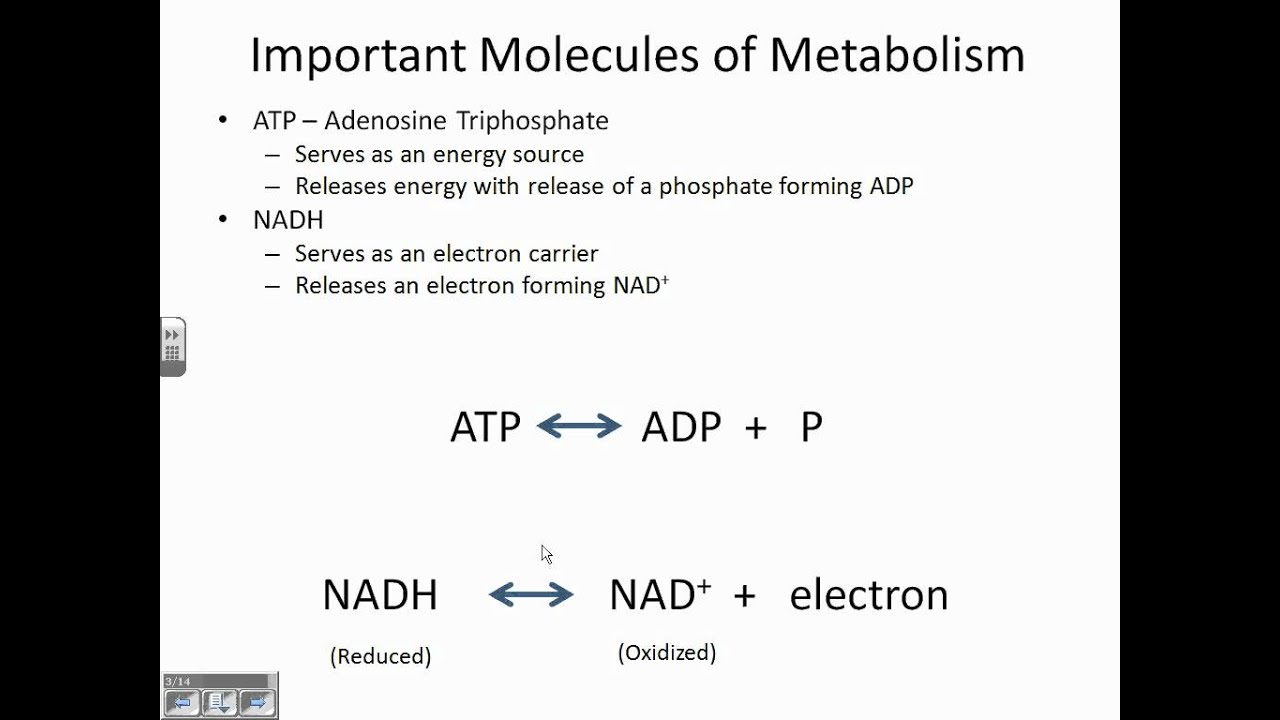
Fundamental concepts of chemical energy, including the structure and function of ATP, ADP, and electron carriers like NAD+/NADH and FAD/FADH2.
The role of enzymes as biological catalysts, including activation energy, active sites, and metabolic pathway feedback regulation.
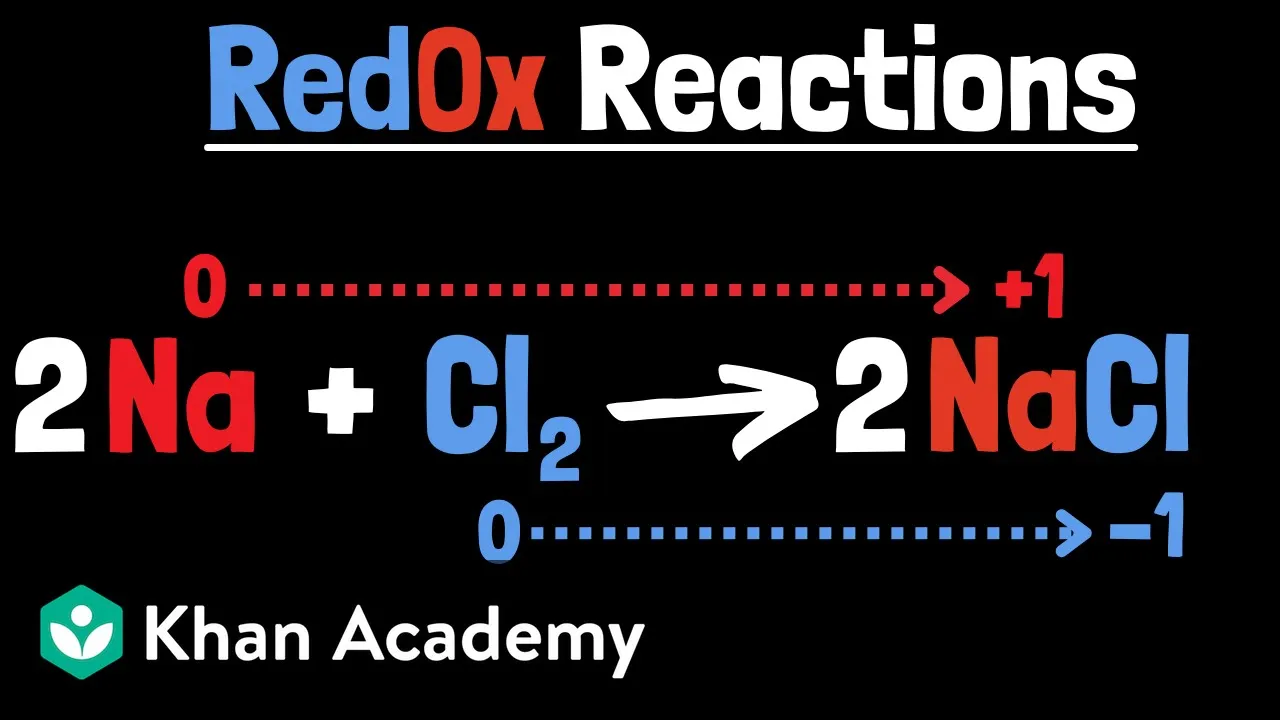
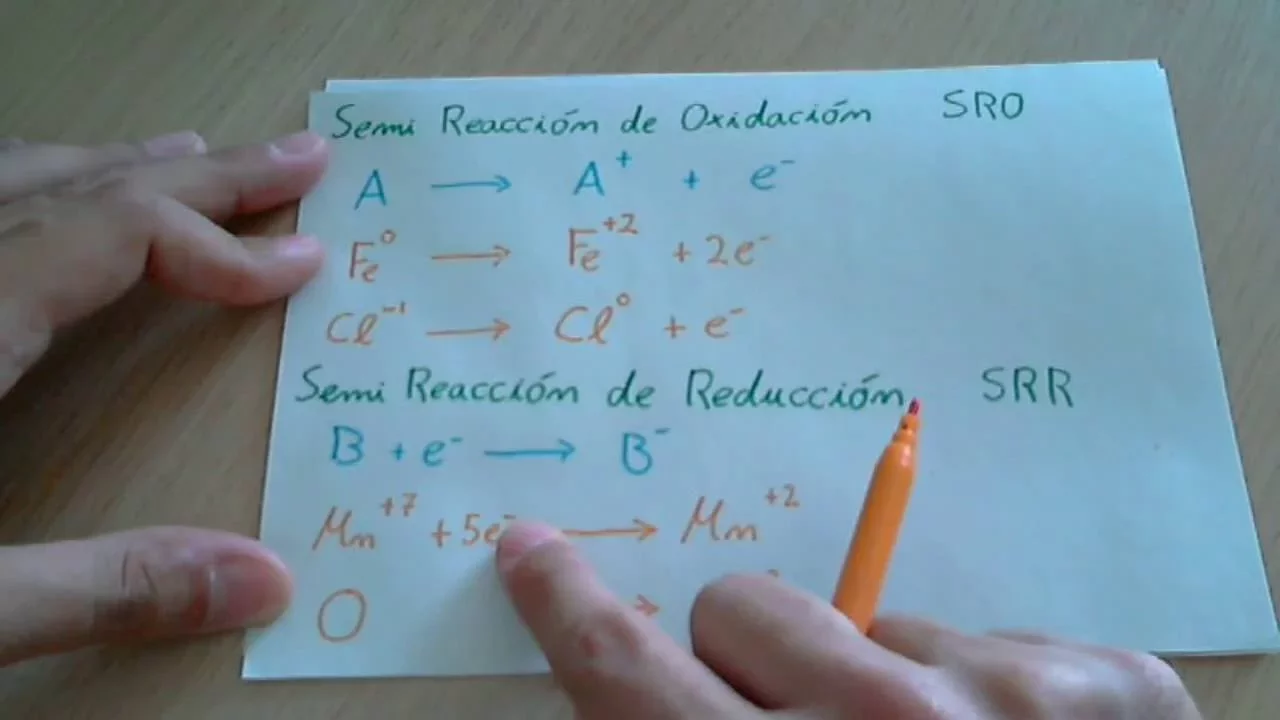
An understanding of basic chemical reactions, specifically redox (reduction-oxidation) reactions involving the transfer of electrons.
Anaerobic respiration pathways in bacteria, including the use of alternative terminal electron acceptors like nitrate, sulfate, or carbonate.
The diversity of bacterial fermentation pathways and their industrial applications in food production, biotechnology, and biofuel synthesis.
Bacterial chemolithotrophy and phototrophy, exploring how non-heterotrophic bacteria generate energy from inorganic compounds or light.
How metabolic pathways are targeted by antimicrobial drugs and antibiotics to inhibit bacterial growth and treat infections.
353 views4likes33:52Original Release: 2025-01-23
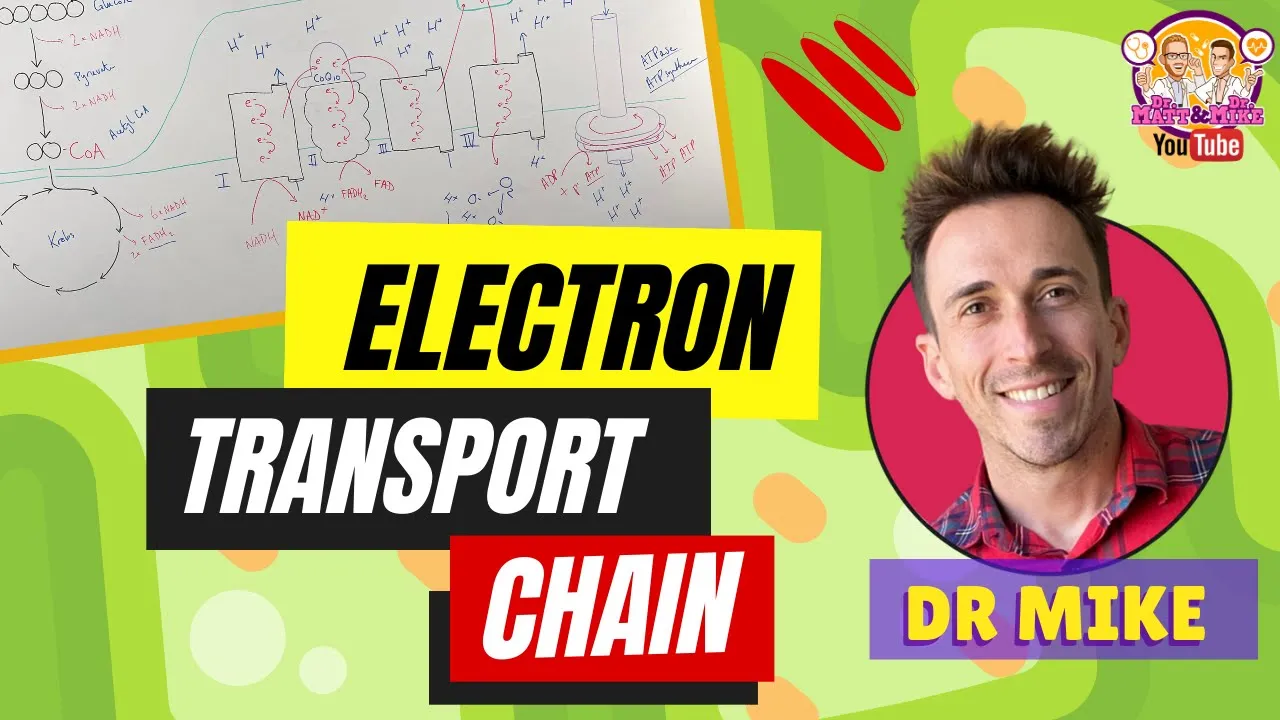
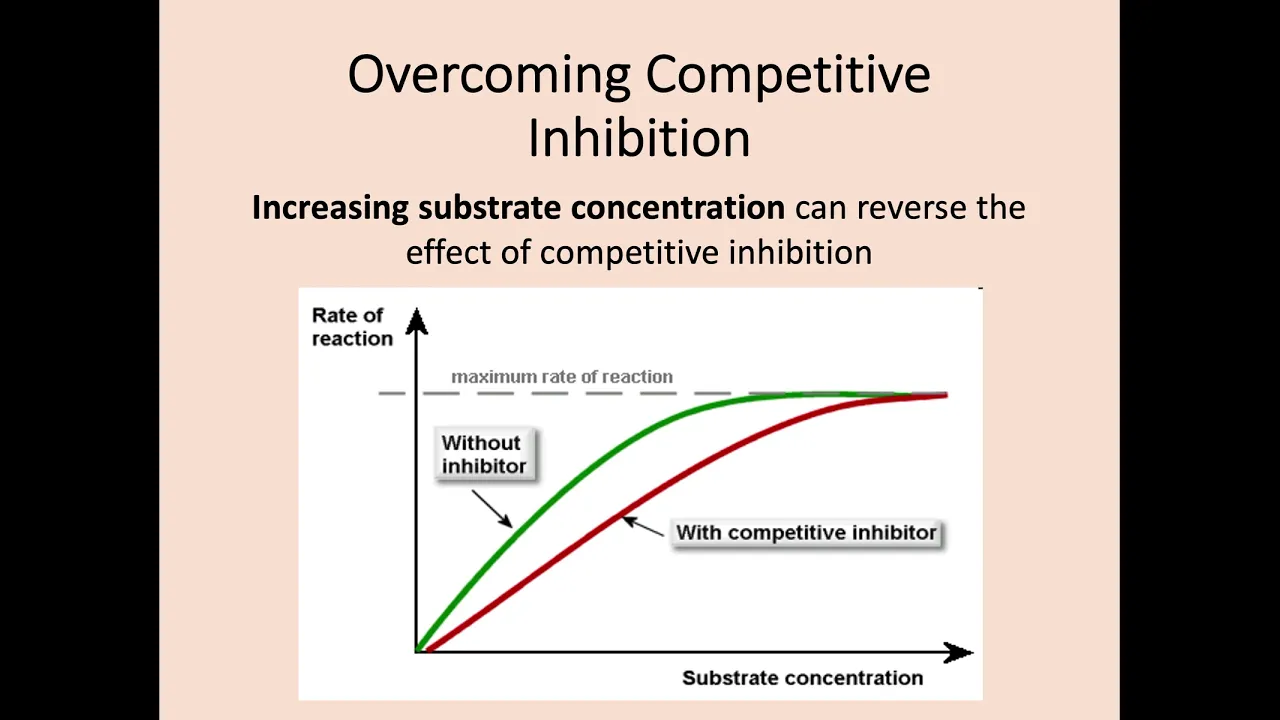
Welcome to our next lecture in microbiology so this is our bacterial biochemistry synopsis I'm going to go over an overview of metabolism and do some enzyme review and then we'll do the major metabolic pathways we're going to focus on glycolysis and its Alternatives fermentation the TCA cycle and electron transport and if you're familiar with these already you're like oh that's respiration in a nutshell we're going to touch I'm going to mention photosynthesis but I think we're going to save that then for our survey of bacteria when we look at the differences between what we think of as terrestrial land plant photosynthesis and some of the extraordinary ways the bacteria Harvest light energy that are different from that so that's our goal we want to highlight some of the differences in that process of where bacteria differ from those Pathways that you may have learned with respect to animals um specifically us and um we want to keep in mind that the diversity of the metabolism of bacteria is really one of their strong points that as we talk about breaking things down or building them up that every step of the way is an opportunity to Branch off and do different biochemistry and that hopefully will become apparent as we move forward bacterial metabolism metabolism is the combination of catabolism and anabolism so when we Define those we talk about anabolism as a general category of biochemical reactions processes that are building up synthesizing molecules in general using energy catabolism we think in general as a process that's breaking things down harvesting compounds to make ATP and again every step of the way precursors can be synthesized as we break things down they can be used in an anabolic process conversely we can build things up in anabolism that can be shuttled back into catabolism when we think of biochemical Pathways we can think of three major models which are important as we move forward that is this linear model starting substrate every arrow here represents an enzyme entic reaction you have an intermediate a and enatic reaction interminate B enzimatic reaction end product can take that foundational idea and apply it to branching metabolic pathways or from an intermediate you have several options that can result into two different end products or more we'll also see components of metabolic pathways that are Cycles where there are individual molecules that are reused and reused in succession as we quote unquote turn the wheel of that c more than once to create or Shuttle off an end product when we think about those enzymes that are regulating those steps between intermediates or substrates or end products we want to just do a quick review of basic uh enzymology so when we think of reactions we often think of uh exonic or endergonic reactions in this graph we're looking at an exonic reaction One by definition that the reactants have a higher energy than the products technically this is a spontaneous reaction even though it won't necessarily occur at room temperature it with any degree of speed so as we move from left to right in the progress of the reaction we can see that the relative energy goes up and that barrier that energetic barrier must be overcome that activation energy so what enzymes ultimately are doing are creating U reduction in that activation energy so they're reducing the activation energy so that as things are at their nominal temperatures can proceed with uh the relative energy in the environment so by removing or lowering that activation energy things can move forward where they wouldn't before so that's micro environments that's Bond stress all kinds of things and you can get into great detail on how enzymes work in a biochemistry class but for now we're just going to assume that enzymes are doing what they need to do to go from their substrate to their products this example shows a substrate being split apart could e just as easily be an enzyme taking two substrates and binding them and putting them together we often think of ATP then as the energy molecule of the cell and we want to take this moment to emphasize that because ATP will often times be un necessary to power an enzyme to do work um whether that be in a a uh reaction that is anabolic and we're building things up um or whatever we need so ATP definitely there we're going to see many of our catabolic pathways are going to emphasize the idea of how much ATP are we getting from breaking things down so let's go into a little bit more detail on enzymes so just vocabulary review excuse me we think about the active site is where an enzyme bines its substrate the substrate whatever that may be is then has chemistry done and the product is released so you can see a couple different pictures here um one with the space filling model you can see how complicated that uh active site can be can be very specific in addition to that we may find that the active site binds a co-actor so a co-actor combined to the active site or combined alisic um meaning it's binding on someplace on the enzyme that's not at the active site but what the co-actor is doing is creating a final shape for the protein so that it binds its substrate just right this idea of allosteric binding can be used in many different aspects of enzymology so here we see an enzyme that has an active site it binds its substrate it can do some chemistry but we can use alisic binding to do feedback inhibition just one example so in this the end product of the reaction of the metabolic pathway then when reaches sufficient concentration in the cell will bind the alisic site on the enzyme changing its shape just enough so shuts the en shuts the enzyme down so no longer will that enzyme then bind to a substrate and this can be a way to control a pathway at a biochemical level um that default is on for many uh amino acids for many necessary metabolites you'll have biochemical Pathways whose default is on so that you always have some basic pool of those uh precursor molecules and um monomers for many of our biomicro molecules that you can always pull from as you need but of course you don't want to overwhelm the cell either or Direct Energy that when it's not necessary so by creating a feedback inhibition Loop you can say when I have enough of it I just shut I shut myself down I shut that metabolic pathway down so when we start to think then about like antibiotics or drugs this is we get into the model of competition or non-competition so a competitive inhibitor versus a non-competitive inhibitor so in this case we sh we use um a sulfa drug as a example and you can see that the shape is very similar to the enzyme substrate but the concentration of the drug then need to be necessarily high enough to compete to out compete the natural substrate so that it can bind and then hence kind of fake the mo fake the enzyme out to think that is doing its job but it's not really now when you look at this chart talks about competitive inhibition versus non-competitive inhibition um and then it also brings in this idea of non-competitive inhibition by enzyme poison another name for that that I'm familiar with and that I've used is called a suicide inhibitor so whether you're competitive or non-competitive if you going to eliminate the capability of that protein to function any longer you are binding to it irreversibly in many cases and that is going to be a suicide attempt on the molecule on the drugs part which then effectively takes it out of circulation but you're eliminating the enzyme as well so these are things that will come into play with when you get into like enzyme kinetics um just to be aware that they're out there as we later get into antibiotics and how they work um this will come up again so let's address the central metabolic pathway that we find common to most life so here's our map and we'll kind of refer back to this map as we move through the next set of slides so we have a starting point of glucose and that's a fine starting point glycolysis literally means sugar splitting so we're going to split that glucose molecule and that's where we start in all of our intro textbooks what I want to emphasize today then is the Alternatives that we find in bacteria and procaryotes um to the standard glyco glycolytic model um and emphasize the idea that glycolysis in all these Pathways again aren't necessarily driven to complete oxidation of that glucose molecule for energy so that can be and is a necessary uh event that's happening all the time because we always have to have energy we always have to be producing ATP to keep ourselves alive but at the same time these are all Al Pathways in which we're creating intermediates that can be bled off that then are used for many many other things so we have glycolysis we have the Pento or pentos phosphate pathway we're going to see when we get down to pyate we can shuttle things off to fermentation or we can move down into the TCA cycle and cellular respiration so let's take a look at each of these in turn um and think about what their goal is and um how they may differ from our stand standard eukariotic model in a bacterial system just to get the names going in glycolysis the one that we've learned probably in other classes is the E EMP the ebden meoff parnos pathway that's what you learned before 10 steps glycolysis some bacteria have the Tiner D dudov dudov pathway the Ed pathway um and some bacteria can switch between these two an alternative approach to start the breakdown of G of glucose rather is on the pentos phosphate pathway again the point here is that when I run different Pathways I'm creating different opportunities for intermediates and those different intermediates then can be used in different ways fermentation we're somewhat familiar with from everyday language we'll dive into that just a little bit and the diversity of that among bacteria is significant then the TCA cycle is also known as the KB cycle or the citric acid cycle I will most oftentimes refer to it as the TCA cycle or the KB cycle and then finally cellular respiration is going to bundle kind of the electron transport chain and its variety of terminal electron acceptors so glycolysis in its most simple form is literally saying if I'm going to start with a glucose molecule and I'm interested in getting energy out of it how much can I get so the payout from glucose is going to be 2 ATP again that is our currency of cellular energy we're going to get two nadh and this might be new to you if you're if you haven't had the biochemistry before so nadh is like an electron shuttle electron carrier I like to think of it as reducing power it's taking high energy electrons from these molecules to be used later in general if we think about a full kind of cellular respiration pathway these are going to kind of shuttle things down to the end in the electron transport chain which we'll get to in a minute and then we have the remnants of that molecule that we' broken apart if it's glucose now we have two what are called pyrovate molecules glucose is a six carbon molecule and now we have two three carbon molecules which we've extracted some energy from already when we look at this uh glycolysis in the standard pathway again we've got 10 basic steps 10 intermediates and a more advanced biochemistry class they may have you memorize each of those again this is the EMP pathway and emphasizing that each one of these intermediates could in fact be used in other means right I don't have to keep moving forward in a linear manner we can Branch off okay and this is true again for most biochemical Pathways so we can see a handy chart here which breaks down where some of those intermediates may be used alternatively if we're not going to use them just to make energy so making LPS pepo glycin lipid synthesis proteins proteins proteins CU proteins do stuff nucle acids as we get into the uh pentos phosphate pathway um and then as we get further down into fermentation and other things uh TCA cycle transition step we can make all different kinds of stuff that is that can be intermediates in um biochemistry so this is a simplified uh kind of branching uh alternative to the use of glucose if I feed glucose in I might be using it straight down the pipe to oxidize it give off CO2 and make energy ATP or I could use it for lipid syn synthesis or amino acid synthesis or nucleic acid synthesis or carbohydrate those are four biom macromolecules in reality this is what the convoluted metabolic pathways and how they're intered interl really looks like and so this is usually a poster in most biochemistry Labs or molecular biology Labs it's fascinating you can find all your favorite intermediates on here if you look really closely not on this picture because it's too tiny but on the map when you have it on the wall um and it's super fun but what it shows you is that like biochemistry is super integrated into other biochemistry and that like this is kind of like a subway system and there's often times many ways to get to the same destination right so again looking at glycolysis um as that kind of starting point let's go back to glucose and look at the pentos phosphate pathway um which is specific to to procaryotes and here again no reason to memorize any of this other than to know that it's just a different pathway um and the end result of that pathway is a rulos 5 phosphate which can be used often times for nucleotide um synthesis or I can shuttle it into the tail end of uh glycolysis and make energy out of it again the alternative to the EMP version of glycolysis is the Ed version and here again we just introduced new intermediates um that can be used but the end result of this one is pyate just like we saw in our other uh our EMP version of glycolysis so again gly uh glucose starts what do we get 2 ATP 2 ADH to pyate let's talk a little bit about that pyrovate so we've got those three carbons um plenty of energy still in there to work with so we can feed that into the TCA cycle and completely oxidize it and try to get as much energy out of it which we'll talk about in a bit but let's take this opportunity now to kind of see where we could s shuttle this and talk about fermentation so again that purple box is glycolysis now we're going to take that pyate shoot off to the right and say hey let's ferment this because there are some organisms out there that basically don't have anything on the bottom half of this slide they don't do cellular respiration they don't have the machinery for it so we don't even go there we generate our our energy primarily through uh glycolysis um and that means we need to do fermentation if we don't do cellular respiration we need to do fermentation because to keep glycolysis running we have to have all of our um components of our uh energetic precursors the main one here that we're worried about is NAD um NAD plus so normally what we're doing is generating nadh taking NAD Plus and generating nadh when we're running glycolysis but if I run out of naad plus I've basically reduced it all then glycolysis is going to shut down so by fermenting something so taking pyrovate and instead of feeding it into the TCA cycle um I'm going to basically waste an nadh reduce pyate and get lact lactate like lactic acid right or depending on the pathway the enzymes that you have you might take it to ethanol or you might take it to a bunch of different things so this again could be an entire course I'm thinking about the diversity of uh fermentation in bacteria um but this is a great chart that kind of is like oh yeah lots of different things lactic acid ethanol um butc acid butanol acetone isopropanol carbon dioxide propionic acid CTIC acid succinic acid like you know what I mean so that's fantastic and that's something we'll explore again a little bit later when we look at uh the diversity of procaryotes so again just to visualize that this is the second half of glycolysis and at the top you can see that step six you are normally taking NAD plus and making nadh again if you deplete the cellular pool of nad+ this step cannot happen you need that nadh or sorry that nad+ to be there to grab those electrons for this to go forward if you don't you're done so by burning those nadh as we replenish the pool of n+ this can move forward and you can see the next step then is generation of ATP now if I take that pyrovate and I don't want to ferment it instead I can send it down the road towards respiration the KB cycle the TCA cycle the citric acid cycle are all the same name for this circular biochemical pathway and sometimes you have to memorize all the it's not for this class but what we do want to realize is this is the point at which I'm going to take that three carbon molecule and breathe it out right this is where I'm going to completely oxidize it and convert each one of those carbons into a CO2 I get three CO2 molecules off starting up there at the top with the transition step um to there down lower on the right and that is literally if you think about how you work when you exhale enriched a breath enriched in carbon dioxide this is where it's coming from right this is literally the burning quote unquote of your food the oxidation but we'll see in this process what we're really generating is a bunch of nadh and a little bit of ATP fadh again is an electron carrier not as highly energetic as nadh but also is going to same serve the same function um and now we're like what are we doing with all these all these nades right so let's take stock of where we're at and then we're going to move forward into electron transport chain so again thinking about taking a glucose molecule if it's for energy we can derive a different results from how we start with it we can go into glycolysis to ATP we can think about pentos phosphate cycle um if we're thinking about uh generating uh different intermediates and reducing power in the nadph um the transition step which is the start of the TCA cycle we're going to get more n and then again a little bit ATP from the TCA cycle and then more nadh and fadh lot of high energy electron shuttles out there now we got to do something with them again we don't have to start with glucose to get all this energy you can feed our other biomacromolecules into these Pathways at any step in the inter any as any one of the intermediates right so this gives you like a rough outline of how you might feed in polysaccharides starch is sell loses disaccharides are carbohydrates right our lipids proteins right so lipids have a special uh pathway we call beta oxidation right um as you break down proteins into amino acids take off the uh Amin group and then you can feed them right into the TCA cycle these do have enzymatic intermediates as well to get them to this main pathway but this is how it works right so again the glucose we could just easily started with something like a lipid and say okay how does this work we're going to jump right to the TCA cycle bypass gluc glycolysis uh completely so again beta oxidation is is fun because if you break this down what you can see is that this is one of the reasons why you get so much more energy from fats than you do from carbohydrates and proteins why because you're basically starting to cleave off U carbon in small groups from the fatty acid chain of your fats and you can do that many more times than you can just breaking a glucose molecule in two so let's get to the F our final uh step here uh cellular respiration and what do we what are we going to do with all those high energy electrons so electrons from energy source that's our shuttle right that's what we got from the food that we eat um or the bacteria eats or it syn or it synthesizes itself but the idea is that if I start handing that electron from from carrier to carrier I can do that in the way that I've lined up a series of of reduxx reactions right reduction oxidation reactions that I can siphon off energy as that electron moves through those reactions ultimately in these cases what we'll have is a terminal electron acceptor for anything that's aerobic that's going to be oxygen and if you're having an aerobic electron if you're using if you're doing aerobic respiration and have oxygen as your terminal electron acceptor you're in great shape because oxygen is so electronegative it really allows you to pull a lot of energy out of the electron transport chain um and so you got a lot of bang for your buck I want to bring that up because we're going to contrast that with Anor robic respiration which is the same process but we will never have as many steps because all the other terminal electron acceptors aren't as electronegative as oxygen what's our goal with the electron transfer chain electron transfer chain the energy that we're gaining that we're bleeding off from those high energy electrons is going to be used to power proton pumps right so by powering a proton pump I can take a proton a hydrogen ion and move it against its concentration gradient right so I'm establishing an electrochemical gradient when it's protons I have a very special name for it it's called the proton motive Force so the proton motive force is a gradient of protons with on one side it's also a Delta pH right because we know that protons are a component of pH pH the more we have the more acidic it is all these are synonymous terms ultimately gradient gradients are batteries we can tap into them to do work the work that we're primarily going to do if we're interested in energy is to make ATP so by allowing those protons then to move down their gradient through the ATP synthes we can turn ADP plus an organic phosphate into ATP and that can do work in the cell so looking at the electron transport chain in its most common presented form is what we see in the mitochondria right again you don't have to worry about the details here but if you follow the arrows starting on the far left you see that nadh engaging with complex one that's handing off its electrons and as you follow those arrows through the different components it's going to make its way over on the right there to our terminal electron acceptor oxygen which then makes water in that process then you can see the arrows shooting straight up we're moving protons across the membrane building up that gradient so that gradient then could be used to power the ATP synthase if we look at that in the plasma membrane of procaryotes of many procaryotes this is going to vary between procaryotes there's different components but we're keeping it General now again I see nadh on the far left handing off those high power electrons I'm pumping protons and if it's aerobic I'm using oxygen as my terminal electron acceptor as I've built up that proton motive force that proton gradient that hydrogen ion gradient I can use it to make ATP I can use it to do active transport right I can use it to move my fella right because when I'm a bacterium I only have one membrane I have that plasma membrane and so the gradients across that membrane are the only gradients that matter so I have to do everything that I'm going to power with a gradient across the plasma membrane so you think about the use of the proton motive Force it's it's significant um in that plasma membrane because that's all a bacterium has so again the idea here is that when I do cellular respiration I can generate a lot more ATP than if I just do glycolysis because glycolysis is going to limit me really to just a few um ATP so you can see the numbers go way through the roof as we get down there into the TCA cycle and then over to electron transport so you can talk about theoretical yields the key here is that I want to bring up this idea of anerobic respiration so aerobic respiration very electronegative terminal electron acceptor anerobic respiration I'm still going to use an electron transport chain everything looks pretty much the same except for those some of those enzymes at the end of that electron transport chain they're not going to engage O oxygen because either there's no Oxygen around if I'm a facultative animal or I'm an AE like or I'm an anoro I can't use oxygen so you're going to use a molecule such as nitrate or nitrate or sulfate as your terminal electron acceptor and there's a variet of a variety of teral electron acceptors out there and some like I said before eoli is amazing right so it can have incredible flexibility within all these different components of the system um so you can have two different NAD dehydrogenases at the start of the electron transport chain one can accept electrons from the standard nadh electron uh uh electron shuttle or you can pull electrons from alternative sources like molecular hydrogen you can have two ubiquinol oxidases at the end of the electron transport chain one for high O2 concentrations one for low O2 concentrations or you can use a completely different complex when you have no O2 around the true facultative anoro right so it just shows you the flexibility that we see in this biochemistry and that's really the the the beauty of microbiology kind of graphing that out I like these charts because you can see energy sources and terminal electron acceptors and you just want to think of this as again kind of moving down is the further I can go from left to right from top to bottom the more energy I'm getting out of it and O2 is always at the bottom so I can use O2 on the right on the chart on the left I can see that O2 is at the bottom and I'm going to get a a lot of energy out of that if you go to the middle chart starting with glucose but if I don't have oxygen around and I want to use nitrite or uh alternative then I don't get as much but I can still do this right so respiration is respiration electron transport but if it's aerobic respiration now I'm talking about oxidative phosphorilation I'm using oxygen or non oxidative phosphorilation I'm using some other alternative terminal electron acceptor now as we kind of wrap things up we want to review just a little bit thinking about what nutrients bacteria need what nutrients all life need and what it boils down to is two main categories we need an energy source to make ATP or we need and we need a carbon source to make organic compounds because we are a carbon based life so we're going to mention it now we'll come back to this later because this is kind of the Crux of the diversity of IIA you're going to be a photo autotrof meaning you're getting energy from the Sun and often times these are going to use inorganic carbon as our carbon Source this is going to be an essential component of any ecosystem because we have to bring inorganic carbon into the cycle and we have to have an energy source that is nonorganic right somebody has to make stuff so our photo autot trops sunlight CO2 photoheterotrophs can use sunlight for energy so I can use that to make ATP and this is what we'll talk about later later but I still need a carbon Source from organic compounds um so for those of you who know they basically don't have the Calvin cycle so chemol litho autot tropes then can use inorganic chemicals for an energy source and can also fix carbon from inorganic CO2 and then there's us right most of what we think of um chemo Organo tropes where I need to eat something that was from something that's alive and I need to eat that for not only my energy but also for my carbon Source right and so like I said we'll get into this a little bit more later and thinking about breaking down things and Building Things Up speaking of building things up anabolism is kind of the other half of the biochemical reactions that we were talking about from the beginning right like if I'm bringing a glucose molecule in I can focus on breaking down it for energy or I can start to think about how do I build things up how do I build up my carbs how do I build up my lipids how do I build up my amino acids how do I build up my nucleic acids and again if I'm an Organo hetero and glucose is my source of carbon I'm going to have to use carbon this glucose molecule to ultimately get to all those different intermediate or all those different biomacromolecules right so again reviewing this idea that like if I can start to shuttle that through glycolysis I can start to build my P pepoon my lipopolysaccharide my proteins my cic acids it's all there right so very integrated for example I can take intermediates from glycolysis and from the pentos phosphate pathway and start to combine that right so this is how ultimately I'm going to get to some of my specific amino acids again there's a lot of detail here that you don't need to know but you can go after if you want and it's beautiful it's fascinating all right so as we look at that stuff again here's a nice chart that shows you all this biochemistry can go both directions so metabolism anabolism in my opinion are pretty loose terms because all these Pathways it just happens to be what direction you're going in when you're looking at it to decide whether it's catabolic or anabolic right finally just to mention it capturing light energy as the classic anabolic pathway I.E building things up um is photosynthesis so I'm just going to show you some pictures here and then we're going to talk about it later but the idea is that I can interact with electromagnetic radiation if I have the right setup in a biological system I think this is awesome and that's good because this was a major point of my PhD research is how photosynthetic Machinery was assembled so that it could capture light energy um we'll go over this later the point is that to fix inorganic carbon as you see on the right side or here in the Calvin cycle it just takes a tremendous amount of energy and so when you ultimately have a unlimited energy source I.E the sun you can do this and this is what life on this planet is evolved to do and it is the foundation of every ecosystem so just a summary then what we'll see later is different kinds of photosynthesis and this is where if you understand the basics you can see how they Branch out and how they diversify and that's really cool so we have the basics for much of the catabolic system now we'll come back and touch the an system specifically photosynthesis later and make comparisons to the standard quote unquote terrestrial photosynthesis um oxygenic and these varieties that we see in procaryotes all right that's a lot listen to this as many times as you need to um think about those main steps and become familiar with the language and then we'll go from there
Up Next

386:24
Microbiology Rapid Revision: High-Yield NEET PG, FMGE & INICET Review
@Mr.MedicineOfficial
6.1K views•2023-08-11
50:12
Bacterial Communication: Quorum Sensing and Biofilm Formation Explained
@JHUAAP
12.6K views•2011-06-28

5:35
Enteric Nervous System Explained: The Gut's Brain | Neurobiology Lecture
@alumniu6029
438 views•2018-09-12
7:08
Bacteriophages: Earth's Deadliest Killers and Future Antibiotics
@kurzgesagt
34.6M views•2018-05-13
Related Study Plans & Knowledge Roadmaps
Structured learning paths in Biology
biology
RNAi: Biogenesis, RISC & Gene Silencing
01Molecular Biology Foundations: DNA to Protein
02Introduction to RNA Interference (RNAi)
03Molecular Biogenesis of miRNA and siRNA
+ 2 more learning modules
10h5 modules
Explore Roadmap
biology
Mycorrhizae: Signaling, Biophysics & Ecology
01Foundations of Mycorrhizal Symbiosis
02Molecular Signaling and Root Colonization
03Biophysics and Bioenergetics of Nutrient Exchange
+ 1 more learning modules
11h4 modules
Explore Roadmap
biology
Circadian Clocks: TTFL, SCN & Periphery
01Foundations of Molecular Biology & Gene Expression
02Introduction to Chronobiology and Actograms
03The Core TTFL: Molecular Architecture of the Clock
+ 3 more learning modules
14h6 modules
Explore Roadmap
biology
Population Genetics: Math, Drift & Selection
01Genetic & Probability Foundations
02The Hardy-Weinberg Principle and Baseline Models
03Mathematical Modeling of Natural Selection
+ 3 more learning modules
18h6 modules
Explore Roadmap