























Health in all policies is an approach where governments integrate health considerations into all decision-making processes across sectors like transportation, housing, and education, recognizing that social determinants such as income, employment, and environment significantly impact community health outcomes; this multi-sectoral collaboration enables more effective and sustainable public health improvements compared to addressing health issues reactively.
Health in All Policies Explained: A Public Health Framework
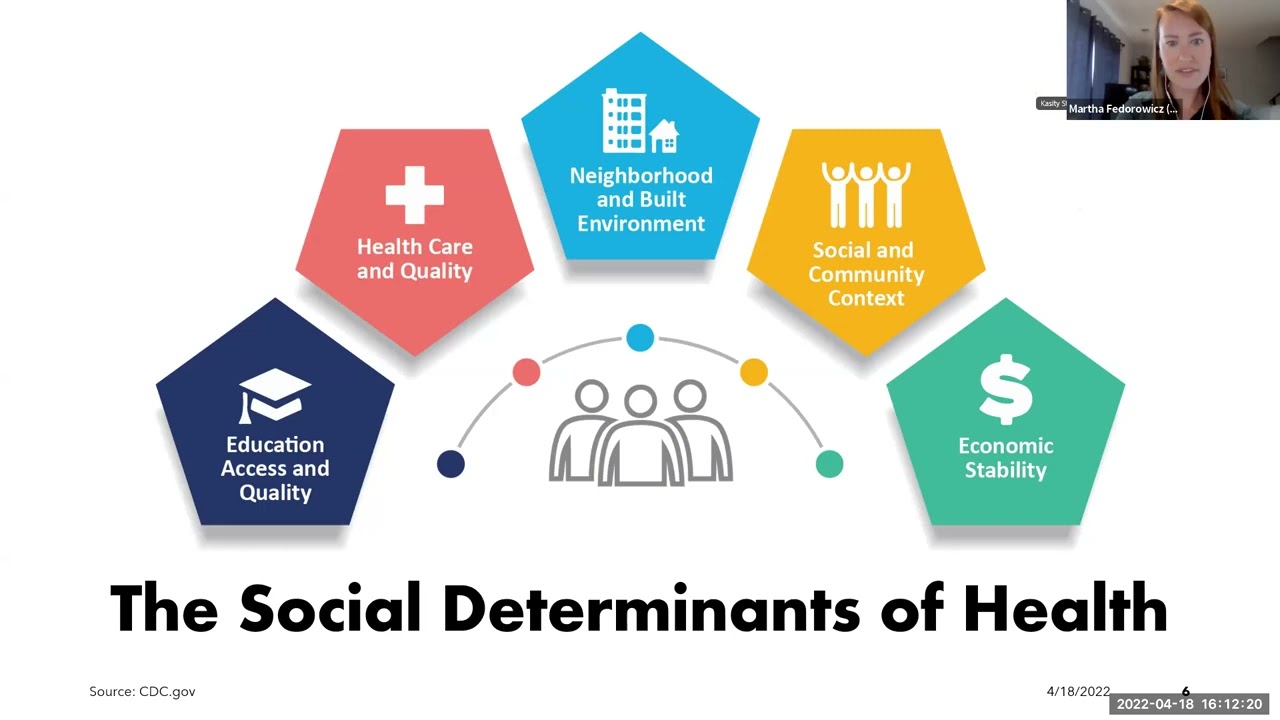
Added:Understanding the Social Determinants of Health (SDOH), specifically how non-medical factors like housing, education, and transportation impact individual and community well-being.
Basic knowledge of public health frameworks, including the distinction between clinical medicine (individual treatment) and public health (population-level prevention).
Familiarity with the public policymaking process, including how agendas are set, policies are drafted, and regulations are implemented at various government levels.
The concept of health equity, particularly how systemic disparities and resource distribution lead to differing health outcomes among populations.
How to conduct a Health Impact Assessment (HIA), which is a practical tool used to judge the potential health effects of a proposed policy or project in non-health sectors.
Analyzing real-world case studies of Health in All Policies (HiAP) implementation, such as municipal urban planning initiatives or state-level environmental regulations.
Strategies for overcoming institutional silos and political barriers to facilitate effective cross-sector collaboration between health and non-health government agencies.
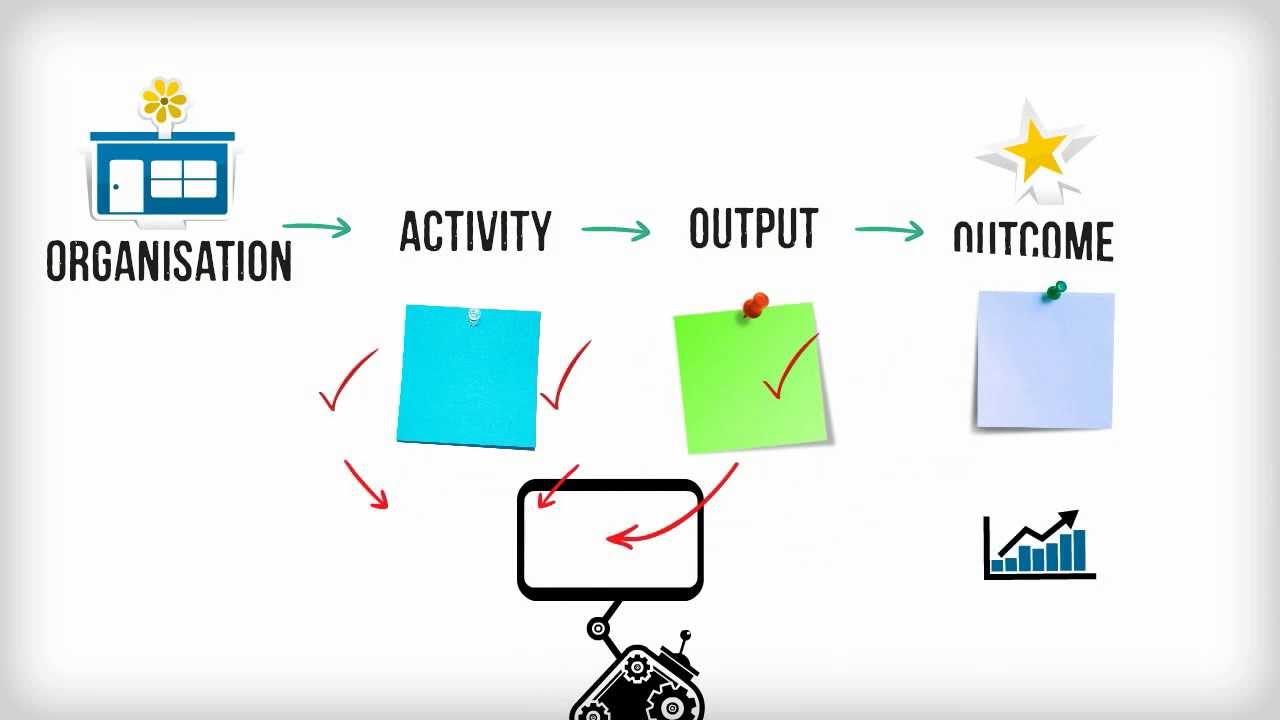
Methods for measuring and evaluating the long-term outcomes and return on investment (ROI) of HiAP initiatives on population health.
28.5K views0likes4:11Original Release: 2022-02-15
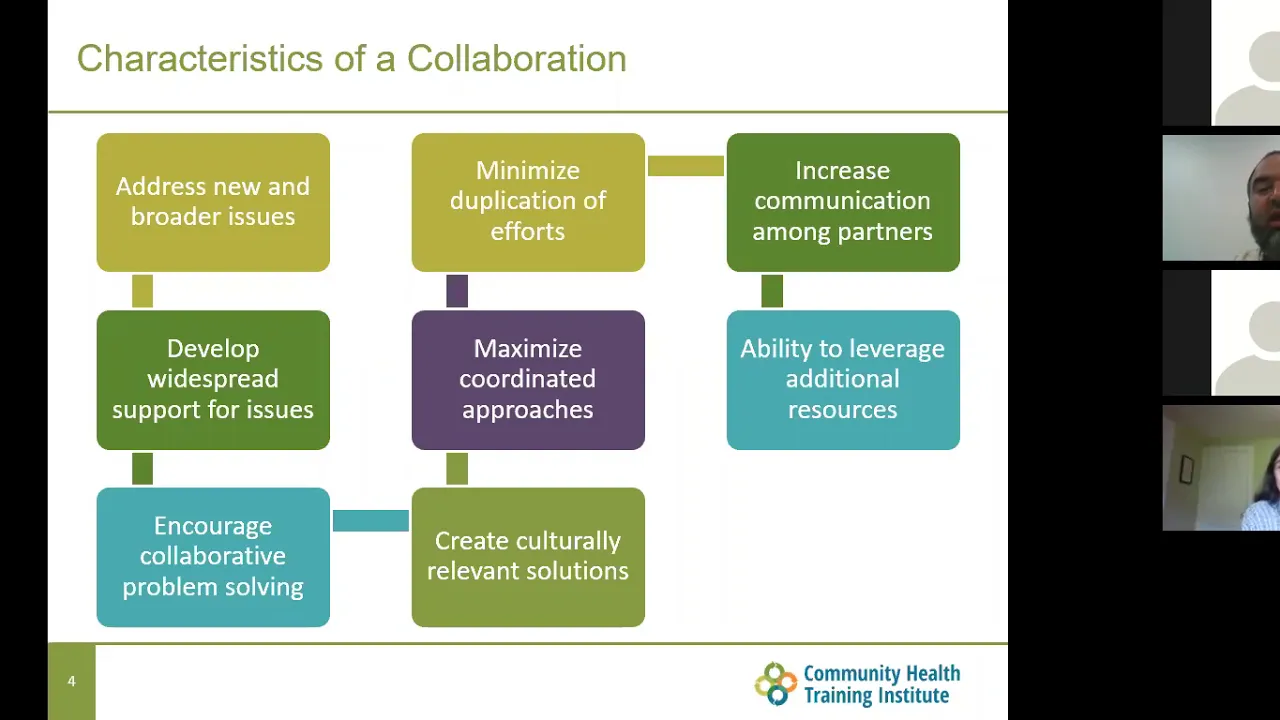
hi my name is mighty fine i'm an expert with the american public health association and today we're going to talk about health in all policies here in the u.s mosquitoes are little more than a nuisance but in parts of the world they cause widespread outbreaks of a life-threatening disease called malaria in the year 2000 malaria killed 17 000 people in zambia most of them children so to address this crisis different sectors of the government came together they cut taxes on malaria control products worked to eliminate mosquito breeding sites and provided rapid diagnostic testing and widespread medication to treat infections but the government also coordinated with churches mission hospitals the nation's leading employers and non-governmental organizations like the zambia scouts association to tackle the problem these partnerships help get supplies into zambia organize volunteers to deliver nets and medicine to people's homes and encourage community members to take preventative steps against the disease and by 2008 malaria deaths in zambia had dropped by 66 according to the center for global development this success was possible because the government partnered with all those other institutions this is part of what we call a health and all policies approach different public sectors combining their perspectives and working together with the private sector to improve the health of all people a community's health is influenced by multiple aspects of life like the widespread availability of parks the rising cost of health care and even things like people's income employment status and housing these are what we call the social determinants of health and they can have a greater impact than medical care on how long and how well people live likewise it's not just health care systems that can play a role in promoting public health when they make health a priority every government department has the potential to help keep communities healthy in practice health in all policies means that every time decision makers develop a policy or program they consider the short-term and long-term impacts of their decisions on everyone's health like in 2009 when the u.s department of transportation the environmental protection agency and the u.s department of housing and urban development came together to create the partnership for sustainable communities they wanted to make sure that their community development efforts supported public health with goals like more affordable housing and improved air quality none of these departments are public health organizations but all of them play a role in building and maintaining healthy communities and when they get on the same page as far as prioritizing health in all policies there's a better chance that health outcomes will improve take public transportation it might seem like it's strictly about city planning but it actually addresses issues like deaths from car crashes and transit access for people with disabilities which are important for communities and for public health and for the environment too the u.s department of transportation has found that when people have access to public transportation they're less dependent on cars to get to school and work that reduces motor vehicle emissions which can harm people's health especially people with respiratory diseases so even seemingly unrelated policies like those passed by the department of transportation can impact people's health in short term and contribute to environmental factors that impact long-term health when governments factor public health into decision-making they're taking a more proactive approach than if they were simply addressing health impacts after a new policy has been implemented and prioritizing health in all decision making can help governments get around budget constraints by spreading the work of public health among different sectors so overall health in all policies means making decisions that prioritize the community's health across all sectors from transportation to housing to education and so much more public health is a complex thing and it takes people working together to help ensure that everyone can live their healthiest lives thanks for watching this video is a part of a series created by complexly in the american public health association to shed a little light on the important work that public health does to learn more visit apha.org
Up Next

41:48
Healthy Public Policy & Health in All Policies Explained
@ScienceandArtofPublicHealth
28.9K views•2020-10-06

12:54
Triumph of Orthodoxy Icon: Byzantine Art & History Explained
@BenCallan
2.1K views•2024-08-06

9:49
FastAPI vs Flask vs Django: Choosing the Right Python Web Framework
@TechWithTim
302.5K views•2024-05-26

1:42
Game of Thrones Opening Credits: A Cinematic Analysis
@gameofthrones
46.3M views•2011-04-18
Related Study Plans & Knowledge Roadmaps
Structured learning paths in General & Interdisciplinary Studies
general-studies
Elevator Engineering: History, Physics & Cities
01From Hoists to Safety Brakes: The Dawn of Vertical Lift
02Hydraulic vs. Traction: The Engineering Physics of Elevators
03Modern Speed, Safety, and Algorithms
+ 2 more learning modules
12h5 modules
Explore Roadmap
general-studies
Rubber: Material Science, History & Geopolitics
01Origins of Natural Rubber & Mesoamerican History
02The Chemistry of Natural Rubber & Vulcanization
03The Geopolitics of the Rubber Boom & Colonization
+ 2 more learning modules
12h5 modules
Explore Roadmap
general-studies
Containerization: Evolution, Logistics & Trade
01Ancient Trade & Bulk Cargo: Amphorae to Barrels
02The Industrial Revolution & Cardboard Packaging
03The Containerization Revolution: Malcom McLean
+ 2 more learning modules
12h5 modules
Explore Roadmap
general-studies
Textile Tech: Evolution, Labor & Global Impact
01Pre-Industrial Textiles: Handloom & Cottage Industry
02Mechanization: The Spinning Jenny to the Power Loom
03The Factory System & Global Labor Transformation
+ 2 more learning modules
10h5 modules
Explore Roadmap