

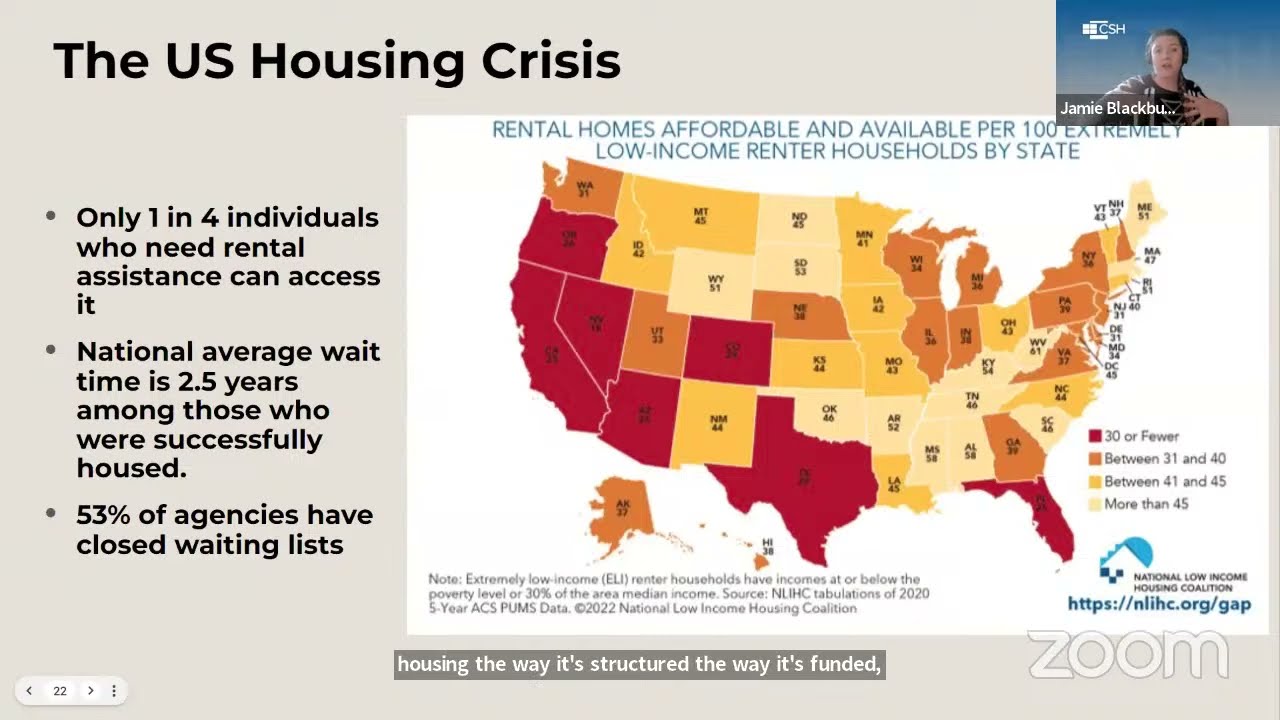













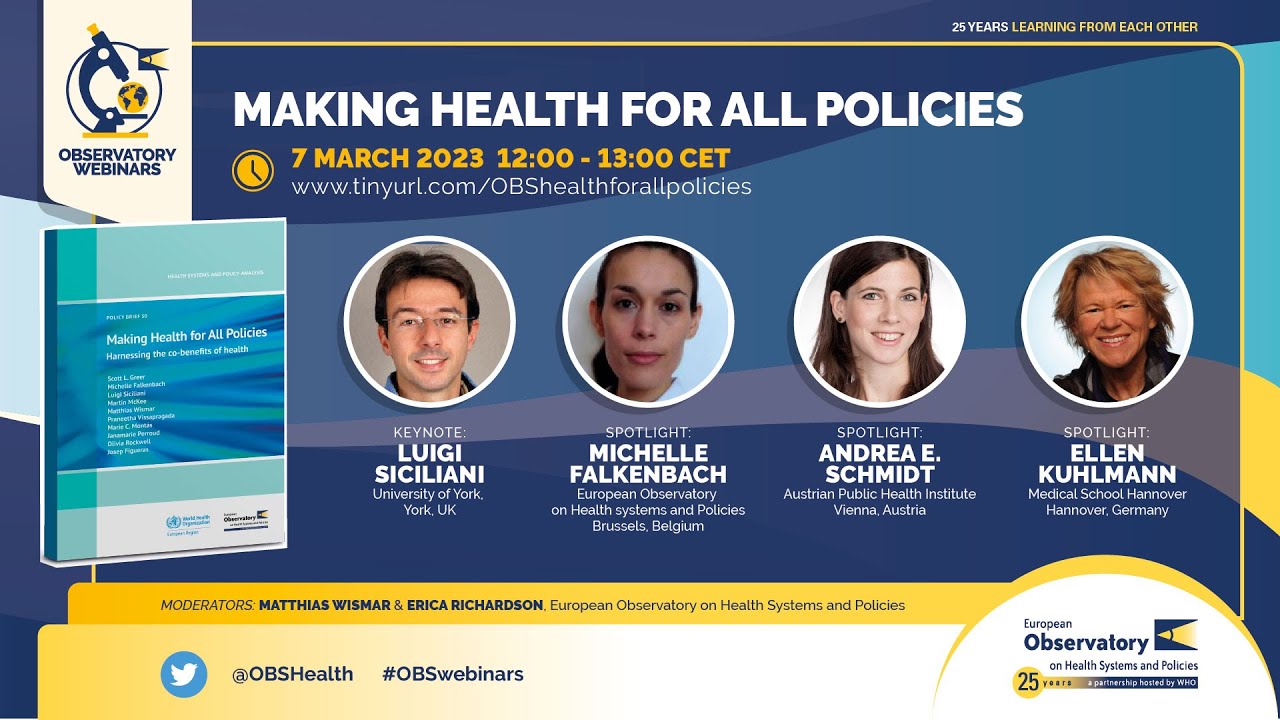
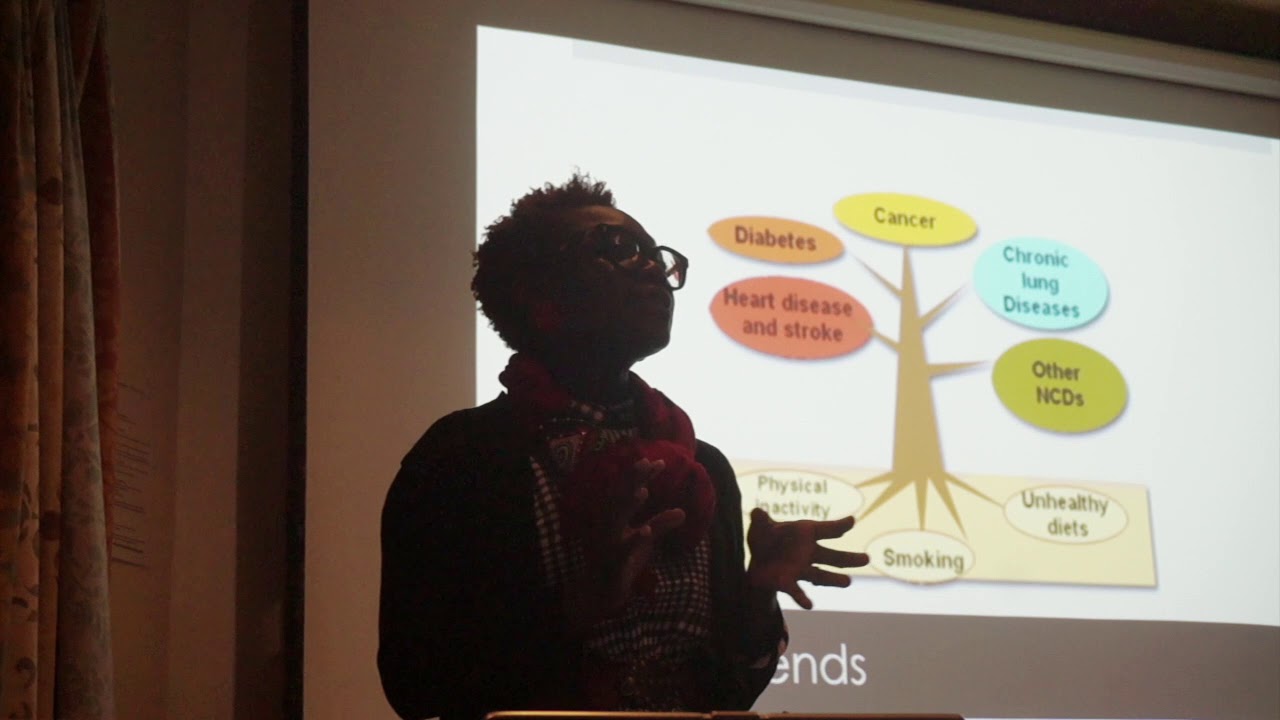




Healthy public policy is a comprehensive approach that integrates health considerations into all areas of government decision-making, characterized by explicit concern for both health improvement and health equity, accountability for health impacts, and creating supportive environments that enable healthy living; Health in All Policies is a specific implementation strategy within this broader framework that systematically considers health implications across all sectors, seeks synergies between health and other policy objectives, and avoids harmful health impacts to improve population health and reduce inequities.
Healthy Public Policy & Health in All Policies Explained
Added:The Social Determinants of Health (SDOH) framework, specifically how non-medical factors like housing, transportation, and education impact population health.
Basic principles of public policy formulation, including the roles of government agencies, stakeholders, and the general policy cycle.
The distinction between health equity and health equality, as healthy public policies specifically target systemic disparities.
Fundamental concepts of public health, focusing on primary prevention and population-level health interventions rather than individual clinical care.
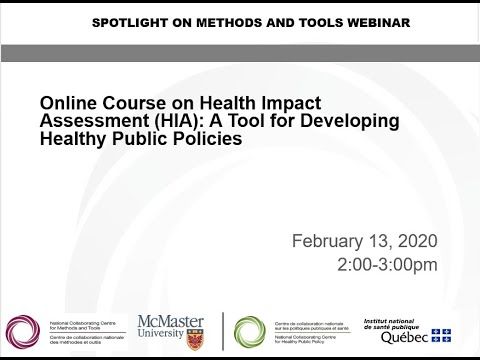
The methodology and application of Health Impact Assessments (HIAs) to evaluate the potential health effects of policies in non-health sectors.
Real-world case studies of Health in All Policies (HiAP) implementation, such as municipal urban planning initiatives or national nutritional policies.
Strategies for intersectoral governance and overcoming institutional silos to foster collaboration between health and non-health government departments.
Methods for advocacy and policy translation, specifically how to communicate public health data effectively to policymakers and the public.
28.9K views407likes41:48Original Release: 2020-10-06
Hello, welcome to this first session of policy and evaluation in public health. This is the investigate video which will be followed by an apply session where we will look at applying the ideas and theories and thinking that we will be looking at and exploring in this session.
So in this session we're going to look at what is policy, what is healthy public policy and what is health in all policies.
So we're going to discuss first of all what policy is.
We're then going to look at what healthy public policy and what health in all policies is. Now there is a difference between the two but at this stage in your careers the easiest way is to think of them as pretty similar, as almost exactly the same thing, but in reality healthy public policy is the broader concept. Health in all policies is one approach to developing healthy public policy.
Just a note, the yellow slides are key slides they're useful for thinking about the assignment but it's not about just copying them you need to think about them, you need to read them a couple of times, you need to reflect on what they mean and essentially you want to try and analyse them, you want to try and apply them, you want to try and synthesise them and you want to try and evaluate them.
First of all let's start with some background context about what is public health.
Now why, why do you want to examine what is public health because you already all know what it is yeah?
The reason we want to know what public health is is because knowing what public health is tells us what we want to achieve through policies yeah.
If we understand what public health is about then we can decide you know what kinds of policies, what kinds of approaches can we use to try and change policies yeah and in what areas.
So what is policy? Again we need to understand what is policy because if we don't understand what policy is then how can we link it to public health and how can we make change yeah if we don't understand what the notion, the idea of policy is.
So what is public health? Well public health is the science and art of promoting and protecting health and wellbeing, preventing ill health and prolonging life through the organised efforts of society.
So there's three parts isn't it, it's about promoting health and protecting health that's one part, it's about preventing ill health or disease and it's about prolonging and extending healthy life what we used to talk about in previous modules about life expectancy and we do that through the actions, the efforts, the way we structure society to improve health and wellbeing; and policies is one organised effort of society. Developing policies, having policies around health and wellbeing and and protecting health and wellbeing is one of the essentially, what the way it says in this definition, the organised efforts.
Now this is a second definition, this is a kind of expanded definition that has come later by Wanless and it's the science and art of promoting and protecting health and wellbeing, which is exactly the same as the previous definition, preventing ill health and prolonging life through the organised efforts not just of society but the informed choices. So it's not just about organised efforts it's also the choices we make as a society yeah which is an additional thing uh that's added by Wanless' definition and Wanless also then adds the informed choices not only of society but organisations, public and private, so businesses as well, communities and community groups as well as individuals and families.
So you can see here he's broadened it out. It's explaining what society is. Society isn't some kind of abstract thing. It's about the organisations, the people, the communities, public and private, voluntary sector and others and it's the efforts that we take and the choices we make that will help to improve, promote and protect health, prevent disease and prolong healthy life.
So these are the kind of three domains of public health that we try and work towards and work on as public health professionals. We often work in one area, not all of them.
So you've got health protection, health improvement and health services yeah. So with health protection it's often about laws and regulations, it's also often about protecting environments and workplaces and it's also about diagnosing and investigating health problems.
And then I'll move on to health improvement first because that is more often a public health role than health services. So in health improvement we're about informing, educating and empowering you know that's about running health promotion programmes, educating people about diet and physical activity and then we also monitor the health status of populations and that's what we did in assessing population health. We look at what the current health status of communities are, we look at the determinants of health, the indices of deprivation to look at health inequalities and we also aim to mobilise communities so that we get communities on our side, we get communities to do the work, you know, to support themselves and to work with us to change behaviours and to improve health and wellbeing across the whole population.
And in terms of health services, what our aim is as public health people is we help to make sure that there's good quality healthy people, we've got a good workforce, we are developing that workforce, we've got the right numbers of doctors and nurses and allied health professionals. We also evaluate health services to make sure that, you know, they're working well and that could include health inequalities. Are poorer people accessing health services less than people who are well off? Are health services working for ethnic minorities or other communities? Is it working for children and older people?
And thirdly we link into what people's needs are. Again we've talked about that in previous modules about doing needs assessments so this is where we look at the needs in terms of health services of people, you know whether that's individuals, families, communities or the population as a whole. And lastly it's not just alongside health services but as we've talked about laws and regulations, they're also policies. Laws and regulations are a type of policy and we make policies for health services but we also make policies for health improvement so that seven isn't just one area and only linking into health services it actually links into all three areas.
So you might see this diagram but remember you have to analyse this diagram yeah.
Some of these diagrams don't often work. If you analyse them and think about them you realise hang on why why are they just talking about policies and plans for health services? What about policies and plans for health improvement? What about policies and plans for health protection? And you're absolutely right yeah they do occur so you do have policies in all three areas.
And you can have laws and regulations, again not just in health protection but in all three areas.
More often it is around health protection and health services that you have laws and regulations but it's not the only time. You can have laws and regulations around health improvement.
And lastly we're not going to talk much about ethics and the use of information though there is the ethics of policy making and we may touch on that later.
Now just a reminder, just because we've looked at a definition of health don't think or don't waste your time in writing the definition of public health in your assignment yeah, We know what it is, this is background yeah, you should already know that from the first year.
This is just a reminder, a refresher just of what public health is so don't start it off there. Remember this assignment is about policy and policy making.
This module is about policies and policy making yeah and healthy public policy.
So those are the discussion points and the definitions you should be talking about.
So let's start with what is policy?
So, a simple definition of policy is a set of principles that guide decision making or the processes of problems' resolution. I think the first part of this is a much better definition than the second part but let's have a look at it. So it's a set of principles that guide decision making.
What this definition doesn't tell you is what principles, why is it a set of principles, how does it guide decision making? So actually this definition doesn't really tell us, whilst it's very simple, it doesn't really tell us a whole lot. We actually would have to read wider maybe go back to the references, the original references to actually understand more clearly what they're talking about. And what does it mean when it says processes of problems' resolution? That's a bit better actually now we look at it because it's some kind of process, it's some kind of thing that happens in time it's not happening at one point in time, it happens all the time maybe three months,, six months, a year maybe five years and it's something to do with problems. So policies are about tackling problems and resolving them in a good way but again you can have a think about it, maybe read the original sources or have a look at other textbooks and articles that may discuss this definition. So you do need to think about it, don't just put it in there, have a reflection on what does it mean, what is this definition talking about. Let's look at some more complex definitions that perhaps explain policy in a much more interesting and more clearer way.
So Thomas Dye says that public policy is whatever governments choose to do or not to do. He argues that failure to decide or act on a particular issue also constitutes policy.
Now this is quite profound, think about it, it's not only what governments do or choose to do but it's what they don't do. So if you don't do something, if a government doesn't do something or a society doesn't do something that also is a policy. Indirectly that is a policy. You've created a policy not to do something. So you haven't written it up in a document, you aren't stating it explicitly on the news and on BBC TV but you are and have created a policy not to do something yeah. And then secondly what about this definition "As you can see there are many ways of defining policy..." so hopefully you've taken that from just the fact that I showed you a slide on the uh sorry I showed you a definition on the previous slide and now you already can see a second definition on this slide.
So Thomas Dye's definition is a simple one yeah about what governments do or don't do but it also contrasts with the more formal assumption that all policy is made to achieve a particular goal or purpose.
So here is a definition, again it's not highlighted strongly but policy making is about achieving a particular goal or purpose.
But Thomas Dye is saying well actually no, sometimes there is no goal, sometimes there is no purpose it's you're choosing not to do something yeah but generally policy making is about doing something that achieves some kind of goal or purpose that's beneficial that benefits people in a society hopefully all the people but not always and this is where health inequalities comes in where some policies benefit some groups more than others yeah so if you have a tax cut but you're unemployed or on a low income then the tax cut won't impact on you yeah it's not going to have a beneficial effect on you but if you're working and well off then a tax cut will be benefit to you that doesn't mean a tax cut's wrong but it means that it benefits one group more than others.
Now some policies support everyone more equally you know when we tax smoking yeah it's affecting everyone equally. Everybody's paying the same tax but obviously because we know the background that more people smoke who are poorer or uh yeah so more more poorer people tend to smoke or continue to smoke that tax does have an impact because obviously it makes it more difficult it costs them more to buy cigarettes but if they're addicted to it and they can't help themselves what you're actually doing is then taking money away from them.
The little money they have is taken away by them buying cigarettes yeah, now we could argue it's a choice but we know that smoking's addictive, you know, alcohol is addictive so sometimes you don't have a choice if you're addicted to something.
You have very little choice.
So what's the last kind of key definition?
Health policy is assumed to embrace courses of action and inaction yeah, so again, linking back to Thomas Dye's definition above, that affect the set of institutions, organisations, services and funding arrangements of the health and healthcare system.
Now again, looking at this definition I like the first part but the second part about health and the healthcare system, it doesn't affect just health and healthcare system, it affects the transport system, housing system, education system, leisure system, any kind of system you can talk about.
So here they've used a very strong kind of health care, hospital, doctors, nurses type of definition.
So we can change that.
We can talk about health policy is about courses of action and inaction that affect institutions, organsations, services and funding for all types of sectors in society, whether that's the health care system, whether that's the social care system, the leisure system, the education system, the transport system, the housing system, all of these are affected by policy, yeah.
So, what types of policies does public health try to influence and change?
Well, the policies that it tries to influence and change goes back to that definition of public health and the three domains. So we are trying to change policies, trying to create laws and regulations and strategies and action plans and programs of activities around health improvement.
So we do health promotion activities like Change for Life for example. We do health protection activities like health and safety in the workplace or reducing air pollution reducing noise reducing chemicals in the air and water and soil and then thirdly we look at improving health services so we have improved access, so when we do fall ill we have good quality access to affordable health services. Now in the UK it's free but remember in many countries it's not free so the affordability is important as well as the availability that it's actually being provided and three accessibility yeah. Can we access it? you know, can a disabled person? Can a mom with a pram and a pushchair be able to access that service easily? Someone who doesn't have a car, can they access that service easily yeah and is it well signed posted? So we act on all of these three domains and we look at it and and think about this a bit more in the apply session.
So let's go on to who makes public policies? Yeah. Well lots of people do but we're going to just break it down initially into two broad types. There's public policies which are developed by national and local governments. Lots of people may take part, charities, voluntary sector organisations, NGOs getting involved, we can have businesses getting involved, but governments you know, national or local are the ones who drive policies, who develop laws and regulations.
Ultimately they have to create it, they have to sign off on it, approve it in parliament or in the local council cabinet, they have to sign off and then deliver and implement those policies.
So governments are key agents in developing public policies and then the other people who are involved are governance institutions both regional ones, and by regional I don't mean like the northwest or the southwest or the London region, I mean continental like European, North American, South Pacific, Southeast Asia, those kinds of regional partnerships and governance institutions and a key one obviously is the European Union which covers most of Western Europe. United Nations is a governance institution and the agencies within it and for health obviously World Health Organisation is a key, you know it's a part of the United Nations but it's the key leading agency for health across the world internationally.
So these public policies have a direct effect or affect on people yeah they have a direct affect on people. For example policies, laws and regulations on the safety of food is important you know having good quality chicken you know not having salmonella in your meat is really important, wearing seat belts is another one, smoking in public spaces is another one, rules for managing air pollution from factories, bans on advertising for cigarettes on TV, the sugar tax, these are all examples of policies that governments and governance institutions have advocated or created yeah. It's direct because everyone in a country or an area, if it's a local government that develops a policy, has to do it yeah or it will be affected by it in some way.
The second group of people are private policy makers and these are generally private sector businesses and maybe non-governmental organisations, voluntary sector, charities, think tanks, yeah. These have indirect effects on people. Generally unless governments take these uh ideas up and then develop into policies they don't really affect most people, unless you use those businesses you know, use the services that those businesses provide for example Kellogg's producing Coco Pops or Diageo, a drinks manufacturer selling sweet alcohol drinks targeting young people uh through their advertising. That's an example of private companies making a decision to say we're gonna sell sweet cereals targeted at kids that we know kids will like even though obviously, I'm sure all the senior people in Kellogg's know that sweet foods affect people's teeth and really probably having chocolate and cocoa in the morning for kids is probably not a good idea really yeah but they're willing to sell it because they think it will sell, people will buy it and yes while people can eat Coco Pops at different times of the day yeah it's often eaten by children in the morning yeah okay. And the same with drinks yeah, most alcoholic drinks are savoury, they're not very sweet you know, there are some types of sweet drinks but often so young people aren't always attracted to them but sweet alcoholic drinks where it feels like fizzy pop that you're drinking so you don't realise the alcohol content until you've had quite a few drinks, there has been an issue with it in the past yeah and potentially it can be a continuing issue but in the past there was a big issue around these kinds of sweet alcoholic drinks targeting young people and there's less of that kind of advertising now.
And this is indirect because we don't have to buy these things you know I don't have to buy Coco Pops, you don't have to buy it for your kids yeah, but we can be persuaded by advertising or through advertising the pestering power of children you know, children see the ad for Coco Pops they see that nice jingle and that monkey and they go yeah yeah we want it so next time you're in the shops in the supermarket and the kids are with you they will be pushing you to buy it yeah so it becomes very difficult to say no. And the same with uh sweet alcoholic drinks for young people you know the advertising makes it look cool your friends are all drinking it so you start drinking it because you think it's a good cool thing to do.
But the focus of public health really is on public policies. We don't really focus on private policies because we don't have much of an impact. The biggest impact we can have is on public policies. The people who are likely to listen to us are national and local government, governance institutions like the European Union and the World Health Organisation. So we can make an impact by changing the minds of politicians, civil servants in government, you know, people who work in councils and in government departments are more likely to change their mind than potentially private sector businesses who often, not always but often, are driven by profits as the key driver and that's not necessarily a bad thing but that often is an overriding factor so you know they have to make a profit so sometimes they're not always going to do the public health thing yeah the healthy thing that they should do for the public's health.
They may not always do it unless they're pushed to do it because of policies, laws and regulations.
So sometimes we have to force private sector organisations to do things by changing public policy. We have to push uh people gently to go in the right direction about changing their diets, again through policies that might impact on supermarkets, how they show food labelling for example, so we're not forcing people to not eat salty foods or high-fat foods. They can buy it but if we put a label on it they're more likely to look at that red label potentially and say oh well I'm not really I don't think that's a good idea for me to have so much fat, look it's showing as red. So that's another way of where policy is indirectly promoting health yeah. It's not forcing people to buy certain products, it's not banning products but it's changing people's approach to when they look to buy they might look at the food label.
And we know that food labelling isn't that effective but it does help, you know, for those people who are aware of it and are interested, perhaps you know they've put on a lot of weight. They may look at those kinds of things to to you know, reduce their sugar, salt or fats in their diet.
So what types of policies are there? Obviously I've already talked about topics or thematic areas or sectors you know, so you can do transport policies, housing policies, education policies, health care policies, social care policies, public health policies directly that relate to public health, leisure policies yeah, so there's many areas, cultural arts policies you know, all of these can have an influence on public health and people's health and well-being yeah, but there are essentially two broad categories, analytical types if you like, of policies yeah and they are hard policies and soft policies. So hard policies are legislation and regulations, you know, the Air Pollution Act, exhaust emissions regulations, taxation, fines, fees yeah. Those kinds of things where there's a penalty are hard policies where you can be taken to court and sued or you know it becomes a criminal act, those are hard policies yeah, legislation regulations. Soft policies are guidance, advice and support and they could also be financial benefits, you know, if you do it will give you a benefit.
An example of a soft policy is electric cars isn't it? So if you go into Central London you've got an electric car you don't have to pay the congestion charge because you have an electric car that doesn't emit. So that's a soft policy, nobody's forced to buy an electric car but by making it an incentive, a financial benefit, you may decide to buy an electric car because you're constantly going into Central London and rather than going around Central London, for you it's better, easier, quicker or more convenient to go through and then if you have a choice and you have the money you know you're happy to buy an electric car to avoid that penalty.
So now we move on to what is healthy public policy and health in all policies?. As I said for this module you can think of healthy public policy and health in all policies as the same or virtually the same so that you can talk about them as almost the same thing, interchangeably.
As i said I think healthy public policy is the higher level thing yeah, it's the broader thing health in all policies is one approach to developing healthy public policies yeah but it's the key approach, the most important approach that we have at the moment yeah.
So what is healthy public policy? Now you can see it's a very big, quite a dense definition right, so this will take you much, much longer to think about than the one you see this and it comes from the Adelaide recommendations in 1988 on healthy public policy. So you can see this is quite a long time ago that this definition was created and so healthy public policy has been going on since the 80s if not actually the 70s is probably where we originally started in Canada.
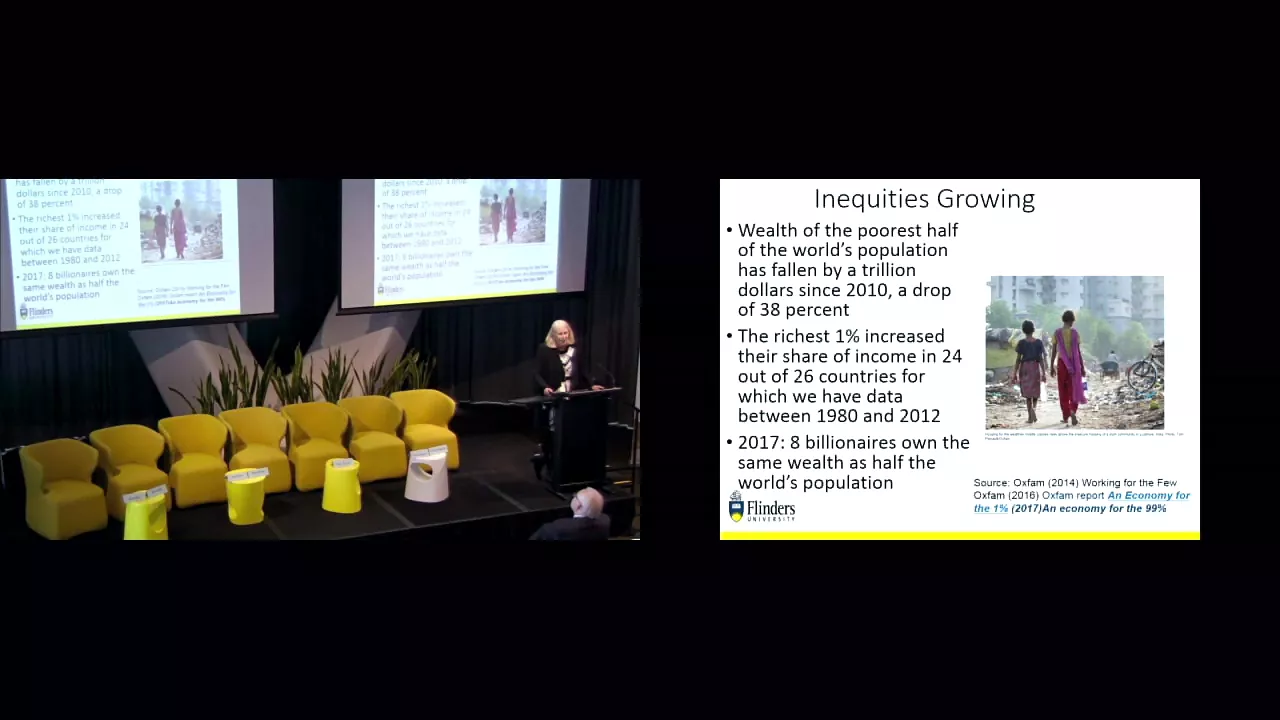
Healthy public policy is characterised by an explicit concern so it's an open concern yeah we're focused transparently, very clearly on these two things, on health and equity yeah. So it's both of them. So remember equity and inequalities, they are two different things, inequalities is the differences in health between different groups of people and equity is whether that difference is fair or unfair yeah. If you have a genetic disorder it's kind of unfair but it's not really because it's not society that made it unfair. So remember equity is about whether society makes it unfair yeah. So while it's not nice to have a genetic disorder it's not unfair because society didn't make you have that genetic disorder generally yeah. So inequalities is the differences in health across people, different groups of people and equity is whether that difference is fair or unfair.
Is it caused by government policy? Is it caused by the way people treat each other in a society yeah?
So that's important so healthy public policy is where public policy has an explicit concern.
Is it explicitly focused on improving health and improving equity and reducing health inequalities?
In all areas of policy whether that's transport, housing, environment, agriculture, yeah, food, retail, leisure, education, in all areas yeah, and by an accountability for health impact. So what does that mean? Accountability for health impact means that then that policy looks at what are the health impacts? Are they positive or negative? So when we implement that policy they have to be accountable and responsible for it. So if there are negative impacts from that policy then they should do something about it. So government, local or national, should do something to improve/ reduce the negative health impacts, maximise the positive health impacts So it's about monitoring and evaluating the policy to maximise the benefits and minimise any negatives particularly on groups of people like poor people or those already facing disadvantages like ethnic minorities or women yeah, or people with disabilities because they may already have lots of problems that they're dealing with so you don't need to add more problems onto them through your new policy. So the main aim of healthy public policy is to create a supportive environment and remember this links back to the Ottawa Charter and the five approaches in the Ottawa Charter.
So it's really about creating supportive environments to enable, allow, help people to lead healthy lives. Such a policy makes health choices possible, easier for citizens, it makes social and physical environments health enhancing. We make our environments improve health yeah, we ensure we've got pavements, we've got parks, we've got greenery, we've got shops close by. We make our environments, both the social and physical environment, in a way that improves everyone's health and well-being yeah. And then in the pursuit of healthy public policy, government sectors concerned with agriculture, trade, education, industry and communications need to take into account health as an essential factor when formulating policy. So when we do agricultural policy we do need to think about health and well-being yeah. It's not just about growing food as much as possible, making sure farmers are all right and they're getting enough money, these are absolutely important things.
And making sure we protect the land so we've got agriculture and we can grow things for you know 100 years from now.
These are all important things but they also all of these things also link into health and well-being yeah.
Farmers doing well make sure that they produce high quality foods ensuring that agricultural land is not degraded and you know will continue to provide food for 100 years, has a public health benefit yeah, but not doing stuff, not growing stuff that's not useful for communities that may have a negative impact because of the way we do agriculture so for example using pesticides in agriculture yeah, that has a potential negative impact because that can wash into waterways and then affect plant and animal life that we then eat it or maybe affect us directly as human beings because we wash in that water so we take up those pesticides. So this is where while pesticides can be very useful for growing things because it reduces the pests that eat things like locusts or parasites and worms and caterpillars and other things that might eat food and birds yeah, actually using pesticides has a potential negative effect on human health and well-being and animal health and well-being as well in the wider kind of environment yeah. So these sectors should be accountable for the health consequences of their policy decisions. So you can see here this bit about accountable for health consequences of their policy decisions links back to that first point here accountability for health impact yeah so it's kind of reflecting the point that it makes in the first sentence in the second sentence by giving a kind of example and clarifying that point about what is the definition really talking about. They should pay as much attention to health as to economic considerations. Now you know very well that economic drivers you know providing jobs, finding good quality jobs is really important but it shouldn't be at the expense of health and public health and human health yeah, or animal and plant health because that often impacts and comes back onto human health and affects human health.
So it's really important for all policies to think about health as well as the other things that they might be interested in yeah. Whether that's agriculture, trade, education, healthcare whatever.
Now let's look at two definitions for health in all policies. Now you can see here I've coloured it in so you can look at whether the colors you know, what are the differences between the keywords, between this definition here and this definition here and why is there what are the similarities. So first of all if you do a quick scan you can see here it talks about health and health equity and that the previous definition did that as well, health and equity yeah, and then it also talks about public policies across sectors so did the previous one, yeah and it avoids harmful impacts which again the previous one did talk about. This one talks about systematically while the other one is not explicit and it talks about synergies as well which again the other one doesn't really talk about here yeah, but it does talk about supportive environments and making things life enhancing or health enhancing. So what is health in all policies? Health in all policies, this is a World Health Organisation definition, is an approach to public policies across sectors that systematically takes into account the health implications of decisions, seeks synergies, synergies is about working together yeah, so we're not saying it has to, you know what's good for health has a bad effect on the economy and jobs, it should be both. We want an approach that balances both, that is positive for both things. So if we're looking at a number of different areas we should synergise and make things come together so that you know it's better than the two things separately yeah. So it seeks synergies and avoids harmful health impacts in order to improve population health and health equity. As a concept it reflects the principles of legitimacy, accountability, transparency, access to information, participation, sustainability and collaboration across sectors and levels of government. So let's have a brief look at this. You will need to explore this in more detail and understand it.
Legitimacy means people feel it's legitimate i.e people buy into it yeah and that's not just people outside government like the public it's also people inside government, your politicians and your civil servants, other professionals in other sectors maybe businesses so, we try and be legitimate yeah, we try and make sure we're not going to force things onto people. We want people to buy into our policies yeah because that's the best way of be having sustainable policies that work and improve people's health. You want it to be accountable yeah so if things go wrong, people are affected badly or harmed by the policy then you know the policy needs to be accountable. The people who are delivering, running, designing that policy need to look at changing it, improving it and remedying any problems that are created by that policy. It's got to be transparent and have open access to information, that's two things that are together. So basically the policy process or what the policy is about should be transparent, everybody should understand it clearly, anybody who wants information about the policy, It should be openly accessible, basically policy should not be made behind closed doors, hidden, yeah, only a few people getting involved yeah, everybody should be able to access information, be involved in the process and it should be an open process that everybody can see what's happening and feel that it's a fair process in how that policy was developed yeah. Participation, again, links to that transparency, access to information, the people, anyone who wants to, stakeholders who want to get involved should be allowed to be involved in the process of developing that policy. Sustainability, you know sustainability is a very complex thing in terms of as a concept but in this context sustainability is really about long-term positive development yeah in the sense that the policy should not die after two years you know it should be a long-term policy that lasts for 5, 10, 15, 20 years because we've made it like that, that it's a good policy that can last and you know over time is flexible and adaptable and that it's not going to be, you know, a year from now it's stopped and we're not doing it yeah because that's not actually going to be useful for public health because we know that many health problems are not short-term problems obesity, cardiovascular disease, cancer these are not short-term problems they're long-term problems, they take a while to appear and they take a while to improve in terms of reducing health risks yeah. So often you need three to five years before you're going to see any real change in how people change their behaviours yeah. And lastly there should be collaboration across sectors yeah. So transport shouldn't be just about transport it's also about the environment, it's also about health care, it's also about public health and it's also about access to goods and services that impact at a wider level, for example leisure and recreation. It also impacts education you know transport, getting access to a university or a college and having good roads and public transport to that university and college or school has an impact on education and people you know the education that children and young people and adults receive. So you can see here that collaboration across sectors and at all levels of government yeah, not just the top level, not the middle level, all levels of government, the different government agencies whether it's national government and local government they should talk, regional government they should talk, regional agencies they should talk, all three levels or however many levels there are, they should all be talking and discussing. National government shouldn't force policy onto local government, local government shouldn't really go off on its own and do its own thing sometimes it's forced to do it but ideally local and national government are working together and any regional agencies are also working with local and national governments and if there is a regional government then also you know national, regional and local governments work together. Now in the UK we don't really have regional government probably London is the best example. So you have local councils in London, then you have the London region with the London assembly and the mayor and then obviously you have national government and some of the areas like Manchester and Birmingham also have a kind of regional element but often where they've got mayors but often in the UK context you generally have local government and national government and there's regional agencies that do activities but not really regional government So this is another definition this is a definition by UK local government association so this is the UK definition health in all policies is an approach to policies that systematically and explicitly take into account the health implications of the decisions we make, targets the key social determinants of health, looks for synergies between health and other core objectives and the work we do with partners and tries to avoid causing harm with the aim of improving the health of the population and reducing inequity. So again you've got health at improving health and reducing equity or inequity and improving equity yeah and then you have something about systematically which again was in the previous definition of previous definition of healthy normal policies.
It also is about health implications of decisions but that cuts across all three definitions. It is about being explicit. Again that's very clear In this one where it talks about transparency and participation and also in this one where it talks about explicit yeah so it doesn't really talk about explicit in this definition and then it talks about explicit in this definition.
So you can see there are similarities and slight differences between the three things. Again there's a very strong emphasis on synergies here between health and other sectors and same here and again but not here really but it just talks about supportive environments and working across different sectors. So it's kind of there but it doesn't use that word.
So you need to have a think about all these three definitions. Think about how similar/ different they are and then think about how you could write this up in your own words that make sense to you and that you understand and also by giving the kinds of examples that I've talked about here to explain these definitions. You can see how long I've taken to explain these three definitions.
That's the level of thinking and analysis and reflection we need in your assignments.
So the apply session will involve activities that will help you to apply the learning from the investigate session and this investigate video lecture. So please look at all the investigate materials and try and do some of them, if not all of them and at least you should try and do it in the week, try and re-look at it even if you don't get through it before the session that we all have. Thank you very much for listening. I hope you enjoyed this.
Please write down any questions that you have so we can talk about them in the apply session and again you know just remember to go and review, as I've said, look at the materials that we've developed on blackboard and you really try and take part and engage with it and i guess just what one thing will you take away from this yeah? What one key thing have you learned? And then is there anything that you haven't understood or you find confusing? Again write it down. You can put it on the peer support forum, you may put it in the word documents that were being shared with students that you can see on blackboard in the investigate session and of course you can raise it in the apply session when you join that. Thank you very much and bye bye.
Up Next
70:21
Language & Literacy in Multilingual Education: A Teacher's Guide
@clasosu
489 views•2014-06-09

12:54
Triumph of Orthodoxy Icon: Byzantine Art & History Explained
@BenCallan
2.1K views•2024-08-06

9:49
FastAPI vs Flask vs Django: Choosing the Right Python Web Framework
@TechWithTim
302.5K views•2024-05-26

1:42
Game of Thrones Opening Credits: A Cinematic Analysis
@gameofthrones
46.3M views•2011-04-18
Related Study Plans & Knowledge Roadmaps
Structured learning paths in General & Interdisciplinary Studies
general-studies
Elevator Engineering: History, Physics & Cities
01From Hoists to Safety Brakes: The Dawn of Vertical Lift
02Hydraulic vs. Traction: The Engineering Physics of Elevators
03Modern Speed, Safety, and Algorithms
+ 2 more learning modules
12h5 modules
Explore Roadmap
general-studies
Rubber: Material Science, History & Geopolitics
01Origins of Natural Rubber & Mesoamerican History
02The Chemistry of Natural Rubber & Vulcanization
03The Geopolitics of the Rubber Boom & Colonization
+ 2 more learning modules
12h5 modules
Explore Roadmap
general-studies
Containerization: Evolution, Logistics & Trade
01Ancient Trade & Bulk Cargo: Amphorae to Barrels
02The Industrial Revolution & Cardboard Packaging
03The Containerization Revolution: Malcom McLean
+ 2 more learning modules
12h5 modules
Explore Roadmap
general-studies
Textile Tech: Evolution, Labor & Global Impact
01Pre-Industrial Textiles: Handloom & Cottage Industry
02Mechanization: The Spinning Jenny to the Power Loom
03The Factory System & Global Labor Transformation
+ 2 more learning modules
10h5 modules
Explore Roadmap