















![Interpreting in the Educational Sector (Part 2) with Ana Soler - NAETISL [EP 74]](https://i.ytimg.com/vi/ngykWX_uQtw/maxresdefault.jpg)


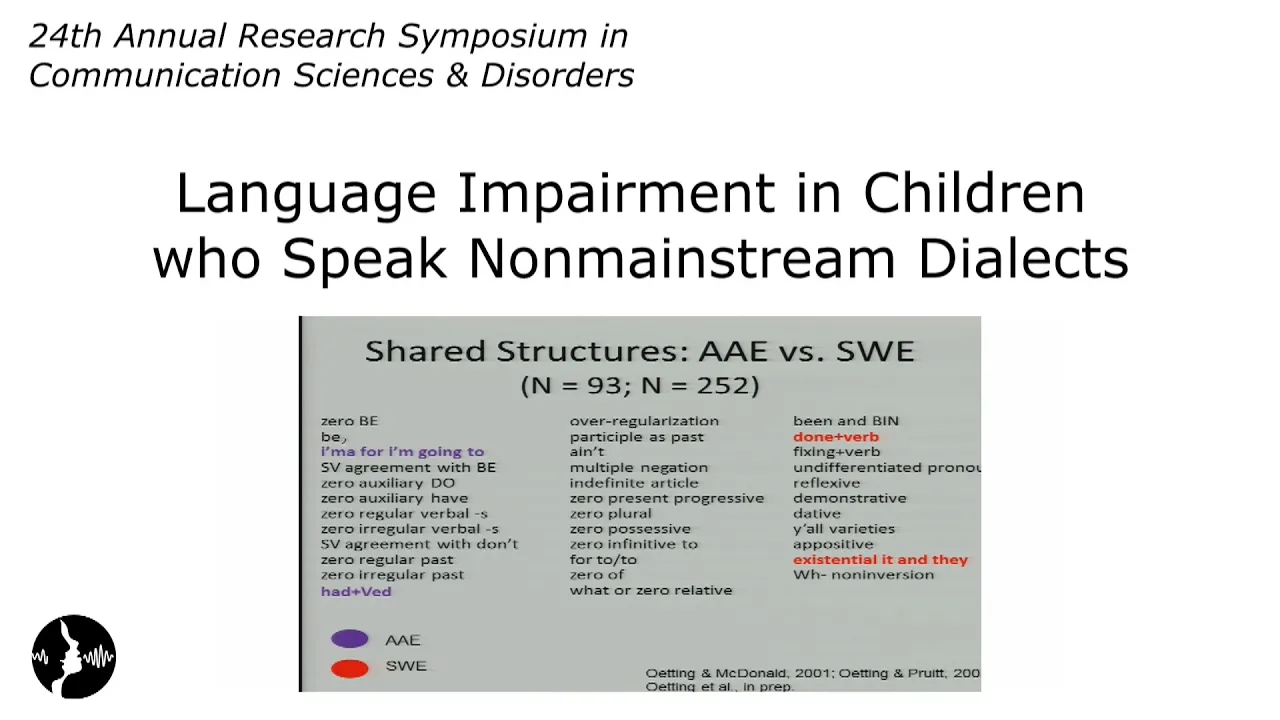
Dialects are scientifically equally valid varieties of language, yet they face social stigma because they are associated with particular social groups; educators must recognize that language ideologies promoting monolingualism and standardization are historically constructed rather than natural, and that additive education approaches respecting students' existing linguistic knowledge lead to better outcomes than subtractive approaches that denigrate vernacular dialects.
Language & Literacy in Multilingual Education: A Teacher's Guide
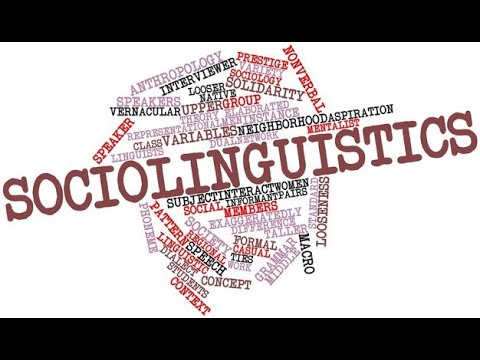
Added:Basic concepts of sociolinguistics, including the distinction between standard languages, regional dialects, and sociolects.
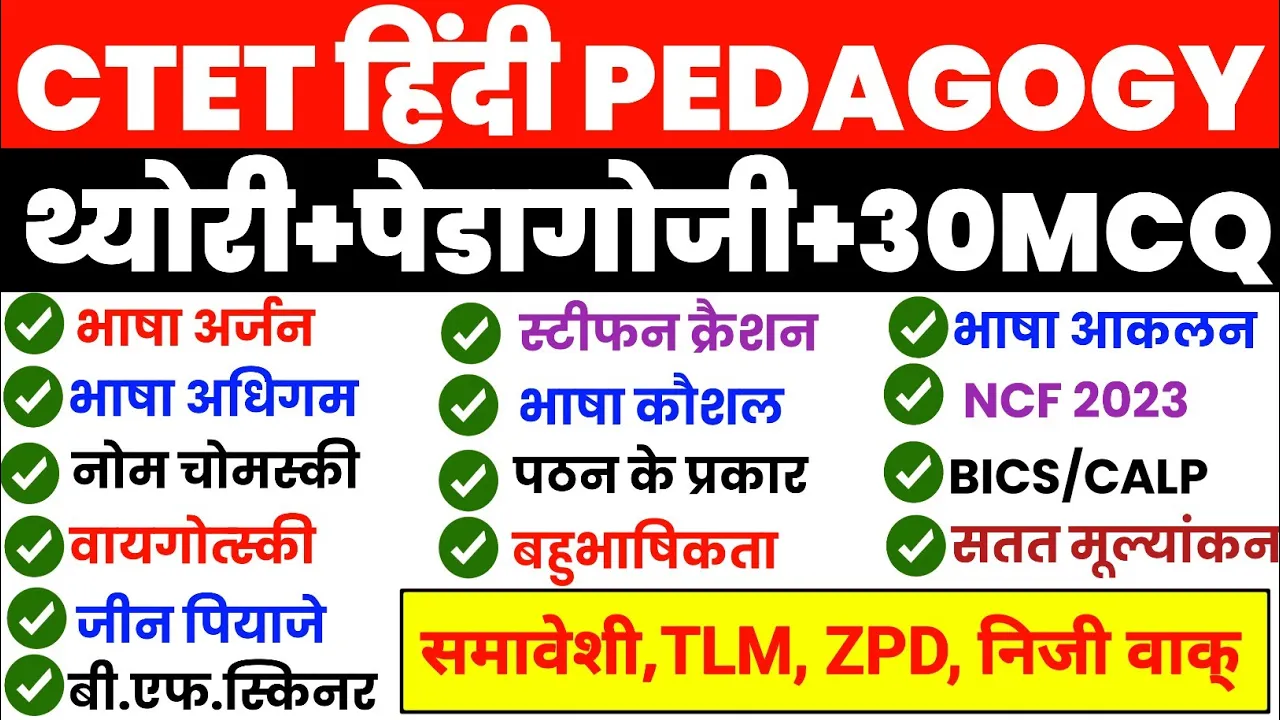
Foundational theories of first (L1) and second (L2) language acquisition, such as Jim Cummins' distinction between BICS (Basic Interpersonal Communicative Skills) and CALP (Cognitive Academic Language Proficiency).
A fundamental understanding of literacy development models and how reading and writing skills are traditionally taught in monolingual contexts.
Awareness of culturally responsive pedagogy and the importance of creating inclusive classroom environments for diverse learners.
Practical application of Translanguaging pedagogy, enabling students to actively draw from their full linguistic repertoires to learn academic content.
Designing and adapting differentiated, non-biased assessment strategies for multilingual learners and speakers of non-standard dialects.
Critical analysis of educational language policies (both official and unofficial) and their socioeconomic impacts on minority-language communities.
Advanced exploration of critical applied linguistics to actively address linguistic discrimination (linguicism) and promote linguistic justice in educational systems.
489 views5likes1:10:21Original Release: 2014-06-09
uh when he talked about the dialects being more a matter of they're just varieties of a language into linguists and I'm a linguist too um they're they're scientifically equally adequate one to another one is not better or worse but they are socially evaluated as better or worse because they're connected with particular speakers so people make fun of what you can hear on the West Side sometimes in English because that's Appalachian it's it's connected with and people coming from the mountains in Kentucky and so forth so I'm going to talk a little bit about where all this comes from why do we have these these attitudes about dialects because people didn't always in the history of even in the history of English there wasn't always a quote unquote Standard English um but I wanted to point out first why why why focus on language at all this is one my favorite points to make when I'm teaching but when you think about it even if you're not a language arts teacher or a Spanish teacher or something you're still language is still absolutely Central to what you do because all education is conducted through language so it's like the medium and sometimes it's the content that we're explicitly teaching when we're teaching composition when we're teaching reading comprehension when we're teaching other languages than English um another interesting thing that people are not always uh consciously aware of but language policy made by governments is very often carried out through education through Mass education this happened in the Mexican Revolution um where they did and it's happened in a number of literacy campaigns in Cuba Nicaragua uh Tanzania in Africa you know where they decide okay everybody's going to be literate and they send the students out to the countryside and suddenly then they get a 98% literacy rate um in the Mexican Revolution they decided to promote revolutionary thinking and ideas and um what is the threesome there it's not the same as in French but libertad Liberty equality fraternity fraternity thank you well that's French but yeah at any rate promote all of those ideals through education by developing um schools where there never were schools before so the Revolution was like 1910 1920 and in the ronch show where I've been a lot formed part of my study they didn't have a teacher into the 40s till the 1940s and that was a teacher who came to the Rancho and she taught classes in her house and she had to charge a few centavos per week to the kids and even then some of the kids couldn't afford to have schooling so so they didn't get re didn't really get public schooling into the 1950s okay um so I want to step back for a minute since uh we end up carry as Educators we end up carrying out language policy but we don't sometimes aren't aware of of the fact that we're doing this let's talk about there's a whole field now that's got that's developed recently about language policy and what it is and it's kind of interesting um there's really two kinds according to a lot of researchers one is the official language policy like one time I wanted to see what does the Chicago Board of Ed actually say because I do a lot of research in Chicago about language about language variation about bilingualism and so I searched their documents on the web until I found their statement and it was absolutely logically nonsensical and I don't I decided not to go in that direction today but I mean it basically said your second language should be help you stay identified with your community I'm thinking second that's people's first language English is their second line you know there was a lot of confusion and there was no mention at all of dialects you know of vernacular dialects the Spanish that a lot of the Mexicans bring to Chicago is this rural dialect the ranero dialect that you may have read about in my chapter that Terrell was mentioning Ana instead of AI and a lot of different verb forms and pronunciations um anyway you can look for language policy then what what laws say what are the official uh stances governments have uh or you can look at the unofficial sort of the conventional what people call conventional wisdom um unofficial beliefs about language that people have and this guy shiffman wrote a book called linguistic culture when which which he talked about the fact that the second type is much more important because it's everybody's attitudes it's everybody's beliefs you know about the fact that say um inner city speakers who are African-American speak a dialect that linguist call African-American vernacular English and to the you interview a guy on the street and they'll say oh yes that's so incorrect I mean Maya will say it's incorrect you know uh Bill Cosby will say it's incorrect so there's a there's this widespread belief that vernacular dialects are inadequate they're incorrect Etc even though linguists have shown the systematic nature and how patterned they are and how complex they are um I can put this up on Karma this PowerPoint so you don't have to write anything down but um what shiffman then called linguistic culture is what we think about language and it's in our everyday thinking and we don't question it unless we stop to think about it um it varies across cultures and historical periods but is absolutely important in education because teachers who become aware of the fact that dialects are really not inadequate have a different attitude toward them and then toward the speakers of those dialects and we all know about the effect of expect ations on student achievement um another word for linguistic culture is what some people are calling language ideologies if you've taken any courses on this you might have heard that term and what people mean this is an official definition in the field um it's really belief systems about language that are widely shared but they they go beyond language they they end up being representations of groups of language users so you get um it moves into ideas of citizenship good and bad people uh quality value and that sort of thing so it spreads Beyond just the beliefs about the language itself um and usually what it results in is some kind of social hierarchy so that some people if they speak quote unquote better than others s they are better people you know better citizens um but don't think but they get the better jobs and they get the better jobs and so should not as Educators should we not be teaching them that okay you speak and talk like this you know in your daytoday conversation that if you're planning on moving up and getting higher education and you also need to Le this other way of speaking I agree with you 100% you'll get a different answer from different researchers but I taught composition for many years and yes I agree but I think what's really crucial is the attitude we have toward the other way people speak you know it's one thing to say you know for think of it this way a Spanish speaker might they say well Spanish oh that's a language so moving to English you have then two languages but if you speak a non-standard or vernacular dialect of English doesn't get treated with the same respect yeah uh so it seems to me in other words you know a language or a dialect is correct or incorrect based on its social context I would say absolutely right or wrong is just for the academic context you need to follow these rules but you know if I'm hanging out in the hood you know talking with guys on the street well if I use academic you knowy I'm going to be incorrect there you know yeah right you know so it's it's relative to the context yes absolutely and I and I don't agree I mean some people in my field have different opinions but I I still think if we're if we're Educators and we're teaching writing and reading we should teach the academic language because it it will open doors for people yeah something also brought to my attention I was talking with the principal this year and um she was sharing I the book but some evidence that um teenagers don't want people outside of their peer group talking to them the way they that would make sense yeah teachers are supposed to talk in a certain way right and some kids I had a student do a project um Where She interviewed some some Somali adolescents and they kept talking about was talking about hip-hop language she wanted to find out about what they they created hip-hop verses and put them online and so forth and they were absolutely adamant that those should not be in school because that was not appropriate for school but that was Street talk and we fool around with that with our friends but that's not appropriate for school yeah so a lot of kids will say that tooing register I is register everybody knows how to handle different registers within their their speech some people talk about it in terms of register um register means what's appropriate to the context so um but other people talk about it in terms of dialects depending on you know but the whole idea is that you should have more than one you should it should be what they call additive education rather than subtractive educ education respect for what the kids already know but build on that uh so they can have more registers yeah in their uh repertoire and I think academic English actually is best described as a register because there's a lot of variation within it when you think about it um across the disciplines there's very different ways of reading and writing um and organization of text and so forth there different genres so um yeah register would be I have to say too though another well maybe I'll get to this but um oh maybe it was in my chapter that you read actually that I have had kids in my study be denigrated both by their Spanish teachers and their English teachers for the way they speak in Chicago because their Spanish is ranero Spanish it's rural it's dis it's disrespected in Mexico by educated people and the Spanish teach teacher here or in Chicago was from Argentina and he was just appalled at the Spanish of this kid and he said oh my God we're going to clean up your Spanish so this kid said to me I guess I don't speak either English or Spanish very well you know I mean it's really sad so so we might like a lot of things this is a historical creation this set of attitudes we think of them as natural because we're brought up with him and I mean I was brought up by my mother correcting my English so I didn't sound like I was South abroad street right you know because that was more Appalachian you know don't say it that way you know so you begin to think it's natural you know um but it actually isn't there is an ideology of what we call language standardization there's an ideology of monolingualism believe it or not in this day and age with globalization but there's sort of an unconscious set of beliefs among people in the US for sure and other places in the world that English only like this goes on in Australia too for example that we only need one language um and there even though there's a lot of evidence to the contrary that even on uh Alzheimer's is delayed if you're bilingual so you know it's like we should all be learning as many languages as we can they've shown more cognitive flexibility with bilinguals I mean there's all kinds of wonderful advantages but I have had to learn that research doesn't make the day you know that even if there's evidence that's not how you change people's POS uh opinions so I wanted to find out well where did this come from why are we why do we have these attitudes um these two particular attitudes uh actually they're discussed separately but historically they came they emerged together in Europe um with modernization in the rise of European nation states in the 17th and 18th centuries it's really interesting there's a couple of books um that talk about one is called Authority in English by uh Milroy and Milroy that gives you a couple chapters on the history of Standard English where did it come from it didn't used to exist this notion that there's a standard correct way to speak it it started with printing uh in England in the 15th century and that led to increased uniformity in the written English what happened was you'd have a printer in different regions of England and they would print they'd have to decide how to spell things and there was so much Regional dialect variation that they would just spell it the way their particular dialect would pronounce it and eventually a guy named kton one out and the dialect he was writing down one out it was the dialect around London which had which was associated with more powerful people the queen received pronunciation yes which means received by the queen or the king um and then written English became this model or a standard even though the oral language if you ever gone to England there's still intense variation it's a very small place but you go one a few hours and you hear a very different pronunciations um so the pressures for standardizing having a standard language didn't really start until the 1700s according to the miloy um when English was finally established over French as the national language so even then they had a you know a bilingual State really French and English ever since the Normans took over in 1066 um there were advances in the 18th century in technology you know that's when industrialization was really gaining uh steam literacy communication more widespread education and then people people just this idea developed that there was a right way to speak and write uh English it was correct um there are all kinds of manuals published then on how to pronounce English correctly what was how certain features of English were Incorrect and these were eagerly bought by the rising middle class to sort of help them in their upward social Mobility meanwhile all the Lang languages that had already been there before in dialects didn't fa so well um Wales Scotland and Ireland uh the latter two having Gaelic and the former having Welsh you know that kind of was treated with a lot less respect and people switched over to English so this is an exam this is a good example Britain England is written a good example of monolingualism in the sense of one language One Nation becoming the norm whereas it wasn't before then yeah I have a question about language change or um yeah I've always thought or maybe was told that like in the United States part of the reason with the media you're talking about the printing how we've grown to get like a a standardized English because of media influences never see the same type of thing you were just saying that in England you can still go 5 hours more than it'll sound very very different yeah I I don't think that's as true here in the US anymore the same different there's enormous variation there's a wonderful old film called um American speech no American tongues yeah where you hear incredible variation I mean I heard it driving around I couldn't find the I even here I couldn't find this Library the first day I thought where is it you know there was a guy out walking his dog I rolled my window down and he I said can you tell me is there a library near and he answered me and told me where it was and I thought you know like Terrell said my ears got real big I was listening wow that's different that's different from what I hear in Grand View or Upper Arlington or you know other places in Columbus so it's still really alive and well and in Ohio you might know um we have three dialect bands so the northern you go to Cleveland and it sounds like they do in Chicago or Detroit that's a northern City's Val shift and the central Ohio here is in between North Midland but Cincinnati is Southern right so you it's really very different even in in Ohio so I don't think the oral language has standardized very much although you tend to get uh more similarities the higher education but that's probably the effect of education so educated people across regions will sound more similar but it depends on context right even our own language changes from um uh context to context thank you yeah the other uh good example of this one language One Nation idea is France where um and it's it's really interesting you think of the French Revolution as the good guys right well they were in many ways the revolutionaries wanting equality fraternity um Liberty but they promoted something even more that that had started before them but they promoted this idea of standard French Francis asion you know you have to make everybody speak the standard French and if any of you have traveled in France probably a bunch of you have you can really hear differences I was recently at a family wedding reception and we were in Southwest France and I was we were sitting this is this is what linguists do you know you're sitting at a table and there's somebody over there and I kept hearing this really different kind of French and I was like practically like this you know trying to pick it up without being obvious because it was fascinating and one of the things I heard sounded like Spanish so it's really and it was I found out later it's they say in in Spanish person all the people and these in in French standard French but in this region it was totas Las personas I thought well that's more Spanish than French because it was on the way to France I mean on the way to Spain if you know what I mean and if you travel South toward Italy it starts sounding more Italian I mean so there's incredible variation although the the little pwa are dying out these were older people sitting at the next table so but they referred in France they have both di uh other languages like in Britain and also dialects of French for example Basque in Southwest France is not not even related to it's a different language it's not even it's not a romance language and um there are other other languages like that that have been squished at in favor of the standard French which was the dialect from Paris right because that's where the power was um and both the monarchy and the church before the revolution had promoted the local languages and dialects probably divide and conquer mentality you know let them not communicate with each other to do an uprising against us uh and the church because of wanting to make converts in people's native languages so that doubly reinforced the the revolutionaries wanting to force standard French one language for everybody and then they decided to carry this out through education so um the ptoa were uh were said to be barriers to communication obstacles to the revolution people would never be freed until they all learned standard French and I think they're still Guided by this policy today in the school system so these two ideologies came together standardization and monolingualism in both England and um France I haven't looked at other countries but this or even if this has happened elsewhere outside of Europe it might have but in particular these European ideologies ended up traveling around the world with European colon colonization so you get this attitude a lot of places in the world now um in fact most places have had to post Colonial uh countries have had to figure out what's their language going to be their official language India for example I I think has English and Hindi both as national languages because they had been converted over to English already and all the government was in English and they decided that would be more practical but they wanted some sense of national identity so they put Hindi in there too and um so that's a case where they decided in two but other places have decided we all have to have the same language just like uh England and France did one woman wrote this is a woman who studied Gaelic in Scotland and how it it was dying out Nancy Dorian she was talking about how in another article an ideology of contempt and I really like that phrase because I think it's not just the ideology of standardization but an ideology of contempt toward non-standard languages and small languages worldwide um and that this she says this has really contributed to language death all over the world because of this this set of of ideologies and attitudes um so you get people on the street saying they got to speak English we should all speak English how are we going to communicate with each other if you know and this becomes English only rather than English plus I it doesn't mean you shouldn't keep just being able to communicate all of us in English doesn't mean we couldn't have other languages but that gets sort of erased um some people believe bilingualism is sort of a heavy burden I mean gee won't the children be confused I don't know you may have heard this from some of your parents when in fact we're now finding through research all these wonderful advantages to um bilingualism but this explains the fure not only over um all these ideologies and this history not only over the English engl only um panic I would call it but over the ionics controversy in the in the 1996 if you remember um you guys aren't too young for that I hope but it was a major major crisis and um this is when the Oakland School Board said we've got all these children in Oakland schools who are not learning to read and write in standard English this is a real problem because they don't speak it at they don't speak that dialect at all so we need to recognize their language and they named it named it ionics um unfortunately didn't consult with African-American linguists who were right there at Stanford and Berkeley however you know they decided to go ahead with this and their their intention was good it was not saying we need to teach ionics I mean the kids already know it why would why would you teach it right it was saying let's recognize it let's respect it as a language and then teach them through maybe contrastive analysis or something because they're failing you know to these huge percentages are failing we've got to do something yeah well it's like last year was I've been teaching for 10 years and every year I taught Spanish last year they I used another degree that I have in I started teaching Spanish in social studies it's the first year I've ever taught social studies and it was American history and you know there's a big push for writing whatnot so i' give them essay questions on the test and I don't know if it's because I've been out of the loop or what because I've been teaching Spanish but the essays would come back and it would look like a text message oh yeah and it's kind of the same what you're talking here they so used to this that they can't equate I've heard that from other composition teachers too yeah that this is creeping into you know and it's a it would be a register difference there you know that you have to teach and that's okay for texts but in academic language you need to be more explicit you need to not be so elliptical you know um but anyway the on this controversy all kinds of um African-American leaders like Bill Cosby and um Jesse Jackson I remember on news like oh it was it was huge it was a huge thing and Maya Angelou and they were saying what are you talking about this is ghetto talk I mean they were really had as much of this ideology as anybody Jesse Jackson finally sat down with a bunch of um linguist that I mentioned before at Stanford and Berkeley and for three days and they talked to him about um the research he came out of that made a public statement and said okay I get what you're saying now he said but you're not getting your message out you guys got to get your message out better well linguist have been trying to get this message out for decades there's this kind of social linguistic research has been going on since the 60s and it's I think what why the message isn't getting out is we have these really deeply rooted ideologies that come from those European nation states that we have to all speak the same language and it has to be the standard language I think we're running into a brick wall and it may be cracking a little bit now because of globalization um but it's been very very hard to convince anybody of the linguistic research you know this guy is really interesting he wrote this article about the culture of what he calls monoglot standard this is where these two ideologies come together he said this a paradox you look around the US anywhere let us Farms Subways you're hearing other languages all over the place you know and now we hear them in in Columbus you know where as you didn't used to but everybody there's this persistent belief nevertheless we got to be monolingual we got to be you know English only whatever um and this kind of ideology he said it makes it seem natural to connect certain languages with certain cultural groups um and then they get described as being sloppy or uneducated or imprecise I mean they may in fact be uneducated but imprecise inaccurate sloppy in their language they're really not any of those things they're just speaking of rular dialect that they learned in their homes and and communities um so when you think about what what is standard English I mean I should ask you guys you're all teachers what you know it isn't something I think that is actually real I think it's a concept we have you know who who do the Standard English speakers that people You' think of as Standard English speakers do they all sound the same really do you think I mean our language system is up here on the left side of the brain do you think we all have the same sets of rules you know to produce actually we don't because if you just listen to each of us you hear differences but most of those differences among educated people don't get noticed they don't matter why is it the unconjugated be that you hear in wraps up songs and stuff he be he be walking to school you know or whatever that everybody notices all right that becomes Salient that gets stigmatized because of who it represents right is Terell said you can drop ours and people will criticize you but wait a minute British people drop ours you know we think that's upper class you know and some Brits I mean I've overheard by accident them talking talking about American speakers they' really look down on all of us you know many of them so it's it's all a social a social thing um now I think and I said this a long time ago but what's really considered standard is just the absence of any of those stigmatized features if you don't do double negatives if you don't say ain't if you don't use un conjugated be if you use a thth instead of a t d for like this and that you know then you're then you're sort of received as a standard speaker so it's really what it doesn't have rather than what it has so you notice but not making mistakes yeah what we consider mistakes yeah yeah maybe part of the problem is I saying like the the issue of you know how come people aren't learning this better from the linguists and stuff is I I think one of these issues where it's a problem with we all think we know too much about language because we all speak like it reminds me of people criticizing teachers and education they've all been to school so they all understand you know how School works and should work and and with English you know we we all grew up learning it and you know my teachers in elementary school there were these rules and stuff it's all very standardized right because you know so we all think we know everything there is really to know about about English and how it's standardized you know we don't we don't study the history of language or Regal variation we don't study those things but since we've had so much experience with it we think we understand it anyway I think that's right we don't need to listen to the linguist we already understand you know how these things work yeah yeah one of my friends is a reporter for a news station and she said they're trained you know to speak the way they speak on the news speak that way kind of like acting and then I no sometimes when you watch CNN or MSNBC you'll listen to a broadcas and they'll slip yes you'll hear a slip and sometimes they'll even jump about o s back to New Jersey or oop you you'll hear them like fall out of it and then I'll go right back into it so they get trained in like the standard Midwestern kind and that interestingly enough was a specific decision made by a group of people who met as a committee and decided that Midwestern should be you know so so-called Standard English Midwestern should be the dialect was it in your class maybe in your class in AB what she said or maybe it was in the sociology soci Linguistics class that they chose the Midwest because it was least associated with other countries like in the east coast will be London the West Coast will be you know the features of these other countries and they decided that more um after the Appalachians it was like what it will become the United States it was not really Affiliated to us directly to another country and that's why they chose the Midwest it's not because the Midwest had more power had more power exactly they have you know more farms and stuff and and it was because yeah it will develop the United States it will not be a remin thank you of the other countries but it had nothing to do with so many of these things are just something happened in history and people decided and that's the way it went it's not you know they have a full control of the language his Spanish language you know and France too they have specific so how you thinking you know who has to control the English language a so like know we always you know when we want to be very classic you know we always refer that Acadia yeah it's very standard you know the academy establish standard the language we say that was correct was incorrect and sometimes those those pronouncements from an academy can can actually have an influence on the way people speak that's true and but sometimes it like the academy Fran say says no English words but people people say Le weekend you know so in some cases it doesn't seem to make a difference but yeah that's the that's based on the idea that that there should be one correct way and so who's going to decide the United States is a little different because we don't even have a regional standard you know it's the in in England it's London in in France it's Paris in Spain it's Madrid you know but in the United States there isn't a regional I mean New Yorkers for example New York may be the most powerful City right the most wealthy City but it does it is not our Elite dialect by any means understand do they some sometimes do black people here in the United States be different than the white people it varies right okay because you know I had the experience when the person you know M have been trained in the Catholic MH you know white in the schooling yeah and he he's a black man yeah you know so he he said the appointment with his customer the client and when the client came for him yeah he said I'm sorry the person came he said I'm sorry I spoke with a white person yeah well you can't yeah right people do know well it varies I mean um in the South I think there's less difference but but upper middle class blacks are going to sound like upper middle class whites most of the time although it's interesting in Chicago there's a vow shift going on in Chicago where you where people will say the white Sachs for the for this team on the southide you'll hear that a little bit in Cleveland too African-Americans don't do that so it's very interesting that you know educated or whatever they they don't participate in that shift so to the so this is what linguist study it's like when we see things like that we say what does this mean you know it may mean I you have to run around and do interviews it may mean that the African-Americans are looking at that and saying that's a white thing you know who knows yeah maybe the other people are looking at this as and some Studies have shown among whites it means you're Urban You're not rural you know you're not a podon from some podon Town you're from the city you know so it and a friend of mine on this topic is really interesting John B is an African-American uh sociol linguist he's done a whole thing on linguistic discrimination he's really good at languages and so he will get on the phone and sound black and ask about an apartment for rent right and it won't be available he'll use his Professor voice and sound probably white you know in the apartment will be available and he's very good at sounding like a Mexican immigrant also so he's been doing what happened to the apartment it's not available either complex yeah right this was in one study you know but this was out on the west coast yeah that was a commercial was it I wouldn't be surprised if he consulted for that yeah yeah but yeah it's very interesting so he's able to do all these different voices because he grew up with a lot of Mexican kids I think so he's and he's very good which is why he became a linguist that might have been him okay we did this one I think I said this already there's some examples I tried to think of some examples um so these features in themselves are not good or bad you know I mean this this unconjugated be for example is really interesting because it's um an a marker of as what's called aspect in linguistics and we don't have much of that in English regular English um but West African languages do have aspect it's very interesting so what that under conjugated be really means is how something occurs through time it's continuously here and here and here and here through time so it has a real function and a semantic meaning now what's really interesting is that the rappers some rappers don't really know the dialect because they're not they didn't grow up learning the real dialect but they know that that be is an emblem of African-American vernacular English and so they're throwing it through their wraps everywhere and linguists are going crazy saying no that's not correct you know this is not the correct way to use the unconjugated be but of course language changes and you can't control it so maybe it will evolve into something else but if you but from real speakers that use this form there's a pattern to it and there's a function to it you know which is interestingly enough more complicated more complex than so-called Standard English which doesn't have this right so there's a great example of how dialects can be more complex um I tried to throw in a couple of examples from Cho English or Spanish influence if you have students um chanos very often will devoice final Z Sounds into a s sound because in Spanish you don't often I don't know if you ever might have to think about it or ask Terell ever use a final z um so they will say shoes for shoes it's very subtle but people um may or may not pick up on that and stigmatize it but it is an aspect and these can be speakers there's a book on Cho English some of the Cho English speakers don't know Spanish okay so but this has become a dialect of English so it has some influence from Spanish another thing you might get is the use of on for both in and on um because Spanish in covers both you know so prepositions are really interesting acoss languages because semantically they cover different things you know um okay this is just a a little bit and Terrell touched on this so we don't have to stay here very long but when PE when you really study multilingual speakers worldwide they mix because it's just what people do and his kids those were the best those were such cute examples um and sometimes they become actual mixed languages of themselves you know by themselves so for example we have in the Upper Midwest in the United States going into Canada something called me Chief which is French and Creed mixed and it's it's lasted for some centuries now but its speakers are the in Spanish you'd say misos but they're called metis you know who people are people who are half Indian half French you know and they're very different from the Indians in that region so it's a different identity a different language you know which evolved in history in um Ecuador there's something called media lingua which is halfway it's a mixture of ketua and Spanish which people use to communicate and langu have studi said it's its own language it's just it's just evolved from two different sources so and then people will do the kind of mixing uh when they know two languages that trell gave you some examples of and Studies have shown that that kind kind of switching is not really random if you're if you're very fluent in two languages that kind of switching can be used very strategically even though it may be unconscious to Mark a quotation to address to a particular speaker uh to Signal something else like solidarity you could switch into Spanish with somebody that you know also speak Spanish to show we're in this group um and but also so we have an attitude because of this ideology of monolingualism that you shouldn't mix languages I mean I even found it in my study the Mexican families the adults would say oh no this you shouldn't do this although siduri sat down and listened to all my tapes and says they're doing it all the time they say you shouldn't do it but they're mixing in English words all the time and even when they're not bilingual you know they're saying El baseman and you know elur elur yeah you know because it's natural and this is how language changes you English has rolled around the world like a snowball picking up words from different languages starting in the time of Shakespeare there was a vocabulary explosion at that time because they were just they were creating language uh words and they were picking up words through colonialism um what Chicago is famous for in terms of housing is its Bungalows well that word's from Hindi you know pajamas is another word from Hindi which is interesting um let's see you can talk about multilingualism at different levels we have to think about it either at the society level um uh official languages local languages I mean India there's over 200 languages I guess and so they have Hindi and English and then they have all these local varieties so a lot of people are trilingual you know um diglosia is another case where you have two languages like this a low language and a high language like in classical Arabic or local vernacular Arabic it used to be that way in Greece but now they've all gone to the to the more vernacular form um at the individual level we like to talk about call it plurilingualism and I really like that instead of multilingualism because what that that implies particular things that it's individuals in interaction ction not a society and in reality most people who are bilinguals are not equally competent in both languages because they didn't grow up in 50% this context and 50% that context it used to be we had this idea that if you were bilingual you had to be like a double monolingual and the reality is that most people are not and Terrell's examples of the kids still speaking pretty good Spanish after several Generations but obviously we more dominant in English we more competent in English and that's just that's just reality the other thing is like my poor chanita you know that got knocked about by his Argentinian Spanish teacher for his ranero Spanish from rural Mexico and then by his English teacher for having a vernacular English dialect very Chicago e you know um when they switch languages and do their switching they may be using switching from vernacular dialects too and this has been found among Puerto Ricans in New York too so that the Spanish they speak is not wouldn't be considered the standard Spanish of the island and the English they speak is a local vernacular English from New York city so when they're switching they're using vernacular dialects and the term plural lingualism then allows for that it sort of recognizes reality if you will I've noticed um teaching students that English is their second language they miss some of the nuances of jokes and things that we speak in English or when we um may be sarcastic they miss that because it's not their native language even though they can understand you know words but conceptually it's just it goes right over the head language is really complicated and we when we learn a language we learn a lot we don't just learn the grammar and the pronunciation and the words we learn all those little things about how to be sarcastic how to make fun how to show respect how to how to diss somebody how to you know all those things and kids at certain ages don't know those things like K one of my favorite examples in English is that at a certain age children will think it's really funny to say do you know what time it is and then you tell them the time and they say no I ask you if you knew you know because they just figured out that what that means indirectly is give me the time you know that's just something you have to that's part of the cultural the linguistic culture around it you know there's a lot and this is why we go to native speakers sometimes you know to to listen to a tape or uh to get the nuances and does it always involve both speaking and writing which well when you talk about bilingual bilingualism or plural lingualism does it usually include always writing as well as speaking you know no and that's a real problem um I think I'm going to have have that here oops I better get moving um yeah we're going to come to that um I think I'll skip through this because I've said some of this uh now people realize seted it up yep I said that okay globalization is changing things a bit you know we're getting uh I guess Lilia Fernandez told you this morning about some of the statistics are kind of surprising um about immigration immigration is worldwide um and we're sort of moving into a period I think where ethnicity equals Nation isn't going to work it hasn't worked for a long time in United States but there's this belief in it somehow um or language equals Nation I sort of hope this anti-immigrant movement is sort of the last gasp in the United States of something that's happened over time but um one in 35 people worldwide are on the move is a migrant um there's a lot more multiple dual citizenship now multiple identities of people um here's where you were getting into into the question of literacy uh when you have Latin American students you got to be careful um are Mexican students primarily although not here you can have Puerto Rican students do they always speak you have to ask yourself do they always speak only Spanish they may not even speak Spanish the the the vast majority of Latinos in the United States do not speak Spanish because they've been here long enough that they have switched to English unfortunately I think but um some second plus Generations do not know Spanish um because of this ideology that we should all speak only English um some newcomers learn English in Mexico that's another thing that's going on C and I have been working on uh they use the internet or they wait till their cousins come from the United States and and learn some English um some may speak an indigenous language I have a map here of the indigenous languages of Mexico I don't know if any of you have run into that kids labeled Latino who don't speak Spanish because they speak an indigenous language that would be more likely in Waka for example I think people from Waka in Mexico um here's a map of the indigenous languages in Mexico but I'll put this up it's not I to shrink it okay I'll put this on Carmen so you can peruse it you can see how many there are in the South there though um now here's where we get into the literacy stuff um most of the time if the kids do speak Spanish what they're faced with when they come to school is going from an oral informal 5-year-old Spanish think of yourself at five what you knew about your native language you know and then they're dropped into a situation where they have to learn a second language and to read and write in that second language I mean it's a huge huge jump um and what I think what they what they really need a lot of researchers have said what they really need is we need to develop the Spanish first of all because they're they're going to be stuck they're going to stay at the five six year old level in Spanish unless they keep using it at home and it will develop but it'll be a home Spanish right not a an academic Spanish I mean I've had Latino students I had a PhD one of my first PhD student students was Latino from Texas and he tried to take coures in the Spanish department and he couldn't hack it he said I couldn't handle it he said my Spanish is just cassetto you know it's from the house and it's young because I had to I was forced they were punished in Texas physically punished if they spoke any Spanish even at recess at school Texas has a very horrible history I hope none of you are from Texas Len I haven't off and I've offended you but you know it just gives me chills sometimes when I read about it um so and another thing that research has shown that's really important is that you can learn another language if it's oral and informal in two to three years so kids will pick up English it sounds like they speak English and you think okay they're English speakers but it takes five to seven years to really get the academic level of a language so you can't assume that they're going to know like my my graduate student just couldn't couldn't take a course in the Spanish Department even though he was that was his first language um so what people would recommend in all the research shows but none of the school districts do it for political reasons literacy first in your native language that always works better sorry yeah do you have a question no yeah um and then you move Mo to the second language learn the second language and literacy and the kids do much better if they learn literacy first if their language is Spanish in Spanish um and if we're talking of bilingual education which doesn't exist very many places in Ohio I don't think central Ohio um Cincinnati it does but it's German English still um and I think there's some argument for doing it in Cleveland but um the best model for bilingual Ed is dual immersion that's the one that's seems to be the most effective so you have a school where different populations come you know English-speaking whites and blacks and Spanish-speaking kids and they learn each other's languages and that is has been found to be the best model um nevertheless even in good schools uh one of my colleagues studied one in Chicago the power of English is absolutely overwhelming the kids want to use English even the Spanish-speaking kids want to use English uh to joke around with their friends with their English speaking friends with their Spanish speaking friend the power of the dominant language is just so strong that the real the real problem is maintaining a non-english language and that's been true in the history of us uh here's some other languages that have been very big in the history of the US Spanish was here before English actually in the south West in Florida French was here before English in the Upper Midwest German in the Middle Atlantic the South the Midwest and the West there are more people of German descendants of German Heritage German origin in the United States than any other ethnicity and there were 500,000 German speakers on the streets of Chicago well not all at the same time but in 1900 um Miami this is a quote from a guy I can give you the reference if you're interested Miami in 1968 pales in comparison with Milwaukee in 1868 there was and I think Lilia had a percentage about there was a higher percentage of immigrants in 1910 than there is now uh in the US population but in terms of language we have had a lot of non-english languages at the time the Declaration of Independence was signed there were 200,000 German speakers in Pennsylvania and the founding fathers had to discuss whether or not they should make English the official language of the United States they did not because they wanted the votes of the German speakers in Pennsylvania so there has been a long tradition of bilingual education in the United States uh especially in the Midwest and as I mentioned Cincinnati is an example but Columbus had bilingual education in the public schools in German in the 1800s so these are arguments you can use if people say my grandparents had to learn English you know and everybody else has to learn English and well sometimes the grandparents didn't but their children did you know the pattern is the first generation that comes either does or doesn't but picks up some language uh some English the second generation's bilingual the third generation is often monolingual in English that's what's happened over and over with Lang languages in the United States uh so we've lost a lot of other languages indigenous languages were purposely eradicated children were taken away from their parents Indian children sent to boarding schools and as I said like with Juan my graduate student they were punished if they used any of their native language I mean it's a it's a it is a Trail of Tears throughout history um and the anti-immigrant in English only movements that we're now experiencing have happened throughout the history of the US Germans were lynched I mean when I got into the history I was shocked I mean it's deja vu all over again basically this is just a cyclical thing that keeps happening um German Americans and I think Italian Americans were harassed in World War I but German language and teaching was absolutely eradicated by 1918 just boom yeah I read somewhere about this exact thing that around World War I they in Ohio like I forget exactly where but it was in Ohio they pulled all the German language books out of the library and burned them in the streets they did they changed Schiller Park to another name yes and then it got changed back many years later but the courts were inundated all over the United States with name change requests people did not want to have a German name they changed their names um parks and street names were changed uh German Origins were obscured people just didn't pass them on to the next Generation Um some people some of my colleagues think that this history which is sort of subconscious in the United States not talked about kind of feeds into the fur over English only that people feel so ripped off from having lost you know their heritages that maybe they just say you got to learn English we did you know that this is actually a historical fact that might be feeding um in the collective unconscious if you believe in that but um this is a I like to show this it's small but to show you German American Heritage this is 1990 I think census yeah um so you see it's heavy I think in terms of P where German Americans live this is percentage of the state here we go with Ohio this however is distribution um I can't read it distribution that looks like Spanish oh well whatever it shows that the concentration is in California Ohio and Pennsylvania which is interesting since you were in Ohio I wanted to see that but again this Heritage has been kind of erased in the collective unconscious and even in families who don't know that that's their Heritage so once again we're having anti-immigrant ideologies and the anxieties get put on that are about other things get put on language um and turn out turn into English only when it's really about resources and it's really about power and it's really about control things like that but it gets put onto the language and the same thing happens with dialects right um but many it's really interesting because businesses this recently this happened in Georgia the governor signed a you have to show papers law right and get rid of all these illegal immigrants and then the farmers rebelled their crops were rotting in the fields because they couldn't bring they didn't have any workers to bring food in right so the governor quick had to make some changes and I was thinking didn't you think that through before you pass a law I mean you'd think they'd be a little more rational about it but it gets so ideological uh so very often businesses are pro-immigrant because they're you know they're looking for workers and since the 1920s when European immigration was cut off they recruited I think I mentioned this the other day um Mexicans and whites and blacks from the south to Chicago among other places but now we've got globalization going on and everybody's kind of moving everywhere there's a lot of multilingualism and um even with global English or some people say why do I need to learn another language because English is the dominant World Language well there's some predictions that we're not sure what's going to happen by 2050 but the number of Chinese speakers is much larger and China's becoming a much more uh powerful economy and I'm noticing a lot of people trying to learn Mandarin send their kids to schools where they're going to learn Mandarin so there's a little power shift going on and Arab speakers worldwide are a huge number also so we don't know you know nevertheless even if you have English you're fortunate enough to already speak English you can go a lot of places in the world and use it it certainly helps to know another language you know if only to delay [Music] Alzheimer's so I guess this is probably my last slide but um what I would be arguing for here is to support Heritage language maintenance and development so that we can get people who are biliterate um I've had let me contrast for example two PhD students I had one the first first one I told you about who couldn't take a course in the Spanish Department CU he had been punished uh in his Elementary School for using any Spanish he had to drop Spanish basically um and another one who came to me after being educated somewhat in Mexico well sedor is a great example of this too she's not just bilingual she's biliterate and that's a whole different thing so when I have to write my Spanish is so home Spanish that when I have to write a letter I have to check with her about the politeness things you know I because she knows the the literate strategies for being polite um and so academic Spanish academic English it wouldn't it be wonderful if we could have all these languages that we've wiped out over the centuries developed so we had a a citizenry who could speak all these languages and be literate in all these languages it would really be um an advantage in business and diplomatic relations we wouldn't have this stereotype of the Ugly American going overseas um and equally important I think is to tie the the the promotion of bilingualism and biliteracy with a recognition of the small languages and the vernacular dialects that those two are are legitimate organized patterns uh linguistic systems and replace the ideology of contempt for the small languages and the dialects um with an ideology of respect that's a big order and to value multilingualism or actually plural lingualism I should say over monolingualism I think that's it yeah yeah you know like to yeah I'm thinking about you know support Heritage language you know we know that we were gr from Africa yeah there were so many languages that big boat that was brought all over America do you have any research or any feedback you know what happened you know the relationship with yes I studied that in graduate school I think it's fascinating there's a whole field of studies in linguistics called PR studies um um and we have a professor on campus who's an expert in this Don Winford and um he's from Trinidad actually and uh what happened was creolization will happen when two or more languages are right here and uh what happened in that case oh it's different it depend on the demographics but the way it was explained to me that if you were African speaking in a bunch of different languages is well first of all they gathered the slaves on the west coast of Africa and they purposely mixed them so they didn't speak the same languages right so because then you can Rebel right or you can communicate and devise a plan right so um what they developed a pigeon English BEC or at first it wasn't English it was Dutch you know the first colonizers and then it was another one then it was English but um the language will provide the vocabulary and the other languages will provide the grammar so that's what happens in epigon isation process and then when there are native speakers of that of that pigeon it technically becomes a PR and so we have today even in South Carolina Gala which is considered a creole language um and it has West African language features and then some people will argue that unconjugated be is an West African language feature but gets complicated because it's also used in some dialects of England so don Winford said to me recently no no that's not African that's that's actually English Recent research so uh but it's a really interesting process and we also have a French Creole in New Orleans and cjun which is different it's not the Creole so we have a lot more linguistic diversity than than people would would imagine in this country but yeah that's what happened could we justify that dionic is a matter of you know survival know identification with a language that was than for yeah I think what some people think is that African-American vernacular English is the result of decreolization a movement toward the the standard over the over the generation yeah and then you get into all kinds of issues of identity I mean we might ask ourselves why is it when we correct students for 12 years and they go out and graduate we hope they have some command of academic English they probably do by then but they walk out the door of the school and they go right back to their vernacular dialects well there has to be a reason right it has to do with identity and appropriateness fitting in with their friends and their family you know I've heard stories of people who were ridiculed because they went back home after year at college and spoke you're okay you're so upid now you're speaking different you know so you can't some of that's identity issues I think yeah any other questions okay thank you thank you
Up Next
52:02
Shalewa Sharpe: Language, Race & Comedy Performance Analysis
@silkyjumbo
132.9K views•2020-03-27

12:54
Triumph of Orthodoxy Icon: Byzantine Art & History Explained
@BenCallan
2.1K views•2024-08-06

9:49
FastAPI vs Flask vs Django: Choosing the Right Python Web Framework
@TechWithTim
302.5K views•2024-05-26

1:42
Game of Thrones Opening Credits: A Cinematic Analysis
@gameofthrones
46.3M views•2011-04-18
Related Study Plans & Knowledge Roadmaps
Structured learning paths in General & Interdisciplinary Studies
general-studies
Elevator Engineering: History, Physics & Cities
01From Hoists to Safety Brakes: The Dawn of Vertical Lift
02Hydraulic vs. Traction: The Engineering Physics of Elevators
03Modern Speed, Safety, and Algorithms
+ 2 more learning modules
12h5 modules
Explore Roadmap
general-studies
Rubber: Material Science, History & Geopolitics
01Origins of Natural Rubber & Mesoamerican History
02The Chemistry of Natural Rubber & Vulcanization
03The Geopolitics of the Rubber Boom & Colonization
+ 2 more learning modules
12h5 modules
Explore Roadmap
general-studies
Containerization: Evolution, Logistics & Trade
01Ancient Trade & Bulk Cargo: Amphorae to Barrels
02The Industrial Revolution & Cardboard Packaging
03The Containerization Revolution: Malcom McLean
+ 2 more learning modules
12h5 modules
Explore Roadmap
general-studies
Textile Tech: Evolution, Labor & Global Impact
01Pre-Industrial Textiles: Handloom & Cottage Industry
02Mechanization: The Spinning Jenny to the Power Loom
03The Factory System & Global Labor Transformation
+ 2 more learning modules
10h5 modules
Explore Roadmap