








![8 - Curso de Relatividad General [Cálculo geodésicas en general]](https://i.ytimg.com/vi_webp/i_zhXcWee_k/maxresdefault.webp)



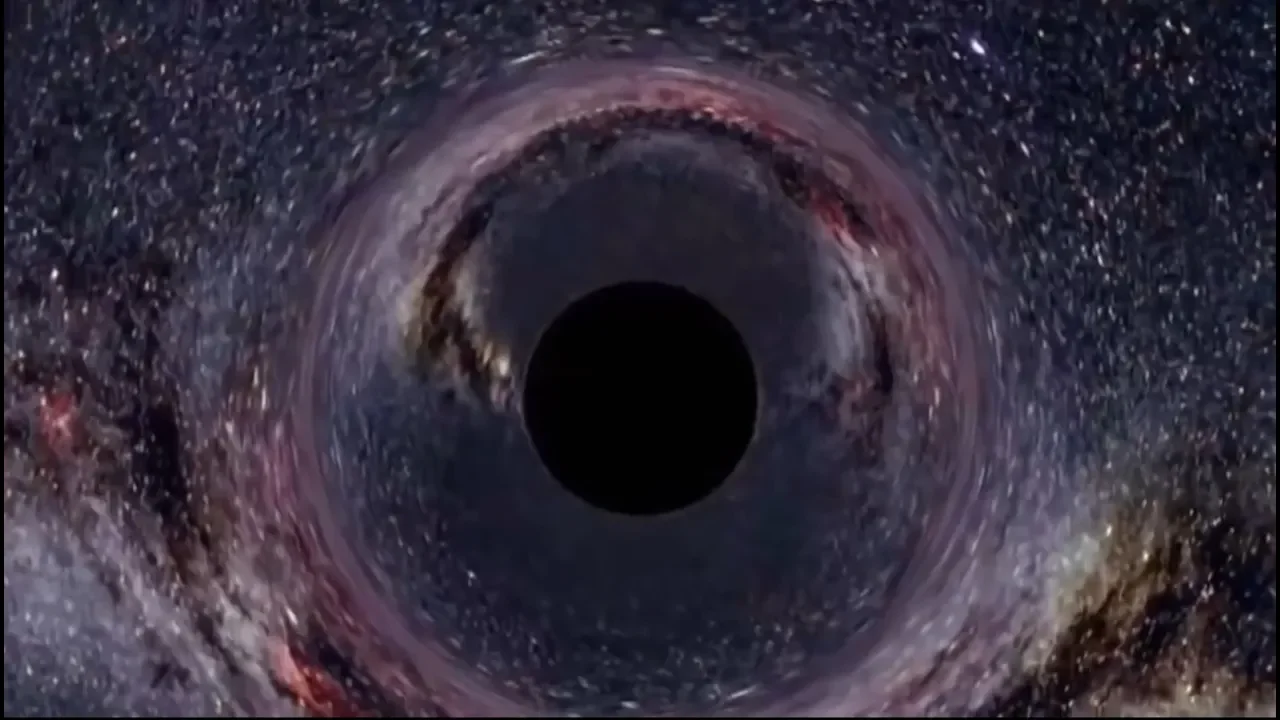




A geodesic is the shortest distance between two points on a specific surface, which may not be a straight line if the surface is curved; on flat surfaces like paper, the shortest path is a straight line, but on curved surfaces like spheres, it follows a great circle, and in general relativity, spacetime curvature caused by mass and energy bends these geodesics so that light travels along them.
Geodesics: When Shortest Distance Isn't a Straight Line
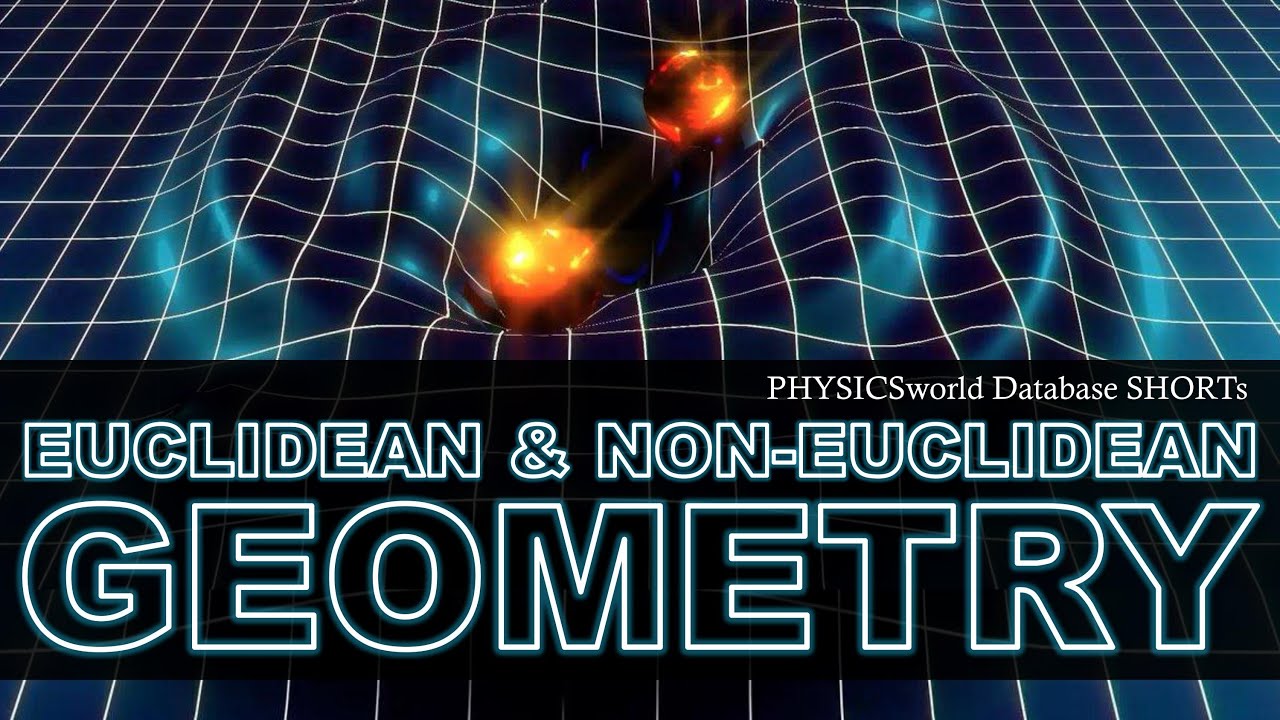
Added:The fundamental difference between Euclidean geometry (flat space) and non-Euclidean geometry (curved space).
Basic concepts of Einstein's Special Relativity, particularly the unification of space and time into a four-dimensional spacetime fabric.
The qualitative concept of gravity in General Relativity as the curvature of spacetime caused by mass and energy.
An understanding of basic calculus and vector fields, specifically how paths and tangents are defined on surfaces.
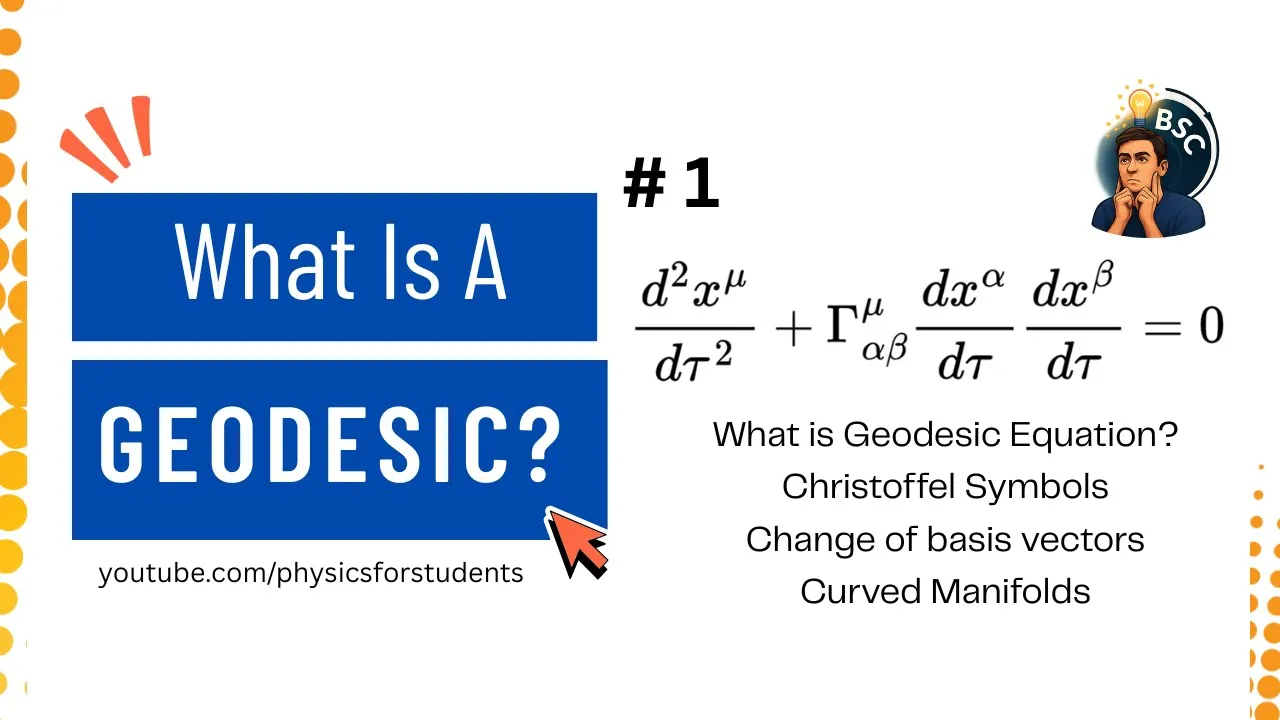
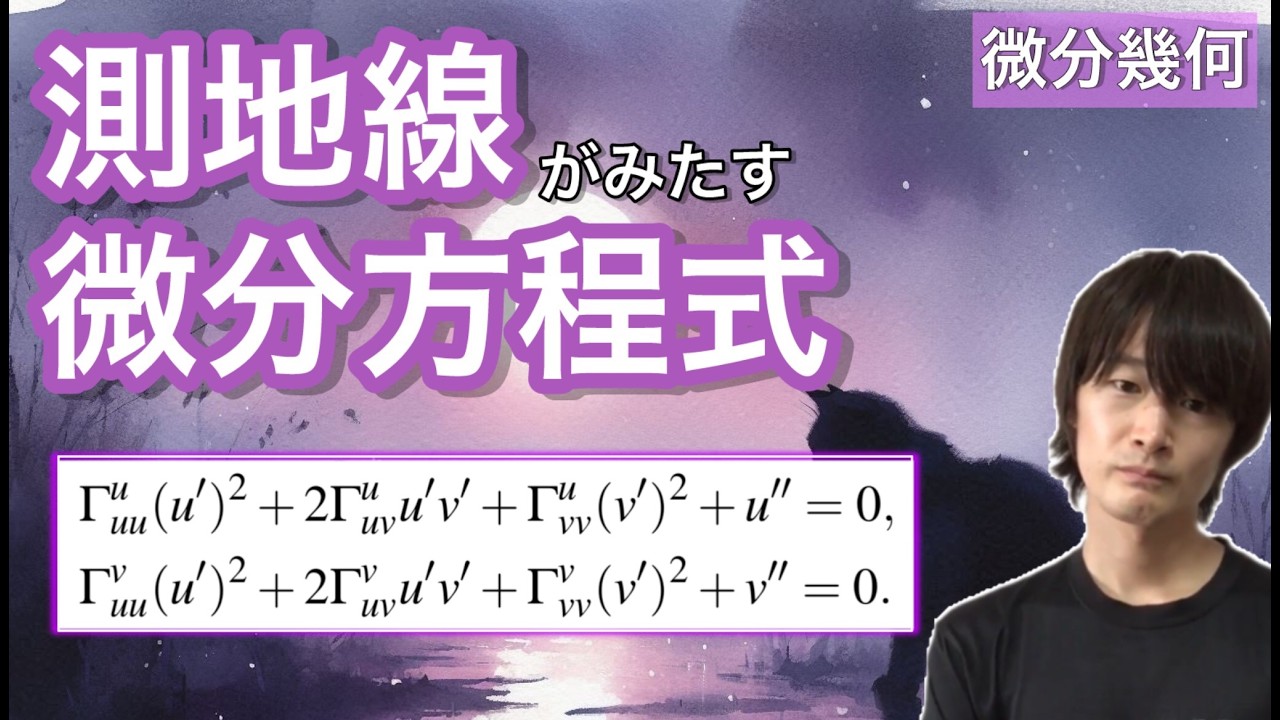
The mathematical formulation of the Geodesic Equation using differential geometry and Christoffel symbols.
Gravitational Lensing: how massive cosmic objects bend the geodesic path of light, acting as natural telescopes.
Orbital mechanics and light trajectories near black holes, including the concepts of photon spheres and event horizons.
Practical applications of spacetime curvature calculations, such as gravitational time dilation corrections in Global Positioning Systems (GPS).
81.5K views3.5Klikes8:10Original Release: 2021-06-01
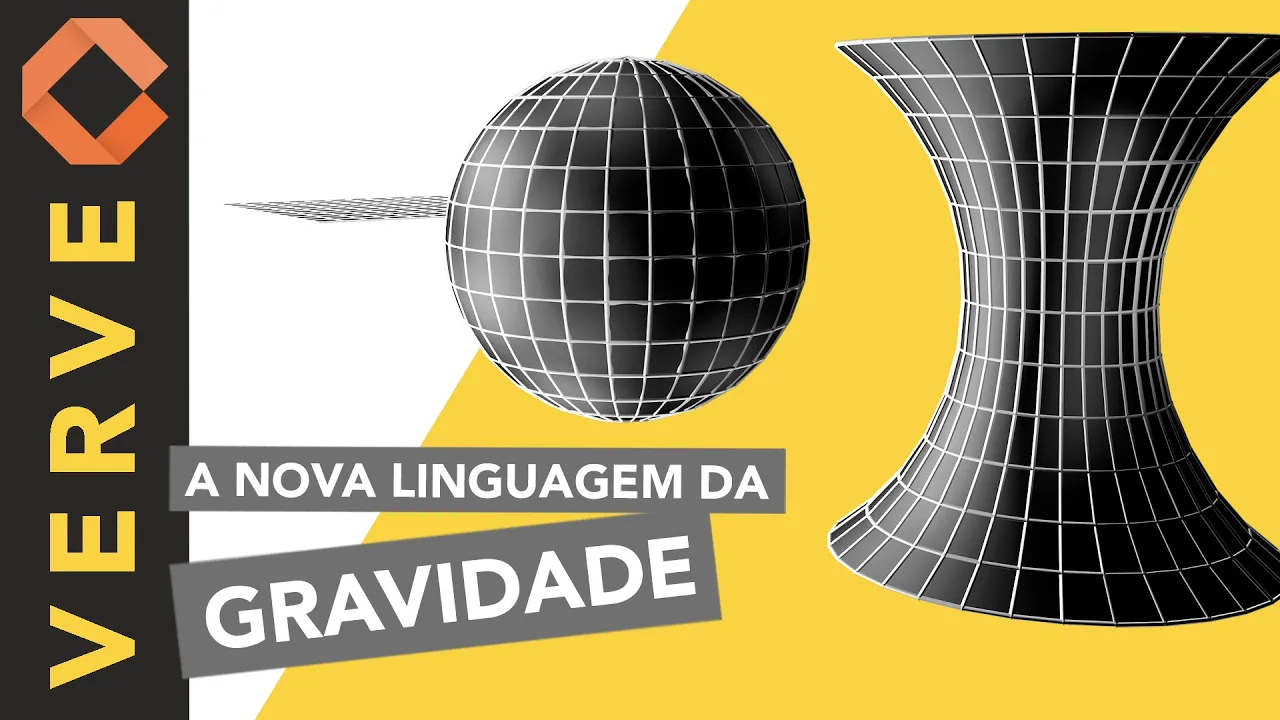
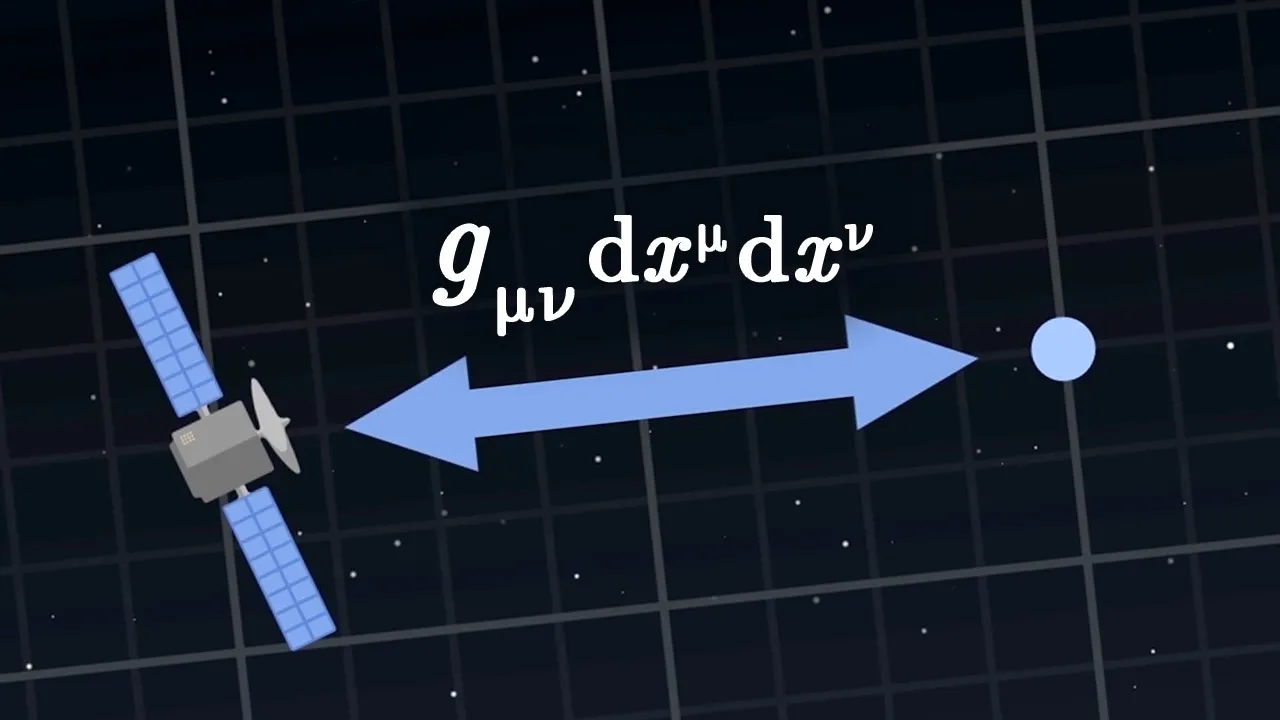
hey everyone path here and in this video i want to talk to you about the shortest distance between two points and why this isn't always as simple as it seems as always we'll be keeping the mathematics as simple as possible so if you enjoy this video then please do hit the thumbs up button and subscribe for more fun physics content let's get into it now many of us might be familiar with the idea that the shortest distance between two points is a straight line there's a rigorous mathematical way to prove this using the calculus of variations but actually there's an intuitive way to think about this as well for example if we wanted to go from point a to point b then it seems reasonable that the shortest distance between these two points must be the straight line that connects them if instead we took another path from point a to point b like this curvy zigzaggy one for example then we can imagine laying down a piece of string along that path and then straightening out that piece of string in order to compare the length of that path with the path from earlier the straight line and we can see that this curvy zigzaggy path is obviously longer and no matter what other path we come up with the straight line path is always going to be the shortest but now let's imagine that these two points a and b are not on a nice flat surface like a piece of paper or your computer screen let's imagine that these two points are now on the surface of a sphere and also that we're restricted to moving along that surface in this scenario we can say well the shortest distance between a and b is still a straight line but because we're restricted to moving along the surface of the sphere this is the shortest path we can take as we can see this is no longer a straight line it's a curved path what this is known as is a geodesic a geodesic is basically just the shortest distance between two points on a given surface and technically the path that we saw earlier on a flat surface between points a and b the straight line path is also a geodesic but if we continue to think about our spherical surface with points a and b on this sphere the geodesic between any two points say points a and b is always going to be a section of what is known as a great circle a great circle is simply one that is the largest that you can create for any given sphere is essentially the diameter of the sphere another way to think about this is that the center of a great circle is also the center of the sphere that we happen to be considering as an easy way to remember this if the surface that we happen to be considering happens to be the surface of the earth then the equator would be a great circle but any of the other lines of latitude would not so coming back to the point we made earlier if there are two points on the surface of a sphere the shortest distance between them along that surface is always going to be a part of a great circle for example if we choose another two points c and d the shortest distance is this one here and that is a part of another great circle now this is all well and good but the reason that the shortest distance between two points on a sphere is not a straight line is because we restricted ourselves to moving along the surface of the sphere but if that restriction did not hold then technically the shortest distance is still the straight line distance between those two points this kind of logic unfortunately breaks down a little bit when we start studying general relativity now in the study of relativity we often consider what is known as the shortest interval between two events this is essentially just a four-dimensional space-time version of what we were just talking about the shortest distance between two points the logic is essentially the same just extend it up to four dimensions and the reason that we do this is because in relativity we study the three dimensions of space and the fourth dimension of time by the way if you want to find out more about four dimensional space time then check out this video i made a little while ago on my channel now one of the reasons we study the shortest interval between two events in general relativity is because light travels along this kind of geodesic and an important aspect of general relativity is how light travels through our universe let's now imagine that we're thinking about two events in empty space-time other than these two events there's basically nothing around no stars no galaxies no nothing well in this situation our geodesic the shortest interval between these two events looks kind of like our straight line example from earlier remember though that this illustration is a two-dimensional representation of 4d space time so it's kind of cutting some corners and so on but it's a good visual tool anyway so dealing with this kind of space time empty space time is pretty simple but what happens when space time is actually warped according to einstein's field equations any amount of mass or energy within a region of space-time causes the space time around it to warp or bend and this will inevitably affect the shape of our geodesic because the idea of an interval between two events in space-time only really makes sense if we think about it as being part of our universe or our space time so this scenario is slightly different to the sphere example from earlier in that example the shortest distance between a and b was our curved geodesic if we were restricted to being on the surface of the sphere but in reality the actual shortest distance between the two points was the straight line between a and b the problem with this depiction though is that it implicitly assumes that our sphere is somehow located in some three-dimensional space this is the kind of space that we experience on a day-to-day basis that we assume exists around us and this idea where our two-dimensional sphere is located inside a three-dimensional space is known as embedding in relativity we use embedding in order to help us visualize what's going on with essentially a curved surface a curved two-dimensional surface but relativity tells us that embedding is not always necessary and we could just choose to consider a surface where going into the sphere doesn't really make any physical sense to clarify this is a two-dimensional surface that is warped into the shape of a sphere and so it only makes sense to go along this surface and so the shortest distance between two points on our surface need not be a straight line that is only true in flat or euclidean space not convinced by this argument well let's imagine that our surface our sphere is a plastic ball embedded in some three-dimensional space so it's just a plastic ball existing in our universe as we experience it on a day-to-day basis and so if we imagine two points on our sphere then the restricted shortest distance between them is our curved geodesic but the actual shortest distance is this straight line but what if we now take this plastic sphere and place it somewhere in a region of warped spacetime maybe somewhere close to like a black hole for example say it's not near enough to fall into the event horizon but is near enough to experience the space-time warping effects of the black hole well in this scenario because space-time has warped even what we think as the actual shortest distance between points a and b is itself going to be a curve because space-time itself is curved the straight line between points a and b has no physical meaning at all this is a rather tricky idea to get your head around and in order to fully convince yourself of this you'd have to study the general relativity mathematics in a bit more detail the explanation i've just given is a way of visualizing it without all the gory mathematics but don't take my word for it learn general relativity it's super interesting i'll leave a link to a textbook that i used when i was studying at university down in the description below but of course you can learn it literally anywhere at this point there are lots of different videos on it on youtube going through the maths in more detail and even wikipedia is a useful resource and with all of that being said i'm going to finish up here thank you so much for watching if you enjoyed this video then please do hit the thumbs up button and subscribe for more fun physics content hit that bell button if you'd like to be notified when i upload and please do check out my patreon page if you'd like to support me on there thank you so much for all your support by the way i've just recently received this the 100 000 subscriber plaque and i am super happy and i don't know how to thank you all enough thank you so much for all your support i will see you very soon [Music] you
Up Next
6:59
Understanding Geodesics and Curvature in Spacetime: Clarifying Parallel Transport
@pbsspacetime
341.3K views•2015-07-08

12:53
21cm Hyperfine Transition in Neutral Hydrogen: Radio Astronomy Basics
@AaronRobertParsons
12.4K views•2011-10-13
8:56
What a Quantum Wave Function Really Represents | Quantum Mechanics Basics
@ParthGChannel
29.5K views•2022-06-21

27:14
Entropy and the Second Law of Thermodynamics Explained
@veritasium
27.5M views•2023-07-01
Related Study Plans & Knowledge Roadmaps
Structured learning paths in Physics
physics
Nuclear Physics (Decay, Fission & Reactors)
01Atomic Structure and the Binding Force
02Radioactive Decay and Half-Life
03Nuclear Fission Mechanics and Chain Reactions
+ 2 more learning modules
12h5 modules
Explore Roadmap
physics
Soft Matter (Polymers, Colloids & Rheology)
01Foundations of Soft Matter & Thermal Forces
02Polymer Physics and Macromolecules
03Colloids, Surfactants, and Self-Assembly
+ 2 more learning modules
38h5 modules
Explore Roadmap
physics
Analytical Mechanics: Lagrangian & Hamiltonian
01Mathematical Foundations: Calculus of Variations
02From Newtonian Mechanics to Constraint Dynamics
03The Principle of Least Action & Lagrangian Mechanics
+ 3 more learning modules
28h6 modules
Explore Roadmap
physics
General Relativity (Spacetime & Cosmology)
01Foundations of Relativity: Special Relativity
02The Geometry of Spacetime: Equivalence Principle & Curvature
03Einstein's Field Equations: The Mathematics of Gravity
+ 2 more learning modules
55h5 modules
Explore Roadmap