













![WHY IS MITOCHONDRIA IMPORTANT | What Do Mitochondria Do [2020]](https://i.ytimg.com/vi/DECBn5hwH4Y/hqdefault.jpg)



The history of life is driven by revolutions in energy flow rather than gradual genetic changes, with key transitions like the emergence of eukaryotic cells (around 2 billion years ago) and the Cambrian explosion (around 550 million years ago) resulting from fundamental shifts in how organisms capture and utilize energy, particularly through membrane-bound proton gradients that power cellular respiration and enable complex life forms to evolve.
Energy Flow and Evolution: A Radical History of Life in Cells
Added:Basic cell structure, specifically the differences between prokaryotic (bacteria and archaea) and eukaryotic cells.
The standard theory of evolution by natural selection and the role of genetics (DNA/RNA) as the primary engine of evolutionary change.
Fundamentals of cellular respiration and bioenergetics, including ATP production and the concept of a proton gradient (chemiosmosis).
The structure and function of biological membranes, particularly lipid bilayers and membrane potential.
The alkaline hydrothermal vent hypothesis for the origin of life and prebiotic chemistry.
Endosymbiotic theory and the evolutionary significance of mitochondrial acquisition in the emergence of complex eukaryotic life.
The bioenergetics of multicellularity and how physical and energetic constraints limit or drive evolutionary complexity.
The link between mitochondrial function, cellular energy flow, aging, and metabolic diseases in modern medicine.
Astrobiology applications, using bioenergetics and membrane chemistry to identify potential biosignatures on other planetary bodies.
46.9K views972likes1:06:08Original Release: 2024-03-06
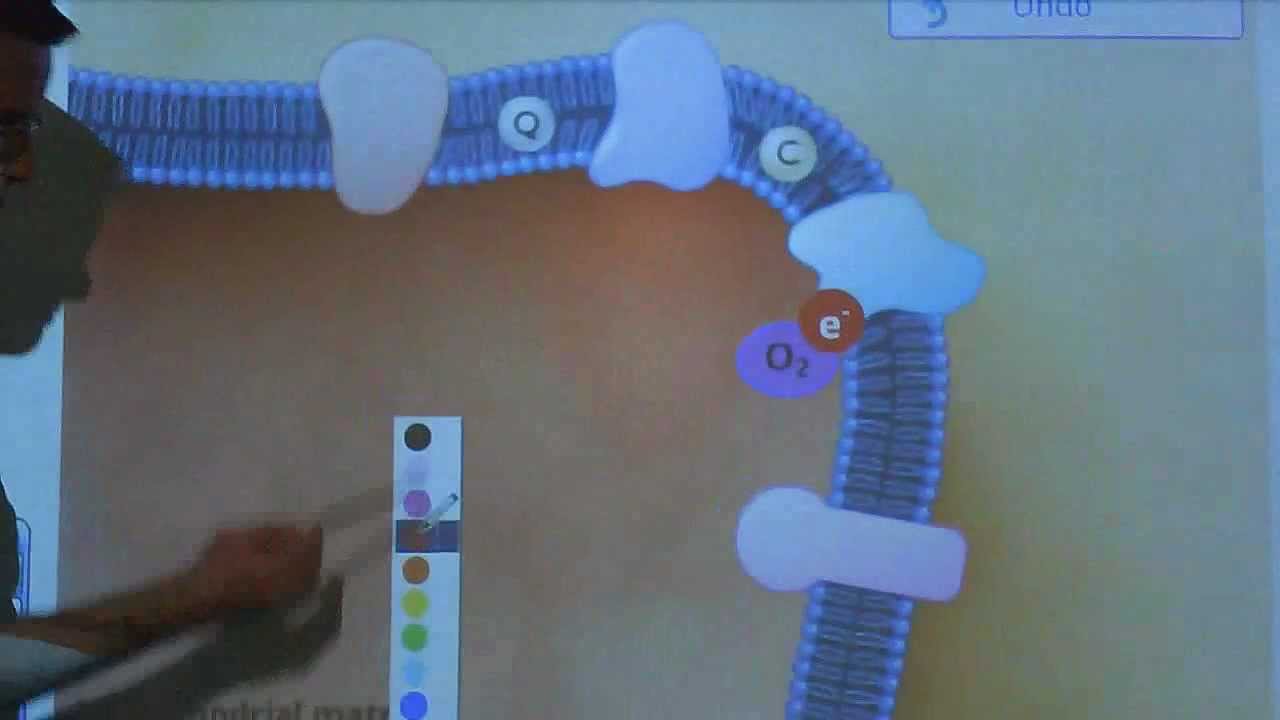
hello I'm Nick Lane I'm a professor of evolutionary biochemistry at University College London I'm going to talk this evening uh about Revolution by natural selection uh this is after all the Darwin College lecture the series and the theme is Revolution so the title was unavoidable um but in fact it plays to things that I think about and worry about if we look at the history of life from the very origin of life going the way through is not a gradual succession of changes there are great cataclysms on a global scale uh and it's difficult sometimes to explain them by thinking only about genes and evolution as we know it what I'll look at instead and focus on instead is the way that energy flow can really change the the whole course of evolution uh and explain this strange trajectory so I'm going to talk about the history of life from an energy point of view and I hope you enjoy the talk welcome everyone welcome to this uh the the seventh in our uh Darwin lecture series uh 2024 on the theme of Revolution so my name is elen scall I'm standing in tonight for the Master Mike rans who could make this particular date so it's my pleasure to uh introduce and welcome our speaker this evening Professor Nick Lane so Nick has come to us from London not so far where he's professor of evolutionary biochemist chry at the University College London and his research there focuses on the Deep questions of evolution the origins of life and of the the cellular chemistry machinery and chemistry of the cell he's also as well as being a very um distinguished researcher an excellent scientific communicator and has written several books uh many of which I'm sure or some of which I'm sure many of you will have read um uh so there's books like uh Power sex suicide mitochondria and the meaning of life life ascending the 10 great inventions of evolution and most recently Transformer the Deep chemistry of life and death so some common themes emerging there so uh uh join me then please in welcoming um Professor Lane to give his H lecture today entitled Revolution by natural selection a radical history of life from inside ourselves well thank you very much and thank you for the kind introduction and the invitation it's an honor and a privilege to be here um so so thank you very much um this is I have to say when I looked at who has spoken in this lecture Series in the past it's a it's a very intimidating list of brilliant people and so I I I feel suitably flattered and honored to be here um the title the title wrote itself as I'm sure you can appreciate this is uh organized by Darwin college and the theme this year is Revolution um and um how can I not entitle this talk Revolution by natural selection um now I have to speak about it and luckily I I do have something to say about it um because I've been unlike most people who work on evolutionary biology uh I'm coming from a different background I'm not thinking about genetics and genes and and I can't avoid that and I'm certainly not uh trying to denigrate genetics in any way but my own background as a biochemist uh is about energy flow and how that works why it is that cells are all powered by an electrical charge across membranes and that electrical charge is equivalent to a bolt of lightning it's an extraordinary charge on membranes and all Life Works that way and it's been a question of mine over years now is why on Earth is it like that and how did it get started and and what effects does it have across the history of Life uh and so I've been asking these questions uh in books and in my own research um and and so uh occasionally I've been described as a revolutionary evolutionary biochemist which I I I suppose I should be proud to here but actually what I'm saying is not revolutionary at all really but it's about the Revolutions in the history of life and that's what I'm going to talk about this evening I can't make this work perhaps it works now no okay I'm going to have to keep coming back here for the slides I'm afraid um so so Darwin himself and I must start with Darwin um is characteristically um accused if you like of gradualism in fact he was uh quite graduated in what he said about gradualism this is a famous quote from him and I'll I'll read it quickly it says it may be said that natural selection is daily and hourly scrutinizing throughout the world the slightest variations rejecting those that are bad preserving or adding up all that are good silently and insensibly working whenever and wherever opportunity offers we see nothing of these slow changes in progress until the hand of time has marked the lapse of Ages and then so imperfect is our view into the long past geological ages that we see only that the forms of life are now different from what they formerly were so we don't really see very much of change it is gradual it is over a long period this passage actually reminds me of something that elves might say at the beginning of Lord of the Rings um it's it's it's a it's it's a rather Charming view of um of of the history of life now he also said I think several times in the Origin of Species uh nature does not make jumps and this really doesn't work so I'm going to use this now that idea of gradualism in natural selection this is uh this is one of the the first trees of life that was drawn just a few years after the Origin of Species which had Darwin's Darwin had done a sketch of the Tree of Life in there this is Ern Heckle uh and is really rather a beautiful tree and and these are also um these are also drawings by Heckle extraordinary drawings dating back to around about the 18 1866 or or thereabouts and and this was a tree of that has plants protists and animals at the top going all the way back down to the bottom and this is still what people are taught in schools the tree of life is actually a lot more interesting and complex than that but this this simple division of botony and zoology of plants and animals and so on has passed all the way down and this is a tree of life that is quite current um and it's often used because it's rather beautiful and it conveys the sense if we go right back to the beginning um here uh we have the bacteria the ARA I'll say a little bit more about those soon UK carats coming all the way around to mammals and birds and so on and and humans at the top end and this gives the sense of continuous progress one of the reasons it's interesting to see this particular tree is that it's also showing all the branches that died out and became extinct and so unlike a tree where you're only looking at species that have survived we're also seeing all of these branches that don't go anywhere and that that lead to Extinction and that again gives the feeling that everything has been explored everything that's possible to explore has been explored now that is completely misleading it's really not true so this is a tree of life that was um goes back to about 1990 uh and was done by Carl wo and Carl wo was uh was really a radical revolutionary figure in evolutionary biology and he came up with what was known as the three domains Tree of Life life and literally there are three domains so we have the bacteria we have the ukari and so we are ukari so plants animals and so on are over here um and I'm representing car wo as a characteristic UK carot and then we have we have the ARA over here so this was an entirely new domain in the tree of life that that really nobody knew about before the 1970s uh and and and Carl wos had demonstrated that the differences between the bacteria and the ARA and the ukar are almost equivalent to each other there's furious rouss at conferences and in the literature in the 1990s um because UK carots well look at them ARA look like bacteria they're they're tiny if you look at them under an electron micrograph there's not much going on inside them same with bacteria uh and and all the interesting animals and plants and so on they're all in this tiny little corner of the Tree of Life over here this is a erican revolution in biology this is really overturning the idea that plants and animals are something special and actually a lot of the variation in the tree that we we see is in these tiny single celled organisms that we don't know very much about or certainly didn't know so much about back then now I spent a lot of time looking at these kind of trees of life it took me a surprisingly long time to realize well hang on a minute what on Earth was happening down this branch of the tree of life we have let me just give you a quick indication the branch lengths here this is from a single Gene it's happens to be a ribosomal uh Gene but the the length of the branches gives us kind of an indication of how how different these are to each other and that more or less corresponds to how much variation there is Within These groups and if I were to show a modern tree with all of the genes in all of the groups you'd be lost in all the detail what you can see here is that there's quite a lot of variation in bacteria and there's quite a lot of variation in Ara and there's about the same there's less if anything in UK carots so what this says is that the bacteria and the ARA have been exploring Gene information space genetic information space you can come up with any combination of genes in bacteria and ARA and they've tried them all they've explored all of this space and what did they come up with reminds me of atin Wells what did the Swiss come up with the cuckoo clock um you know it's they came up with with small single celled organisms so it's quite shocking whereas something happened down here that led to car W and everybody in this room and all the plants and animals and fungi and pretty much everything that most biologists have studied over thousands of years so something different was happening there and it wasn't about just searching informational space for the right combination that gives rise to complexity something else was happening if you look at the world from the point of view of a bacterial cell here's my tree of life I I like to keep things simple uh four billion years ago 4,000 million years ago we have fossils we can't be absolutely sure that these are fossils of bacteria but they look a lot like fossils of bacteria and and and you know half a billion years later definitely they're fossils of bacteria and we think they're bacteria because they look exactly like modern bacteria so from a bacterial point of view nothing changed they came up with all of this amazing metabolic chemistry they transformed the world they did amazing things to the planet I'm not trying to knock bacteria here but they didn't change in their morphology and sometime around two billion years ago something happened down this branch of the tree of life that led to all eukaryotic organisms all complex life that we can see really something happened there what was it well it's what John mayard Smith who was one of the great evolutionary biologist of the 20th century and he was at UCL so I'm kind of um proud of him for I'm in the same institution you have plenty of people in Cambridge that you can be proud of in that way but uh we Tre we treasure those at UCL that we can be proud of U so so John mayard Smith um he called this an evolutionary Scandal and let me just um Let me let me just give it to you all complex life on Earth basically everything we can see is composed of one particular cell type this eukariotic cell which it's got a nucleus it's got mitochondria it's got lots of membranes inside it's everything that you read in any textbook UK carats apparently only arose once in four billion years of evolution and they all share Universal traits they all have a nucleus they all have mitochondria they've all got the same endoplasmic reticulum uh you know I could I could list page after page of things from textbooks uh that that every cell has the same including processes like sex which involve forming gamuts the gamuts fused together they line up the chromosomes they double the chromosomes they cross over between them all of the machinery for doing all of that is found in all UK carots apart from a handful that lost it through it out of the window most of them are doing exactly the same thing and we see nothing resembling that in any known bacteria or ARCA so bacteria don't evolve those complex traits so the Scandal then is if all these traits arose by standard natural selection and I'm not here to say Revolution it doesn't exist you know natural selection is real it really happens and and you know arise by natural selection so if those traits arose step by step and each step has an advantage as it must then why did none of them Aris in bacteria given that they had searched all this sequence space what could have happened well the obvious answer is there was a global catastrophe of some sort this is a snowball Earth this is at least an artist depiction of a snowball Earth this kind of thing happened on a couple of occasions in the history of Earth one around about 2.3 billion years ago uh and then another one around around 700 million years ago with the Cambrian explosion that I'll come on to towards the end of the talk following hard on its heels so there are these Global cataclysms and that was around 2.3 billion years ago there was also a thing called the Great oxidation event around that same time I'm symbolizing it with this stunningly beautiful banded ion formation uh which are formed by oxygen rusting iron or at least this is one way in which they can form and they precipitate out of the oceans into these into these layers and they're really just beautiful um you know next time you're in the Natural History Museum go to the mineral section and look at the banded iron formations they've got in there um so there are Global cataclysms but you still have the same problem okay so so now there's a global Extinction lots of things get killed and so so then we see the UK carus afterwards but why do we not see bacteria doing equally interesting things it's not as simple as just a cataclysm this I think is the beginning of the answer this is a tree of life that was drawn by Bill Martin about 25 years ago um and what you seeing here I'm not going to say much about this why you see two separate emergences lucer is the last Universal common ancestor and and and it lived in a vent according to Bill and I would agree with him uh and then we have the bacteria coming out from here and we have the ARA coming out from there and look what's happening with UK carots we have an archa and a bacteria coming together in some kind of an endosymbiosis in other words one cell gets inside another and lives inside we have another one here which gives rise to chloroplasts and and and plants but this is this gives rise to all the animals and pretty much everything that doesn't have chloroplast so there's a what I would call a singular endos symbiosis and this seems to be the root of what was different about um the early evolution of eukariotic cells so why then would endosymbiosis drive a revolution in the history of life it's because it changed the structure of cells I'm just going to give you a very quick potted synopsis of the things I'm going to tell you in the rest of the lectures just to orientate you to where I'm going with this change the structure of cells now we have cells inside cells a kind of Russian doll model of of what cells are like the cells that went inside became what we now know as mitochondria um these are the power packs that we have in our own cells we have trillions and trillions of mitochondria in our cells and they are prod they are burning food in oxygen to generate the power that we need to live they're doing plenty of other things as well but that's the simplest way of getting your hand around it so having cells inside cells internalizes cell respiration and it's changing the structure instead of doing it across the cell membrane we're now doing it inside and we brought genes inside as well so we've got both genes to control it and this electrical charge on membranes which is pretty powerful um cell respiration as I say it's not chemistry in a bag it's not about molecules interacting with each other and reacting with each other it's about the electrical charge on the membrane it's it's not a particularly strong charge if you were to measure it it's actually quite hard to measure we're talking about 200 molt 150 to 200 Mill volts but the membrane itself is 5 millionths of a millimeter thick so if you were to shrink yourself down to the size of a molecule and go and stand next to that membrane the electrical field strength that you would you would feel if you're if you're standing there uh is is about 30 million volts per meter that is equivalent to a bolt of lightning and that's across all of this stretch of membranes I think I calculated once you've got about four football pitches worth of mitochondrial membrane inside you and the charge across that entire surface is equivalent to you know bolts of lightning every bit of it so it's a tremendous power that's what's keeping is alive um and I think it's constraining that power is what made this revolution the origin of the eukariotic cell in the history of life on Earth so this idea it's um it's it's very counterintuitive there there was there was a period of what's known as the ox fos Wars oxos stands for oxidated phosphorilation it basically means the mechanism of cell respiration um and there's a lovely quote from Leslie oel who was here in Cambridge in the uh 1960s um and this actually is Peter Peter Mitchell and Jennifer MO also in Cambridge 1947 at that um and um Mitchell had come up with this idea actually published in 1961 called the chemiosmotic hypothesis and it's basically this idea that cells are powered by an electrical charge on their membrane and Mitchell was quite philosophical in his Outlook and he wrote papers that were incomprehensible to virtually anybody um and Jennifer Moy was was a lifelong um collaborator with Mitchell and she she was a brilliant experimentalist a brilliant thinker as well um and I don't think she got the credit that she deserved so I I like to do a call out to Jenn for Mo she did all the experiments that made people take Mitchell seriously um and and and if you read the papers that Mitchell and mo published together in the 1960s in in a lot of them in nature uh the ones where which were experimental where Mo had done the experimental work I understand every word of it it's it's still the terms that we use in our own papers so it's really Mo that came up with the nomenclature and the systems and the experiments that are still being used in the labs today the idea itself the idea that membranes are charged was Mitchell's idea but but the fact that anybody takes it at all seriously because the experiments showed it was true is really ascribable to Jennifer Mo and what's become clear since then is that uh the use of electrical charge on uh on membranes to power work any form of work is as un ively conserved as the genetic code itself this is something that all cells do and and this this quote from Leslie Orel not since Darwin has biology come up with an idea as counterintuitive as those of say Einstein Heisenberg or shringer these are your mitochondria um they have these amazing membranes inside and really stunningly beautiful thin membranes this these are the membranes which have got the charge of the bolt of lightning across all of them um they they are just beautiful structures and here's what's going on inside them so what we're what we're doing we're burning GL we're taking out glucose it doesn't have to be glucose food we keep it generally breaking it down into into smaller parts don't worry about the names spinning it around a thing called the kreb cycle which I'm going to tell you a little bit more about um and we're pulling out CO2 which we're breathing out uh and hydrogen not in the form of hydrogen gas but hydrogen atoms attached to other molecules but let's keep it let's keep it simple but also in a sense more accurate it's basically hydrogen is being split into electrons which go which go as a a current of electrons to oxygen and the protons so a hydrogen atom is made up of one electron one proton the electrons all go to oxygen the protons go across this membrane and here we end up with a charge equivalent to a bolt of lightning because protons are positively charged and they're all outside and the current of electrons drives the pumping of protons across there so that's basically how respiration is working and that's what's keeping us alive uh at any moment you could think of it like a [Music] um hydroelectric power scheme uh where the protons are equivalent to the water in the reservoir where the membrane is equivalent to the dam and then uh there's a tur electrical turbine driving all the work now that electrical turbine talking of Revolution the ATP synthes it's a molecular motor it's a rotating motor it actually does 500 revolutions a second uh which is pretty impressive um it's it's very often found now as a as a Diemer it turns out that and it bends the membrane so those fine Christy structures that I was showing these beautiful extended membranes they're Bent by the ATP synthes itself to be that thin there's some really beautiful molecular biology of how these systems work being done over the last 10 years and we now know tremendous amount about the structure in fact John Walker who's also here in Cambridge uh won the Nobel Prize I think in 19 97 uh for the structure of the ATP synthes and Krebs I'm Krebs was also in Cambridge for a period I'm I'm I'm uh getting fed up of saying this he arrived in 1933 he was I think the first person uh to escape from Germany on on a scheme uh organized by the British government um to I forget the name of the scheme now but basically it was to it was to help people people escape from the Nazis uh in the 1930s and and they helped quite a large number of of Scholars and researchers escaped from Germany um and and Krebs was the very first of these and he arrived in Cambridge in 1933 with I think something like 30 um respirometers that he was using I don't know how he managed to get them all out but he did um and and he stayed in Cambridge a couple of years and then moved to Sheffield I never quite understood that but anyway he he he moved to Sheffield he he loved the the the the Moors up there and he married a he married a Yorkshire girl um and and happily stayed in Sheffield for 25 years or so I think and it was when he was in Sheffield that he uh finally nailed what's become known as the kreb cycle or the tric carboxilic acid cycle sometimes the citric acid cycle but I like to call it the kreb cycle Krebs was a a very Charming Man um and I I do like to remember characters inide science I think it can add a little flavor to what we're talking about this is the kreb cycle as I had depicted it right at the end of my book on the kreb cycle which I hesitate to say it's on the kreb cycle but this is look at it I mean the these molecules these are the carbon atoms the hydrogens they're beautiful what does it mean well what we're pulling out here CO2 hydrogen this is really what I was showing you so there's lots of molecular rearrangements going around this cycle pulling out hydrogen and CO2 and that's effectively what's going on I'm showing the molecular structures because this is what Krebs worked out this was all chemistry this was the chemistry of these molecules uh and and so it was it was it was hard to do it nobody can remember it um and Krebs himself can easily be a target of gentle fun so this is pretty much every what every medical student remembers about the kreb cycle uh and not just medical students either most biochemists would be quite honest um so that's it now also in Cambridge in the 19 in the in the 1930s Marjorie Stevenson Dorothy NM uh another remarkable woman doesn't come into this story but marjerie Stevenson um was doing amazing work and and and was more or less Idol by Krebs himself and this so after Krebs left for Sheffield um they continued to correspond and she had sent some students to to Sheffield this is a letter that Krebs had sent to to to to um margerie Stevenson I'm going to read it to you I'm not sure if you can quite read it it's is quite funny in several respects he says I hasten to hasten to report that I have completely surrendered hydrogenase formic hydrogen lias and formic dehydrogenase are three separate things my capitulation is complete and without reserve and I only hope that the Spanish loyalists will not suffer a similarly complete defeat there is only one positive result of my of this front A Renewed admiration for your excellent work now those enzymes I'm just going to mention hydrogen lias formic hydrogen lias hydrogenase dehydrogenase this was margerie Stevenson's really big contribution these things are found in methanogens I'm going to come on to that in a moment but this is where she had persuaded Krebs that this is not just one enzyme this is a a whole ecosystem of enzymes going on there then he says uh elon's time here is now drawing to its close I enjoyed his presence in the lab very much indeed he is a nice kid to have about but I'm afraid he has not learned as much as is good for him since he is not a good experimentalist and not an intensive worker five weeks is a very short time what a Charming way of saying your students [Laughter] useless um then he goes on to say there are two main results to our joint work the first is the demonstration that fumerate oxid oxid oxidizes glucose glycerol and lactic acid with the same rate as does molecular oxygen I'm not going to read through to the end of this but he touches on su8 he touches on F actually this is about the kreb cycle this was the year before he published the kreb cycle and um this was the work that he was collaborating with margerie Stevenson now margerie Stevenson had a policy that she never had her name on papers that she had not done direct experimental work on herself so she is not associated with the kreb cycle and frankly she should be because not only was she an inspiration to kreb she also was pointing him in the right direction and doing experiments with him at the same time and she's not remembered for it at all which is very unfortunate I would say which it may seem I don't know I mean there's always a question about how many authors do you have on papers and who deserves to be on a paper and who doesn't but sometimes uh people who have a very Noble uh ambition to only appear on papers where they have done something themselves then disappear Fe from history in a way which is not fair to them because their contribution was much greater than anybody recognized so this is Marie Stevenson she wrote a famous book on bacterial metabolism that's my copy of it um and you may recognize this is the Confluence of the great oo and the cam I believe uh which is where she was hauling out bacteria in the 1920s and 19 ARA in fact uh paid by the MRC who wondered what on Earth is she up to dra you know dredging the the River cam to get this mud and studying the mud well what was in the mud were the methanogens and what it turns out the methanogens do this is not quite right I'm simplifying it a little bit in case there's anybody in this audience who knows a lot about methanogens but this is basically it um look this this should look the same as the last one that I showed you we've got the kreb cycle at the heart of it uh we've got something that looks like a respirat chain over here but no it's not this is going in the opposite direction it's sucking in CO2 it's sucking in hydrogen it's reacting them together to make the the basic building blocks of biochemistry um and it's doing that with hydrogen from the environment it's sucking in that but it's also passing it that way as well onto CO2 to make methane as a waste product and these enzymes that are doing that are the hydrogenases that were discovered by marjerie Stevenson so uh and and that is making that is generating the membrane potential that's driving everything and from the creb cycle we're making sugars we're making amino acids nucleotides so this is the heart of metabolism it's not just about making energy it's also about making the molecules that are needed for life um now there are some I don't want to get involved in Much Chemistry tonight but there there's this is what's happening I've shown you this is what's happening in respiration where effectively we're taking hydrogen from food we're passing it on to oxygen hydrogen is an electron donor Oxygen's an electron acceptor we end up with uh we end up reducing oxygen to form water what's happening with methanogens is we've got a hydrogen gas we're passing it onto CO2 to make methane as a waste product or we're passing it onto CO2 to make these organic molecules so this is a waste product generating energy this is um this is organic molecules what's happening in photosynthesis well that looks a little bit more complicated so I'm going to show you an easier version these processes are exactly the same as each other we have an electron donor hydrogen in every case electrons coming from hydrogen going to oxygen or going to CO2 so there's a deep conservation of the chemistry the fundamental chemistry that underlies these processes they're all basically the same as each other once you've got a system which is capable of stripping electrons from somewhere and passing them onto something else and generating a charge on a membrane that whole thing works you can go from methanogenesis in a sludge in the River cam to photosynthesis and everything else it's a trivial change in chemistry it's a huge change in outcome it's a revolution in what happens to the planet but it's trivial at the level of chemistry uh this may intimidate you um please don't be intimidated I'm not going to say very much about it but at the top we have carbon dioxide this is basically the very heart of biochemistry um and this is the kind of stuff that biochemistry students have force fed um but all I want you to notice look in in in in orangey browny sludgy color here hydrogen hyd hydrogen Hydro this is and in green it's CO2 CO2 CO2 this is the chemistry of hydrogen and CO2 you start with hydrogen and CO2 these are the kreb cycle intermediates we've got pyruvate oxalate pyruvate is part of the reverse kreb cycle oxaloacetate Alpha glutarate these are the these this is part of the kreb cycle these are amino acids which are made directly from it these are sugars that are made directly from there as well and and these in blue Aros are things that have been done in the lab under Prebiotic conditions this is this chemistry is spontaneous chemistry that just happens it's not determined by genes it's not controlled by enzymes this is chemistry that can be made to happen with metal ions as Catalyst and that's more or less it not the entire network all in one go but pretty much everything in the blue arrow has been done in the lab as that that one step so the chemistry of life I've got this the right hand side if you can see it the chemistry of life is actually older than the genes that are supposed to encode the chemistry of life that's a really interesting thing and the genes in ARA and the genes in bacteria they're very often completely different but they're catalyzing the same chemistry this chemistry this these reaction steps are different genes in in bacteria and ARA but they're catalyzing the same underlying chemistry that chemistry is older than the genes themselves and it's spontaneous and it will happen in certain environments another thing I want to tell you before I touch on the origin of life a little while is that coming out of this spontaneous metabolism there are also patterns in the genetic code which suggest that there were direct interactions between amino acids that were popping up in this metabolism and the nucleotides that were also hopefully popping up in this metabolism interacting directly together which means if you got a random sequence of RNA for example you'd have a non-random sequence of amino acids that might bind to it or they might bind into a pocket we don't know exactly but if you were to zip all those up together to form a polymer then this random sequence would have a non would template a non-random peptide if that non-random peptide could do something act as an enzyme a catalyst then then it can be selected for so just thinking about these basic metabolism before we get to genes before we get to information in biology we have this metabolism giving rise to the building blocks for all of this and this is beginning to be where information is coming in let me frame this in terms of the origin of life itself what I'm kind of getting at here is that electrical charge on membranes electricity let's say drives metabolism we don't need genes for this metabolism it's driving it anyway which gives rise to genes so the information is coming a little bit later um and for that to be true it has to all happen in one place there has to be a place which where you can have electrical charges driving metabolism giving rise to genes that really well that sounds Preposterous doesn't it but it's really not here's here's someone who was not at Cambridge um Deb Kelly she's in Seattle at University of Washington um and and she discovered in the year 2000 um this vent system called Lost City uh these are both lost city they're called alkaline hydrothermal vents and and she was captain of the Alvin submersible um which has been going it discovered vents in the first place uh in in the 1970s this was a new type of vent that nobody had seen before and this is this is the old style vent with a called black smokers with a chimney that belches black smoke out uh and this is a little bit of lost city and you can see that it's a kind of it's like a sponge it's like a mineralized sponge that she's holding in her hand so that's a sample from from Lost City itself so this is an environment that was proposed in fact 10 years before it was discovered by Deb Kelly it was proposed to Exist by Mike Russell um and after after this discovery of Lost City suddenly Mike Russell became quite famous and this is taken from a feature article in nature in 2009 where they phot photoshopped him up as arasmus the renaissance renaissance man and they called him Nance man Nance as in the birth of life um and and he built a reactor at the jet propulsion laboratory in Pasadena that's his reactor and here's a little bit of Lost City behind him now what Mike Russell was arguing 10 years before the discovery of these events and so it suddenly became very mainstream with the with the discovery is that the this this is a kind of a an electrochemical flow reactor more or less you've got reactive fluids percolating through there we got high concentrations of hydrogen in these vents the early oceans rich in CO2 and they would percolate in as well and proton gradients which is to say the ocean's acidic the fluids are alcaline and they should mix in there over these catalytic walls that should contain iron sulfur minerals and things like that so this is an electrochemical flow reactor that vaguely resembles cells this is how it resembles cells so we have here A bacterial cell and it's got a pump in the membrane and it pumps out protons so this is the kind of thing I've been showing you I've simplified it right down to a kind of ridiculous minimum um so there's protons outside electrical charge on the membrane Inside It's relatively alkaline and here's a pore in a hydr thermal vent and it's alkaline fluids inside it's acidic ocean waters outside we've got a barrier it's a lot thicker but it's it's got some of the same catalysts in that barrier how would you get from one to the other one I'm not going to go through this this is basically the work of my lab and other labs around the world over the last 10 years or more um but you'll recognize various bits of it here's the poe we've got the protons outside we've got hydrogen and CO2 and a reverse KB cycle making amino acids and lipids maybe those lipids can form a membrane then you can do a bit more chemistry you can make sugars so this is all the the UNG gentically non- gentically coded metabolism that I'm talking about I'm not going to go through the details of the experiments today I want to get on to other more revolutionary things um and then I'm saying genes are arising in that context so this is a hypothesis there is evidence supporting some bits of it there's lots of lots of work to do on this um but but this is just this will orientate you as to the kind of way way you think about a question like the origin of life and the kind of experiments that you might want to do I'd like to point this out though that the structure of a cell which has basically got lots of hydrogen inside it and it's got a negative charge inside and a positive charge outside and it's pumping protons out it's very similar to the structure not only of pores in these vents but also of the Earth itself which is full of iron inside and you got hydrogen coming bubbling out of these vent systems It's relatively acidic on the outside side and so the structure of the earth and the structure of a pore in a hydrothermal vent and the structure of a cell are kind of frally similar to each other so cells I like to think of cells as as as little electromagnets that are resembling the Earth in their structure and this kind of structure is probably very common this is Enceladus and there are plumes that were discovered by Cassini on the flyby of Cassini uh these plumes jetting into space so this is the icy surface Enceladus is one of the moons of Saturn uh it's got an icy surface underneath that icy surface there's an ocean and the reason we take it that there's an ocean is that these plumes are are basically water coming from that ocean under some kind of pressure and you can measure spectroscopically what's in those plumes well it turns out they're alkaline uh and they've got hydrogen gas and they've got methane and they've got various other um various other organic molecules in there there's no sign that there's necessarily life in there but what this says is that the same kind of geology that gives rise to the hydrothermal systems on Earth are also happening on Enceladus probably on Europa as well and and in fact probably much more widely than that because now we know as you would have heard if you were here a couple of weeks ago um about exoplanets there are something in the order of 40 billion we would project 40 billion um exoplanets earthlike exoplanets wet rocky planets and moons in the Milky Way alone this is an extrapolation based on uh the number that have been detected over how many stars so there could be a huge number 40 billion wet rocky planets in the Milky Way they will tend to form these same kind of alkaline hydrothermal vent systems that we see on Earth and we see on Enceladus almost certainly they will have natural proton gradients across cell-like pores and those gradients will drive the reaction between hydrogen and CO2 to make the basic organic building blocks of life and those should be the same everywhere it's the same chemistry and that also means that life elsewhere should face the same constraints that life did on Earth we're back to this um the constraints so the constraints on bacteria the constraints of just being a single cell how do you get out of that well I said it was an endosymbiosis one cell gets inside another cell what's the evidence for that this has changed considerably over the last um 10 years or also with a discovery this is a this is a hydrothermal system again uh it's called Loki's castle and it's in the it's in in the um northern Atlantic between between Norway and Greenland um and there were some archa discovered in the Slime underneath there uh which became known as Loki arot uh after Loki's castle and have been quite a lot more have been discovered since then and now finally cultured and they're pretty hairy beasts um so so so now we have a whole Asgard super philm um there's the the heimall arot and the Thor arot there's a whole there's a whole um Asgard nest of them um and and and these are the most closely related cells to ukar as we know them these are almost certainly something like this was the host cell that acquired a bacterial endos symbiot that went on to become the mitochondria and the bacteria that were required we don't know what they were exactly but probably something like this this is rabaa um and this idea that life arose through a through a a network of symbiosis goes back to Lin margalis in also in the 1960s another great Pioneer of biology um and she had a she had a vision of the planet as as a symbiotic planet that there were symbioses everywhere that you looked and that the the Earth was a system made up of a tapestry of symbiosis and you can see that this had some um similarity with James lovelock's guia hypothesis the idea that the planet is in some way living now Lovelock had originally put that idea forward almost literally as a living planet uh he backed away from that idea um but but his ideas live on in what we would Now call Earth Systems Science so this is a very dominant view in how we think about Earth history um and they they published a number of papers together this is a statue this is actually in love Lock's Back Garden in Devon and this is a statue of guia that he had his his neighbor uh was William Golding the novelist who had suggested the name Gia to him uh in in the first place uh so so it was really Linn margalis who had uh framed the idea that the eukariotic cell was um was was was brought about by endosymbiosis she saw probably more of them than there actually have been in this history but nonetheless it was a it was a a radical reconceptualization of how life evolved and the bottom line on all of this is we've got cells within a cell and here's the only example that we actually know about of a bacterial cell this is in fact a sign of bacterial cell with bacteria living inside it there's plenty of examples of ukar complex eukariotic large cells that have got bacterial endos symbiance or parasites or whatever but this is the only known example of a free living bacterial cell that's got other bacteria living inside it so this in my mind is the starting point for where UK carots came from and you can stare at it and think well what why is that any good why is there somehow something better about that and I think that it boils down to mitochondria have always retained their own genes so these are mitochondria this is in in a in in a single cell protes called parium again beautiful structures these have tubular Christi uh which are quite common in in in in many protests uh but all of these These are individual mitochondria and they all have their own copies of mitochondrial DNA and it started out as a whole bacterial genome and got whittel away down to only the genes that are required effectively to control respiration locally so each of these is a power unit with its own control unit uh inside it if you want to scale up over orded of magnitude and and UK carots are on average about 100, times larger than bacteria so if you want to scale up over that kind of scale all you need to do is have 100,000 mitochondria and you've you've done it really that's that's it you you need to scale up your power packs now that may sound crazy but there are example you know large amiea have 300,000 mitochondria so it's not actually Madness is it real is it science or is that simply an assertion well it's a controversial area um I had a a paper 15 years ago which has been attacked by various people uh for good reasons no doubt but I I don't think they're right I would genuinely like to stand in front of you and say well I got that wrong um and I don't think I did though here's why so this is a eukariotic cell this is the nucleus in in blue here this is where all our genes are and and the red dots and and the green dots so the the green dots let me get this the right way around are the mitochondrial DNA and the red is the mitochondria themselves so this is co-associated the DNA goes inside the mitochondria so you've got what I would call a genomic asymmetry you've got all of these tiny power packs supporting energetically a massively swollen nuclear genome and if you want to be you know a complex human being the genes that you have switched on in your brain and the genes that you have switched on in your kidneys or your liver or anywhere else they're completely different genes you need to have all of those genes in all of the cells in you and that means you need a very large genome you can't do that with a small bacterial genome so what about a large bacteria here's one this is called a pisum and this is basically a giant vacuo in the middle it's actually it's not a vacu but there's nothing going on inside that these are dappy staining of of of genomes and there are 200,000 copies of the complete Genome of that giant bacterium sitting inside there if you add all up the the cost of expressing all of those genomes it's hugely costly there's as much DNA in here as there is in there and it will cost just as much to express all that DNA as this does it's just that here we've redistributed it we've n we we've reduced the overhead costs it's effectively we have multibacterial power without the without the overheads and occasionally new ones of these are found here's the largest bacterium that's ever been discovered this was a year or two ago um and it's it's this is tho Margarita magnifica um and it was described as a magnificent Mega bacterium it's about 2 cm long and the v in the middle this this is the cytoplasm and the v in the middle is a vacuo so there's really nothing happening in the middle of it here you can see it this is a very thin film of cytoplasm around it um and a giant vacol and this is a closeup of the same thing look at this three 36,000 genomes per millimeter that's to say about 750,000 genomes in this 2 cm Cell It's called Extreme polyploidy and and all known giant bacteria have this extreme polyploid if you add up the cost of having thousands and thousands of copies of a complete genome none of those genomes can afford to be very large they all have to be quite compact otherwise it would never work so they're really limited and you can calculate these things I'm not going to talk about this this was from our paper from 15 years ago and you can calculate th Margarita ugina ecoli and so on if you do it per gram of cells then ecoli does much better but if we do it per gene or per genome um then eoli and tho margarita have hardly any energy at all in comparison to our kind of cell so we've got these internalized power packs and that's what led to this revolutionary new trajectory in the whole history of life there's always a butt so UK carat arose around two billion years ago and animals animals which we I suppose being human care most about um didn't arise until about 550 million years ago so why the long delay there a one and a half billion year delay and I'm just looking at the clock here uh I'm going to have to talk slightly faster but I will be finished in about 5 to 10 minutes in case you're beginning to worry so I'll try and do animals in the last five minutes or so um this is what's known as the Cambrian explosion and it's also been uh called Darwin's Dilemma it worried Darwin quite a lot but there's a fossil record that goes back to the Cambrian and there's amazing animals found in the Cambrian period around about uh 520 550 million years ago um so trilobites that most people will have heard of trilobites stunning eyes these compound eyes really astonishing fossilization as well and and and here is a thing called henia um this was discovered by Simon Conway Morris also here in Cambridge um and uh and and he unfortunately interpreted it upside down he thought it walked on these spikes and these tentacles on this well it turns out the tentacles were its legs um but anyway uh henia he really is a very strange kind of a beast um and and a lot of this was made famous in a book by Steven Jay Gould called Wonderful Life who pointed to this guy this is picaya um and and and picaya is the first cordate it's got a something that's beginning to look like a backbone um and and it really looks a pretty trivial vulnerable creature in comparison to all of these other beasts from the from the Cambrian and and Steven J Gould had wondered about well what would happen if you were to wind back the the the video of life if you like and then let it play forward again would these guys have survived or would vertebrates have disappeared from the face of the planet forever and he and Simon Conway Morris disagree vehemently about that kind of thing Conway Morris thinks that we would uh effectively that convergent evolution would drive back to the same kind of places uh we would have had vertebrates in fact I think he would go so far as to say we would have humans again um but there's all these beasts from the Cambrian Period and the the reason uh is called Darwin's Dilemma so I should go back to it if I can find the way back sorry never mind um is is is that they appear quite abruptly in the fossil record around about 550 million years ago at the beginning of the cambian before that there's there are other fossils called the edcon forer that go back to about 570 million years ago and before that there's really nothing there are bacteria there are there are some strange things but really nothing very much so it appears very abruptly I would say in Broad brush stroke that over the last 20 years or so most people based on genetic reconstructions um assumed that animals had appeared much earlier perhaps a billion years ago and and and hadn't fossilized properly for whatever reason um and and so there was a long fuse to the Cambrian explosion and and the cam and this explosion was really a change in the conditions in the oceans that led to this well it seems that that's not true it seems that it really was an explosion there really wasn't anything out there before about 580 million years ago and and before that you plenty we've got plenty of fossils of protists and of algae and of fungi and of bacteria but nothing of animals earlier than that so they really weren't there so what was it that suddenly gave rise to animals once you have them once you have oxygen this is an idea that goes back a long way if you got oxygen in the atmosphere then you can have animals and specifically you can have predation because if you're if you're just doing fermentation like yeast do you only get about 10% of of the energy value of the food that you eat so if you if you have two trophic levels in a population you're down to about 1% of the energy in the system within two trophic levels whereas if you're doing aerobic respiration you get about 40% out which means you can have five trophy levels before you get down to the same thing which means as soon as You' got oxygen you can you can have predation you can have predators and prey and Eco systems that we know and that's really what we're looking at in the early Cambrian it's the sudden rise of predators um so then the question is well H how and when does oxygen come about this is uh this is the kreb cycle as we know it these are Cambrian animals um and we can be virtually certain that they would have had a modern kreb cycle as we as we know it so then there's a kind of an interesting question that whoops I'm getting ahead of myself here I'm lost a slide and the backs space doesn't work help ah oh well I'm running late anyway so um sorry I can't I can't actually go back okay let me fill in quickly um oxygen why is it special it's special in part because it it it only picks up single electron so it reacts with things like ion and ion will Rust for that reason but carbon will pass on two electrons and oxygen only wants one and so there's a kind of a a discomfort if you like in the chemistry between oxygen uh and and and carbon and what that means is that oxygen can accumulate in the atmosphere to very high levels and that means that the entire ecos system can be really highly charged energetically charged so where and when does the oxygen come well it comes with photosynthesis and this is what's happening with photosynthesis it's taking the electrons from from from from water from the hydrogen in water passing them onto CO2 to make organic molecules and oxygen is the waste product and respiration from this point of view is exactly the opposite we burn food in oxygen to produce CO2 and water as the waste products so these are essentially equal and opposite processes and on a planetary scale they are amazingly well balanced the reason that oxygen levels stay at 21% over millions and millions of years is that the rate of respiration exactly balances the rate of photosynthesis but we know two billion years ago there wasn't really any Oxygen so we know it changed over Earth history so when did it change and how do we know well basically if if if what we're doing is burning food in oxygen if you can protect this you can put it sequester it out of the way bury it in the ground as coal and it's no longer oxidized by oxygen so this oxygen that would have been burning that now is left over in the atmosphere so you can work out uh from the amount of carbon that gets buried in the Earth how much oxygen would be left over in the atmosphere and it's pretty complex and I'm not going to go through this in detail but effectively this this is actually it's to do with carbon isotopes that we can tell how much was buried all I want you to notice is that when this goes up uh more more oxygen is in the atmosphere when it goes down there's less oxygen and this is a period known as the boring billion between about two billion years ago and 1 billion years ago where really nothing much was going on um and then here the Cambrian explosion is about there oxygen levels going up again but look at this two massive dips now this is the Reconstruction this is a famous figure from a nature paper that shows here go oxygen goes up there's a bit of an overshoot it goes down again we don't it's a little difficult to constraint through here and then here it goes up and we got a little bubble around the time of the Carboniferous period where all the coal was being buried in the Carboniferous um but notice that they've decided to ignore these two big downturns they just do a line through it don't worry about that um this goes on a lot in science by the way if we don't know how to explain this we just ignore it someone will come up with a good explanation sometime well it's it's actually what this says is oxygen levels were going down during this little bit or potentially going down here's the slide I thought I was going to have a moment ago when oxygen starts Rising we go from what is this reverse kreb cycle sorry where we're we're pulling in hydrogen we're pulling in CO2 and we're making organic molecules first two to three billion years of life on Earth We're making Organics from the KB cycle then oxygen levels rise and it what does it do does it Screech to a Hal turn around and now start going the other direction you kind of think as a biochemist whoa what what just happened there um well it turns out uh to reference another talk on the disappointment of revolutions there is a way uh you simply split it into two prongs one prong does one thing the other prong does the other thing and you kind of balance everything that way so there's always a solution in Biochemistry and it may seem a little bit of a dull solution um but what it's basically doing is allowing you to keep a balance of the various players going on and that's what was happening right before the Cambrian uh explosion these are the first trace fossils that have been discovered so a trace is basically this is a trace you got a worm going through the mud and it leaves a track behind it a trace behind it and so these are the first trace fossils of these first wormlike things that were crawling through the mud in really sulfidic conditions this is the time when one of those big down sweeps where all the oxygen was being sucked out was happening around then so how do they manage to do that here's one piece of evidence um and and this is from the Cambrian sorry this is from the peran extinction 250 million years later but it's sometimes been called the uh the key to what happened in the Cambrian this is the extinction this is 250 million years ago these are groups of animals that move around that ventilate their respiratory system they crawl in the mud these guys are most mostly seile filter feeders think of sponges and corals and things that just stick to the bottom so going through these various periods they're all doing the cile filter feeders there's more of them than there are of these guys at the at the perian extinction they crash right down they almost completely wiped out and they never recover again whereas these guys that are crawling through the mud they they still take a hit but not nearly as bad as these guys and they recover straight away so after the perian extinction we have a complete shift in ecosystems and this is exactly what seems to have been happening at the end at the beginning of the Cambrian we go from these sees cile filter feeders the Ed Acron forer we go through this big dip in oxygen they all get wiped out and the Crawlers become these vertebrates and now we have an oxygenated world where predation pays and all of these things they've got teeth they've got claws they've got eyes they've got armor plating and so on so there's a lot to do with oxygen but it's not just a plain oxygen levels went up and suddenly we see a a hypercharged world we go through this period where the people who are the animals that are somehow dealing with with with really sludgy sulfidic nasty conditions the ones that can ventilate their respiratory systems are the ones that survive these horrible conditions and then there's a planet waiting for them to inherit but another just coming to an end this is the time the UK cariot first arose this is roughly what the oxygen levels were like then here's when they go up around the time of the Cambrian and again perhaps even more in the in in in the Carboniferous period And this is the oxygen tension that we have in our tissues and that crabs have in their arteries and so on um it's basically very very similar it's very low we keep our oxygen levels really low inside our tissues uh apparently very deliberately um and and this is it reminds me of Joseph Priestley uh who's often attributed as the discovery of oxygen who said a moralist at Le at least may say that the air which Nature has provided for us is as good as we deserve an evolutionary biologist may say what we've adapted to um and and Priestly I just want to finish with this uh this this idea Priestly uh in fact anticipated the free radical Theory of Aging by about 300 years uh 200 uh he said for as a candle burns out much faster in deep logistic that means a without with with with with with more oxygen than in common air so we might as Maybe said live out too fast and the animal Powers be too soon exhausted in this pure kind of air so if you're breathing pure oxygen then effectively a candle will burn out very quickly and he's saying that animals that are suddenly breathing pure oxygen are going to age and die faster and those Cambrian animals that were appearing in an oxygenated world this is the beginning we see the you know the beginnings of why we have aging um in in in life is how are you dealing with oxygen how are you dealing with your crep cycle and this is the very final slide that I would like to show you because this is about the 100th anniversary of Otto warberg um who came up with an an explanation for cancer uh Otto warberg was actually kreb's mentor and managed to survive uh as a Jew in Nazi Germany during the 1930s because he told Hitler that he had a cure for cancer and Hitler apparently was morbidly terrified of cancer um and of course he didn't cure cancer but anyway um but this was no this become known as the warberg effect what he said is that is that cancer cells kind of revert to A Primitive phenotype and instead of breathing oxygen they just ferment now that's not really true but if you think about these processes at the level of the crept cycle what they're actually doing as we get older respiration does get worse not at the level of can we breathe in and out physically but how do how does respiration in the mitochondria work and the charges on this membrane begin to get lower and we begin to make less ATP we have less energy and then the kreb cycle begins to start to turn and go the other way so we still have inside us this revolution this way or that way which way is it going to be this is going on in a lot of our cells as we get older all the time I can feel it happening in me right now um so why would it want to do that in cancer cells because what can cancers don't need the energy what they need are the molecules they need amino acids they need sugars they need nucleotides they want to grow they want to proliferate and so cancer cells very often are picking out the kind of metabolism from the kreb cycle that was going on in methanogens at the origin of life and the first two billion years of life history it's still happening now in our own tissues and this is a this has become quite big over the last 10 years or so the realization that a way of targeting cancers is not only about which genes have got mutations it's also about how is metabolism working and what can we do to try and correct that metabolism I worry about these things I think about these things the best thing I can really do is what my grandmother no doubt would have told me which is to go for a run and eat my greens and that's about as good as it gets um and that's the Homespun wisdom that I'm going to finish with I must say thank you to the guys in my lab whove have not shown you any of our data this evening it's not been the evening for it but they're holding the KB cycle this was a a birthday present a few years ago uh and I had to add on various people people around the edge and some people have left but they've all been involved in these crazy projects trying to reconstruct the history of life on Earth and I'm very indebted to them for that and to the funders and thank you very much for listening I hope I've not overrun much well thank you very much Nick for a really fascinating and wide ranging lecture and um uh and particularly for um highlighting as you went through the story um some of the people who um were involved and the character of those people um people who often it seems we should know more about particularly as they were uh many of them in here in Cambridge um I also as a geneticist very much um appreciated the reminder um that aspects of Life are older than the genes and that uh um some of these structures of Life are not necessarily um created by genes but are in fact part of the landscape through which which genes are constrained to to evolve and and that's a really um thought-provoking and simulating idea um so uh thank you all again uh I hope you will be able to uh come along next week for the final lecture in our series which will be given by Tanya branagan on how the cultural revolution still shapes China so coming much more recently towards the present day uh uh join me one more time in saying thank you again to our speaker
Up Next

9:33
Beggiatoa Bacteria and Sulfur Granules: Chemolithotrophy Explained
@journeytomicro
39.4K views•2023-06-19
50:12
Bacterial Communication: Quorum Sensing and Biofilm Formation Explained
@JHUAAP
12.6K views•2011-06-28

5:35
Enteric Nervous System Explained: The Gut's Brain | Neurobiology Lecture
@alumniu6029
438 views•2018-09-12
7:08
Bacteriophages: Earth's Deadliest Killers and Future Antibiotics
@kurzgesagt
34.6M views•2018-05-13
Related Study Plans & Knowledge Roadmaps
Structured learning paths in Biology
biology
RNAi: Biogenesis, RISC & Gene Silencing
01Molecular Biology Foundations: DNA to Protein
02Introduction to RNA Interference (RNAi)
03Molecular Biogenesis of miRNA and siRNA
+ 2 more learning modules
10h5 modules
Explore Roadmap
biology
Mycorrhizae: Signaling, Biophysics & Ecology
01Foundations of Mycorrhizal Symbiosis
02Molecular Signaling and Root Colonization
03Biophysics and Bioenergetics of Nutrient Exchange
+ 1 more learning modules
11h4 modules
Explore Roadmap
biology
Circadian Clocks: TTFL, SCN & Periphery
01Foundations of Molecular Biology & Gene Expression
02Introduction to Chronobiology and Actograms
03The Core TTFL: Molecular Architecture of the Clock
+ 3 more learning modules
14h6 modules
Explore Roadmap
biology
Population Genetics: Math, Drift & Selection
01Genetic & Probability Foundations
02The Hardy-Weinberg Principle and Baseline Models
03Mathematical Modeling of Natural Selection
+ 3 more learning modules
18h6 modules
Explore Roadmap