








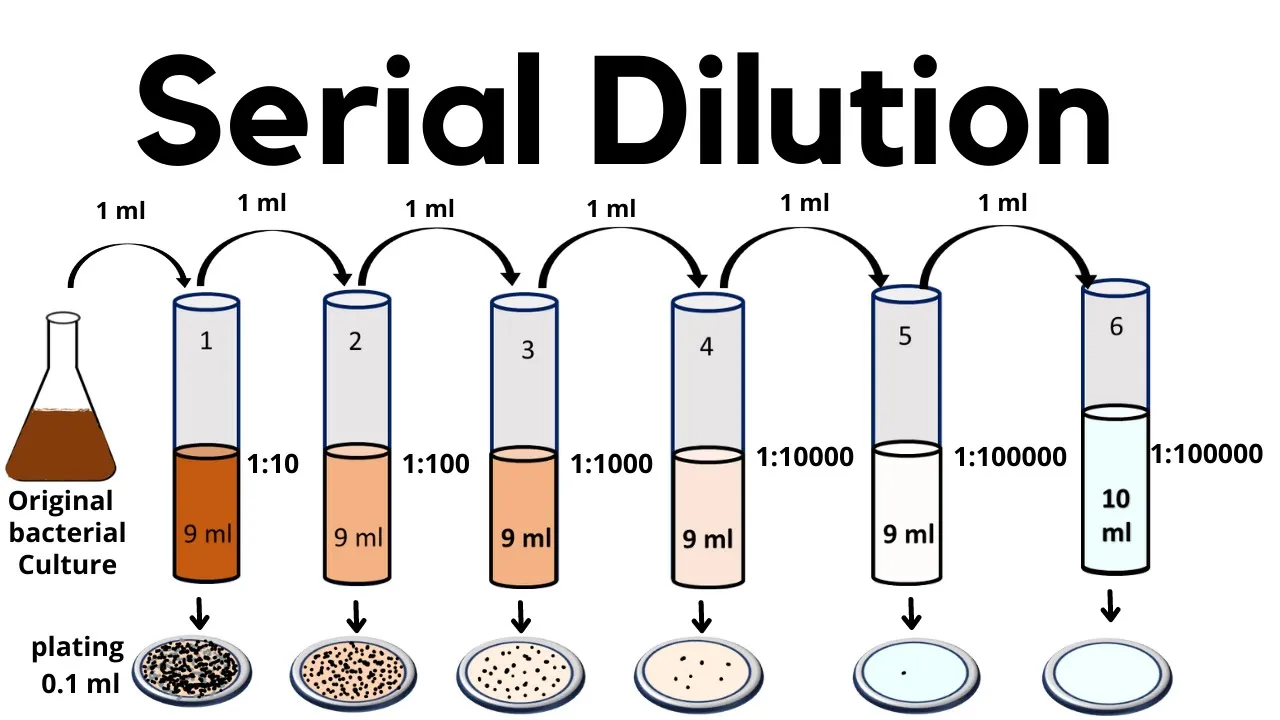

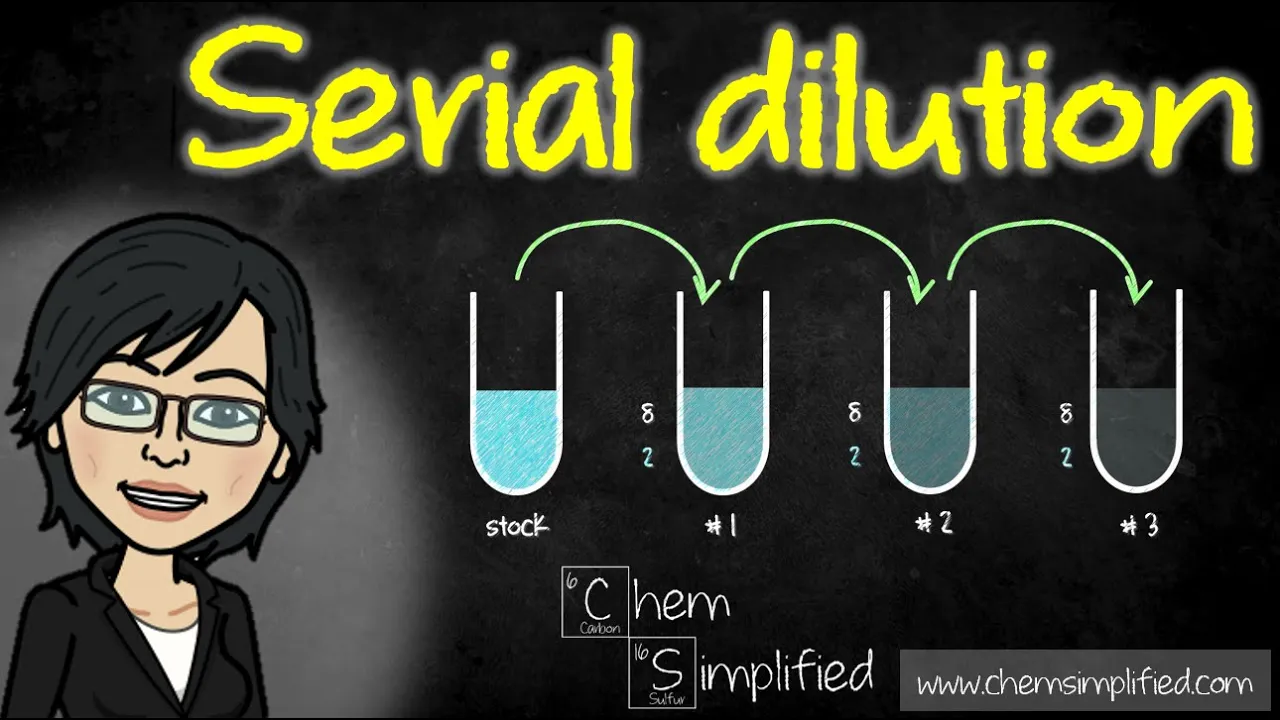








The Prozone effect (also called the hook effect) is a phenomenon in immunoassays where an excess of target antigen saturates all available antibody binding sites on microspheres, preventing the formation of antibody-antigen bridges necessary for signal detection; this results in false negative readings despite high antigen concentrations, and can be mitigated through serial dilution protocols that allow accurate quantification across different concentration ranges.
Understanding the Prozone Effect in Immunoassays: False Negatives
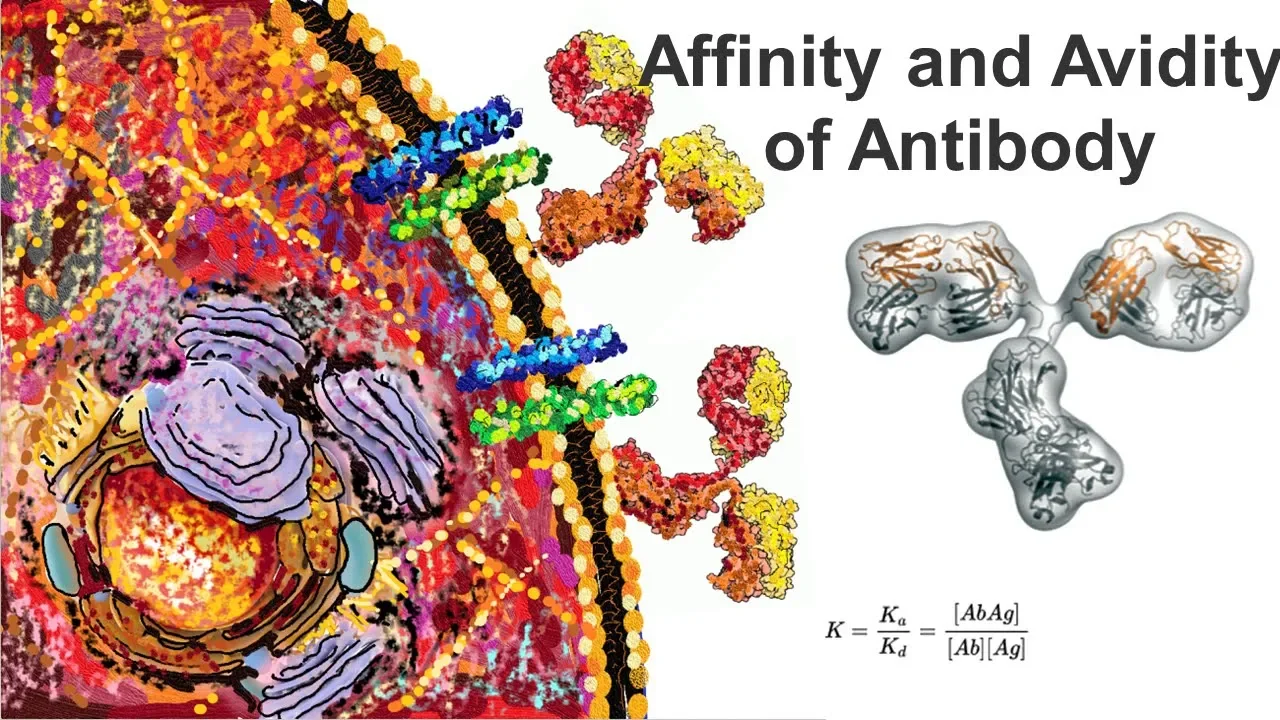
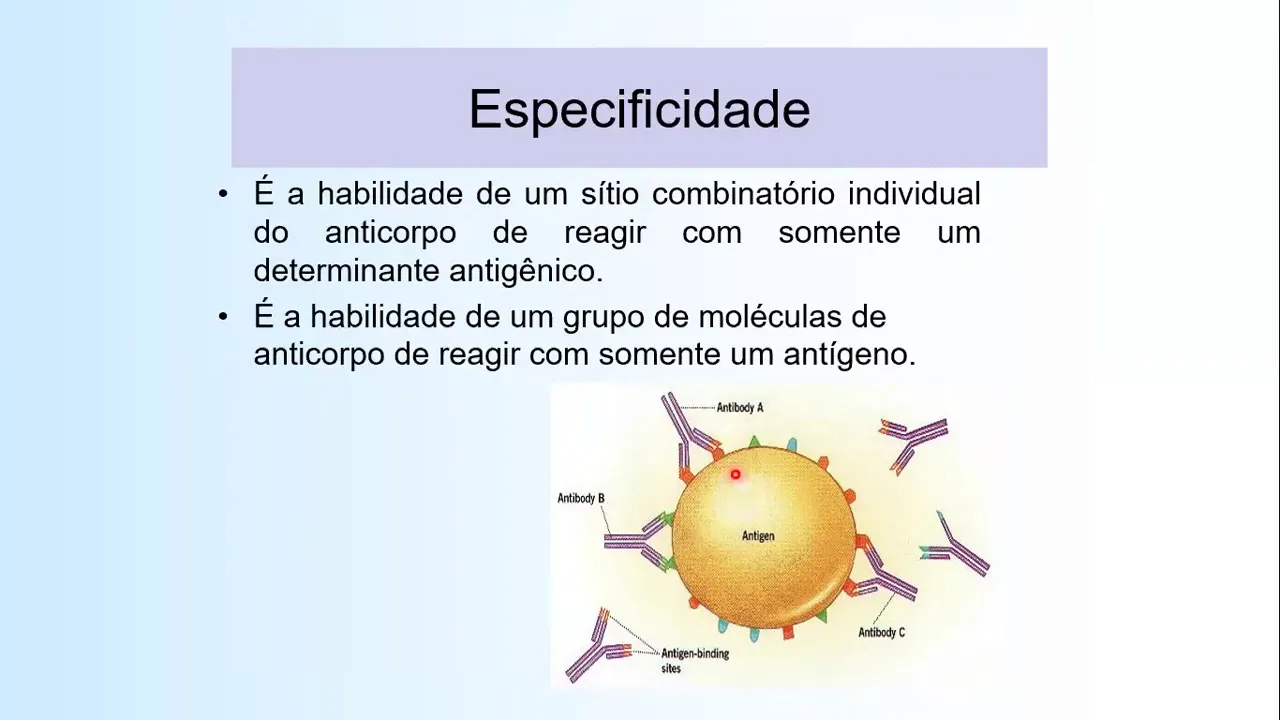
Added:Basic principles of antigen-antibody interactions, including affinity, avidity, and binding specificity.
The mechanics of common immunoassay formats such as ELISA, lateral flow assays, and agglutination tests.
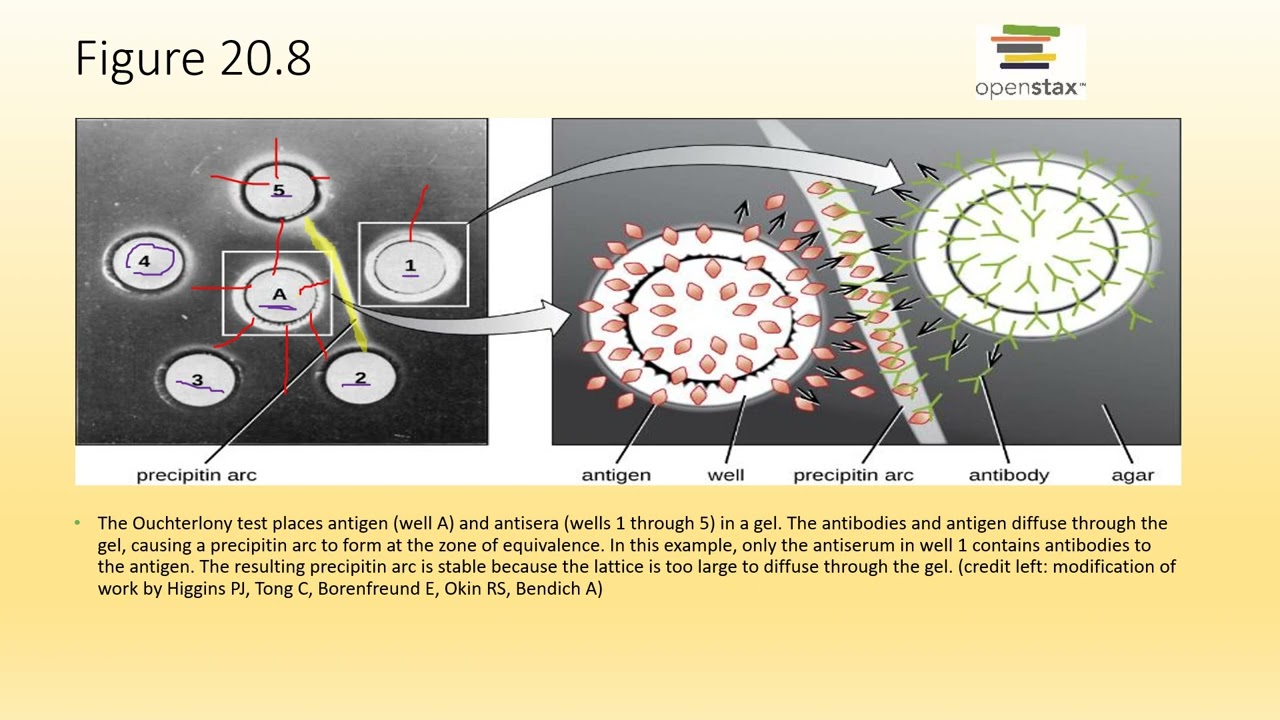
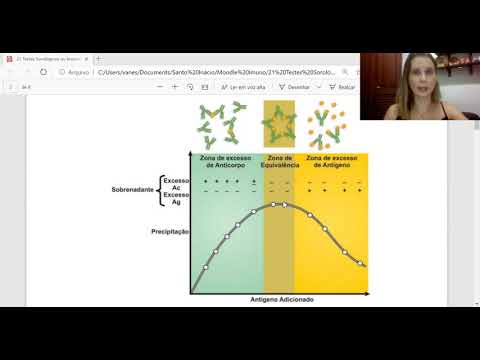
The concept of the Heidelberger-Kendall curve (precipitin curve) and the zone of equivalence.
Fundamental laboratory math, specifically serial dilutions and dilution factor calculations.
Advanced troubleshooting and optimization of assay design to prevent the hook effect, such as utilizing multi-step wash protocols.
Clinical implications of the prozone effect, particularly in high-concentration analyte testing like hCG, prolactin, and tumor markers.
Implementation of automated dilution algorithms in clinical chemistry analyzers.
Comparative analysis of sandwich assays versus competitive immunoassays regarding susceptibility to false negatives.
2.7K views31likes9:25Original Release: 2023-06-26
foreign okey dokey howdy howdy so if you have run any lateral flow Amino assays you may have heard of the hook effect this is something that can happen when you have improperly optimized your assay conditions specifically the ratio of microsphere binded antibodies or antigens whatever your receptor is to the ratio of expected Target ligand in your solution if you if you look uh look it up on YouTube you can find a few videos of of women who have taken pregnancy tests but they got a false negative this is something that can happen if you have a very high amount of antigen it shouldn't be too common because there are protocols to mitigate it but if you're in this field you should know it and understand it so I will be using techno 201 as a reference if you haven't seen the Techno 205 series highly recommend take a look at that document or the videos I did going through the documents they're really good for learning about how to develop a covalent coupling protocol and optimize it Tech notes 201 just goes into a little bit of detail about the microspheres itself and there's a section I'll show you but let's go into the basics first because it's important you understand what's Happening Here so here we have our Target let's say we are let's say we're doing the pregnancy test test so the pregnancy test looks for the HCG hormone in urine and if a woman is pregnant there's going to be a high amount of that hormone now on the y-axis we have our signal on the pregnancy test that is just typically the color the line the intensity of the color being produced They Don't Really um provide a estimated value but you're tweaking your assay to produce a signal once it's passed a certain concentration so that's how that's provided now what you would expect is okay a high concentration of hormone is going to give me a high signal true a low concentration of hormone is going to give me a low signal maybe no signal now while this is true in practice because your signal is being produced based on the clumping of your signaling molecules and that's caused by the immuno agglutination between them the antibody and antigen between them so because that's where you're getting your signal from what actually happens is if you have a very high concentration of your target hormone it actually is going to over saturate The Binding sites so they aren't able to aggregate with other microspheres and create a signal so instead of getting a high signal or even a medium signal you basically get no signal at a very high concentration so instead of having a linear graph like this what you actually get an amino acids typically is something more like this and that's why it's called the hook effect just because it it hooks over so let's go over into techno 201 to look at this in more detail okay so I I just I really like this explanation for it um they do a really good job so here's the figure now condition a this is what you're looking for so here um instead of doing a antibodies binded to the microspheres they're doing the opposite it's fine it's the same thing they've got antigen coated microspheres and antibody and Sample now this is what you're looking for the antibodies are bridging between two microspheres to produce a signal that's what you're working to get what happens if you have added too much antigen to your microsphere when you created the sample so this is situation B and as you can see there's so much antigen on your sample that there's no opportunity to agglutinate because they're so packed closely together the antibodies can just bridge on their own microsphere situation C microspheres with too little antigen so this is just where there's not enough binding sites to create that bridging effect so as you can see these are both irrespective of the amount of Target in your sample these are purely about how much you're adding the next thing is microspheres are too dilute too far apart this is also something that you're working with in your optimization protocol is is how many microspheres do you want so here we have the correct ratio of antibodies and antigens um but they're they're the microspheres are just too far apart they're not getting close enough to interact and then this one here is the one that is called the hook effect and just in my experience it has been it's the most typical one you can run into because you can have a really properly optimized solution regarding the antibody the antigen ratios expected but then if you have a sample with just so much of that Target analyte in there it is going to completely over saturate and this also will create no signal so what I want to tell you and there are different ways to handle this one example could be producing two different batches of microspheres for handling a different range of concentrations but there is a Nifty trick you can also use to handle it so what you can do is use the dilution vertical now this will take longer to analyze but you have your sample one with an unknown amount of your target antigen and then you want to create a dilution of it say 10 dilution and you want to test both of these so that way you can use the signal produced from both samples to create a more accurate estimation of where it would land on your concentration graph so here let me give you a couple scenarios this is going to be okay so here see if you can see if you can figure it out so you're going to test sample one and you get okay let's start easy you test sample one and you get a signal down here then you test sample two you get a signal down here what is that likely that's a negative sample okay let's do another situation you test a sample and you get something here and then you test the next one and you get something here positive sample guaranteed okay third situation you test the first sample you get this you test the second sample you get this yeah so that would be according to the theory of the hook effect most likely that is a positive sample and it's probably a pretty high concentration you could do more dilutions to actually really narrow in on a pretty accurate prediction of the concentration especially if you've already constructed the standard curve which we discussed a little bit before but yeah so this is a quick overview of the hook effect it's a it's a very fascinating phenomenon that you absolutely are going to be seeing in these tests so make sure to take it into consideration please make sure you're optimizing your assays and really taking into account your expected concentration of these Solutions you're looking at you don't want to be putting tests out there that are telling people they're not pregnant when they are this is something that you should be thinking about and really paying attention to when you're constructing the tests okay feel free to ask any questions uh yeah and check out Tech note 201 I will put the link for that one below as well as the 205 videos great resources okay cheers
Up Next

4:31
ECG Heart Rate Calculation: Time and ECG Basics
@ECGTeacher
112K views•2013-07-08

48:47
Graphic Medicine: Comics for Collaborative Healthcare Communication
@nationalpatientadvocate
189 views•2023-12-04

10:28
Neuroanatomy: Central and Peripheral Nervous System Divisions Explained
@AKLECTURES
136.2K views•2014-09-20
3:05
Stages of Labor and Vaginal Birth | Childbirth Animation
@nucleusmedicalmedia
52.1M views•2017-08-18
Related Study Plans & Knowledge Roadmaps
Structured learning paths in Medicine
medicine
Abnormal LFTs: Diagnostic Workup & Pathology
01Liver Anatomy and Basic Physiology
02Introduction to Liver Function Tests (LFTs)
03Hepatocellular vs. Cholestatic Patterns
+ 3 more learning modules
12h6 modules
Explore Roadmap
medicine
Analyzing Blood Smears: RBC, WBC & Platelets
01Introduction to Blood Components & Smear Preparation
02Normal Morphology of Blood Cells
03Erythrocyte Pathologies & Morphological Variants
+ 2 more learning modules
12h5 modules
Explore Roadmap
medicine
Mechanical Ventilation: Waveforms & Alarms
01Anatomy and Physiology of Breathing
02Introduction to Mechanical Ventilation & Core Modes
03Ventilator Settings and Waveform Interpretation
+ 2 more learning modules
12h5 modules
Explore Roadmap
medicine
Neuro Exam: Localization & Stroke Syndromes
01Foundations of Neuroanatomy and Vascular Supply
02The Neurological Examination: Step-by-Step
03Principles of Neurological Localization
+ 3 more learning modules
18h6 modules
Explore Roadmap