











![ECG - Ondas, intervalos y segmentos 1 - [visita mi Podcast y aprende Medicina mientras descansas]](https://i.ytimg.com/vi_webp/x9eABdfwDok/maxresdefault.webp)


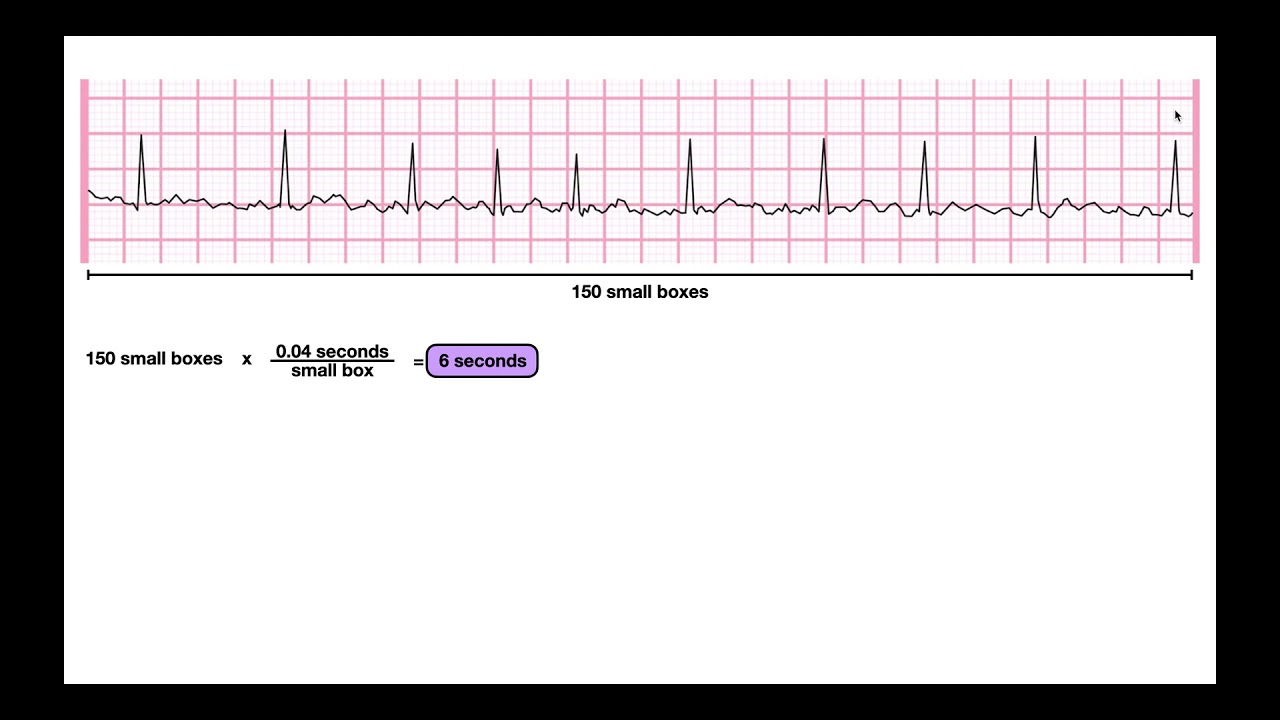






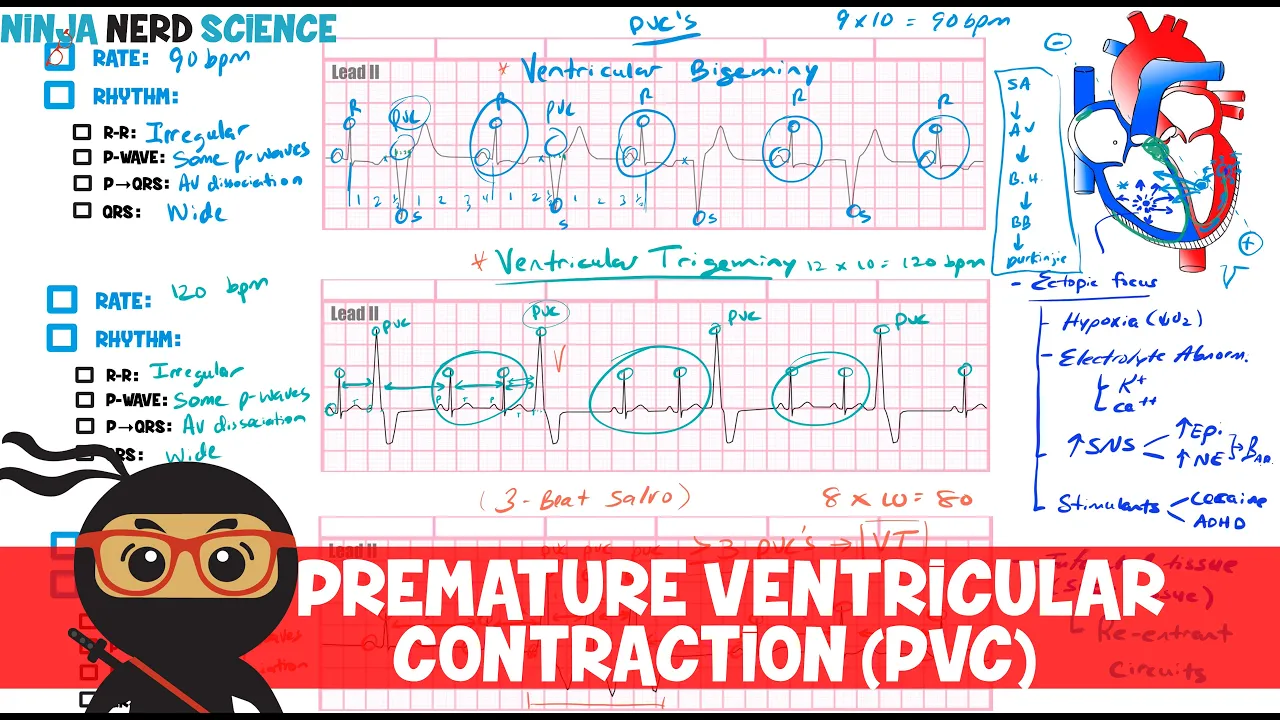






To calculate heart rate from an ECG rhythm strip, use the formula: heart rate = 300 divided by the number of large squares between two consecutive R waves (for regular rhythms), or heart rate = 1500 divided by the number of small squares between two consecutive R waves; for irregular rhythms, count the number of R waves in 30 large squares (representing 6 seconds) and multiply by 10 to get beats per minute.
ECG Heart Rate Calculation: Time and ECG Basics
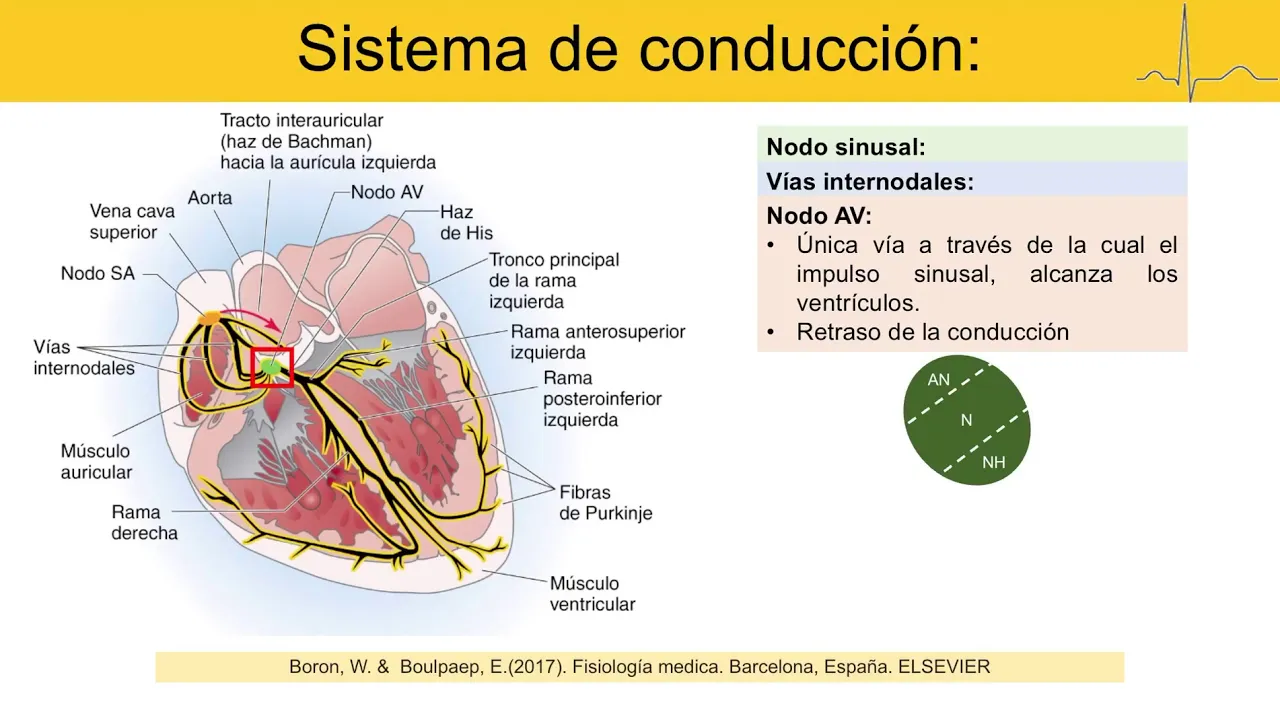
Added:Basic anatomy and physiology of the cardiac conduction system, including the SA node, AV node, and the propagation of electrical impulses.
The fundamental concept of what an Electrocardiogram (ECG/EKG) measures and its clinical purpose.
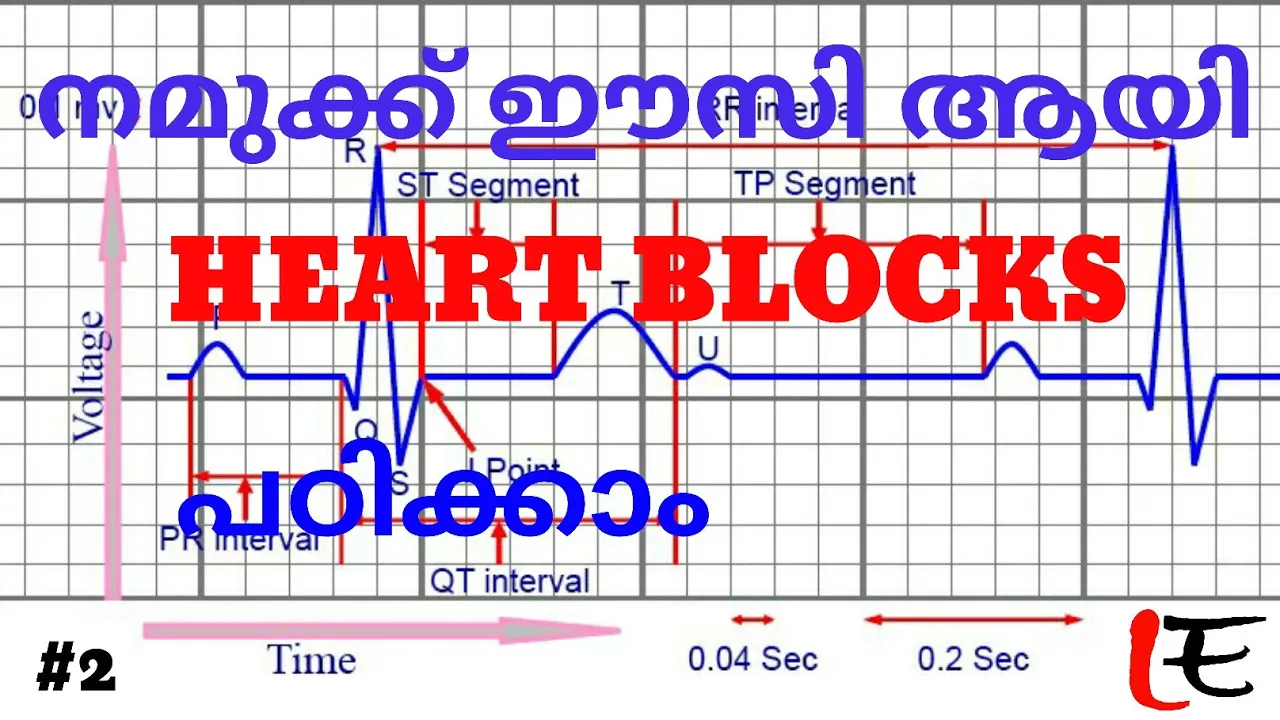
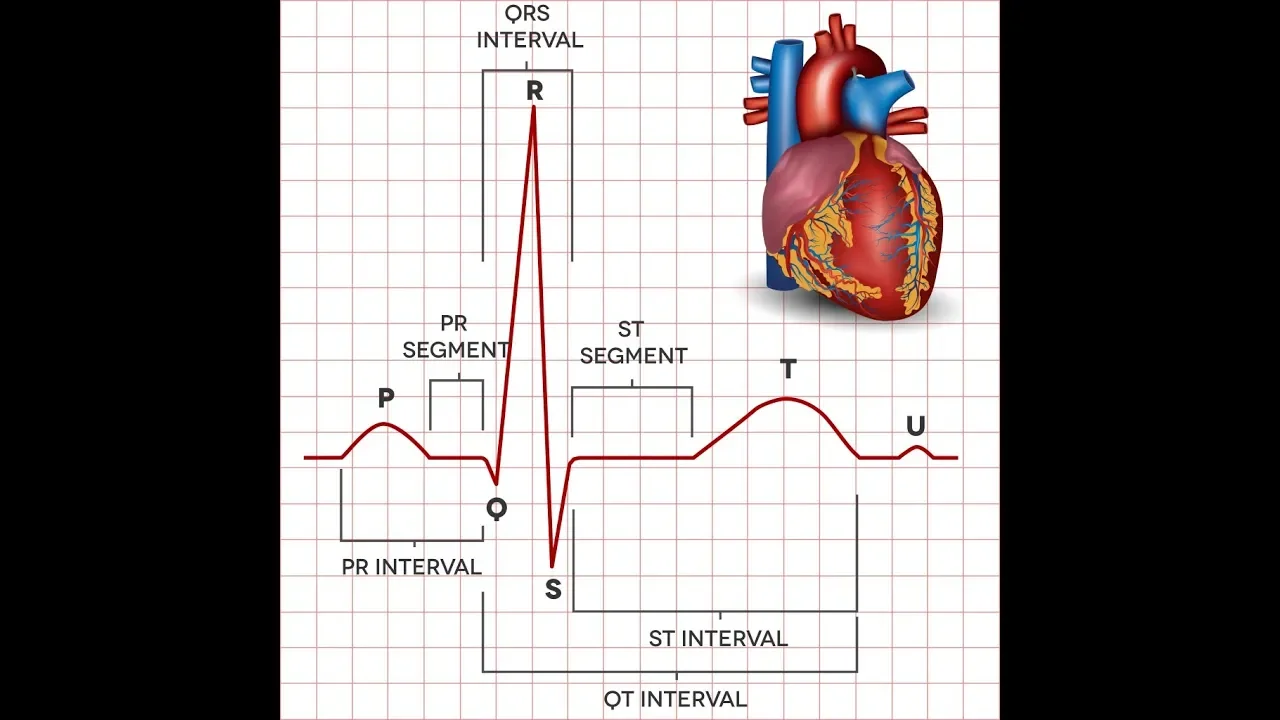
Identification of standard ECG waveforms, specifically the P wave, QRS complex, and T wave.
Understanding the basic calibration of ECG paper, including how standard paper speed (25 mm/s) relates grid lines to units of time.
Mastering the 6-second strip method to calculate heart rate during irregular cardiac rhythms.
Analyzing R-R interval consistency to assess and classify heart rhythm regularity (regular vs. irregular).
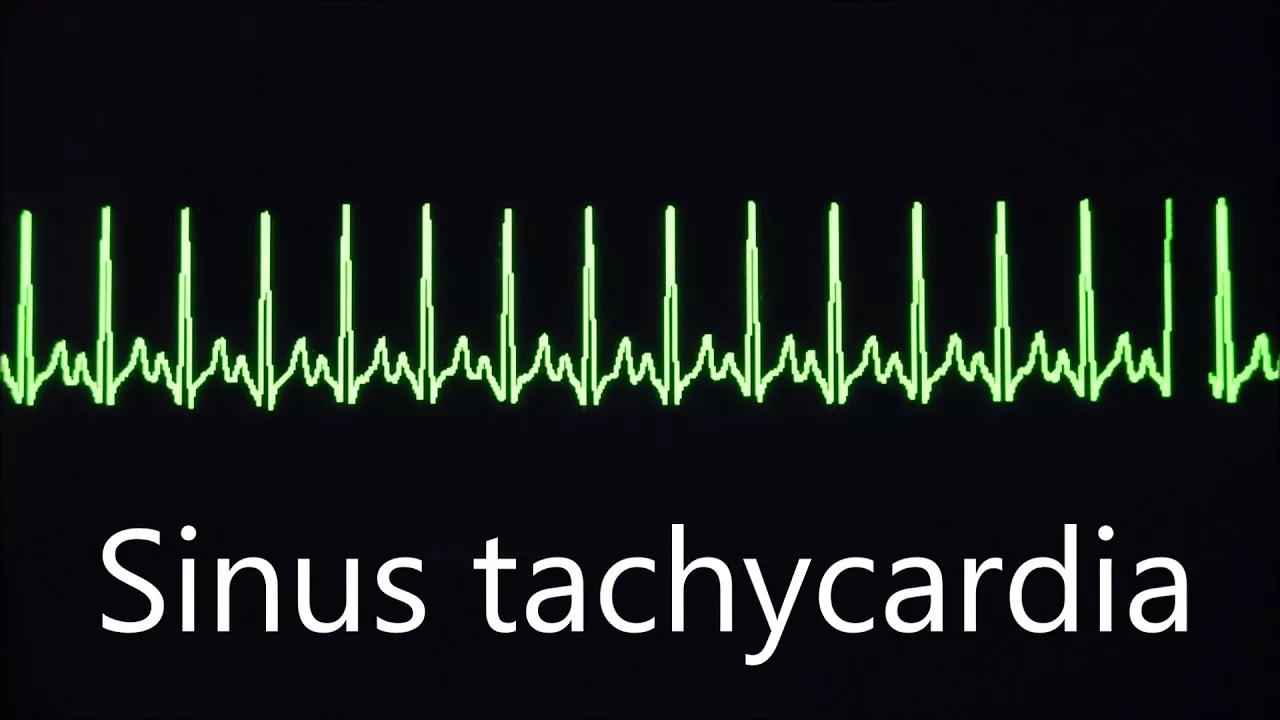
Clinical identification and differentiation of sinus bradycardia, normal sinus rhythm, and sinus tachycardia.
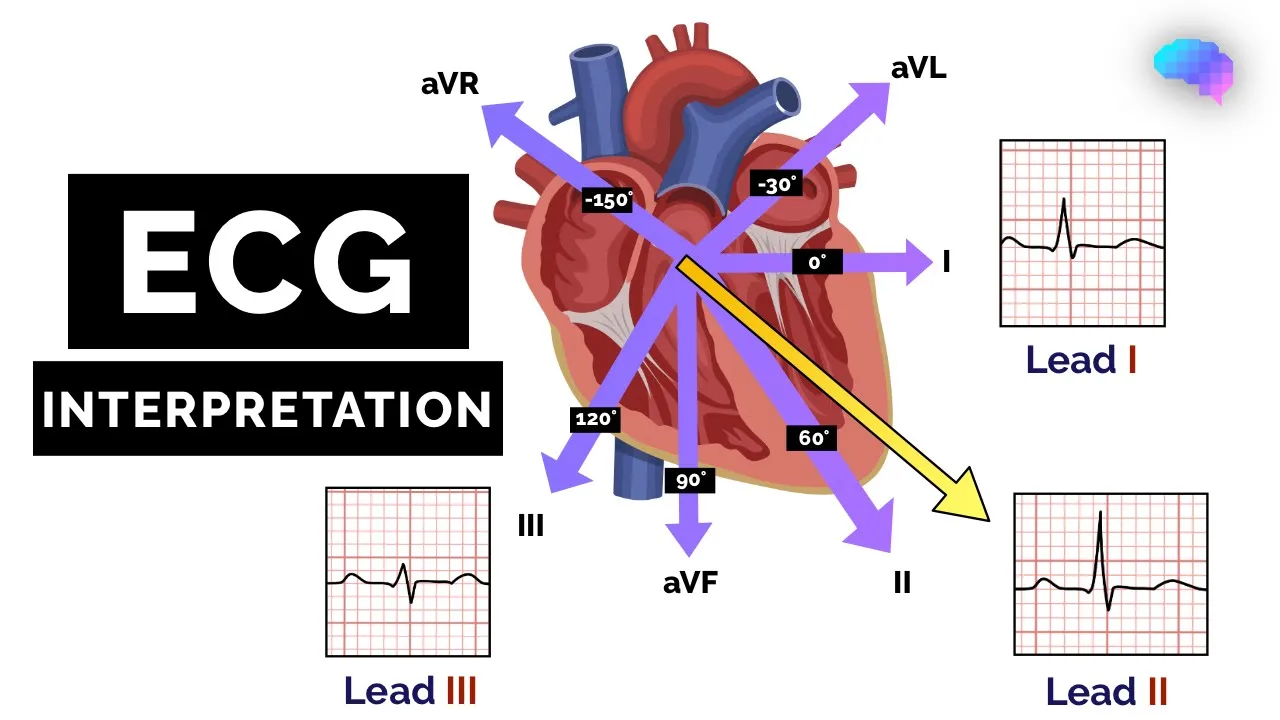
Advancing to full-strip clinical interpretation, including axis determination and recognizing common conduction blocks or ischemic changes.
112K views1.3Klikes4:31Original Release: 2013-07-08
[Music] if you look at the bottom of the ECG readout you will see a long run of recording from lead 2 this is called a rhythm strip we use the Rhythm strip to calculate the heart rate and to diagnose abnormal cardiac rhythms lead 2 is used as the Rhythm strip as it is usually the easiest lead in which to see p waves and as we'll see in subsequent sections identification and Analysis of p waves plays a key role in the diagnosis of Rhythm disturbances on the ECG for now let's deal with the calculation of heart rate ECG recording paper is divided into large squares 5 mm wide and these large squares are in turn further subdivided into small squares each of 1 mm in width for our present purposes we can consider that in all ECG machines the recording needles run at a constant speed over the ECG paper of 25 mm/s if you think about it you will realize that this means that distance on the ECG paper equates to time at a recording rate of 25 mm/s five large squares are covered in one second so 300 large squares represents one minute therefore the number of or waves in 300 large squares is the heart rate in beats per minute look at the Rhythm strip on this ECG there is one or wave present to every five large squares so in 300 large squares there will be 60 or waves present this patient's heart rate is therefore 60 beats per minute generalizing we' found a simple method for calculating heart rate from an ECG Identify two or waves on the Rhythm strip count the number of large squares between them then take this number and divide it into 300 provided the heart rhythm is regular this method gives you an accurate heart rate in beats per minute you will also appreciate that as 300 large squares equates to one minute and as there are five small squares in each large Square 1500 small squares also equates to 1 minute using exactly the same logic as before therefore we can also calculate the heart rate by counting the number of small squares between two consecutive or waves and dividing this number into 1500 this is useful when as Illustrated on this ECG the or waves do not fall on a set number of large squares in some cardiac arrhythmias which we will discuss later the heartbeat is not regular and in fact in many Normal Hearts as Illustrated here the heart rate is somewhat irregular due to a phenomenon termed sinus arhythmia you will remember from physiology that this is a completely normal variant with the heart rate slowing during expiration and speeding up during inspiration we cannot use the r r interval technique to calculate heart rate in this case as the r or interval varies when calculating the heart rate from an ECG in the presence of an irregular Rhythm count out 30 large squares now remembering that five large squares equates to 1 second 30 large squares corresponds to 6 seconds count the number of or waves in these 30 squares in this case there are seven 7 beats in 6 seconds gives a heart rate of 70 beats per minute [Music]
Up Next

20:36
ECG Basics: Waveforms, Intervals, and Heart Blocks
@NinjaNerdOfficial
1.4M views•2017-03-08

48:47
Graphic Medicine: Comics for Collaborative Healthcare Communication
@nationalpatientadvocate
189 views•2023-12-04

10:28
Neuroanatomy: Central and Peripheral Nervous System Divisions Explained
@AKLECTURES
136.2K views•2014-09-20
3:05
Stages of Labor and Vaginal Birth | Childbirth Animation
@nucleusmedicalmedia
52.1M views•2017-08-18
Related Study Plans & Knowledge Roadmaps
Structured learning paths in Medicine
medicine
Abnormal LFTs: Diagnostic Workup & Pathology
01Liver Anatomy and Basic Physiology
02Introduction to Liver Function Tests (LFTs)
03Hepatocellular vs. Cholestatic Patterns
+ 3 more learning modules
12h6 modules
Explore Roadmap
medicine
Analyzing Blood Smears: RBC, WBC & Platelets
01Introduction to Blood Components & Smear Preparation
02Normal Morphology of Blood Cells
03Erythrocyte Pathologies & Morphological Variants
+ 2 more learning modules
12h5 modules
Explore Roadmap
medicine
Mechanical Ventilation: Waveforms & Alarms
01Anatomy and Physiology of Breathing
02Introduction to Mechanical Ventilation & Core Modes
03Ventilator Settings and Waveform Interpretation
+ 2 more learning modules
12h5 modules
Explore Roadmap
medicine
Neuro Exam: Localization & Stroke Syndromes
01Foundations of Neuroanatomy and Vascular Supply
02The Neurological Examination: Step-by-Step
03Principles of Neurological Localization
+ 3 more learning modules
18h6 modules
Explore Roadmap