














![[최적][생활과윤리] 2017년 고3 10월 모의고사 해설강의](https://i.ytimg.com/vi/KxCN4Q5TKkE/maxresdefault.jpg)







The Honorable Harvest is a set of Indigenous guidelines for ethical consumption that teaches humans to approach the Earth with respect and reciprocity, including asking permission before taking, taking only what is needed, using everything taken, causing minimal harm, practicing gratitude, and sharing with all beings; these principles offer a pathway to sustainability by reframing our relationship with nature from one of exploitation to one of mutual care and gift-giving.
Indigenous Wisdom for Sustainability | Robin Kimmerer
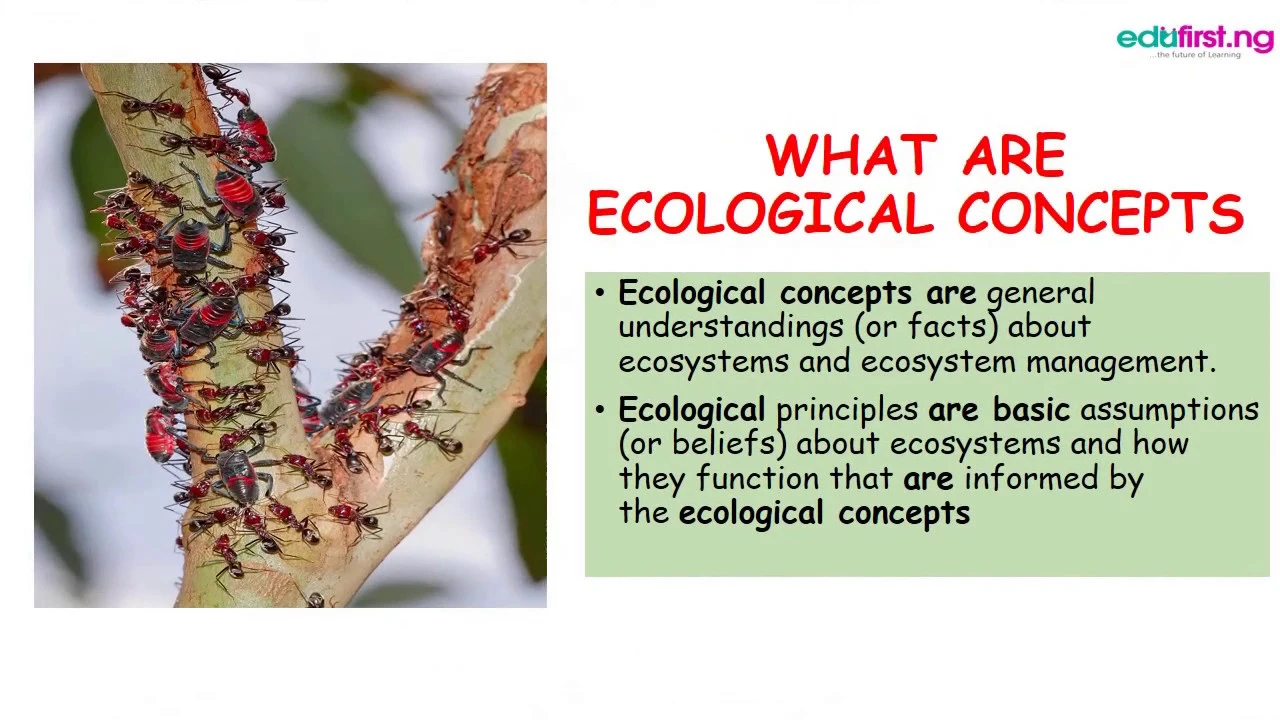
Added:Basic Ecological Concepts: Understanding ecosystem dynamics, biodiversity, and the interdependence of living organisms.
The Concept of Sustainability: Familiarity with standard environmental sustainability definitions, resource management, and the ecological footprint.
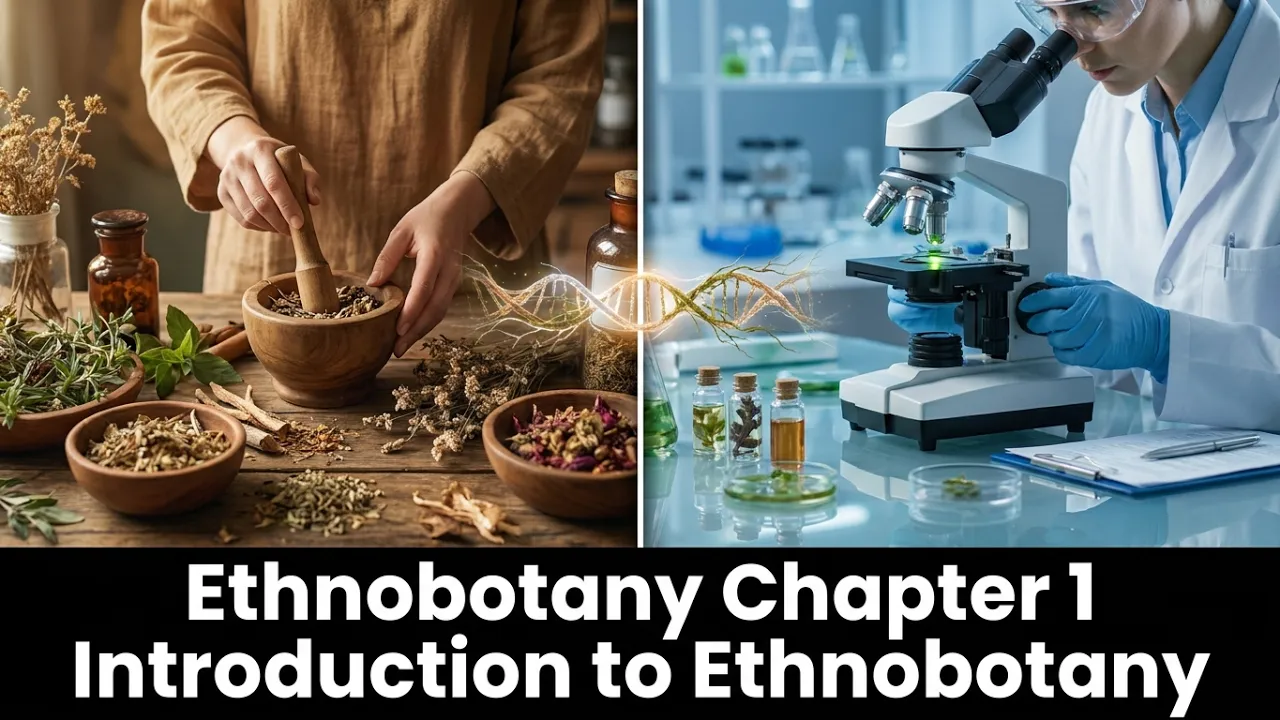
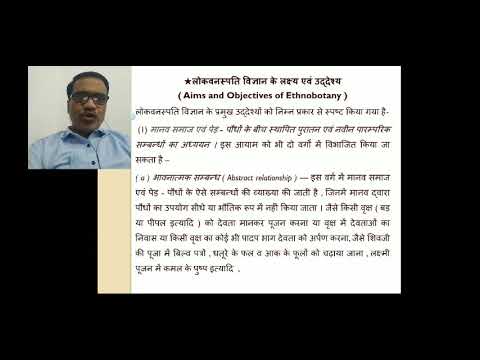
Introduction to Ethnobotany: Awareness of how different cultures historically and scientifically interact with and utilize plant species.
Contrast between Anthropocentric and Biocentric Worldviews: Understanding the difference between viewing nature as a commodity resource versus a community of living subjects.
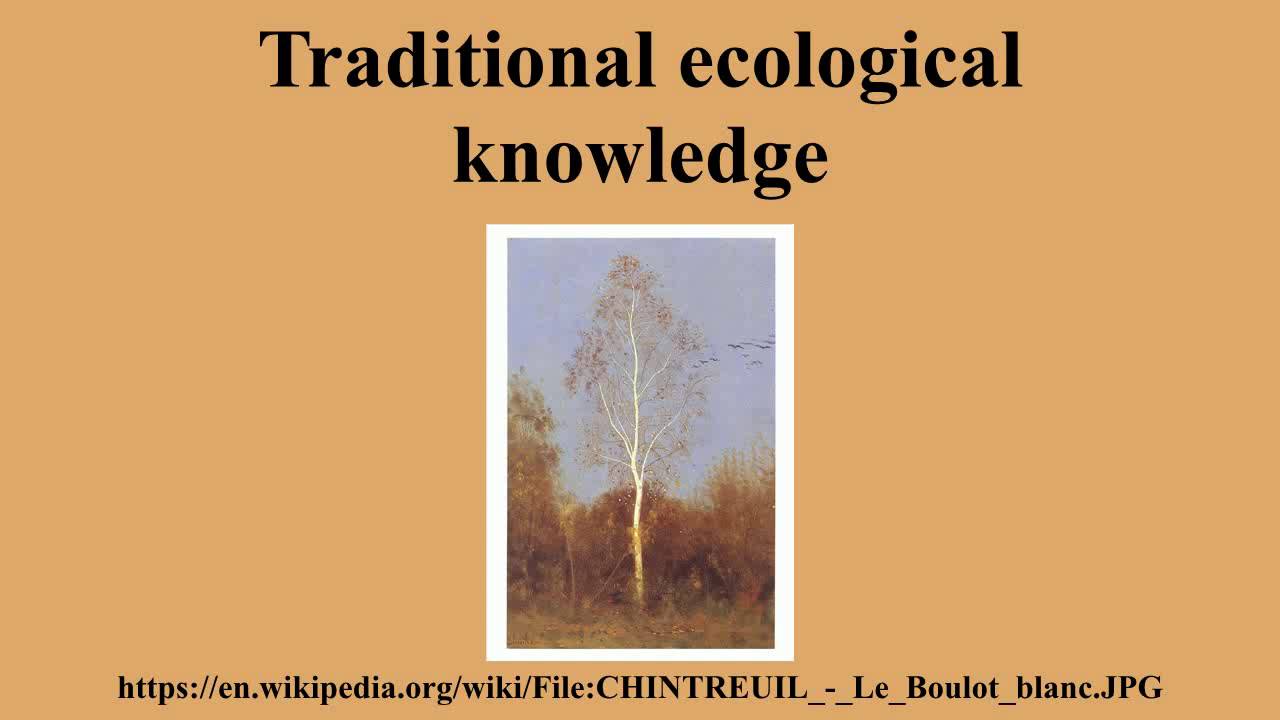
Traditional Ecological Knowledge (TEK): Exploring how indigenous empirical knowledge is formally integrated with Western scientific methodologies in modern conservation biology.
Deep Ecology and Environmental Ethics: Analyzing the philosophical frameworks of reciprocity, gratitude, and moral responsibility toward the non-human world.
Restorative Justice and Land Stewardship: Examining case studies of indigenous-led conservation efforts, regenerative agriculture, and land back initiatives.
Application to Sustainable Consumerism: Designing practical frameworks to apply the principles of the 'Honorable Harvest' to modern daily consumption, supply chains, and resource extraction.
92.8K views1.5Klikes17:58Original Release: 2012-08-18
[Applause] [Music] greetings my name is light shining through skyw I'm of the Pari Nation member of the eagle Clan and the bear my ancestors are Anish the original people and zag the newcomers I'm a mother a daughter a sister an auntie who could want anything more but I have a confession to make I wish that I could photosynthesize to make food out of light and water to make medicines and give them away for free to do the work of the world and for the world while standing silently in the son but I can't I'm not an autotrof a producer but a heterotroph I'm an animal I'm destined by my biology to be a consumer I must take from the world in order to live but if I could photosynthesize I would make berries in the parari language we call these beautiful berries OD the heart Berry we acknowledge them as the leaders of the Barry people for they're the first to give us their fruits in the summer in the language I was born to we call them strawberries and in the language I've learned as a scientist we call them by the Latin binomial fageria virginiana and in all three languages they are so sweet I'm a scientist a PL ecologist and also a student just a beginner of our traditional teachings my understanding of the word World lies at the intersection of two great ways of knowing between science and Indigenous knowledge and in scientific ways of thinking these berries are the reproductive structures of a distinct species a vital component of the food web in indigenous ways of thinking we recognize them as the berry people who are persons nonhuman persons with their own intrinsic roles in the Democracy of species these are sovereign beings with their own intelligences their own wisdom their own responsibilities berries as persons in some Nations as you know the rights of all species are enshrined in the Constitution because they are people in US law corporations are granted the status of people while berries are without any right at all I ask you what Corporation gives you wild strawberries on a summer morning by any measure when you put one in your mouth you know that wild strawberries are a gift all wrapped in red and green the natural world is a source of gifts not Commodities but gifts berries are given to us by the plants themselves in fact in our language the patami word for Berry Min is very closely related to our word for giving gifts Min giving a gift is to be as a berry how we think about our relationship to The Living World matters deeply it is our moral imagination that will shape our futures as much as any technology or policy when something is understood as a gift instead of a commodity a door opens an opening to the potential for reciprocity and much of mainstream culture has chosen to see the Earth as property but we we could choose differently we you and I together we could choose to live in a world made of gifts and as human people we are showered daily with gifts from Shak MC Mother Earth and the question we face as non-photosynthetic lamentably beings is how do we respond to the gifts of the Earth how can we be ecological consumers as we must in a way that honors those gifts we have only to look around us at the wounds we have inflicted on the earth to know that we don't yet have that answer and where will we find a teacher for this most pressing question of our time when our actions have brought creation to the brink of a massive ways of Extinction when we stand at the edge of of a climate precipice and in my culture plants are known not only as people but as our teachers our oldest teachers after all they've been here far longer than we have they know how to fulfill their responsibilities while we human people are still trying to figure it out they know how to build soil recycle water create homes for Endless other beings they give us the very air we breathe they know how to make berries out of light we might do well to listen and if berries are our teachers what are they telling us in our ceremonies we honor the berries by passing them in a bowl for everybody in the circle to share and they remind us of the teachings known as The One Bowl One spoon that the Earth is as one bowl filled with everything that we need a bowl with finite capacity when it's empty it's empty and there's just one spoon the same one for all of us for humans and for the more than humans alike there cannot be a teaspoon for some people and a power shovel for others so say the berries indigenous science and philosophy is a rich source of wisdom for the challenges we face in the future and I've had the gift of wonderful teachers who have shared with me me and it's now my responsibility to share with you on behalf of the plants and one of our oldest on nnab teachings the prophecy of the seventh fire tells us that one day all of the people of the Earth the indigenous as well as the newcomers are going to come to a fork in the path on this land one of those paths is soft and green you could walk Barefoot on it the other one is black and burnt and the cers would cut your feet we're told that in order to choose the path of life in this time of the seventh fire instead of walking forward we should first turn around and pick up what our ancestors have left behind for us gather up the teachings and then we'll be prepared to find that soft Green Path and among the lessons are ones that come from the simple Act of berry picking when we go out picking we are asked to abide by The Honorable Harvest it's a set of Unwritten guidelines for taking from the earth since we can't photosynthesize and now in an increasingly urbanized Society few of us are lucky enough to go out picking wild Foods our food comes from the grocery store or so we think that's nonsense of course ultimately everything that we consume comes from the earth we are still a subsistent species so the philosophy of how we all pick berries has relevance to everything that we consume whether directly from the land or in the marketplace whether we're picking berries or a new computer the philosophy and practice that govern consumption in a beautiful world made out of gifts goes something like this when you get to the meadow you just don't start grabbing everything in sight we are taught never to take the first plant that we see it might be the last and then we ask permission I've been taught to address that plant to give it my greetings and thanks and to explain why I need these berries ask if I might have some and I know there are certainly places where if you talk to a plant they would call you crazy but in a worldview that regards them as people it's just good manners it's a two-way conversation though if you're going to ask you have to listen for the answer listen in different ways look around and see whether the plants are numerous and healthy whether they have enough to share and if the answer is no you go home for we remember that they do not belong to us taking without permission is also known as stealing so say the berries if you are granted permission then take only what you need and no more use everything that you take it's disrespectful of a life that has been given to you to waste it take in such a way that does the least harm and in a way that benefits the growth of the plant don't use a shovel when a digging stick will do so say the berries be grateful in an economy which urges us to always want more and more the practice of gratitude is truly a radical act thankfulness makes you feel rich beyond measure when wealth is counted as having enough to share and the next tenant of The Honorable Harvest is to share it with humans and more than humans alike this is the teaching of the berries The Honorable Harvest is a pathway to sustainability but we know what a slippery word that is Carol Crow an Algonquin biologist I know was going to a conference on sustainable development and the elders in her community asked her what that was she offered the standard definitions of sustainability a means of consuming the resources of the Earth in such a way that we do not impair the ability of the earth to provide the same resources to Future Generations sounds good right her Elders were very quiet and finally one of them said it sounds to me like they just want to keep on taking from the earth don't they understand that you can't just take you go to that conference and you tell them that in the way of our people the first thing we think of should be what can we give I was taught to reciprocate berries with a gift of my own it might be leaving a gift of Honor or a gift of care like scattering the seeds or planting the little ones back in the ground so that the plants will flourish after the Harvest I would add one more thing to this list defend them fiercely love them so much you will not let them be lost this is how we pick berries this is how indigenous environmental philosophy deals with the question of what is our responsibility in return for the gifts of the earth and I ask you to consider these teachings from the berries and carry them Beyond The Berry Patch imagine social political economic decision-making based on the honorable Harvest imagine a land developer I like to do this eyeing a prime parcel of Woodland for a Housing Development what if he had to ask permission of the forest before converting it to Pavement what if he had to abide by their answer what if he were mandated to take only what was needed and to give something back in return we have chosen the policies that we live by and we can choose again I'm told that there is an even older teaching old old ER and more fundamental than take only what you need and it's take only that which is given to you think about it we already know this we would not walk into our grandmother's house and start rifling through her cupboards looking for cookies and just take what we want that would be Unthinkable we wait until she offers us cookies on her favorite China plate and yet as a society we take indiscriminately from the earth whatever we want we live live in the house of Grandmother Earth we should behave accordingly take only that which is given to us is a pretty challenging ethical and practical problem some things seem obvious berries clearly give themselves to us with lures of sweetness and color they beg us to pick them and by eating them up and dispersing their seeds we are returning the gift both berries and Berry Pickers benefit by the transaction they remind us that all flourishing is mutual and if berries can evolve systems of reciprocity why not us can we extend the concept of The Honorable Harvest to address the environmental challenges that we face today coal from mountaintop removal that is not given to us tar Sand's oil that destroy the land is not given to us Shale gas from hydrofracking that poisons water so we can have more things to throw away is clearly really not given to us but the sun's energy is given to us every day every day the wind blows and the surf rolls these are given to us freely and Limitless in Supply although not without their own cost take only that which is given could be a key part of a sustainable energy policy we human people have a moral obligation to the Future to our grandchildren and to the Earth herself and that obligation seems so difficult to exercise when we're made to feel powerless by the actions of multinational corporations big money unresponsive political systems but you and I we are not powerless the teachings of The Honorable Harvest did not disappear with the Buffalo they are even more compelling now as then we may not be able to directly stop a mining company or the poisoners of water but we do have control over our own honor we can reclaim the ethic of The Honorable Harvest we can choose to ask permission and listen to the answer we can choose to take only what we need and to use respectfully whatever we have taken we can choose not to consume things which are dishonorably harvested we can follow the lead of the berries and demand that our economic system be aligned with ecological laws and human values we could choose to be grateful recipients instead of mindless thieves and in this way you and I together can live with honor and sustain the lives of those that sustain ours our honor requires us to educate motivate and activate activate each other to reject business as usual business which is stealing possibility from humans and bears and salmon and berries alike when as individuals we act with honor we can create a social movement more powerful than corporations we set our feet on a path to create what beloved Clan mother audri shenendoa called Justice not only for ourselves but Justice for All of creation for the bowl of berries which is the Earth to be refilled we must also reclaim our roles as givers to the Earth we say that gifts and re responsibilities are two sides of the same coin birds were given the gift of song so it's their responsibility to greet the day stars were given the gift of Sparkle and therefore the duty to guide our way at night what are our gifts as human people we can't fly we can't breathe underwater we can't even photosynthesize we have have the gift of choice of story of gratitude of Love of hands that make ingenious tools and transformative art we can put our hands into the Earth restoring the damage that we have done healing the land the way the plants have shown us to it's not the land that's broken but our relationship to land we can heal that you and I together it starts by ask asking ourselves what will I give in return for the gifts of the Earth in return for the gift of berries in return for the privilege of breath me m
Up Next

70:13
First Nations Climate Justice Panel: Indigenous Leadership & Solutions
@ClimatecouncilOrgAu
3.9K views•2021-04-29

12:54
Triumph of Orthodoxy Icon: Byzantine Art & History Explained
@BenCallan
2.1K views•2024-08-06

11:43
Indigenous Astronomy: Rethinking Space Ethics | Karlie Noon TEDx
@TEDx
15.1K views•2025-11-30

1:42
Game of Thrones Opening Credits: A Cinematic Analysis
@gameofthrones
46.3M views•2011-04-18
Related Study Plans & Knowledge Roadmaps
Structured learning paths in General & Interdisciplinary Studies
general-studies
Elevator Engineering: History, Physics & Cities
01From Hoists to Safety Brakes: The Dawn of Vertical Lift
02Hydraulic vs. Traction: The Engineering Physics of Elevators
03Modern Speed, Safety, and Algorithms
+ 2 more learning modules
12h5 modules
Explore Roadmap
general-studies
Rubber: Material Science, History & Geopolitics
01Origins of Natural Rubber & Mesoamerican History
02The Chemistry of Natural Rubber & Vulcanization
03The Geopolitics of the Rubber Boom & Colonization
+ 2 more learning modules
12h5 modules
Explore Roadmap
general-studies
Containerization: Evolution, Logistics & Trade
01Ancient Trade & Bulk Cargo: Amphorae to Barrels
02The Industrial Revolution & Cardboard Packaging
03The Containerization Revolution: Malcom McLean
+ 2 more learning modules
12h5 modules
Explore Roadmap
general-studies
Textile Tech: Evolution, Labor & Global Impact
01Pre-Industrial Textiles: Handloom & Cottage Industry
02Mechanization: The Spinning Jenny to the Power Loom
03The Factory System & Global Labor Transformation
+ 2 more learning modules
10h5 modules
Explore Roadmap