










![🎨Diseño de Sonido - #20: Foley [CURSO COMPLETO] - Tutorial Sound Design](https://i.ytimg.com/vi_webp/TcERP3rk1L0/maxresdefault.webp)








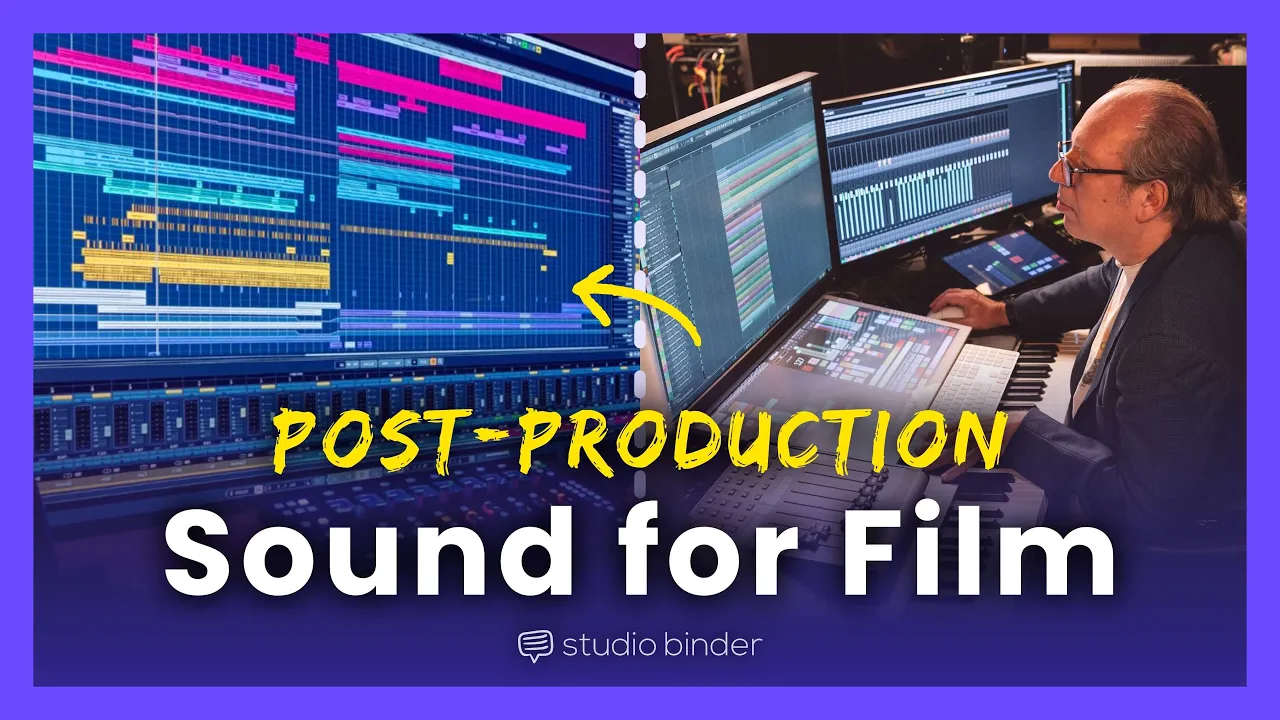
Cinematic sound design transforms videos from visual-only experiences into immersive sensory journeys through five key steps: (1) Planning by analyzing footage to understand its mood and atmosphere before adding sounds; (2) Adding ambient sounds like wind or traffic to establish the environment and create a sense of place; (3) Incorporating score sounds such as strings or piano to evoke emotions and guide the audience's emotional journey; (4) Layering foley sounds like footsteps or car noises to add realism and capture details missed during filming; and (5) Using whooshes and risers to make cuts seamless, emphasize actions, and build tension. The key principle is that sound should complement and enhance visuals rather than distract from them, creating a cohesive audio-visual experience that resonates with the audience's emotions.
Fundamentals of Cinematic Sound Design: A Practical Guide
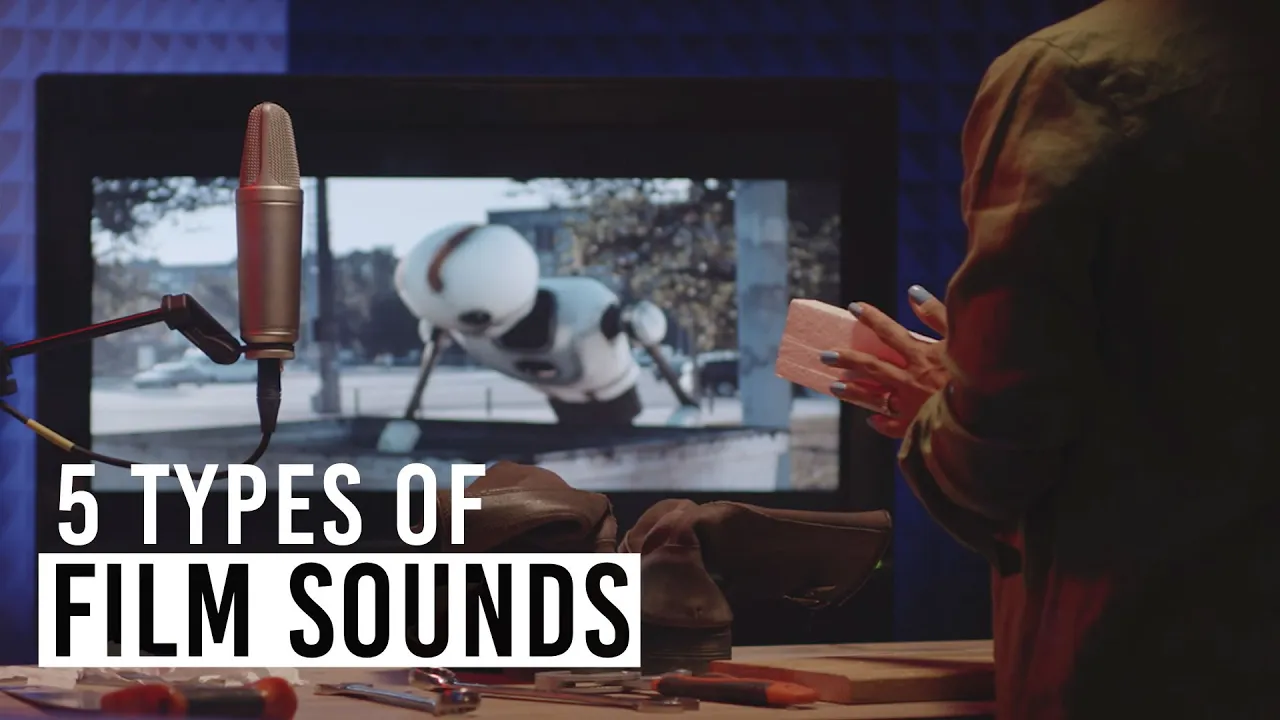
Added:how to sound design how to make your videos to not only look but feel cinematic in this video we are gonna go over five simple steps to create an immersive soundscape from scratch before we start you need to understand the importance of sounding videos and why they play such a vital role when it comes to creating an experience for reviewing imagine a night City Escape glimmering lights of tall buildings now gently close your eyes and let the audio experience take effect on you in the distance you can hear the low harming of a bike engine as it winds its way to the urban Cannon listen as the sun gets closer elements precisely chain sound effects are the very essence of the sound design they not only complement the visuals but transform them into an experience it connects you to the moment in a way that visuals alone could never do this is why someone plays such a crucial role in making videos more cinematic they don't only support your visuals they enhance them now let's come to how to actually create a massive soundscapes Step 1 planning the first thing to do is carefully watch and understand the footage you have pay attention to the feelings and atmosphere the video creates knowing this will help you pick the right sound effects many creators make the mistakes of rushing into editing and adding random sound effects that don't really match the scene so take your time you can write down notes with a pen and paper on your computer to break down a video part by part this helps you see what's happening and what sounds could fit well by analyzing the videos like this will make sure the sound effects you choose actually work with what's going on this planning process helps the sounds blend natural with the visuals creating a better overall experience for anyone watching and listening let's watch the video without any sound just the music and add this sound design afterwards [Music] foreign [Music] [Music] video an exciting ending it's important to consider the impact of limited content the video short duration unexpected conclusion might create a sense of surprise or curiosity since the ending is approved choosing sounds effective emphasizes awardness or an Added Touch of mystery could enhance the overall effect it's crucial to a line of chosen sound effects with the video's pace and mood amplifying the unexpected nature of the ending and leaving a lasting impression on the viewer by closely matching the sound effects to the visuals you can ensure that even move your shot in a real video the audio complements the story you're telling now that we have the basic reps of the video structure the mood and conveys And the emotions the visuals evoke were better equipped to proceed this understanding provides a weapon Foundation to make thoughtful decisions about sound effects that will align with the video's flow enhance its mood and resonate with the audience emotions it's a calm slow paced vehicle increase speed and momentum at the end to make the sound design fit into the scene we want to incorporate this concept into the sound design calm peaceful and atmosphere which leads me to step two Ambient sound in general I like to start with ambient sounds ambient sounds are the background sounds present in particular environments these sounds are not the primary focus of attention but contribute to the overall dollar to experience of the space alien sounds can include a wide range of natural or artificial noises such as wind rustling fruit trees distant traffic dirt or water flow these sounds help create a sense of place and can impact the mood atmosphere and perception of the setting in this short sequence we are fortunate to have a specific Ambient sound that seriously fits all 5 Clips a gentle arctic cold wind by introducing this Ambient sound the visuals gain an added layer of depth and realism it's crucial to note that our goal is to maintain a sense of calm peacefulness and atmosphere this chosen ambient some contributes to that atmosphere and adds to the overall Tranquility it's essential to be cautious about changing the enemy and sound as it could potentially disrupt the vo's experience and cause unintended discomfort our aim is to create a soothing and immersed scene that resonates with the audience's senses and emotions step 3 score sound cinematic score sounds play a significant role in evoking emotions setting your tone and guiding the audience's emotional Journey Through The Narrative they can create tension and suspense by utilizing strings or other instruments to create an atmosphere of suspense tension and anticipation these scores keep the audience on the edge of their seats during thrilling or mysterious scenes there are also sad score sounds slow and more info Melodies with somber instrumentation can evoke emotion of sadness and loss these scores accompany poignancies emotional Fairways or dramatic turning points cinematic score songs are carefully crafted to synchronize with the visual elements and enhance the overall storytelling creating a pole awful emotional connection between the audience and the narrative unfolding on screen in this particular scene introducing a skull sound might not be suitable given a dominant presence of the piano music track the piano music plays a pivotal role in creating a sense of corners and introducing a separate score sound could disrupt this delicate balance the existing piano track contributes significantly to the over atmosphere and adding another layer of sound could potentially detract from the intended feeling of Tranquility it's important to preserve the emotional impact of the piano music and maintain your Ambience that it established throughout the sea if there were no music I would add a score sound sounding like this for underline the overall atmosphere step 4 following sounds now let's add another layer of realism to the footage before we sense foil sounds are a type of audio production technique used in filmmaking but realistic and naturalistic sounds to a scene such as footsteps dog foods and much more falling sounds are crucial in making scenes come to life as they capture the details that might not have been captured effectively doing original filming or I need to be emphasized for storytelling purposes for that we go through each shot and note down which realistic sounds we might hear if we were in a scene and my personal opinion in short one we don't need any extra Foley sound the wind does its job what we could add is a drone humming sound which we could use throughout the sequence as they all shot with a drone let's just make sure that the sound remains subtle and soft in the background because this sound is only supposed to contribute a small Nuance to the overall impression in Shot 2 we have a moving car adding a car sound just makes sense shot Free Shadow and decent footsteps make your audio experience richer shot 4 doesn't need any extra Foley but for top 5 we can incorporate some speed sounds with 40 sounds we can make each shot appear more realistic and it just makes the soundscape sound reaction and the last step the three details are added to one of the overall experience step 5 whooshes and Rises these sounds can make Cuts more seamless and add another layer of depth to the sound design which has have a profound impact on the viewer enriching the sensory experience and enhancing the perceived motion on screen these quick swooshing sound effects synchronize audio and visual cues intensifying the sensation of speed and sudden Movement by drawing attention to important actions or objects usually create emphasis and dynamic focal points within scenes they elevate excitement in Dynamic sequences aligning the audio's intensity with the high energy visuals additionally which is Aid in smooth transitions maintaining narrative flow between scenes and shots beyond the technical role wishes involve emotions and resonate with viewers they can also convey Tranquility through gentle breezes or urgency and anticipation through powerful wishes overall wishes play a crucial role in making on-screen movements more tangible and engaging contributing to the viewers emotional connections with the narrative and enhancing the overall cinematic experience now we don't want to overuse them because we are still following the video's concept calm peaceful atmospheric but in some scenarios it makes sense to use these sounds let's jump to shot 5 where the music slowly changes from soft to impactful to enhance this transition we can add a whoosh sound underneath to build up excitement and anticipation let's watch the scene with just the whoosh sound only adding this whoosh sound softens the cap and makes the transition more epic in shot 5 the Music Stops relatively abruptly to counter-attack this effect we can use a riser sound Riser sounds or the distinct power in the realm of audio effects enriching the viewer's engagement by adding layers of depth and anticipation to various scenes functioning as auditory crescendos Riders gradually amplify intensity skatefully crafting a gradual buildup of tension and suspense food is deliberate escalation volume and sometimes too Rises not only harmonize with visual cues but also heighten emotional involvement by strategically placing his escalation sound effects Traders can skillfully direct the audience's focus on heighten the sense of anticipation ultimately amplifying the emotional impact of pivotal moments we can start to rise of sound and Clip 2 and 3 to give the video the feeling that something unexpected is going to happen just when the Riser reaches its teeth you attack let's experience the completed sound design without the music to truly feel the impact of audio elements with a focus on the added sound effects we can better understand how they contribute to over atmosphere and immerse ourselves in the scene thank you five steps we have managed to make the video more impactful and cinematic with sound design if you have any further questions let me know in the comments keep creating
Up Next
Martin Scorsese: The Art of Silence in Cinema (Film Analysis)
@everyframeapainting
3.1M views•2014-06-15

Triumph of Orthodoxy Icon: Byzantine Art & History Explained
@BenCallan
2.1K views•2024-08-06

FastAPI vs Flask vs Django: Choosing the Right Python Web Framework
@TechWithTim
302.5K views•2024-05-26

Game of Thrones Opening Credits: A Cinematic Analysis
@gameofthrones
46.3M views•2011-04-18
Related Study Plans & Knowledge Roadmaps
Structured learning paths in General & Interdisciplinary Studies