












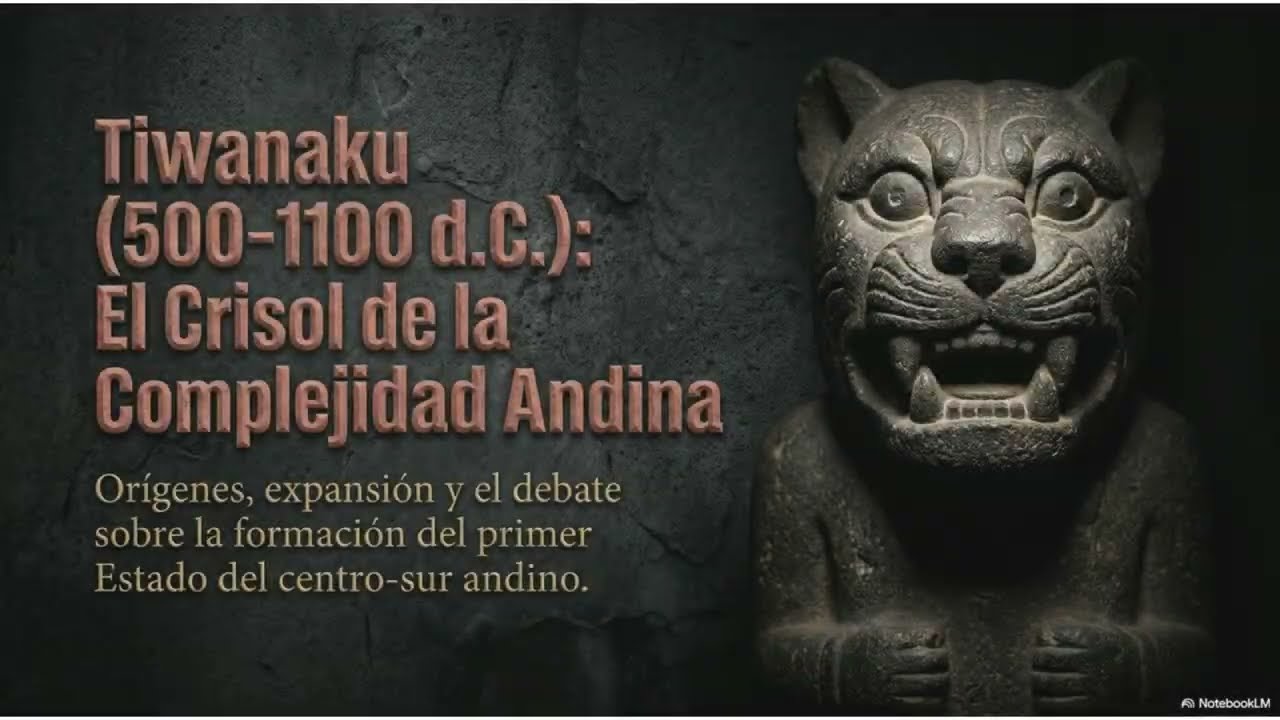
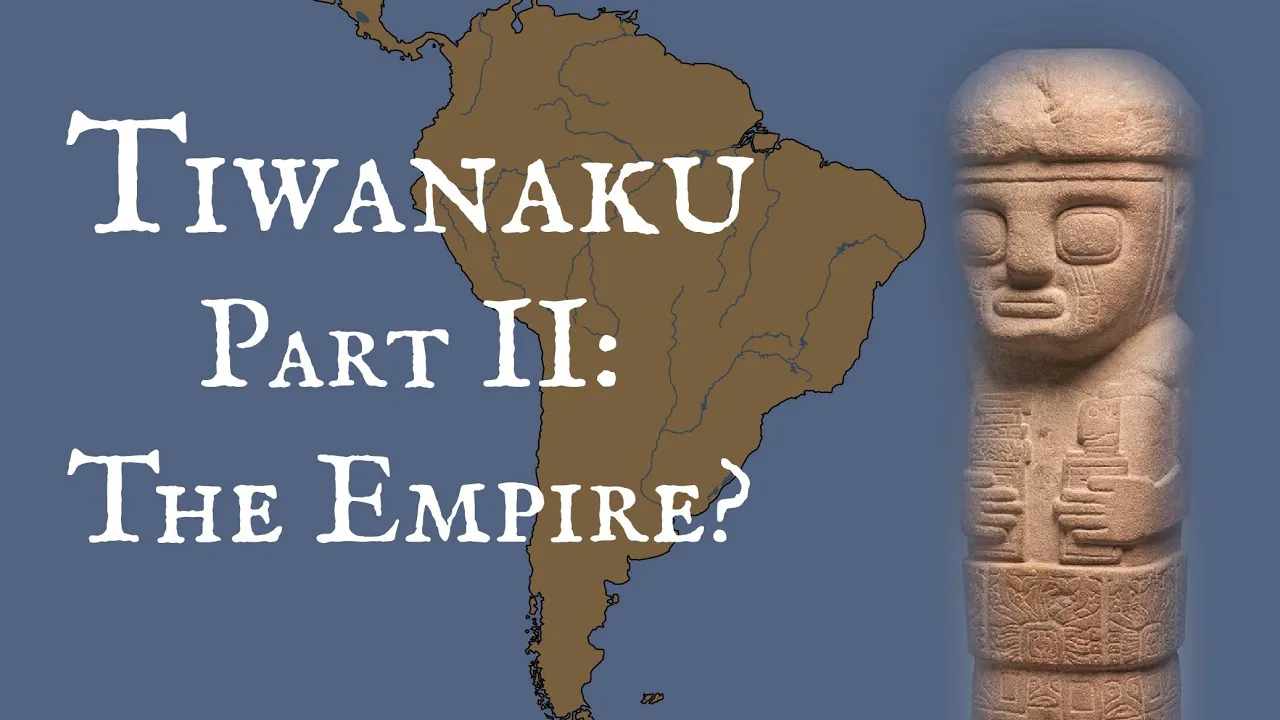



The Tiwanaku civilization (600-1100 AD) in the Bolivian Altiplano demonstrates how collective effort, innovative agriculture, and nature worship enabled a society to thrive in one of Earth's harshest environments, ultimately collapsing when environmental changes disrupted their agricultural foundations.
Exploring Tiwanaku: Stone at the Centre in Bolivia
Added:Geography and climate of the Andean Altiplano, including the unique ecological challenges of high-altitude farming and living.
Basic concepts of pre-Columbian chronology, specifically understanding that major complex societies existed in South America long before the Inca Empire.
The fundamentals of ancient agricultural engineering, particularly how raised-bed agriculture (Suka Kollus) functions to prevent frost damage.
The concept of monumental architecture and how early civilizations mobilized collective, non-coerced labor for large-scale public works.
The environmental and climatic theories—such as prolonged megadroughts—surrounding the decline and eventual collapse of the Tiwanaku polity.
A comparative analysis of Tiwanaku and its contemporary Middle Horizon neighbor, the Wari Empire, regarding their differing strategies of imperial expansion.
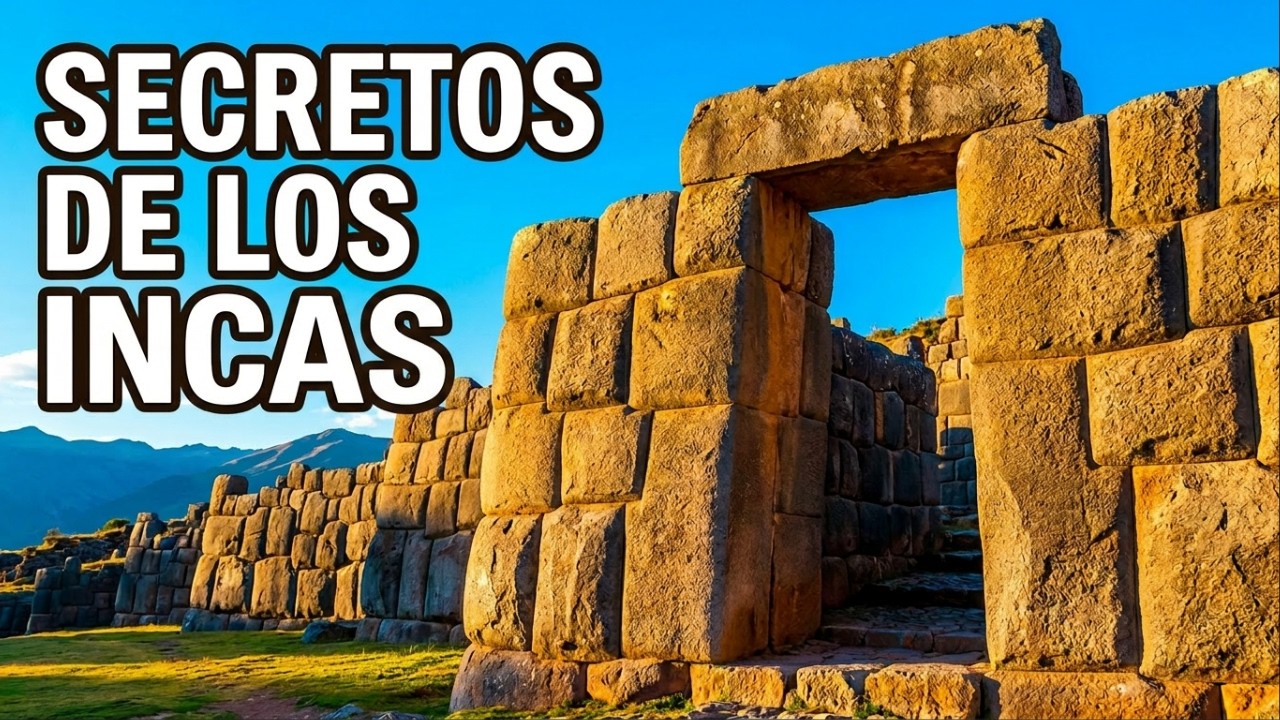
How the later Inca Empire co-opted Tiwanaku religious cosmology, stone masonry techniques, and political structures to legitimize their own rule.
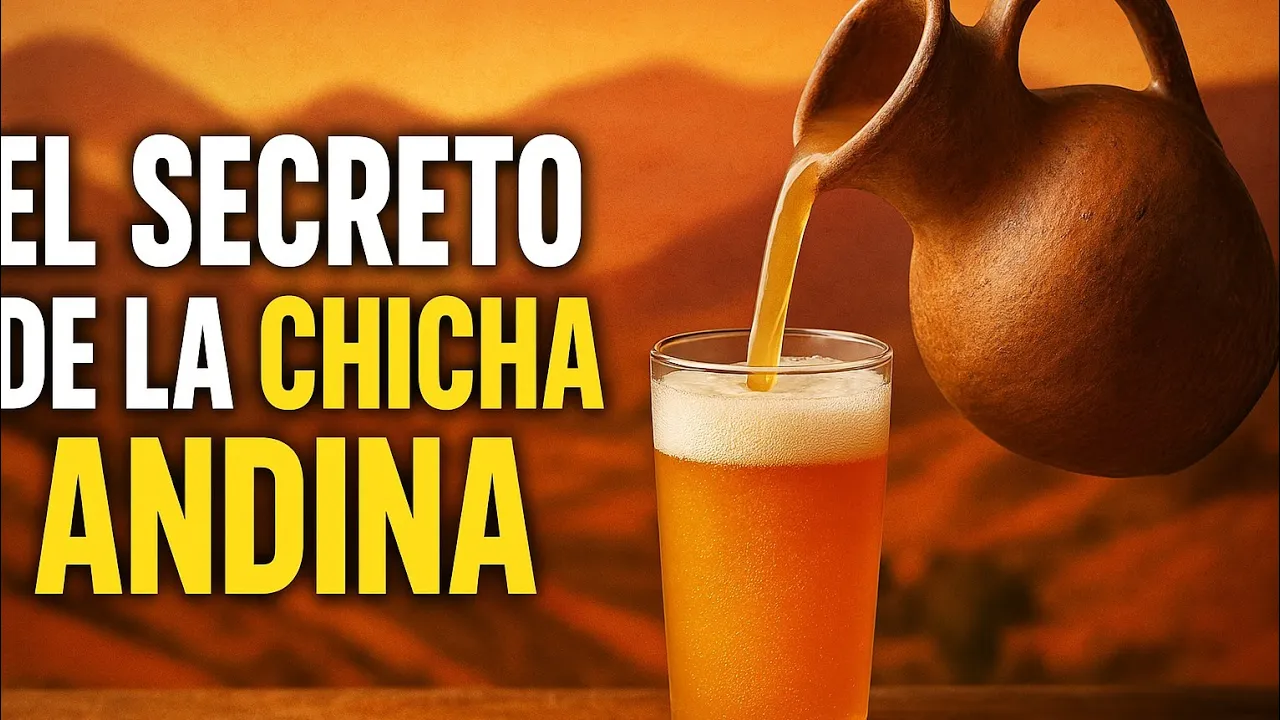
The political economy of ritual hospitality, specifically how state-sponsored feasting and the production of chicha (maize beer) functioned as political currency in ancient Andean states.
464.1K views2.5Klikes54:01Original Release: 2013-10-20
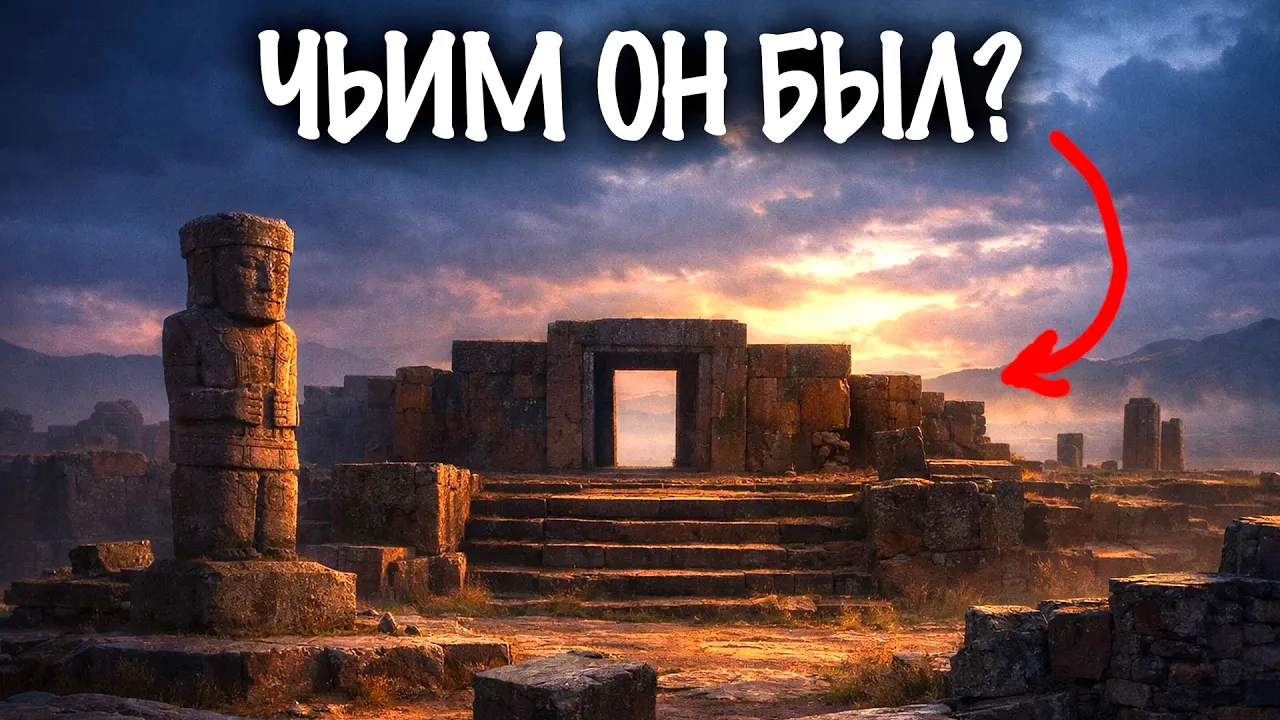
hi in the Bolivian Andes stand the or inspiring ruins of a massive temple city this is to enakku which means the stone at the center of the world over a thousand years ago in the sacred site ritual drinking and feasting filled the most powerful religion that South America had ever seen I'm Jago Cooper and as an archaeologist who specializes in South America I've always been fascinated by the secrets and mysteries buried deep in these or inspiring and forbidding landscapes the history of this continent has been dominated by the stories of the Inca and the Spanish conquistadors but in this series I'll be exploring an older forgotten past Wow we're inside the cave traveling from the coast to the clouds in search of ancient civilizations as significant and impressive as anywhere else on earth here in Bolivia the monolithic temple city of Tiahuanaco stands at the breathtaking height of 13,000 feet above sea level but dear anak who wasn't just a place it was a people who created a civilization that lasted over 500 years for centuries it was a mystery how the two enakku people managed to thrive in this desolate landscape but now archaeology has revealed evidence of astonishing community effort have a deep understanding of the environment and amazingly how a crucial role in tihuanaco dominance was played by beer up here in these remote high plains of Bolivia I want to find out the truth behind the stories of the tihuanaco people how their beliefs given the power and ability to build a city of temples in this hostile and unforgiving land the Altiplano the hi plane forms a vast expense 3800 meters up in the Bolivian Andes part of the vast mountain range that forms a spine down Western South America life's hard up here the airs thin difficult to breathe although daytime temperatures go over 20 degrees at night it drops well below freezing the rainy season brings floods and periodically the area suffers catastrophic drought to European Ides this seems like the last place on earth that humans would settle yet between around 600 and 1100 AD a civilization grew that eventually numbered a million people this was the heartland of the Tiwanaku and their influence stretched from here as far as Peru Chile and Argentina so what made life from one of the world's highest plateau regions possible how did the two enakku survive the thin air and temperature extremes up here and how on earth did they travel any distance across this landscape this is a country that until the arrival of the Europeans in the 16th century they saw no need for the use of the wheel and driving around you can see why it's a really inhospitable terrain and is much better to walk across it than to try and drive but the Altiplano offers a different form of transport the people in this region began exploiting at least 6,000 years ago and I've come to the remote community of San Antonio Mercy where they still depend on it there's one thing that makes this community viable and it's the same thing that makes the communities in early - in a queue viable and that's the animal unique to South America the llama well this is my cello chalkeley his family have lived here surviving as llama herders for generations they are Aymara an indigenous Bolivian group descended from the two enakku people from whom we can learn a lot about how their ancestors lived yeah almost is it silver and put something in common with many South American cultures it's the custom here to share coca leaves when you first meet here on the Altiplano coca is also used to cope with the thin air you get at this altitude l'apicio's mi v m osika trabaja most a la Leticia's kasi millinery oh no para todos meseta coca para wotty para todos para a coup Rico Parra par la sombra SE y para la cosecha Tomino sekolah comas hace que por ESO nose says SOT mc2 del Tierra de ayuda de su personal so coca gave the tihuanaco the stamina to work at this airless height and the llama provided them with wool for the kind of clothing needed to battle the temperature extremes up here Marcello's daughter weave is it into vivid textiles the llama wool is so important for the communities here not only cuz it gets incredibly cold during the winters but also because it was the thing they used for all of their clothing here you can see they're using the same colors for this particular village they've been using for hundreds of years but of course the llama wasn't just a source of wool and clothing so we're loading up the bags with some fertilizer cuz my shell is just getting ready to start planting the crops for the year and we'll take out the fertilizer packing on the llamas and take them up to his fields higher up in the mountains they're going to use it to plant the potatoes in the fields and he says that's one of the only crops that they grow up here in this terrain the llama is Marcello's four-wheel drive and his tractor alarma is uniquely built travel huge distances up in these high altitudes over tough terrain admit at least our health Jude and Wiggins here bearbette llama herding was vital for the earliest inhabitants of the Altiplano it fed and clothed them and llama trains sometimes a mile long would prover s-- the mountain passes carrying goods and supplies between communities yet even today I'm struck by how precarious marchello and his family's existence seems to be it only takes one frost and he can lose half his crop and it gives you the sense of how harsh this environment is and how vulnerable they are because they're only growing enough food for themselves so a llama herd can support the subsistence lifestyle that persisted until around 1000 BC but to become a dominant civilization the tihuanaco would have needed a far greater food supply to see how they did it I'm heading to an area of the Altiplano where the tihuanaco first began to emerge around 3000 years ago on the shores of an ancient lake with a surface area of over 3,200 square miles lake titikaka is the highest navigable lake in the world the region around the lake is known as the Titicaca Basin an archaeologists think that it was here almost 3000 years ago that the tihuanaco first started out as groups of subsistence farmers it's more like an inland sea than a lake really and for thousands of years it's played two crucial roles for the people living along its shores the first is that the lake has an ambient temperature which doesn't move around a lot and that really helps create a microclimate of stability along these lake shores and the second is that the sedimentation of the lake has grated this really rich agricultural soil that you can see being used today you can just see how rich they are which if you compare this with the soils from higher up in the valley you can see just runs through the hands so this is whether to enakku started their subsistence life but this high up crops grown any distance from the local microclimate would have been vulnerable to frost or drought limiting expansion for the civilization to grow they had to find a way to cultivate land outside the lakes protection and a little further inland we can find the relics that explain how they did it the early Tiahuanaco didn't adapt to their landscape they transformed it and here at the site of coiny Pampa you can see how the quani pamper is a vast stretch of the Altiplano leading up from lake titikaka and these are the visible remains of ancient ingenious engineering these raised beds were an agricultural innovation that transformed the agricultural production in the region they're really clever because the water acted as a buffer to protect the crops in the raised beds against the harsh Frost's you get here meltwater coming down from the snow and glaciers on the mountains irrigated the fields the water in these trenches retained the heat of the daytime Sun creating a mini microclimate just like the lake which protected the crops but it's the investment in maintaining these raised beds every year that is key they would straighten up these edges which allows the water to be absorbed they would dig out the channels with a nutrient-rich soil they'd put on top of the bed and they'd turn it all over to allow a huge increase in agricultural production modern experiments have shown that using this method could have given the tihuanaco 25 percent more crops extending their growing season by two valuable weeks they didn't have any draught animals or plow so all of this would have been done with hand tools the sheer amount of labour going into building and maintaining these raised fields is mind-boggling and this is just a fraction of the landscape that was exploited in this way scattered around lake titikaka Shores archeologists have discovered the remains of numerous Tiahuanaco temples and these hold the key archaeological research suggests that the tihuanaco religion was devoted to group worship of gods of nature that controlled the environment and granted good harvests I've come to see one of the oldest temple sites where the two enakku were holding religious festivals 3,000 years ago this is the sunken court of cheer depart you can really get a sense of the atmosphere that can be created during the festivals people will be standing up here around the court all looking down focused on the festival inside in an echo of the ancient practices of their Tiahuanaco ancestors the local Aymara still use this site to perform ritual llama sacrifices offering the blood to the stones as part of their annual festivals the festivals here not only served to bring together the tihuanaco communities to appease the gods with ritual offerings but they also bound them together socially as they celebrated and prayed they must have formed an ideology that suggested not just worshiping together but working together was the key to success a present-day Aymara festival can demonstrate how ritual gatherings help tihuanaco civilization evolved into a more centralized state I've come to experience a festival that attracts thousands from the surrounding valleys to a tiny village called kala cannelloni has a population of 250 people but today it's going to swelled four thousand people ready to drink dance and party bolivian style I'm here in Bolivia near the start of spring just when the local communities start planting crops here we see how festivals and working communities can be linked anthropologist Carlos kandura is an expert in the religious traditions and rituals of the Altiplano yaki esta puede SI p or REO totalmente relacionado con éxito delicioso a invierno el invierno a kangaroo low integrity mais de julio no siendo levanto de las casillas a Akopian foie gras Haymitch all nrzv todos la tierra que da go tada exhausted more bueno como se muchas de sel Regan's or dientes de agosto somos pero como en la tierra y no TV on in guna batalla dad y de volver sail on a de marsay surveyed ok Lori - ELISA knows pueblos tal religiosa so imagine 10 Zoe's cuando summer a diverse as las condiciones de vida from up here you get a great view of people flocking into this festival there's people arriving in buses there's llama trains coming over the hills there's people walking through these desert landscapes this place acts like a magnet bringing people together from all over the region nowadays the dominant faith in Bolivia is Catholicism and the official focus of this festival is the church where there are prayers ritual offerings and blessings but whilst the church is part of it there's much more to it here in the solemnity of the church people are making their offerings and preparing for the year and outside people getting pretty crazy drinking low beer situated 10 miles from the shores of lake titikaka in Amara tihuanaco means stone at the center and this extraordinary place became the focal point of the entire civilization the old is part of it is this the sunken temple lined with the carved heads of tihuanaco ancestors till when I could began with the construction of this early sunken Court like the many sunken courts throughout the Titicaca basically it was a community focus ritual space but over the next eight hundred years Tiahuanaco just grew bigger and bigger a bigger adjoining the sunken temple is the calluses iya a raised ceremonial space measuring over 15,000 square meters that the tihuanaco began building in 500 AD a monolithic statue guards the entrance way and in one corner of it stands this the Sun gate shaped from a single slab of stone the character carved on it is known as the staff God a controller of natural forces of the Sun the rain and seasonal chance 1500 years ago this was the place where tens of thousands of people gathered to pay homage to the gods of nature and just like their modern counterparts tihuanaco communities from across the region came together to reaffirm their social bonds and mobilize themselves into massive work parties in readiness for the new agricultural year dominating the site is a large mound once encased in massive masonry blocks long since eroded or looted it's only from up here that you get a sense of the scale of the place only a fraction of this site has actually been excavated an archaeologists estimate that the footprint is we're over five square kilometres the question that puzzled archaeologists for decades is how was tihuanaco built attempts were made in the 1960s to rebuild some of the temple structures a process that revealed how phenomenally skilled at stone working the tihuanaco were and quite apart from their skill how did a culture that had no horse or oxen for dragging they didn't use the wheel or the pulley move stones wait 10 20 or even 50 tons stones that were quarried miles away to find out I have to go back to where the stones came from lake titikaka weather is a clue to the mystery of tihuanaco construction many of the monolithic stones at tiwanaku are of a very specific type of volcanic rock that archeologists have identified as having been quarried on a peninsula 25 miles away across the lake and on the lakeshore like dozens of seemingly abandoned stones that could only have come from the peninsula quarry the local Aymara call them the PLS Gonzales the tired stones there's one over there and they seem to have been left here halfway between the quarry and tiwanaku talk about seeing archaeology abandoned in the landscape there's a stone in the middle of a plowed field there's another one to tuck there they're forming a line to the edge of the lake this is a truly impressive piece of stone it's a green andesite which is completely different to the softer sand stones you get in this part of the Titicaca Basin if you look at the edges you can see how it's been worked faced off into a nice rectangular block you can see where the rocks been cut cut marks facing it down with these vertical sides there's a notch in here there's some more cut marks showing a notch down there and some more over here seeing how they've started to shape this stone into an initial form give us an idea of what is going to be used for one of the massive stone lintels or part of the major structures of the big temples we go to an echo so how were these colossal stones transported here from a quarry 25 miles across the lake the obvious conclusion is that they were shipped across and unloaded here on route 2 to enakku but this is a virtually treeless landscape so they couldn't have been brought here by boat not wooden ones anyway the lake offers a different resource that can be used for boat building to Touro reeds I'm meeting with Professor Alexei Rennick an archaeologist who is one of the world's leading experts on two enakku he's brought me to see a traditional boatbuilding technique using totora reeds harvested from the Lake Murray reveal so he's making these two right now well actually this is just gonna be one boat so he has the two parts of it yeah and then the heart is gonna be in the middle yeah it's a centuries-old skill and it's boats like these that Alexei believes the tihuanaco used to transport their stones we know that the Indian people were very practical knew their environment and knew how to use the natural resources and there's this long tradition of building these boats now they're small but you know we read about and even saw old drawings of much larger boats now this is one man making one boat imagine if the entire community they said okay everybody has to make one boat and you tie together you know 50 votes that's a huge raft that literally one person with a rope could drag all along the coastline so it literally they're doing industrial-sized moving of stones but using pretty much a home technology the reeds themselves aren't just hollow tubes inside is a fibrous membrane that makes them extremely strong the bindings have we tightened several times throughout the construction process and the end result is virtually unsinkable but could a reed boat like this even a much bigger one really have been capable of carrying a 10-ton stone of the type being used at tiwanaku in 2002 Alexi devised an experiment to prove this theory he commissioned the lakeside community to build a 15 metre long to tour a reed boat he then sourced a 9 ton block of green andesite at the volcanic rock quarry with the help of another local community near the quarry they loaded the stone onto the reed boat and then sailed it 50 miles around the coastline of the lake to the two enakku side bringing it up to the township of Santa Rosa where dozens of towns folk came to meet them we pulled up was pretty much around here and once we had all the people laying around over here we said we got to pull this off 50 people men women and children rolled the stone off the boat and moved it 60 meters in less than an hour with no organization from Alexie's team where it still lies today this is the stone over here that we brought over from the other side and pretty sizable it's a about nine tons yeah this extraordinary experiment certainly gives me an insight into how the stones might have been moved across the lake but how will they take it across land to Tiwanaku on the bottom they're worn and they have little striations so they were dragged so that you grab yourself some ropes and you start dragging and dragging we thought hey how about rollers so we built the rollers we put it there we dragged the rock smashed all the rollers so we said that's the great part of experimental archaeology is that you know right away ideas that don't work so there they would have dragged this and dragged it but how were people organized and motivated into moving these stones when we were trying to move this stone we came up here and just like closed-minded Westerners like we're gonna pay you this money you do this you this we couldn't get anything done at all but as soon as one community knew that the other one was moving the stone it became competitive once it got competitive between communities things went very quickly so I could imagine a tihuanaco also being this friendly competition between different groups going I'm going to build here I'm going to bring this we're gonna have a festival and then that dynamic continuing for literally centuries Tiwanaku was clearly a massive festival site but recent studies carried out by Alexei and his team have revealed that also had another use the grand calluses I temple wasn't just an auditorium but was also built to measure the movement of the Sun that it worked as a giant calendar the buildings actually the entire site is designed along astronomical lines Sun Moon stars in this case for the kala società Sun is very important now if we turn this way we're standing right now in the platform where I would imagine one or two or three important people would stand that the Sun would travel across and right along there that's the horizon now the pillar in the middle that's where the Sun is going to land for the equinox sunset on each side is the Solstice and in the middle are several others that we argue about a lot but there's a good chance that the tihuanaco had their own ritual calendar and they had to keep dates based on ideas of their other Kosmos and certain offerings being done at different times so we had this idea that not only is a calendar of agriculture it's a calendar of festivals as well for sure they had something going here so now it's time for this festival now it's time for this offering the calluses AIA worked as an astronomical state clock that regulated the two and a cooz worship and agricultural operations on a regional scale the calluses AIA defined their culture of collective effort and the rituals carried out there were designed to be intense theatrical events so thinking about like what these people are taking they're drinking they're smoking there's tobacco there's drugs from the Amazon what sort of what sort of drugs they're taking they're taking a couple of hallucinogens and when we go take a look at some of the monoliths you'll see the plants actually carved in there where they have these hallucinogens that it would been ground-up either a snuff perhaps you could drink them they also had hallucinogenic enema tubes in case you're in a big hurry to to get the party started and what a party it must have been evidence of the celebrations that went on here over a thousand years ago are regularly discovered in particular these beer drinking vessels called Karros this whole thing is typical of the site and give us a real sense of the scale of the site because this excavation is about a kilometer from the centre and the significance of beer and intoxicants to to anak whose rituals and ceremonies can be found carved into its monolithic figures I like this monolithic statue looking out into the sacred space of the callouses ayah he's got a bake up in one hand and a snuff pipe for taking in toxic and drugs in the other and you can just imagine the hundreds of thousands of people lining this plaza to witness the theatrical colorful rituals and offerings to the gods center stage at these spectacular ceremonies stood an elite cast of priests wearing iconic robes and headdresses they performed the rituals and read the movement of the Sun the priests interpreted the cosmos for the tihuanaco people telling them when and how they could appease it and bend it to their will how much power they wielded is unknown but what at first might seem like a utopian farm estate is beginning to reveal a darker side in 2005 in a grave site sitting in direct line with the setting of the winter solstice Sun archaeologists unearth something at two enakku that had never been found here before who has last time you in here 2006 this is one of the artifact storage facilities here at two enakku and I'm the first person not with the original excavation team to explore its contents what we're looking for are these guys over here let's take a look oh we've got a nice skull here so that's a young one and the molars are coming in yeah and there's the wisdom teeth so he has been smacked in the back of the head he got smacked in the back of that this is the first evidence of human sacrifice having been practiced here at tiwanaku that has ever been uncovered human sacrifice it's not something that I've previously associated with the tihuanaco why do you think sacrifices will be occurring into an echo these sacrifices say this is the only one we found so far 20 years from now we might find a hundred more but this was on the solstice and the other indicators of the other artifacts here are associated with the start of the agricultural season the start with the rainy season it could have been a period of like it's very important that we get some rain to grow some potatoes and grow some other things so this year's solstice celebration is going to contain a special couple of special guests this sacrifice suggests that the tihuanaco had become increasingly dependent on good harvests to maintain their civilizations momentum and 200 years after the calluses a temple was complete construction began and what was then the largest structure in the Andes the a capella pyramid the a Capanna is a completely man-made hill but a thousand years of erosion and looting has reduced it to a shapeless Mound recent attempts have been made to reconstruct a section of the steppe sides that once went all the way to its 17 metre summit you can imagine that it'd be quite an exclusive spot for a privileged elite to stand here overlooking the rituals and ceremonies taking place in the callouses ayah that if this was ancient Egypt it would be a pharaoh stood up here but crucially tihuanaco doesn't have any pharaohs or kings there is absolutely no evidence of a king at two enakku no monuments dedicated to a single autocratic ruler instead archeologists believe that the a cappella is a monument to the mountains the snow from which melted each spring and irrigated taewin acuse huge agricultural systems what ruled the Tiwanaku was their ideology of nature worship and their cult of collectivism to get a picture of two enakku civilization at its height I've come to lapaz nestled in the mountains on the eastern edge of the Altiplano and sitting at 3,600 metres lapaz is the world's highest capital city its museum houses a collection of to inaccurate artifacts that give us a glimpse of what it would have been like to witness one of their festivals I'm being shown around by archaeologist Marcos Michele and one thing immediately catches my eye a tihuanaco skull he is turning I thought is what I please have my religious office it is a skull that has been deliberately deformed so the back of it is elongated it was a practice carried out to identify this person as one of the Tiwanaku these hope things were done as a form of beauty estamos haciendo para para para differed in skiers si de Francia a la diferencia dentro los new positions communally t6a and of course there are the beer cups la forma principality una cosa us bathos los que cela man Kiros que son los vasos rituals para la vidas Victoire highly decorated vessels like these were used for ceremonial beer drinking that is we've seen we're at the heart of t will accuse festivals but a rarer object on display here is this fantastic textile el valle de los de buzos que representa most ejidos es son todos de muchos que vemos en iconography additive inaka ys8 ejido si puedo hacer algunos alguns como yo quería por en Piquet una cabeza de un Kamel ido no yo algún okay entre figure aqui elementos Cabezas puestas de frente the tihuanaco left no written history but that's not to say that they weren't recording stories if you look at this tapestry there are certain symbols which are repeated over over again and there is narrative here which is explaining to people who understand those symbols what's going on I've noted my mind that something like the Bayeux Tapestry an idea that you can understand a storyline but unlike the Bayeux Tapestry sadly no one yet knows how to fully interpret these symbols or their meaning one thing we do know though is that by 700 AD the tihuanaco began spreading far beyond the communities living around lake titikaka leading their Lama trains down off the Altiplano they moved into warmer climate zones as far afield as Chile and Peru hundreds of miles away from their heartland yet surprisingly this expansion doesn't seem to have been one of conquest or empire-building to discover how and why they came to influence such a vast area of South America I'm going to travel to the far eastern frontier of two enakku territory 250 miles away from the titicaca basin and one and a half thousand meters lower lying at 2,250 meters above sea level this is the modern-day city of Cochabamba and the tihuanaco began arriving in these valleys when it was nothing more than a collection of farming communities around 750 ad on the Altiplano the tihuanaco struggled to grow anything other than high-altitude grains and potatoes in any quantity but down here they could produce an abundance of one crop which we've seen was vital to the functioning of their civilization the t wa naku came to this valley because of its fantastic capacity to grow this maze and they wanted maze to make beer lots and lots of beer all i think i was that lien VA min this is a brewery that makes teacher a strong maze beer that's been made in this region for centuries think about two years to hoist each other but I was sufficiently for the third layer kojirou beer drinking was an integral part of tihuanaco festivals as those festivals became bigger and more spectacular they needed fear in ever greater quantities the search for maze to make more beer was one of the main driving forces of tihuanaco expansion into the Cochabamba Valley City Boston Tirico see good little booty cooking a few caffeine nervous system see its bit hoochie but it's a car taxi chicha spicy and say ah ha ha ha ha so exactly how did this happen how did the tihuanaco gain control of this region's resources thirty years ago it was thought a tihuanaco army swept down off the mountains like an imperial power to take over and colonize this resource rich warmer climate it's only now that archaeologists are beginning to present a completely different picture of how the two anak have expanded in 1985 a new suburban building project began on the outskirts of Cochabamba as the diggers moved in and began churning up what was thought to be a small mound they started uncovering bones when the builders pulled out a human skull everything stopped and the archaeologists were called in this may seem that the last place you'd ever expect to find the remains of an ancient civilization but sometimes most extraordinary discoverers turn up in the most unlikely places this is the archaeological site of Pina me the remains of a long-forgotten settlement offering a glimpse of life here 1,300 years ago and I'm gonna be shown around by lead archaeologist dr. Karen Anderson Karen Hayden good to meet you so this is the slope Adame yes so what does this site reveal about tihuanaco expansion we don't see any evidence of coercion in the way that it was adopted people look like they were adopting their rituals their ideology their way of life and also their food I mean they producing more maize they had more Yama's than before so they were getting tied into the tihuanaco state so the side tells us that the people who were living here wanted the team in a human influence they accepted that on their own terms right right this site is not as it first appears to be a series of old walls in fact it's a mound that has been built up over several centuries of continual occupation archaeologists have dug down into the mound to reveal layers of evidence generation building upon generation well the earliest state that we have which is prior to it down here is probably in the 700 to 750 ad range and then the latest date which is right before the end of Tiahuanaco is about 1100 AD so could 400 years of occupation he had a story of two and a Q three four hundred years right and as the items excavated in that time period corresponding to the tihuanaco arrival in the Cochabamba Valley that paints a picture of how they made a lasting impact people weren't just building houses here they were burying their dead the excavated skulls share the distinct two enakku style of cranial modification the practice was being adopted by the local population cranial deformation is a really clear ethnic marker I mean once your head is a certain way you can't disguise it very well talk me through this process of cranial modification it's a real commitment to change the shape of your skull right it would start very early fourth baby 's when their skulls are soft this one with it's kind of it's flattened in the front in the back you would have likely boards like this and then wrapped around the other one this one you would have it probably wrapped around so it's it tends to make a more pointy conehead look however what they have found here in really significant quantities is the distinctive to enakku beer-drinking Karos but telling me this wasn't imported from two enakku it was made locally this one is clearly on the outside it is done in the tihuanaco style it has a tihuanaco iconography on the inside this is more of a local stuff so at a local vessel form right with a two in active style on the outside we're seeing a real mixing of cultures here the two men I could coming in and local people dr. you right right although archaeologists don't know what this iconography means we know it's distinct - tiwanaku so it seems that the Karros played a key role in bringing the locals into - enakku society just as smaller tumanako communities were brought together at lake titikaka now other communities effectively joined the party the tihuanaco empire spread not at the head of an army but through the ritualized sharing of beer this is a cheater ear a family pub that serves the teacher beer there was so much a part of tihuanaco identity and economy over a thousand years ago a real theme I'm getting from - in a key society is this idea of sharing labour of communal projects and a part of that is building reciprocal relationships and teacher teams have played a really important role in that it was a way to bring people together - to express reciprocity to express communal understanding so you're meeting with people you're doing politics with people there's consensus building with people and you're also symbolizing by how you serve and with what icons are on it kind of some of your allegiances and and what's your ideology so it's a way of sharing and allegiance and also promoting it at the same time I see in like some bizarre way some parallels like English drinking tea I had a high tea paraphernalia side routine but it's a wider thing about cultural context and you're saying that by having this teacher they also have this wider cultural context of shared values yes yes yeah and some ways that's similar because that was something the t1r who brought was this whole kind of drinking tradition and paraphernalia in fancy cups that we just had to feel the right way and have the right shape and have the right icons on them so it is sharing a larger shared value system and it was everybody liked it especially the maize teacher I think you know so it's like it was sharing something good yeah by 1080 the practices and ideology of the tihuanaco had been embraced by millions across the andes and beyond yet Tiahuanaco wasn't a kingdom or an empire if anything it was like a huge extended family with an enveloping cult of collectivism at its core and it worked by drawing communities together they had generated in abundance and a culture of generosity embodied by the chicha rituals their ceremonies were all dedicated to worshipping and making offerings to the environment that provided that abundance yet that environment would eventually turn them I'm going there to Winer the policy one of the many snow-capped mountains will dominate the landscape of lake titikaka I want to climb up to 5000 metres over half the height of Everest to find out why the environment the t1a CUSO relied upon and revered turned against the tihuanaco were utterly dependent on agricultural success to build and maintain their temple city and bind their vast territory together they needed the Sun and the rain to work in harmony they needed the snows to melt in the spring and irrigate their vast field networks all of their ritual ceremonies and offerings were focused on ensuring that happened and for at least 500 years it seems to have done exactly that you Tiwanaku was one of the highest ancient civilizations in the world and incredibly exposed to the climate variability of this region melt waters from glaciers like this one for the vast agricultural systems that made the construction of the monumental temple complex possible but what happened when the meltwater stopped the glacier I'm walking on right now is dying sérgio my guide told me that this glacier was receding by 15 meters every year due to modern climate change but climate variability has been going on for millennia ice core samples taken from Andean glaciers like this one reveal that there was a drought from 1100 AD onwards one that carried on for centuries year after year less and less melt water seeped down to two in a keys fields yields dropped instances of crop failure increased and no matter what offerings they made or what rituals were performed the tihuanaco power to appease the environment had left them the ceremonial center of Tiwanaku had failed its people the intensive agricultural systems are supported it that fueled this culture of generosity and feasting were impossible to maintain it became an anachronism a monument to a time of Plenty that was long gone by 1100 AD the great temple city of Tiahuanaco had been abandoned statues of gods and ancestors had been defaced and decapitated and the rest was left to fall into ruin but the story of the stone at the center doesn't end there the tihuanaco people didn't simply vanish after the collapse of their state they returned to their centuries-old existence of living in scattered village communities another four hundred years would pass before the first Europeans set foot on the Altiplano and by then to enakku was a ruin when the Spanish conquistadors first laid eyes on two enakku they were amazed by its scale and antiquity yet it didn't stop them looting the site in search of gold and ripping out the finely work stones to serve their Christian God this is the church in the modern-day town of two and a coup it was built between 1580 and 1612 nearly every piece of stone in the building was looted from the ancient site of Tiahuanaco even these two statues outside which are meant to represent some Peter and some Paul of tihuanaco statues Bolivia became independent from Spain in 1825 and gradually regained control of its own destiny today nearly 1,000 years after it was abandoned the indigenous Aymara of Bolivia are reclaiming the ruins of Tiahuanaco as their own it's dawn on 21st September the southern hemispheres spring equinox and here the local Aymara leaders are preparing an offering to welcome back the new agriculture year 1000 years ago to enact his extraordinary ideology of sharing and collective labor a set of beliefs that enveloped millions across the Andes was embodied here by highly atmospheric rituals and ceremonies they want us to imagine what to dine I was like a thousand years ago this gives us a real sense of atmosphere rituals still being carried out here now as of team Anakin the official religion of Bolivia might be the Catholicism introduced by the Spanish conquistadors but the Aymara living here at 4,000 meters above sea level on their beautiful yet forbidding altiplano have always retained to enact his reverence for this environment to Naraku was a place that celebrated life and today it's enjoying a rebirth
Up Next
6:06
Genghis Khan: Barbarian or Unifier? History vs Myth, Explained
@TEDEd
7.1M views•2015-07-02

93:30
Zola, Baudelaire, Maupassant & the Transformation of Paris, 1852-1900
@SylviaSagona
5.6K views•2015-05-31

91:57
The Geopolitics of the Ukraine War and the Rise of Global Autocracy
@JordanHarbingerShow
468K views•2025-04-19

17:05
Understanding the Cold War: Superpower Conflicts and the Road to Détente
@OverSimplified
46.1M views•2019-01-24
Related Study Plans & Knowledge Roadmaps
Structured learning paths in History
history
Byzantine Iconoclasm: Theology, Art & Politics
01Foundations of Byzantium and Early Christian Images
02The First Iconoclasm: Leo III and the Crisis of Images
03Empress Irene, Nicaea II, and the Second Iconoclasm
+ 2 more learning modules
9h5 modules
Explore Roadmap
history
Iranian Revolution (Causes, Events & Legacy)
01The Pahlavi Dynasty and the Roots of Discontent
02The Spark of Rebellion and the Rise of Khomeini
031979: The Fall of the Shah and the Climax of the Revolution
+ 2 more learning modules
8h5 modules
Explore Roadmap
history
Mali Empire: Mansa Musa, Trade & Timbuktu
01Foundations of the Mali Empire
02The Trans-Saharan Gold and Salt Trade
03The Reign and Pilgrimage of Mansa Musa
+ 1 more learning modules
6h4 modules
Explore Roadmap
history
1947 Partition: Politics, Borders & Legacies
01Foundations of British India and the Divide
02The Political Negotiations and the Mountbatten Plan
03Drawing the Boundary: The Radcliffe Line
+ 2 more learning modules
8h5 modules
Explore Roadmap