









![Tajemný vesmír - Další Země [CZ Dabing] (dokument HD)](https://i.ytimg.com/vi/8LXMl8Gf8RA/maxresdefault.jpg)









Astrobiology is an interdisciplinary field that studies the origin, evolution, and distribution of life in the context of cosmic evolution, examining how biogenic elements form in stars, how organic molecules develop in interstellar space, and how life might emerge under various environmental conditions across the universe; this field integrates astronomy, planetary science, geology, chemistry, and biology to understand whether life is a universal cosmic phenomenon or unique to Earth, with key requirements for habitability including carbon sources, energy sources, and liquid water.
Introduction to Astrobiology: Origin, Evolution & Search for Life
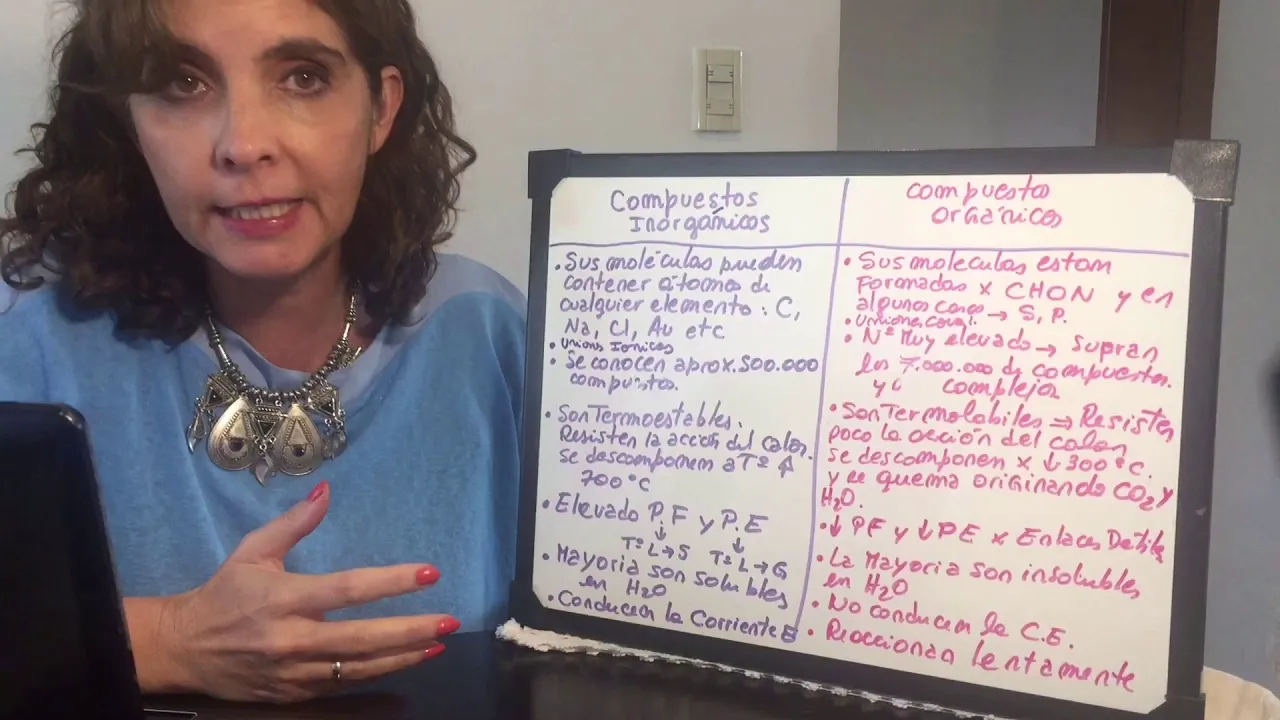
Added:Basic chemistry concepts, including the difference between organic and inorganic molecules and how chemical bonds form.
Fundamental planetary astronomy, specifically how planets form, the concept of orbits, and stellar classifications.
The biological definition of life and introductory cell biology, including the roles of water, carbon, and genetic material.
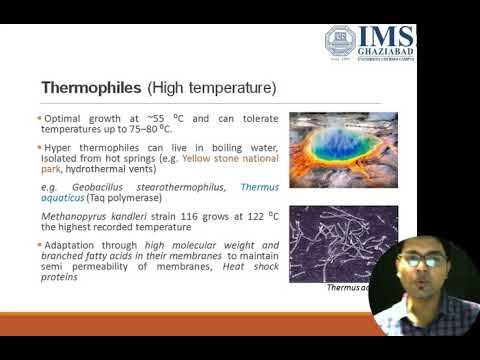
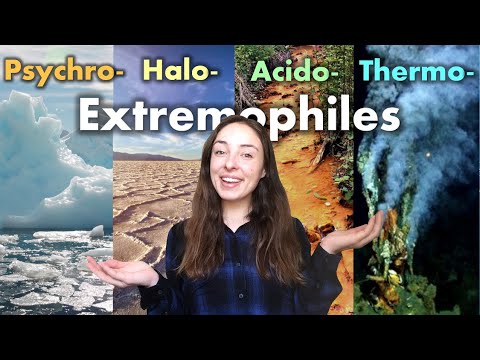
The concept of extremophiles on Earth—microorganisms that thrive in extreme temperatures, pressures, or chemical environments.
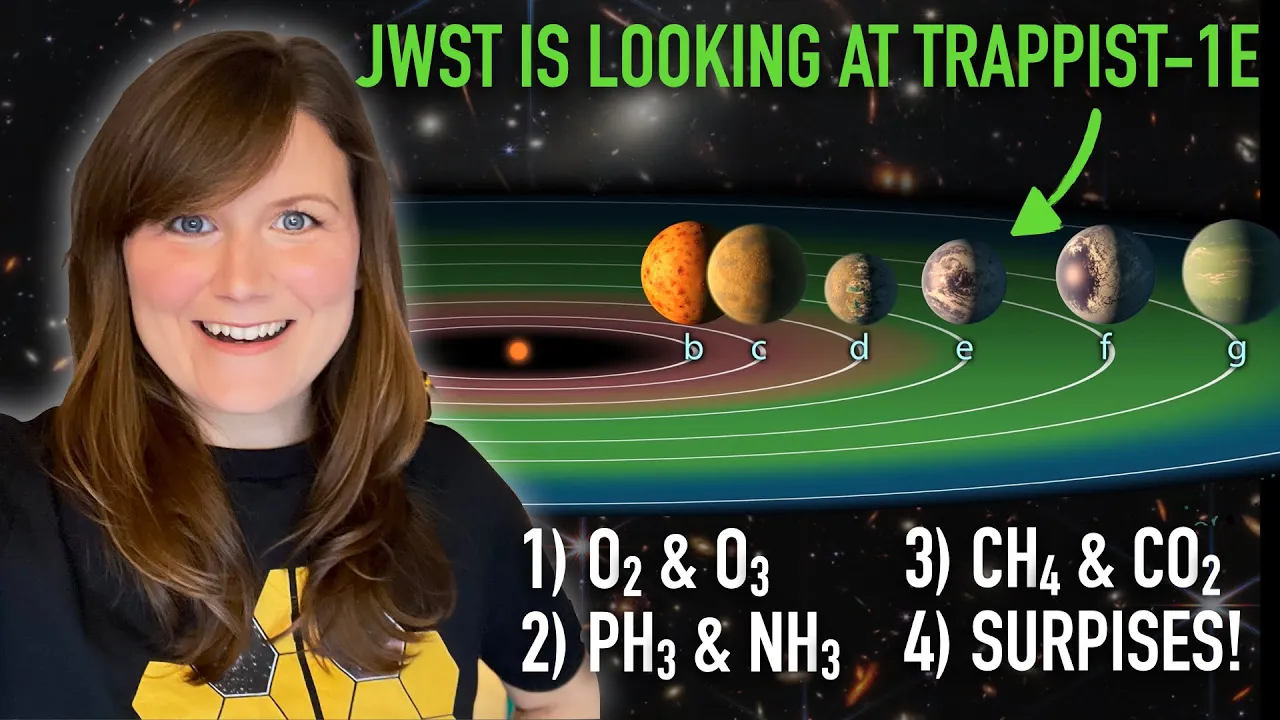
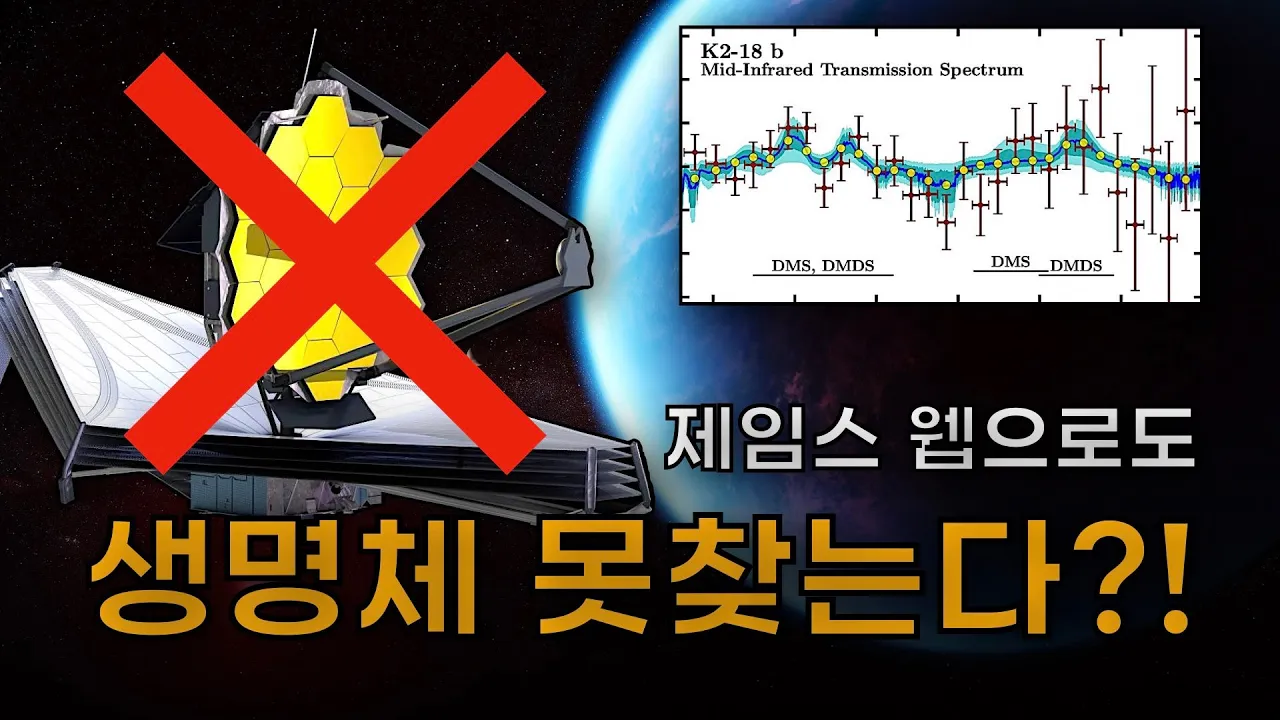
Biosignature detection methods, such as using transmission spectroscopy to analyze the chemical composition of exoplanet atmospheres.
In-depth exploration of targeted astrobiology missions in our solar system, such as looking for life on Mars or the icy moons Europa and Enceladus.
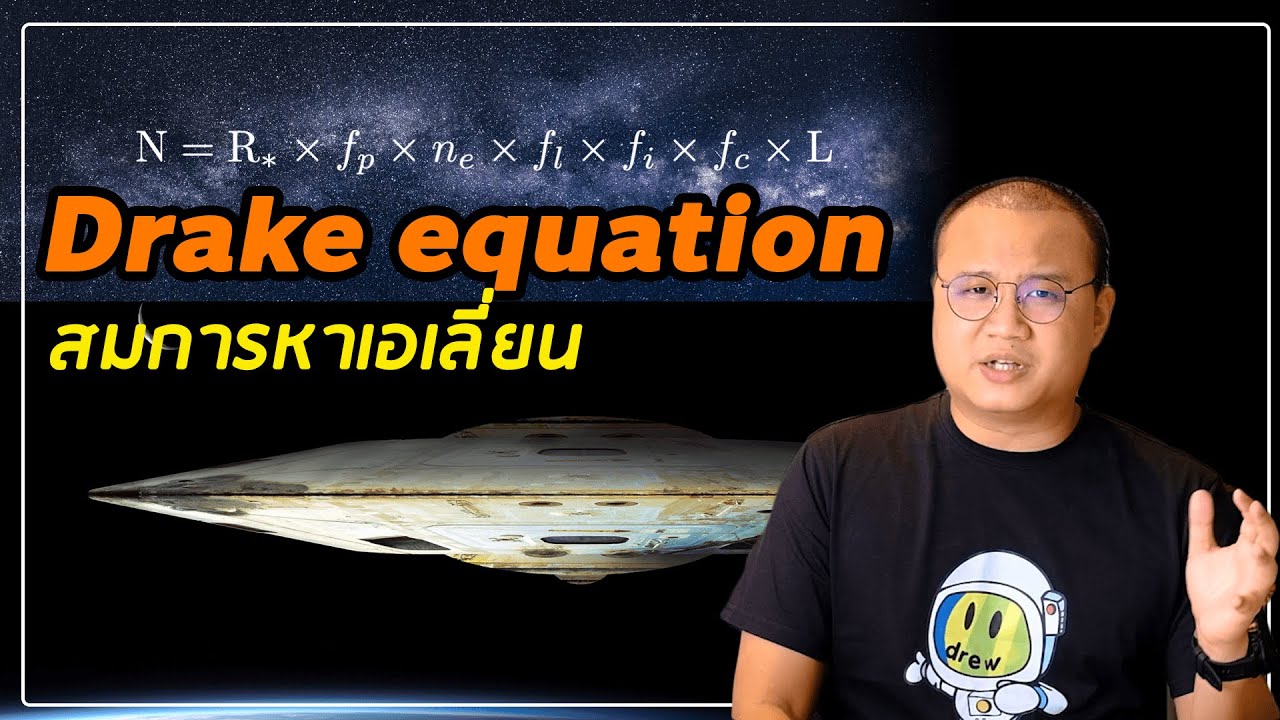
The Drake Equation and the Fermi Paradox, which address the statistical probability and philosophical implications of finding intelligent extraterrestrial civilizations.
Alternative biochemistries, exploring how life might theoretically function using solvents other than water or elements other than carbon.
5.3K views80likes35:10Original Release: 2012-10-18
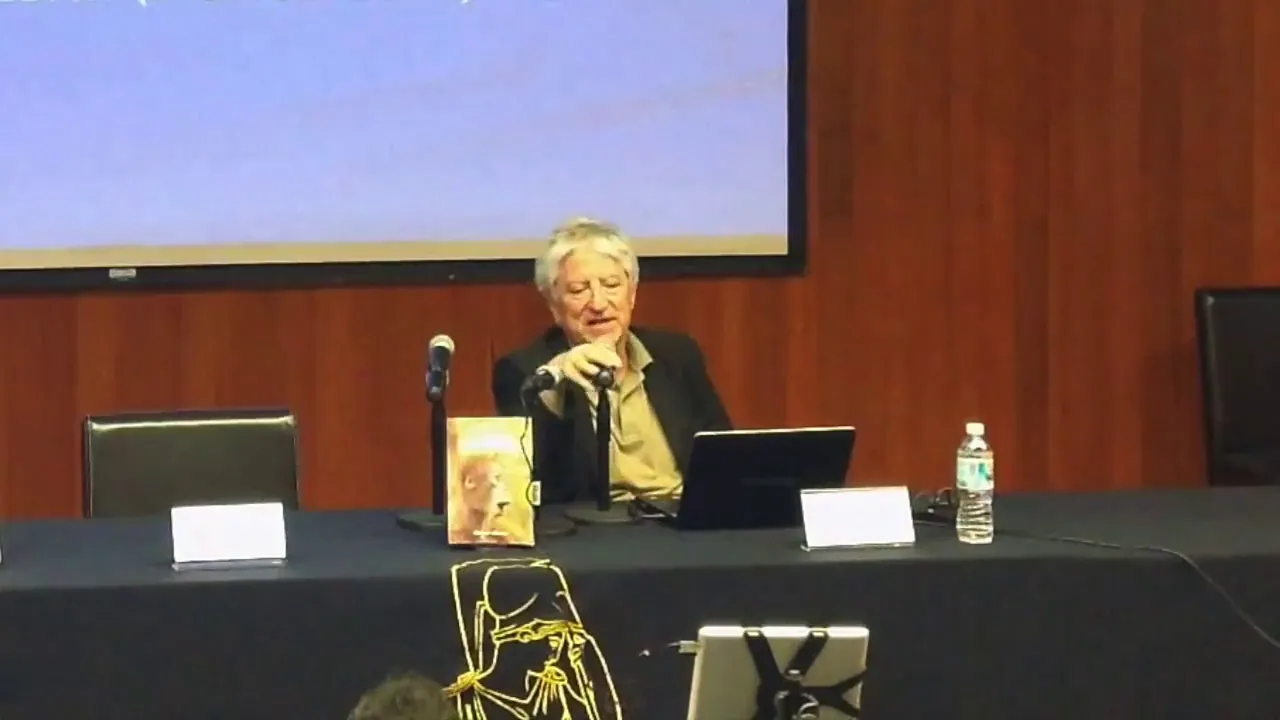
[Music] so hello welcome to the astrobiology lecture course Network the new series that starts in this win semester 2012 2013 my name is G horck I'm from The drr Institute of Aerospace medicine in Germany and at the same time I'm president of the European astrobiology Network Association a so I first want to give you a quick Le through astrobiology and one of the main questions of astrobiology is is life a cosmic phenomenon or is life just restricted to one body in our universe and that is the Earth and I think we can share the opinion of one of the Noel laas and that is Christian D and he said that life is a cosic imperative and that it emerges always at a certain stage of either Cosmic or planetary Evolution if the right environmental physical and chemical requirement are provided but now the question is what are the right environmental conditions physical and chemical and we will look into this um later on but that means that we have in astrobiology to study the whole evolutionary chain of events that finally leads to last and that includes that we first have to understand how the elements that are necessary for life are form in in the evolution of our Cosmos that means the cosmic chemistry of the biogenic element then we have to understand how these elements combined to molecules this is all AO abiotic so these processes do not need life processes and then finally and that I think is still a black box how life really originates the great question how it then starts Evolution first finally evolutes to higher Advanced life forms and then it might even to good in the universe so these are all questions which are tackled by astrobiology actually the study of the origin Evolution and distribution of life in the context of chemical Evolution so that does not mean that we necessarily want to look for life beyond the Earth that's one of the driving questions but important is to understand the processes that lead to the origin Evolution and distribution of life not only on the Earth but in the context of cosmic Evolution and for this we need many many different disciplines and I've listed here a few astronomy planetary research geology paleontology chemist and biology molecular biology field Sciences many many fields and with this all these groups have joined together in a kind of Consortium to tackle the question and solves the questions what is a universal definition of life but of course not all of these disciplines and expertise is available at one University or on the other hand some of the representatives of this discipline are not so much interested in astrobiology and so uh some European colleagues uh within the European astrobiology Network Association came together and thought whether we can have such an UltraViolet electrc called Network establish that and that finally was realized with the help of the European Space Agency of estc so uh now the European astrobiology Network Association came into the game and what is the European as Association an it's actually a Association of different astrobiology societies communities or interested groups in Europe and it was created uh in 2001 and the aim was really to bring different fields of European researchers that are as interested in astrobiology together so that means all the different disciplines from astronomy through planetary research over geology and finally physics chemistry biology origin of Life all these groups to bring them together and from the different countries in a loose Network and of course we want also to attract young scientists to this inter disciplinary field of research and I think the ABC net is one of the activities that U seres this uh issue and then to popularize astrobiology to the public and to students and you see here the website of the astrobiology network as Association and it is hosted by the University of shtin who are also members here at the Abc net welcome to ABC you see here the different countries that are at the moment joining Ana and uh that reaches really from Sweden Finland through Russia uh Romania Greece Hungary also CCH Republic Germany Switzerland Holland Belgium France Spain Portugal and United Kingdom so it's it's really already a very P European Network and um the each of these uh countries have a national representative I don't have the names here but if you look at the website you can find the names uh of all the national representatives and if you are interested in learning more about Ana and participating in the ities you're welcome to visit the website Ana also hold annual meetings annual workshops and the next one will be next year next week next week in Stockholm and you see here the topics which really cover all this what you have also in your astrobiology net ABC net extras solar planets astrophysics astr chemistry geochemical origin of Life origin and evolution of the biosphere then we look at the planets where they are habitable and also the moons and we are listed Mars Titan and Europa so Mars as our neighbor planet and Titan and Europa uh that are the moons around the giant planets extremal and early life is very important in order to determine habitability of a a external planet and also astrobiology on the International Space Station which came up within the last years and uh they are very interesting experiments and you will hear also about many of these topics during this course in addition the workshop has a student contest which is called the space heure and uh this is a competition by different students PhD students also undergraded students uh who wants to uh participate present their their work to a jury and there will be at uh at the end a award to the winner and that is the Swant arus award and also there are travel grants provided to students and here you see the website of the conference during the uh fourth as uh during the first uh fourth Workshop in 2004 uh the group of people came together and discussed whether we should have such a network of asob biology lectures which are really at the University and a part of the University lecture plan and the first started in 20056 in the winter semester then 2007 2008 2009 2010 and now we have the fourth series of this course and as you know it's real a real time telet and um the scientific coordinator of this uh ABC net is fr from the University of Paris East fa and the technical management is done by nitri Savage from Isa ESC and if you want to read something about uh previous courses the lectures of the first course are published in uh the book complete course in astrobiology and that's published by Wy and uh that appeared 2007 now we come a little bit to cover astrobiology astrobiology as I uh told you before is really understanding the processes that leads to the origin of life through the cosmic Evolution so on the left side we start with a big bang and you should see here that the AIS is somehow not a regular AIS of the time scale is here at the beginning stretched and then condensed we know that the universe is the about well we know that the universe is about 13.7 billion years old and first we have the protons and neutrons which then joins to atoms and here some when the first stars appears when they really appears that it's still under discussion Proto galaxies finally galaxies and we know that life at least in one place in our universe for at least 3.5 billion years but but the steps to life the origin of the biogenic elements was much earlier so probably very early at when when the universe was about one billion year old and then also the elements might have jumped to molecules which are called the biogenic molecules so the formation of The Elements of Life um that actually happened in the stars look so nuclear fusion hydrogen burning and further burning to becoming more and more heavy Mass elements and up to iron these processes are really in the stars but in order to have even more heavy Elements which are required as some uh rare elements in um um in in life processes and uh that needs Supernova but and you will hear that in more detail during the lecture but the biogenic elements are carbon hydrogen oxygen nitrogen sulfur sulfus phosphorus these are those which make the bulk of the living material and here you is equ so we can really say that life is composed From the Ashes of the stars because there is a kind of cycling of the stars but now we have the elements they have to form molecules and this happens mainly in the interstellar medium or in circumstellar clouds and uh many of these elements have been identified by telescopes now and some some of the most important are the hydrogen cyanide formic acid form Alid complex cor carbon compounds especially these elements look like they are poisonous these molecules look as if they are poisonous but actually they give rise to different important biologic molecules like the amino acids and the sugars and uh we found also very complex compounds there and so you see from the diffusion interstellar medium is a cloud condenses finally we have the birth of the star here we have the planetesimal around the star and especially those parts from the outer planetary system the comet and the asteroids they provide them when they some somehow impact on a planet and here's an example is our Earth then they bring a lot of organic mil and finally after billions of years the star will grow and grow and in our case our sun will become a red giant and then it's a cycle it grows again in the same cycle so somehow uh the organic molecules and the elements that are finally produced are the products of several CES of solar Stellar origin coming and going so in order to tell put the story together how has it happened on Earth or how do we think that the steps to life happened on Earth first we had the Organics from space as I told you but at the same time there's a lot of abiotic synthesis of uh complex oranic molecules on the early Earth and you will hear about that also in detail which forms in somehow what we call a Prebiotic soup but that necessarily does not need to be a a ocean or soup it can be somehow isol in isolated compartments where then uh more Prebiotic polymer or uh started and someone and that's still black box we have the origin of life we think on Earth it went through an RNA world and then finally what we observe today the DNA protein world for modern chemistry but we should not forget that this has started on Earth very early probably during the first billion years of the existence of the earth so this prot Indian aor is already at least three and a half billion years old so at the moment what we can say is that the Earth is the only planet known to Har life and that was written in the famous book of car in the pale blue dot and that showed if you move further and further away like the Voyager spacecrafts and Pioneer spacecrafts then the Earth becomes only visible as a very little pale blue dot but the question is is the earth alone the only one or do we just know don't know whether there is another habitable and inhabited planet so is the earth one of the planets that have life and are there others and that's the also the question of astrobiology so one has first to go into our solar system and search whether other planets provide conditions that are supportive for life and I've you listed all the missions which are currently uh uh uh uh two planets or uh moons or bodies in our solar system so we have Miss mission to Mery the messenger Mission EA is planning another Vision we have Venus Express to Venus we have three orbiters around Mars Mars Express the European one and then Odyssey and Mars reconnaissance Orbiter from NASA and two M exploration rob you have witnesses certainly uh how long they uh already the robers are active on Mars at least one of them phix who landed in the polar region it was not a Rover just a a station and M science laboratory which is just now working and landed in uh in August this year on on on MAR and I would be so happy to add here exom Mouse which is a European Mission plan and we very much hope that that will realize uh in 2018 Jupiter has been visited by Galileo B very interesting data also about the moon uh Europa and there will be a next European mission to the icy moons of Jupiter it's called juw cini hens is still active and brought us very interesting results especially of with moon Titan uh where the hens prob landed on hyan and showed us uh data of the interesting complex chemistry that organic chemistry that's going on on that Moon and then we have Rosetta with with a Lander that goes to a a comet of GCO and um that will land I think in 2014 so there's a lot going on on uh in our solar system where we want to investigate whether these planets are habitable or provide preconditions for life but now we have to ask what we are looking for so what is common to all live forms on Earth and here you see that we have microscopic life and and we have um big trees and we have all different variations but what's interesting if you look under the microscope for the cells or even with a molecular biology you find that there's many many things common to all these lifeforms all life forms are built out of cells so life is compartment aliz all life forms base their whole metabolism on carbon based chemistry in all life the genetic code in that is in the nucleic acid is the same we have the same set of amino acids in the proteins that are the workers of the cells the same Machinery how this information is transcribed into the daughter cells and the same Machinery how this information is translated and we have inter itive communities food chain so that's the same for all these variety vge large variety of different life forms on Earth so in order to come down what are the really basic requirements for life we have three requirements one is we need what we have to search that must be available in order to be Habit to for for of habit to and that is first a carbon source so some molecules and you see here the complex chain of a hemoglobin molecule then we need an energy source it can be the Sun but it can also be other Redux systems for instance minerals or rocks some chemical redoes maybe also physical one others and water and water in liquid form and why water water has so many functions you think it's only a solvent but it's not only a solvent it's a selective solvent because if uh depending on the molecule if you have hydrophilic groups or hydrophobic groups uh the molecules can be oriented it's a diffusion milu it's a reaction partner in many metabolism for instance in photosynthesis in photosynthesis water is split the oxygen goes in the atmosphere and the hydrogen is used for reducing the CO2 and making it a biomolecules it forms clay clay is a we think it's a very important uh substance in the Prebiotic processes before life started it's a deole molecule it structures the biopolymer I showed you just before the hemoglobin molecules and this structure the threedimensional structure of the proteins can only be stable if there are water molecules in between and it is a heat dissipator so the question is where shall we look in our solar system where the right temperature is to provide liquid water so liquid water is the the precondition for habitability and one has done this made models and calculated where could be liquid water on the surface of a planet as a function of the mass of the star and the distance from the Star and here you see the habitable zone and the mass of the star is relative well one is the MTH of our sun and you see this is our solar system the that Earth of course is in the center of the habitable zone but also Venus is close to maybe somewh in the early time and Mars depending on the model sometimes outside and sometimes close to in the habitable zone and you see if the star has lower Mass for instance an M Star then the habitable zone has a much lower distance here one is the distance of our sun it's called of our Earth then or Earth from the Sun and that's called an astronomical unit so um this seems that water is really the prequisite where we have to look for however water might not be enough we have the example of life on Earth and uh Charles copel and Francis westal who are also participating as lectures in this course and have set up a postulate to assess habitability and they said that we have to find at least one example on Earth which could live under these conditions which we find beyond the Earth so a planetary body is or was habitable if the physical and chemical conditions of the environment under conation match with a physiological requirement of at least one type of microorganism on Earth why microorganisms if you look outside we don't see microorganisms the reason is why we select microorganisms as a reference for habitability is that microorganisms were the first that appeared on Earth the oldest fossils micro fossils are 3.8 billion years old and something even 3.8 billion years old fossils microfossils could indicate that life existed already so it took very long time billions of years one to two billion years until the first more complex organisms appeared so microorganisms seem to be the first that appear on the planet we find them everywhere we find them in water we find them deep in the ocean we find them deep in the subsurface we find them in the atmosphere we find them everywhere so they are OB equities and they inhabit extreme NES and we will hear about that also another talk at least one or two talks how microorganisms can adapt to different uh environmental conditions extreme conditions high temperatures low temperatures oxygen atmosphere unox atmosphere and so on that does not mean that the microorganisms can live under all these conditions but they are specified either to cold temperatures or to high temperatures either to low PH or to high pH so they are very very specialists but they have settled the whole earth Heap subsurface oceans atmosphere so that means microorganisms are really everywhere on the earth and if you want to look somewhere we should look for microorganisms so with this one could Define where are habitad sides in our solar system and beyond and I refer here to a paper in astronomical and astrophysical reviews that appeared 2009 by Lama and H with Lama and authors and they say the first class of habitats is like our Earth So based on the conditions that where uh life could appear on the planet and evolve to complex multicellular life forms uh like it is on Earth so a second Earth that's why we are all also the astronomers are now looking for a second Earth in extras solar plants so that would be the ideal example but we have another example which is not so favorable for life like Mars and Mars is one of the planet we are looking whether life has maybe if it has appeared once on Mars whether it during the history from a more Wet Planet to a colder colder and drier Planet life has e either been extinguished or retreated in some subsurface Oasis so that means the second class of habitats are bodies where life could have appeared where the conditions have provided good conditions for the appearance of life but then due to other conditions external conditions internal conditions the planet is too small too far away from the Sun or whatsoever they either to became too hot or too cold and so only uh conditions were favorable to develop simple unicellular life the third class there's an example that is our planet our moon Jupiter moon Europa here we have liquid water we have liquid water under an ice cover and in connection with a soil regulate regulate little spere the leosphere and here you have for instance liquid water as energy source you can take minerals and um the carbon is probably from infalling comets and and meteorites and so so we have all the ingredients but nobody knows at the moment whether this is still favorable because the conditions alive so bodies where subsurface water oceans exist that's inter directly with a silica r c they are of special interest and we hope that the European Mission ju will bring us more insight into the um habitability of Europa and the last class are those who have uh also liquid water water but not on the surface but below a very thick ice cover and also connected only to ice cover and these are for instance the large moons uh um as example is Enceladus but also the other icy moons of Jupiter and so at the moment we do not know whether these conditions are already favorable or not whether that's really a habitable zone so now I talked about the habitable zone around our sun here we have uh the habitable zone our sun where we have Mars Venus and the Earth and uh the question is now the sun is here in the in the in in our galaxy located and the question is whether we have also a habitable zone in our galaxy the habitat Zone around the galactic center and what are the conditions for this and here I refer to paper by line waiver fenna and chipon from 2004 and he they have uh established some conditions requirements for a habitable zone in our galaxy first we need of course a whole star because only planets that orbit around the star can uh be uh supportive of Life the star itself is much too hot so that cannot support life and enough in heavy elements to form terrestric planets I told also about the requirements for life that we need all the heavy elements so hydrogen and helium which were produced in the first category of stars is not enough so we need several cycles of uh of of stars in order to have all the heavy elements we need time for biological evolution because on if it take life on Earth it took about um three and a half billion years for life from simple microorganism to develop to what a highly evolved complex forms of life and the the environment should be free of supernova because they could be very dramatic and destroy a whole planetary system so uh based on these assumption they have set up a kind of Zone around uh our galactic center so we have here uh the distance from the galactic center our sun is about 8 point something kilopascal distant from the galactic center and here is a time scale the time before present so that's now and here the galaxy has formed about 12 billion years ago and um you see the green zone and that is the habitable zone for simple microbial life compared to that life that appeared 35 billion years already on our Earth and what you can see is it should not be too close to the to the galactic center because there are too many Supernova that's a very reactive region further out there are not all the heavy element so the astronomist call metal everything that's heavier than helium and um it should it could go until today so it there could still be now uh or let's say at least 1 billion old uh uh standard systems which already could have witnessing the origin of uh life so microbial life could even be in very young uh planetary systems extrasolar planetary systems now but in order to develop to complex and let's say intelligent life it takes more much more longer because we know on Earth it took about uh three billion years so then this uh Habit zone for complex organic uh complex life intelligent life maybe communicating life is much much smaller so that the time it should be at least four billion years old that they had the time to develop these fors and that is important if you also are interested in safety in search for intelligent life yeah and with this um I would close with another Noel laa Yoshua leberg uh who uh really explained why we need to biology also needs to go into space and to look for other forms of life and to understand how life originates within the context of cosmic Evolution and he Compares this with the physics and the chemistry and he says the exploration of space has widens the Horizon of the physical world the concepts of mass and energy are valid throughout ierse and also for chemistry the same it has to Le to the generalization of chemistry the Spectre of the Stars T defi the universal universality of the concept of chemistry and what's with Biology it has a potential to inspire biology and to find out if we find another form of life if we find out how life originates then we can build the foundations for the construction and testing of a meaningful exim to support a theory of life because it's only possible to develop a theory of life if you have more than one example of life and that's what we are looking for and uh if you are interested in further readings uh there are several books some are not so recent astrobiology the Quest for the conditions of life was one of the first books on asob biology it's from 2002 so I even don't know what available on the Shelf but you have it uh uh still it's still available on the DLR website you can load uh the whole book down under this website then another book looking for Life searching the solar system by PA clany Andre and myself Cambridge University 2005 then there are lectures in astrobiology volume one and volume two with a French group Mel G was the main U um editor of this and um this gives also the whole story part uh volume one from pre to chemistry to the origin of life and then volume two it goes further into the solar system this is a book uh which um is from the first course of um um abcn net the lectures of the first course of abcn net are uh here published and then a a very good introduction into astrobiology is this book from Cambridge University edited by a Jimmer and Mark sepson which is uh really for the beginners a very good book and if you want to learn more then uh last year appeared the Encyclopedia of astrobiology from Stringer with a lot of editors and authors and I think this uh closes my lecture thank you very much here [Music]
Up Next
6:14
How Hydrothermal Vents Could Explain the Origin of Life
@SciShow
201.4K views•2020-04-09

12:54
Triumph of Orthodoxy Icon: Byzantine Art & History Explained
@BenCallan
2.1K views•2024-08-06

9:49
FastAPI vs Flask vs Django: Choosing the Right Python Web Framework
@TechWithTim
302.5K views•2024-05-26

1:42
Game of Thrones Opening Credits: A Cinematic Analysis
@gameofthrones
46.3M views•2011-04-18
Related Study Plans & Knowledge Roadmaps
Structured learning paths in General & Interdisciplinary Studies
general-studies
Elevator Engineering: History, Physics & Cities
01From Hoists to Safety Brakes: The Dawn of Vertical Lift
02Hydraulic vs. Traction: The Engineering Physics of Elevators
03Modern Speed, Safety, and Algorithms
+ 2 more learning modules
12h5 modules
Explore Roadmap
general-studies
Rubber: Material Science, History & Geopolitics
01Origins of Natural Rubber & Mesoamerican History
02The Chemistry of Natural Rubber & Vulcanization
03The Geopolitics of the Rubber Boom & Colonization
+ 2 more learning modules
12h5 modules
Explore Roadmap
general-studies
Containerization: Evolution, Logistics & Trade
01Ancient Trade & Bulk Cargo: Amphorae to Barrels
02The Industrial Revolution & Cardboard Packaging
03The Containerization Revolution: Malcom McLean
+ 2 more learning modules
12h5 modules
Explore Roadmap
general-studies
Textile Tech: Evolution, Labor & Global Impact
01Pre-Industrial Textiles: Handloom & Cottage Industry
02Mechanization: The Spinning Jenny to the Power Loom
03The Factory System & Global Labor Transformation
+ 2 more learning modules
10h5 modules
Explore Roadmap