









![Сборник - Открытый космос. Тайны звёзд. [Третий сезон. Эпизод 1]](https://i.ytimg.com/vi/vrVwJ6KbdN4/maxresdefault.jpg)








![SACANI RESPONDE [TUDO SOBRE GALÁXIAS COM FELIPE HIME] - Ciência Sem Fim #271](https://i.ytimg.com/vi/aYQ8s_eznrg/maxresdefault.jpg)


![[수면다큐]《우리 은하와 안드로메다가 충돌한다면 무슨 일이 벌어질까?》잠잘 때 들으면 시간순삭!](https://i.ytimg.com/vi/NegV5cYqs8Y/maxresdefault.jpg)
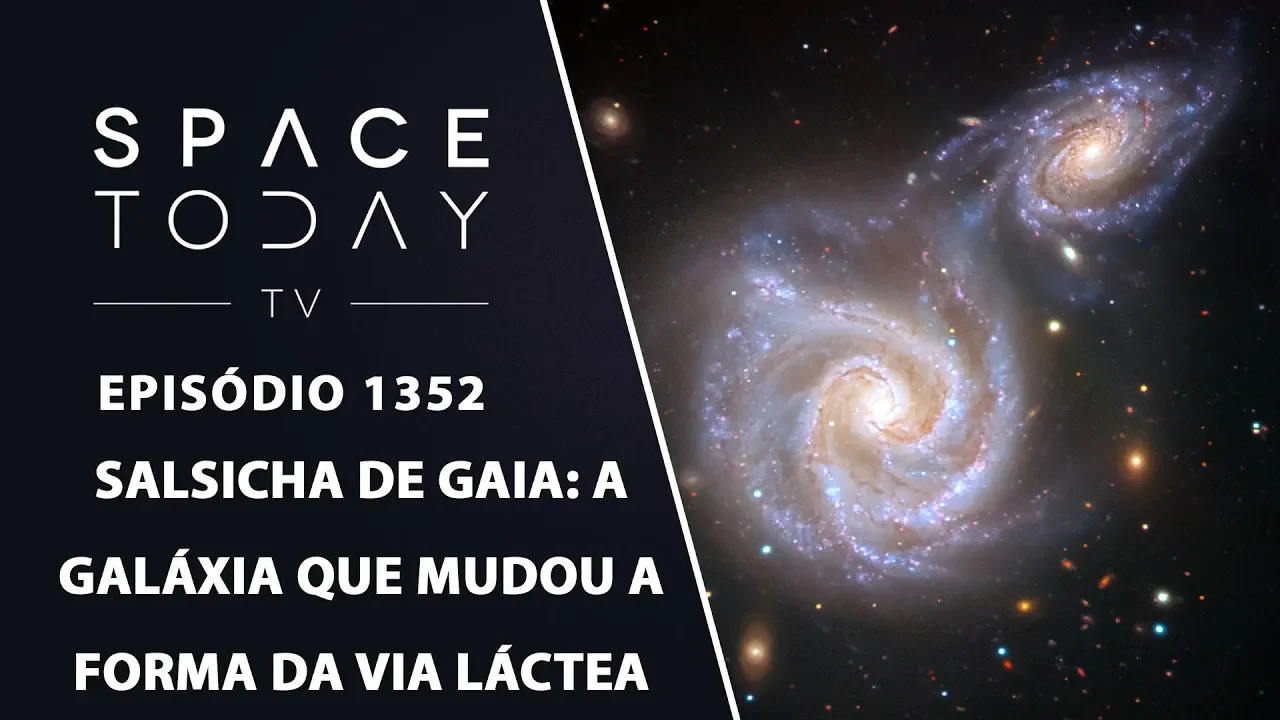
The Milky Way galaxy formed approximately 10 billion years ago when it collided with a smaller galaxy called Gaia Enceladus, a discovery made possible by the Gaia telescope's precise mapping of nearby stars. This collision caused a dramatic increase in star formation, transforming the Milky Way from a relatively calm disc galaxy into the spiral galaxy we observe today. The collision established the galaxy's current shape about 6 billion years ago, and the Milky Way has since maintained a stable star formation rate of 1.3-1.6 solar masses per year until its future collision with the Andromeda galaxy.
The Galactic Collision That Shaped the Milky Way: A Gaia Analysis
Added:The basic structure of the Milky Way, including the galactic disk, halo, and central bulge.
Fundamental concepts of stellar astrometry and how the European Space Agency's Gaia mission measures stellar positions, distances, and proper motion.
The principles of gravity and galactic dynamics, specifically how galaxies interact and merge over cosmic time.
The concept of stellar populations and chemical abundance (metallicity) to distinguish stars born in different environments.
In-depth study of the 'Gaia-Enceladus' (or Gaia-Sausage) dwarf galaxy, the specific progenitor of the historic collision.
The methodology of 'galactic archaeology'—reconstructing the evolutionary history of galaxies using stellar kinematics and chemistry.
The physics of future galactic mergers, particularly the predicted collision between the Milky Way and the Andromeda Galaxy (M31).
The role of dark matter halos in facilitating and stabilizing galactic collisions and structure formation.
110.7K views3Klikes13:38Original Release: 2019-07-25
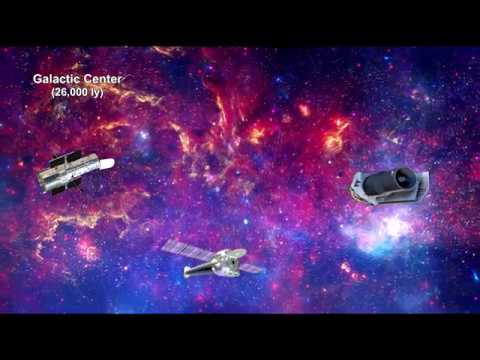
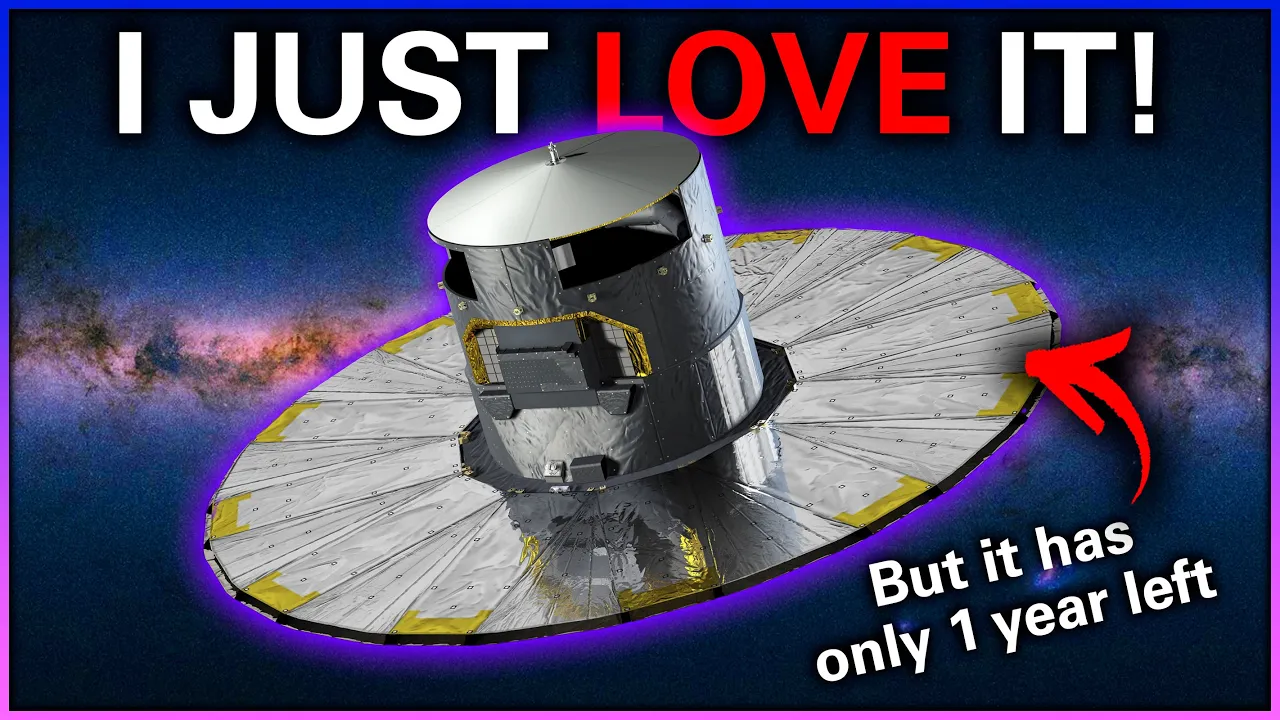
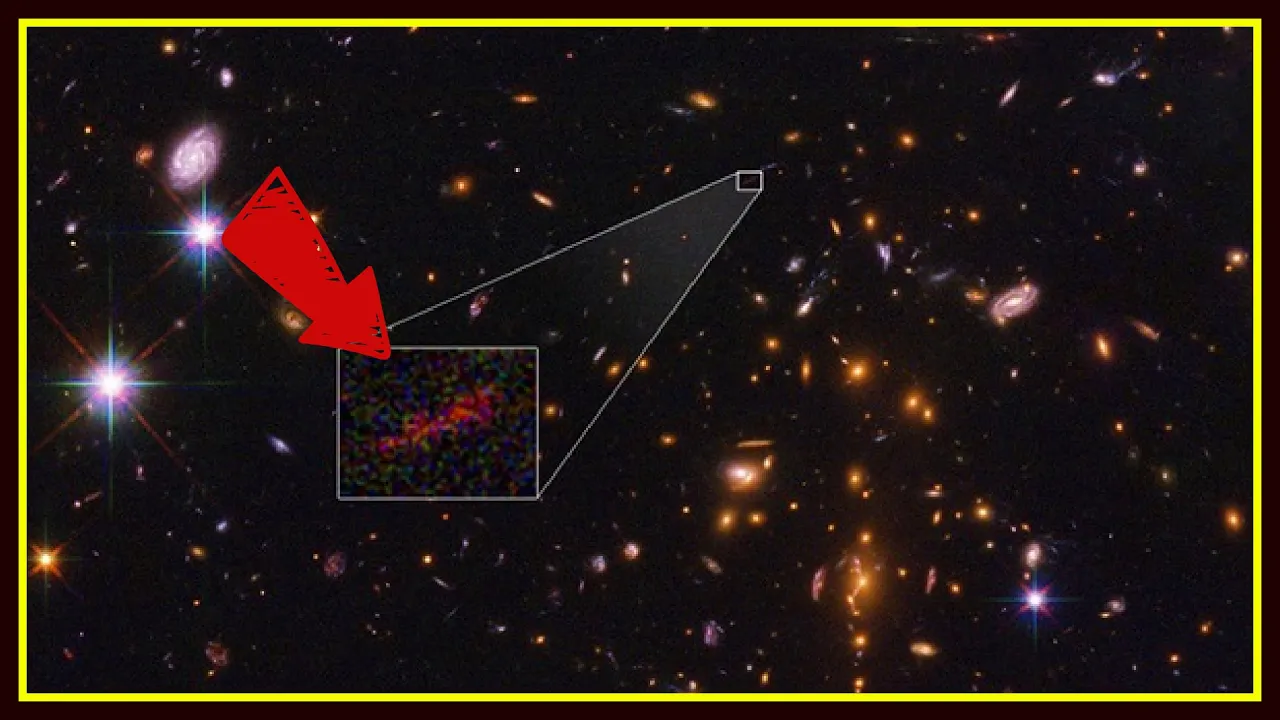
hello wonderful person this is Anton and in this video we're going to be talking about the origins of the Milky Way and discuss a little bit more about what happened to our galaxy about ten billion years ago let's talk about this and welcome to what the math so in some of the previous videos actually no other videos will discuss the origin of for example our solar system also how the Earth Moon system was created when an object known as pea collided with earth we never really discussed how our galaxy was made and so today I wanted to discuss a little bit more about this recent study that really thoroughly analyzed the origin of the Milky Way and specifically the collision the very very large collision that it received around ten billion years ago this paper from nature magazine that you can find in the description below talks about what happened to the sort of primordial Milky Way when it collided with another galaxy known as Gaia Enceladus here is a very rough summary that was created by Gabriel Perez dias and it shows you that about 10 billion years ago the galaxies collided and the present-day galaxy was created as a result of this but how exactly do we know all of this and also um what exactly may have happened now it's very difficult to answer the second question because well we're still kind of early in our understanding of galactic collisions we have a lot of simulations like for example here's one from universe sandbox where you can see two relatively different galaxies colliding and we can actually even see what happens as a result and we also seen a war of galactic collisions out there with for example Hubble telescope but in most cases on our actual understanding of the process is still only limited to simulations like this one you see on the screen so in some sense we do understand it but in most other senses it's still kind of new to us we do however know that the galactic collisions started happening almost immediately this is the earlier such collision we've detected only a few months ago and this happens only a few million years after the creation of galaxies and this one here was known as b14 six five six six six and the actual image that was discovered - only a few months ago from when I'm making this video looked something like this and this was quite astounding in that it seems that galactic collisions started happening basically almost right away our own galaxy our beautiful Milky Way I did not receive these large collisions until only about three billion years after its existence as a matter of fact it seems that the early Milky Way galaxy was relatively calm it may have absorbed some of the galaxies some of the smaller galaxies nearby so basically dwarf galaxies that were circling around it and it did increase its mass a little bit but for the first three billion years it was just a typical disc galaxy not really a spiral yet and it was absorbing a lot of mass but also creating a lot of stars and today we know that eventually the Milky Way will collide with the Andromeda galaxy this is going to be probably the largest collision our galaxy will ever experience and eventually these two bull well first of all they'll do something similar to what you see in this simulation here they'll basically destroy each other in a sense and then eventually combine into a single galaxy that is going to be ridiculously massive because as you can see there's another third object there that's the triangle galaxy it will also join them at some point as well so this will be the sort of ultimate galactic collision in our own neighborhood but today we know that well our galaxy definitely had collisions before as well and the first such large collision very likely happened ten billion years ago now the simulations first are still kind of not really that accurate but our understanding of what happened and also what happened to the galaxies afterwards is quite accurate and all of this is based on the analysis from the beautiful gaia telescope that in the last year's was able to extremely accurately map nearby stars millions of nearby stars within about 6,500 light-years away from our system and we now have very accurate location very accurate motion and also very accurate distance to those stars and because of this not only can we now predict what's going to happen to the galaxies we can also look back in time and see what caused certain features of the galaxy and this is exactly what this particular paper did they looked at the nearby stars realized that of all of the stars they studied there was one group of stars that they refer to as the red type that had very high metallicity basically very high content of don't hydrogen and another group that they refer to as the blue type that had very low metallicy and they both had relatively different ages relatively different compositions but together these two groups may have come from two different places and they realized that the blue nonmetal rich stars probably came from a completely different galaxy a long time ago roughly run ten billion years ago they also realized that both of these galaxies were roughly around 3 billion years when this happened both of them were creating a lot of stars and as a result of this collision um they actually increase the amount of stars that was being created in the Milky Way dramatically so Milky Way kind of became a very active galaxy for a little bit and then within about 3 to 4 billion years after the collision Milky Way settled into its shape that we have today and remained same way since in other words this shape here was very likely established about 6 billion years ago and hasn't really changed much except for occasional smaller collision with dwarf galaxies that did transform its shape a little bit like for example giving it the ripples about which I've talked about in one of the previous videos I think it's somewhere above my head right now and although the initial star production right after the collision was probably really really high I don't really know how many stars but there are a lot of stars that were being created because all of this dust that you see mixing here then had a chance to combine into a larger star the larger objects and so on um following this after about two to three billion years the actual star creation sort of settled and has not changed since so in the last 6 billion years it's very likely that the Milky Way galaxy has been producing roughly around more in terms of masses about 1.3 to 1.6 masses of the Sun per year and this has not changed for a really long time and will not change until the collision with the Andromeda galaxy but what's unusual about this particular collision is that it took so long for Milky Way to get its first major collision we know that it received small collisions but this major collision took three billion years this suggests that it's very likely the Milky Way galaxy was in a relatively remote location with no other larger galaxies in its vicinity because today we know that galactic collisions happen very frequently there's a lot of them and we even have a very unusual term for some of the galaxies that collide with other galaxies we call them galactic cannibals basically because they eat up other galaxies and today Milky Way is seen as such cannibal because it's absorbed a lot of galaxies small galaxies over time with the guy and so does galaxy being the biggest such object for another two and a half to maybe three billion years until Andromeda and decides to combine with ours now it's not really clear just yet what's going to happen to Milky Way after the Andromeda collision but today we believe that and they're probably going to become sort of like a mixture or hybrid and turn into a somewhat shapeless what's known as an elliptical galaxy basically a galaxy that doesn't really have a disk anymore and that's because both galaxies are relatively similar in mass and in size so neither one of them is a cannibal anymore you're just combining into one but although it's somewhat difficult for us to predict what's going to happen in the fuel in years we can definitely try to analyze what has already happened and this is why guy telescope allows us to do all of this was so much precision now and just to finish all of this I actually wanted to try to recreate this collision or something similar to this collision universe sandbox because we do have these beautiful very realistic looking galaxies in the simulation now so here is the Milky Way what it may have looked like approximately 10 billion years ago and this is the galaxy that it's about to swallow known as Gaia Enceladus now I didn't really put them in the location that you saw in this image mostly because we're not even sure if this is how it happened we just know they collided we don't really know what inclination they had to each other and we also don't really know how fast they were moving we just know that it sort of happened once we have more data coming from Gaia we'll be able to kind of go back in time and find out how exactly happens for now though we're not really sure which is why our collision is going to be basically really simple two galaxies one larger one one smaller one colliding with one another now for this to be very accurate we of course would need to have Dark Matter but it's very difficult to simulate Dark Matter using a simple computer that I have at home so we're just going to have visual representation of all of this and so here from this particular angle we can kind of see that these galaxies maintain their shapes until the last moment right before the collision happens and what's really interesting about this is that these stars that were present in both galaxies are still out there in our galaxy and also we can discover them and we can study them in a lot more detail to try to find out what those galaxies were like before the collision some of these stars specifically the red dwarfs are still alive and well and they still emit enough light for us to study them and so here's here's the collision and as you can see the Milky Way cannibalized the small galaxy absorbed it into itself and I just saw the black holes accidentally leaving the system so yeah it looks like we destroyed the whole thing and that's because I think the black holes here were a little bit too massive I need to make them smaller and unfortunately even in the second simulation and my suspicion is that the black holes will probably not really play along but anyway you can see how beautiful all this is you can see how the larger galaxy is cannibalizing the smaller galaxies basically absorbing all of the matter and all this will cause a tremendous explosion in star formation and then we have this expulsion of some of the matter and this is based on the black hole interaction which will be followed by the creation of a somewhat stable cylindrical shape that will then become the Milky Way as we know today in other words this fabric here will be formed after about 3 to 4 p.m.
years off stars just circling around being destroyed being created and within about three to four billion years it will stabilize into the shape that we know today but in this particular simulation looks like creating a spiral galaxy did not go very well again we may have failed yet again now as you can see it's not a very easy task as a matter of fact this is why we believe galaxies are not just a collection of stars and matter today we believe that there's a lot more other things involved including of course dark matter that will have contributed to the stability of the shape of the galaxy and also prevent the galaxies from doing this from falling apart so this present-day shape of the Milky Way has definitely been formed and shaped by not just the interaction of matter but also a very strong influence from other mysterious things like dark matter and possibly without it we would not even have anything that looked like this instead it would look something similar to what I just created right here in universe sandbox anyway on that note check out the e paper that I mentioned in in description below it's a really interesting analysis of what may have happened to the Milky Way about ten billion years ago and in some of the future videos we'll explore some other and you know things were discovered about our galaxy that you may have not known before so do come back tomorrow to learn something you probably didn't know and most importantly share this video with someone who loves learning about space and Sciences subscribe if you still haven't end let me know in the comments below what are the things about our galaxy like to find out that you don't really know yet I'll see you tomorrow space out and as always bye [Music]
Up Next

48:56
How Gaia Revealed the Milky Way's Ancient Collision
@UofTAstroTours
712 views•2024-01-12
61:17
First Billion Years of the Universe with the Square Kilometre Array
@iaaudc
121 views•2022-05-26
14:59
JWST & ALMA Reveal New Planet Formation Secrets
@whatdamath
82.3K views•2024-03-13
6:10
Gamma-Ray Bursts: Cosmic Snipers Explained | Astronomy
@kurzgesagt
15M views•2016-07-31
Related Study Plans & Knowledge Roadmaps
Structured learning paths in Astronomy
astronomy
Reionization: Pop III Stars, IGM & 21cm Line
01Foundations of Cosmology & the Early Universe
02Population III Stars & Cosmic Dawn
03Physical Mechanisms of Reionization
+ 2 more learning modules
17h5 modules
Explore Roadmap
astronomy
Planetary Rings: Dynamics, Roche & Resonances
01Foundations of Gravity and Orbital Mechanics
02Tidal Forces and the Roche Limit
03Structure, Composition, and Collisions
+ 2 more learning modules
10h5 modules
Explore Roadmap
astronomy
Asteroseismology: Stellar Waves, Ages & Cores
01Foundations of Stellar Astrophysics & Wave Mechanics
02Stellar Oscillation Modes: P-modes and G-modes
03Mathematical Framework of Asteroseismology
+ 2 more learning modules
35h5 modules
Explore Roadmap
astronomy
Adaptive Optics: Physics, Engineering & Control
01Foundations of Wave Optics and Wavefronts
02Atmospheric Turbulence & Optical Distortion
03Wavefront Sensing Technologies
+ 3 more learning modules
35h6 modules
Explore Roadmap